Throughout history, some rulers and civilizations managed to control land on a scale that is almost impossible to picture today. From the steppes of Central Asia to the coasts of South America, empires rose and stretched across continents, shaping languages, religions, and borders we still recognize.
Understanding how large these empires were helps us see just how connected and complex the ancient and modern world truly is. Here are 15 of the most powerful empires in history, ranked by the staggering amount of land they once controlled.
1. British Empire
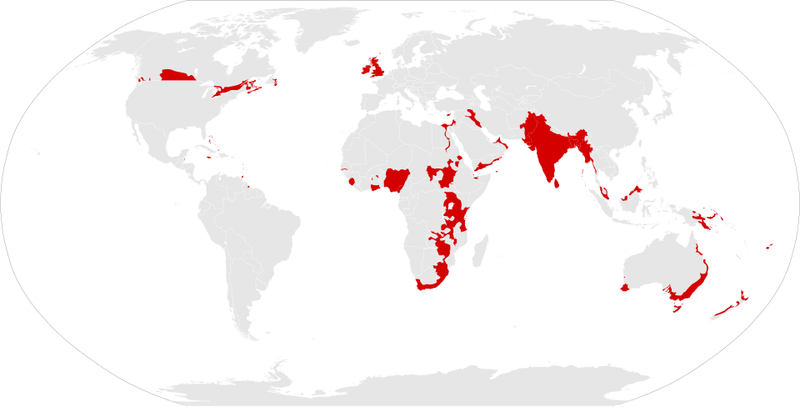
At its height in 1920, the British Empire covered roughly 35.5 million square kilometers, making it the largest empire the world has ever seen. It controlled about 24% of all land on Earth, which is why people said the sun never set on it.
Somewhere in the empire, it was always daytime.
The British built this empire over several centuries through trade, military force, and colonization. They held territories on every single continent, from Canada and India to Australia and large parts of Africa.
The empire shaped global trade routes, legal systems, and even the English language itself.
By the mid-20th century, independence movements began breaking the empire apart. Today, the Commonwealth of Nations carries on a loose connection between many former British territories, a reminder of just how far that empire once reached.
2. Mongol Empire
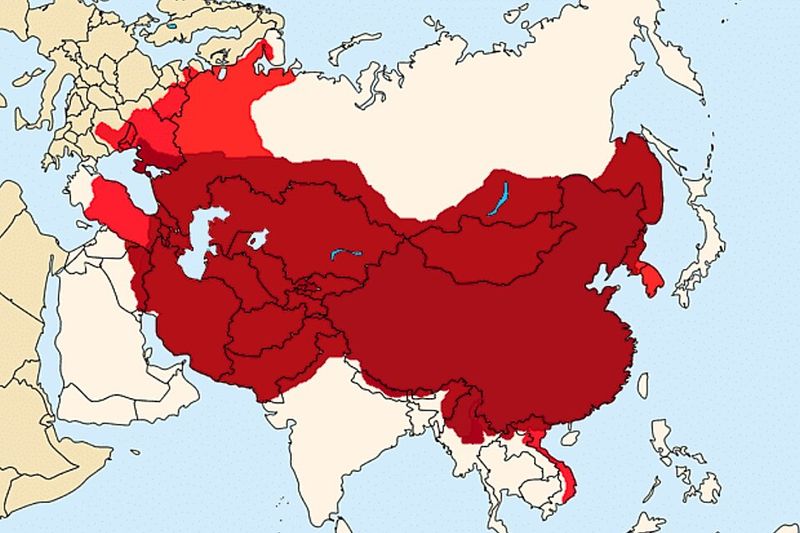
No land empire in history has ever matched the sheer size of the Mongol Empire at its peak in the 1270s. Stretching across roughly 24 million square kilometers, it connected China to Eastern Europe in a single, unbroken stretch of territory.
That is an almost unimaginable accomplishment for an empire built on horseback.
Genghis Khan united the nomadic tribes of the Mongolian steppe in the early 1200s and launched one of history’s most rapid military expansions. His descendants pushed even further, conquering Persia, Russia, and Korea.
The Mongols were feared for their speed and brutal efficiency in battle.
Despite their fearsome reputation, the Mongols also created the Pax Mongolica, a period of relative peace that allowed trade along the Silk Road to flourish. Ideas, goods, and diseases all traveled faster because of Mongol rule.
3. Russian Empire
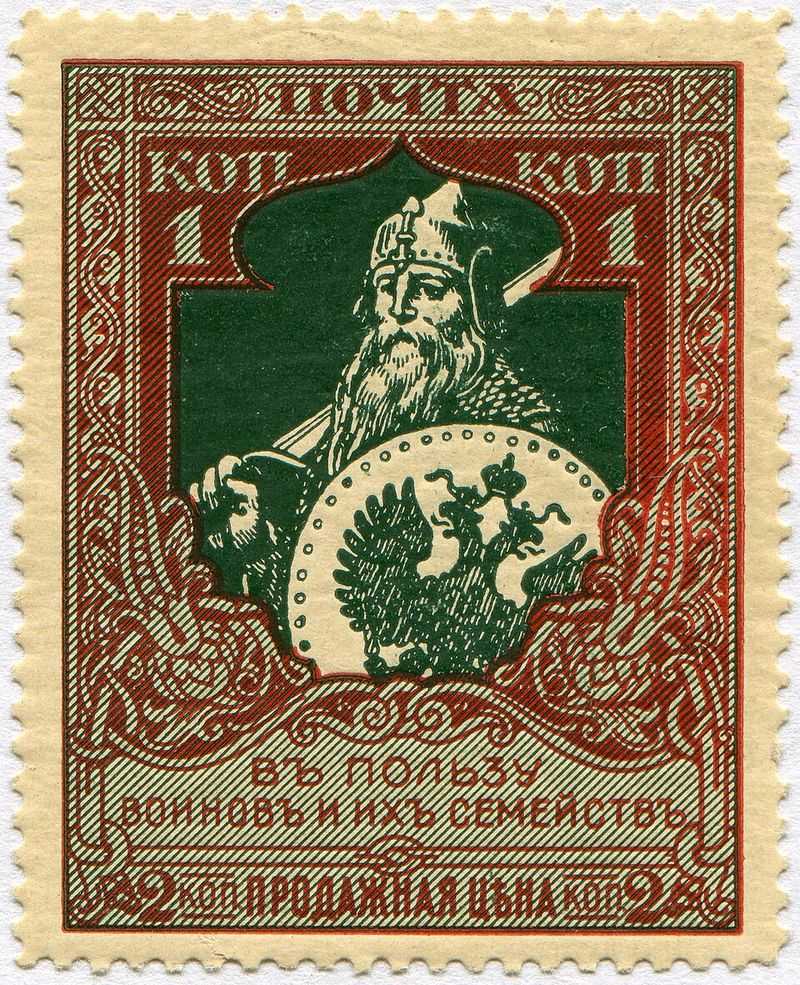
Spanning about 22.8 million square kilometers at its peak in 1895, the Russian Empire was one of the three largest empires ever to exist. It stretched from Eastern Europe all the way through Siberia and, for a time, even included Alaska before it was sold to the United States in 1867.
That is a lot of frozen tundra.
The empire grew gradually over several centuries as Russian tsars pushed outward in every direction. Unlike the British Empire, Russia expanded mostly overland rather than by sea, absorbing neighboring kingdoms and territories piece by piece.
This gave it one of the most diverse populations of any empire in history.
By 1917, revolution ended the Russian Empire, replacing it with the Soviet Union. Even so, Russia today remains the largest country in the world by land area, still carrying echoes of its imperial past.
4. Qing Dynasty
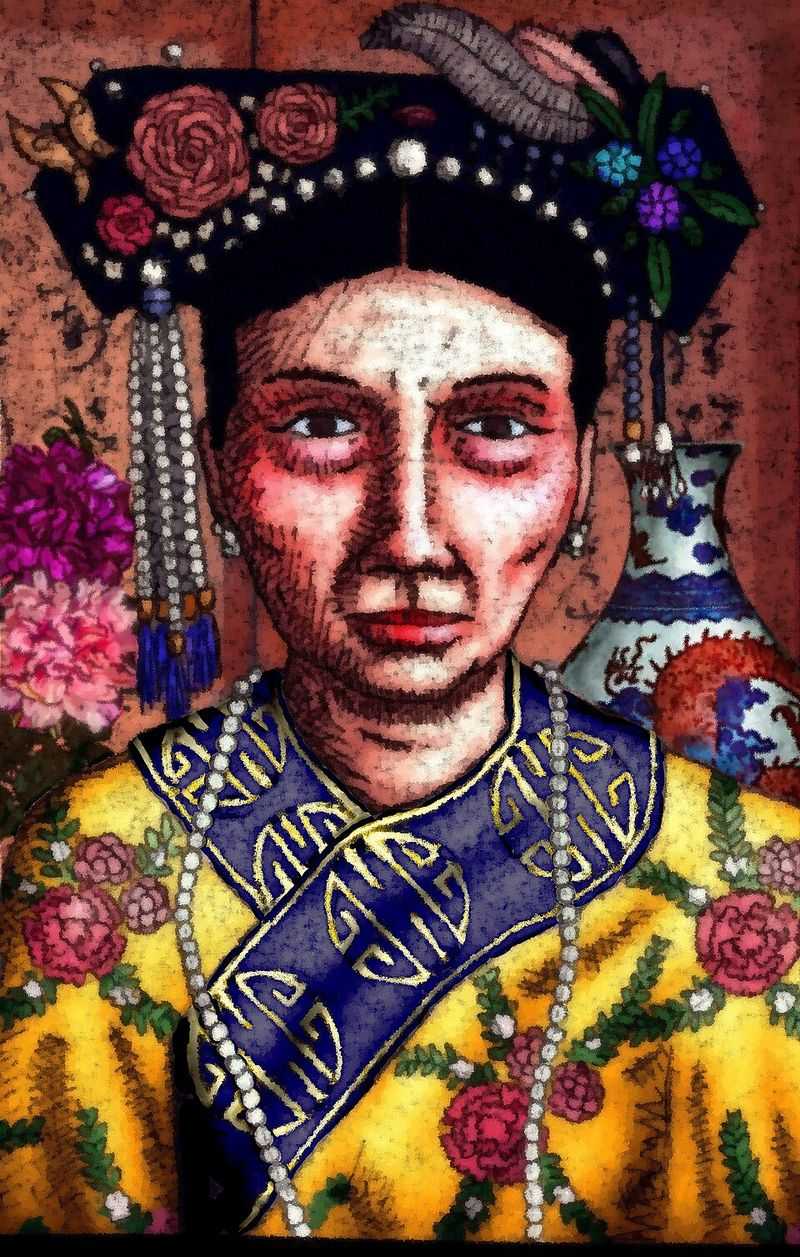
The Qing Dynasty, which ruled China from 1644 to 1912, was the largest empire China has ever produced. At its peak in the late 18th century, it covered approximately 14.7 million square kilometers, stretching far beyond the borders of modern China to include Mongolia, Tibet, and parts of Central Asia.
Founded by the Manchu people of northeastern China, the Qing Dynasty conquered the Han-dominated Ming Dynasty and went on to build an empire through a combination of military campaigns and diplomatic alliances. The dynasty’s rulers became skilled at managing a vast, multiethnic population.
At its height, China under the Qing held roughly one-third of the entire world’s population.
The dynasty began to weaken in the 19th century due to internal rebellions and pressure from Western powers. It finally collapsed in 1912, giving way to the Republic of China and ending over 2,000 years of imperial rule.
5. Spanish Empire
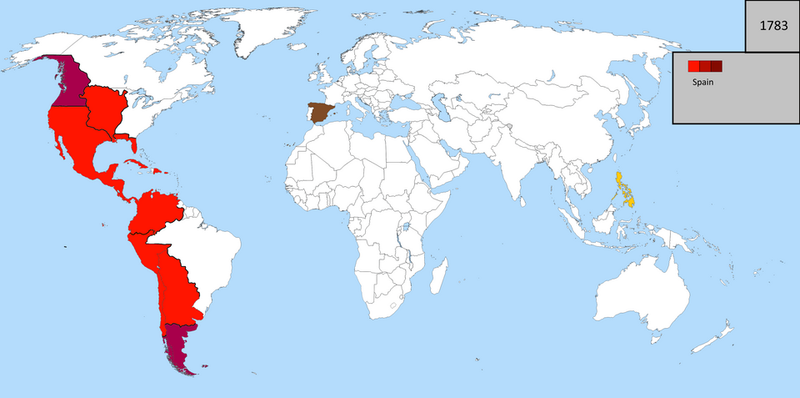
The Spanish Empire holds a unique place in history as the first truly global empire, spreading across the Americas, parts of Europe, Africa, and even Southeast Asia. At its height around 1810, it covered roughly 13.7 million square kilometers.
Spanish explorers like Columbus, Cortes, and Magellan opened up entire continents to European influence.
Spain built its empire primarily through conquest and colonization beginning in the late 1400s. The discovery of silver and gold in the Americas made Spain extraordinarily wealthy for over a century.
The Spanish language, Catholicism, and colonial architecture spread across two continents as a result.
The empire began to decline in the 1800s as independence movements swept through Latin America. By the early 20th century, Spain had lost nearly all its overseas territories.
Yet the cultural legacy of the Spanish Empire remains deeply visible across 20 modern nations today.
6. Second French Colonial Empire
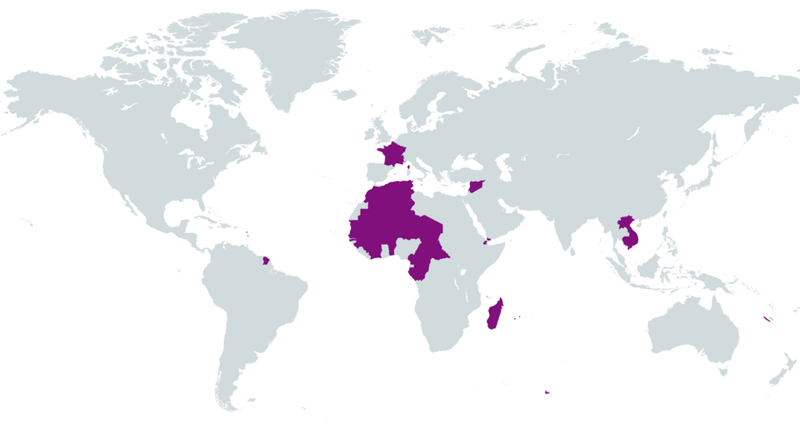
France built its second colonial empire primarily during the 19th and early 20th centuries, reaching its greatest size in the 1920s and 1930s with roughly 11.5 million square kilometers of territory. It was the second-largest colonial empire in the world, trailing only the British.
France controlled large portions of West and Central Africa, as well as much of Southeast Asia.
French colonialism left a lasting cultural imprint on the regions it touched. The French language, legal codes, and educational systems were introduced across dozens of territories.
In places like Vietnam, Senegal, and Morocco, French influence shaped governments and societies for generations after independence.
After World War II, independence movements rapidly dismantled the empire. Most French territories gained independence by the 1960s.
France still maintains several overseas territories today, but the grand colonial empire it once held is now a chapter of history studied in classrooms worldwide.
7. Abbasid Caliphate
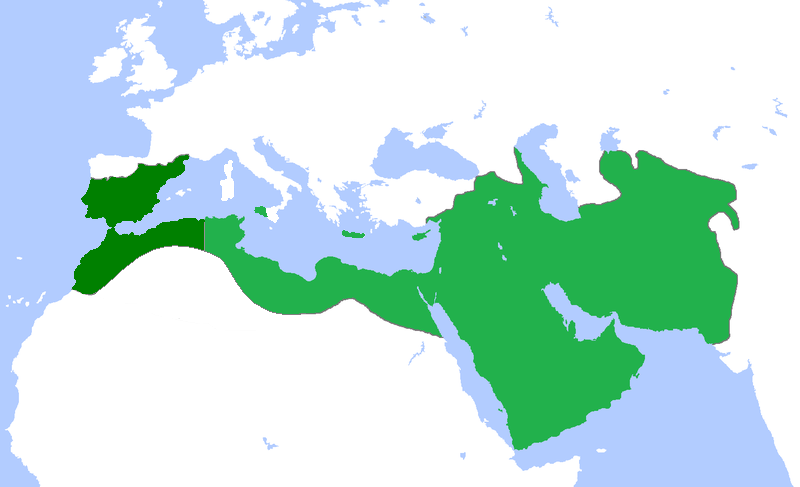
The Abbasid Caliphate, which ruled from 750 to 1258 CE, was one of the most intellectually vibrant empires in history. At its peak around 850 CE, it covered about 11.1 million square kilometers, stretching from North Africa to Central Asia.
Its capital, Baghdad, became the most important city in the world for science, medicine, and philosophy.
During what historians call the Islamic Golden Age, Abbasid scholars translated Greek texts and made original discoveries in mathematics, astronomy, and medicine. Concepts like algebra and the decimal number system were developed and refined under Abbasid patronage.
The empire was a crossroads of ideas as much as it was of trade routes.
The Abbasid Caliphate fell in 1258 when Mongol forces sacked Baghdad, destroying its famous library. The loss was enormous, but the knowledge the Abbasids preserved and created had already spread across Europe and Asia, shaping future civilizations profoundly.
8. Umayyad Caliphate
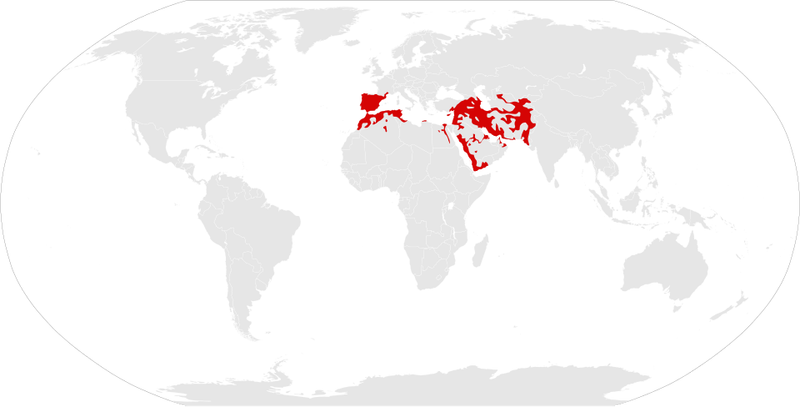
Few empires in history expanded as fast as the Umayyad Caliphate. Within just a few decades of its founding, it had spread from the Arabian Peninsula across North Africa, into Spain, and east through Persia and into Central Asia.
By 720 CE, it controlled roughly 11 million square kilometers, making it one of the largest empires of its era.
The Umayyads were the first great Islamic dynasty after the death of the Prophet Muhammad. They unified a vast and diverse population under a single administrative system and spread the Arabic language across much of the known world.
Their architectural achievements, including the Dome of the Rock in Jerusalem, still stand today.
The Umayyad Caliphate was eventually overthrown by the Abbasids in 750 CE. However, a branch of the Umayyad family escaped to Spain and established a separate caliphate there, keeping the dynasty’s legacy alive for centuries longer.
9. Yuan Dynasty
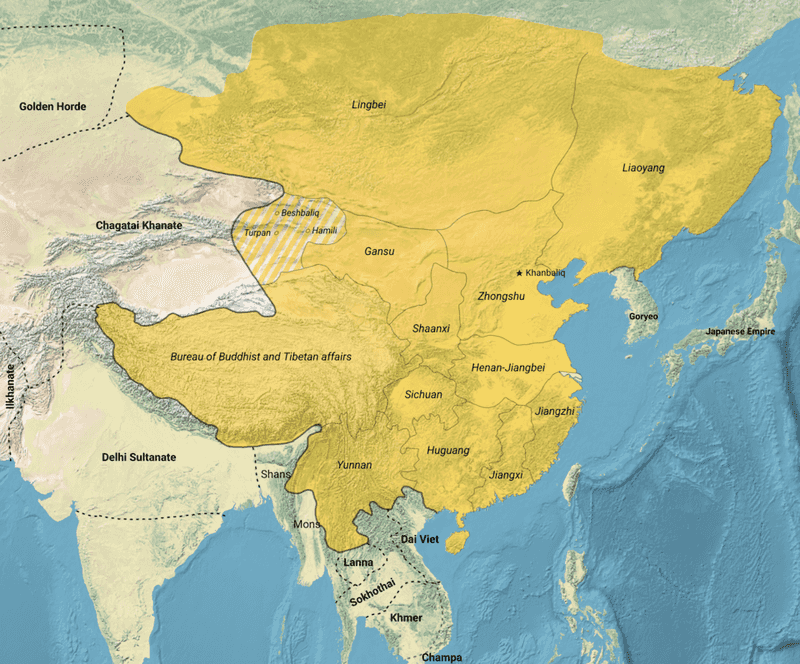
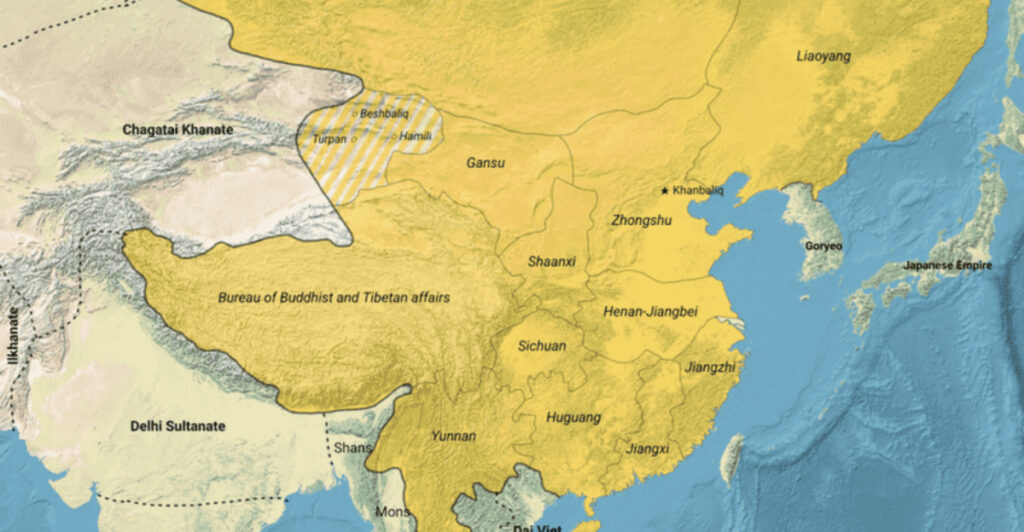
When Kublai Khan completed the conquest of China in the 1270s, he founded the Yuan Dynasty, a Mongol-ruled Chinese empire that became one of the largest states of the medieval world. At its peak around 1300 CE, the Yuan Dynasty covered approximately 11 million square kilometers, encompassing all of modern China, Mongolia, and parts of Korea and Southeast Asia.
Kublai Khan was a fascinating ruler who embraced Chinese culture while maintaining Mongol traditions. He made Beijing his capital, called it Khanbaliq, and welcomed foreign visitors like the Italian traveler Marco Polo to his court.
Trade and cultural exchange flourished under his reign. The Silk Road reached one of its most active periods during Yuan rule.
The Yuan Dynasty collapsed in 1368 after decades of economic troubles and rebellions. The Ming Dynasty replaced it, ending Mongol rule over China.
But the Yuan period left a lasting mark on Chinese art, cuisine, and governance that persists even today.
10. Xiongnu Empire
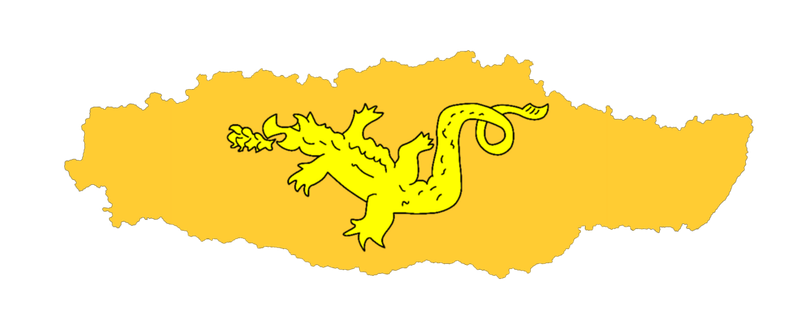
Long before the Mongols, a powerful nomadic empire dominated the grasslands north of China. The Xiongnu Empire, at its peak around 200 BCE, controlled roughly 9 million square kilometers of Central Asian steppe, desert, and mountains.
They were so threatening that the Han Dynasty of China paid them tribute just to keep the peace.
The Xiongnu were master horsemen and archers who could strike quickly and disappear back into the steppe before Chinese armies could respond. It was largely because of the Xiongnu threat that China accelerated construction of the Great Wall.
They were the original force that made the wall necessary.
The empire eventually fragmented due to internal conflicts and military pressure from the Han Dynasty. Some historians believe that groups of Xiongnu migrated westward after their empire fell, possibly becoming ancestors of the Huns who later terrorized Europe under Attila in the 5th century CE.
11. Achaemenid Persian Empire
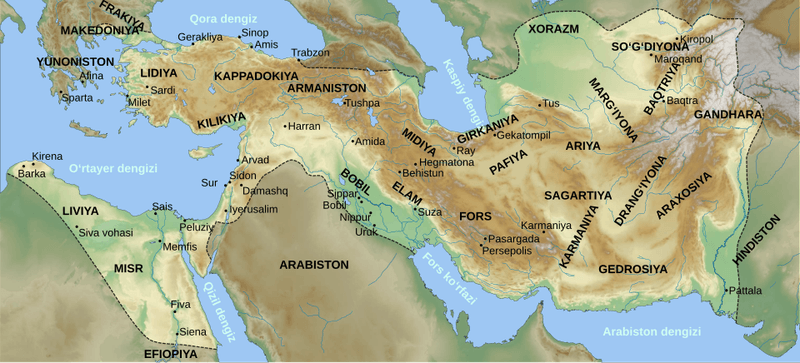
Around 500 BCE, the Achaemenid Persian Empire was the most powerful state on Earth. Covering roughly 8 million square kilometers, it stretched from Greece and Egypt in the west to the borders of India in the east.
Historians often call it the first true world empire because of how many different cultures and peoples it brought under a single government.
Founded by Cyrus the Great in the 6th century BCE, the Achaemenid Empire was notable for its relatively tolerant administration. Cyrus allowed conquered peoples to keep their religions and local customs, a remarkable approach for the ancient world.
The famous Cyrus Cylinder is considered one of the earliest documents of human rights principles.
The empire fell to Alexander the Great between 334 and 330 BCE. Despite its defeat, Persian culture, language, and administrative systems had such a deep influence on the ancient world that they shaped empires for centuries afterward, including Alexander’s own.
12. Portuguese Empire
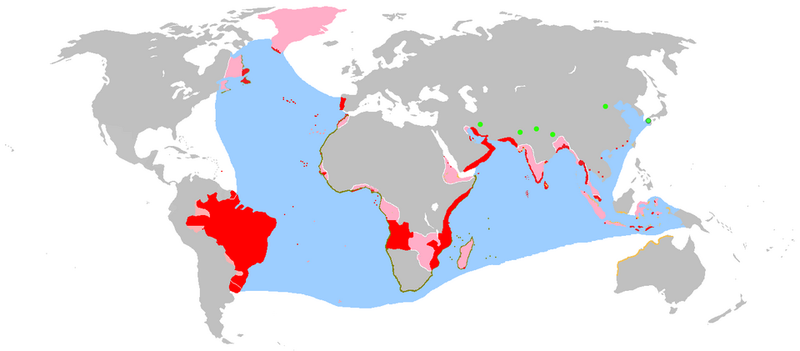
Portugal was a small country with an enormous ambition, and it became the world’s first global maritime empire. At its peak in the early 19th century, the Portuguese Empire covered approximately 10.4 million square kilometers, with territories spread across Brazil, Africa, India, and Southeast Asia.
Portuguese sailors were among the first Europeans to chart the coasts of Africa and Asia.
Beginning in the early 1400s, Portuguese explorers like Vasco da Gama and Bartolomeu Dias opened new sea routes that bypassed the overland Silk Road. This gave Portugal a massive trade advantage, especially in spices, gold, and enslaved people.
The empire grew wealthy through control of key ports and trade networks across three oceans.
Portugal’s empire lasted longer than almost any other colonial power, with its final overseas territory, Macau, returned to China in 1999. The Portuguese language today is spoken by over 250 million people, a lasting echo of that seafaring empire.
13. Maratha Empire
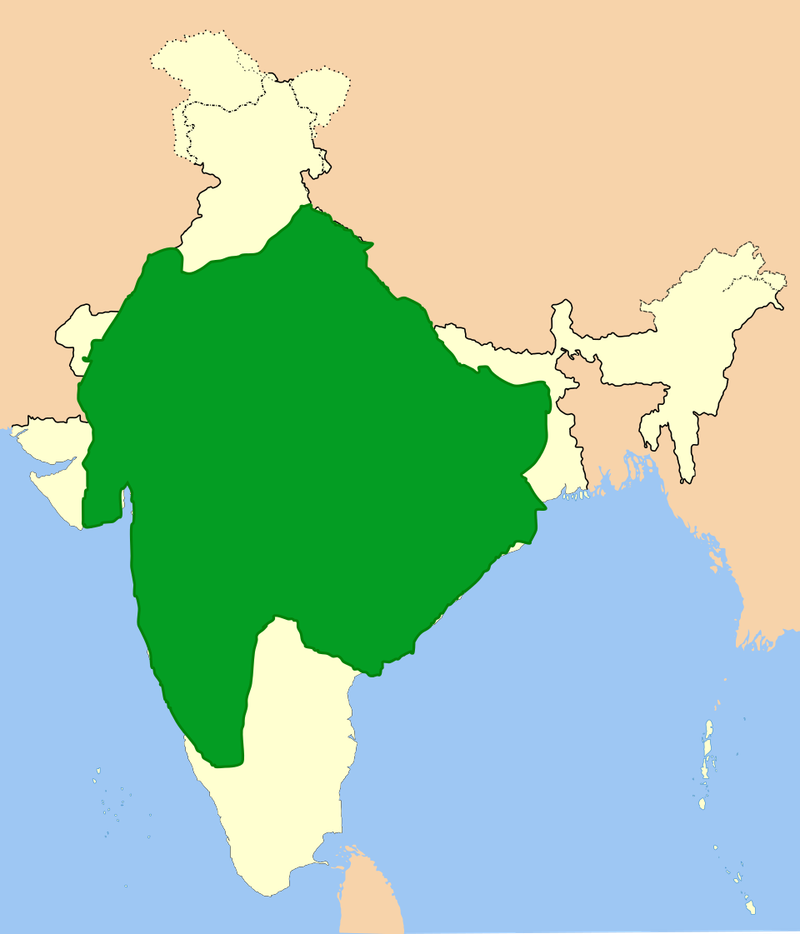
Before the British took firm control of India, the Maratha Empire stood as the dominant power across much of the subcontinent. At its height in the 18th century, it covered between 4.3 and 5 million square kilometers, stretching from the southern tip of India up through the Deccan Plateau and into northern regions near Delhi.
The Marathas were a formidable military and political force.
Founded by the legendary warrior-king Shivaji in the 1670s, the Maratha Empire grew from a small kingdom in western India into a confederacy that challenged Mughal authority and later resisted British expansion. Shivaji is celebrated in India to this day as a symbol of resistance and strategic brilliance.
His guerrilla tactics in the rugged Western Ghats became the stuff of legend.
The empire weakened after a devastating defeat at the Battle of Panipat in 1761 and eventually fell to the British East India Company by the early 19th century. Its legacy lives on in Maharashtra, one of India’s most prosperous states.
14. Ottoman Empire
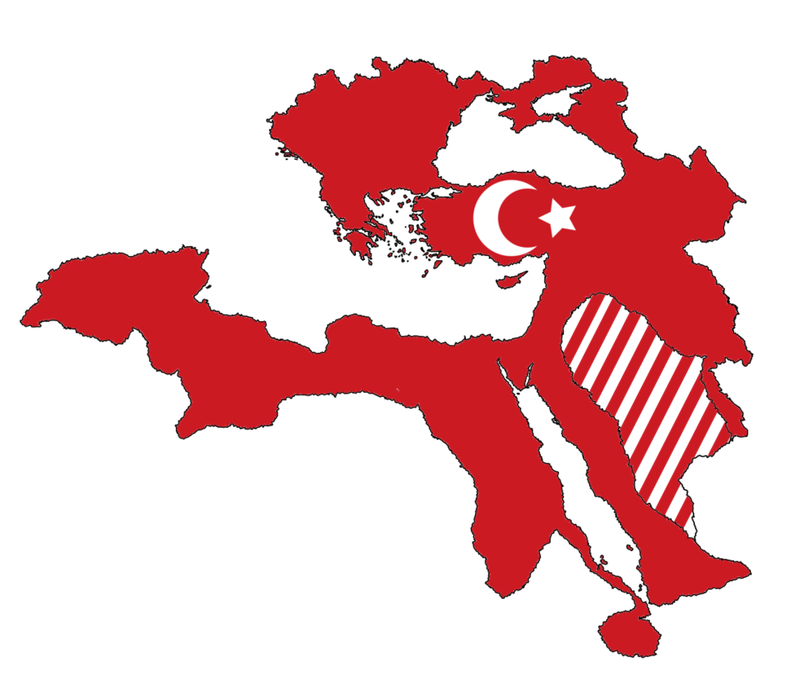
At its greatest extent in 1683, the Ottoman Empire stretched across roughly 5.2 million square kilometers, connecting three continents in one political structure. It controlled Southeast Europe, the entire Middle East, and a wide sweep of North Africa.
For over 600 years, the Ottomans were one of the most powerful forces in world history.
Founded in the late 13th century by Osman I, the empire grew steadily through military conquest and shrewd administration. The capture of Constantinople in 1453 by Sultan Mehmed II was one of the defining moments of world history, ending the Byzantine Empire and establishing Ottoman dominance over the eastern Mediterranean.
Istanbul, as Constantinople came to be called, became a global center of culture and commerce.
The empire declined slowly over the 19th century, earning the nickname the sick man of Europe. After World War I, it collapsed entirely, and the modern Republic of Turkey emerged from its ruins in 1923 under Mustafa Kemal Ataturk.
15. Mughal Empire
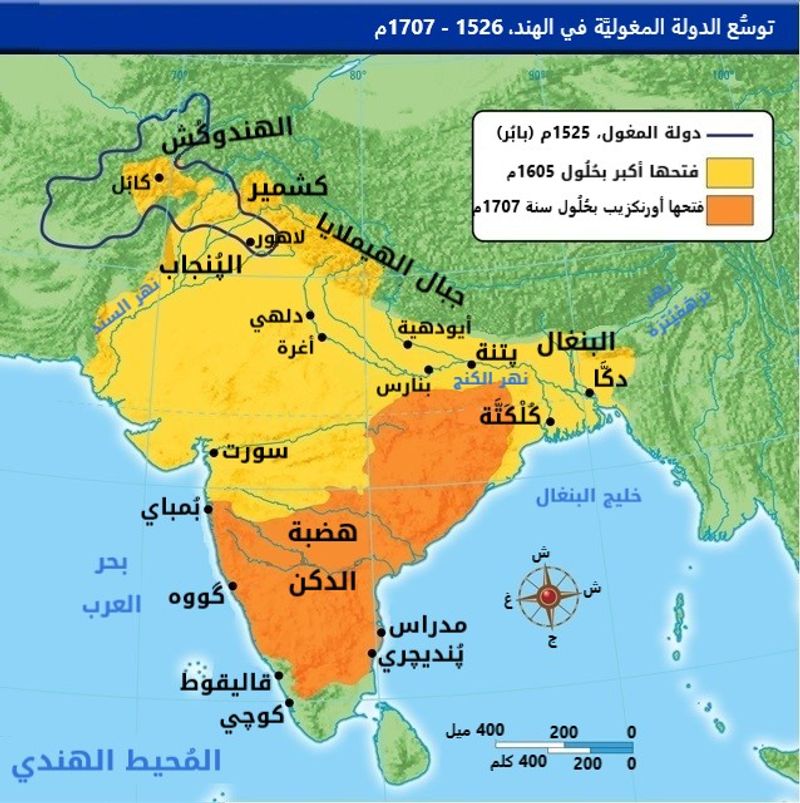
At the turn of the 18th century, the Mughal Empire was widely considered the wealthiest empire on the planet. Covering around 4 million square kilometers of the Indian subcontinent at its 1700 peak, the Mughal Empire produced an estimated 25% of global GDP at a time when India was the world’s economic powerhouse.
That kind of wealth is hard to fully comprehend.
Founded in 1526 by Babur, a descendant of both Genghis Khan and Timur, the Mughal Empire blended Persian, Central Asian, and Indian cultures into something entirely its own. Emperor Akbar the Great, who ruled from 1556 to 1605, was especially celebrated for his religious tolerance and administrative skill.
The Taj Mahal, built by Emperor Shah Jahan, remains one of the most iconic structures ever created.
The empire weakened significantly after the reign of Aurangzeb and gradually fell under British East India Company control during the 18th and 19th centuries. The last Mughal emperor was exiled in 1858, ending a dynasty that had defined an entire era of South Asian history.
Share this story