Europe is full of places that look like they belong on a postcard, but the best ones also feel alive with real people, real routines, and real stories. These are the towns where a fisherman waves from his boat in the morning and a grandmother hangs laundry from a medieval window by afternoon.
Finding spots where stunning scenery and authentic local culture exist side by side is rarer than you might think, but these 15 destinations prove it is absolutely possible.
Kotor, Montenegro
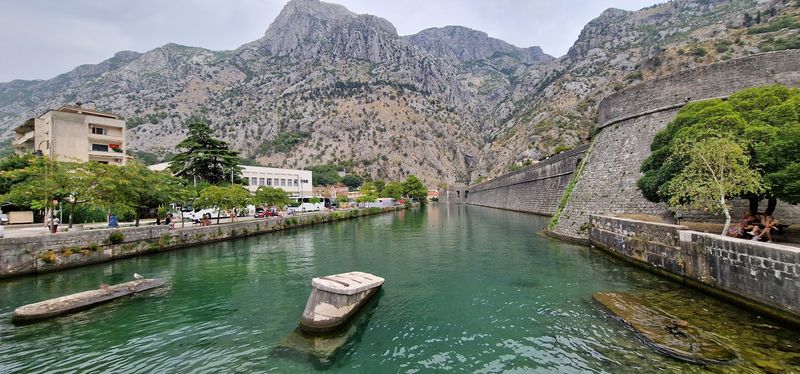
Squeezed between towering limestone mountains and a mirror-calm bay, Kotor looks like someone designed it specifically to make your jaw drop. The medieval walls zigzag up the hillside like a stone staircase built for giants, and the views from the top are worth every single step.
Locals have been living inside these ancient walls for centuries, and that history is impossible to ignore.
Wander through the old town on a weekday morning and you will find residents doing ordinary things, picking up bread, chatting outside doorways, and walking small dogs through cobblestone alleys. The waterfront promenade fills with life each evening as families stroll and cafes buzz with conversation.
Kotor never feels like a theme park, even during peak season.
Beyond the walled city, small fishing villages dot the bay shoreline and offer an even quieter glimpse of coastal Montenegrin life. Perast and Dobrota are just a short drive away and worth exploring.
Boat trips around the bay are affordable and genuinely magical. Budget travelers will appreciate that Montenegro remains one of the most affordable Adriatic destinations available today.
Piran, Slovenia
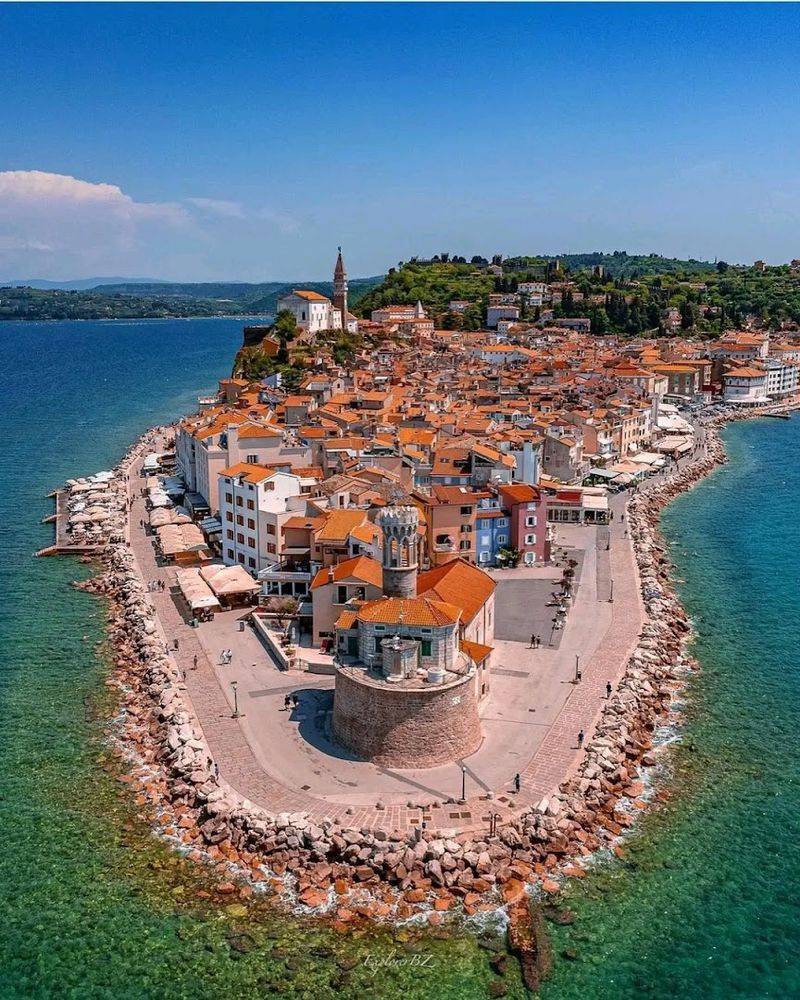
Piran sits on a narrow peninsula poking into the Adriatic like a finger dipped in warm water, and somehow it manages to be both achingly beautiful and refreshingly unhurried. The Venetian architecture tells the story of centuries of trade and culture, with campaniles, arcaded buildings, and stone facades that glow golden at sunset.
Slovenia only has a tiny stretch of coastline, and Piran is its crown jewel.
Tartini Square is the social heart of town, named after the famous violinist Giuseppe Tartini who was born here. Locals gather there for coffee and conversation while tourists photograph the surrounding architecture.
It is one of those rare squares where both groups coexist comfortably without either feeling out of place.
Fishermen still work the harbor in the early hours, and the seafood served in local restaurants tastes like proof of that effort. Salt production remains an important part of the regional economy, and the nearby Secovlje salt pans are a fascinating side trip.
Piran rewards slow travelers who stay an extra night to watch the crowds thin and the real town emerge. Parking outside the gates keeps cars from cluttering the historic center.
Matera, Italy
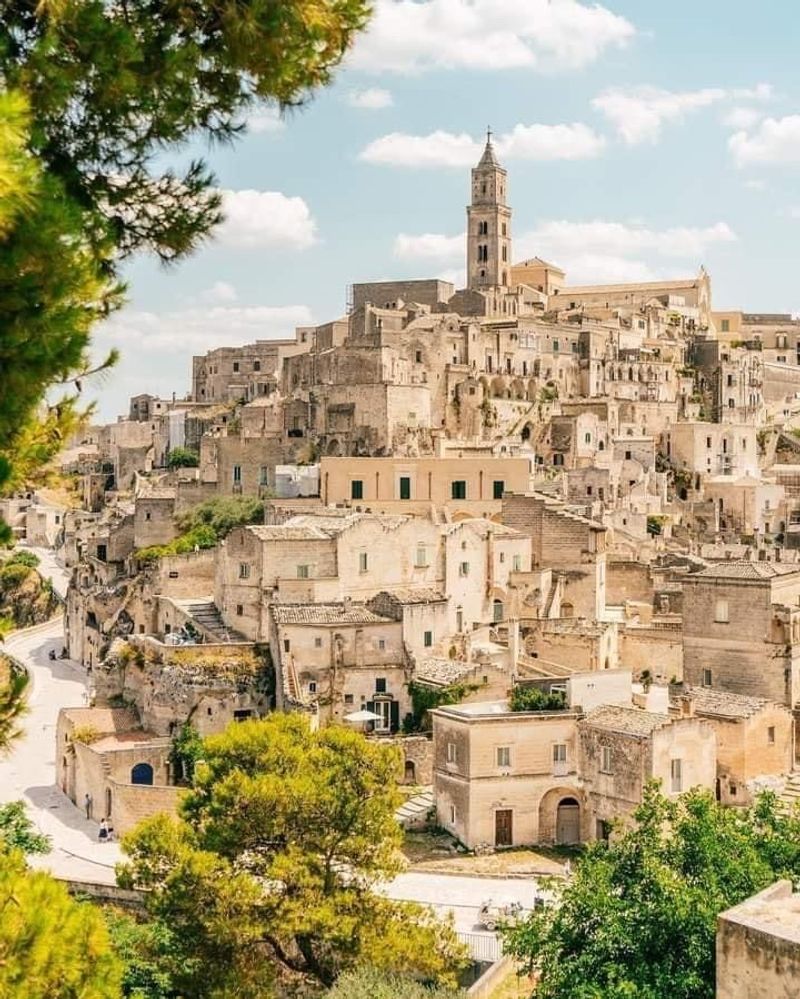
Matera might be the oldest continuously inhabited city in the world, and walking through its ancient sassi neighborhoods feels like stepping through thousands of years of human stubbornness in the best possible way. These cave dwellings were carved directly into the rock, and people actually lived in them until the 1950s.
Today, some of those same caves have been transformed into boutique hotels and restaurants without losing their raw, ancient character.
The city sits in the deep south of Italy, in the Basilicata region, far from the tourist highways of Rome and Florence. That distance has helped Matera preserve a slower, more traditional rhythm of daily life.
Regional food culture here is serious business, with bread, lamb, and local cheeses taking center stage on every table.
The ravine that splits the city creates dramatic views from almost every angle, and wandering without a map is genuinely encouraged. Churches hidden inside caves, rooftop terraces, and unexpected staircases appear around every corner.
Matera was a European Capital of Culture in 2019 and gained international attention, but the city has not lost its soul. Visit during spring or autumn to enjoy cooler temperatures and thinner crowds throughout the sassi.
Ålesund, Norway
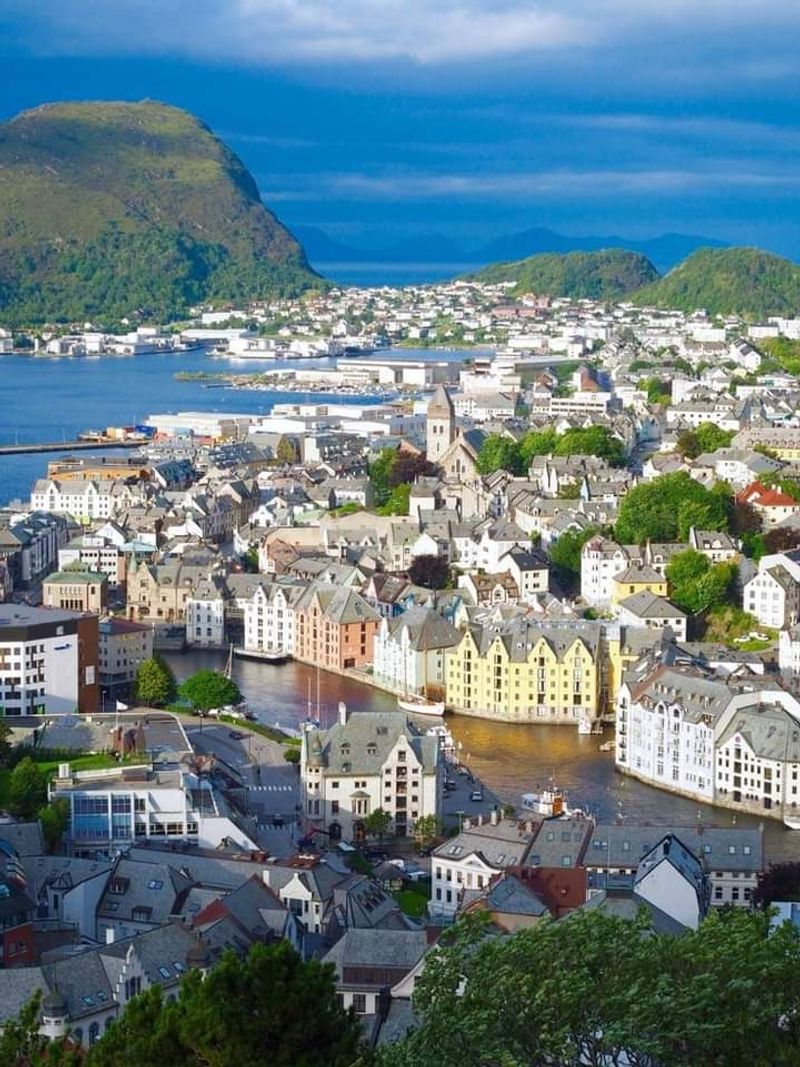
Ålesund burned almost completely to the ground in 1904, and what rose from the ashes was one of the most architecturally unified towns in all of Europe. The city was rebuilt almost entirely in the Art Nouveau style within just three years, giving it a consistency and elegance that feels almost planned by a single visionary.
Walking the streets feels like touring a very stylish open-air museum that also happens to sell excellent fresh fish.
The harbor remains genuinely active, with fishing vessels coming and going alongside pleasure boats and ferries. Seafood is not just a tourist gimmick here but a way of life deeply embedded in the local economy.
The fish market and surrounding waterfront restaurants serve some of the freshest catches anywhere along the Norwegian coast.
Surrounding the town, the fjords and islands create a natural landscape that is nothing short of extraordinary. The hike up to Aksla viewpoint rewards visitors with a panoramic view of the archipelago that is hard to forget. Ålesund also serves as a gateway to the Geirangerfjord, a UNESCO World Heritage Site just a few hours away.
Summers bring long daylight hours that make outdoor exploration feel almost limitless in the best way.
Nafplio, Greece
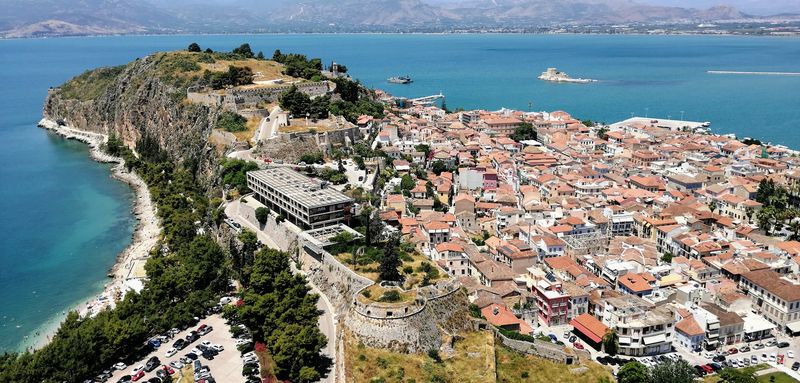
Nafplio has a quiet confidence that comes from being Greece’s first modern capital, a fact that most visitors do not know when they arrive but quickly sense in the architecture. Venetian fortresses, Ottoman fountains, and neoclassical mansions share the same streets without competing, creating a layered historic atmosphere unlike anywhere else in the country.
The Palamidi fortress looming above the town adds a dramatic exclamation point to the skyline.
Unlike the island hotspots, Nafplio operates on a human scale that makes it genuinely comfortable to explore on foot. Locals fill the shaded squares in the evenings, children play near the waterfront, and neighborhood cafes serve Greek coffee to the same regulars every morning.
The town feels lived-in and proud of it, which is exactly what makes it magnetic.
The harbor area is perfect for slow mornings, with fishing boats bobbing nearby and a breeze coming off the Argolic Gulf. Nearby beaches like Arvanitia are walkable from the center and never feel overwhelming.
Day trips to ancient Mycenae and Epidaurus are easy from Nafplio, making it an ideal base for exploring the wider Peloponnese. Spring is particularly lovely when wildflowers cover the surrounding hillsides in color.
Rovinj, Croatia
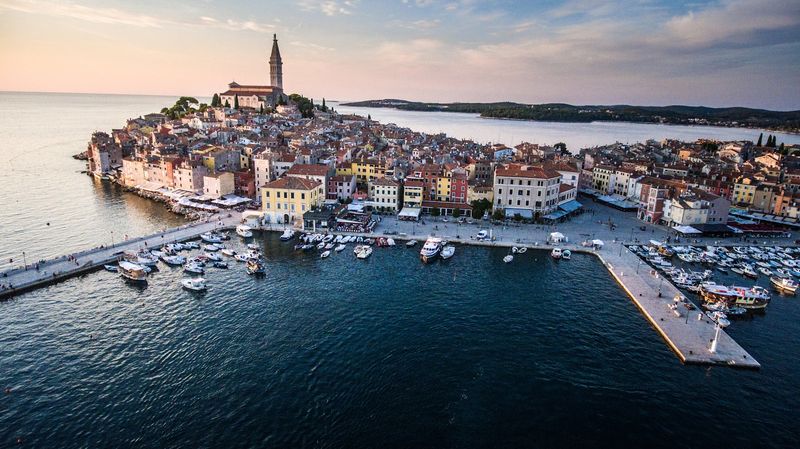
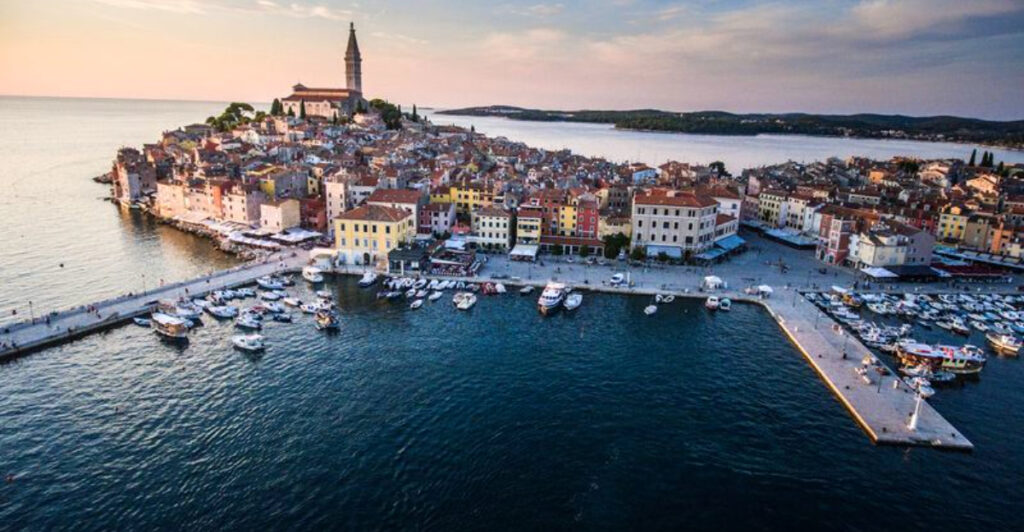
Rovinj has a way of making people cancel their return flights, and honestly, who can blame them. The old town climbs a steep peninsula above the Adriatic, topped by the Church of St. Euphemia whose bell tower can be spotted from miles out at sea.
Narrow lanes twist upward between tall, sun-bleached buildings in shades of terracotta, yellow, and faded pink.
Mornings in Rovinj belong to the locals. Fishermen bring in their catch along the harbor while residents pick up produce from the market and cafes fill with the smell of strong espresso.
The tourist energy ramps up by midday, but the town is large enough and layered enough that authentic corners are never far away. The fishing tradition here is not decorative; it genuinely feeds the town.
The surrounding Rovinj archipelago offers islands for swimming, kayaking, and escaping the crowds entirely. Golden Cape forest park stretches along the southern edge of town and provides shaded walking paths right beside the sea.
Rovinj has grown in popularity over the past decade but has managed the growth better than many Croatian coastal towns. Visiting in May or September means better prices, calmer streets, and water warm enough to swim in comfortably.
Giethoorn, Netherlands
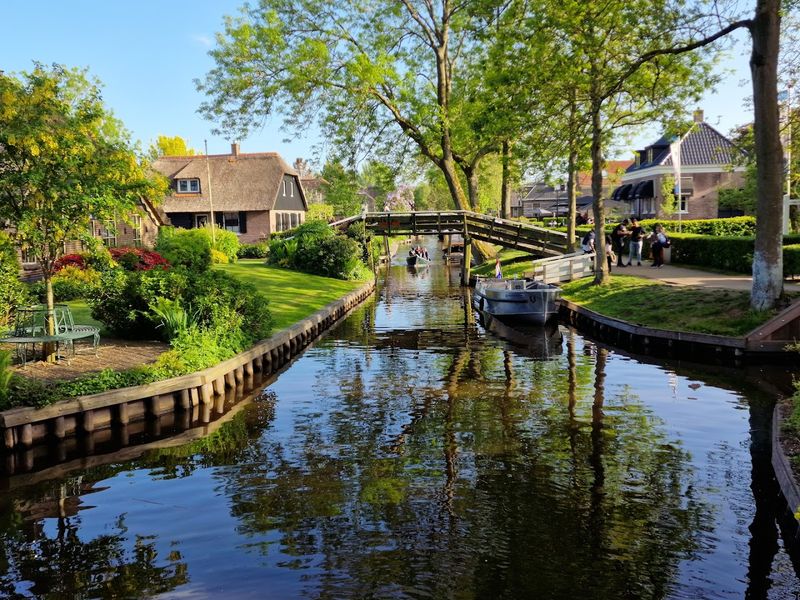
There are no roads in the oldest part of Giethoorn, which means the only way to get around is by boat, bicycle, or on foot, and somehow that simple fact makes everything feel wonderfully different. The village sits in the Dutch province of Overijssel and developed over centuries around a network of narrow canals dug by peat cutters.
Today those same waterways carry wooden punts past thatched cottages and blooming gardens in a scene that feels almost theatrical.
Despite its reputation as a tourist attraction, Giethoorn is a functioning village where people actually live and work. Residents use small electric boats to reach their homes, collect their post, and visit neighbors just as they always have.
The community is tight-knit and proud of its unusual character, which gives the place a warmth that goes beyond the pretty scenery.
Renting a whisper boat and drifting through the canals at your own pace is the best way to experience Giethoorn properly. Early mornings before the tour groups arrive offer a particularly peaceful glimpse of village life.
The surrounding National Park Weerribben-Wieden adds miles of wetland nature to explore by canoe or on marked trails. Visiting in spring means fields of wildflowers and birdsong at every turn.
Perast, Montenegro
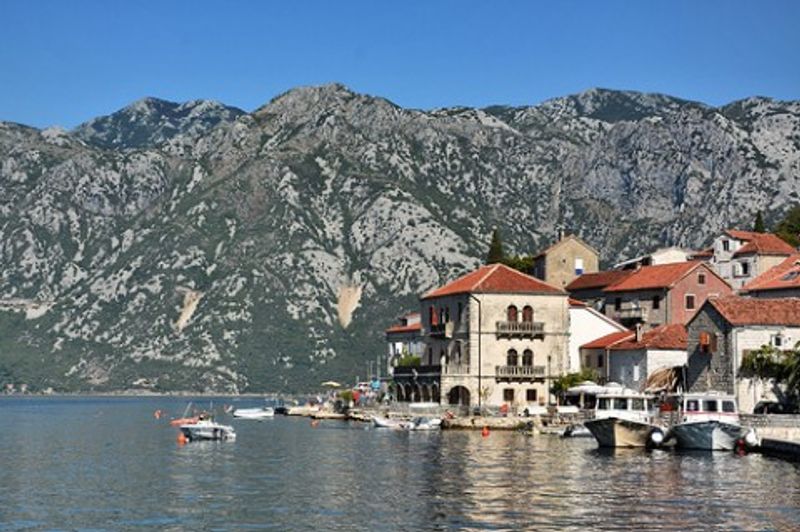
Perast has roughly 350 residents, one main street, and more baroque palaces per square meter than almost anywhere in the Adriatic. The town never developed into a resort, which means it kept its stone buildings, its quiet waterfront, and its unhurried character largely intact.
Standing on the harbor and looking out at the two small islands floating in the bay feels like a reward for choosing the road less traveled.
Our Lady of the Rocks, one of those bay islands, was built artificially by fishermen who dropped stones into the water over centuries after a religious vision. Local boats still make the short crossing regularly, and the church inside holds an extraordinary collection of votive offerings left by sailors seeking protection.
The story behind the island is as beautiful as the island itself.
The main street of Perast is lined with old palace facades, some restored and some gloriously crumbling, each one telling a chapter of the town’s prosperous maritime past. Small family-run restaurants serve fresh fish and local wine to a mix of curious visitors and longtime regulars.
Perast works beautifully as a half-day trip from Kotor but rewards those who linger longer with an atmosphere that is genuinely hard to find elsewhere along the coast.
Brisighella, Italy
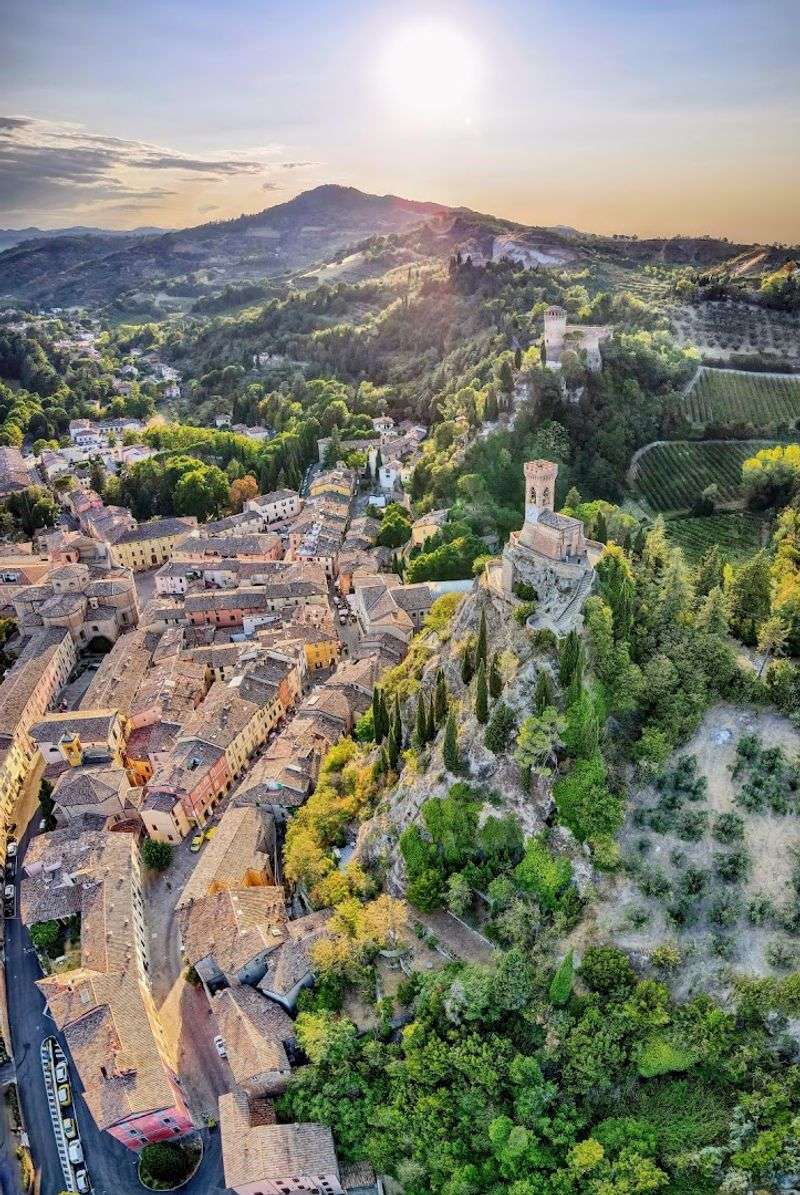
Brisighella sits quietly in the Lamone River valley while most travelers speed past on their way to Bologna or Florence, and that is precisely what makes it so rewarding to visit. The village is anchored by three rocky ridges, each topped by something historic: a medieval fortress, a clock tower, and a sanctuary.
Together they create a skyline that looks hand-drawn and impossibly charming from the valley below.
The Via degli Asini is one of the most unusual streets in Italy, a covered lane built directly into the cliff face that was originally used by donkeys carrying gypsum from local quarries. Today it offers shade, stone arches, and sweeping views of the village below.
Brisighella is also famous for its extra-virgin olive oil, considered among the finest produced anywhere in Italy, and locals take that reputation seriously.
Markets, food festivals, and village gatherings happen throughout the year and attract mostly Italian visitors rather than international tourists. Family-run trattorias serve regional Emilia-Romagna specialties including handmade pasta, cured meats, and local cheeses with genuine pride.
The surrounding hills are ideal for cycling and hiking through landscapes dotted with vineyards and farmhouses. Brisighella proves that the most extraordinary Italian experiences are sometimes found far from the famous names.
Ohrid, North Macedonia
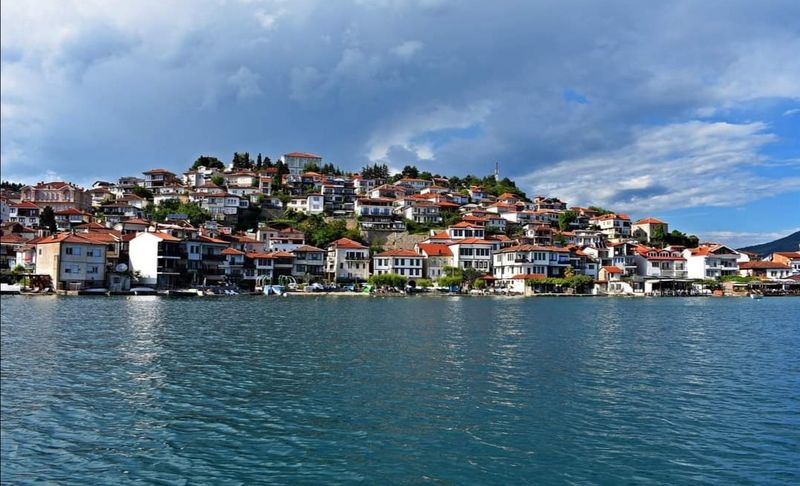
Lake Ohrid is so ancient and so ecologically unique that UNESCO protects it as both a natural and cultural World Heritage Site, which is a rare double distinction that tells you everything about how special this place is. The lake is one of the oldest in Europe, home to species found nowhere else on Earth, and its water is so clear that visibility reaches depths of twenty meters.
The town that shares its name sits right on the shore and has been continuously inhabited for thousands of years.
Byzantine churches dot the landscape in extraordinary numbers, with some perched dramatically on cliffs directly above the water. The Church of St. John at Kaneo is probably the most photographed spot in the entire country, and rightfully so.
Ancient mosaics, frescoed walls, and medieval icons fill these small churches with a sense of history that feels genuinely overwhelming in the best way.
Beyond the churches and the lake views, Ohrid operates as a real town with a lively bazaar, traditional restaurants, and family guesthouses that have been welcoming visitors for generations. Summer brings a music and arts festival that fills the ancient amphitheater with performances.
The old town bazaar sells handmade filigree jewelry, a local craft tradition that stretches back centuries. North Macedonia remains one of Europe’s most affordable and undervisited destinations.
Tomar, Portugal
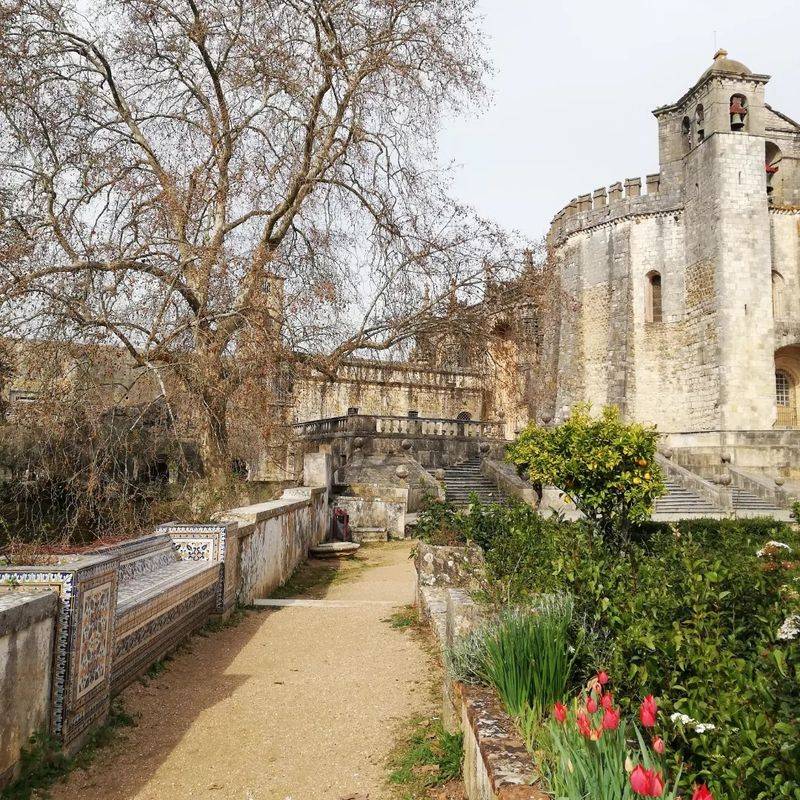
Tomar has a secret that even many Portugal enthusiasts do not know: it was once the headquarters of the Knights Templar, and the extraordinary Convent of Christ sitting on the forested hilltop above town is their legacy. The building is a UNESCO World Heritage Site that mixes Romanesque, Gothic, and Manueline architecture in ways that feel almost impossible to process in a single visit.
The history packed into this one hilltop could fill a library.
Below the convent, the town itself is a genuine Portuguese community with tree-lined plazas, neighborhood bakeries, and a covered market where locals shop for fresh produce and regional specialties. The Nabao River runs peacefully through the center, and a riverside park provides the kind of calm, shaded afternoon that Portuguese towns do particularly well.
Tomar is not performing for tourists; it is simply living its life.
The town is also famous for the Festa dos Tabuleiros, a traditional festival held every four years in which young women carry elaborate headpieces stacked with bread and flowers through the streets. It is one of Portugal’s most visually spectacular folk traditions and draws visitors from across the country.
Tomar sits about two hours from Lisbon by train, making it an easy and deeply rewarding day trip or overnight stop for travelers exploring central Portugal.
Gjirokastër, Albania
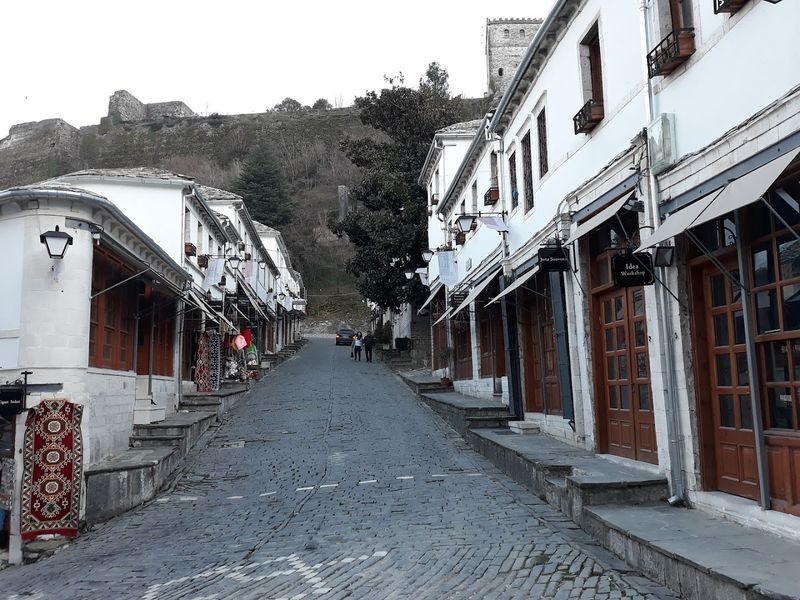
Gjirokastër wears its nickname proudly: the City of Stone. Every surface seems to be made of the same grey slate, from the steep rooftops to the fortress walls to the streets themselves, giving the town a dramatic, monolithic quality unlike anything else in the Balkans.
The UNESCO-listed old town climbs a steep hillside in southern Albania and rewards every step of the climb with increasingly extraordinary views.
The massive castle at the top houses a museum and an American spy plane shot down during the Cold War, which is exactly the kind of unexpected detail that makes Gjirokastër endlessly interesting. The bazaar below the castle is one of the best-preserved Ottoman trading districts in the region, with craftsmen, food stalls, and local shops filling the old stone arches.
Daily life here feels genuinely rooted in place rather than staged for visitors.
Albania is one of Europe’s most affordable countries, and Gjirokastër reflects that with excellent local restaurants where a full meal costs very little. The town was birthplace of former communist dictator Enver Hoxha and also of Nobel Prize-winning author Ismail Kadare, two very different legacies that shaped modern Albanian identity.
Nearby the Blue Eye spring, a startlingly vivid natural pool, makes a perfect half-day excursion from the city.
Villajoyosa, Spain
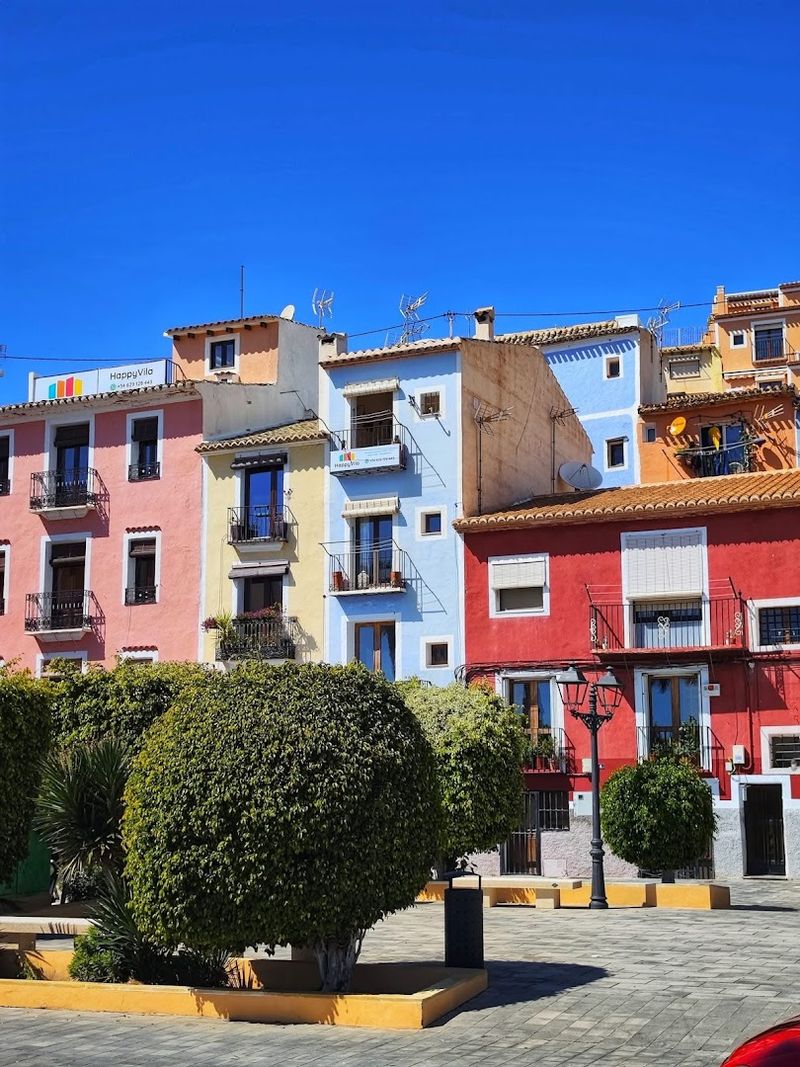
Villajoyosa’s seafront is one of those sights that stops people mid-scroll when they see it online, a row of houses painted in electric shades of yellow, pink, orange, and blue standing directly above the beach like a giant crayon box tipped on its side. The colors were not chosen for Instagram; fishermen historically painted their homes in bright shades so they could spot them from the sea.
That practical origin makes the beauty feel even better.
The town sits on the Costa Blanca between Alicante and Benidorm but has resisted the overdevelopment that swallowed many of its neighbors. Fishing boats still work from the beach, the morning fish auction at the lonja draws local buyers, and neighborhood restaurants serve seafood caught hours earlier.
The local chocolate factory, Valor, has been producing chocolate in Villajoyosa since 1881 and remains a source of genuine civic pride.
The old town behind the seafront has Roman ruins, medieval towers, and a relaxed pedestrian area where locals outnumber tourists on most days. The beach itself is pebbly rather than sandy, which keeps the party-crowd away and preserves a calmer atmosphere.
Villajoyosa hosts a spectacular Moors and Christians festival each July that fills the beach with theatrical battle reenactments. Budget-conscious travelers will find prices noticeably lower here than in nearby resort towns.
Dinant, Belgium
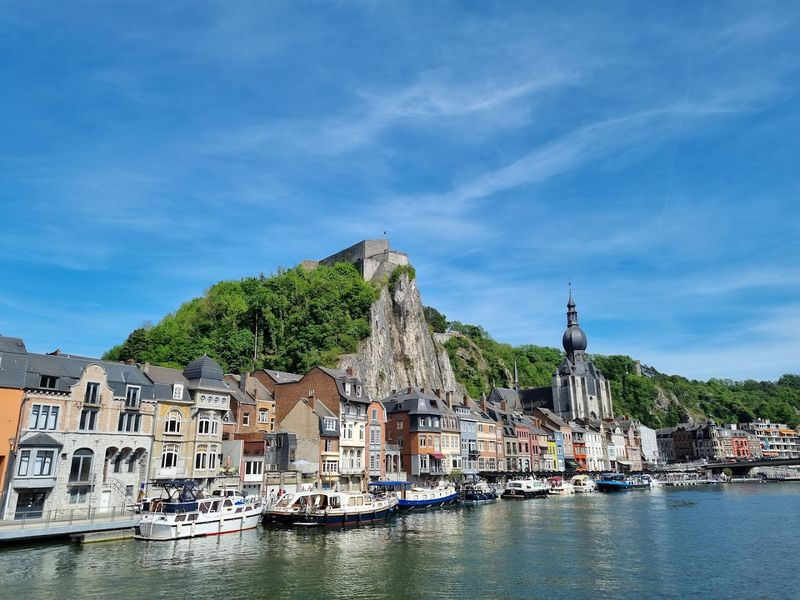
Dinant looks like it was designed by someone who wanted to pack maximum drama into minimum space. A sheer limestone cliff rises directly behind the town, topped by a citadel that has watched over the Meuse River valley for centuries.
The collegiate church of Notre-Dame sits wedged between the cliff and the river with its distinctive bulbous bell tower, creating a skyline that photographers cannot stop pointing cameras at.
The town is also the birthplace of Adolphe Sax, the Belgian instrument maker who invented the saxophone in 1814, and Dinant celebrates that legacy with saxophone sculptures dotted throughout the streets in colorful and creative forms. It is a fun piece of local identity that gives the town personality beyond its scenery.
The local bakeries also sell couques de Dinant, rock-hard honey cookies shaped into decorative figures that have been made here since the Middle Ages.
Riverboat trips along the Meuse offer a relaxed way to see the cliff and citadel from the water, and kayaking is popular during the warmer months. The citadel itself is accessible by cable car and contains a military history museum with exhibits spanning several centuries.
Dinant is about an hour from Brussels by train, making it an easy and highly rewarding escape from the capital. Weekend markets along the river add a lively community feel.
Setenil de las Bodegas, Spain
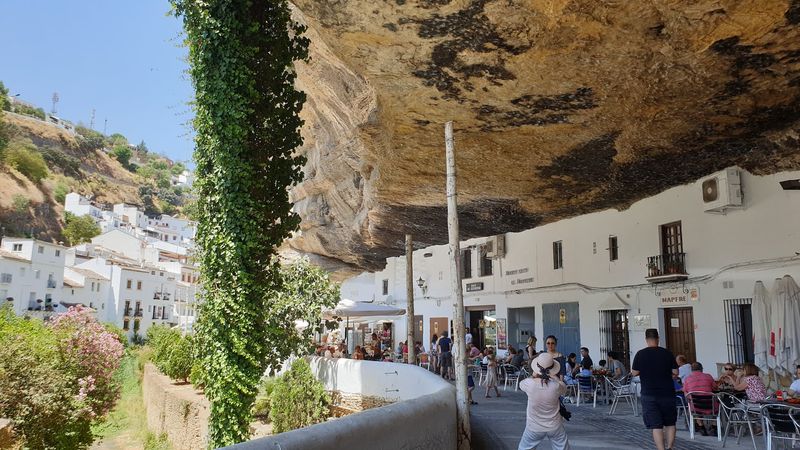
Setenil de las Bodegas built its homes under a rock, quite literally, and it worked out magnificently. The village in Cadiz province is famous for streets where the cliff face forms the actual ceiling above whitewashed houses, shops, and tapas bars.
Walking beneath the overhang feels slightly surreal, like the earth is leaning over to give you a hug while you eat jamón.
Despite being genuinely unusual, Setenil has not turned itself into a gimmick. Locals still live in those cliff-shaded homes, family businesses have operated for generations, and the tapas bars serve honest Andalusian food at honest Andalusian prices.
The village has a population of around 3,000 people who seem entirely comfortable with the occasional tourist wandering through their remarkable neighborhood.
The surrounding landscape is classic Andalusia: rolling hills covered in olive groves, white villages visible on distant ridges, and the kind of light that makes everything look slightly golden in the afternoon. Setenil connects easily with the famous white village route through the Cadiz countryside, including nearby Ronda with its dramatic gorge bridge.
The best time to visit is spring or autumn when the heat is manageable and wildflowers cover the hillsides. Arriving early on weekday mornings means having the most extraordinary streets almost entirely to yourself.
Share this story