 Unearth The Voyage
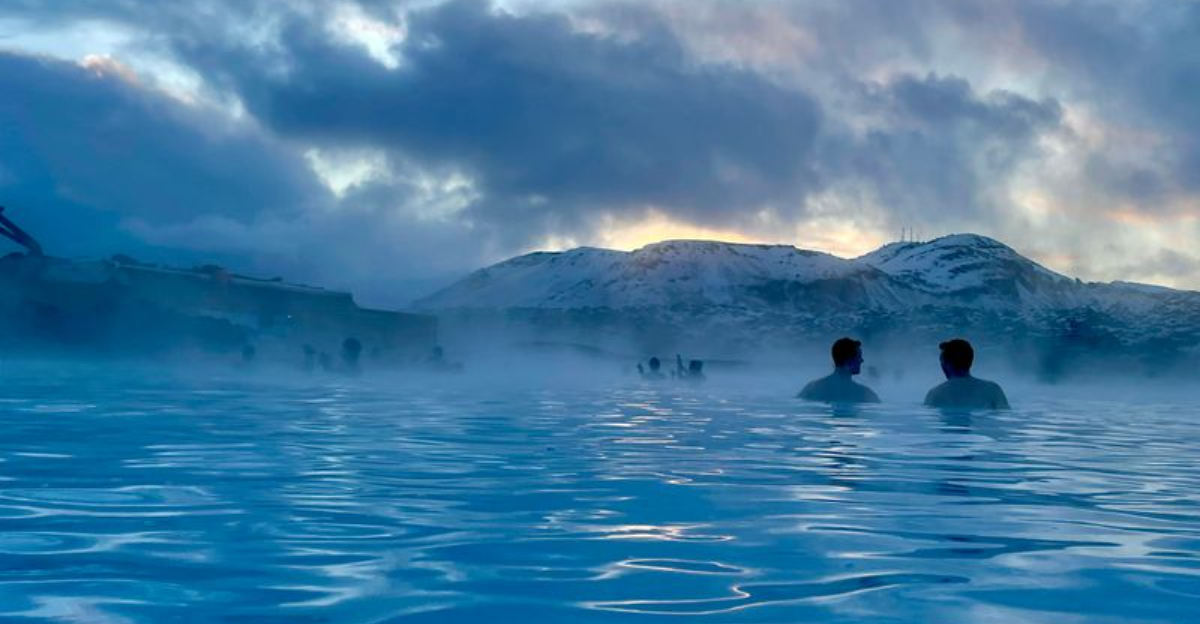
From iconic geothermal lagoons to centuries-old bath towns and rejuvenating mineral springs set in scenic landscapes, Europe’s thermal spa destinations offer the perfect blend of well-being, culture and relaxation. Whether you’re craving a quiet wellness retreat or a historic spa town for a romantic or restorative break, these places shine with natural warmth and restorative ambience. Pack your swimsuit and prepare to soak away your stress in some of the continent’s most beautiful and healing waters.
Széchenyi Thermal Bath — Hungary
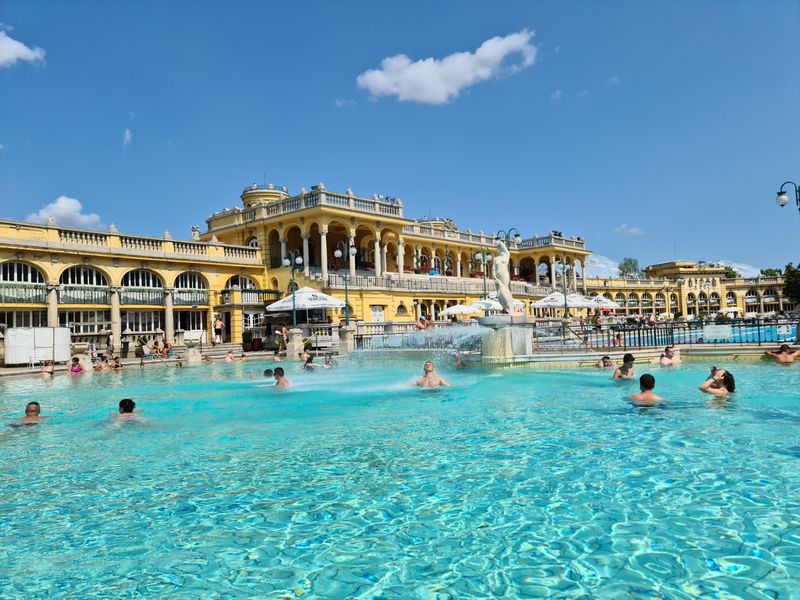
Budapest earned its nickname as the City of Baths thanks to places like this magnificent early-20th-century complex. With more than a dozen indoor and outdoor thermal pools heated by natural hot springs, plus steam rooms and saunas, Széchenyi stands as Hungary’s crown jewel of wellness. The neo-Baroque architecture alone is worth the visit, but the experience of soaking in these historic waters is unforgettable.
Locals treat thermal bathing as a social ritual, not just a tourist activity. You’ll often see older Hungarian men playing chess on floating boards while soaking in the warm water—a charming tradition that captures the relaxed atmosphere perfectly. The pools range from pleasantly warm to seriously hot, so you can find your perfect temperature.
Winter visits are particularly magical when steam rises off the outdoor pools into the crisp air, creating an almost mystical atmosphere. The contrast between the cold air on your face and the warm water on your body is wonderfully invigorating. Summer brings a different vibe, with locals and travelers mingling under the sun.
The facility offers various ticket options, from basic entry to spa treatments and massages. Arrive early on weekends to avoid crowds, or visit on weekday mornings for a more peaceful experience among the regulars.
Karlovy Vary — Czech Republic
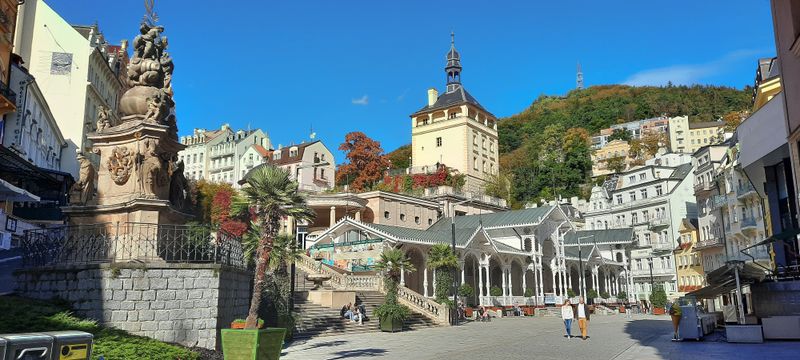
Imagine strolling through elegant colonnades while sipping therapeutic mineral water from a special porcelain cup—that’s the essence of Karlovy Vary, also known as Carlsbad. This UNESCO-listed spa town is synonymous with historic thermal bathing culture that dates back centuries. Grand 19th-century spa houses line the streets, each more impressive than the last.
The town boasts numerous hot springs, each with its own mineral composition and supposed health benefits. Visitors can sample these waters for free at various colonnades throughout town, though the taste takes some getting used to—it’s definitely not your average bottled water! The ritual of drinking the waters is just as important here as bathing in them.
Beyond the springs, Karlovy Vary offers beautifully landscaped parks perfect for contemplative walks between spa treatments. The town’s architecture transports you back to a more refined era when European aristocracy flocked here for the healing waters. You can still book guided spa treatments and wellness programs at several historic spa hotels.
The town is also famous for its annual international film festival, which brings glamour and celebrities each summer. Even without the festival buzz, Karlovy Vary maintains an air of cultured sophistication that makes relaxation feel especially elegant and restorative.
Mariánské Lázně — Czech Republic
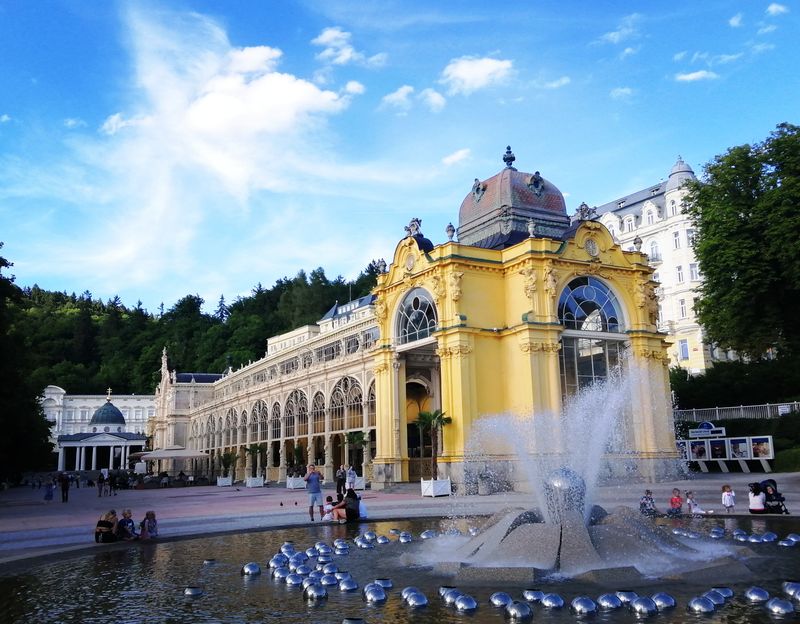
Royalty and famous artists have sought out this serene spa town for centuries, and one visit makes it clear why. Mariánské Lázně combines tranquil parklands with a rich spa tradition that feels both historic and genuinely therapeutic. The town’s centerpiece is an elegant colonnade featuring the famous singing fountain, which performs musical shows that delight visitors of all ages.
The thermal springs here have drawn everyone from King Edward VII to composers like Chopin and Wagner. Today’s visitors can follow in their footsteps by booking treatments at numerous spa hotels offering mineral baths, mud wraps, and personalized health programs. The mineral composition of the waters is believed to help with digestive issues, metabolic disorders, and respiratory conditions.
What sets Mariánské Lázně apart is its incredibly calming atmosphere—the whole town seems designed to slow you down and help you breathe easier. Tree-lined paths wind through meticulously maintained parks where you can walk off a heavy lunch or simply sit and watch the world slow down. The architecture is less ostentatious than some other spa towns, which gives it a more intimate, welcoming feel.
Many visitors combine their spa stay with day trips to nearby natural attractions or simply spend their time alternating between treatments, gentle walks, and relaxed café meals in this peaceful corner of the Czech Republic.
Františkovy Lázně — Czech Republic
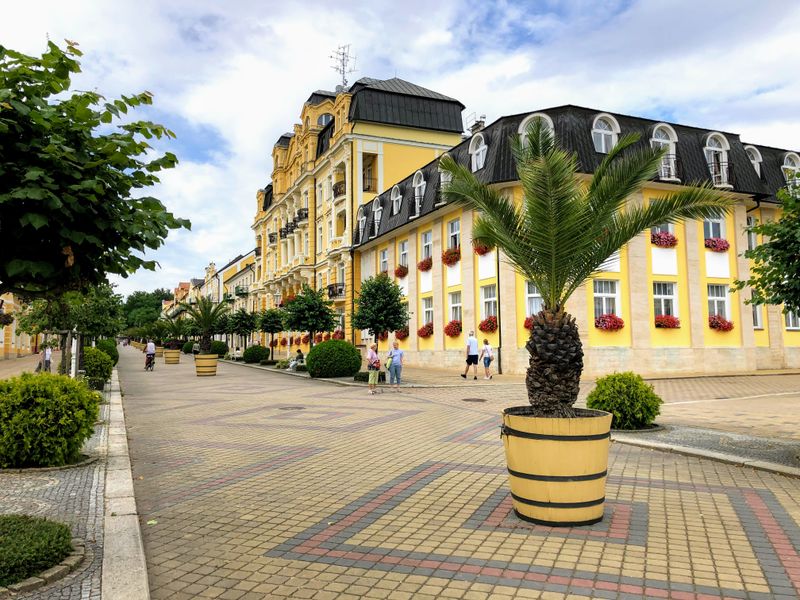
The smallest of the Czech Republic’s famous spa triangle, Františkovy Lázně packs tremendous charm into its compact historic center. Another UNESCO Great Spa Towns site, this destination delights visitors with its neoclassical architecture and impeccably maintained thermal parks. The atmosphere here is noticeably quieter and more intimate than its larger spa town neighbors.
The springs and therapeutic treatments here are particularly famed for digestive, metabolic, and respiratory benefits. Many visitors come for multi-week cure programs prescribed by their doctors, following a tradition that goes back over two centuries. But you don’t need a medical prescription to enjoy the relaxing treatments and peaceful environment.
Františkovy Lázně’s manicured gardens invite long, contemplative walks between treatments or meals. The town’s small size means you can easily explore everything on foot without feeling rushed or overwhelmed. There’s a famous statue called Frantisek that supposedly brings fertility to women who touch it—a quirky tradition that adds a touch of whimsy to the historic setting.
The spa hotels here tend to be smaller and more personal than those in larger resort towns, which creates a homey atmosphere. Many visitors appreciate the slower pace and the feeling that they’ve discovered a hidden gem. It’s ideal for those who want thermal wellness wrapped in cultural vibes without the crowds.
Blue Lagoon — Iceland
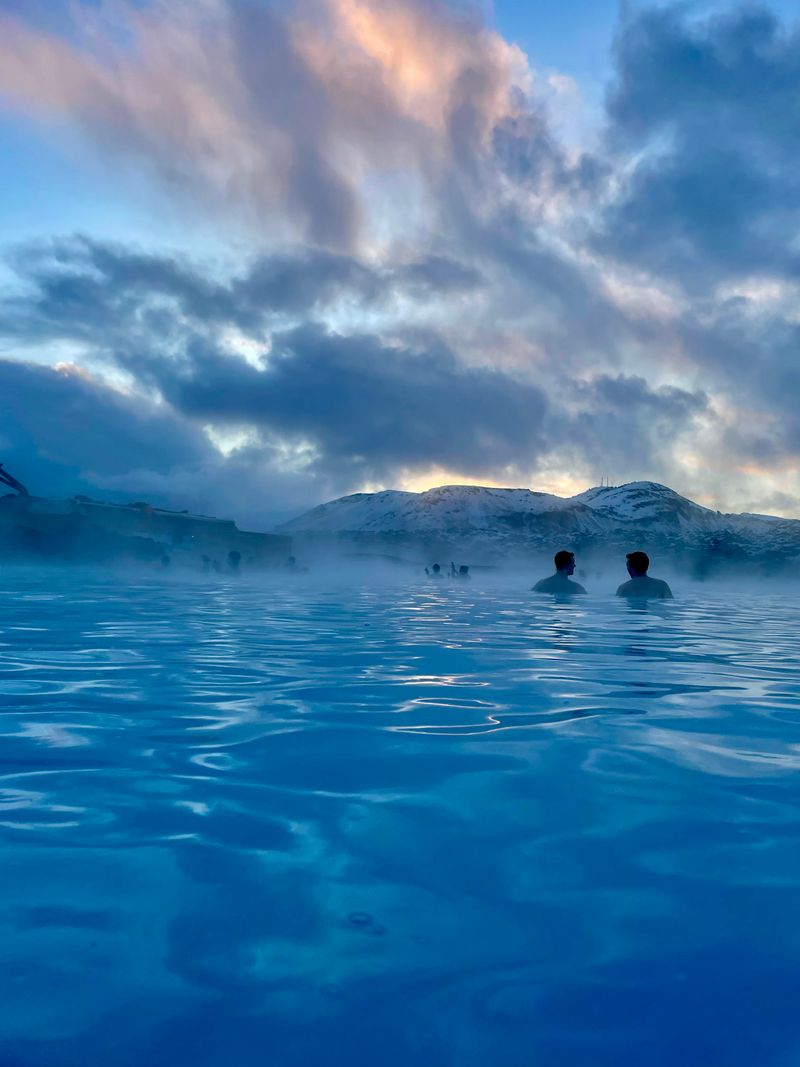
Near Reykjavík, nestled within a dramatic lava field, sits one of the world’s most photographed geothermal wonders. The Blue Lagoon’s milky blue waters are rich in silica, minerals, and skin-softening algae that make your skin feel baby-smooth after just one soak. It’s like bathing in a natural beauty treatment while surrounded by an otherworldly volcanic landscape.
What makes this place truly special is its convenient location close to the international airport. Many travelers stop here right after landing or before their flight home, turning a layover into an unforgettable wellness experience. The contrast between the warm water and crisp Icelandic air creates a magical sensation you won’t forget.
Beyond the main lagoon, visitors can book in-water massages, relax in steam baths, or unwind in private relaxation lounges. The facility offers different packages to suit various budgets and time constraints. Some even include silica mud masks you can apply while floating.
Whether you visit during the midnight sun or under the dancing northern lights, the Blue Lagoon delivers an experience that drains away tension and fills you with wonder. It’s not just a spa—it’s a bucket-list destination that perfectly combines nature’s power with human comfort.
Aix-les-Bains — France
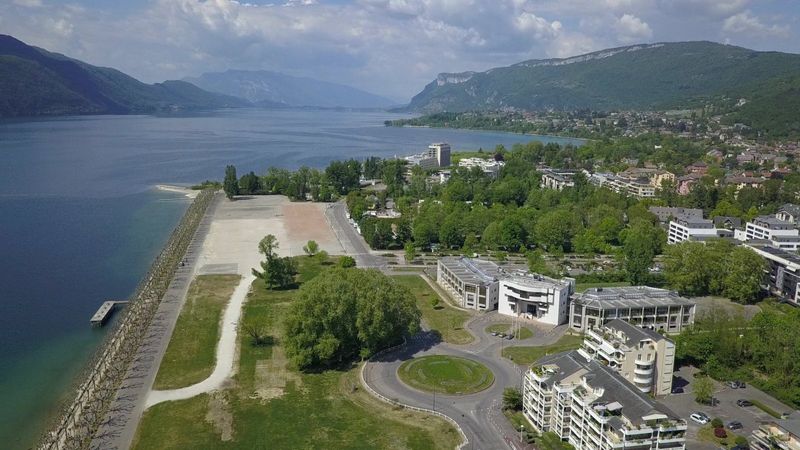
Picture yourself soaking in sulfur-rich thermal waters while gazing out at France’s largest natural lake with the Alps rising majestically in the background. That’s the everyday reality at Aix-les-Bains, a premier French thermal destination that’s been prized since Roman times. The combination of therapeutic waters, stunning scenery, and French refinement creates an irresistible wellness package.
The Romans knew a good thing when they found it, and their baths still exist beneath the modern town. Today’s spa resorts have built upon this ancient foundation with modern wellness facilities that offer everything from traditional water treatments to cutting-edge hydrotherapy. The sulfur content in the waters is particularly beneficial for joint and muscle issues.
What makes Aix-les-Bains special beyond its waters is the setting on Lac du Bourget. You can easily combine your spa days with lakeside walks, boat trips, or simply relaxing at a waterfront café with a view. The nearby foothills of the Alps offer hiking opportunities for those who want more active pursuits between treatments.
The town itself has a Belle Époque elegance with grand hotels and tree-lined boulevards that invite leisurely exploration. French cuisine adds another layer of pleasure to your wellness retreat—after all, what’s relaxation without excellent food and wine? It’s a perfect base for those who want their thermal therapy served with natural beauty and cultural sophistication.
Thermae Bath Spa — United Kingdom
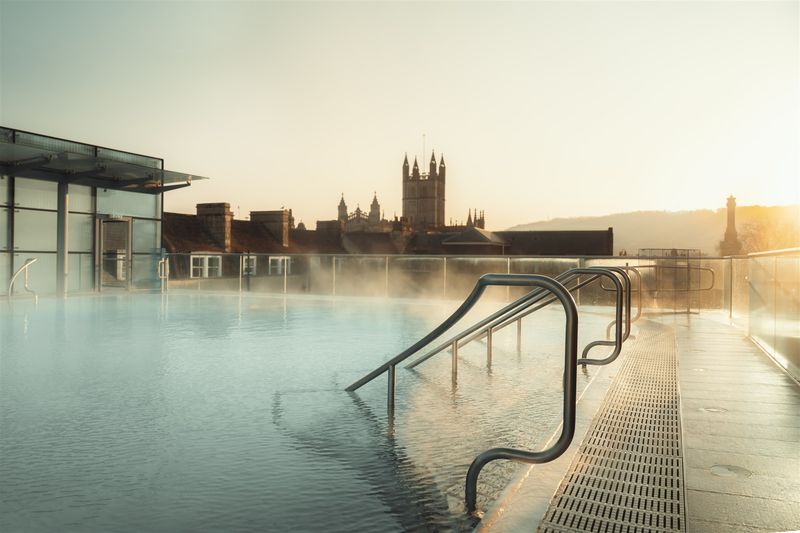
Britain’s only natural thermal waters bubble up right in the heart of Bath, just as they did when the Romans built their elaborate bathing complex here two millennia ago. Thermae Bath Spa offers a modern interpretation of this ancient tradition with indoor warm pools, steam rooms, and aromatherapy spaces. But the real showstopper is the rooftop thermal pool with its breathtaking views over Bath’s honey-colored Georgian architecture.
Floating in warm mineral-rich water while gazing at Bath Abbey and the surrounding hills creates a surreal sense of timelessness. You’re literally bathing in the same waters that Roman soldiers enjoyed after long campaigns, that Georgian society ladies visited for their health, and that continue to flow naturally heated from deep underground. The water emerges at a constant 46 degrees Celsius before being cooled to a comfortable bathing temperature.
The spa offers various packages from quick two-hour sessions to full-day wellness experiences with treatments. The Minerva Bath on the top floor is particularly popular at sunset when the golden light makes the whole city glow. Evening visits can be magical, especially when the pool is lit and the city lights twinkle below.
Booking ahead is essential, especially during peak tourist seasons and weekends. The spa maintains a tranquil atmosphere with capacity limits, so you never feel crowded. It’s wellness steeped in history, offering a uniquely British take on thermal bathing culture.
Saturnia Thermal Baths — Italy
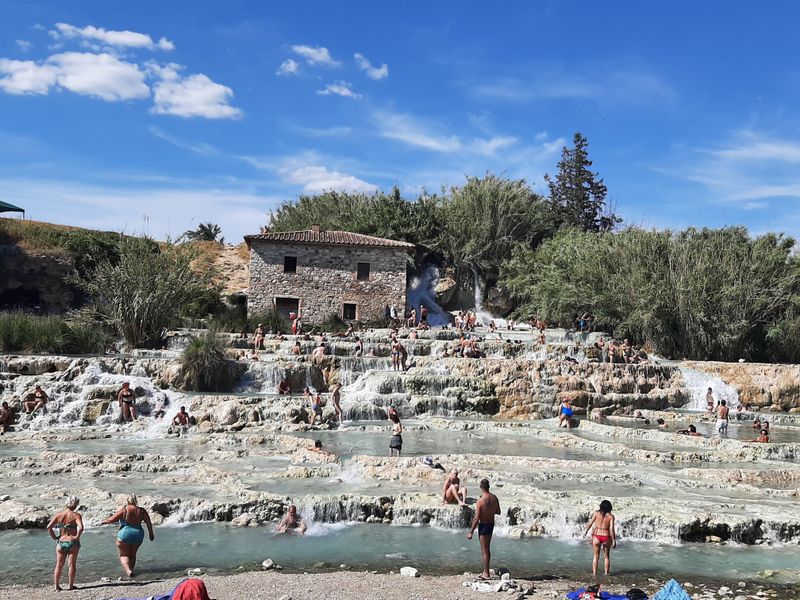
In the heart of Tuscany, warm mineral water flows freely year-round down a series of natural travertine terraces, creating one of Europe’s most beautiful and accessible natural spas. The Saturnia hot springs near the medieval town of the same name offer something increasingly rare—a completely natural thermal experience without tickets, turnstiles, or time limits. The water maintains a constant temperature of about 37.5 degrees Celsius regardless of the weather.
The cascading pools have been carved by centuries of flowing mineral water, creating smooth, milky-white limestone formations that look almost too perfect to be natural. Each terrace forms its own little bathing pool at varying depths and temperatures, so you can find your ideal spot. The sulfurous smell takes a moment to get used to, but it’s a small price for such therapeutic waters.
What makes Saturnia special is its rustic, unspoiled nature. You’re bathing in open countryside with nothing but Tuscan hills and sky around you. There are no fancy facilities—just nature’s own spa operating as it has for thousands of years. The site is free and open to everyone, though it can get crowded during summer weekends and holidays.
Many visitors combine their Saturnia soak with exploration of nearby medieval hilltop towns, wine tasting at local vineyards, or simply relaxing in the Tuscan countryside. It’s perfect for those seeking a grounding, back-to-nature thermal experience.
Thermes de Spa — Belgium
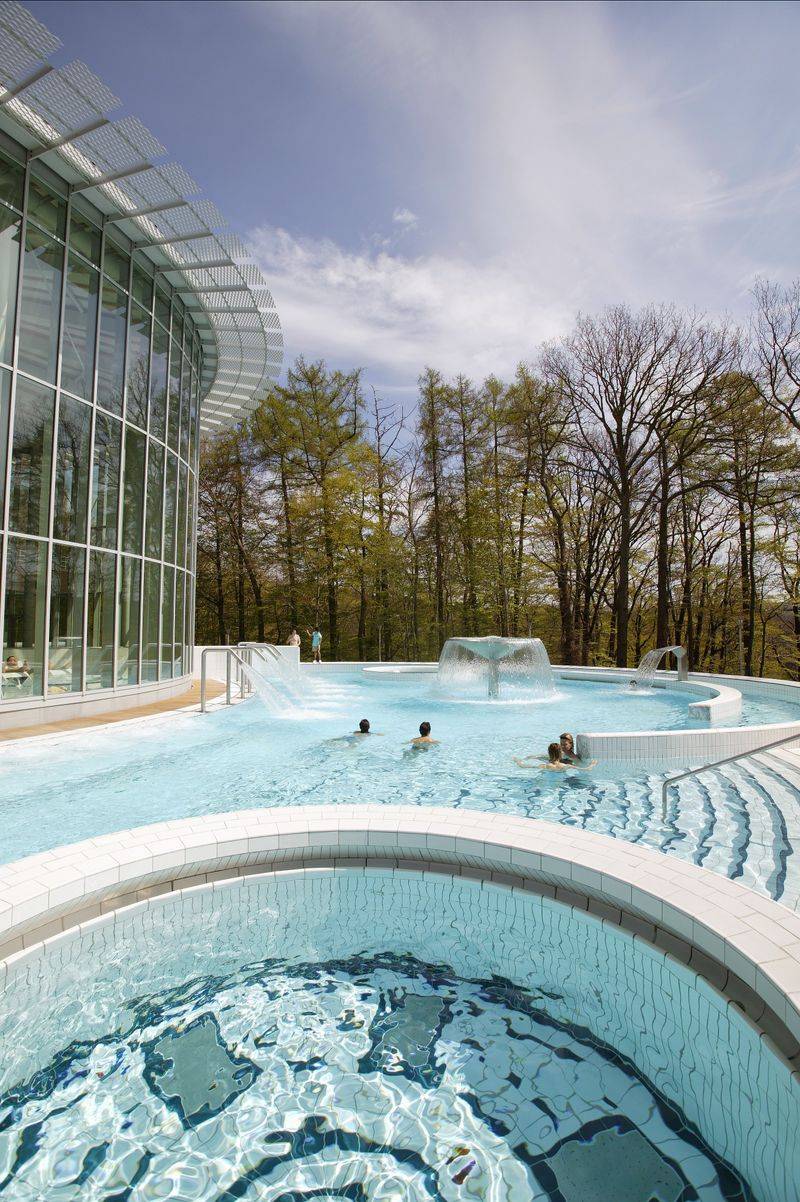
Ever wonder where the word spa comes from? This Belgian town lent its name to wellness retreats worldwide, and it continues to deliver authentic thermal experiences today. Deep forests, historic bathhouses, and mineral springs combine to create a relaxation-rich environment that feels worlds away from busy modern life. The town has been welcoming wellness seekers since the 14th century, and that long tradition shows in every detail.
The modern Thermes de Spa facility offers extensive thermal circuits where you can move between pools of different temperatures, steam baths, saunas, and relaxation areas. The thermal water here is particularly pure and mineral-rich, flowing from springs deep beneath the Ardennes forest. Many treatments incorporate local specialties like chocolate wraps—because this is Belgium, after all, and chocolate makes everything better.
Beyond the thermal complex, the town itself rewards exploration with its pretty historic center, boutique shops, and forest walking trails. The surrounding Ardennes region offers beautiful scenery and outdoor activities for those who want to balance their spa time with nature walks or cycling. The area is also known for its mineral water production—you can tour bottling facilities and taste different spring waters.
Spa town has managed to modernize its facilities while maintaining its historic character and peaceful atmosphere. It’s an ideal destination for couples or friends seeking a wellness weekend that combines tradition, nature, and genuine relaxation without pretension or crowds.
Vals Thermal Baths — Switzerland
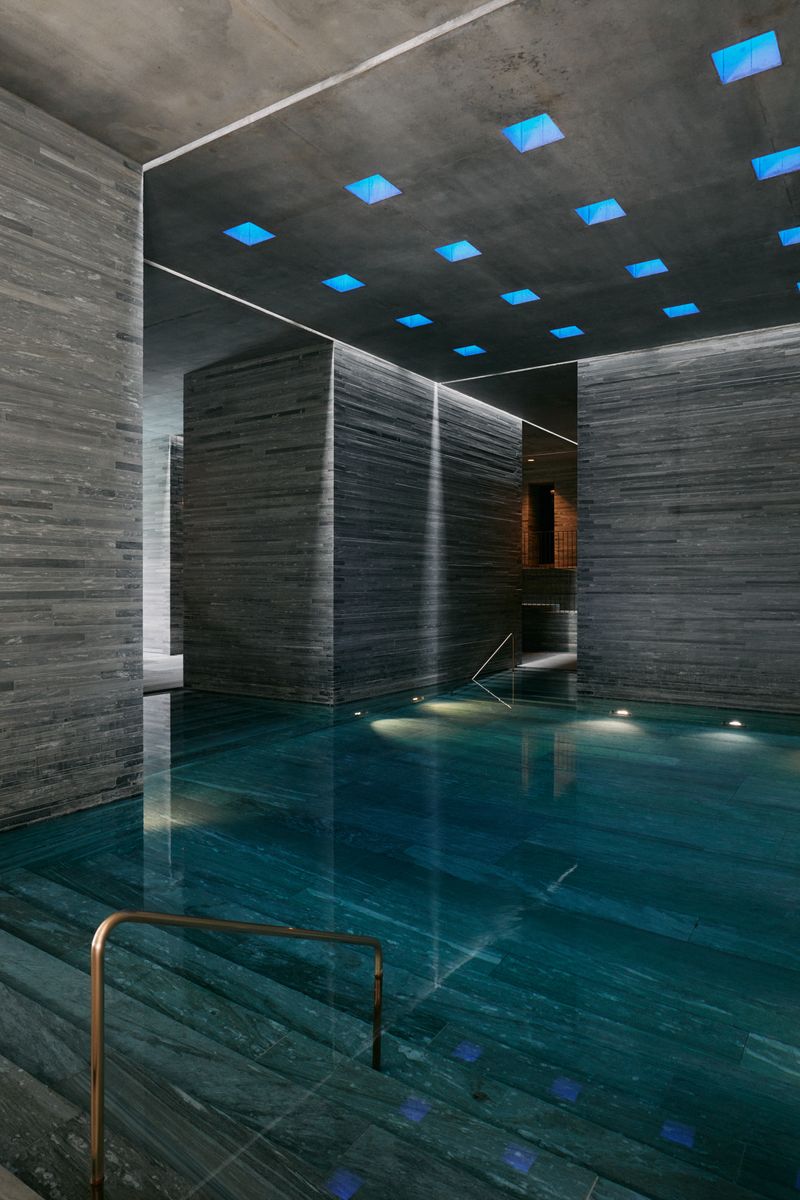
Architecture enthusiasts and wellness seekers alike make pilgrimages to this stunning alpine spa designed by renowned architect Peter Zumthor. Built from 60,000 slabs of local Valser quartzite, the building seems to emerge from the mountain itself. Natural thermal water flows through minimalist stone spaces that play with light, shadow, and reflection in ways that turn bathing into a meditative art form.
The design philosophy here is about slowing down and experiencing water, stone, and light as elemental forces. Different rooms offer varying temperatures and atmospheres—from the warm flower bath infused with fresh petals to the cold plunge pool that takes your breath away. The fire bath, heated to 42 degrees, features an open flame visible through a window, creating a primal connection between warmth, water, and fire.
What elevates Vals beyond other thermal spas is how the architecture enhances the natural setting rather than competing with it. Narrow openings frame views of snowy peaks or verdant valleys depending on the season. The sound design is equally thoughtful—water echoes differently in each space, creating a subtle acoustic landscape that enhances relaxation.
The spa limits visitor numbers to maintain a peaceful atmosphere, so advance booking is essential. Many guests stay overnight in the adjoining hotel to fully experience the baths at different times of day. It’s a destination where wellness, design, and nature converge into something approaching art.
Loutra Edipsou — Greece
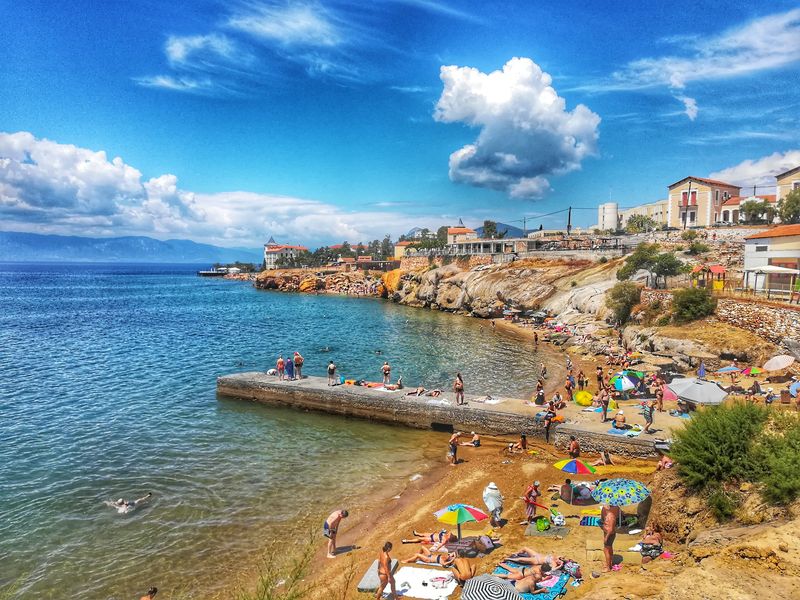
On the Greek island of Evia, naturally heated mineral waters have been drawing visitors since ancient times—even Aristotle wrote about their healing properties. Loutra Edipsou offers something unique among thermal destinations: springs so close to the sea that you can experience both hot mineral water and cool ocean waves in the same bathing session. The thermal water here reaches temperatures up to 75 degrees Celsius at the source before being cooled for comfortable bathing.
The mineral composition is particularly rich in calcium, magnesium, and sulfur, which believers credit with benefits for arthritis, skin conditions, and circulation problems. Ancient Greeks and Romans built elaborate bathhouses here, and later Byzantine emperors made regular visits for the waters. Today’s facilities range from historic public baths to modern spa hotels offering various hydrotherapy treatments.
What makes Loutra Edipsou genuinely special is its authentic Greek atmosphere—this isn’t a manufactured tourist resort but a real town where Greeks come for wellness retreats. The waterfront promenade buzzes with tavernas serving fresh seafood and local specialties. You can easily combine your thermal bathing with swimming in the sea, exploring the island’s mountains and beaches, or simply enjoying Greek island life at its most relaxed.
The warm climate means you can visit year-round, though spring and fall offer the most pleasant temperatures. It’s a lesser-known destination that delivers authentic thermal wellness wrapped in Greek hospitality and Mediterranean sunshine.
Uriage-les-Bains — France

Scientists have discovered something remarkable about the thermal water at Uriage-les-Bains: its molecular composition closely resembles human blood serum, making it exceptionally compatible with our bodies. Set at the foot of the Alps near Grenoble, this French thermal destination specializes in treatments for skin conditions, musculoskeletal issues, and overall wellness using these uniquely balanced waters. The water emerges from the source at a perfect 27 degrees Celsius.
The modern spa facilities use these special waters for everything from hydrotherapy baths to mud applications and specialized dermatological treatments. Many visitors come on doctor-prescribed cure programs for specific health conditions, but you don’t need a prescription to enjoy the relaxing and rejuvenating effects. The spa offers day passes as well as multi-day programs tailored to different wellness goals.
Beyond its therapeutic credentials, Uriage-les-Bains sits in a genuinely beautiful alpine setting with forests, mountain streams, and hiking trails right outside your spa hotel door. The nearby Belledonne mountain range provides a dramatic backdrop and opportunities for outdoor activities between treatments. Winter visitors can even combine their spa stay with skiing at nearby resorts.
The town maintains a quiet, refined atmosphere without the crowds of more famous spa destinations. Many French families have been coming here for generations, creating a welcoming local culture that embraces visitors. It’s an ideal choice for those seeking serious therapeutic benefits in a tranquil, scenic mountain setting.
Băile Felix — Romania
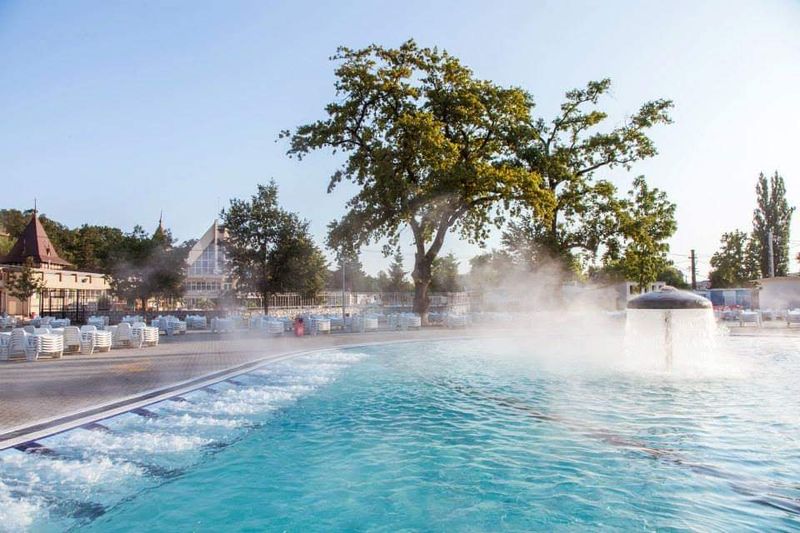
In the heart of Transylvania, Romania’s most famous thermal spa region has been welcoming bathers for centuries. Băile Felix boasts naturally hot springs that create a year-round wellness destination where traditional mineral water bathing meets modern amenities. The water here contains a unique mix of minerals and trace elements believed to help with rheumatic conditions, neurological issues, and post-injury recovery.
What started as simple thermal pools used by locals has evolved into a substantial spa resort area with multiple hotels and wellness centers. Today’s facilities combine traditional mineral water bathing with modern treatments like hydrotherapy, electrotherapy, massage, and mud applications. Many visitors follow prescribed treatment programs lasting one to three weeks, though shorter wellness breaks are equally popular.
The surrounding forests and hills of the Apuseni Mountains create a peaceful retreat atmosphere far from urban stress. Walking trails wind through the woods, and the nearby town of Oradea offers cultural attractions and good restaurants for day trips. The thermal lake in the area is home to unique water lilies that bloom thanks to the warm water—a botanical curiosity that adds to the region’s natural appeal.
Băile Felix offers excellent value compared to Western European spa destinations, making it popular with budget-conscious wellness travelers. The atmosphere is friendly and unpretentious, with a genuine focus on health and relaxation rather than luxury showiness. It’s an authentic thermal experience in a beautiful, lesser-known corner of Europe.
Therme Erding & Bad Wörishofen — Germany
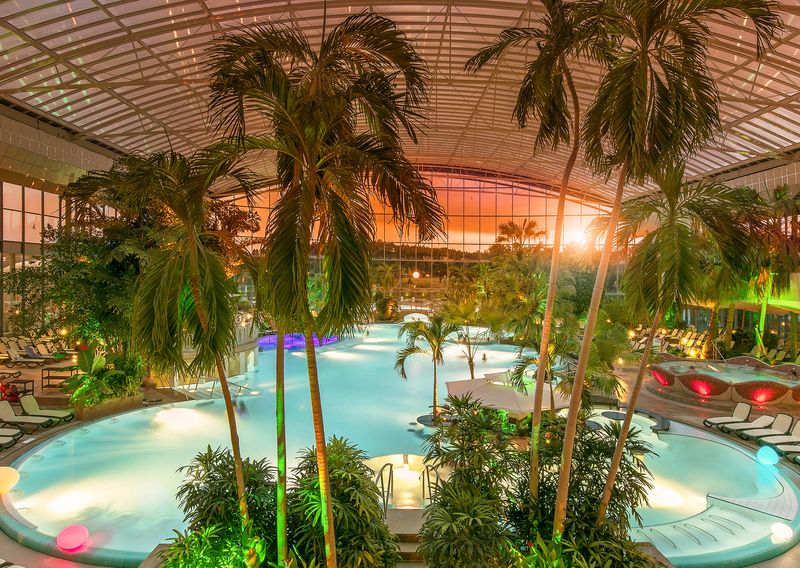
Germany takes its thermal bathing culture seriously, with a long tradition of Balneotherapy—the medical use of bathing for health. Near Munich, Therme Erding represents the modern evolution of this tradition as one of Europe’s largest thermal spa complexes. Under massive glass domes, tropical landscaping and multiple themed areas create a wellness wonderland that combines traditional thermal bathing with extensive modern amenities including saunas, steam rooms, and relaxation gardens.
The complex divides into different zones for different experiences—from family-friendly thermal pools to adults-only wellness areas with textile-free sauna gardens following traditional German spa culture. The thermal water comes from 2,350 meters underground and contains beneficial minerals and trace elements. Some areas feel like tropical paradises with palm trees and warm pools, while others focus on serious wellness with salt grottos and meditation spaces.
Bad Wörishofen, another renowned German spa destination, follows the Kneipp method of hydrotherapy developed by Sebastian Kneipp in the 19th century. This approach combines water treatments with herbal medicine, exercise, nutrition, and lifestyle balance. The town’s spa facilities offer traditional Kneipp treatments alongside modern thermal bathing in a quieter, more traditional setting than Therme Erding.
Both destinations exemplify German thoroughness in wellness—everything is well-organized, clean, and designed for maximum therapeutic benefit. They’re ideal for those who want serene spa breaks or multi-day wellness escapes with a wide variety of facilities and treatment options all in one place.
Hévíz Thermal Lake — Hungary
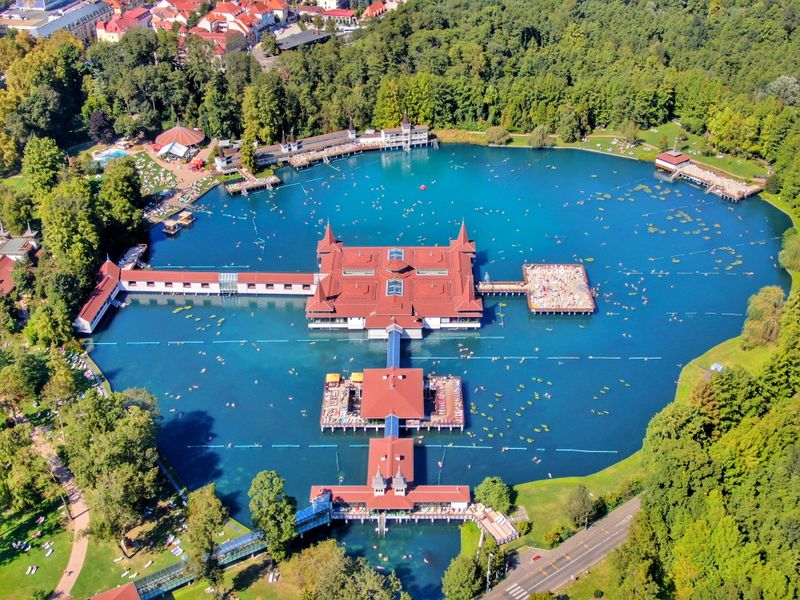
Imagine bathing in the world’s largest biologically active thermal lake, where warm mineral water bubbles up from underground springs and creates a natural spa surrounded by parks and forests. That’s Hévíz, located near Lake Balaton in western Hungary. The lake maintains a temperature of 33-35 degrees Celsius in summer and never drops below 26 degrees even in winter, making it a year-round bathing destination unlike any other.
What makes Hévíz biologically active is the unique combination of minerals, dissolved gases, and microorganisms in the water. The lake’s entire volume is replaced every 48 hours by fresh thermal water flowing from the spring, keeping it clean and therapeutically potent. The water is particularly famed for benefits to joints and muscles, drawing people with arthritis, rheumatism, and orthopedic issues from across Europe.
The lake’s gentle slopes and floating platforms make it easy and safe to enjoy long, restorative bathing sessions. In summer, special thermal water lilies from India bloom on the surface, adding beauty to the therapeutic experience. Winter bathing is magical when steam rises off the warm water into the cold air, and the surrounding trees are dusted with snow.
The town of Hévíz has grown around the lake with numerous spa hotels offering treatments that complement the natural bathing experience. Many visitors combine their lake soaks with mud packs, massages, and other therapies. It’s a unique natural wonder that delivers genuine wellness benefits in a beautiful, peaceful setting.



