 Unearth The Voyage
The world’s most breathtaking places aren’t guaranteed to stay that way. Shorelines are shifting, reefs are fading, and even iconic landmarks are buckling under heat and heavy foot traffic.
If travel has been on your mind, this is the kind of list that makes you pause. Not to panic, but to be realistic.
Some destinations are already changing in visible ways, and the window to experience them as they are today is getting smaller. This article breaks down the places facing the most pressure, what’s putting them at risk, and what visitors should know before booking a trip.
1. The Maldives (Indian Ocean)
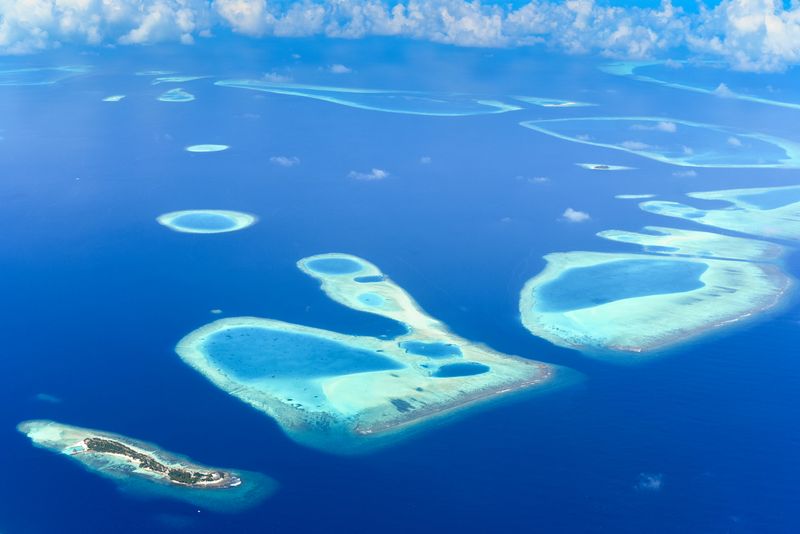
Picture the bluest water you’ve ever seen, then make it bluer. That’s the Maldives on a good day.
These islands are basically nature showing off, with lagoons so clear you can count fish from your breakfast table.
Here’s the catch: the whole country sits barely five feet above the ocean. When high tide rolls in, it’s getting a little too close for comfort.
Scientists aren’t being dramatic when they say this place has a timeline.
Snorkeling here feels like swimming inside a screensaver. Coral gardens stretch for miles, and sea turtles cruise past like they own the place (they kind of do).
Just remember: coral is alive, not a stepping stone. Stand on it and you’re basically stomping on an underwater city.
Skip the all-inclusive bubble if you can. Local islands offer way more personality, better food, and actual conversations with people who live there year-round.
Plus, you’ll spend less money and feel less like a tourist in a snow globe.
Eco-certified resorts aren’t just a marketing trick here. They’re genuinely trying to keep the islands livable.
Choose one that’s serious about reef protection, and you’ll sleep better knowing your vacation isn’t speeding up the countdown.
2. Venice, Italy
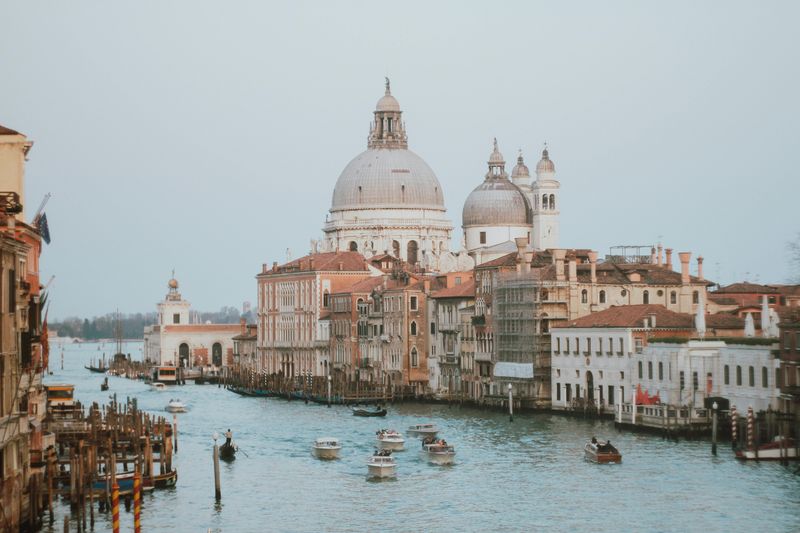
Venice is basically a miracle that forgot to quit. Entire palaces balance on wooden stilts driven into mud, and somehow they’ve been standing for centuries.
But lately, the acqua alta (high water) isn’t playing by the old rules.
Those fancy new flood barriers? They’re helping, sure.
But they also have to close more often than anyone expected. When St. Mark’s Square turns into a wading pool three times a week, you start wondering how long this magic trick can last.
Cruise ships dumping thousands of day-trippers into the city every morning doesn’t help. The locals are leaving faster than you can say
3. Ancient Olympia, Greece
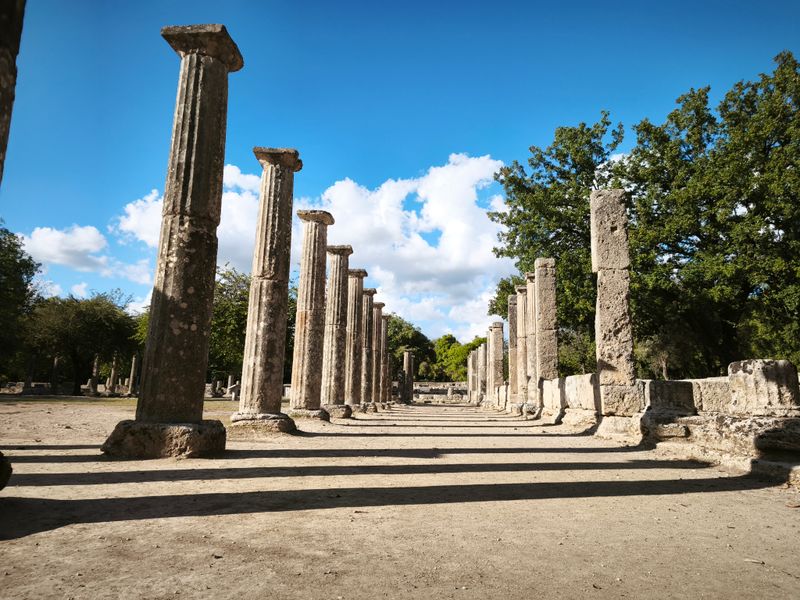
Standing in the original Olympic stadium is wild. You’re literally on the same dirt where ancient athletes sprinted naked for glory.
No scoreboards, no sneaker deals, just pure competition and olive wreaths.
But wildfires have been creeping closer every summer. Greece’s fire season used to be predictable; now it’s basically a year-round anxiety attack.
The ruins survived earthquakes and empires, but climate chaos is a whole new opponent.
The museum here is criminally underrated. You’ll see the actual workshop where they made the statue of Zeus (one of the Seven Wonders), plus sculptures that make you wonder why we ever stopped carving like that.
Visiting during midday heat is miserable and dangerous. Morning light is softer, crowds are thinner, and you won’t feel like you’re melting into the marble.
Bring water anyway—this is Greece in summer, not a spa day.
Fire restrictions aren’t suggestions. If they say no smoking or no off-trail wandering, they mean it.
One careless match could erase history faster than any invading army ever did.
4. The Everglades, Florida (USA)
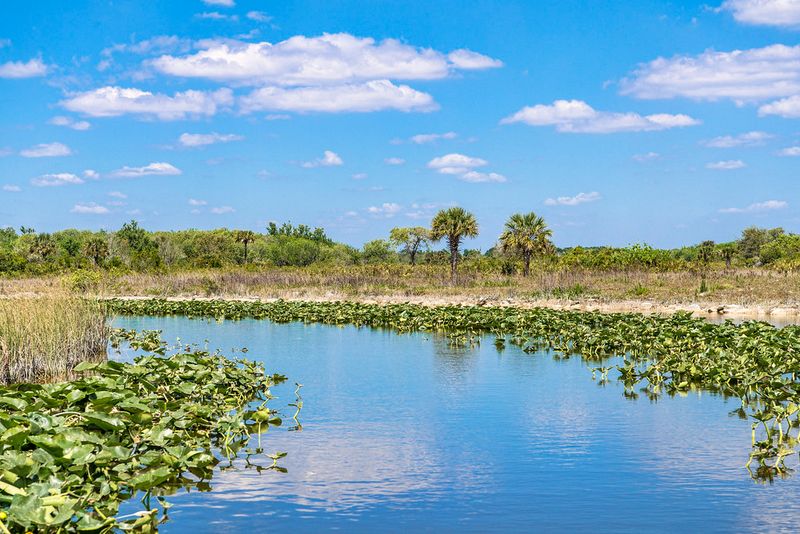
The Everglades is less swamp, more river. It’s a slow-motion sheet of water sliding toward the ocean, and it used to cover twice as much ground before humans decided to reroute everything for farms and cities.
Sunrise here is when the magic happens. Herons strike poses like runway models, gators slide through lily pads, and the whole place glows pink and gold.
It’s basically nature’s apology for humidity.
Airboat tours are loud and kind of obnoxious if we’re being honest. Sure, they’re fun, but they also scare wildlife and burn fuel like nobody’s business.
Kayak tours through mangrove tunnels are quieter, cooler, and way more intimate.
Half the Everglades is already gone, drained for development. What’s left is fighting hard to survive between pollution, invasive pythons, and water management that prioritizes golf courses over ecosystems.
It’s still incredible, but it’s also a warning sign.
Pick guides who actually care about conservation, not just selfie opportunities with baby gators. The good ones explain why this place matters instead of just chasing animals around for tips.
5. The Dead Sea (Israel/West Bank/Jordan)
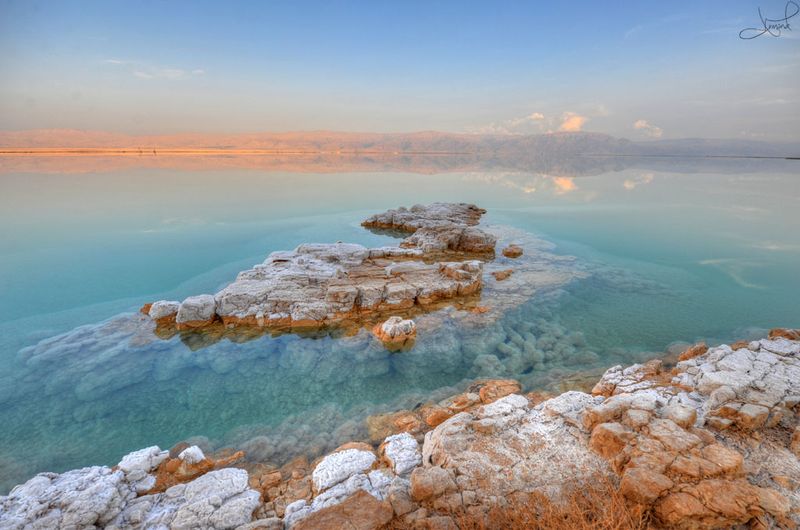
Floating in the Dead Sea feels like cheating gravity. You can’t sink even if you try, and the water is so salty it stings every tiny cut you didn’t know you had.
It’s science class meets spa day.
But the shoreline is retreating so fast that old beach resorts now sit hundreds of feet from the water. Sinkholes open up without warning, swallowing roads and buildings.
The lake is literally disappearing in real time.
Both Israel and Jordan pull water from the Jordan River for drinking and farming, which means less freshwater reaches the Dead Sea. Add in mineral extraction companies, and you’ve got a recipe for disaster.
The sea is dropping roughly three feet every year.
The landscape around it is stunning in a harsh, alien way. Salt formations crust the shore like weird sculptures, and the desert mountains glow purple at sunset.
It’s beautiful and heartbreaking at the same time.
Sinkhole warnings aren’t paranoia. Stick to designated areas, don’t wander off looking for secret spots, and definitely don’t ignore fences.
This place is fragile in ways you can’t see until the ground opens up.
6. The Arctic (Sea Ice + Polar Regions)
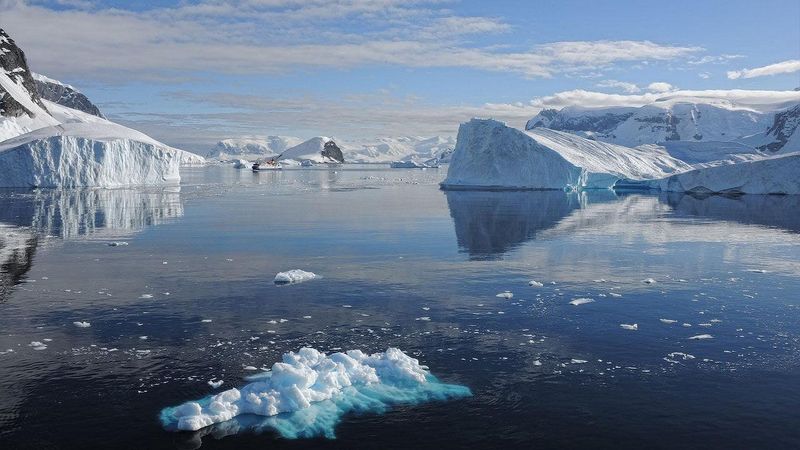
If you want to see climate change with your own eyeballs, book a ticket north. The Arctic is losing ice faster than scientists predicted, and polar bears are running out of hunting platforms.
It’s not subtle.
September sea ice has shrunk by about 12% every decade since the late 1970s. That’s not a typo.
Entire ecosystems depend on that ice, and it’s vanishing like snow in a microwave.
Expedition cruises up here are expensive, but they’re also tightly regulated (the good ones, anyway). You’ll see walruses, seals, whales, and maybe a polar bear if you’re lucky.
Just don’t expect Disney-level guarantees—wildlife doesn’t perform on cue.
Choose operators with serious environmental standards. Some companies treat the Arctic like a theme park; others actually contribute to research and follow strict waste protocols.
Your money talks, so make it say something smart.
The midnight sun is surreal. It messes with your sleep schedule, but watching the light shift for hours without a real sunset is worth the jet lag.
Bring an eye mask and embrace the weirdness.
7. The Great Barrier Reef, Australia
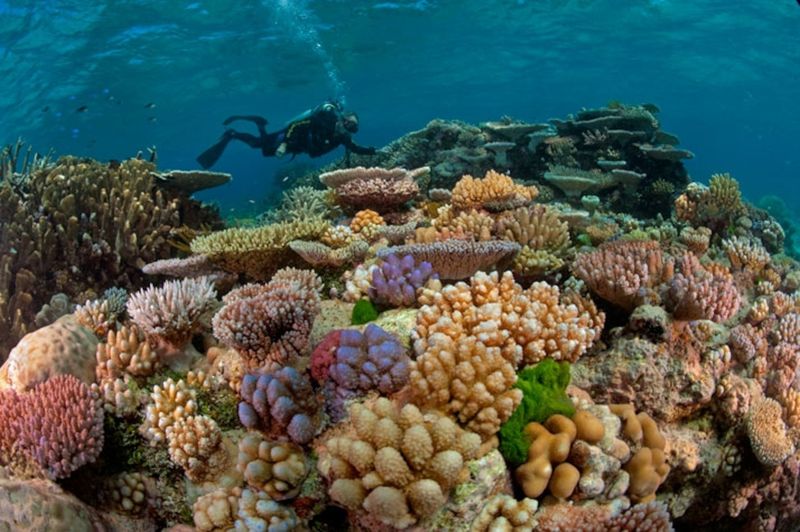
The reef is still one of the most spectacular things on Earth. Schools of fish swirl like living kaleidoscopes, sea turtles glide past, and the coral formations look like alien cities.
But it’s also been through hell.
Bleaching events keep hammering it. 2016, 2017, 2020, 2022, 2024, 2025—coral turns ghostly white when water gets too warm, and if it doesn’t cool down fast, the coral dies. Some sections have bounced back; others haven’t.
Outer reef trips are better than inner ones. The coral is healthier, the water is clearer, and you’re less likely to be surrounded by a hundred other snorkelers.
It costs more, but you’re not here for the bargain-bin version.
Don’t touch anything. Seriously.
Coral is fragile, and your sunscreen might be toxic to it (check for reef-safe formulas). Feeding fish throws off their behavior and diet.
Just float, watch, and keep your hands to yourself.
Some tour operators actively support reef restoration and monitoring programs. They’ll cost a bit more, but your money funds actual conservation work instead of just another boat payment.
8. Machu Picchu, Peru
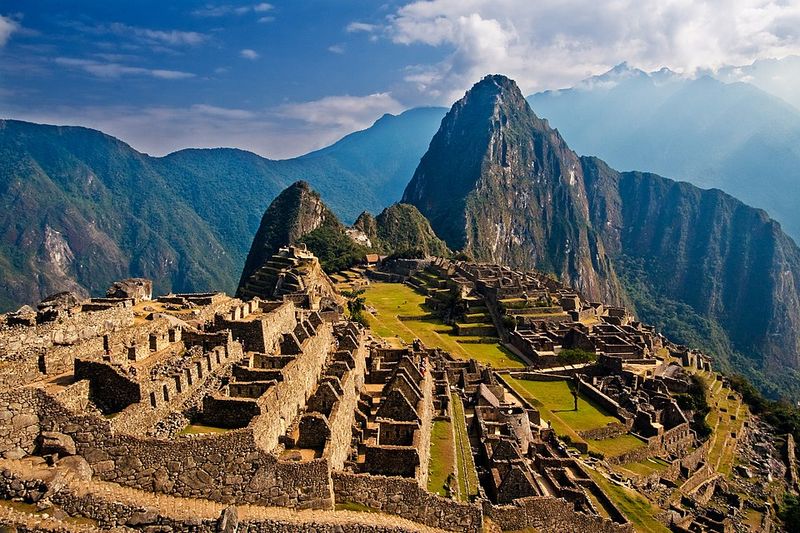
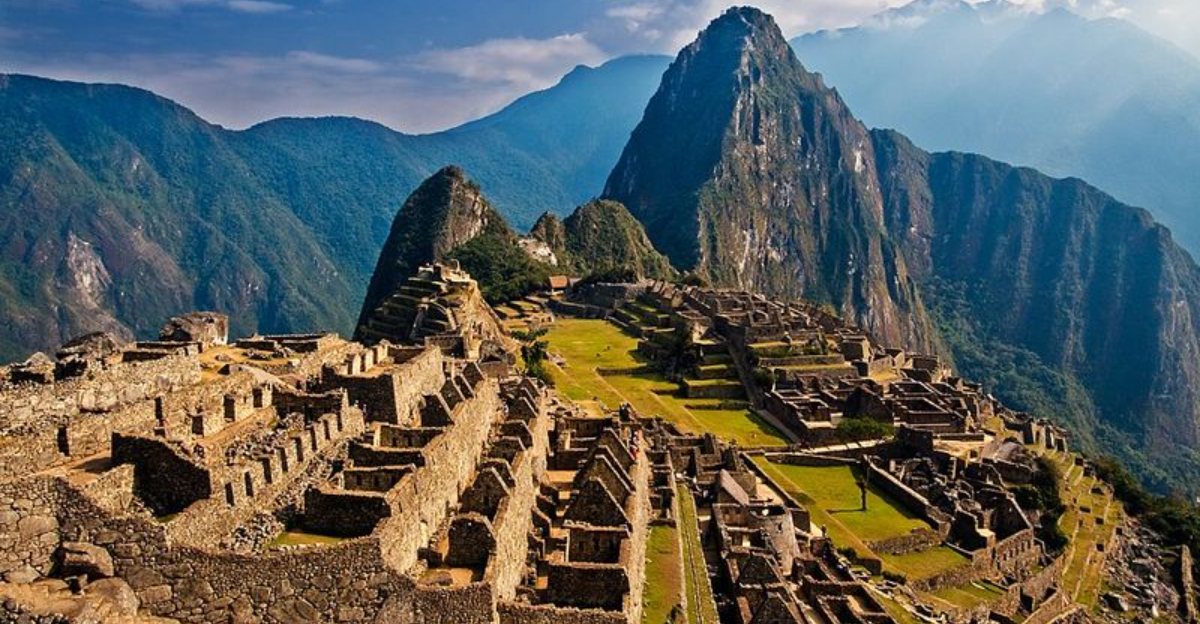
Machu Picchu will blow your mind. Stone walls fitted so perfectly you can’t slide a credit card between them, terraces that defy gravity, and mountains that make you feel tiny in the best way.
It’s every bit as incredible as the photos.
But the experience depends on timing and luck. New rules split the site into circuits with time slots, and daily caps hover around 4,500 to 5,600 people depending on season.
You can’t just wander anymore—stick to your route or risk getting kicked out.
Book months in advance if you’re visiting in high season. Permits sell out fast, and showing up without one is a great way to waste a trip to Cusco.
Choose a circuit based on fitness level, not Instagram ambitions.
The trails are ancient and fragile. Every shortcut or off-path detour damages the site a little more.
Erosion is a real problem, and thousands of feet per day add up fast. Stay on the stones, follow the guide, and don’t be that person.
Spend extra time in the Sacred Valley or Cusco. Machu Picchu is the headline, but the region has incredible ruins, markets, and food that don’t require a timed entry ticket.
9. The Galápagos Islands, Ecuador
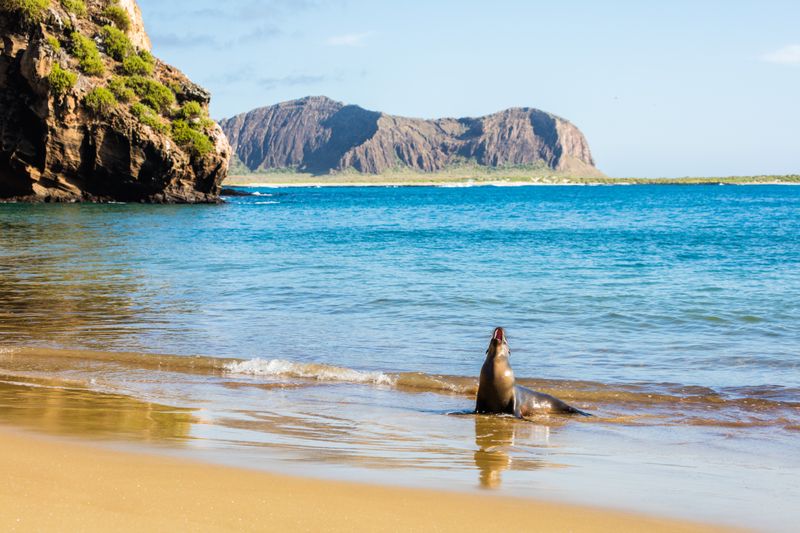
Charles Darwin made these islands famous, and they’re still the gold standard for evolution in action. Iguanas that swim, birds with blue feet, and tortoises older than your grandparents.
It’s like someone designed a nature documentary and forgot to turn the camera off.
But the ecosystem is ridiculously fragile. Invasive species (rats, goats, plants) have wreaked havoc, and tourism pressure keeps growing.
Your visit funds conservation, but only if you follow the rules and pick responsible operators.
Naturalist-led tours aren’t optional fluff. The guides are trained scientists who explain why the finches matter and how the islands work.
You’ll learn more in three days than a month of nature shows.
Biosecurity rules are strict for a reason. Seeds stuck to your shoe or a stray fruit in your bag can introduce invasive species that destroy native ecosystems.
Clean your gear, declare your food, and don’t roll your eyes at the inspections.
Snorkeling here is absurd. Sea lions play with you like puppies, penguins zip past, and marine iguanas munch algae on the bottom.
Just keep your distance and let them approach you.
10. The Taj Mahal, India
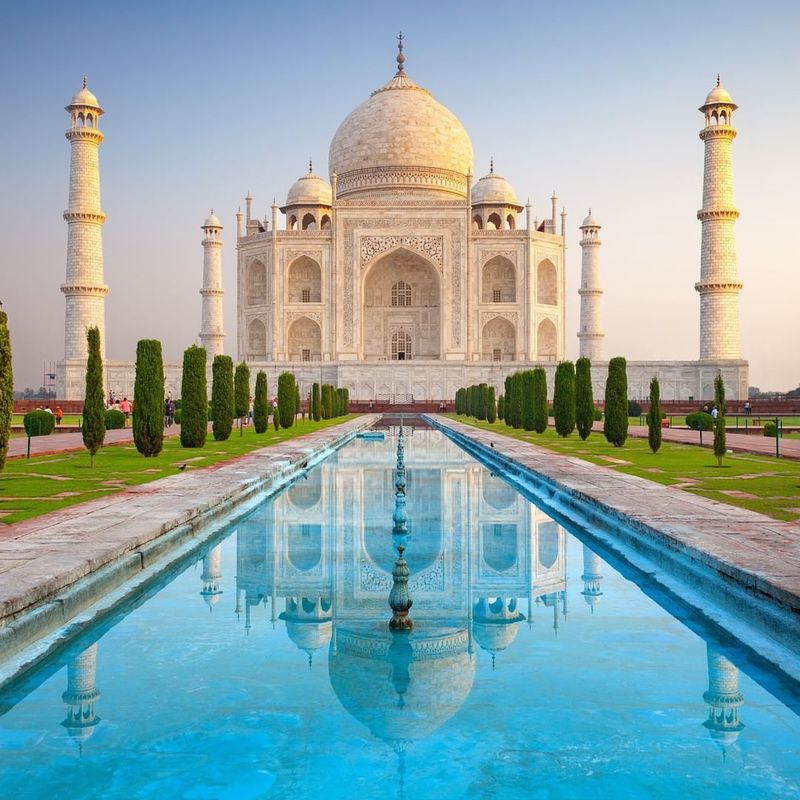
Sunrise at the Taj Mahal is worth the early alarm. The marble glows pink and gold, the crowds are thinner, and the whole place feels almost peaceful.
Almost—because there are still a lot of people here.
But the white marble isn’t as white as it used to be. Pollution, river issues, and even insect stains (tiny bugs breeding near the Yamuna River) have discolored sections.
Conservators are constantly cleaning and restoring, but it’s a losing battle.
The Yamuna River behind the monument is basically an open sewer now. It smells, it’s polluted, and it’s a heartbreaking contrast to the beauty just a few hundred feet away.
India is working on cleanup efforts, but progress is slow.
Don’t touch the marble surfaces. Oil from your hands damages the stone over time, and multiply that by millions of visitors.
Guards will yell at you, and they should.
Aggressive vendors outside the gates are exhausting. Decide ahead of time what you want to buy (if anything), and don’t feel guilty saying no. The official site has everything you need; the street hawkers are just noise.
11. The Amazon Rainforest (South America)
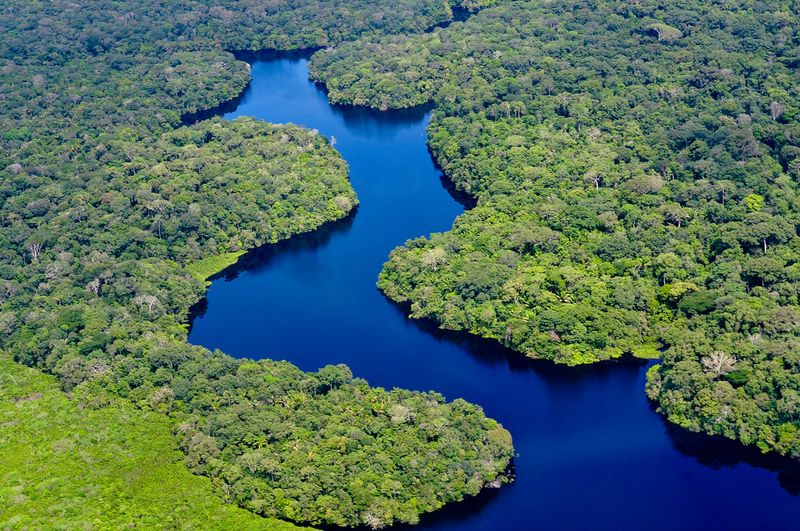
The Amazon is so big it makes its own weather. Rivers wider than highways, trees tall enough to make you dizzy, and sounds you’ve never heard before.
It’s overwhelming in the best and most humbling way.
Deforestation is still a massive problem. Even with recent improvements in Brazil, the forest is shrinking, and political winds can shift fast.
What’s protected today might not be tomorrow, and that’s terrifying.
Community-based lodges are the way to go. You’ll stay with people who actually live in the forest, eat food grown nearby, and learn from guides who grew up navigating these rivers.
It’s authentic, educational, and your money supports local families.
Avoid any place that lets you hold sloths, feed monkeys, or pose with baby animals. That’s exploitation dressed up as tourism, and it’s harmful to the wildlife.
Ethical operators keep distance and prioritize animal welfare over photo ops.
River life is just as fascinating as the jungle. Pink dolphins, caimans, and piranhas (they’re way less scary than movies suggest) all share the water.
Canoe trips at dawn are magical and surprisingly quiet.
12. Glacier National Park, Montana (USA)
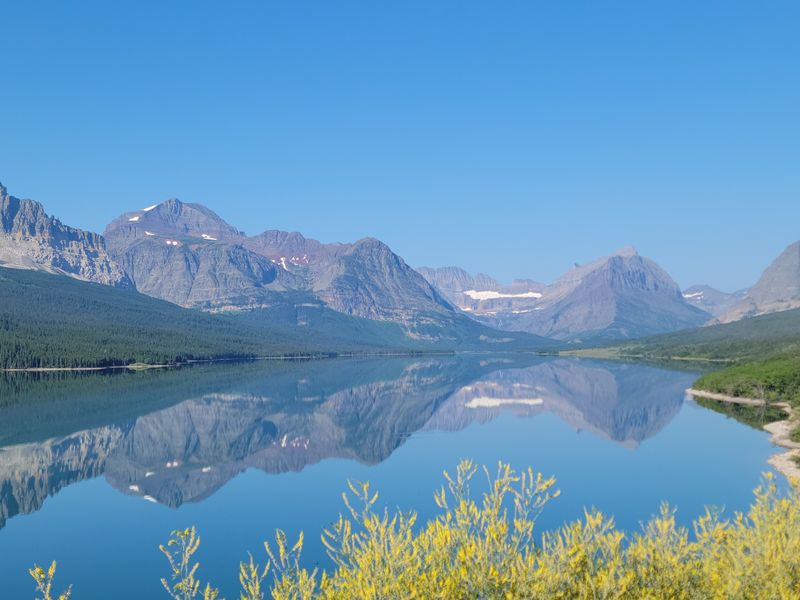
Glacier National Park is named after something that’s disappearing. The park has lost most of its glaciers over the past century, and the remaining ice is melting faster every year.
NASA tracks it, and the data isn’t encouraging.
But the park is still stunning. Alpine meadows explode with wildflowers, mountain goats pose on cliffs, and the lakes are so blue they look Photoshopped.
It’s proof that beauty doesn’t wait for perfect conditions.
Going-to-the-Sun Road is one of the best scenic drives in America. It’s also terrifying if you’re afraid of heights, with sheer drops and tight turns.
Go early in the morning to avoid traffic and catch the light.
Stay on the trails. Alpine vegetation grows slowly, and trampling it leaves scars that last for years.
Plus, wandering off-trail increases your chances of surprising a grizzly, which is bad for everyone involved.
Shoulder season (late September or early June) offers fewer crowds and dramatic weather. You might hit snow, but you’ll also have trails mostly to yourself.
Pack layers and embrace the unpredictability.
13. The Sundarbans (Bangladesh/India)
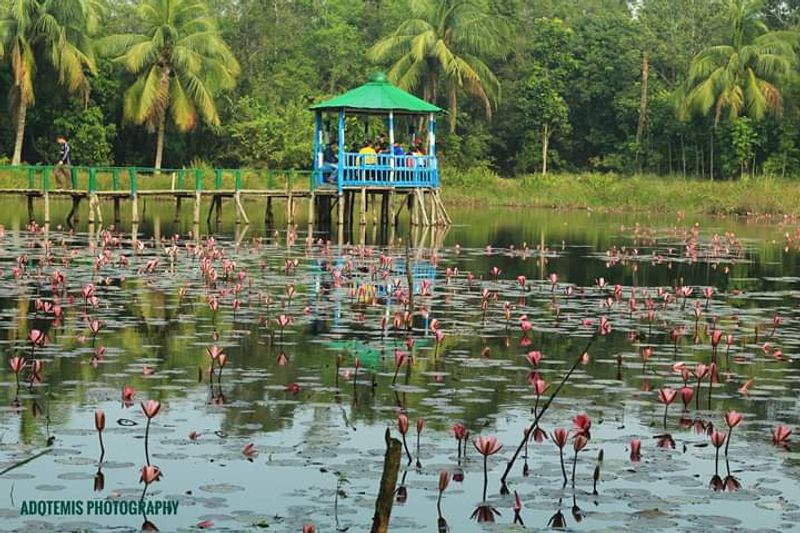
The Sundarbans is a maze of mangrove forests, tidal rivers, and islands that shift with the seasons. It’s also home to Bengal tigers that swim between islands like it’s no big deal.
Nowhere else on Earth feels quite like this.
But rising sea levels and stronger cyclones are squeezing the ecosystem. Saltwater intrusion is changing the vegetation, and some islands have already disappeared.
The people living here are climate refugees in the making.
Boat tours are the only way to explore. You’ll glide through narrow channels, watch kingfishers dive, and maybe spot a crocodile sunbathing on the bank.
Tiger sightings are rare and thrilling, but not guaranteed.
Local guides know the waterways like their own neighborhoods. They’ll point out wildlife you’d never notice and explain how the mangroves protect the coast from storms.
Their knowledge is worth way more than any guidebook.
Don’t treat tiger spotting like a competitive sport. Some operators race around disturbing the forest just to rack up sightings.
Choose companies that prioritize the ecosystem over tourist checklists, and you’ll have a better experience anyway.
14. The Valley of the Kings, Egypt
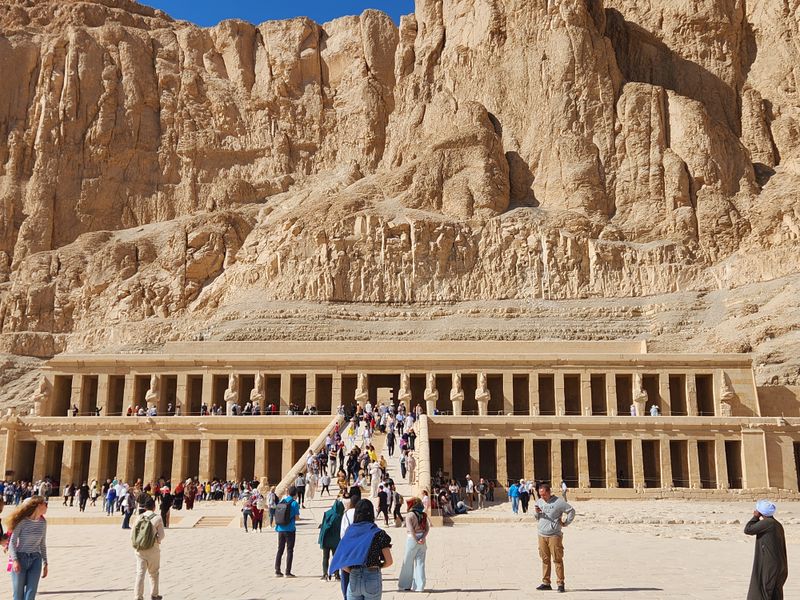
Walking into a pharaoh’s tomb is surreal. The colors on the walls are still vibrant after thousands of years, and the hieroglyphics tell stories about gods, death, and the afterlife.
It’s like stepping into someone else’s eternity.
But tourism is literally changing the air inside these tombs. Humidity from breath and body heat, plus dust from shoes, degrades the paintings.
That’s why some tombs rotate access or close entirely for conservation.
Pick a few tombs and take your time instead of rushing through as many as possible. You’ll actually remember what you saw, and you’ll appreciate the details instead of just checking boxes.
Quality over quantity matters here.
Photography rules exist for a reason. Flash damages pigments over time, and thousands of flashes per day add up.
If they say no photos, respect it. Your memory is better than a blurry phone pic anyway.
The valley gets brutally hot. Early morning visits are cooler and less crowded, and you won’t feel like you’re touring an oven.
Bring water, wear a hat, and pace yourself.
15. Mount Kilimanjaro’s Glaciers, Tanzania
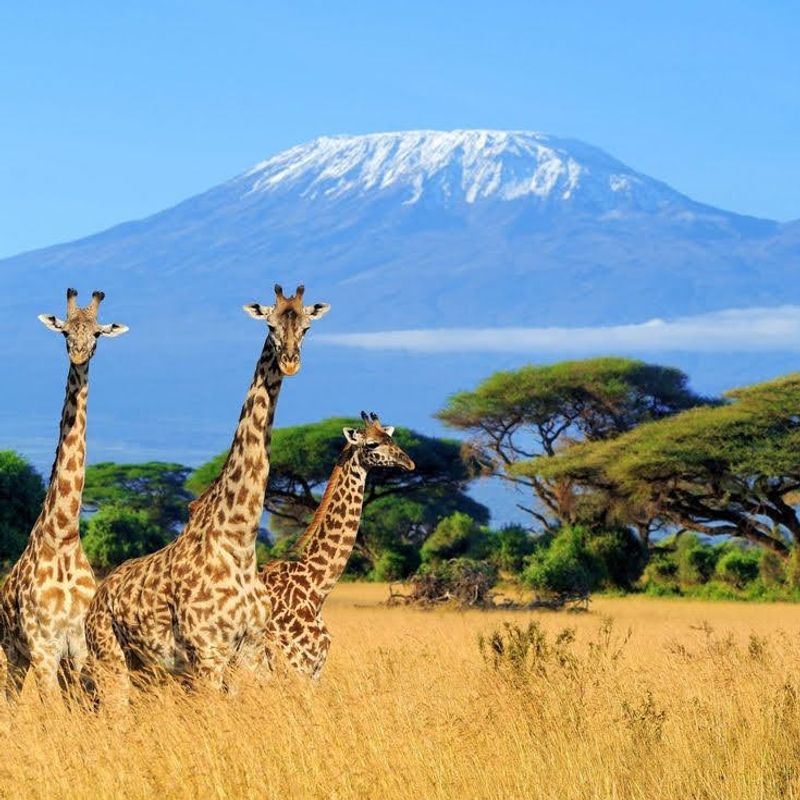
Climbing Kilimanjaro puts you on the roof of Africa. The summit glaciers gleam in the sunrise, and the views stretch forever.
But those glaciers are shrinking fast, and scientists predict they could vanish within decades.
The ice has been retreating for over a century, and recent research shows the pace is accelerating. It’s not just about temperature—changes in precipitation and humidity play a role too.
Either way, the clock is ticking.
Choose a route that matches your acclimatization needs, not just the shortest path. Altitude sickness is no joke, and rushing increases your risk.
The Lemosho or Machame routes give your body more time to adjust.
Porter treatment matters. Some companies exploit porters with low wages and heavy loads; others follow fair treatment standards.
Do your research and pick operators with strong ethical policies. Your climb shouldn’t come at someone else’s expense.
Waste management on the mountain is a real issue. Good operators pack out everything, including human waste.
Ask about their environmental practices before booking, and don’t just assume everyone does the right thing.



