 Unearth The Voyage
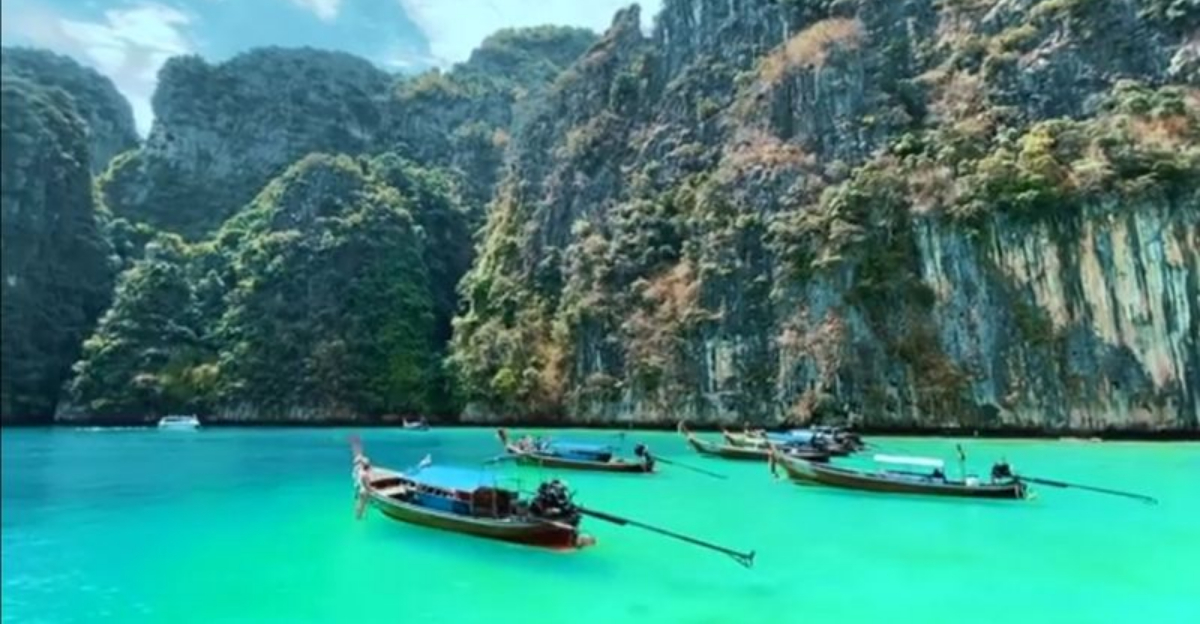
Travel used to feel limitless, but that era might be ending. Around the world, popular destinations are introducing fees, caps, and stricter rules to control visitor numbers. Some countries are making it harder and more expensive to visit, while others are closing iconic sites completely. Understanding these changes now can help you plan smarter trips before doors start closing for good.
1. Bhutan – The Original High Value Low Volume Country
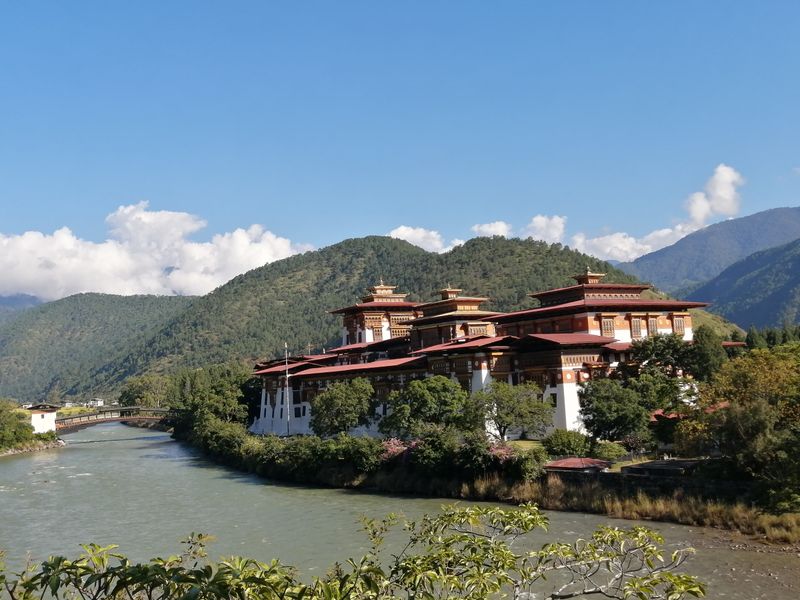
Bhutan never wanted crowds. This Himalayan kingdom deliberately keeps tourism small and selective through a unique fee system.
Foreign visitors pay a Sustainable Development Fee of $100 per night, which funds free healthcare, education, and cultural preservation. The fee is specifically designed to prevent mass tourism from overwhelming local communities.
If visitor numbers increase or government budgets tighten, officials could easily raise fees or restrict visas further. Bhutan remains open but intentionally expensive, ensuring only committed travelers make the journey to this mountain nation.
2. Iceland – From Trendy Hotspot to Full Is Full
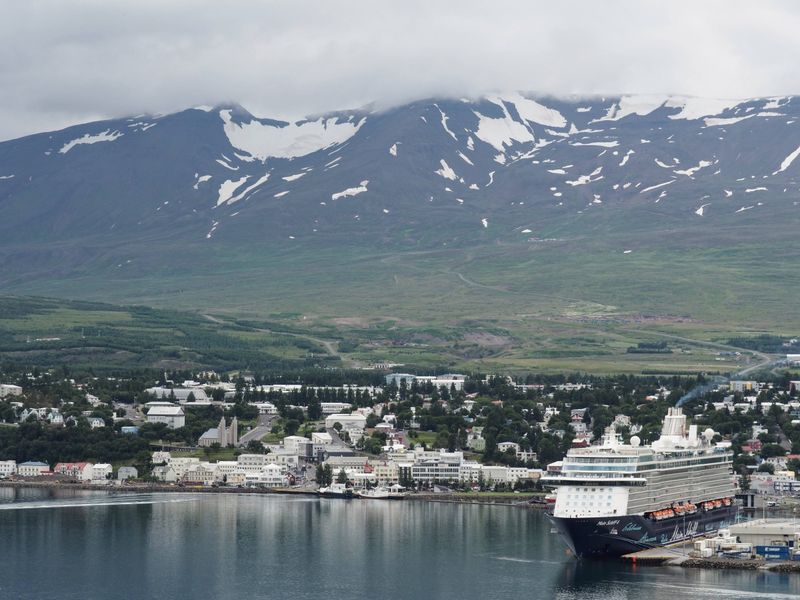
Iceland became Instagram’s darling destination, and now it’s paying the price. The tiny island nation is overwhelmed by visitors damaging fragile ecosystems and driving up housing costs.
Starting in 2025, Iceland introduced higher tourist taxes and stricter controls on short-term rentals like Airbnb. The government wants fewer tourists who spend more money.
While borders remain open, the message is clear: expect higher prices, more regulations, and limited availability. If you didn’t book months ahead, getting accommodation might become nearly impossible as Iceland prioritizes quality over quantity.
3. New Zealand – Considering Visitor Caps and Paid Access to Icons
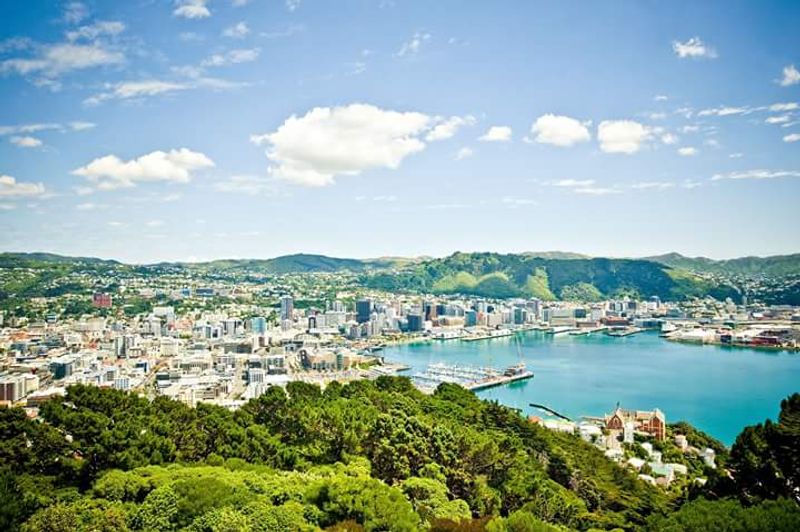
New Zealand’s empty wilderness isn’t so empty anymore. Officials are discussing visitor quotas and temporary closures to protect overused natural sites.
A controversial reform would charge foreign tourists between NZ$20 and $40 to enter top attractions like Milford Sound, Aoraki Mount Cook, and Cathedral Cove. Locals would enter free.
Conservation fees are rising, and fragile sites may face strict caps or seasonal closures if numbers continue climbing. New Zealand is moving toward a model where advance bookings become mandatory and spontaneous visits become impossible for the most popular destinations.
4. Japan – Cracking Down on Overtourism at Mount Fuji and in Kyoto
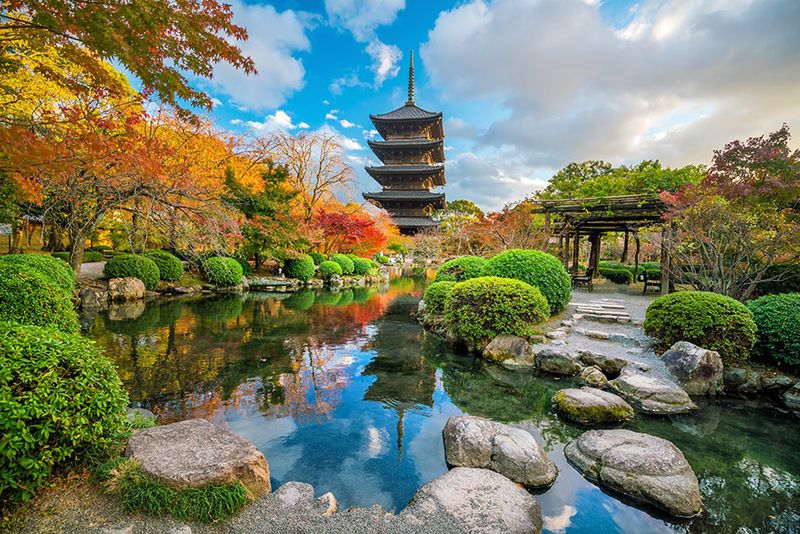
Japan welcomes tourists but not everywhere at once. Mount Fuji now has a daily cap on climbers and mandatory fees for its most popular trail to reduce environmental damage.
In Kyoto’s historic Gion district, private streets are off-limits to tourists after years of harassment toward geisha. Violators face fines.
Japan isn’t closing its borders, but it’s creating no-go zones and tightly regulating famous spots. Expect more required reservations, additional fees, and restricted areas where wandering tourists simply aren’t allowed anymore. Respecting local rules is becoming non-negotiable.
5. Indonesia Bali – New Tourist Tax and Behaviour Rules
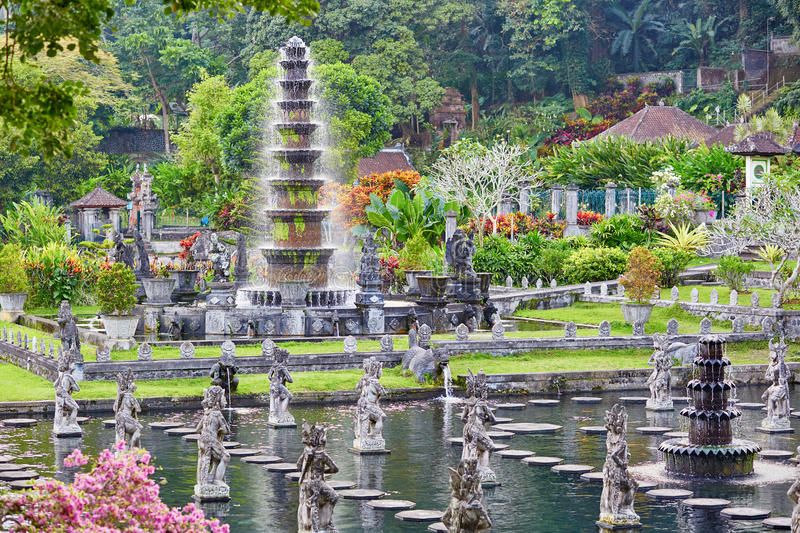
Bali remains packed, but the island is filtering visitors more carefully. Since 2024, all foreign tourists must pay a mandatory levy of 150,000 IDR to fund environmental and cultural protection.
Authorities introduced strict respect rules covering temple dress codes, traffic violations, and bad behaviour. Officials openly discuss fines, deportation, and bans for repeat offenders.
Bali isn’t closing, but the message is unmistakable: follow the rules and pay the fees, or you’re not welcome. Misbehaving tourists risk turning more areas into restricted zones as patience wears thin among locals.
6. Thailand – Iconic Beaches That Shut Every Year
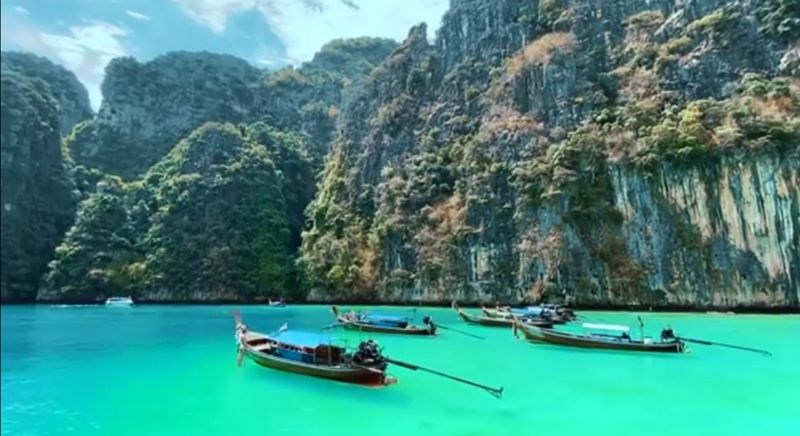
Thailand loves tourism, but some beaches now operate on strict schedules. Maya Bay, made famous by the movie The Beach, closed for four years after overtourism destroyed coral and wildlife.
When it reopened, the government imposed daily visitor limits, banned swimming in the bay, and mandated annual closures from August to October. Boat access is tightly regulated.
Thailand proved it will sacrifice millions in revenue to protect nature. Expect more seasonal closures, mandatory reservations, and hard caps at other overcrowded islands and parks as environmental concerns outweigh tourist dollars.
7. Spain – Protests Fines and a Squeeze on Tourist Rentals
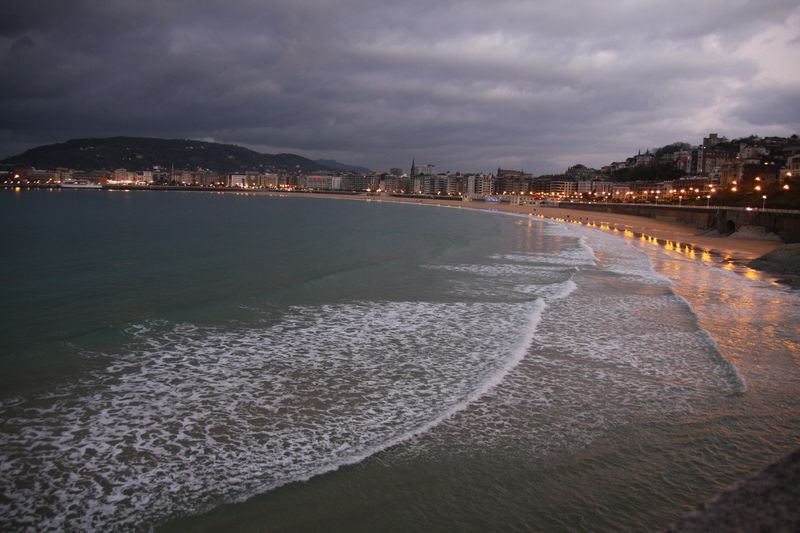
Spain hit record visitor numbers and a breaking point. By 2025, cities like Barcelona and Málaga rolled out higher tourist taxes and suspended new tourist accommodation permits.
The government fined Airbnb 64 million euros for unlicensed rentals as part of a crackdown on short-term housing. Locals blame tourists for spiraling rents and overcrowding.
Spain won’t turn tourists away at borders, but it’s eliminating cheap accommodation and making spontaneous visits harder. Some cities may soon impose stricter caps or outright bans on new tourist apartments as frustration grows among residents.
8. Italy – Venice Is Basically Testing a Paywall for Day Trippers
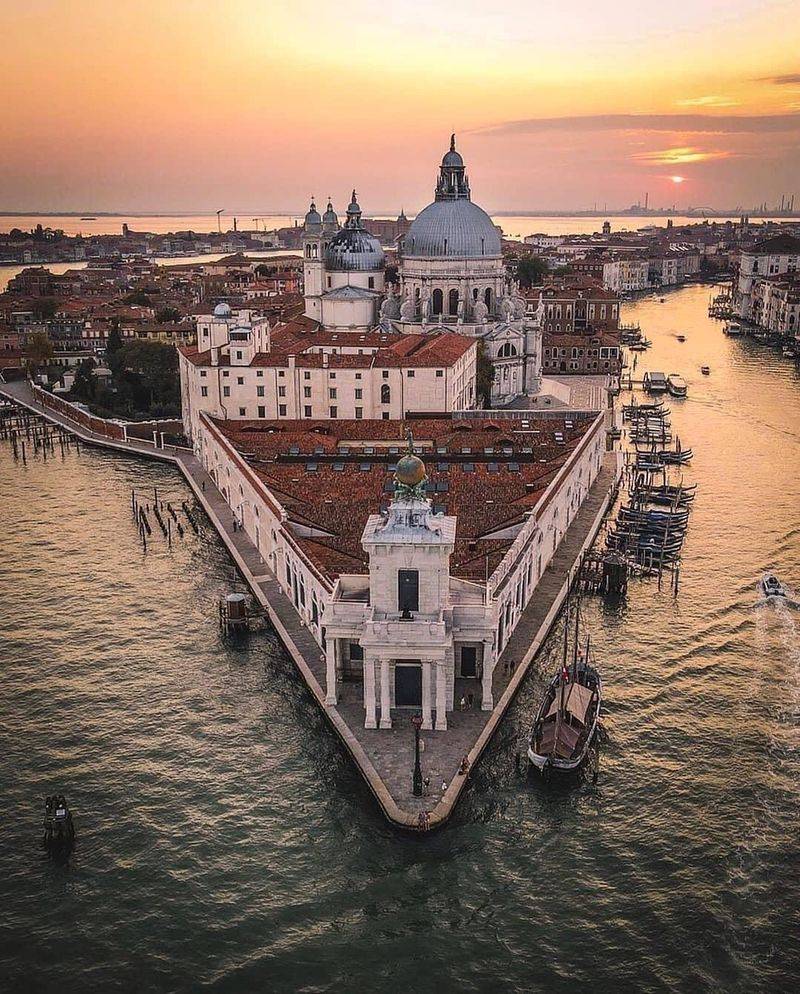
Venice became the global symbol of a city overwhelmed by mass tourism. The city banned large cruise ships from the historic lagoon to reduce environmental damage.
Venice introduced a day-trip entry fee for visitors who don’t spend the night. The fee is being extended and expanded, with higher charges on peak days.
Right now Venice remains open, but entering is becoming a ticketed event. If this experiment succeeds, expect other Italian destinations to copy the model and for Venice to tighten restrictions even further on who can enter and when.
9. Greece – Santorini and the Islands Are Pushing Back
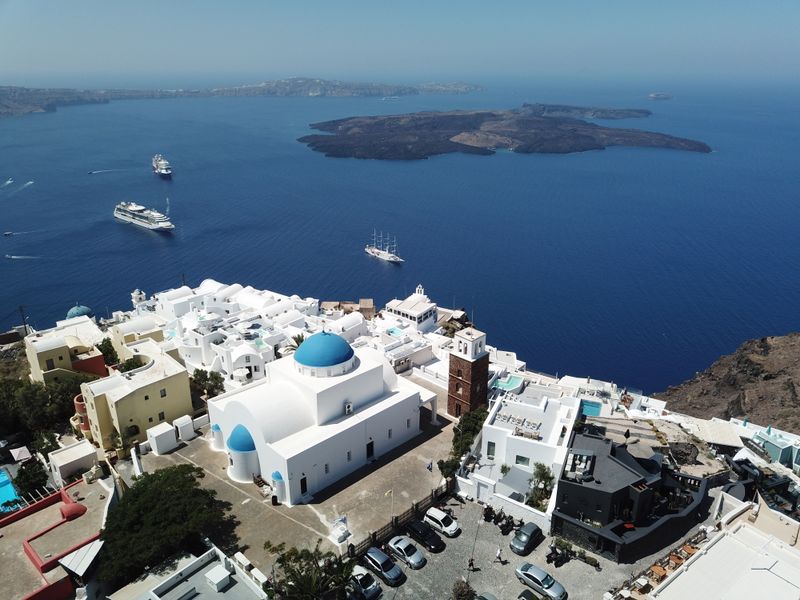
Greece’s islands are drowning in visitors despite their postcard beauty. Santorini capped daily cruise passengers in the thousands to reduce crowding and protect the tiny island’s infrastructure.
Greek authorities floated broader overtourism measures to limit strains on water, waste, and housing during peak season. The islands simply can’t handle unlimited visitors.
If you dream of those blue-and-white cliffs, prepare for assigned time slots and higher prices. There’s a growing chance that too many ships today means you’re not allowed to disembark at all, leaving you stuck on the boat.
10. Croatia – Dubrovnik’s Old Town Is Already Under Visitor Controls
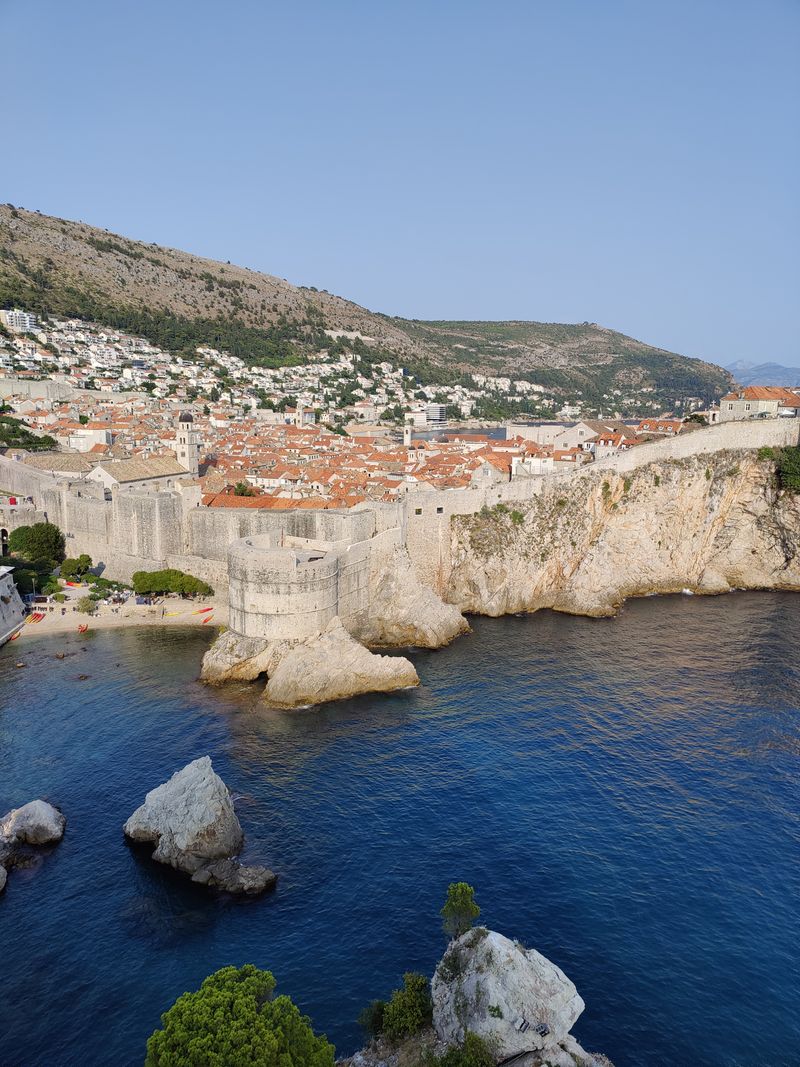
Dubrovnik’s walled Old Town went from quiet medieval jewel to cruise-ship crush. Local patience snapped under the pressure.
The city limited the number of cruise ships allowed per day and uses monitoring systems to control how many people enter the old town simultaneously. UNESCO pressure drove these changes to protect the historic site.
You can still stroll King’s Landing from Game of Thrones, but free-for-all access is over. If crowds and pressure continue, tighter caps, timed tickets, or dynamic closures on peak days are very realistic options officials might implement.
11. Netherlands – Amsterdam’s No New Hotels Line in the Sand
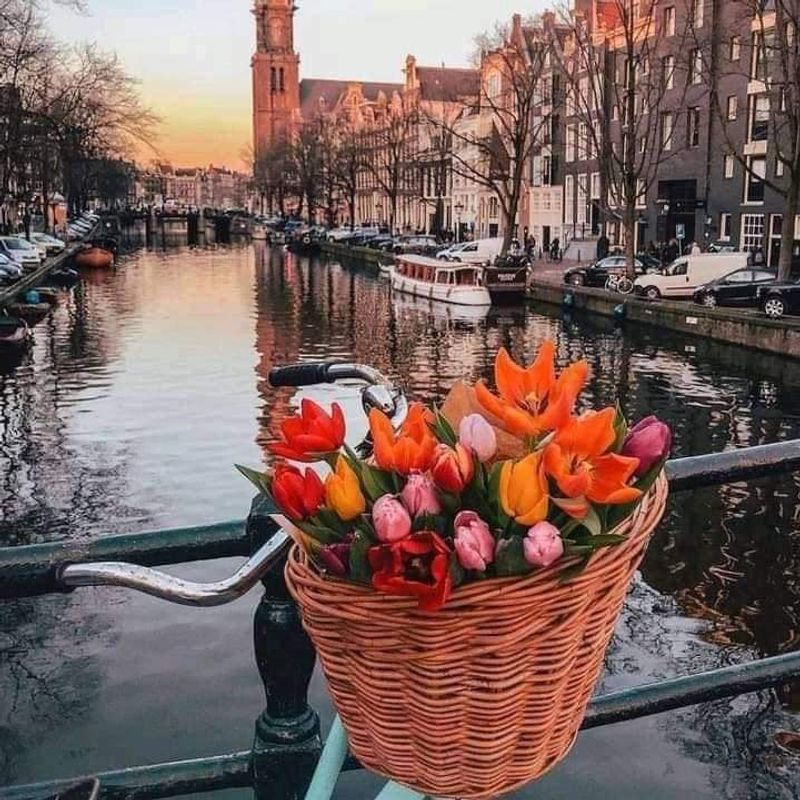
Amsterdam isn’t subtle: the city has enough tourists. In 2024, officials banned new hotel construction and set a hard limit of 20 million overnight stays per year to avoid overtourism.
Authorities are cutting river cruises by half, raising tourist taxes, banning cannabis smoking on certain streets, and restricting red-light district tours. The city is actively discouraging certain types of visitors.
Amsterdam is effectively declaring: We’re full. Hotel prices will rise, and spontaneous budget trips will become practically impossible. The city is prioritizing quality of life for residents over endless tourist growth.
12. Nepal – Everest Is No Longer for First Timers
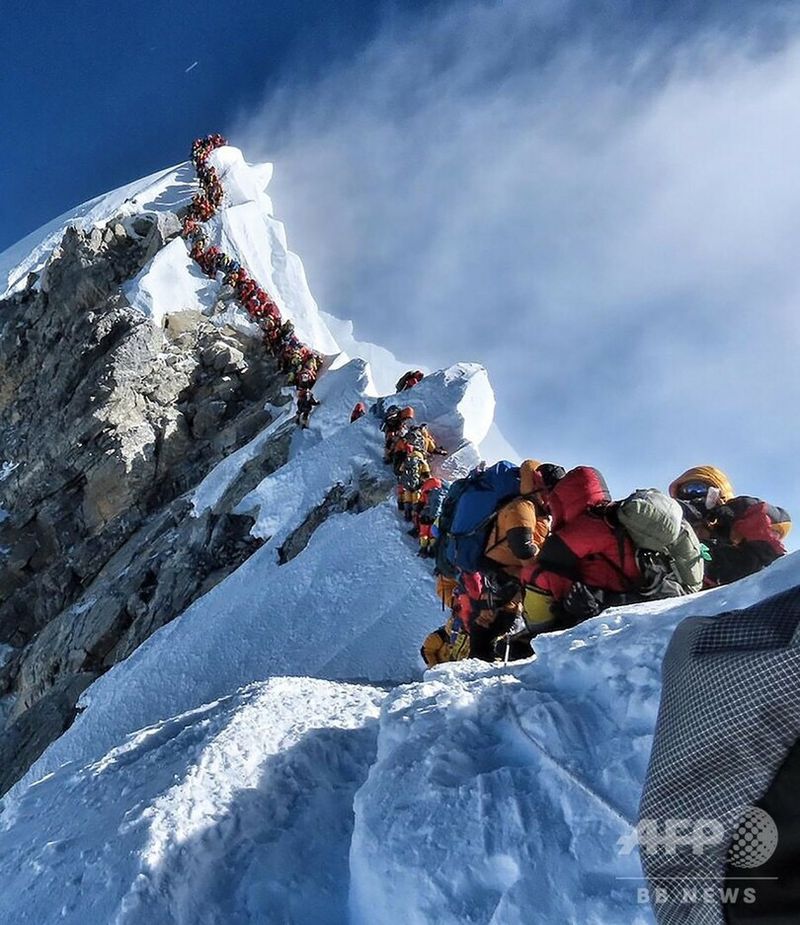
The world’s most famous mountain is overflowing with climbers, paying the price in deaths and pollution. A new Tourism Bill restricts Everest permits to climbers who’ve already summited a 7,000-metre peak in Nepal.
Applicants must also pass strict health checks to reduce overcrowding and accidents. From September 2025, Nepal raised the Everest permit fee from $11,000 to $15,000 during peak season.
Everest is shifting from bucket-list adventure to elite, highly regulated climb. For most people, the mountain is quietly moving from difficult to practically out of reach as requirements and costs continue rising.
13. Vietnam – Tougher Rules That Hit Tourists Directly
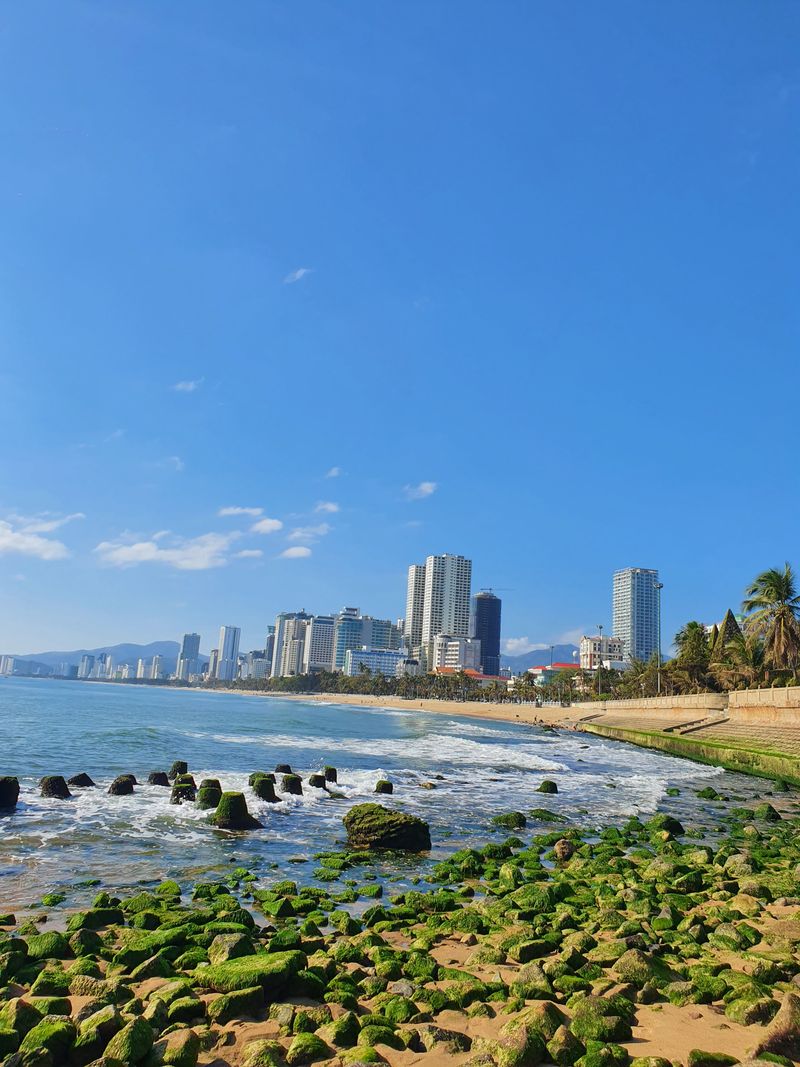
Vietnam is booming as a destination and tightening rules that directly affect visitors. As of January 2025, Vietnam banned vapes and e-cigarettes completely.
Tourists caught vaping face fines up to 2 million dong, about $78. Traders risk prison time for selling vaping products.
A vape ban alone doesn’t close a country, but it shows the direction Vietnam is heading: stricter and less tolerant of anything-goes tourist behaviour. As visitor numbers grow, more rules and fines will likely follow, especially in crowded beach and party destinations along the coast.
14. Kenya – Wildlife Reserves Are Pricing in Protection
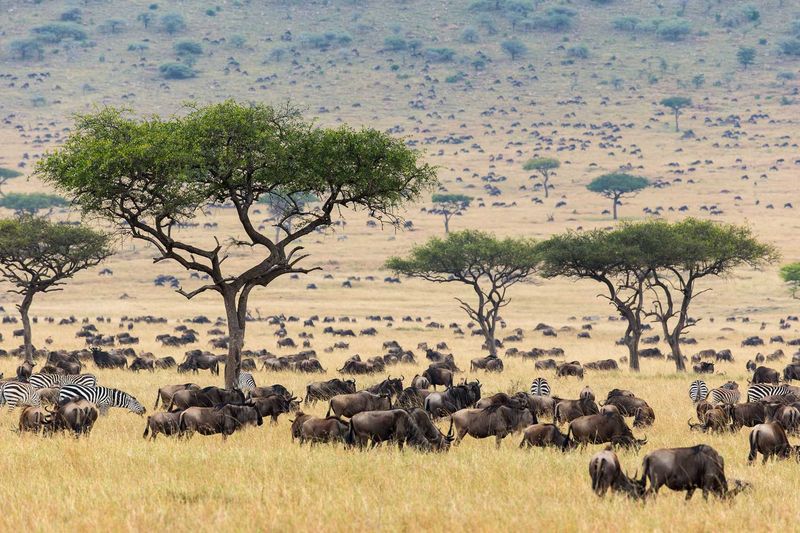
Kenya’s safari industry is world-famous, but national parks and reserves have limits. In 2024 and 2025, the Maasai Mara National Reserve sharply increased entry fees for foreign visitors.
High-season day rates rose into the $100 to $200 range. The reserve enforces strict rules on driving, noise, and behaviour to protect wildlife.
Kenya is signaling that wildlife experiences should be high-value, not high-volume. If visitor pressure keeps growing, expect tighter vehicle caps, stricter route controls, and more price rises that effectively limit how many people can afford to enter these protected areas.
15. Tanzania – New Fees and Rules for National Parks
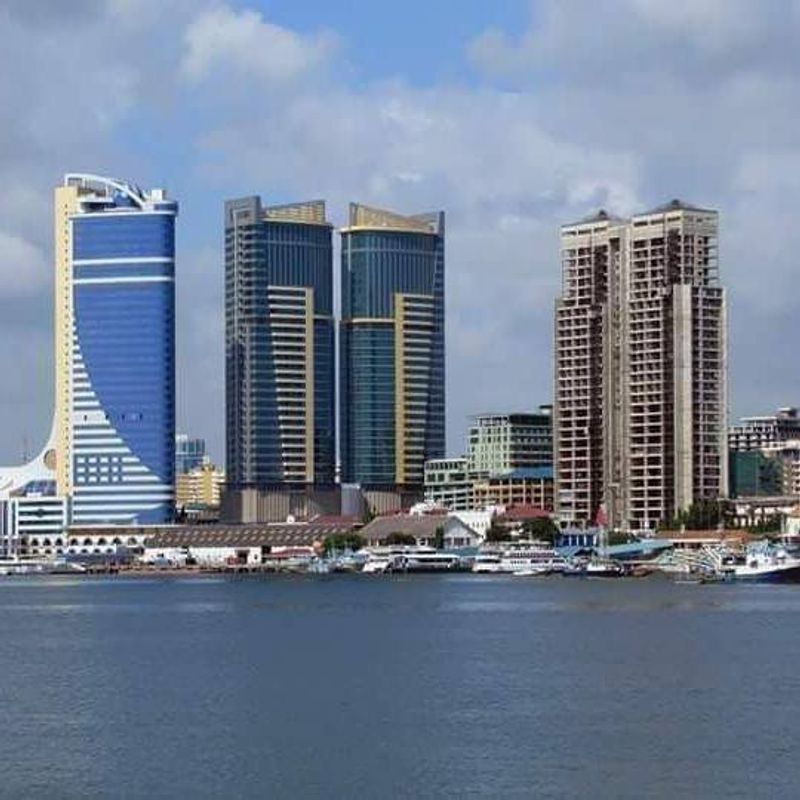
Neighbouring Tanzania is moving in a similar direction as Kenya. The country introduced new national park regulations and mandatory insurance fees for foreign travelers around $44.
Park entry costs are rising, and authorities are enforcing tighter rules on tour operators. The Serengeti and Kilimanjaro remain accessible but with more formalities.
Climbing Kilimanjaro or visiting the Serengeti is absolutely possible, but the paperwork, costs, and formalities keep increasing. Over time, this combination of fees and regulations will naturally push out lower-budget and spontaneous tourism, favoring organized and well-funded trips.



