Some places simply refuse to be captured by a camera. A photo might hint at towering waterfalls, endless sand dunes, or emerald mountain valleys, but standing there in person is an entirely different experience.
North Carolina is filled with hidden gems that are even more breathtaking in real life, rewarding travelers who venture beyond the state’s most famous attractions. Pack your bags and get ready to be genuinely amazed.
Elk Knob State Park — Todd, North Carolina
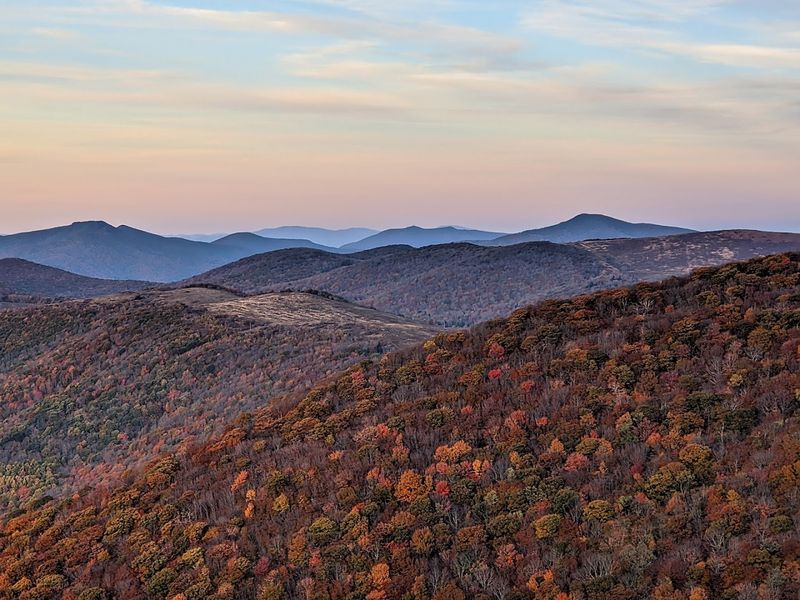
Most hikers drive right past Elk Knob on their way to more famous mountain destinations, and that’s honestly their loss. Tucked away near the tiny community of Todd, this state park rewards anyone willing to lace up their boots with some of the most breathtaking panoramic views in the entire Blue Ridge region.
The trailhead is easy to find, and the moderate climb feels totally worth every step.
Standing at the summit, you can see ridge after ridge of mountain scenery stretching out in every direction. On clear days, the views seem almost endless, and the peaceful quiet up top makes it feel like your own private mountain.
There are no crowds, no gift shops, and no lines.
Wildlife sightings are surprisingly common along the trail, including birds, deer, and wildflowers depending on the season. The forest itself is beautiful, filled with northern hardwoods that turn spectacular shades of gold and red each fall.
Elk Knob proves that the best experiences in North Carolina often belong to those willing to go just a little off the beaten path.
Emerald Hollow Mine — Hiddenite, North Carolina
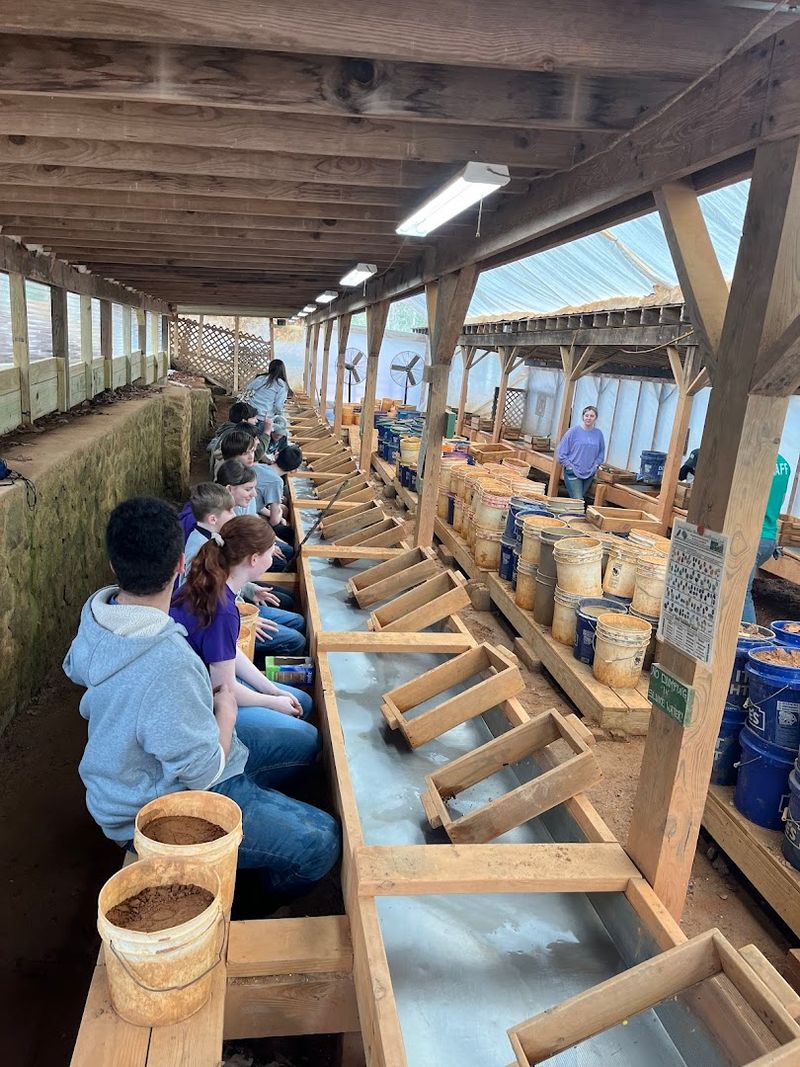
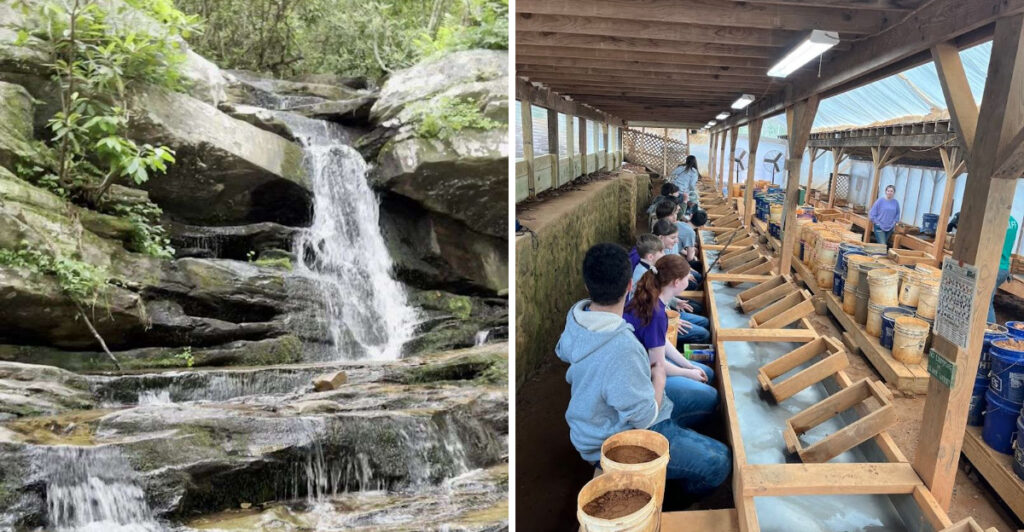
Forget treasure maps and fairy tales because Emerald Hollow Mine in Hiddenite, North Carolina is the real deal. This is the only public emerald mine in the entire United States, where visitors actually dig through real gem-bearing soil searching for emeralds, sapphires, amethysts, and over 60 other minerals.
You keep whatever you find, which makes every scoop of dirt genuinely exciting.
The mine offers several different ways to search, from sluicing gravel through water troughs to actual creek digging. Families with kids absolutely love it, but plenty of serious gem hunters show up too, armed with knowledge and high hopes.
The thrill of spotting a green glint in the gravel never gets old, no matter how old you are.
Hiddenite itself is a fascinating little community with a quirky gem-focused history that stretches back to the 1800s. The town was actually named after a rare yellow-green gemstone called hiddenite, found only in this area.
Visiting feels like stepping into a story where the treasure hunt is completely real and the reward might be sitting right under your feet.
Little Switzerland — Blue Ridge Parkway, North Carolina
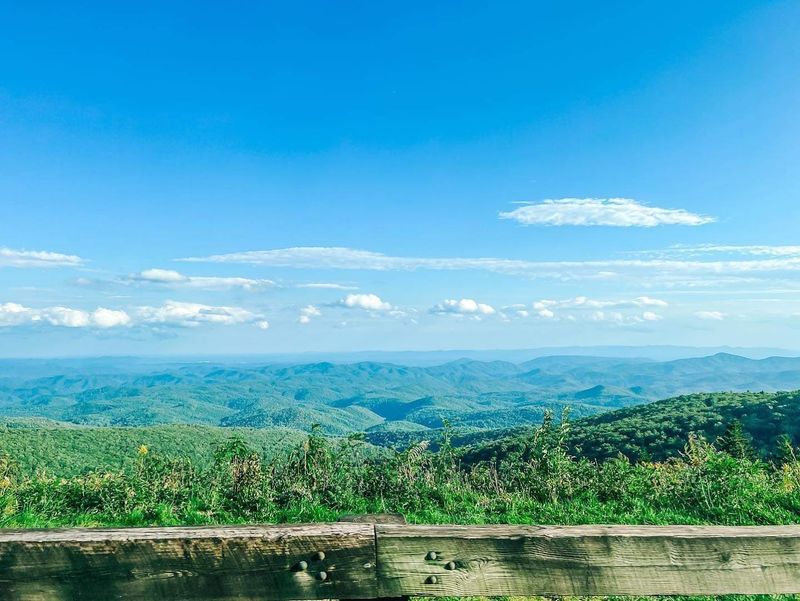
The name alone sounds like something out of a storybook, and Little Switzerland absolutely delivers on that promise. Perched along the Blue Ridge Parkway at around 3,500 feet elevation, this tiny mountain village has been charming visitors since the early 1900s with its cool air, spectacular overlooks, and wonderfully unhurried pace.
It feels like the rest of the world simply forgot this place existed, and that’s exactly the point.
Winding mountain roads lead you past quirky shops, a historic inn, and overlooks that make your jaw drop without any warning. The surrounding landscape changes dramatically with each season, from wildflower-covered slopes in spring to fiery foliage in autumn.
Every turn on the Parkway near here reveals something worth pulling over for.
What makes Little Switzerland special beyond the views is the genuine sense of community and character the village has maintained for decades. Locals are friendly, the pace is slow, and there’s nothing pretentious about the whole experience.
If you want mountain magic without the tourist crowds, this is the stop you’ve been looking for. Some places earn their names, and Little Switzerland earns it every single day.
Jockey’s Ridge State Park — Nags Head, North Carolina
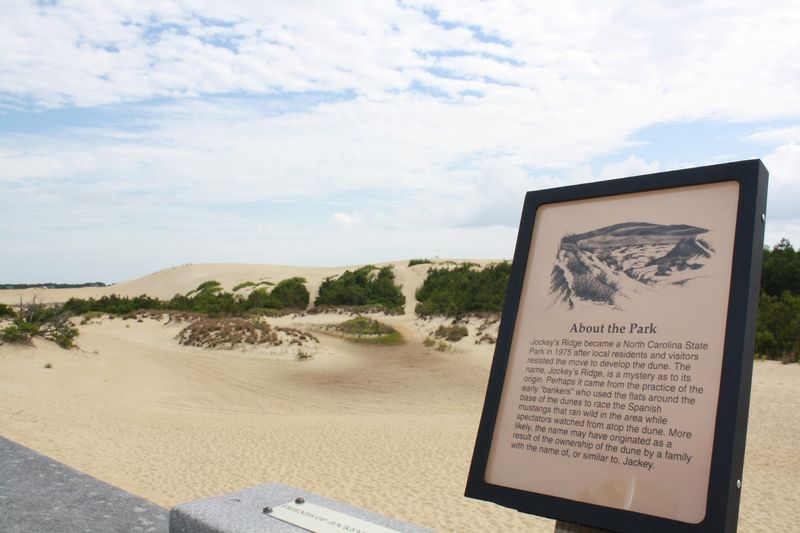
Standing at the top of Jockey’s Ridge for the first time genuinely stops people in their tracks. These are the tallest living sand dunes on the entire East Coast, rising up to 100 feet high, and no photo has ever done justice to how enormous and surreal they actually feel.
The dunes shift constantly with the wind, meaning the landscape literally looks different every single time you visit.
Walking barefoot across the warm sand while spotting the Atlantic Ocean on one side and Roanoke Sound on the other is a sensory experience that cameras simply cannot bottle. Hang gliding is popular here too, and watching brightly colored gliders soar above the dunes adds a whole extra layer of excitement to the visit.
The Wright Brothers actually trained on these very dunes before their famous flight at Kitty Hawk nearby.
Sunsets from the top of Jockey’s Ridge are legendary among Outer Banks locals and repeat visitors. The sky turns into a painter’s palette of orange, pink, and purple while the sand glows golden beneath your feet.
Plan to stay until the light fades because leaving early would genuinely be one of the great travel mistakes you could make on the North Carolina coast.
Panthertown Valley — Near Cashiers, North Carolina
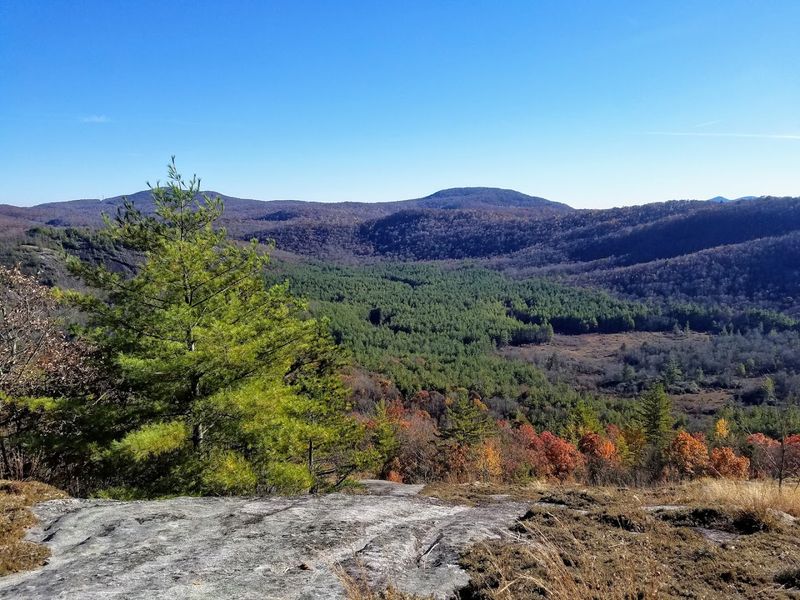
Hikers who stumble into Panthertown Valley for the first time often go completely silent, which says more than words ever could. Nicknamed the Yosemite of the East, this remote wilderness area near Cashiers features open granite domes, rushing waterfalls, crystal-clear mountain streams, and miles of uncrowded trails that feel like they belong in a completely different part of the country.
Western North Carolina is keeping a serious secret here.
The valley sits within Nantahala National Forest and covers roughly 6,300 acres of protected wilderness. Getting there requires a bit of navigation on unpaved roads, which naturally keeps the casual tourist crowd away and rewards those willing to make the extra effort.
Trails range from easy stream walks to more challenging climbs up exposed rock faces with jaw-dropping views.
Wildlife is abundant throughout Panthertown, including black bears, wild turkeys, and a wide variety of songbirds. Wildflowers carpet the forest floor in spring, and autumn turns the valley into a blazing canvas of color.
Camping is permitted in designated areas, making an overnight trip here one of the most memorable outdoor experiences in the entire state. Bring a detailed map because cell service is limited and the trails branch frequently.
Stanley Rehder Carnivorous Plant Garden — Wilmington, North Carolina
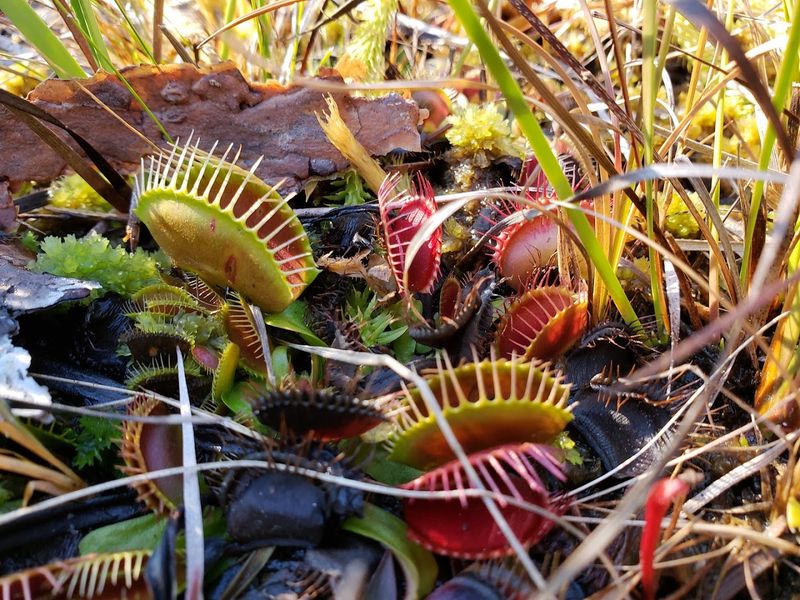
Somewhere in Wilmington, there is a garden full of plants that eat insects for lunch, and it is every bit as wild as it sounds. The Stanley Rehder Carnivorous Plant Garden is the only public garden of its kind in the United States dedicated specifically to native carnivorous plants, including Venus flytraps, pitcher plants, and sundews.
These fascinating plants grow naturally only within a 75-mile radius of Wilmington, making this garden a genuinely rare experience.
Venus flytraps, which most people only know from school science classes or novelty plant shops, grow here in massive natural clusters. Watching them react to movement in real life is something that photos cannot replicate at all.
The garden is free to visit and open year-round, though late spring through summer offers the most dramatic displays of active plants.
The garden sits inside Piney Ridge Nature Preserve, a quiet green space that feels wonderfully removed from the busy streets of Wilmington nearby. Visiting feels educational without feeling like a classroom, and kids especially get a huge kick out of seeing carnivorous plants doing their thing in the wild.
It is quirky, completely unique, and one of the most genuinely surprising stops in all of North Carolina.
Cedar Mountain — Transylvania County, North Carolina
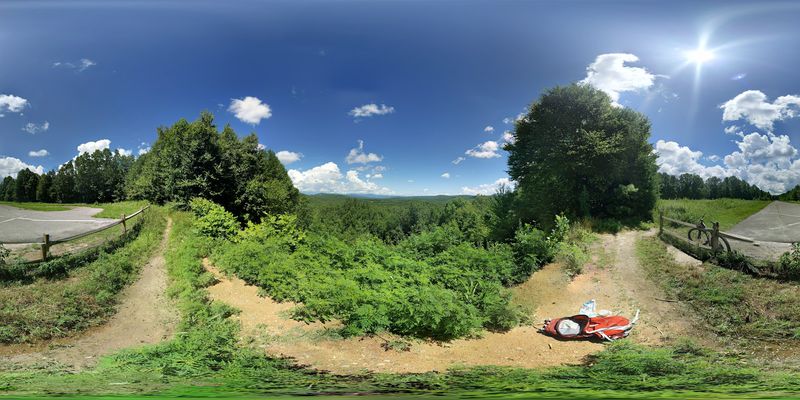
Cedar Mountain is the kind of place that sneaks up on you with its charm. Located in Transylvania County, which is already famous for being the Land of Waterfalls, this small community sits at the edge of DuPont State Recreational Forest and offers a relaxed, authentic mountain experience that bigger destinations rarely manage to pull off.
The pace here is slow in the very best possible way.
DuPont State Forest, just minutes away, contains some of the most photographed waterfalls in all of the Appalachian Mountains. Triple Falls, Hooker Falls, and High Falls are all accessible from nearby trailheads, and the forest trails are well-maintained and suitable for hikers of most experience levels.
You might even recognize some of these waterfalls from scenes filmed for The Hunger Games movies.
Beyond the waterfalls, Cedar Mountain has a small but genuinely lovely community feel, with local art galleries and studios tucked along the roadsides. The area attracts artists, writers, and outdoor enthusiasts who appreciate beauty without the fanfare.
Staying a night or two at one of the local cabins means waking up to mountain mist and birdsong, which is honestly worth the entire trip on its own.
Jones Lake State Park — Elizabethtown, North Carolina
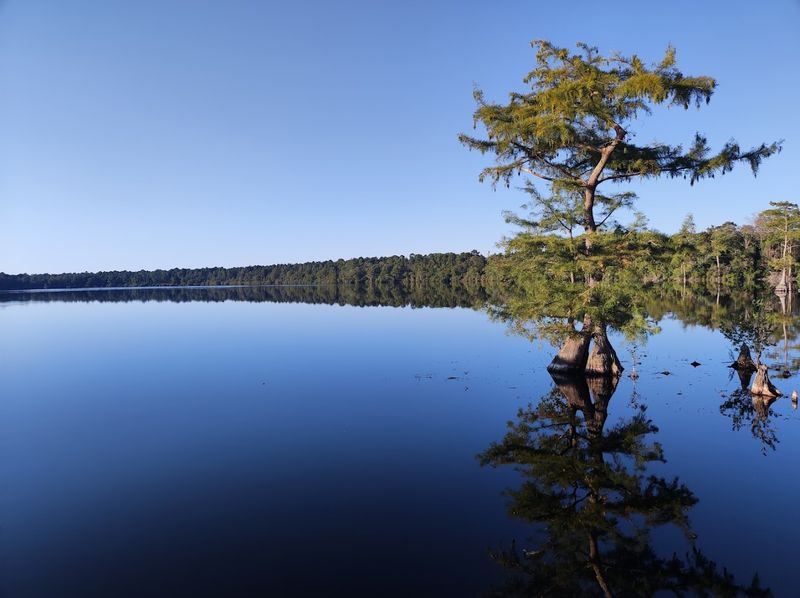
Most people drive through Bladen County without realizing they are passing one of the most geologically unusual lakes in the entire eastern United States. Jones Lake is a Carolina Bay lake, an oval-shaped depression formed thousands of years ago, possibly by a meteor shower or ancient wind patterns.
Scientists still debate the exact origin, which gives the whole place a quietly mysterious vibe that feels special the moment you arrive.
The water at Jones Lake is naturally tinted a warm amber color from tannins released by surrounding vegetation, and it is remarkably clear despite that color. Swimming, kayaking, and fishing are all popular here, and the sandy beach area offers a genuinely relaxing spot that feels nothing like a typical lakeside park.
Towering longleaf pines and bald cypress trees ring the shore, creating a scene that feels almost prehistoric.
Hiking trails wind through the surrounding forest and connect to nearby Salters Lake, another Carolina Bay gem within the same park system. The area is rich with wildlife including herons, osprey, river otters, and white-tailed deer.
Jones Lake tends to attract a quieter crowd than coastal or mountain parks, which means you often have this stunning natural wonder almost entirely to yourself on weekday visits.
Looking Glass Rock — Pisgah National Forest, North Carolina
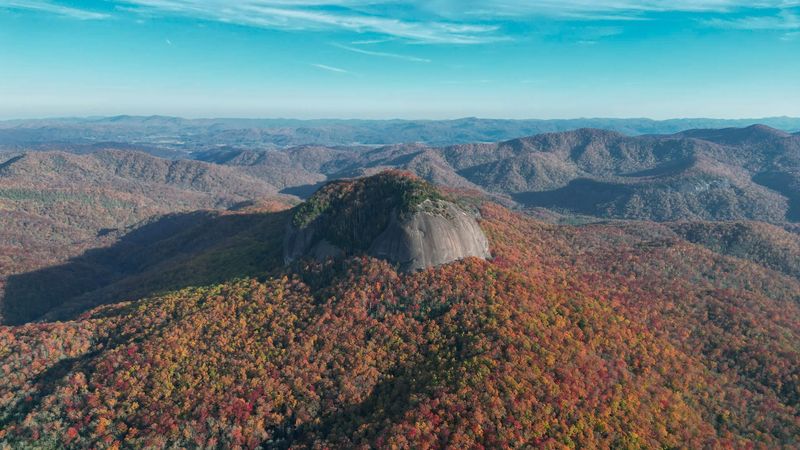
Looking Glass Rock got its name because winter ice and spring water make its enormous granite face gleam like a mirror in the sunlight, and seeing that shimmer from a distance is genuinely stunning. The massive dome rises 1,600 feet above the valley floor in Pisgah National Forest, and it is one of the largest exposed granite faces in the eastern United States.
From certain viewpoints on the Blue Ridge Parkway, it looks almost unreal.
The hiking trail to the summit covers about five miles round trip with a significant elevation gain, but the payoff at the top is absolutely worth the effort. Standing on the smooth, open rock face at the summit, you can see layer after layer of forested mountain ridges spreading out in every direction.
The exposure and scale of the view is something that photographs consistently fail to capture honestly.
Rock climbers are also drawn to Looking Glass Rock, and watching experienced climbers tackle the granite face adds a thrilling element to any visit. The surrounding Pisgah National Forest offers dozens of other trails, waterfalls, and swimming holes to explore nearby.
Davidson River Campground at the base of the mountain is a fantastic place to set up camp and spend multiple days exploring this spectacular corner of western North Carolina.
The Road to Nowhere — Bryson City, North Carolina
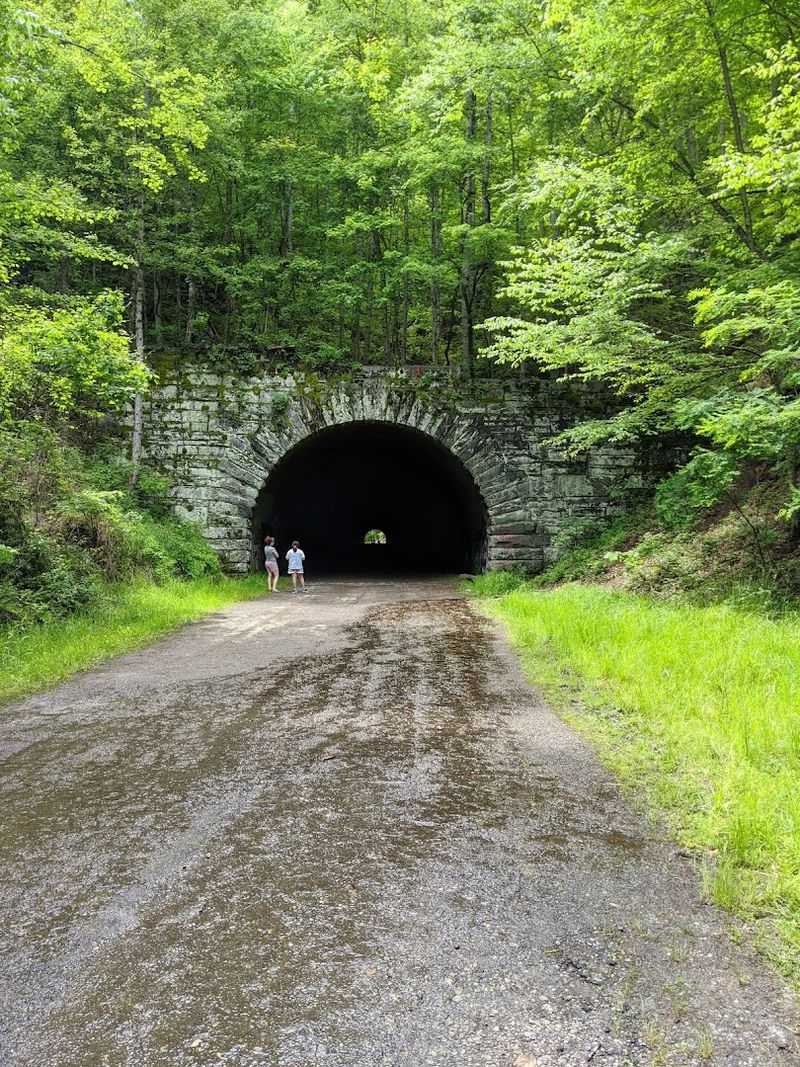
There is an actual road in North Carolina that leads to a tunnel, stops completely, and goes absolutely nowhere, and it is one of the most strangely compelling places in the entire state. Located just outside Bryson City near the edge of Great Smoky Mountains National Park, the Road to Nowhere was originally built in the 1940s as part of a promise to Swain County residents who lost their homes to the rising waters of Fontana Lake.
The highway was never finished.
Walking through the dark, graffiti-covered tunnel and emerging on the other side feels genuinely cinematic. Beyond the tunnel, a network of peaceful hiking trails winds through old growth forest, past remnants of former mountain communities, and along the shore of Fontana Lake.
The combination of strange history and beautiful wilderness makes this one of the most atmospheric stops in western North Carolina.
The surrounding area is rich with Cherokee cultural history, and nearby Bryson City is a charming small town worth exploring before or after your visit. White water rafting, mountain biking, and scenic train rides on the Great Smoky Mountains Railroad are all available close by.
The Road to Nowhere rewards curious travelers who appreciate places with a genuine story to tell, not just a pretty view to photograph.
Franklin — Gem Capital of the World, North Carolina

Franklin wears its nickname proudly and for very good reason. Known officially as the Gem Capital of the World, this small mountain town in Macon County sits in a valley surrounded by gem-rich mountains that have been drawing miners, collectors, and curious visitors for well over a century.
Ruby, sapphire, garnet, and even rare rhodolite are all found in the hills surrounding Franklin, making the whole area feel like a geology lover’s dream come true.
Several commercial gem mines operate near town, offering sluicing and digging experiences for visitors of all ages and skill levels. The Smithsonian Institution has actually collected specimens from the Franklin area, which tells you everything you need to know about the quality of what turns up in these hills.
Local gem and mineral museums add educational depth to what might otherwise just feel like a fun tourist activity.
Beyond the gem hunting, Franklin has a walkable downtown with locally owned shops, restaurants, and a laid-back small-town atmosphere that feels completely genuine. The Appalachian Trail passes nearby, and the surrounding Nantahala National Forest offers excellent hiking, fishing, and waterfall chasing.
Franklin is the kind of place where you plan a quick stop and end up staying three days longer than you intended.
Cloud Chamber for the Trees and Sky — Raleigh, North Carolina
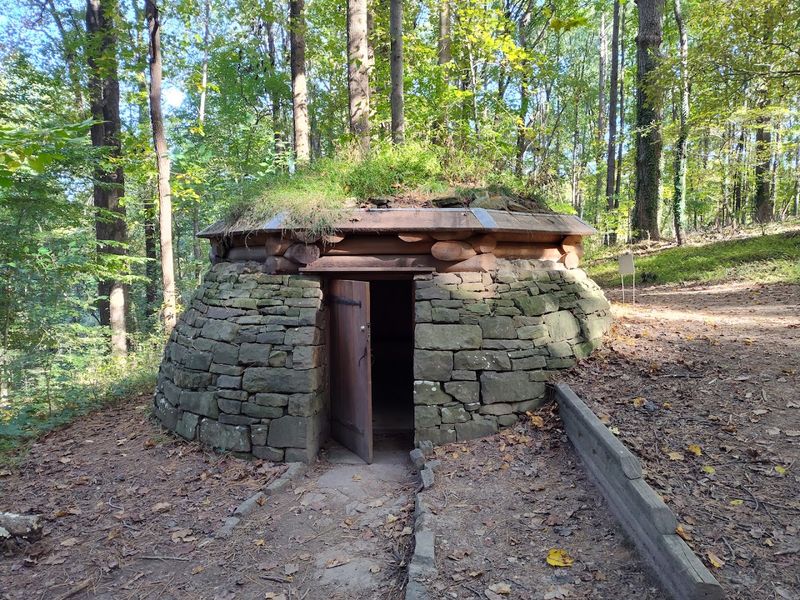
Hidden inside the sprawling North Carolina Museum of Art park in Raleigh is a stone structure that looks like a small ancient ruin from the outside but works like a giant camera on the inside. The Cloud Chamber for the Trees and Sky, created by artist Chris Drury, is a camera obscura that projects a live, upside-down image of the surrounding trees and sky onto the stone floor through a tiny hole in the ceiling.
It sounds strange, and it absolutely is, in the best possible way.
Stepping inside and letting your eyes adjust to the dim interior is a genuinely magical experience. The projected image shifts and moves with the breeze, making leaves and clouds drift slowly across the floor in front of you.
It creates a deeply meditative feeling that is completely unlike anything else you will find in Raleigh or anywhere nearby.
The Museum of Art park itself is free to visit and packed with outdoor sculptures, walking trails, and green space that makes it a wonderful destination even without the Cloud Chamber. But the Cloud Chamber is the unmistakable highlight, the kind of quiet artistic surprise that stays with you long after you leave.
Most locals have never heard of it, which makes finding it feel like discovering a genuine secret.
Linville Gorge Wilderness — North Carolina
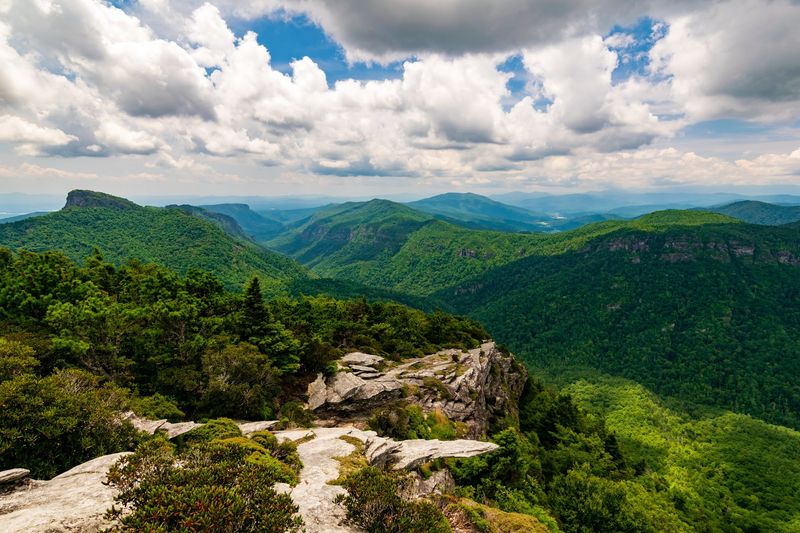
People call it the Grand Canyon of the East, and while that comparison might sound like typical tourist hype, one look into the depths of Linville Gorge will make you understand exactly why the nickname stuck. This federally designated wilderness area features some of the most dramatic terrain in the entire eastern United States, with cliffs dropping nearly 2,000 feet to the Linville River churning far below.
The scale is genuinely humbling.
Trails along the gorge rim offer overlooks that feel like standing at the edge of the world, including famous spots like Hawksbill Mountain and Table Rock. The interior trails descending into the gorge itself are rugged, unmaintained, and best suited for experienced hikers who are comfortable with challenging navigation.
The reward for those who make the descent is an ancient, cathedral-like forest that has never been logged.
Linville Falls, located at the gorge’s upper end, is one of the most visited waterfalls in North Carolina and provides an accessible introduction to the area for those not ready for the backcountry experience. Camping within the gorge wilderness requires a permit during peak season, and reservations fill quickly.
Visiting in shoulder seasons like late spring or early fall offers the best combination of comfortable weather, fewer crowds, and stunning natural color.
Hidden Falls — Hanging Rock State Park, North Carolina
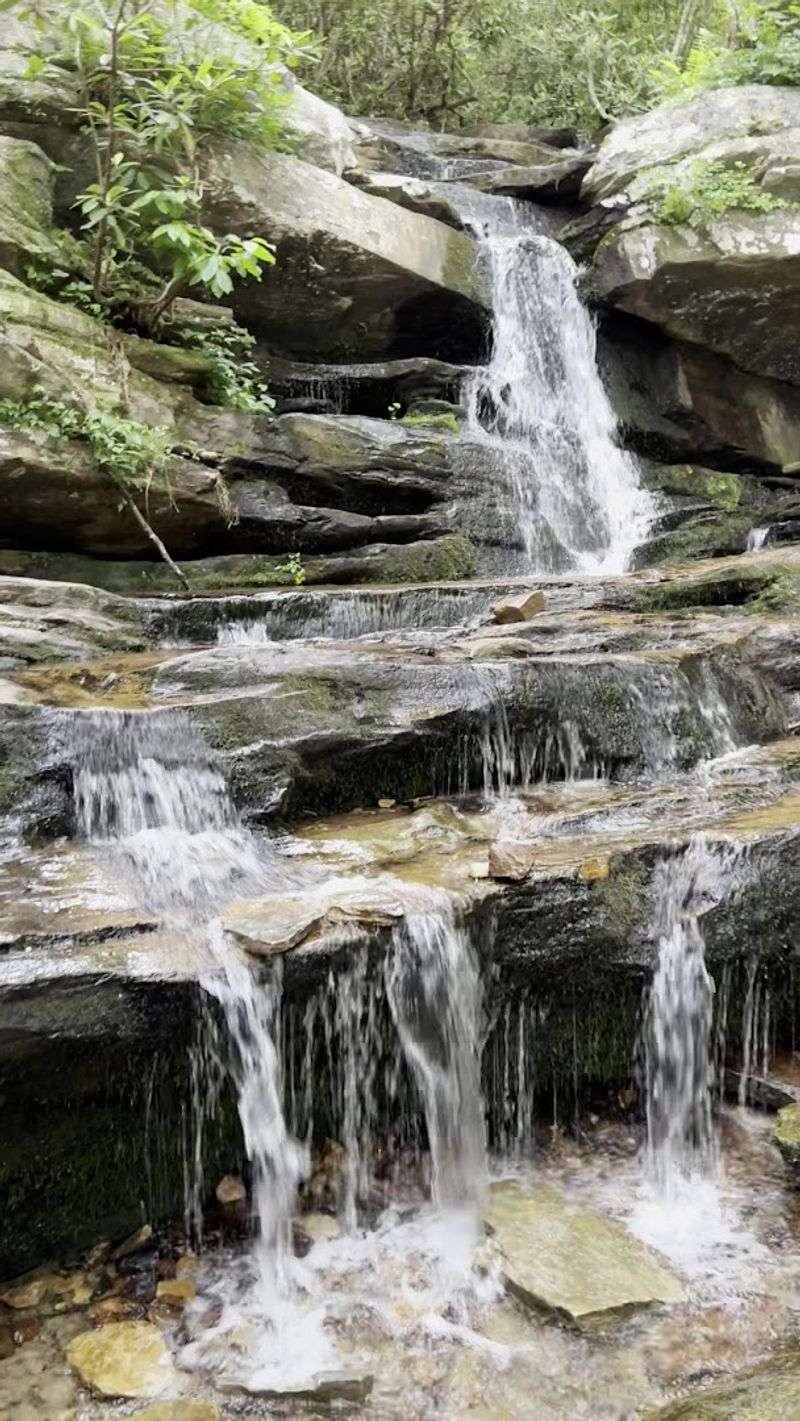
Hanging Rock State Park gets plenty of attention for its dramatic rock formations and popular swimming lake, but Hidden Falls is the quiet overachiever that most visitors completely overlook. Tucked along a moderate trail in the park, this lovely waterfall tumbles over layered rock into a peaceful pool below, framed by dense rhododendron thickets and towering hardwoods that keep the whole spot feeling cool and shaded even on hot summer days.
The trail to Hidden Falls connects to nearby Window Falls, another underrated gem where water cascades through a natural rock window in a genuinely unique geological feature. Doing both falls in a single hike is easy and takes roughly two hours at a comfortable pace.
The combination of these two waterfalls makes for one of the most rewarding short hikes in the entire Piedmont region of North Carolina.
Hanging Rock itself sits in Stokes County in the northwestern Piedmont, making it easily accessible from Greensboro, Winston-Salem, and the Triad area. The park offers camping, a beach, paddleboat rentals, and multiple trail options beyond the waterfall routes.
Hidden Falls rewards visitors who take the time to explore beyond the obvious main attractions, which is honestly the best travel advice anyone can give you about North Carolina in general.
Craggy Gardens — Blue Ridge Parkway, North Carolina
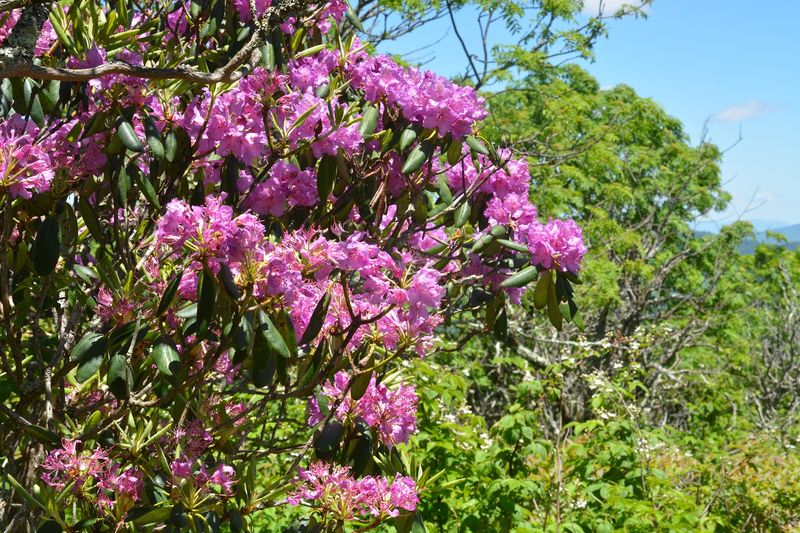
Every June, something extraordinary happens on a stretch of the Blue Ridge Parkway near Asheville that has to be seen in person to be truly believed. Craggy Gardens erupts into a riot of purple and pink as thousands of Catawba rhododendrons bloom simultaneously across the exposed mountaintops, turning the high elevation balds into something that looks like a painting that someone forgot to tone down.
The color is simply outrageous in the most wonderful way.
The Craggy Gardens Trail is a short but satisfying hike that winds through dense rhododendron tunnels before opening onto sweeping panoramic views of the surrounding Blue Ridge Mountains. Cool mountain breezes keep the temperature comfortable even in midsummer, and the air carries a faint floral scent that no candle has ever successfully replicated.
Elevation here sits above 5,500 feet, which means the weather can shift quickly and dramatically.
Timing your visit for peak bloom, typically mid to late June depending on the year, makes an enormous difference in the experience. The Craggy Gardens Visitor Center provides trail maps and seasonal bloom updates, and the nearby picnic area is one of the most scenic lunch spots on the entire Parkway.
Come early in the morning to beat the crowds and catch the mist hanging over the mountains before the sun burns it away completely.
Share this story