May transforms Ohio into one giant wildflower showcase, with forest floors exploding in trilliums, bluebells, bloodroot, and wild geranium. Wooded valleys and shaded gorges finally wake up after a long winter, bursting with color that only lasts a few precious weeks.
Whether you are a serious hiker or just someone who enjoys a relaxing stroll through the woods, Ohio has a trail perfectly suited for you. These scenic walks deliver some of the state’s best spring color before summer heat and crowds take over.
Conkle’s Hollow Trail in Hocking Hills
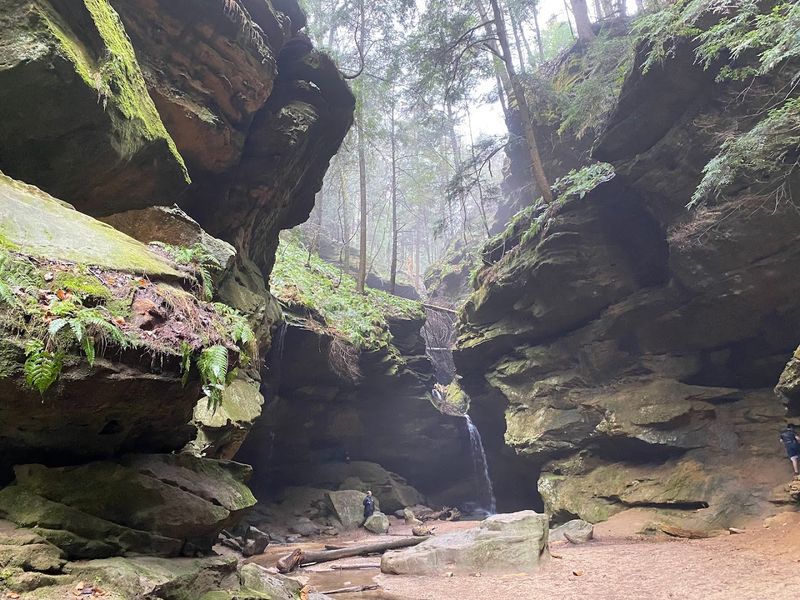
Stepping into Conkle’s Hollow feels like walking into a secret world carved from ancient sandstone. The cool, shaded gorge holds moisture year-round, which creates near-perfect growing conditions for spring wildflowers.
Trilliums, Virginia bluebells, foam flowers, and delicate ferns emerge in thick clusters along the base trail throughout May.
The towering cliffs rising on both sides block direct sunlight for much of the day, keeping temperatures noticeably cooler than surrounding areas. That shade extends the bloom window longer than most other Ohio trails.
Morning visits reward early risers with fog drifting through the gorge, adding a genuinely dramatic atmosphere to the whole experience.
Two trail options exist here: the lower gorge trail is paved and accessible, while the rim trail offers sweeping views above the cliffs. Both routes showcase wildflowers in different ways.
Arriving on a weekday before 9 a.m. dramatically reduces crowd sizes and lets you fully absorb the peaceful scenery. Bring a camera, because every turn along this trail offers a frame-worthy shot.
Ash Cave Trail in Hocking Hills
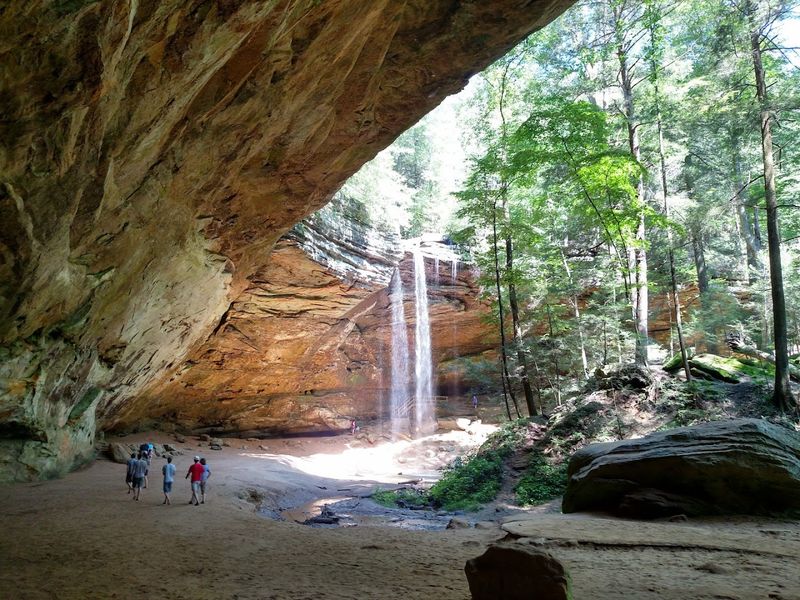
Few trails in Ohio welcome visitors quite as warmly as the Ash Cave Trail, where even the pavement seems to sparkle after a spring rain. The wide, smooth pathway makes this one of the most accessible hikes in Hocking Hills, suitable for strollers, wheelchairs, and anyone who prefers a leisurely pace.
That accessibility never comes at the cost of scenery, though.
Spring beauties, foam flowers, and white trilliums line the trail edges from late April through mid-May, creating colorful borders alongside the stream that runs toward the cave. The destination itself is jaw-dropping: a massive recessed cave stretching 700 feet wide beneath a curved sandstone ceiling.
A seasonal waterfall drops dramatically from the rim into the cave basin below.
The round trip covers less than a mile, making it ideal for families with younger children or visitors with limited hiking experience. Despite its short length, the trail packs extraordinary variety into every step.
Arriving during or just after rainfall makes the waterfall especially impressive and fills the surrounding forest with earthy, refreshing scents that perfectly complement the wildflower viewing experience throughout May.
Cedar Falls Trail in Hocking Hills
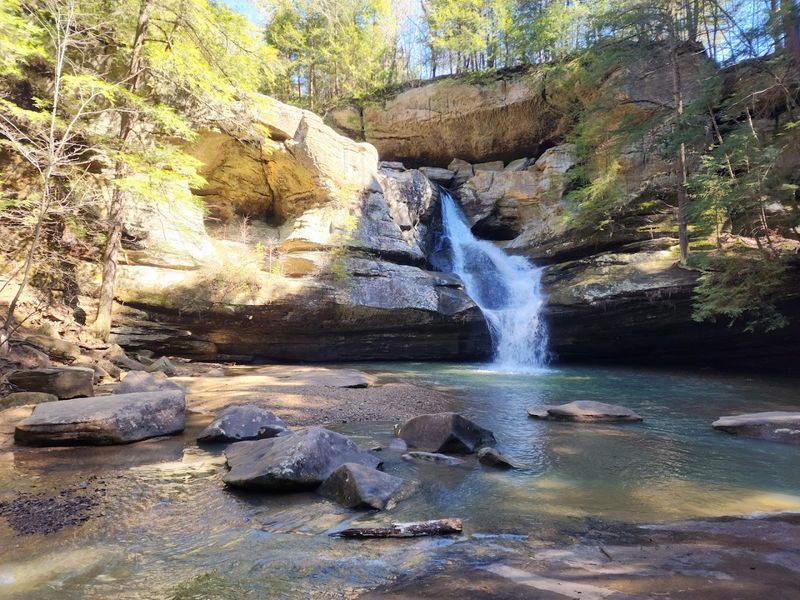
Cedar Falls earned its reputation as Ohio’s most powerful waterfall, and May is when it truly shows off. Spring snowmelt and April rains combine to push enormous volumes of water over the falls, creating a roaring curtain of white water that you can hear long before you see it.
That sound alone makes the short hike feel exciting from the very first step.
The forest floor surrounding the trail fills with bloodroot, trout lilies, wild violets, and spring cress during peak bloom season. Bloodroot is especially striking here, with its bright white petals and bold yellow centers standing out vividly against the dark, moist soil.
The gorge’s natural humidity accelerates wildflower growth and keeps blooms fresh well into mid-May.
The trail connecting Cedar Falls to Old Man’s Cave runs about two miles one way and passes through some of the most scenic woodland terrain in the state. Hikers who complete the full connector trail get rewarded with continuous wildflower displays the entire route.
Cedar Falls itself provides a fantastic rest stop midway, offering a flat, open area where you can sit, listen to the rushing water, and recharge before continuing onward.
Old Man’s Cave Trail in Hocking Hills
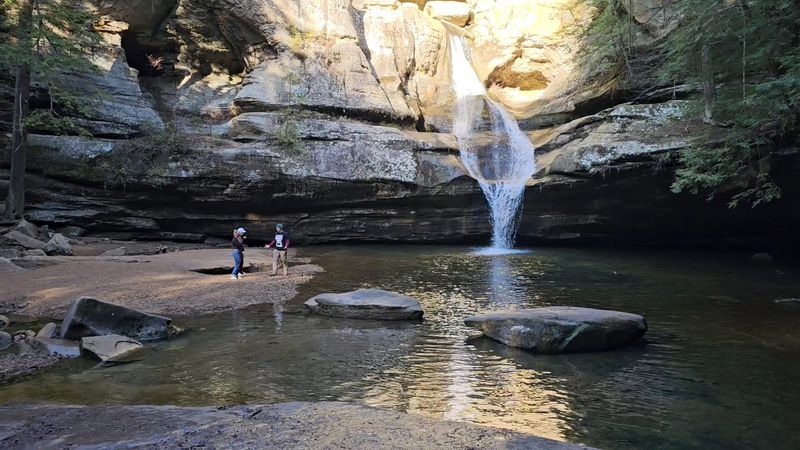
Old Man’s Cave holds legendary status in Ohio hiking circles, and spring is when the legend truly earns its reputation. The trail winds through a dramatic gorge filled with stone staircases, carved bridges, cascading streams, and overhanging cliffs that create constant visual surprises around every corner.
Add May wildflowers to that scenery, and the result is extraordinary.
Trilliums, hepatica, wild ginger, and spring beauties appear in dense patches beside the stream corridor throughout the gorge. The layered sandstone walls drip with moisture and host mosses, ferns, and liverworts that give the entire canyon a lush, prehistoric appearance.
Watching the morning light filter through the tree canopy and illuminate a cluster of white trilliums is genuinely unforgettable.
The main loop covers roughly two and a half miles, connecting multiple caves, waterfalls, and overlook points along the way. It involves some stairs and uneven terrain, so sturdy footwear is recommended.
Weekends in May can get crowded, so arriving before 8 a.m. or visiting on a Tuesday or Wednesday makes a significant difference. This trail consistently ranks among Ohio’s top hiking experiences for very good reason, especially during peak spring bloom.
Peninsula Trail in Lake Hope State Park
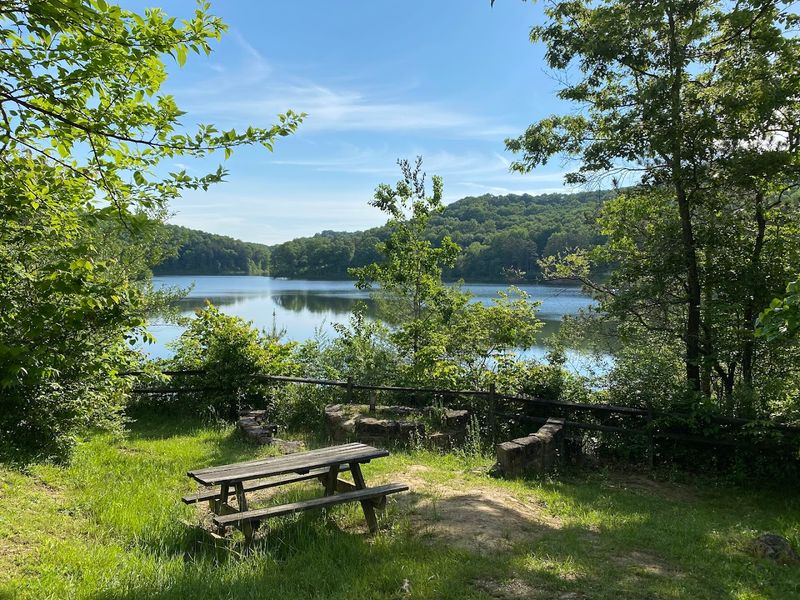
Lake Hope State Park quietly outshines many of Ohio’s more famous destinations when it comes to spring wildflower diversity. The Peninsula Trail winds through second-growth forest along the lake’s edge, offering a combination of water views and woodland blooms that feels genuinely refreshing.
It never gets the same attention as Hocking Hills, which means the trails stay blissfully uncrowded.
Virginia bluebells create sweeping pools of blue and purple color along the lower sections of the trail during early May. Dwarf crested iris, Jacob’s ladder, and spring cress add contrasting colors throughout the forested sections.
The variety here rivals anything found in more heavily marketed Ohio parks, yet the atmosphere stays calm and unhurried throughout.
Lake Hope sits within Zaleski State Forest, meaning the surrounding landscape stretches for miles of uninterrupted woodland. That context makes the hike feel especially immersive and remote, even though the campground and lodge facilities remain nearby.
The trail itself runs about three miles round trip over gentle terrain. Birdwatching opportunities are excellent here too, with warblers and woodpeckers active throughout May.
Pack a picnic and plan to spend the full morning exploring at a slow, relaxed pace.
Hope Furnace Trail in Lake Hope State Park
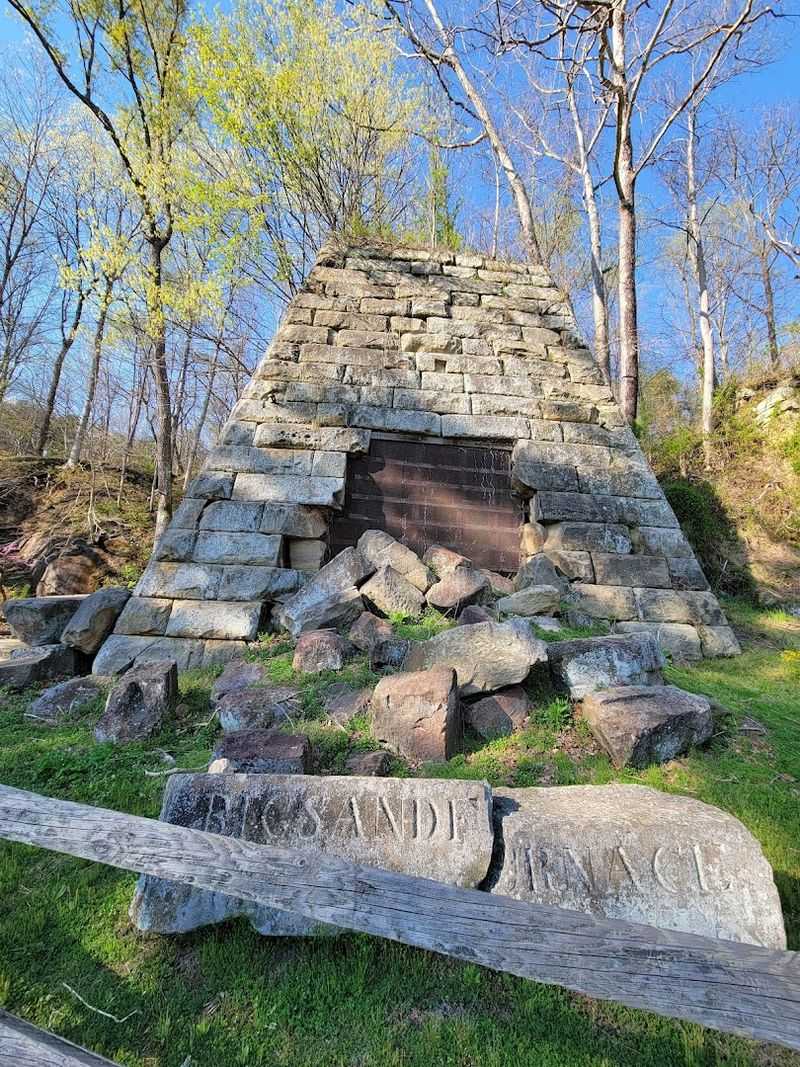
History and wildflowers collide beautifully on the Hope Furnace Trail, where a 19th-century iron furnace ruins stand surrounded by spring blooms every May. The furnace itself is a fascinating stone structure that once powered Ohio’s early iron industry, and today it serves as an unexpected backdrop for some seriously impressive wildflower photography.
Not many trails offer that kind of combination.
Wild geraniums produce cheerful pink-purple blooms throughout the wooded sections, while Dutchman’s breeches add whimsical white clusters near shaded rock outcrops. Fire pinks and bluets bring additional bursts of red and pale blue color to the forest understory.
The diversity of species along this trail consistently surprises first-time visitors who expected something far more ordinary.
The trail atmosphere stays noticeably quieter than nearby Peninsula Trail, attracting a crowd of patient, nature-focused visitors who prefer slow observation over brisk hiking. That relaxed pace suits the surroundings perfectly.
Bring a field guide or a plant identification app, because you will absolutely encounter flowers you have never seen before. The trail covers moderate terrain with some gentle elevation changes.
Allow at least two hours to fully appreciate everything this underappreciated southeastern Ohio gem has to offer.
Fern Trail in Clear Creek Metro Park
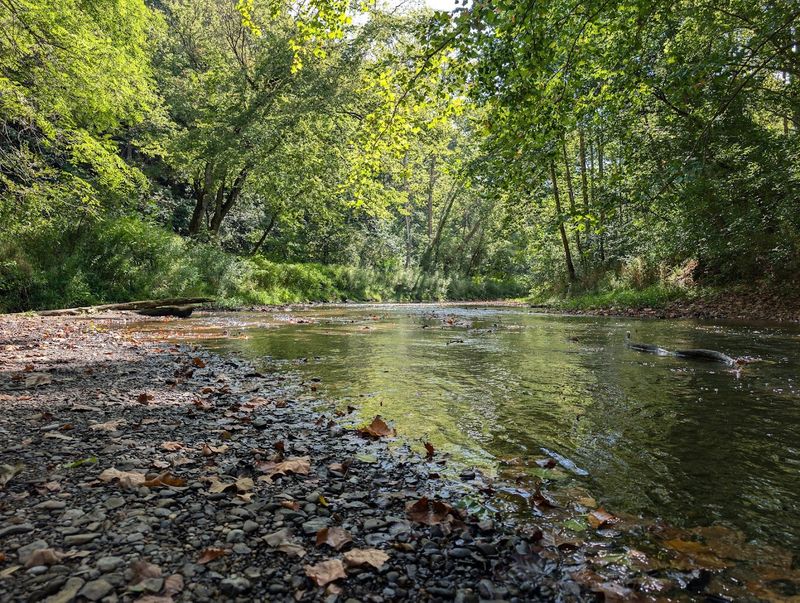
Clear Creek Metro Park holds a scientific distinction that most Ohio hikers have never heard: it contains more than 2,000 documented plant species, making it one of the most botanically diverse preserves in the entire state. The Fern Trail puts that biodiversity on full display throughout May, rewarding hikers with an almost overwhelming variety of native wildflowers packed into a relatively short route.
Rue anemone produces delicate white star-shaped flowers that appear in large drifts beside the trail during early spring. Trilliums follow shortly after, carpeting shaded hillsides in white and occasional pink or red variations.
The creek corridor adds additional species including water-loving plants that thrive in the consistently moist soil along the streambanks throughout the season.
The trail itself winds through a mix of open meadow edges and dense forest canopy, which creates micro-habitats supporting completely different flower communities within steps of each other. That variety keeps the hike engaging from start to finish.
Clear Creek Metro Park also maintains excellent trail signage and interpretive information throughout the preserve. The park staff occasionally leads guided wildflower walks during May, which are worth checking into before your visit for a more educational and rewarding experience overall.
Haskell Run Trail in Cuyahoga Valley National Park
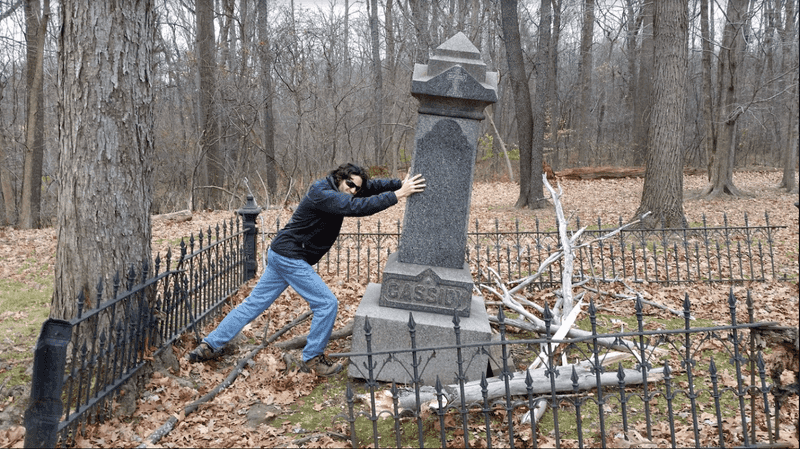
Cuyahoga Valley National Park surprises first-time visitors who assume Ohio’s only national park is mainly a bike trail destination. Haskell Run Trail proves otherwise, delivering a genuinely wild and secluded hiking experience through a forested ravine filled with spring wildflowers that bloom slightly later than southern Ohio due to the cooler northern climate.
Skunk cabbage appears earliest here, pushing through the mud in late March and signaling that spring has officially arrived. By mid-May, trilliums and woodland blooms fill the ravine floor while the stream runs clear and fast from spring rains.
The cooler temperatures in this northern Ohio corridor actually extend the bloom window, giving visitors more flexibility when planning their visits.
The trail covers about two miles through varied terrain including stream crossings, wooded hillsides, and open meadow patches. Wildlife sightings are common throughout Cuyahoga Valley, with deer, foxes, and numerous bird species frequently spotted near the trail.
Pair this hike with a stop at the nearby Brandywine Falls for an extended outing. The park’s proximity to Cleveland also makes it an excellent quick escape for urban visitors looking for authentic nature without a long drive into rural Ohio.
Beaver Marsh Area in Cuyahoga Valley National Park
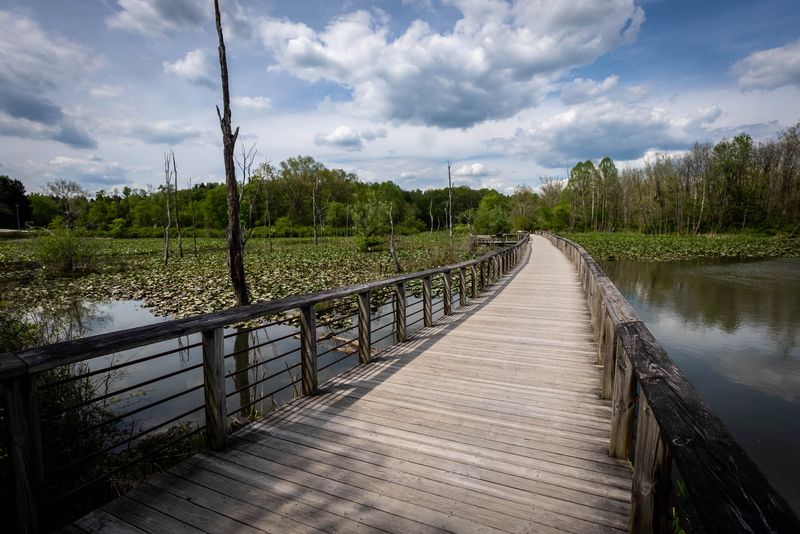
Beavers built something remarkable at Cuyahoga Valley National Park, and now humans get to enjoy the results every spring. The Beaver Marsh area transformed from an old junkyard into a thriving wetland ecosystem after beavers dammed the Cuyahoga River tributary in the 1990s.
Today it stands as one of Ohio’s most heartwarming conservation success stories and a genuinely beautiful spring destination.
Wildflowers begin emerging along the marsh edges surprisingly early, with marsh marigolds producing brilliant yellow blooms that reflect off the still water surface. Blue flag iris and various wetland species follow throughout May, creating colorful borders along the boardwalk sections.
Great blue herons, river otters, and red-winged blackbirds frequently appear alongside the wildflowers, turning every visit into a multi-species wildlife experience.
The boardwalk makes the area accessible for casual walkers, photographers, and families with young children who want a flat, easy route. Sunrise visits offer exceptional lighting conditions for photography, with golden reflections spreading across the marsh surface.
The area connects to the Towpath Trail, allowing visitors to extend their walk in either direction through additional woodland and meadow scenery. Mornings during the first two weeks of May typically offer the richest combination of blooms and active wildlife throughout this special wetland environment.
Cantwell Cliffs Trail in Hocking Hills
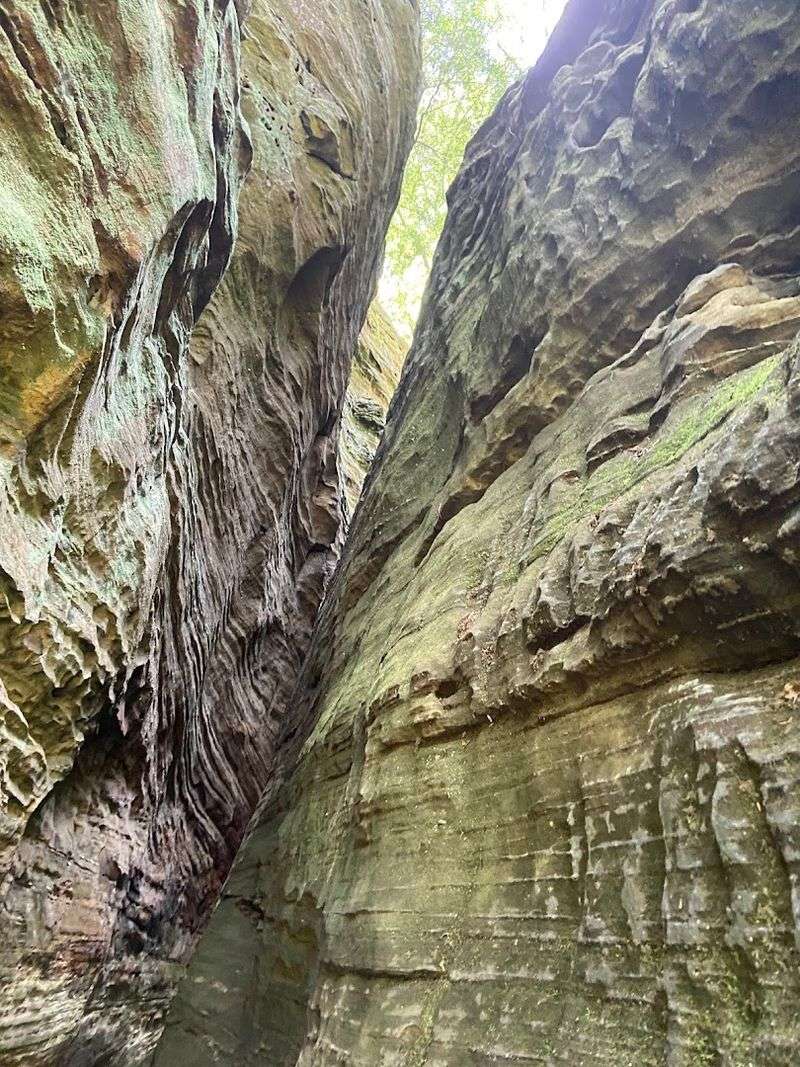
Cantwell Cliffs has a reputation for being Hocking Hills’ most dramatic and least forgiving trail, which is precisely why it rewards those willing to make the effort. The deep gorge cuts through layers of ancient sandstone, creating towering rock formations, dark recesses, and narrow passages that filter sunlight into thin, theatrical beams throughout the day.
Spring wildflowers thrive in the cool, moist microclimate the gorge produces.
Ferns dominate the ground layer here more than almost anywhere else in Ohio, creating lush green carpets that set off the white and purple wildflowers beautifully. Mosses cover every available rock surface, adding rich texture to the already dramatic scenery.
May brings hepatica, trout lilies, and early trilliums to the shadiest sections of the gorge floor.
The trail involves some genuinely steep sections and requires careful footing on wet rock surfaces, so hiking boots with good grip are strongly recommended. That challenge keeps visitor numbers lower than nearby Old Man’s Cave, which means the experience feels far more private and serene.
The upper rim section offers sweeping views down into the gorge that are worth every difficult step. Budget at least two and a half hours for a complete and unhurried exploration of this truly spectacular Ohio landscape.
Moonville Rail Trail in Zaleski State Forest
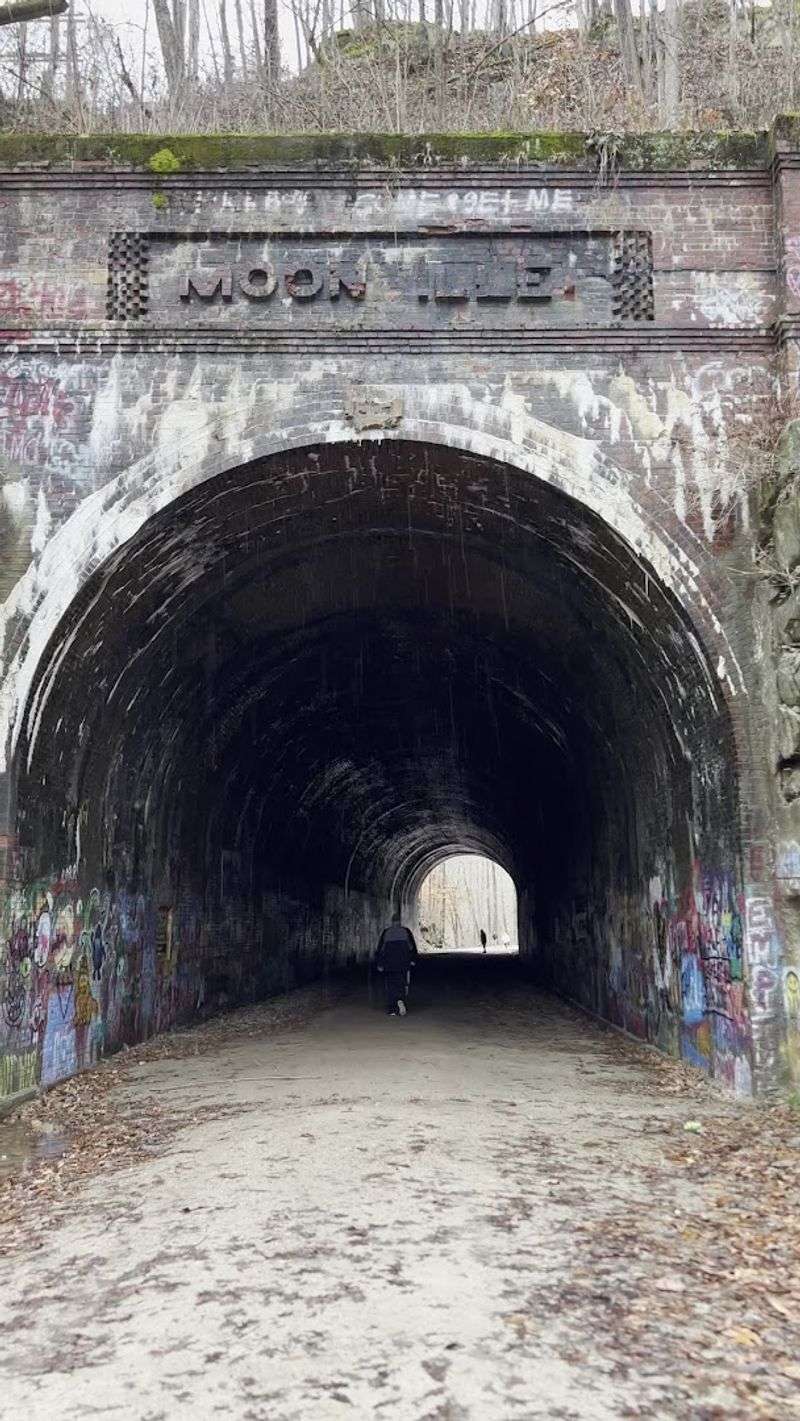
Ghost stories follow the Moonville Rail Trail everywhere it goes, and the haunted reputation only adds to the charm of visiting this atmospheric southeastern Ohio corridor. The old railroad grade passes through a famous tunnel and miles of quiet forest, with spring wildflowers softening the industrial history into something genuinely beautiful.
The contrast between rusted railway history and delicate blooming flowers feels surprisingly moving.
White trilliums appear in thick drifts along the trail edges during early May, their bright petals standing out vividly against the dark forest floor. Spring beauties and rue anemone fill the gaps between larger wildflower patches, creating continuous color throughout the walk.
The relatively flat terrain of the old rail bed makes the entire route accessible to hikers of nearly all fitness levels.
Zaleski State Forest surrounds the trail with miles of uninterrupted woodland, which means wildlife encounters are common and the atmosphere stays genuinely wild. Wild turkeys, deer, and songbirds regularly appear along the route throughout spring mornings.
The Moonville Tunnel itself makes an excellent photo opportunity and a fascinating historical landmark. Pack snacks and plan for a relaxed half-day outing, because the peaceful surroundings encourage a slower pace that lets you notice every detail of the spring forest awakening around you.
Wahkeena Nature Preserve near Lancaster
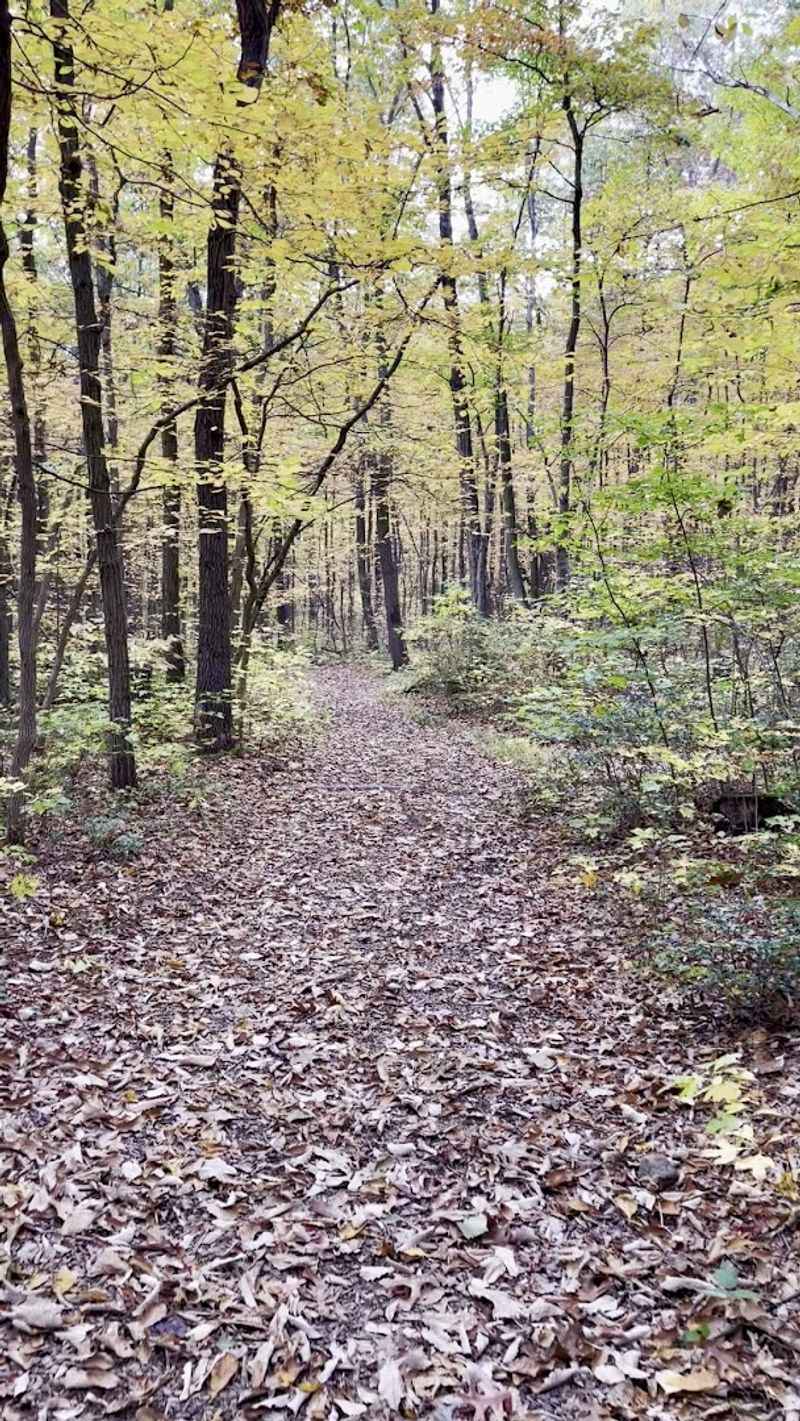
Wahkeena sounds like a word from a fantasy novel, and the preserve itself feels like one. This Ohio History Connection property protects a rare combination of forested ridges, acidic seeps, and sphagnum bogs that support plant communities found almost nowhere else in central Ohio.
The result is a wildflower experience that genuinely feels like stepping into a different botanical world entirely.
Native orchids appear in the bog sections during May, including rose pogonia and grass pink species that draw botanists from across the Midwest each spring. Pitcher plants and sundews grow alongside the orchids, adding carnivorous plants to an already remarkable species list.
The boardwalk trail protects these fragile habitats while giving visitors close-up views of plants most Ohioans have never encountered.
The preserve requires reservations on certain weekends during peak bloom season, which helps maintain the calm, unhurried atmosphere that makes the experience so special. Group sizes are limited, so the trail never feels crowded or rushed.
Guided tours are occasionally available and add considerable depth to the visit. Even without a guide, the preserve provides excellent interpretive signage throughout.
Bring a macro lens if you enjoy close-up nature photography, because the tiny, intricate details of bog plants and orchid blooms absolutely deserve that level of attention and appreciation.
Lake Katharine State Nature Preserve in Jackson County
Southern Ohio’s sandstone country holds some genuinely spectacular secrets, and Lake Katharine State Nature Preserve ranks among the best of them. Jackson County sits in a transitional zone where northern and southern plant species overlap, creating unusual wildflower diversity that keeps botanists and casual hikers equally fascinated throughout the spring season.
The preserve feels wonderfully remote despite being relatively easy to reach.
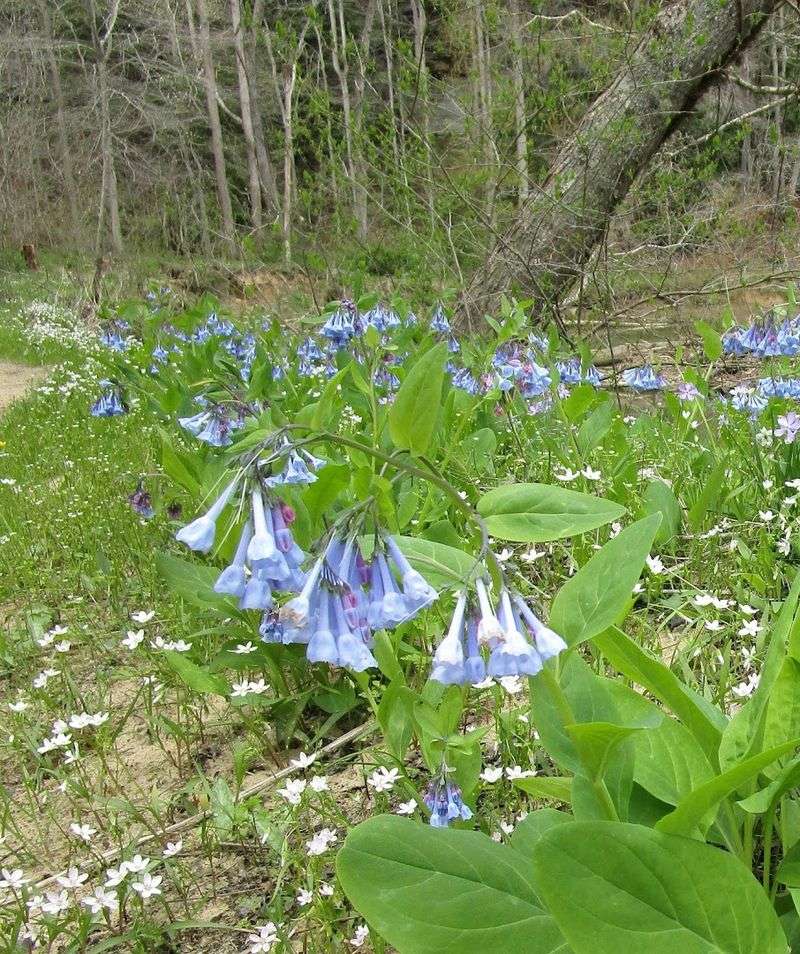
Trout lilies carpet the stream corridors in yellow during early May, creating cheerful golden rivers of color that flow between the tree roots. Virginia bluebells appear in the shadier coves, their drooping clusters of blue and pink flowers creating some of the most photographed scenes in southern Ohio each spring.
Violets, spring beauties, and wild phlox fill the remaining gaps with additional layers of color.
The preserve offers several loop trail options ranging from easy to moderately challenging, with the longer routes passing through the most wildflower-rich sections of the property. Lake Katharine itself adds scenic water views to the woodland hiking experience.
The preserve operates as a state nature preserve, meaning collecting plants is strictly prohibited, which helps maintain the exceptional wildflower populations year after year. Visiting during the second week of May typically catches peak bloom for the widest variety of species throughout this remarkable and undervisited southern Ohio treasure.
Rhododendron Cove State Nature Preserve in Hocking County
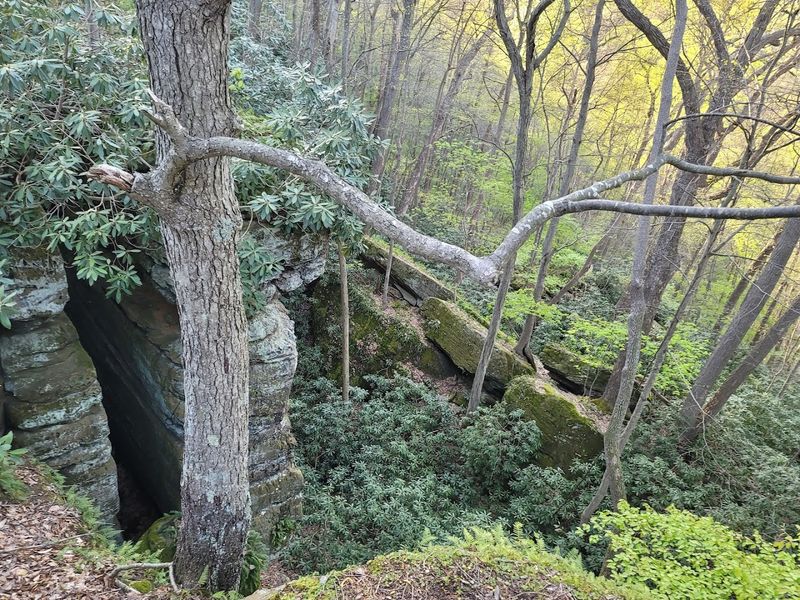
Most Ohio hikers drive right past the turnoff for Rhododendron Cove State Nature Preserve on their way to Hocking Hills, completely unaware they are missing one of the region’s most unusual botanical experiences. Native great rhododendrons, which are rare in Ohio, grow in dense thickets throughout the shaded valley here, creating a lush, almost tropical atmosphere that feels completely out of place in the Midwest.
Spring wildflowers bloom beneath and around the rhododendron thickets throughout May, with wild columbine adding striking red and yellow tubular flowers to the mix. Trilliums and wood sorrel appear in the shadier sections, while ferns fill every available inch of moist ground between the shrubs.
The combination of textures, colors, and plant layers creates scenes that look almost professionally staged.
The trail stays much quieter than nearby Hocking Hills destinations, attracting a crowd of thoughtful visitors who appreciate subtlety over spectacle. That quieter atmosphere suits nature photography perfectly, with no crowds blocking compositions or disrupting wildlife.
The trail itself is relatively short and manageable, covering gentle terrain through the cove and surrounding woodland. Rhododendron bloom typically peaks in late June, but the May wildflower display beneath the shrubs provides an equally compelling reason to visit well before the main flowering season officially begins.
Creekside Meadows Trail in Clear Creek Metro Park
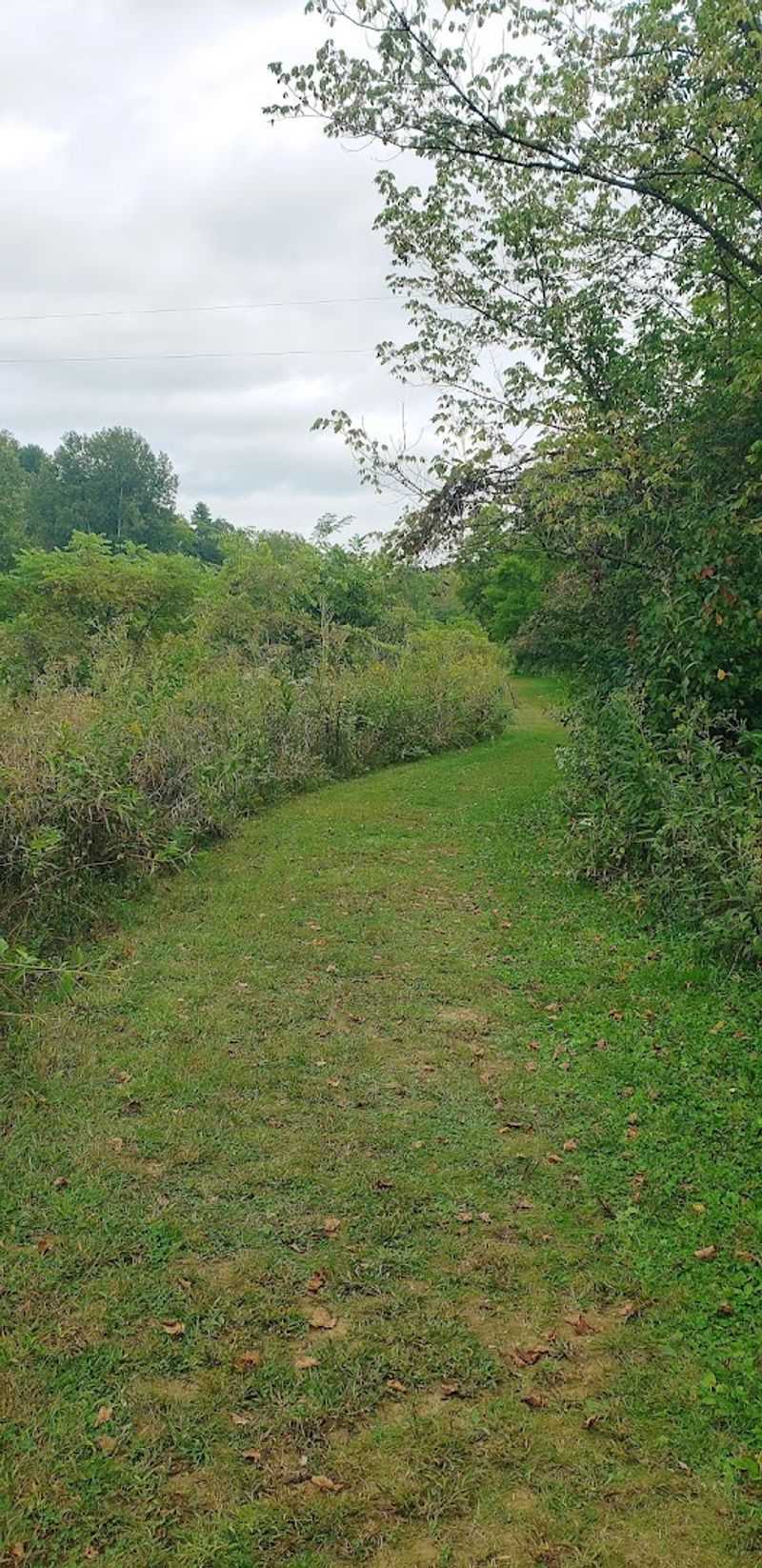
Water sounds follow you the entire length of the Creekside Meadows Trail, which sets a wonderfully relaxed tone before you even spot the first wildflower. Clear Creek runs alongside much of the route, its clear water tumbling over mossy rocks while the surrounding forest slowly fills with spring color throughout May.
The combination of moving water and blooming flowers creates a sensory experience that feels genuinely restorative.
Trilliums appear in large clusters near the creek banks where moisture levels stay consistently high throughout spring. Spring beauties form dense pink-and-white carpets beneath the tree canopy, covering entire hillside sections with color vivid enough to stop you mid-stride.
Wild blue phlox adds purple tones to the mix during the second half of May, extending the visual interest well into the later weeks of the month.
The trail terrain stays mostly flat and gentle, making it one of the most approachable options in the Clear Creek Metro Park system. Families, older hikers, and anyone recovering from injury will find the route comfortable and enjoyable without sacrificing scenery.
The park prohibits collecting plants or disturbing wildlife, which keeps the wildflower populations thriving year after year. Morning visits during the first three weeks of May offer the most reliable bloom displays and the best chances of having the trail largely to yourself.
Share this story