 Unearth The Voyage
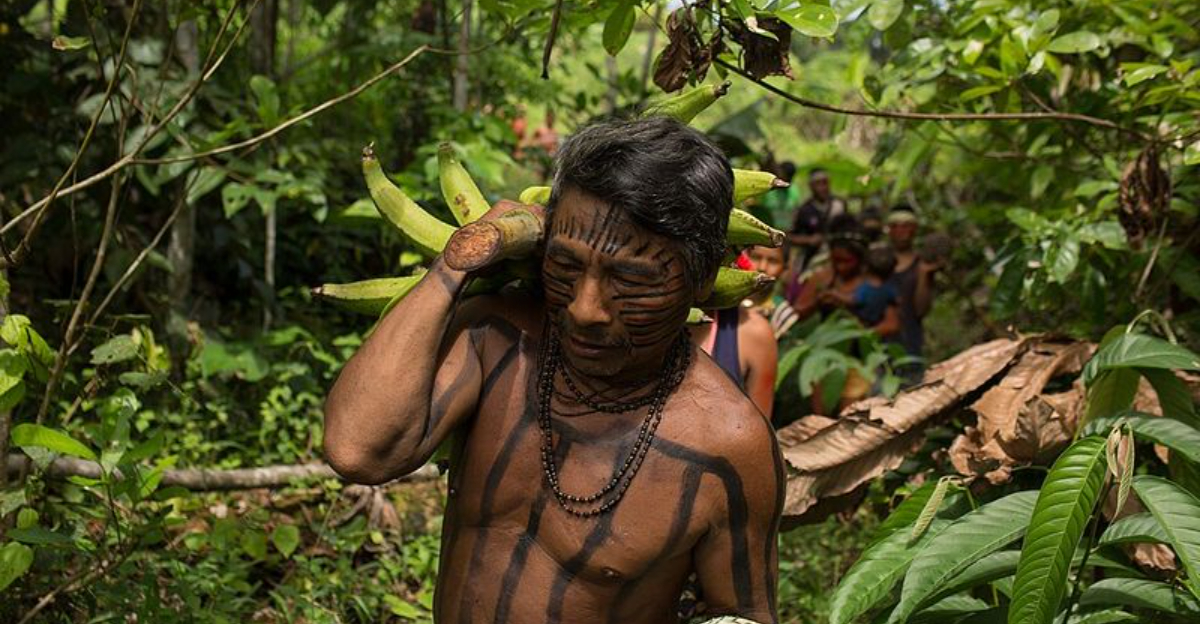
Even in our digital, satellite-mapped world, there are still places that feel unmapped, untamed and almost untouched by human presence. These remote corners range from deep forests and polar ice sheets to isolated islands and hidden caves — each holding mysteries, spectacular natural features, or unique cultures that few outsiders have ever seen. Join us as we explore some of the most mysterious and unexplored places our planet still has to offer.
North Sentinel Island, India — Uncontacted Indigenous Territory
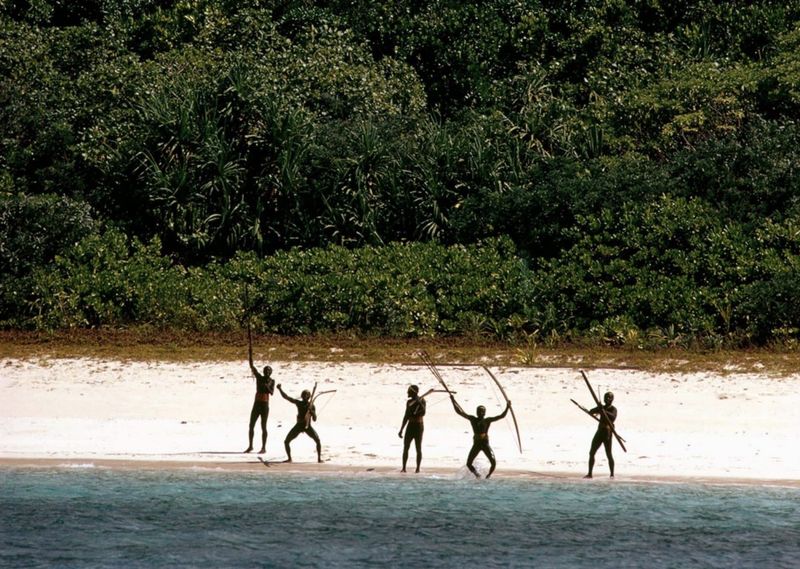
North Sentinel Island in the Bay of Bengal is legally and ethically off-limits to outsiders because its Indigenous inhabitants have rejected outside contact for centuries. The Sentinelese people remain one of the last uncontacted groups on Earth, and it is illegal to approach the island to protect their health and autonomy. Very little is known about their language, culture or society, making it one of the most mysterious human-inhabited places left.
The Indian government enforces a strict exclusion zone around the island. Anyone attempting to land faces legal consequences, and more importantly, risks bringing diseases that could devastate the Sentinelese, who have no immunity to common illnesses. Past contact attempts have been met with hostility, a clear message that the islanders wish to be left alone.
Estimates suggest fewer than 150 people live on North Sentinel Island. They hunt, fish and gather food much as their ancestors did thousands of years ago. Their way of life has remained unchanged while the rest of the world has transformed around them, making them a living link to humanity’s distant past.
Mariana Trench, Pacific Ocean — The Deepest Waters Still Unknown
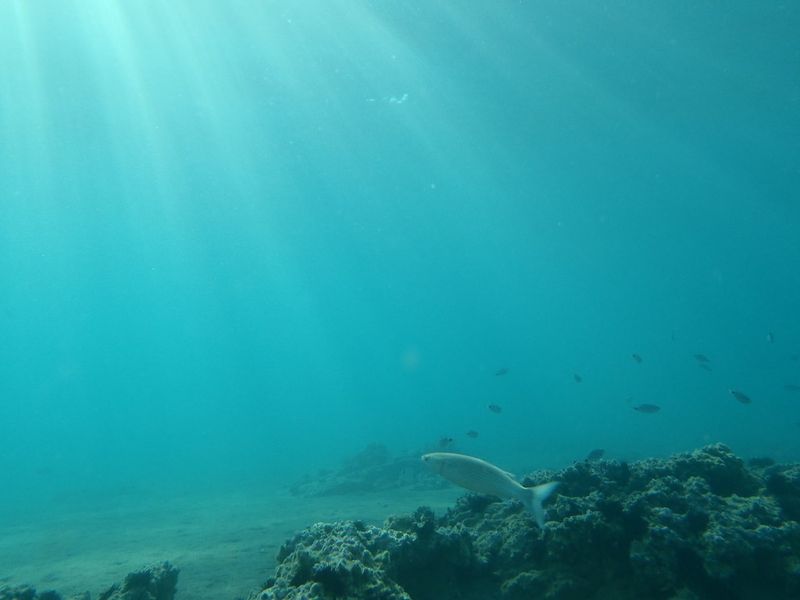
The Mariana Trench, in the western Pacific Ocean, is the deepest known point in the world’s oceans — plunging nearly 11 kilometers beneath the surface. Despite advances in submersible technology, only a handful of expeditions have ever reached its lowest depths. The extreme pressure, darkness and remoteness mean the trench’s ecosystems and geology remain largely unmapped, and researchers believe there are countless new species yet to be discovered in its abyssal plains and hydrothermal vents.
At the bottom, the pressure is more than 1,000 times what we experience at sea level. That’s enough to crush most submarines and equipment. Only specially designed vessels can withstand such forces, making exploration incredibly expensive and dangerous.
Yet life thrives even in this hostile environment. Strange fish, giant amoebas and bizarre crustaceans have been spotted during rare visits. Each expedition reveals creatures that challenge our understanding of biology and adaptation. The trench floor is cold, pitch black and seemingly inhospitable, yet it teems with mystery.
Much of the trench remains completely unexplored, a true final frontier on our own planet.
Greenland Ice Sheet — Hidden Peaks and Canyons Beneath Ice
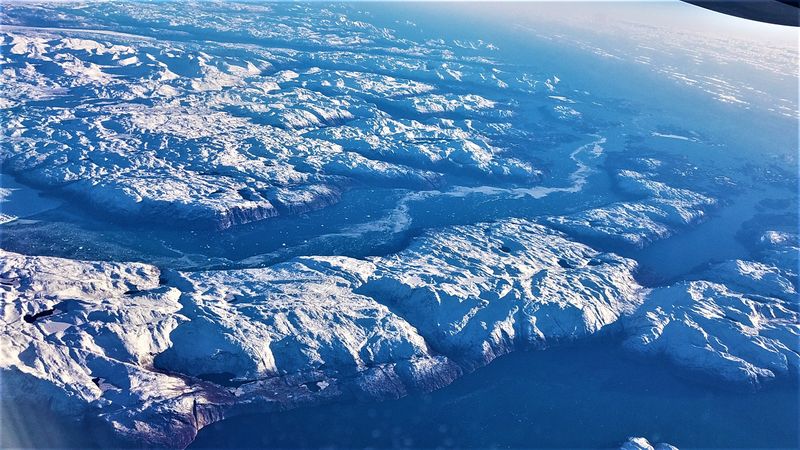
Greenland is the world’s largest island and much of it is covered by the Greenland Ice Sheet — an enormous glacial mass scientists still struggle to fully explore. Beneath the ice lie mountain ranges, valleys and lakes that remain almost entirely unseen by humans. This vast icy wilderness is so remote and inhospitable that high-resolution mapping and on-the-ground study are ongoing scientific challenges, leaving much of Greenland’s interior still a mystery.
The ice sheet is up to three kilometers thick in places. Radar and satellite technology have revealed hidden canyons longer than the Grand Canyon, buried under millions of tons of frozen water. These features have been locked away from human eyes for millennia, preserved in an icy time capsule.
Climate change is beginning to reveal some of these secrets as the ice slowly melts. Ancient landscapes, fossils and even meteorite impact craters are emerging. Yet the sheer scale and harsh conditions mean that full exploration will take decades, if not centuries.
Greenland’s interior remains one of the coldest, most isolated places on Earth, a frozen mystery waiting beneath layers of ancient ice.
Gangkhar Puensum, Bhutan — Peak That Remained Unclimbed Until Recently
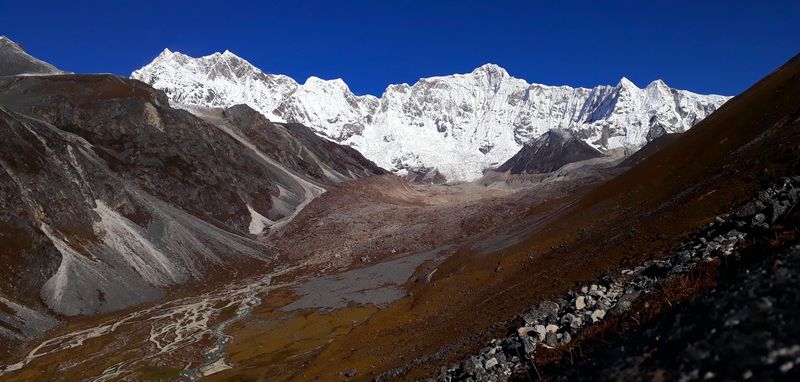
For decades, Gangkhar Puensum — a 7,570-meter peak on the Bhutan-China border — was listed as the highest unclimbed mountain in the world due to strict local regulations and its remote, rugged terrain. Very few have attempted to scale it, and for years it remained essentially off-limits to climbers. Even now, access and exploration remain restricted, and much of its slopes are still poorly understood by mountaineers.
Bhutan banned mountaineering on peaks above 6,000 meters in 1994 out of respect for local spiritual beliefs. Mountains are considered sacred, home to protective deities and spirits. Climbing them would be seen as disrespectful, so the government chose preservation over adventure tourism.
This decision has kept Gangkhar Puensum pristine and mysterious. While other Himalayan giants have been summited countless times, this peak remains untouched by human hands. Its glaciers, ridges and snowfields have never felt the crunch of climbing boots.
The mountain stands as a testament to cultural values and the idea that some places are better left unexplored, preserving their sanctity and natural beauty for future generations.
Vale do Javari, Brazil — Deep Amazonian Wilderness
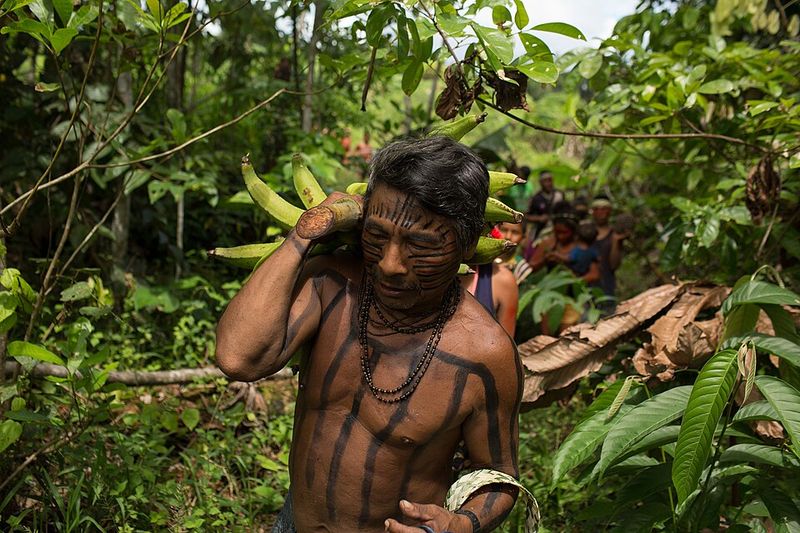
In the western Amazon, Vale do Javari stands as one of the most isolated regions on Earth. This vast area of rainforest is home to multiple uncontacted Indigenous tribes who have chosen to remain separate from modern society. The terrain is immense, dense and hard to access, meaning even basic mapping and scientific study are limited.
Its isolation has preserved biodiversity and cultural practices that exist nowhere else on the planet — a true example of nature and human traditions beyond mainstream exploration. The region spans an area roughly the size of Austria, yet very few outsiders have ever set foot there. Rivers act as the only highways through the thick jungle, and even those are treacherous to navigate.
Scientists estimate that dozens of uncontacted tribes live within Vale do Javari’s borders. These communities have survived for centuries without modern technology, medicine or outside influence. Their languages, spiritual beliefs and survival techniques remain mysteries to the wider world.
Protection efforts aim to keep it that way, respecting their choice to live undisturbed while preserving one of Earth’s last true wilderness frontiers.
Son Doong Cave, Vietnam — A Hidden Underground World
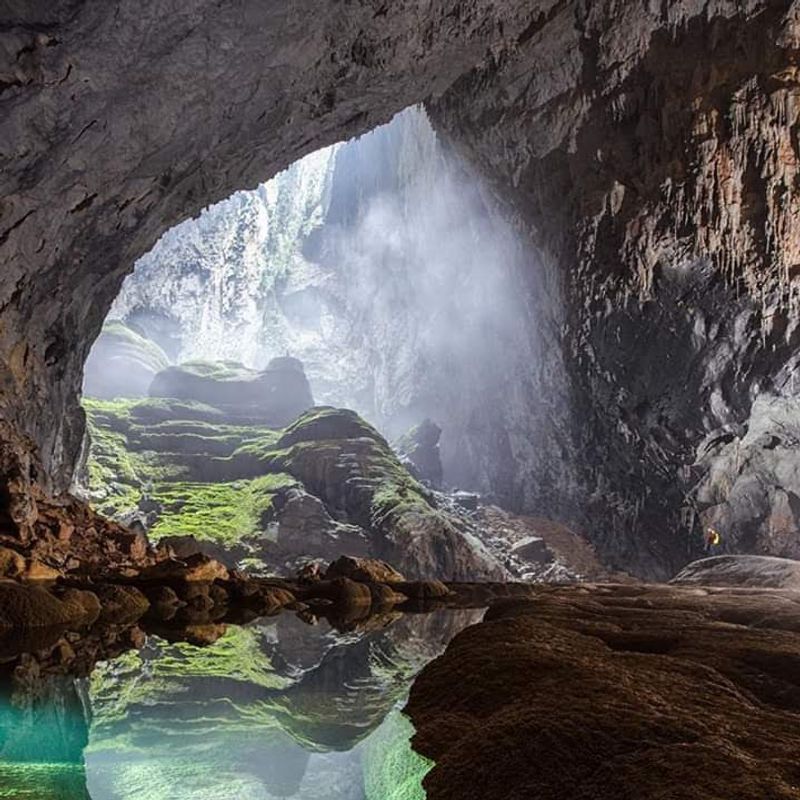
Discovered only in the 1990s, Son Doong Cave in Vietnam holds the distinction of being one of the largest known cave passages on Earth. Its internal ecosystem — complete with its own weather systems, underground jungle and enormous river — remains partly unexplored. Many of its side passages and submerged sections have yet to be mapped, offering a subterranean frontier that few humans have witnessed firsthand.
The cave is so large that a Boeing 747 could fly through some of its chambers. Clouds form near the ceiling, and rain falls inside the cave. Sunlight streams through massive sinkholes, allowing entire forests to grow underground, creating an otherworldly landscape that feels like something from a fantasy novel.
Local villagers knew about the entrance for years but were too frightened by the roaring sounds of the underground river to venture inside. It wasn’t until a British caving team explored it thoroughly in 2009 that the world learned of its staggering size and beauty.
Today, limited tours allow visitors to experience this wonder, but much of Son Doong remains unexplored, its deepest secrets still hidden in darkness.
Mount Lico, Mozambique — Lost Crater Forest
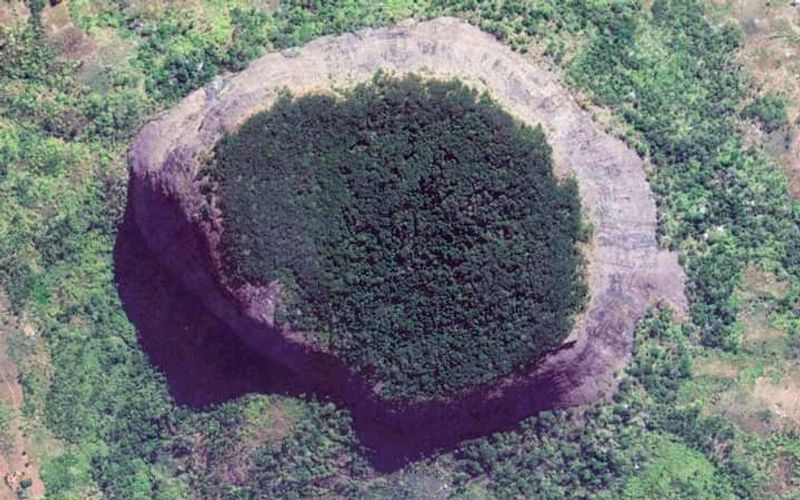
Mount Lico is a dramatic volcanic inselberg in northern Mozambique whose sheer cliffs have kept its summit rain forest isolated from human intrusion for centuries. Scientists first identified the forested crater using satellite imagery only in the early 21st century, and even today much of its ecology and wildlife are unexplored. The inaccessible terrain has preserved an ancient ecosystem that may host unknown species.
The mountain rises abruptly from the surrounding landscape, its vertical walls acting as natural fortress. For generations, local communities knew of Mount Lico but considered it unreachable and sacred. No trails lead to the top, and the cliffs are too steep for casual climbing.
In 2018, a scientific expedition finally reached the summit by helicopter. What they found was astonishing — a pristine rainforest untouched by logging, hunting or agriculture. New species of butterflies, snakes and plants were discovered in just a few days of exploration.
The crater acts like a biological island in the sky, where evolution has taken its own unique path. Much remains unknown about what other creatures might live in this lost world, making it a tantalizing mystery for scientists and adventurers alike.
Aniakchak National Monument, Alaska — Wild, Least-Visited Wilderness
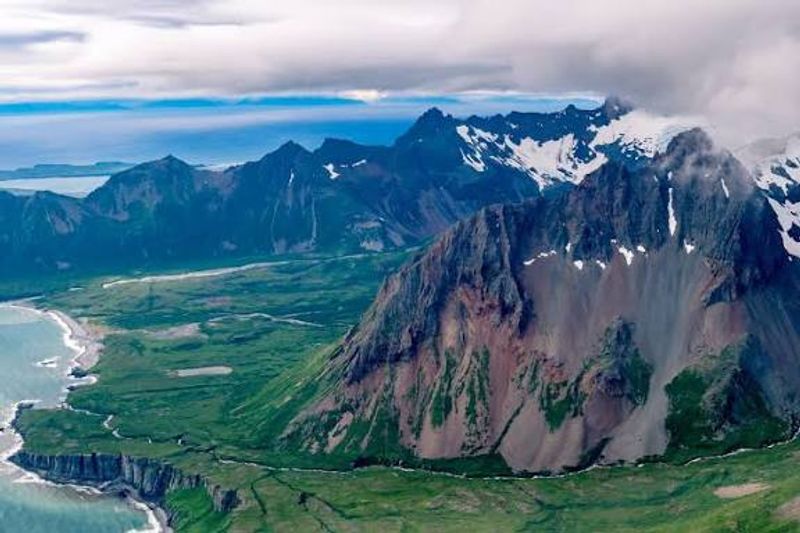
Deep in southwestern Alaska lies the Aniakchak National Monument and Preserve, one of the least-visited regions in the U.S. National Park System. Its volcanic caldera, rugged coastline and extreme weather make it difficult to reach and explore. Few tourists or scientists venture here, meaning much of this wild landscape remains unstudied and pristine.
The park receives fewer than 100 visitors per year. By comparison, popular parks like Yellowstone host millions. Aniakchak’s remoteness, lack of roads and unpredictable weather keep it off most travelers’ radar. Getting there requires a small plane or boat, and even then, conditions can change in minutes.
The caldera itself is a massive volcanic crater formed by a catastrophic eruption 3,500 years ago. Inside, you’ll find lava flows, cinder cones, and Surprise Lake, which drains through a dramatic gap in the crater wall called The Gates. The landscape feels almost alien, raw and powerful.
Wildlife roams freely here — brown bears, caribou, wolves and countless seabirds. The solitude is profound, and the sense of wilderness is unmatched. For those seeking true isolation and untouched nature, Aniakchak delivers an experience few places on Earth can match.
Socotra Island Caves, Yemen — Otherworldly Subterranean Labyrinths
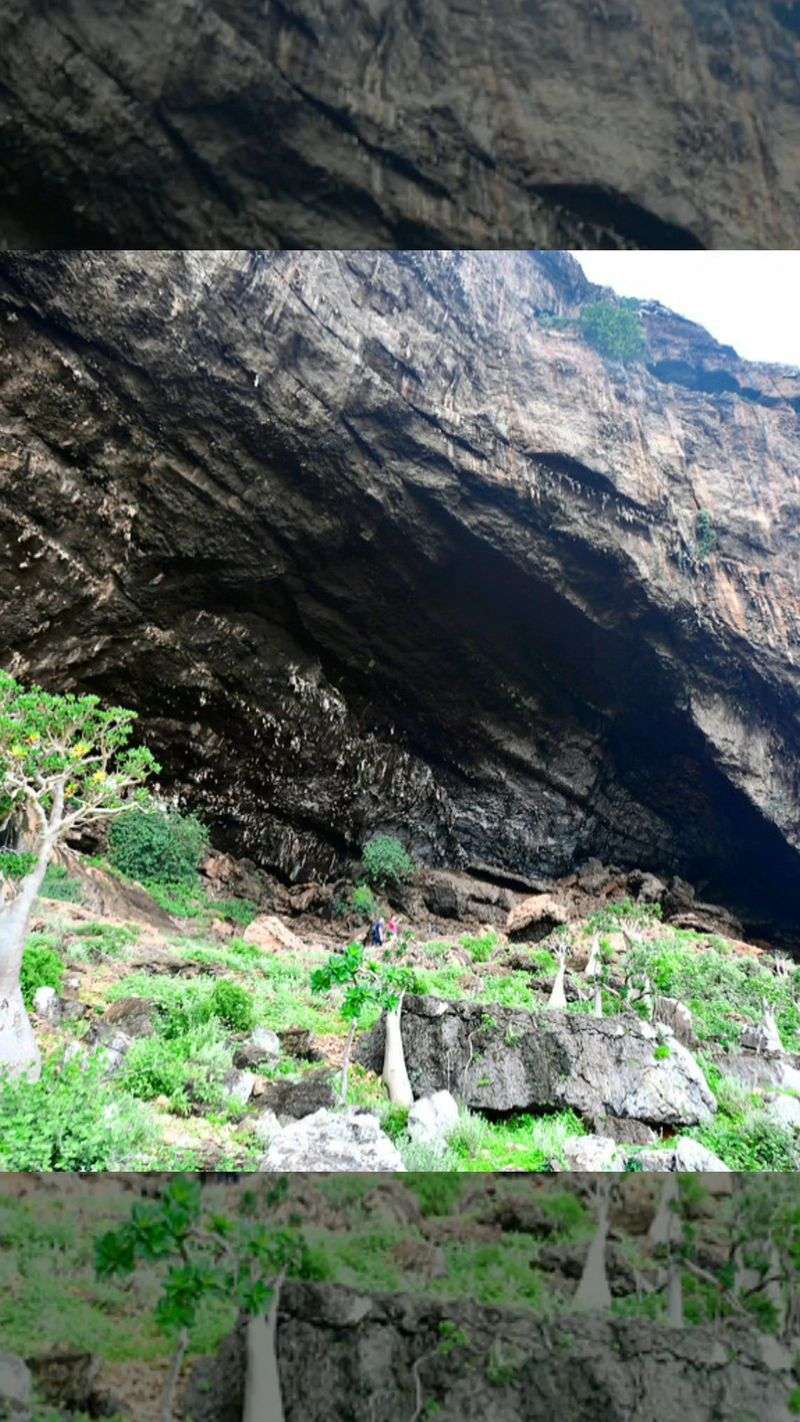
On remote Socotra Island, famous for alien-like dragon’s blood trees and unique biodiversity, the deep cave systems remain largely unexplored by scientists. These underground networks are hidden beneath rugged topography and dense limestone formations, and little is known about the species or geological features that may thrive in their darkness.
Socotra itself is often called the most alien-looking place on Earth. Its isolation from mainland Africa has led to extraordinary evolution, with plants and animals found nowhere else. The caves add another layer of mystery to this already strange island.
Political instability in Yemen has made scientific expeditions difficult and dangerous. As a result, the caves have received little attention from researchers. Local legends speak of vast underground chambers and hidden water sources, but few have ventured deep enough to confirm these stories.
Preliminary explorations have revealed unique cave-adapted insects and possibly new species of bats. The limestone formations create intricate passageways that twist and descend into the island’s core. What other creatures or geological wonders lie in the darkness remains unknown.
These caves represent one of the last unexplored frontiers in a world increasingly mapped and documented, waiting for the day when peace and science can unlock their secrets.
The Amazon Rainforest — Vast Unknown Ecosystems
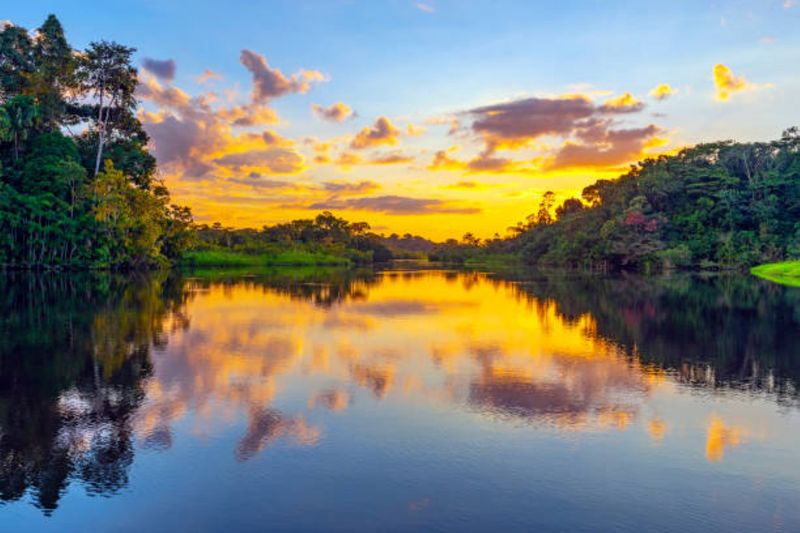
Despite being one of the most studied regions on Earth, huge portions of the Amazon Rainforest — the largest tropical rainforest — are still largely inaccessible and poorly documented. Dense jungle, challenging terrain, deadly wildlife and limited infrastructure mean that vast tracts of this ecosystem have never been fully surveyed on foot, leaving plant and animal life (including undiscovered species) waiting to be found.
The Amazon spans nine countries and covers more than five million square kilometers. That’s an area nearly as large as the entire United States. Walking through it is exhausting, dangerous and slow. Rivers are the main transportation routes, but they don’t reach everywhere.
Every year, scientists discover new species in the Amazon — colorful frogs, bizarre insects, previously unknown monkeys and birds. Some estimate that thousands of species remain undocumented. Indigenous communities living deep in the forest possess knowledge of plants and animals that science has yet to record.
Satellite imagery helps, but it can’t see through the thick canopy. What lies beneath remains a mystery until someone ventures in on foot. The Amazon is proof that even famous places can hold countless secrets, reminding us how much of our planet remains truly wild and unknown.
The Sahara’s Remote Interior — Barren and Difficult to Chart
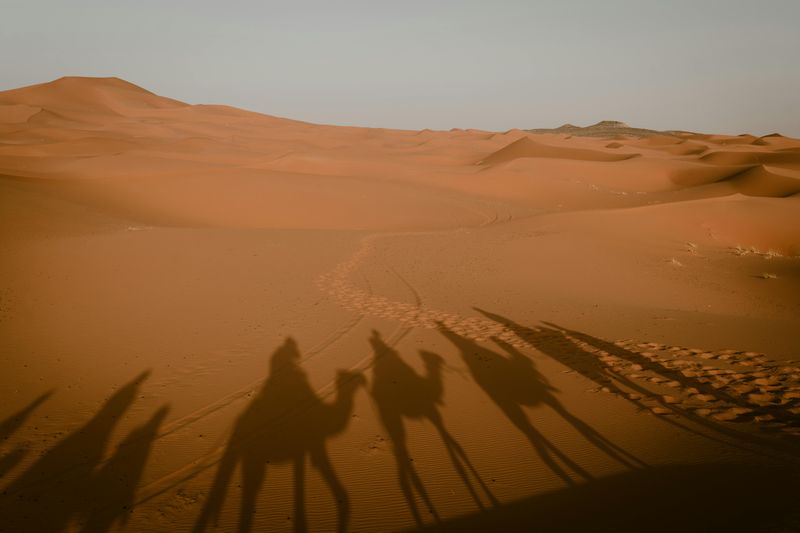
The Sahara Desert is vast — the largest hot desert on Earth — and much of its interior remains as unexplored by humans as it is by science. Its extreme heat, shifting dunes and sheer size make many areas virtually impossible to traverse without modern support, meaning archaeological sites, hidden watercourses and animal adaptations could still be waiting to be discovered.
Covering roughly the same area as China or the United States, the Sahara is a harsh, unforgiving environment. Temperatures can soar above 50 degrees Celsius during the day and plummet at night. Water is scarce, and navigation is difficult as landmarks shift with the wind.
Ancient civilizations once thrived in parts of the Sahara when the climate was wetter. Rock art, fossils and ruins hint at a greener past. Many of these sites remain undiscovered, buried beneath sand or hidden in remote mountain ranges like the Tibesti or Hoggar.
Modern satellite technology has revealed mysterious structures and formations, but ground exploration is needed to understand them. Nomadic tribes know secret routes and oases, but much of the desert remains untouched by outsiders. The Sahara keeps its secrets well, a vast emptiness that resists easy exploration.
Congo Basin Rainforest — A World Within a Jungle
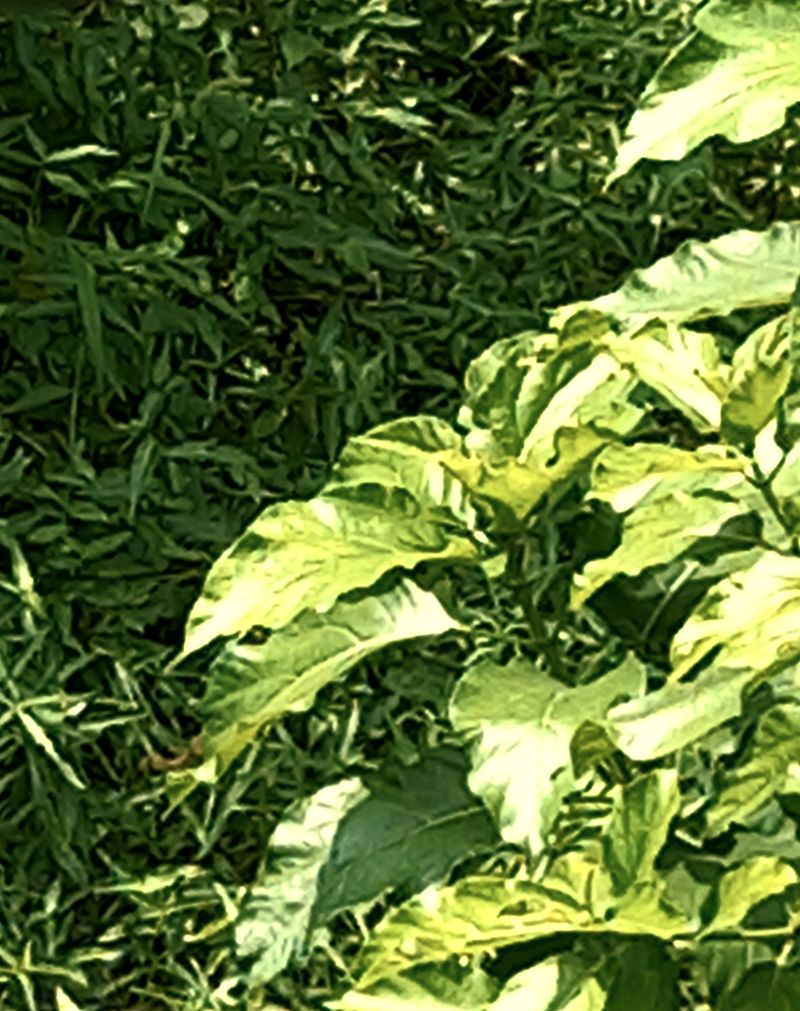
Second only to the Amazon for size, the Congo Basin in Central Africa is home to swaths of rainforest that remain poorly explored. Thick vegetation, remote location and logistical challenges have prevented comprehensive biological and geographical study, meaning this vast wilderness still yields new discoveries of species, untouched habitats and ancient forest ecosystems.
The Congo Basin covers six countries and is home to endangered gorillas, forest elephants, okapi and countless other species. Some areas are so remote that scientists have only recently begun studying them. Political instability and lack of infrastructure make access difficult and dangerous.
Rivers like the Congo and its tributaries are the highways of the region, but they don’t reach everywhere. Between the waterways lie vast stretches of jungle that few outsiders have ever seen. Indigenous communities live in harmony with the forest, possessing deep knowledge of its plants and animals.
New species are discovered regularly — colorful birds, unique primates, and insects with bizarre adaptations. The forest is also a critical carbon sink, playing a vital role in regulating the planet’s climate. Yet much of it remains unstudied, a green mystery holding secrets about biodiversity, evolution and survival.
Papua New Guinea’s Interior — Rugged, Diverse and Unmapped
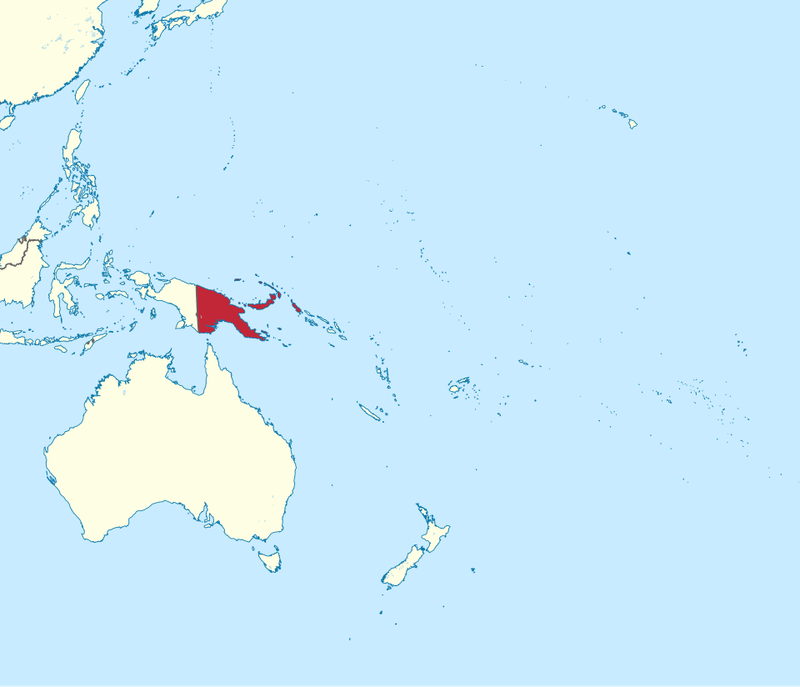
Tropical forests cover much of Papua New Guinea, and its interior remains one of the least explored regions on Earth. Rugged mountain ranges, isolated tribal cultures, and dense rainforest have made access difficult, preserving languages, cultures and ecosystems that few outsiders have encountered — and leaving many valleys and peaks yet to be mapped or studied.
Papua New Guinea is one of the most linguistically diverse countries on the planet, with over 800 languages spoken. Many communities live in remote valleys, separated by mountains and jungle. Some had little or no contact with the outside world until the mid-20th century, and a few may still remain isolated today.
The terrain is incredibly challenging. Steep mountains, thick vegetation and frequent rain make travel slow and exhausting. There are few roads, and many areas are accessible only by foot or helicopter. This isolation has preserved unique cultures and traditions that exist nowhere else.
Biologically, Papua New Guinea is a treasure trove. New species of frogs, birds, insects and plants are discovered regularly. The island’s biodiversity rivals the Amazon, yet much of it remains undocumented. Hidden valleys and cloud forests hold mysteries that science is only beginning to uncover.
Deep Ocean Hydrothermal Vents — Unknown Life Forms Beneath the Waves
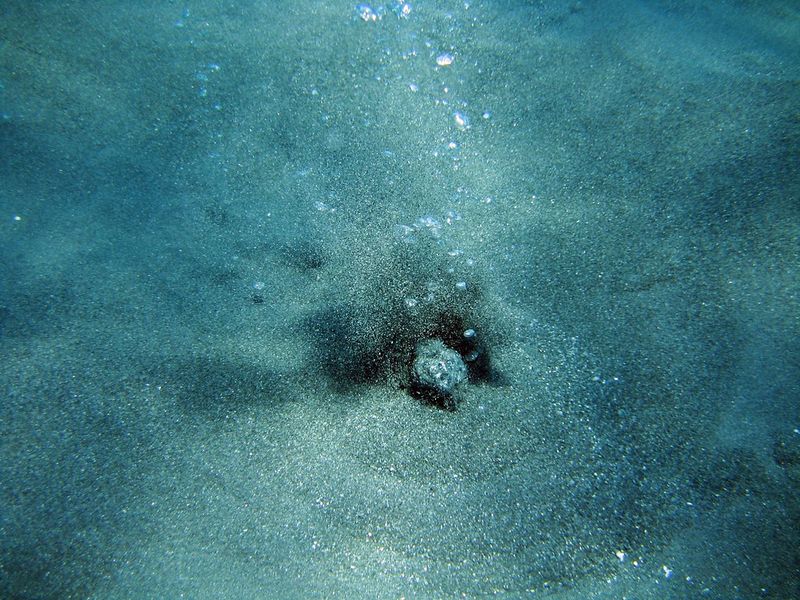
Scattered deep beneath the seabed, hydrothermal vents are like underwater hot springs that host mysterious ecosystems adapted to extreme heat and pressure. Scientists have identified only a fraction of the vents on Earth, and each new discovery often brings previously unknown species and biological processes, making them one of the final frontiers of exploration on the planet.
These vents form where seawater seeps into cracks in the ocean floor, gets heated by magma, and erupts back out in plumes of mineral-rich water. Temperatures can reach 400 degrees Celsius, yet life thrives around them. Giant tube worms, eyeless shrimp, and bizarre crabs cluster around the vents, feeding on bacteria that convert chemicals into energy.
This process, called chemosynthesis, is completely different from photosynthesis. It shows that life doesn’t need sunlight to survive, a revelation that has changed how scientists think about life on other planets. If life can exist in such extreme conditions on Earth, perhaps it can exist elsewhere in the universe.
Most of the ocean floor remains unexplored. New vents are discovered regularly, each with its own unique community of organisms. The deep ocean holds countless mysteries, and hydrothermal vents are among the most fascinating.
Uncontacted Tribal Lands in Dense Jungles — Human Mysteries
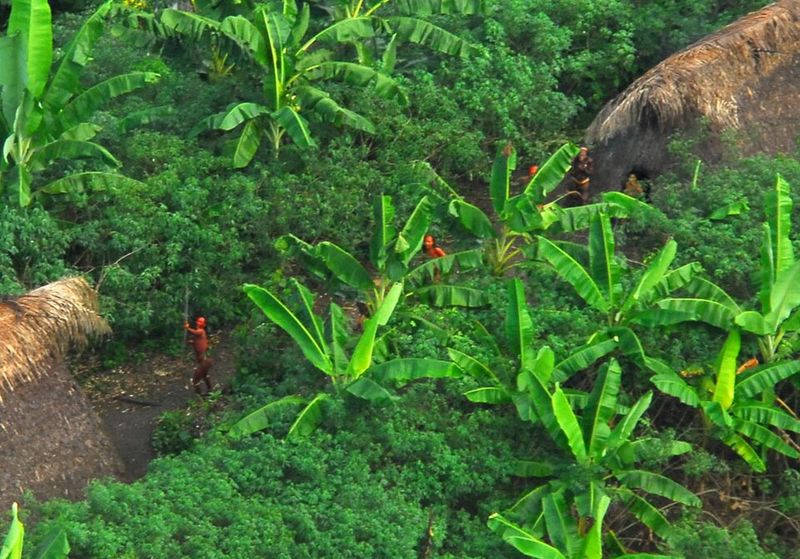
Large patches of dense forests — especially in the Amazon and parts of Southeast Asia — shelter tribal groups with minimal or no contact with the outside world. International efforts generally avoid interference for ethical reasons, meaning these communities, their languages and cultures remain virtually unknown to mainstream humanity, preserved by isolation and thick wilderness around them.
It’s estimated that over 100 uncontacted tribes still exist worldwide. Most live in the Amazon, though others are found in Papua New Guinea and the Andaman Islands. These groups have chosen isolation, often after traumatic encounters with outsiders in the past. Protecting their autonomy and health is a priority for governments and human rights organizations.
Contact can be deadly. Diseases like flu or measles, which most people recover from easily, can devastate isolated communities with no immunity. This has happened repeatedly throughout history, wiping out entire populations. That’s why modern policy favors leaving these tribes alone.
We know almost nothing about their languages, belief systems or daily lives. They are living reminders of humanity’s diversity and resilience, surviving in ways their ancestors did for thousands of years. Their existence challenges our assumptions about progress and reminds us that not everyone wants to be part of the modern world.



