Some rappers do not just make hits, they build empires. Over the past few decades, a number of hip-hop artists have taken their music money and turned it into massive business ventures worth hundreds of millions or even billions of dollars.
From record labels to fashion lines, tech investments to sports leagues, these artists proved that a microphone can be the starting point for something much bigger. Here are 15 rappers who transformed their musical success into extraordinary financial legacies.
1. Jay-Z
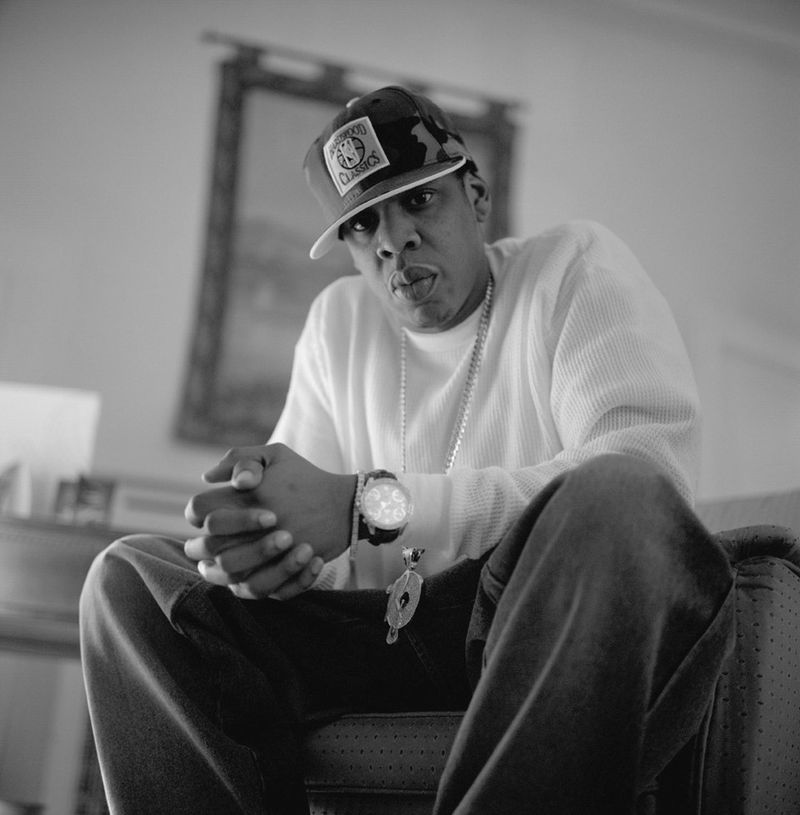
Before the word “billionaire” was commonly linked to rap music, Jay-Z was quietly laying the groundwork for exactly that. Born Shawn Carter in Brooklyn, he turned street-level hustle into one of the most impressive business portfolios in entertainment history.
Roc Nation, his entertainment company, manages some of the biggest names in sports and music.
He invested early in Armand de Brignac champagne and D’Usse cognac, two premium spirits brands that became massive earners. Jay-Z also made smart moves in technology, real estate, and streaming through the Tidal platform.
Forbes officially recognized him as hip-hop’s first billionaire around 2019.
His story is not just about wealth. It is about strategy, patience, and knowing when to pivot.
Jay-Z showed the world that a rapper could compete at the highest levels of global business without ever losing credibility.
2. Dr. Dre
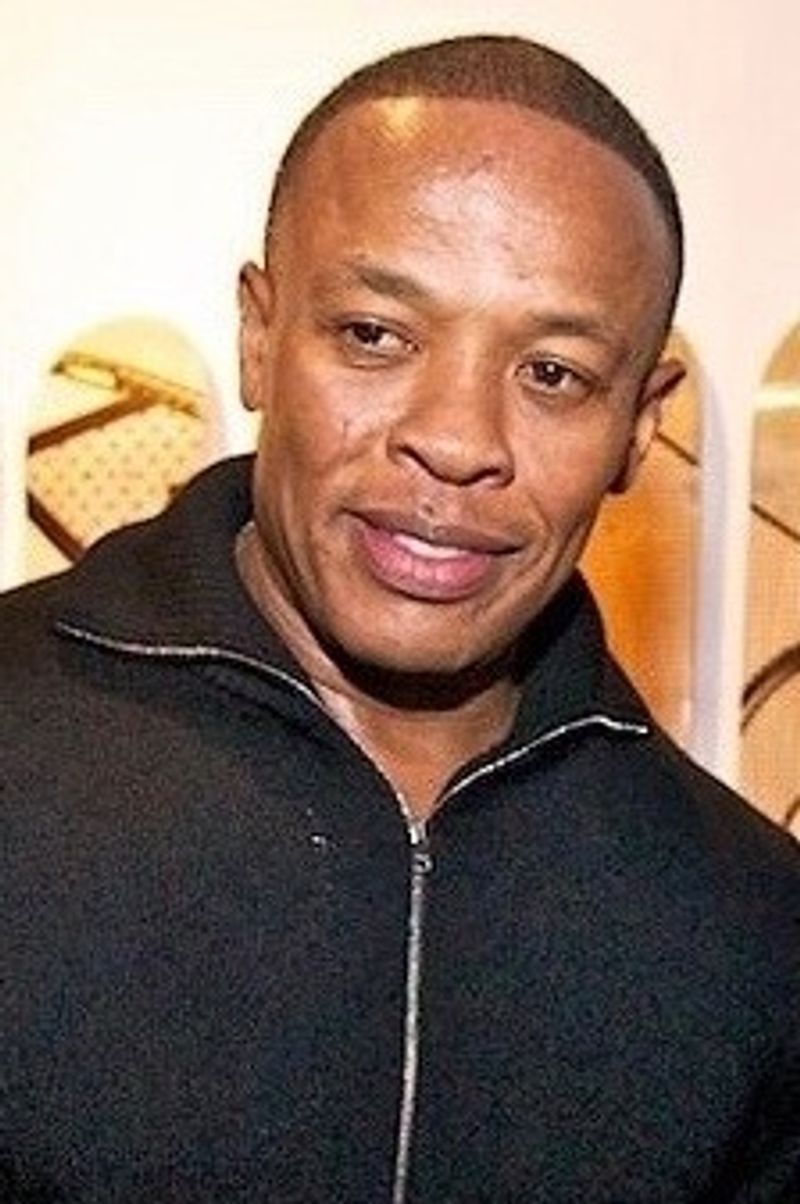
Few business moves in music history hit harder than Dr. Dre co-founding Beats Electronics in 2008 alongside music producer Jimmy Iovine. The company started by making premium headphones that became a cultural symbol, spotted on athletes, celebrities, and everyday music fans around the world.
Apple purchased Beats for approximately 3 billion dollars in 2014, making it one of the largest acquisitions in Apple’s history. That deal catapulted Dre into billionaire status and proved that musicians could build technology brands with real staying power.
He had already built a legendary reputation through Death Row Records and Aftermath Entertainment.
Dre’s ear for talent brought us Eminem, Kendrick Lamar, and 50 Cent. His ability to spot opportunity in both music and business set a standard that many artists still aspire to reach today.
His legacy goes far beyond beats and bars.
3. Sean Diddy Combs
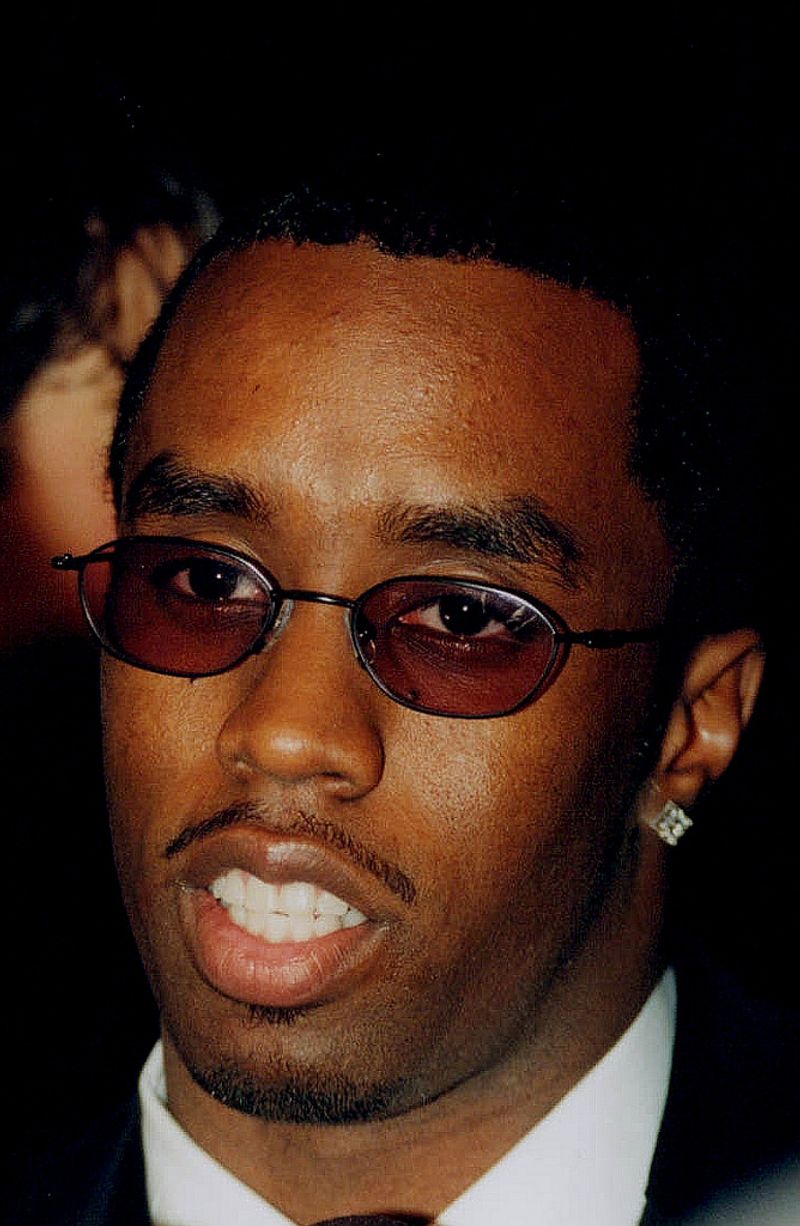
Sean Combs built his name in the 1990s as one of the most energetic and ambitious figures in hip-hop. As the founder of Bad Boy Records, he launched the careers of Notorious B.I.G., Faith Evans, and Mary J.
Blige, shaping the sound of an entire era. His eye for talent was matched only by his appetite for business.
Beyond music, Combs expanded aggressively into fashion with the Sean John clothing line, which won a Council of Fashion Designers of America award in 2004. He also entered the spirits world, partnering with Cirkoc vodka in a deal that earned him tens of millions annually.
Media and entertainment investments added further depth to his portfolio.
At his peak, Combs was considered one of the wealthiest self-made figures in entertainment. His career showed how hip-hop could become a launchpad for multi-industry dominance across fashion, media, and consumer goods.
4. Master P
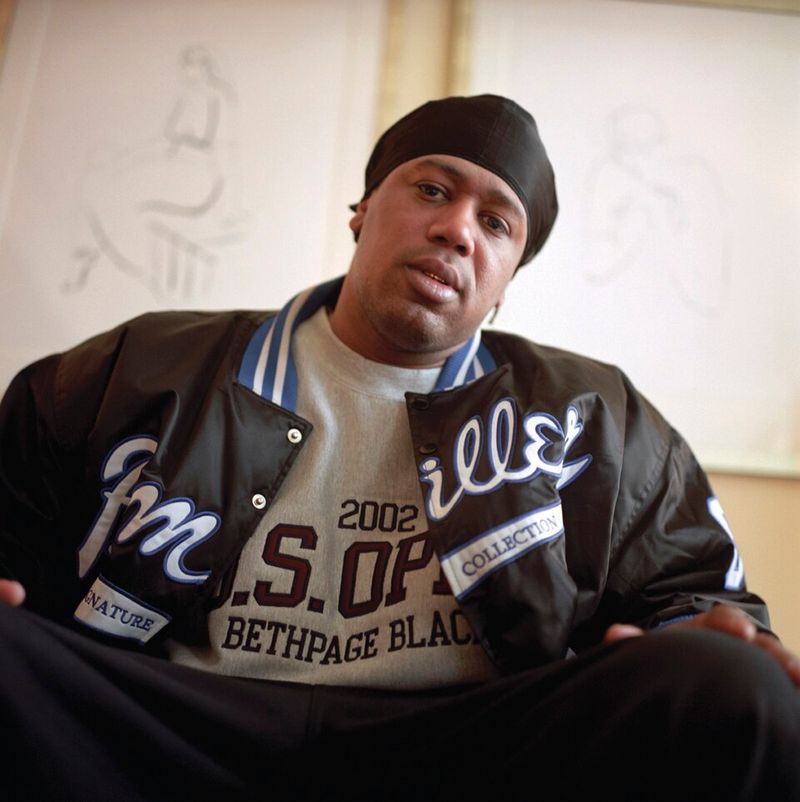
Long before independent music distribution became trendy, Master P was already doing it his way. Born Percy Miller in New Orleans, he founded No Limit Records in the early 1990s with a few hundred dollars and a vision that most people around him could not yet see.
The label grew into a powerhouse that released dozens of gold and platinum albums throughout the decade.
What made Master P different was his refusal to stop at music. He moved into sports management, representing NFL and NBA players.
He launched film productions, created his own food product line called Rap Snacks, and invested in real estate across multiple states.
Master P is often held up as a model of true independence in hip-hop. He retained ownership of his masters and his business, something rare at the time.
His journey from poverty in New Orleans to multimillionaire entrepreneur remains genuinely inspiring.
5. Birdman
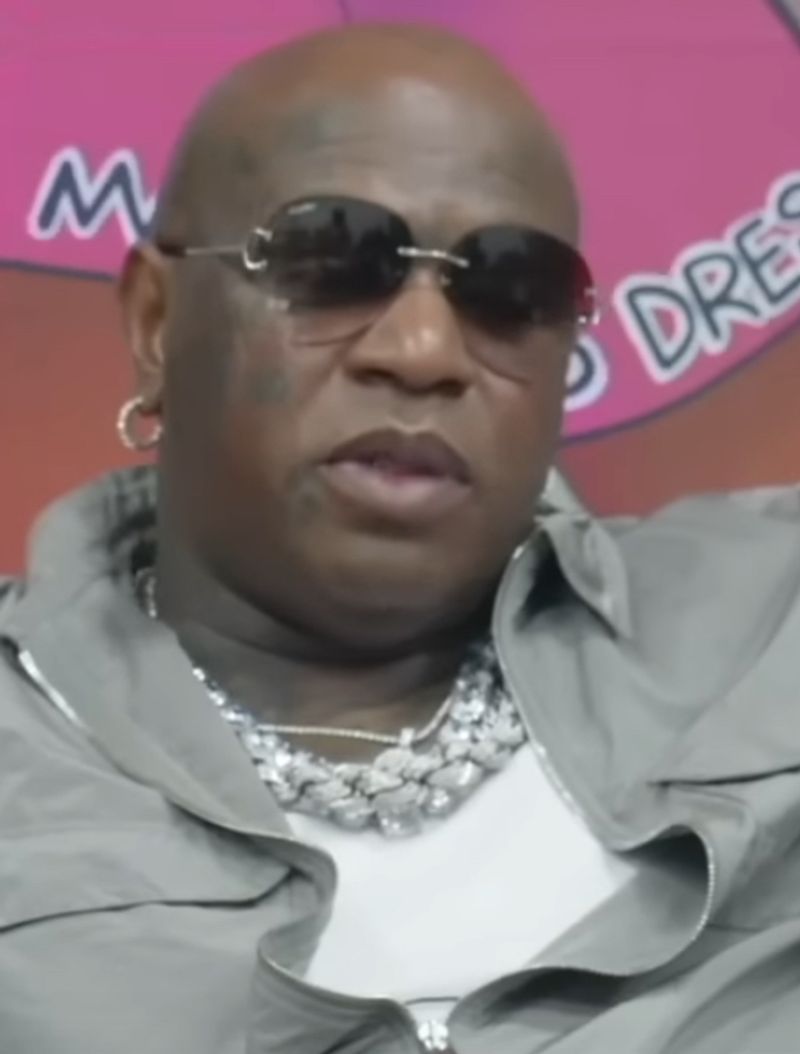
Cash Money Records became one of the most successful independent labels in hip-hop history, and Birdman was at the center of it all. Born Bryan Williams in New Orleans, he co-founded the label with his brother Ronald Williams in 1991.
What started as a regional rap operation grew into a nationally recognized brand that defined an era of Southern hip-hop.
The Cash Money roster eventually included Lil Wayne, Drake, Nicki Minaj, and Young Jeezy, names that dominated charts for over a decade. Birdman negotiated a landmark distribution deal with Universal Records worth hundreds of millions of dollars, giving him resources while keeping significant control over the label’s output.
His story is a masterclass in building an entertainment institution from scratch. Birdman showed that staying rooted in your community while thinking big could lead to extraordinary results.
Cash Money Records remains a recognizable brand decades after its founding.
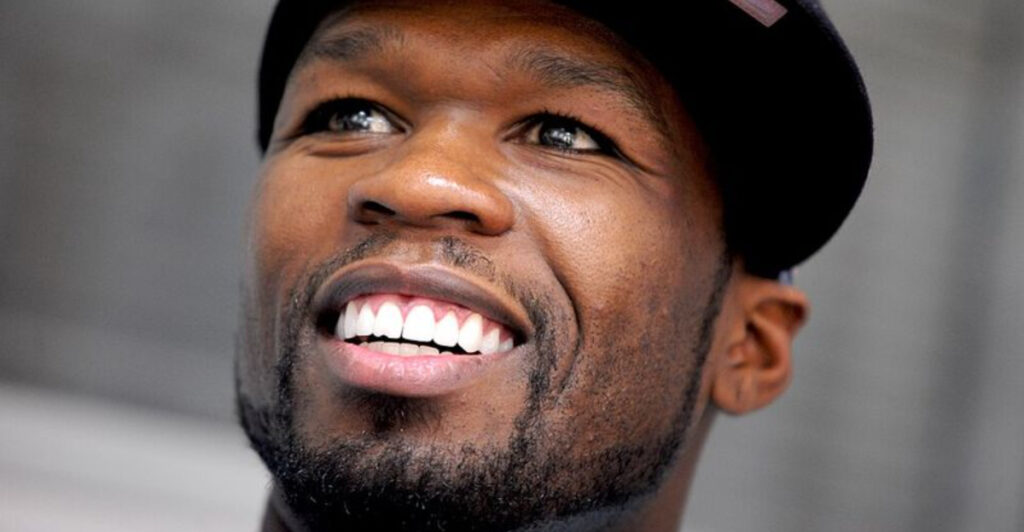
6. 50 Cent
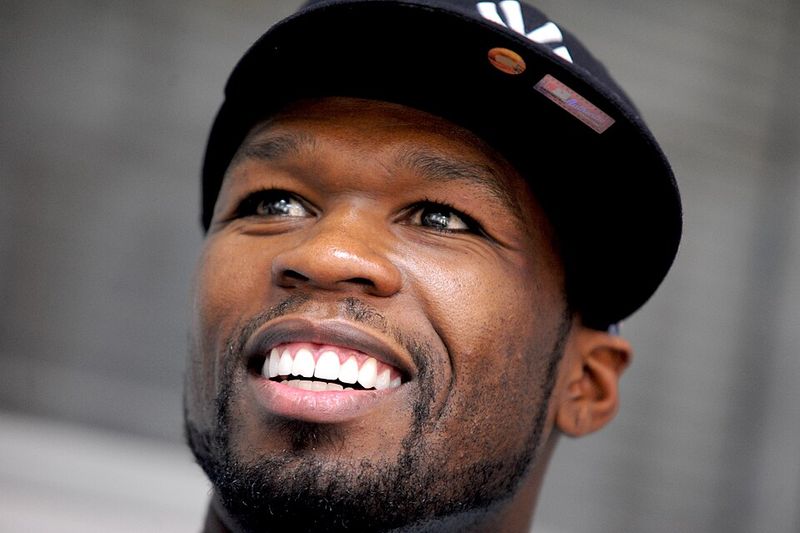
Getting shot nine times and surviving might be the most dramatic origin story in rap history, but 50 Cent’s business moves are just as remarkable. After exploding onto the scene with his debut album “Get Rich or Die Tryin'” in 2003, he quickly proved that his ambitions extended far beyond the recording studio.
His most talked-about business win came from an early investment in Glaceau, the company behind Vitaminwater. When Coca-Cola purchased Glaceau for approximately 4.1 billion dollars in 2007, 50 Cent reportedly walked away with somewhere between 60 and 150 million dollars.
It was a defining moment that changed how people thought about rapper investments.
He went on to build G-Unit Records, produce successful television shows like Power, and expand into boxing promotion. 50 Cent turned controversy, charisma, and calculated risk-taking into a multi-platform business operation that continues to grow.
7. Snoop Dogg
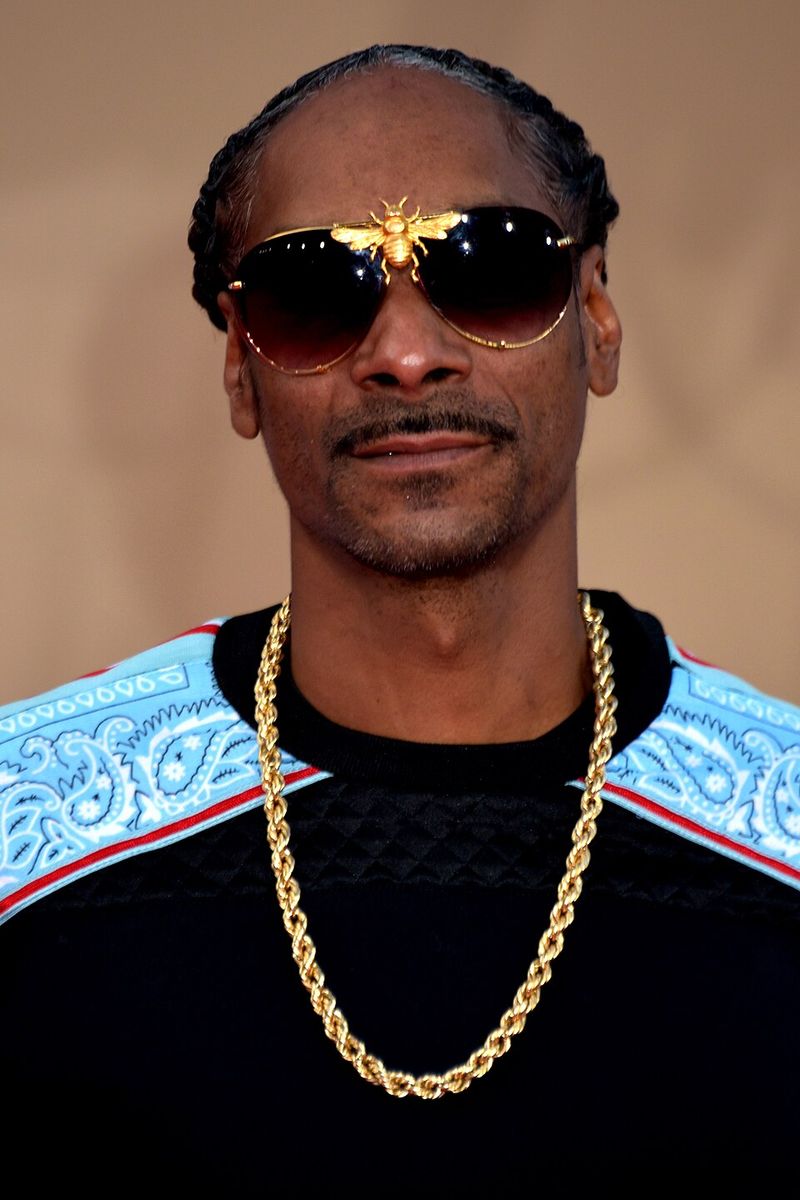
Snoop Dogg may be the most recognizable name in hip-hop, and he has used that recognition to build a sprawling business empire that keeps expanding in surprising directions. Since debuting in 1992, he has maintained a cultural presence that very few artists across any genre have managed to sustain for so long.
His ventures span media production through his Snoopadelic Films company, cannabis products through his Leafs by Snoop brand, and technology investments including a stake in Reddit. He has partnered with major consumer brands ranging from Corona beer to Beyond Meat, appearing in campaigns that reach audiences well beyond traditional hip-hop fans.
Snoop also purchased Death Row Records in 2022, transforming the legendary label into an NFT music platform. His ability to stay relevant across generations while consistently finding new revenue streams shows a business instinct that rivals his musical talent.
Snoop proves longevity and adaptability are priceless assets.
8. Drake
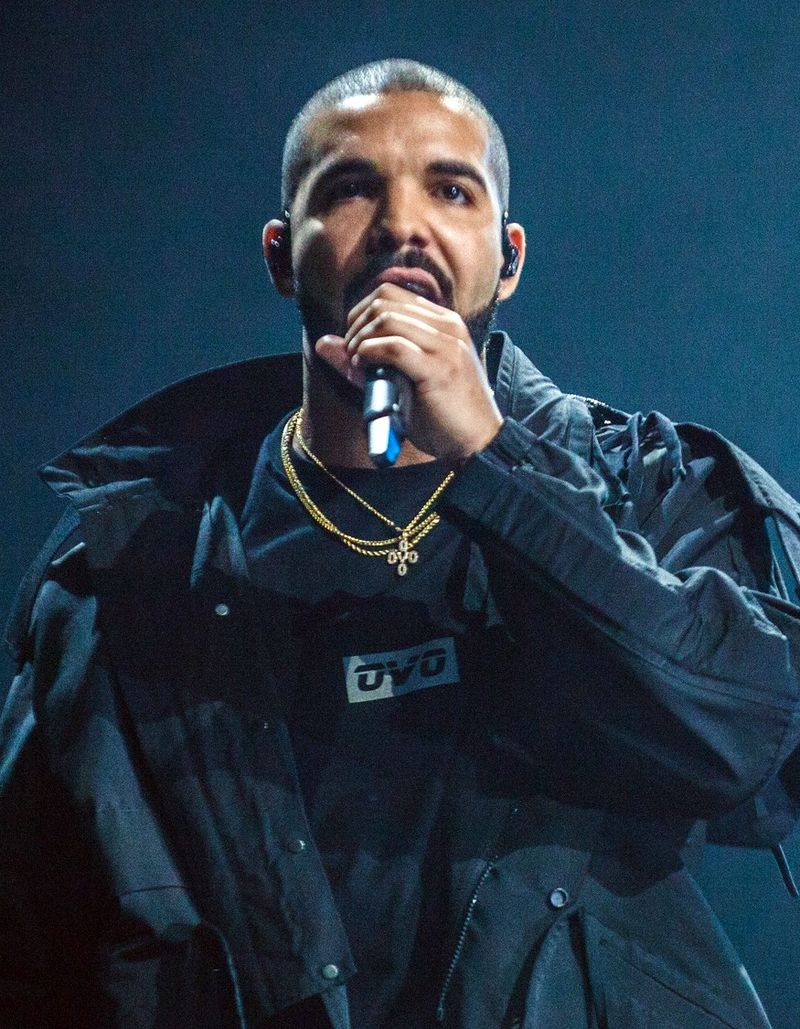
Drake turned his hometown of Toronto into a global brand. When he launched OVO, which stands for October’s Very Own, it started as a music collective but quickly evolved into a full lifestyle brand with a clothing line, record label, annual music festival, and merchandise operation that fans around the world eagerly support.
His record label, OVO Sound, helped introduce artists like PARTYNEXTDOOR and Majid Jordan to mainstream audiences. The OVO clothing line sells out regularly and has collaborated with major brands including Jordan Brand, Canada Goose, and Roots.
Drake also invested in Virginia Black whiskey and various real estate properties.
What makes Drake’s business story compelling is how organically it grew from his music identity. He did not chase random endorsement deals.
Instead, he built a brand that felt authentically connected to his persona and fanbase. OVO is now a recognizable symbol far beyond the music industry.
9. Rick Ross
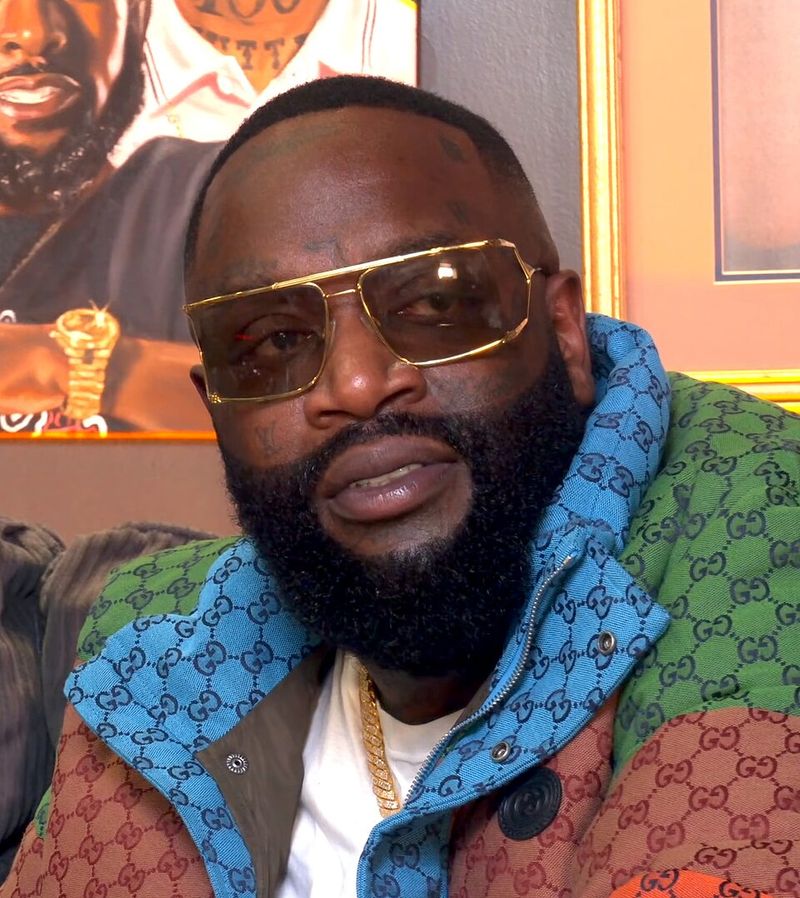
Rick Ross once worked as a correctional officer before becoming one of rap’s most successful and recognizable figures. That background gives his entrepreneurial hustle an extra layer of authenticity.
When his music career took off, he did not just spend money, he put it to work in ways that would keep generating returns long after the albums stopped charting.
His most notable business move was investing heavily in Wingstop restaurant franchises. At one point, Ross owned more than 25 Wingstop locations, making him one of the chain’s most prominent franchise partners.
He frequently talks about the restaurant business in interviews, encouraging fans to think about ownership rather than just earning a paycheck.
Ross also built a significant real estate portfolio and founded Maybach Music Group, which helped launch artists like Meek Mill and Wale. His approach to wealth building, rooted in ownership and tangible assets, offers a practical blueprint worth studying.
10. Ice Cube
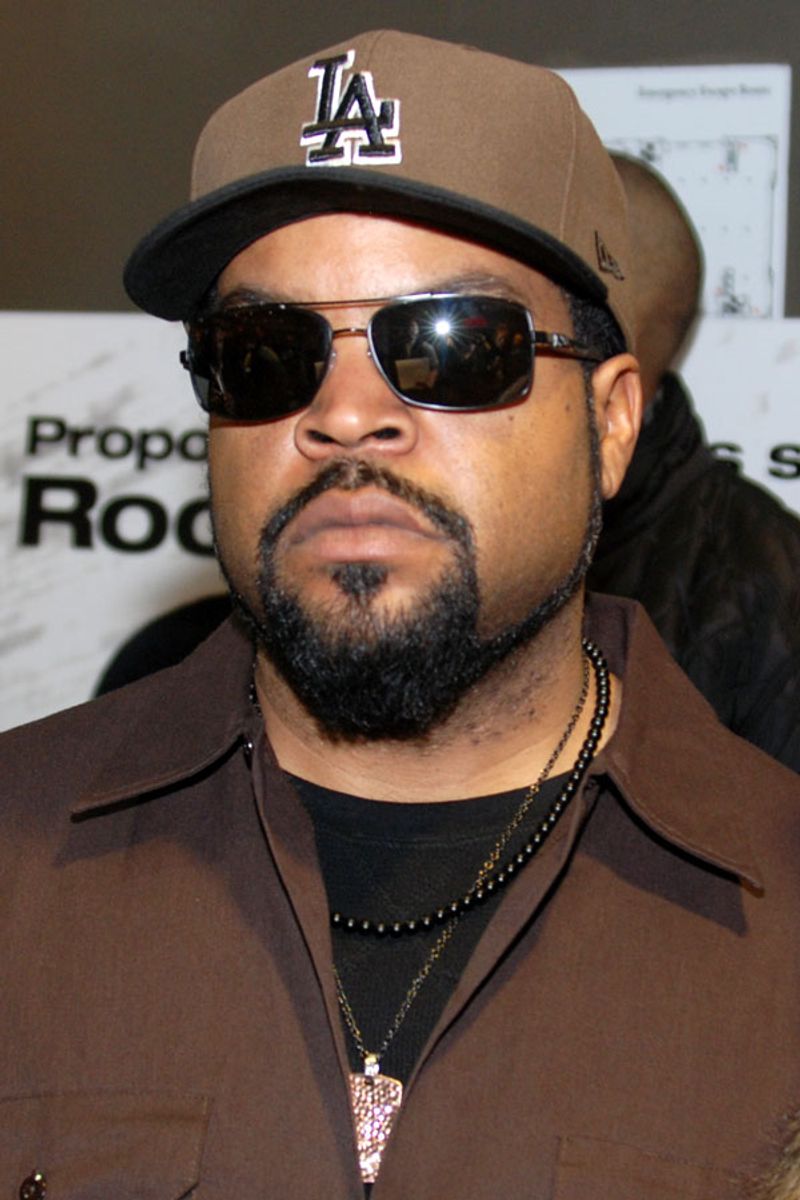
Ice Cube arrived in rap as a member of N.W.A., helping define West Coast hip-hop with raw, unapologetic storytelling. But his ambitions never stopped at music.
By the early 1990s, he had already transitioned into acting, appearing in films like Boyz n the Hood and eventually starring in major Hollywood comedies like Friday, which he also wrote and produced.
His production company, Cube Vision, became a legitimate force in Hollywood, responsible for films and television projects that generated hundreds of millions in box office and streaming revenue. Ice Cube also co-created the BIG3, a three-on-three professional basketball league featuring former NBA players that launched in 2017 and attracted significant media attention.
What is striking about his career is the consistency. Ice Cube never chased trends.
He identified opportunities that matched his voice and built carefully around them. His entertainment empire spans music, film, television, and sports in a way few artists have achieved.
11. Eminem
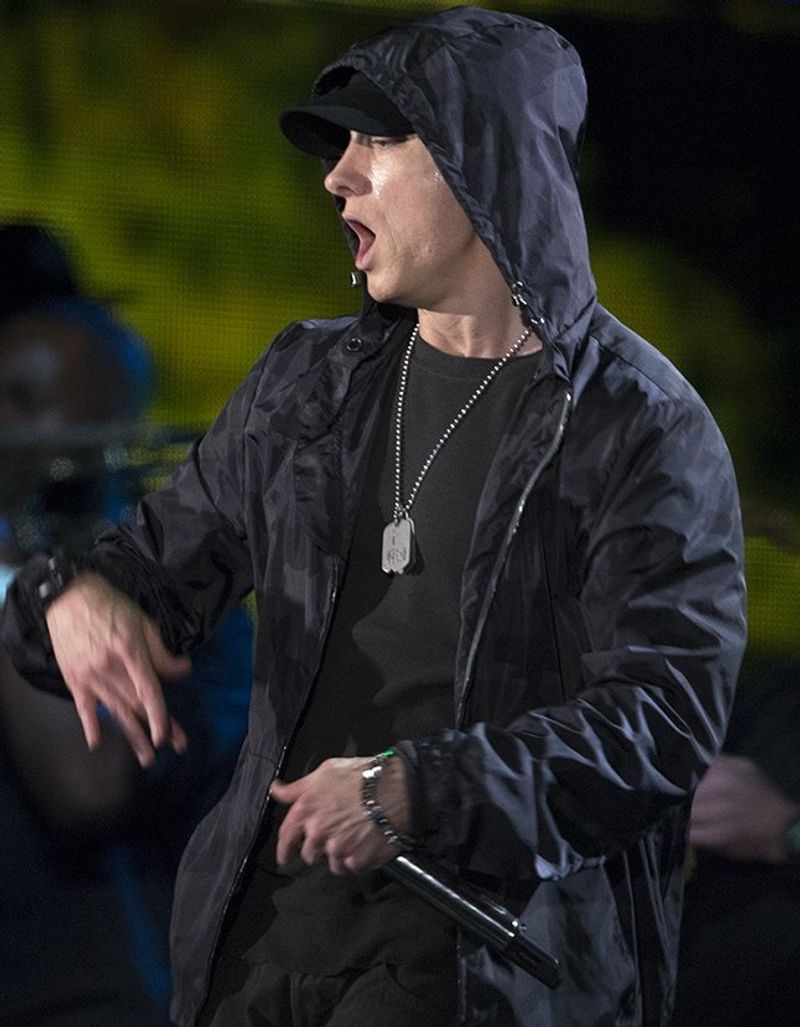
Eminem is one of the best-selling music artists of all time, and behind the raw lyrics and controversial persona lies a carefully managed business operation. His Shady Records label, founded in 1999 under Interscope, helped launch the careers of artists including 50 Cent, D12, and Obie Trice, adding a talent-discovery dimension to his brand.
Publishing rights have been a major source of long-term income for Eminem. Owning the rights to his own music catalog means he earns every time his songs appear in films, commercials, or streaming playlists.
His touring revenue is also extraordinary, with concerts regularly selling out arenas around the world for over two decades.
Eminem has also ventured into technology and entertainment through various production and investment activities. His wealth is built on a foundation of artistic integrity combined with smart business decisions that prioritized ownership.
He remains one of Detroit’s most famous and financially successful exports.
12. Pharrell Williams
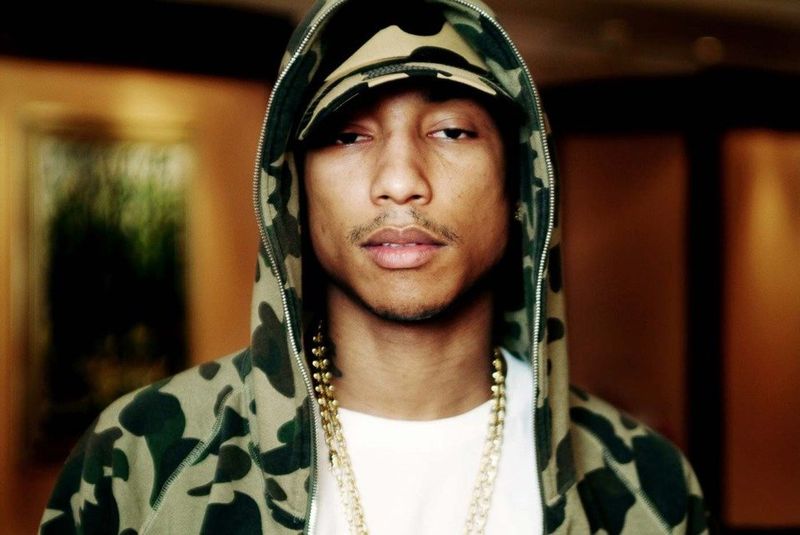
Pharrell Williams is one of those rare artists who seems to operate in a different creative dimension. As a producer, he shaped the sound of multiple eras of popular music.
As a businessman, he built something that goes far beyond the recording studio and into the world of high fashion and luxury branding.
His Billionaire Boys Club and Ice Cream clothing brands, co-founded with Japanese designer Nigo, became cult favorites with streetwear enthusiasts worldwide. Pharrell also served as creative director for Chanel’s Pharrell x Chanel collection and was later appointed creative director of Louis Vuitton’s menswear line in 2023, one of fashion’s most prestigious roles.
His ability to move seamlessly between music, fashion, and luxury brand strategy reflects a creative intelligence that cannot be easily replicated. Pharrell built his empire not through aggressive deal-making alone, but through a consistent aesthetic vision that the world’s biggest brands wanted to be part of.
13. LL Cool J
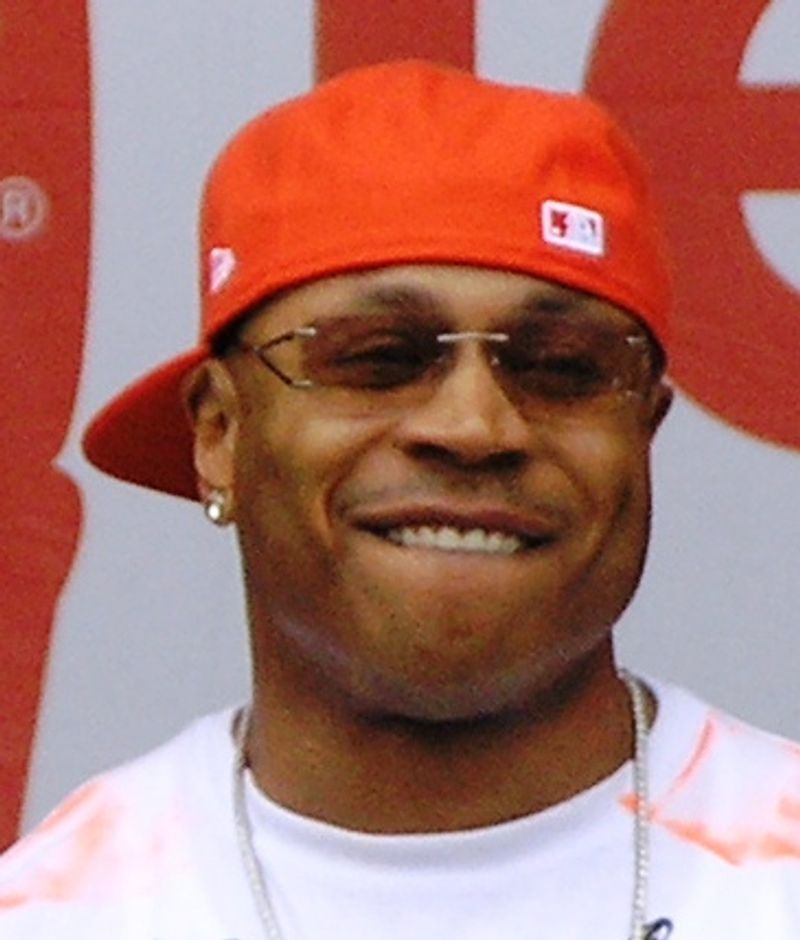
LL Cool J was one of the first rappers to prove that longevity in entertainment was possible. Debuting at just 16 years old with Def Jam Records in 1984, he went on to release hit albums across multiple decades while simultaneously building a parallel career in Hollywood that most musicians could only dream about.
His acting resume includes major film roles and a long-running starring role on the television series NCIS: Los Angeles, which ran for 14 seasons. LL Cool J also hosted the Grammy Awards multiple times, bringing him in front of some of the largest television audiences in music.
These opportunities opened doors to production deals and entrepreneurial ventures.
He founded Rock the Bells, a media and entertainment company focused on classic hip-hop culture, which partnered with SiriusXM to launch a dedicated radio channel. LL Cool J built his empire through consistent reinvention, always finding new ways to stay relevant and profitable across changing entertainment landscapes.
14. Nicki Minaj
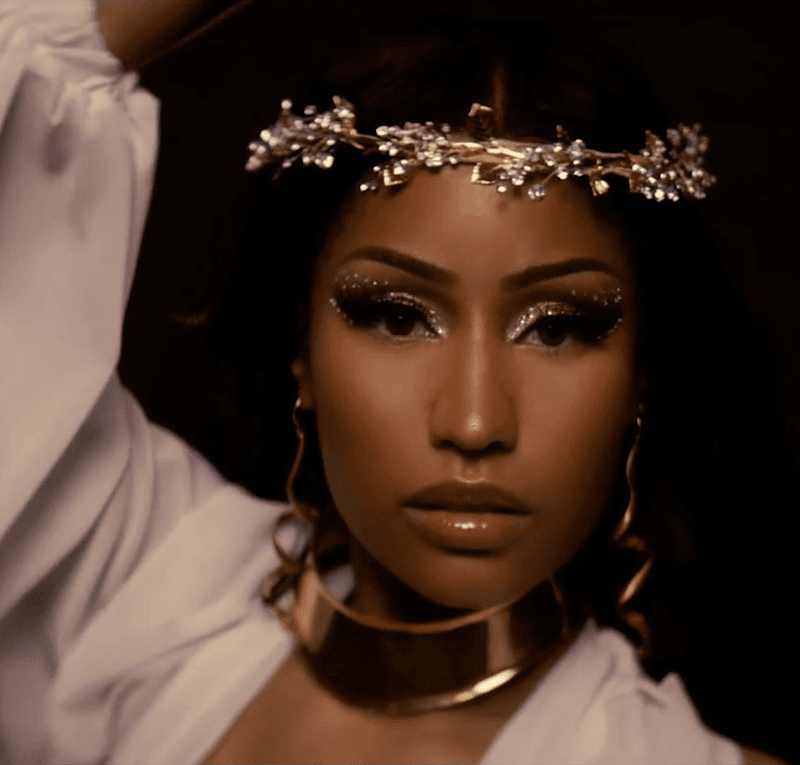
Nicki Minaj rewrote the rules for female rappers in the music industry. When she emerged in the late 2000s, she brought a combination of technical skill, bold fashion, and relentless ambition that quickly made her one of the most commercially successful artists of her generation.
Her debut album Pink Friday sold over a million copies in its first week.
Her business portfolio reflects the same boldness as her music. She launched multiple successful fragrance lines, with perfumes like Pink Friday and Minajesty generating significant retail sales worldwide.
Brand endorsements with companies like Pepsi, MAC Cosmetics, and Adidas added substantial income beyond her music earnings.
Nicki also built a massive merchandising operation and holds significant control over her own brand and likeness. Her Barbie persona became a cultural icon that translates directly into product sales and fan loyalty.
She demonstrated that a female rapper could command the same business power and cultural influence as anyone in the game.
15. Travis Scott
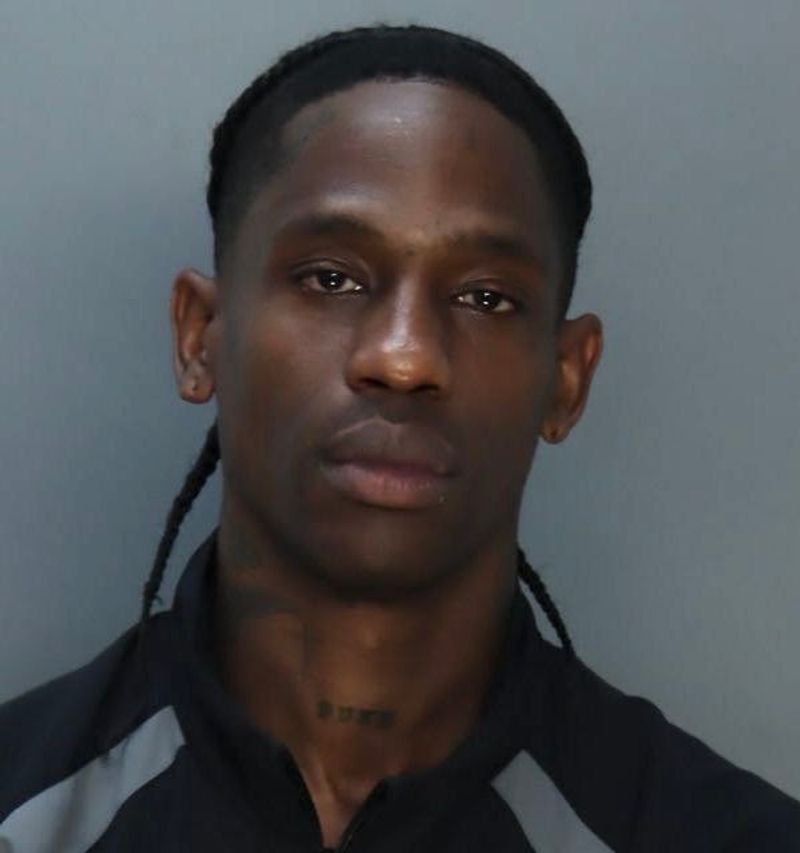
Travis Scott turned his creative persona into a brand that corporations are willing to pay enormous sums to be associated with. His Cactus Jack label and brand identity became so culturally powerful that major global companies started approaching him rather than the other way around.
That kind of leverage is rare for any artist at any age.
His collaboration with Nike and Jordan Brand produced some of the most sought-after sneakers in recent memory, with certain pairs reselling for thousands of dollars on secondary markets. His McDonald’s partnership in 2020, which included a signature meal and merchandise line, reportedly generated over 20 million dollars for the fast food giant and a significant payout for Scott himself.
Travis also launched Cacti hard seltzer with Anheuser-Busch and developed an immersive event called Astroworld Festival that became a major annual destination before its tragic 2021 incident. His business model centers on scarcity, exclusivity, and cultural heat, a formula that consistently works.
Share this story