Fresh air is something most of us take for granted until we move somewhere with smoggy skies and scratchy throats. Across the United States, certain cities stand out for their remarkably clean air, thanks to geography, ocean breezes, low pollution, and strong environmental policies.
From Hawaiian islands to Wyoming plains to New England coastlines, these places prove that breathing easy is still very much possible. Whether you are planning a move or just curious, these 15 cities are worth knowing about.
Honolulu, Hawaii
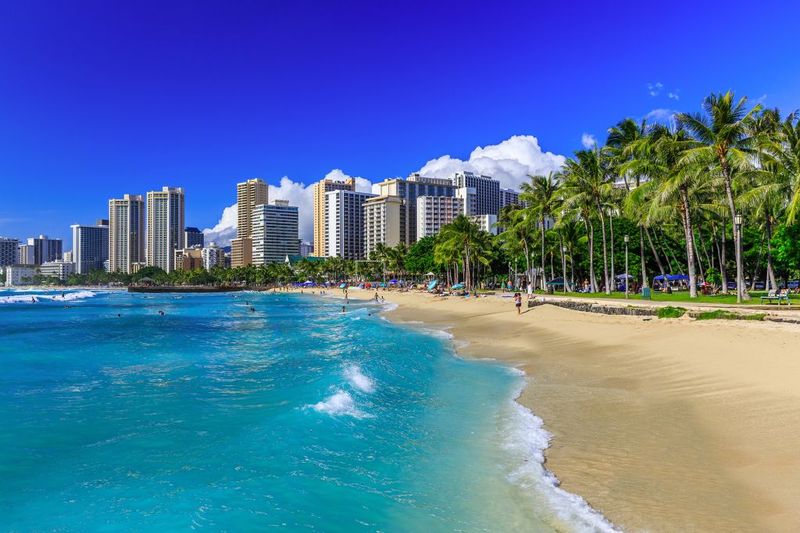
Step outside in Honolulu on any given morning and the air feels almost impossibly fresh. The city’s secret weapon is its steady trade winds, which blow in from the northeast and push away any pollution before it can settle.
Combined with no heavy industry nearby and its island setting surrounded by open ocean, Honolulu has a natural air-cleaning system that most cities can only dream about.
The American Lung Association consistently gives Honolulu top marks for both ozone and fine-particle pollution. In fact, it regularly ranks as one of the cleanest major cities in the entire country.
That is pretty remarkable for a metro area that welcomes millions of tourists every year.
Living here means fewer allergy flare-ups, cleaner lungs, and more days spent outdoors without worrying about air quality alerts. Residents often say the air smells faintly of ocean salt, which is honestly a bonus.
If breathing well is high on your priority list, Honolulu makes a very convincing case for island life.
Kahului-Wailuku-Lahaina, Hawaii
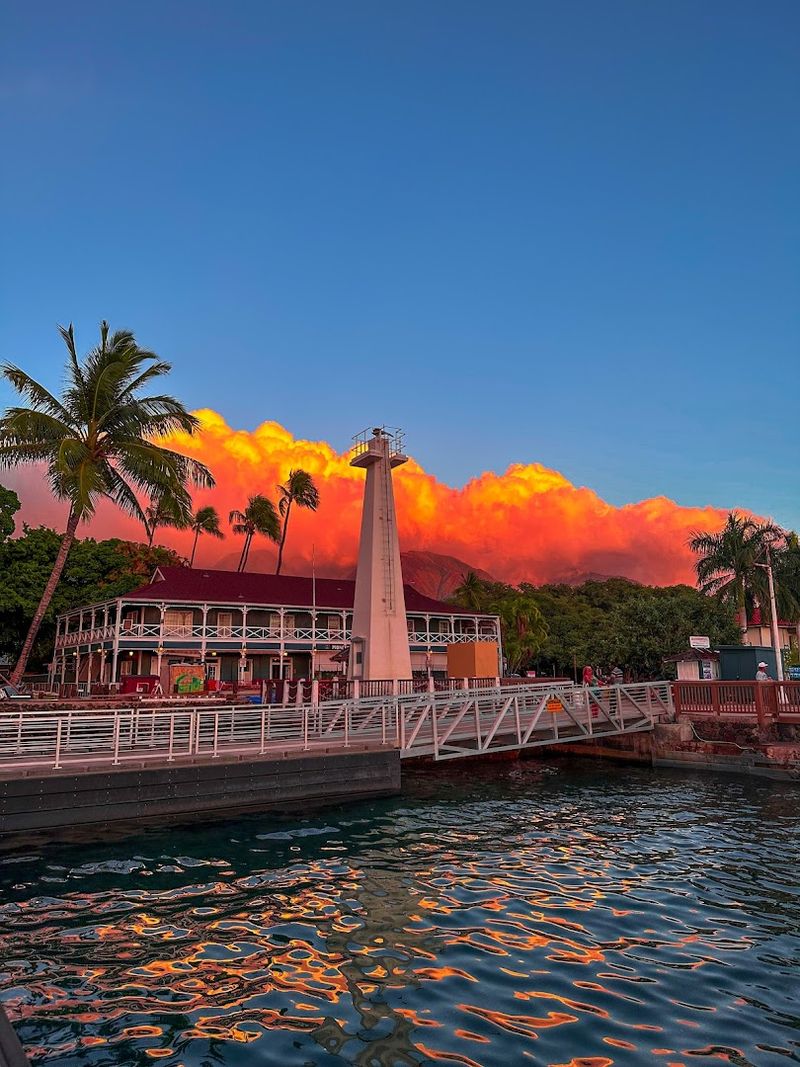
Maui has a reputation for being paradise, and its air quality backs that claim up with hard data. The Kahului-Wailuku-Lahaina region regularly appears at the very top of national clean-air rankings, outperforming hundreds of other metropolitan areas across the country.
Ocean breezes sweep across the island constantly, keeping pollution from building up anywhere for long.
The population here is relatively small compared to most metro areas on the list, which means fewer cars, fewer factories, and fewer emissions overall. That lower density makes a huge difference when it comes to keeping the air clean day after day.
Nature does the rest, with mountains and ocean working together to ventilate the island naturally.
Visitors often comment that they notice the difference the moment they step off the plane. The air feels lighter and cleaner than what most mainlanders are used to breathing.
For people with asthma or respiratory sensitivities, Maui can feel like a genuine relief. It is no surprise that many people who visit end up wondering how they can make the move permanent.
Casper, Wyoming

Wyoming is not exactly famous for its city life, but Casper punches well above its weight when it comes to air quality. Sitting on the North Platte River with open plains stretching in every direction, the city benefits from strong, consistent winds that sweep pollutants away before they can accumulate.
There is simply nowhere for bad air to hide out here.
Heavy industry is limited in the Casper area, which removes one of the biggest contributors to poor air quality right from the equation. The sparse population also means fewer vehicles on the road compared to larger cities.
These factors combine to give Casper some of the cleanest air readings in the entire nation, year after year.
Outdoor enthusiasts love Casper for exactly this reason. Hiking, cycling, and camping all feel better when the air you are breathing is genuinely clean.
Casper also sits at around 5,100 feet elevation, meaning the air has a crisp, thin quality that many people find refreshing. If wide-open spaces and clear skies sound appealing, Casper delivers both without much fuss.
Cheyenne, Wyoming
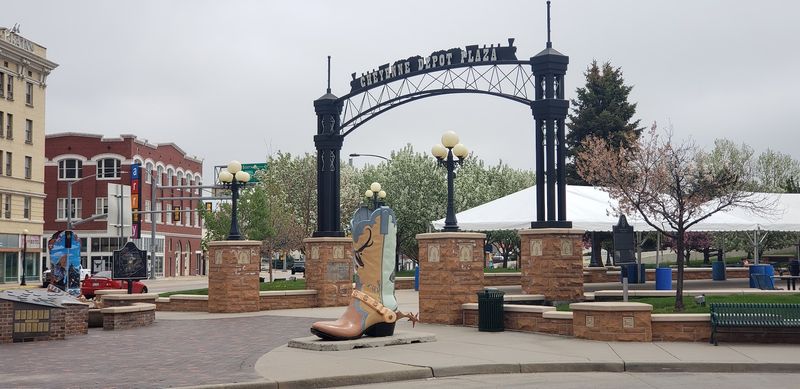
Wyoming’s capital city has a lot going for it beyond government buildings and rodeos. Cheyenne consistently scores among the best cities in the nation for low fine-particle pollution, which is the type of tiny airborne debris most linked to lung disease and heart problems.
The wide-open plains surrounding the city act like a giant ventilation system, constantly refreshing the air with clean gusts.
At roughly 6,000 feet above sea level, Cheyenne sits high enough that the air naturally has fewer dense pollutants settling into it. Steady winds from the west help carry away any emissions from traffic or local industry before they can pile up.
It is a fortunate combination of altitude, geography, and relatively low population density all working together.
Residents here tend to be active outdoors people, and clean air makes that lifestyle much more enjoyable and sustainable. Whether it is running along the Greenway trail system or simply sitting on a front porch, breathing in Cheyenne feels noticeably good.
The city also invests in green initiatives, showing that the commitment to clean air is intentional, not just accidental geography.
Bangor, Maine
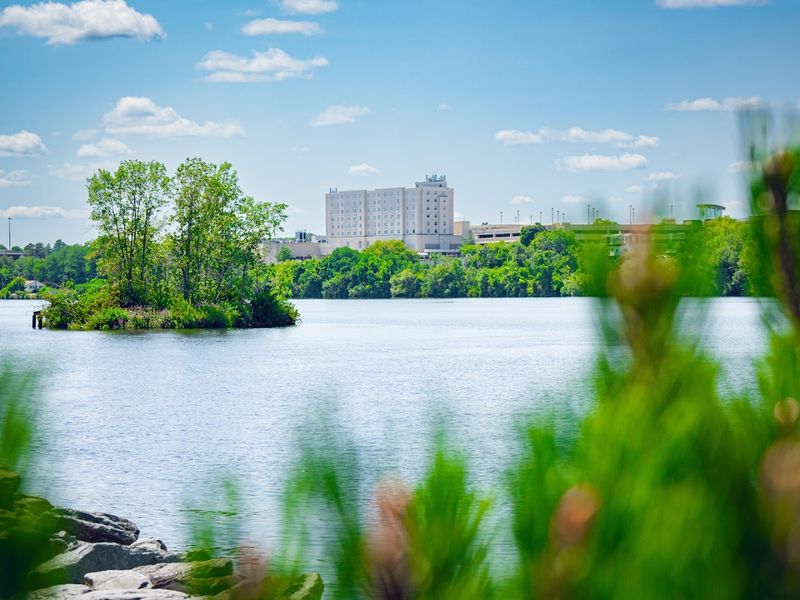
Tucked away in the forests of central Maine, Bangor has a quiet charm that goes beyond lobster rolls and Stephen King references. The city is surrounded by millions of acres of trees, which act as natural air filters, absorbing carbon dioxide and releasing clean oxygen constantly.
Far from major industrial corridors, Bangor rarely deals with the kind of pollution that plagues larger northeastern cities.
The Penobscot River runs right through the city, adding a sense of freshness that residents genuinely notice. Air quality monitors in the region consistently show low levels of both ozone and particle pollution, making Bangor one of the cleanest cities in the entire eastern United States.
That is a meaningful distinction given how densely populated and industrialized much of the East Coast tends to be.
Winters in Bangor are serious, but the cold also helps keep pollution levels down by reducing certain chemical reactions in the atmosphere. Summers are mild and breezy, making outdoor activities genuinely pleasant.
People who move here from bigger cities often say the first thing they notice is how much easier it feels to breathe. That kind of improvement is hard to put a price on.
Bellingham, Washington
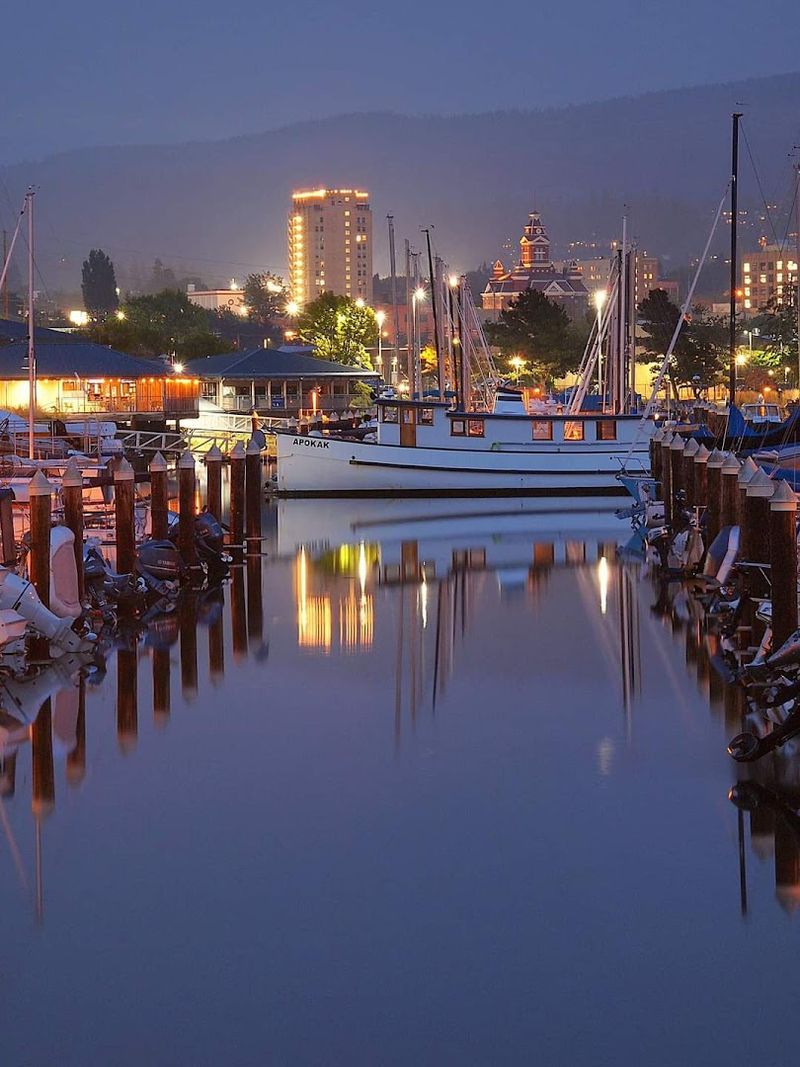
Sandwiched between Puget Sound and the Cascade Mountains, Bellingham has geography working overtime on its behalf. Marine air flows in from the west while the mountains block pollution from drifting in from the east.
The result is a city that consistently earns high marks from the American Lung Association for clean air across multiple categories.
Bellingham is also home to Western Washington University and a community that takes environmental issues seriously. Local policies push for cleaner transportation and lower emissions, so the good air quality here is not purely a lucky accident.
Residents actively work to keep it that way, which makes the clean-air reputation feel earned rather than inherited.
The city sits about 90 miles north of Seattle, close enough for a day trip but far enough to avoid the metro area’s traffic and pollution. Farmers markets, bike trails, and waterfront parks all benefit from the fresh air that defines daily life here.
Visitors often describe Bellingham as feeling unusually alive and energizing, and the clean air is a big part of why. It is the kind of place where even a simple walk outside feels genuinely restorative.
Wilmington, North Carolina
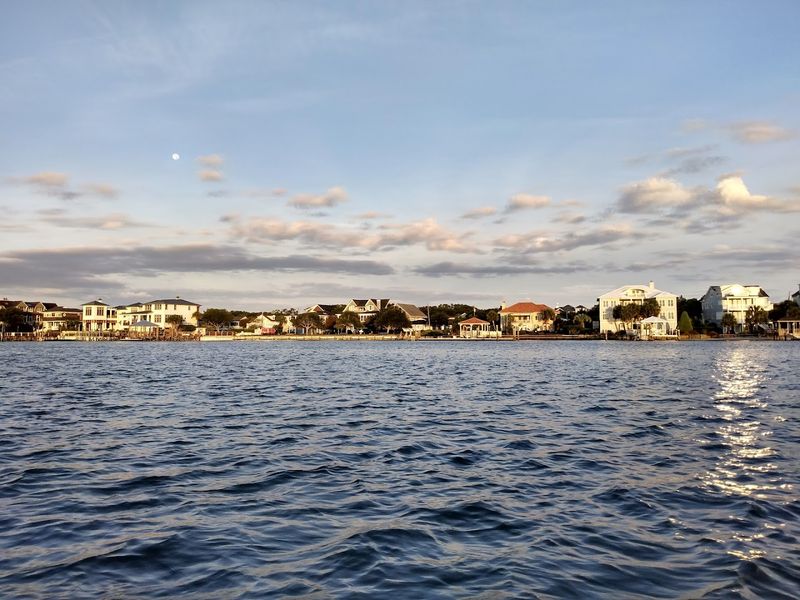
Most people think of Wilmington as a beach town, and they are not wrong, but its clean air story deserves equal attention. Situated near the Atlantic coast, the city benefits from consistent sea breezes that sweep in from the ocean and push away pollutants before they can linger.
That coastal airflow is one of the most effective natural air-cleaning mechanisms there is.
Wilmington has also invested in environmental initiatives that go beyond just enjoying its natural advantages. The city has worked to expand green spaces, reduce industrial emissions, and promote cleaner transportation options.
These efforts show up clearly in the air quality data, where Wilmington regularly outperforms much of the Southeast.
Summers here are warm and humid, but the coastal breeze takes the edge off and keeps the air moving. Residents love the outdoor lifestyle that clean air supports, from kayaking on the Cape Fear River to cycling along the Riverwalk.
The combination of natural beauty and genuinely breathable air makes Wilmington an underrated gem for anyone thinking about relocating to the South. It offers beach-town vibes with air quality that rivals much cooler climates up north.
Bismarck, North Dakota
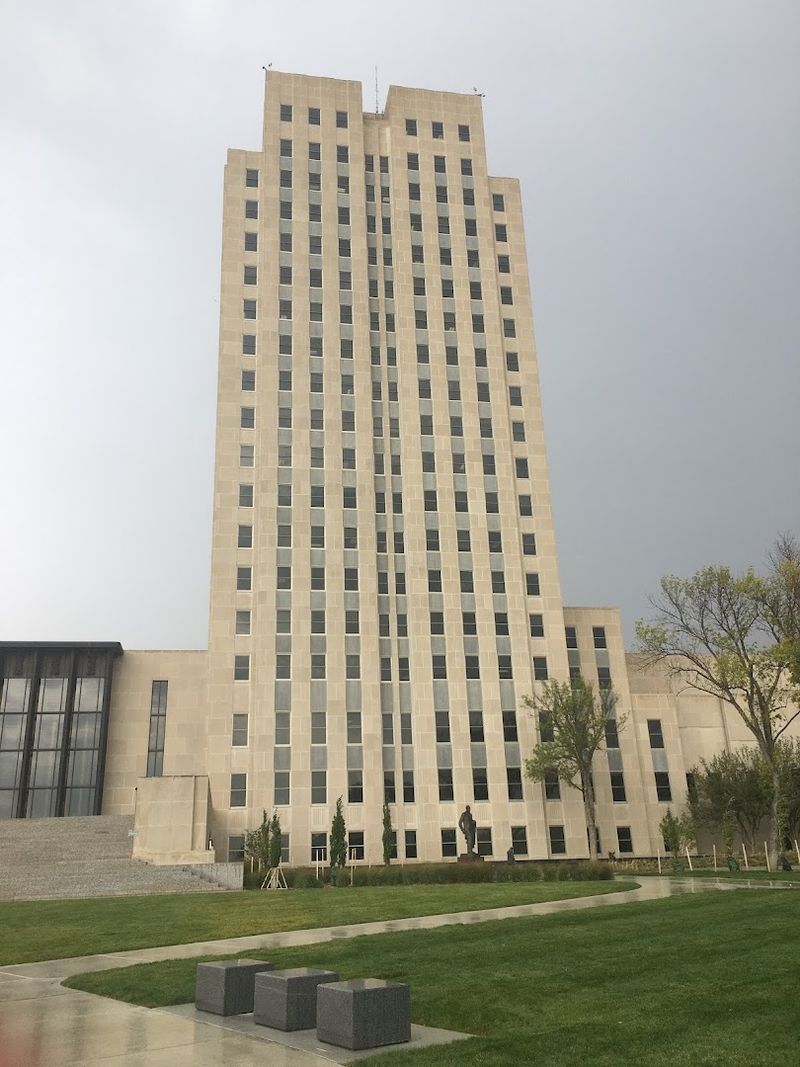
North Dakota does not get nearly enough credit for the quality of its environment, and Bismarck is a prime example of what gets overlooked. The state capital sits on the Missouri River surrounded by sweeping prairies, and traffic here is nothing close to what you would find in a major metro area.
Fewer cars means fewer emissions, and that math shows up directly in the air quality numbers.
Green space is abundant in Bismarck, with parks and natural areas woven throughout the city. The surrounding prairie also helps, since open land allows wind to move freely and disperse any local pollution quickly.
There are no massive industrial complexes choking the air here, and residents benefit from that absence every single day.
Winters are genuinely cold in Bismarck, but cold air is often cleaner air, since low temperatures reduce the chemical reactions that create ground-level ozone. Spring and summer bring mild, breezy conditions that are ideal for outdoor activities like hiking, fishing, and exploring the natural landscape.
People who live here often brag about being able to see for miles on a clear day, which is only possible when the air is truly clean.
Duluth, Minnesota
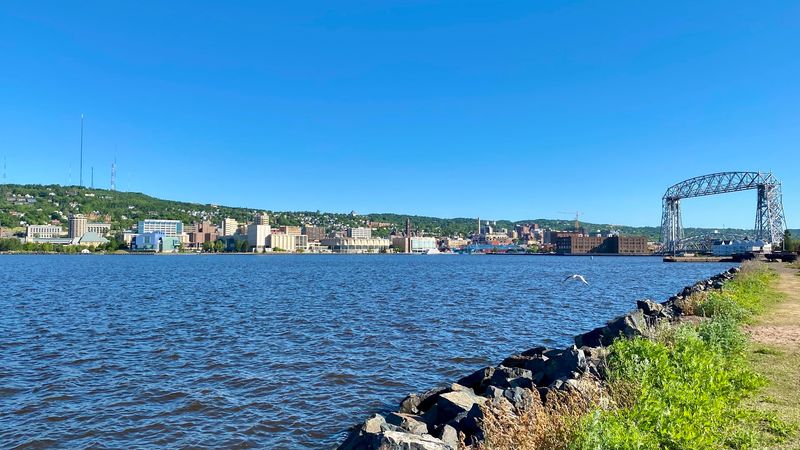
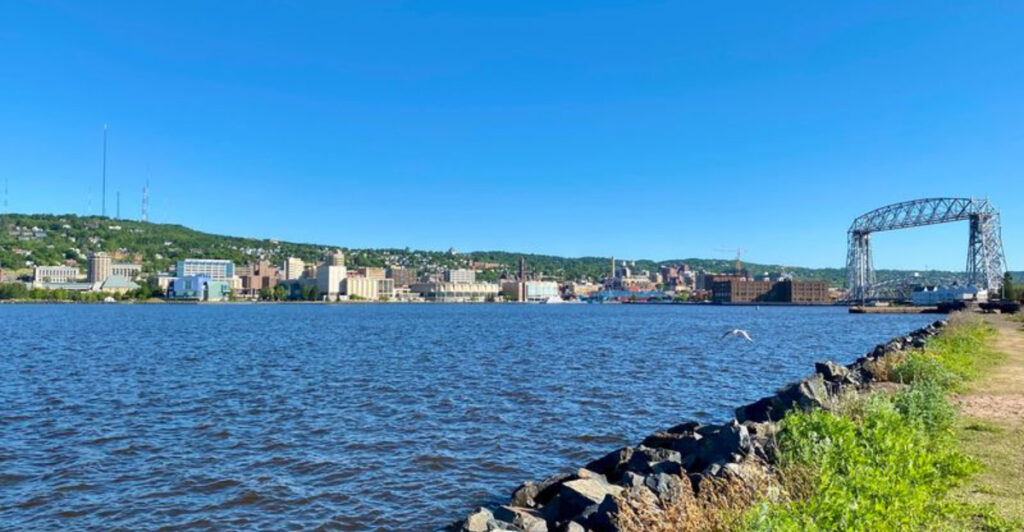
Perched on the western tip of Lake Superior, Duluth has one of the most dramatic settings of any city in the Midwest. The lake is so enormous it creates its own weather patterns, pushing cool, clean air over the city on a regular basis.
That constant lake breeze is one of the main reasons Duluth consistently records low levels of air pollution compared to other metropolitan areas.
The city has also moved away from the heavy industrial activity that once defined the region. While Duluth has a history tied to steel and shipping, modern environmental standards and cleaner industries have helped transform its air quality significantly over the past few decades.
That kind of improvement shows what is possible when communities commit to doing better.
Duluth’s outdoor scene is legendary among nature lovers. The Superior Hiking Trail, waterfalls, and stunning lake views all become even more enjoyable when the air quality is genuinely excellent.
Residents here tend to spend a lot of time outside, and clean air makes that not just pleasant but genuinely healthy. For anyone who loves rugged natural beauty paired with surprisingly clean urban air, Duluth is hard to beat.
Augusta-Richmond County, Georgia-South Carolina
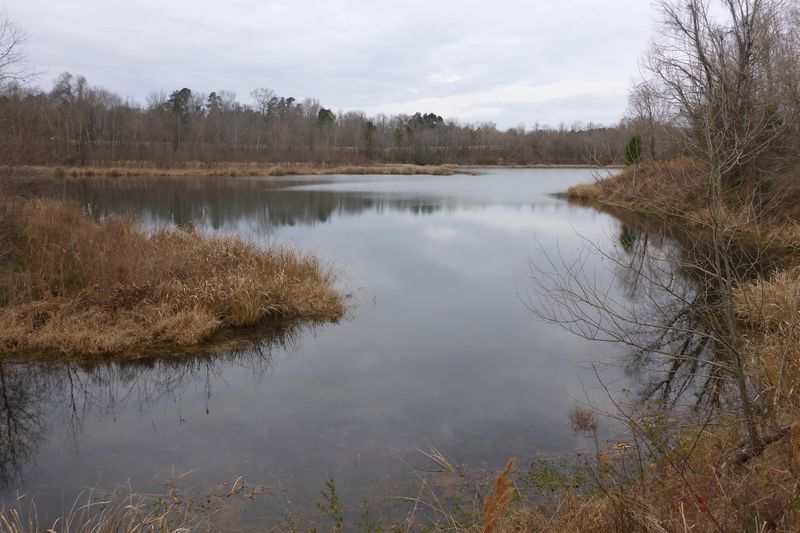
Augusta is best known for hosting the Masters golf tournament, but there is another title it holds that gets far less fanfare: one of the cleanest cities in America for year-round particle pollution. The metro area, which straddles the Georgia and South Carolina border along the Savannah River, consistently earns high marks in national air quality rankings.
That is an impressive achievement for a Southern city with a warm, humid climate.
The region benefits from relatively low industrial density and abundant tree cover, which helps absorb pollutants and regulate air quality naturally. Augusta also sits far enough from major highway corridors that heavy truck traffic is not a constant source of emissions the way it is in larger cities.
These factors add up to cleaner air than most people would expect from a metro area of its size.
Golf fans who visit for the Masters often comment on how pleasant the air feels during tournament week in April. That is no coincidence.
The combination of spring breezes, green fairways, and genuinely low pollution levels creates an outdoor experience that is hard to replicate. Augusta proves that the American South can absolutely compete with the coasts when it comes to breathing clean air.
Brunswick-St. Simons, Georgia
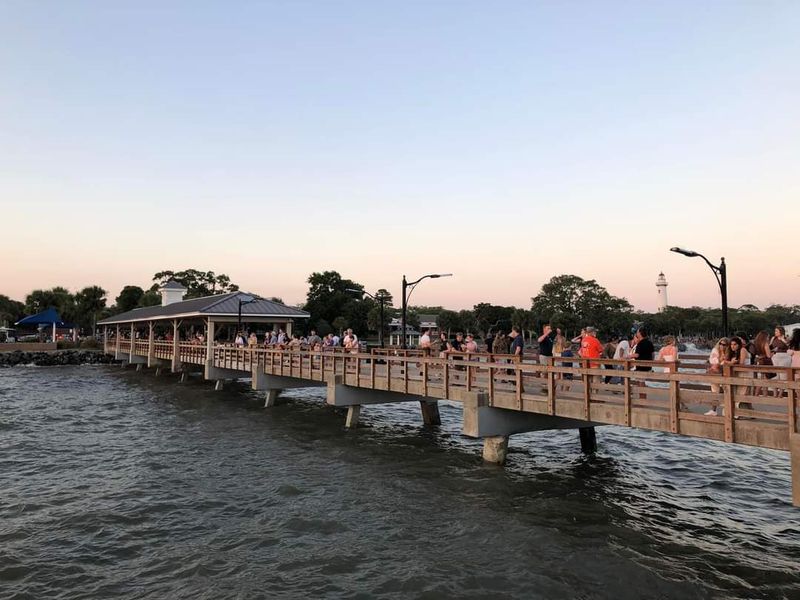
Georgia’s Golden Isles region is one of the most underrated coastal destinations in the country, and its air quality is part of what makes it special. Brunswick and St. Simons Island sit along the Atlantic coast where maritime breezes roll in consistently, keeping the air clean and refreshing throughout most of the year.
The surrounding salt marshes also play a role, acting as natural buffers that filter and purify the local atmosphere.
The population here is modest, which keeps vehicle emissions and urban pollution at manageable levels. There is no major industrial hub nearby pumping pollutants into the sky, and local environmental efforts have helped protect the coastal ecosystem that makes clean air possible in the first place.
The result is air quality data that regularly places this region among the best in the Southeast.
Spending time in Brunswick feels different from visiting a bigger city. The pace is slower, the surroundings are greener, and the air carries a faint salt tang that reminds you the ocean is never far away.
Whether you are kayaking through the marshes or just sitting on a dock watching pelicans fly by, the clean air here makes every outdoor moment feel like a genuine luxury.
Anchorage, Alaska
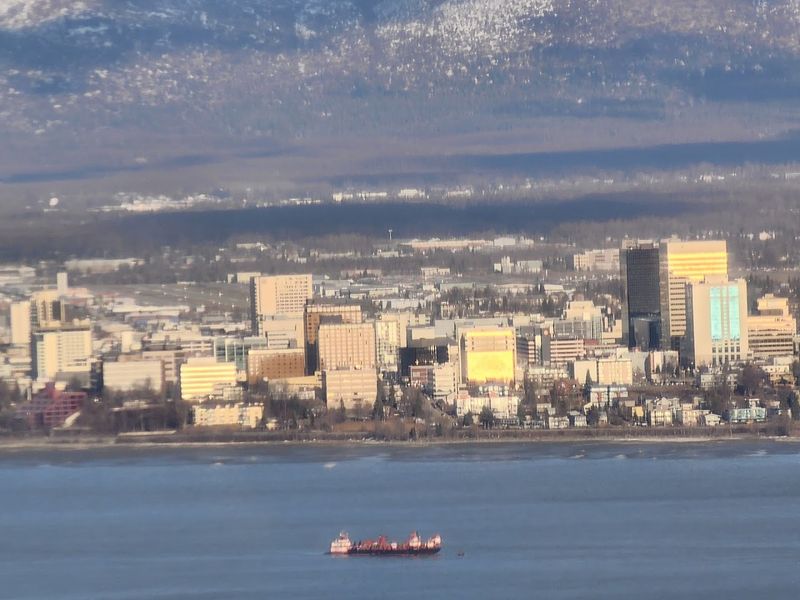
There is something almost unfair about Anchorage’s natural setting. The city sits at the foot of the Chugach Mountains with Cook Inlet stretching out to the west, and on a clear day the scenery looks almost too beautiful to be real.
All that wild, open nature also happens to produce some genuinely excellent air quality, making Anchorage one of the cleanest cities in the entire country.
The remote location means Anchorage is far from the industrial zones and dense traffic networks that drag down air quality in most American cities. Population density is low, and the surrounding wilderness acts as a massive natural filter.
Winter temperature inversions can occasionally trap some pollution near the surface, but for most of the year the air here is remarkably clean.
Moose wander through neighborhoods, bald eagles circle overhead, and residents ski or hike on trails that start practically at the city’s edge. All of this outdoor activity is made more enjoyable by air that consistently ranks among the purest available anywhere in the lower 48 or beyond.
Moving to Anchorage requires adjusting to long winters and big wildlife, but the payoff in air quality and natural beauty is genuinely hard to argue with.
Portland, Maine
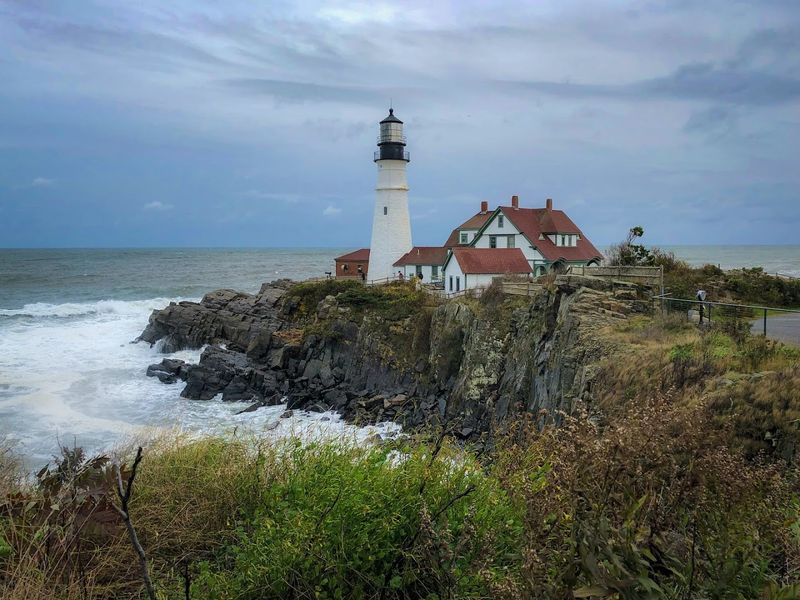
Portland, Maine has been having a serious moment lately, with food writers, travel bloggers, and remote workers all discovering what locals have known for years: this city is genuinely wonderful. Beyond the lobster rolls and craft breweries, Portland offers something that many trendy cities fail to deliver, which is clean, fresh air blowing in off the Atlantic Ocean every single day.
The city is small enough that traffic emissions stay relatively low, and its coastal position means ocean breezes constantly push through, refreshing the atmosphere before pollution can settle. Surrounded by Casco Bay and bordered by forests to the north and west, Portland has natural air quality advantages that larger northeastern cities simply do not have.
The American Lung Association has consistently recognized Portland for low levels of both ozone and particle pollution, which is particularly impressive given its location in the northeastern United States where older infrastructure and heavy winters can sometimes create air quality challenges. Residents here tend to be outdoorsy, health-conscious types who appreciate what clean air means for their daily lives.
Hiking along the Eastern Promenade or kayaking in Casco Bay hits differently when the air you are breathing is genuinely clean.
Santa Fe, New Mexico
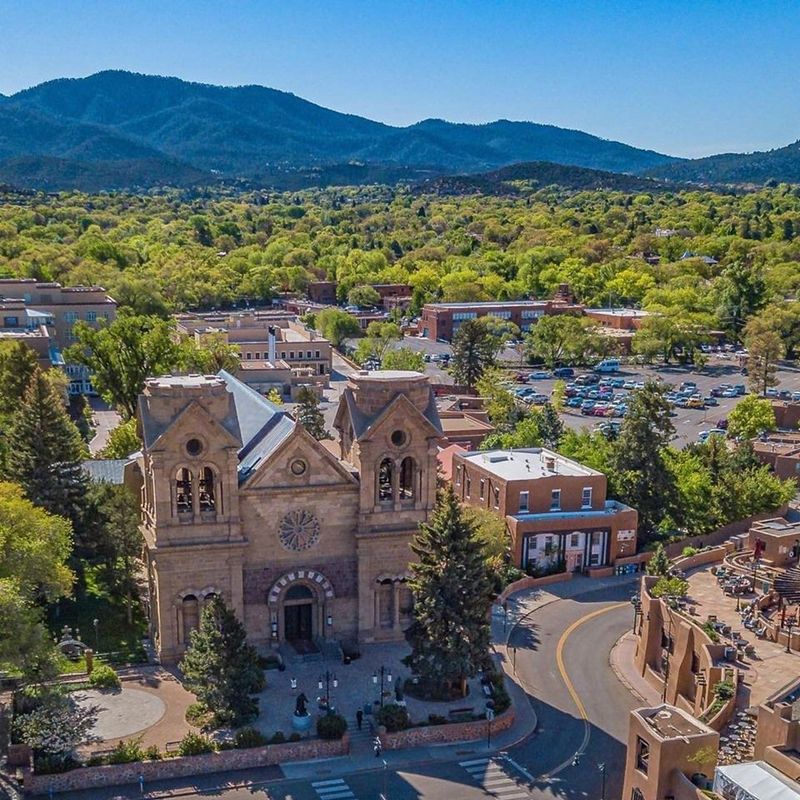
At 7,000 feet above sea level, Santa Fe breathes differently from most American cities, literally. The high elevation means thinner air, yes, but also air that is far less likely to trap ground-level ozone and fine particles the way lower-altitude cities do.
Combined with limited industrial activity and a relatively small population, Santa Fe consistently earns high marks for air quality in national rankings.
The city is famous for its art scene, adobe architecture, and green chile, but its clean air deserves a spot on that list too. The Sangre de Cristo Mountains rise dramatically to the east, creating a stunning backdrop while also helping channel clean, dry air across the high desert plateau.
Low humidity and abundant sunshine mean pollutants break down faster here than in humid, cloudy climates.
Outdoor living is practically a religion in Santa Fe, and clean air makes it sustainable. Hiking in the Santa Fe National Forest, cycling along the river trail, or simply sitting in the Plaza feels genuinely restorative.
Artists and wellness seekers have been drawn here for decades, and the quality of the air is part of the attraction even if people do not always name it directly. Santa Fe earns its reputation every single breath.
Burlington, Vermont
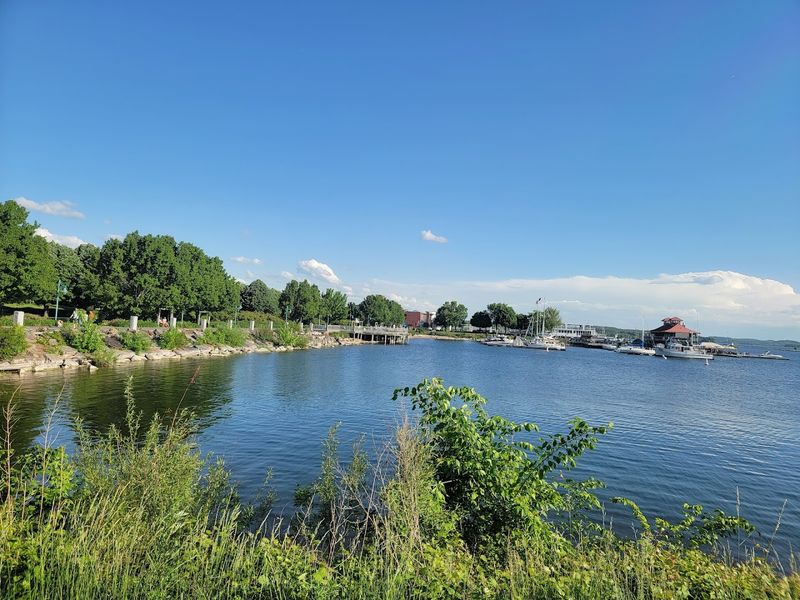
Vermont takes its environmental reputation seriously, and Burlington is the city that best demonstrates what that commitment looks like in practice. As the state’s largest city, Burlington has invested heavily in renewable energy, green building standards, and public transit, helping it achieve remarkably low emissions for an urban area.
The results show up clearly in the air quality data year after year.
Sitting on the eastern shore of Lake Champlain with the Green Mountains rising behind it, Burlington enjoys a natural setting that actively supports clean air. Lake breezes keep the atmosphere moving, while the surrounding forests absorb carbon and filter pollutants.
The city has actually run on nearly 100 percent renewable electricity for extended periods, a milestone that directly benefits local air quality.
Walking Church Street on a crisp autumn morning, with the smell of maple leaves and lake air mixing together, is the kind of sensory experience that makes Burlington feel genuinely special. The farmer’s market, bike paths, and waterfront parks are all better enjoyed because the air here is legitimately clean.
Burlington proves that a city does not have to be tiny or remote to have excellent air quality. Smart policy and natural geography can work together to create something worth breathing in.
Share this story