 Unearth The Voyage
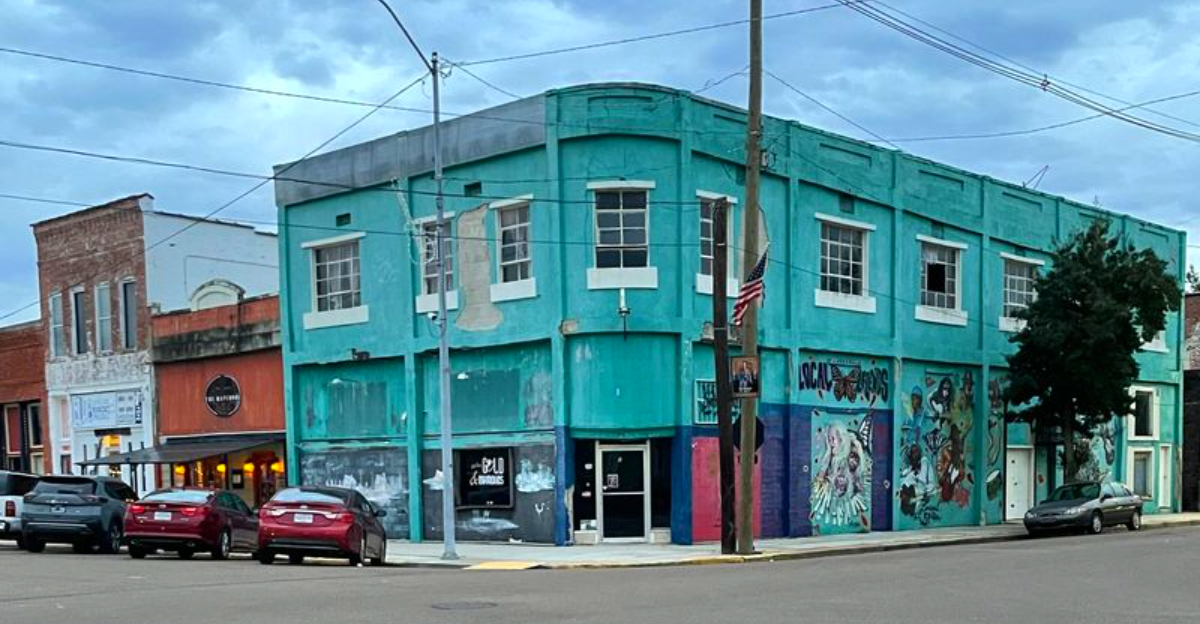
America’s landscape is dotted with towns that once buzzed with activity and promise. Factories hummed, main streets bustled, and families built their futures on steady jobs and strong communities. But time, economic shifts, and unexpected disasters changed everything for many of these places, leaving behind empty buildings and fading memories of better days.
1. Centralia, Pennsylvania
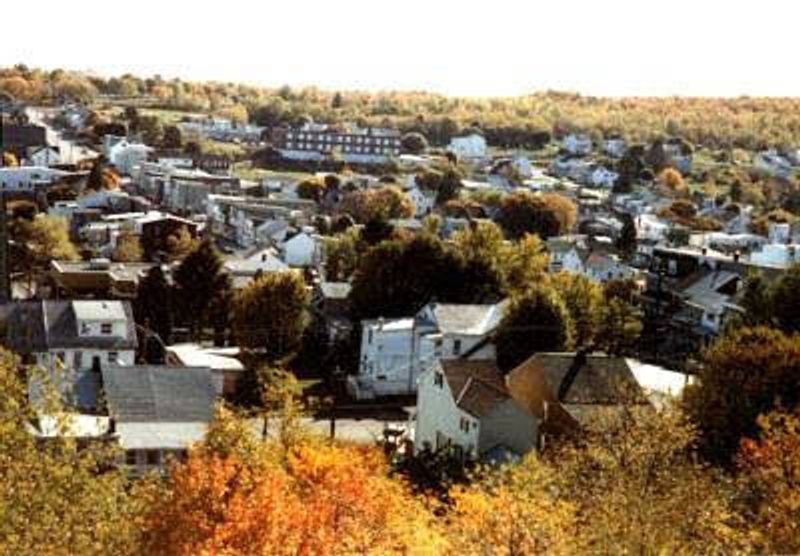
An underground inferno has been burning beneath this small Pennsylvania town since 1962, turning what was once a thriving coal mining community into an eerie ghost town. The fire started in an abandoned mine and spread through the interconnected coal seams below the surface. Toxic gases seeped into homes, the ground became dangerously hot, and sinkholes opened without warning.
By the 1980s, the government began relocating residents for their safety. Most people took buyouts and left, though a handful refused to abandon their homes. Today, fewer than ten people remain in a town that once housed over a thousand.
Graffiti-covered highways and crumbling foundations mark where neighborhoods stood. The fire still burns and could continue for another 250 years. Centralia stands as a haunting reminder of how quickly prosperity can vanish when disaster strikes underground.
2. Gary, Indiana
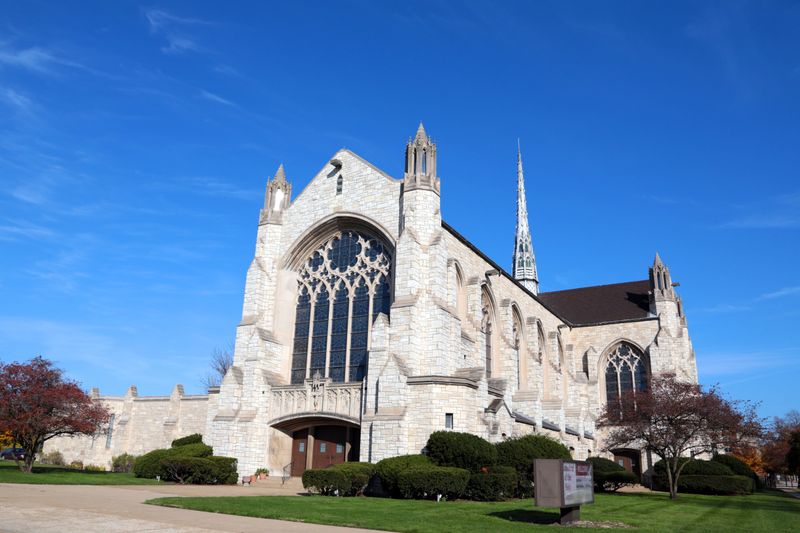
Founded in 1906 by U.S. Steel, this lakefront city was built specifically to house workers for the massive steel mills that would make it an industrial powerhouse. For decades, Gary represented the American Dream, with good-paying factory jobs attracting workers from across the country. The city’s population peaked at over 170,000 in the 1960s.
But foreign competition and automation decimated the steel industry starting in the 1970s. Mills closed, jobs disappeared, and residents fled in search of work elsewhere. The population plummeted, taking the tax base with it.
Today, Gary struggles with abandoned buildings, high crime rates, and poverty. Entire neighborhoods sit empty, with nature reclaiming streets and homes. Though some revitalization efforts continue, the city remains a fraction of its former glory, with fewer than 70,000 residents calling it home.
3. Cairo, Illinois
Positioned at the meeting point of the Mississippi and Ohio rivers, Cairo once seemed destined for greatness as a major transportation and trade hub. In the 1800s and early 1900s, riverboats stopped regularly, businesses flourished, and elegant buildings lined the streets. The strategic location made it a vital Civil War supply point.
Economic decline began when river traffic decreased and railroads bypassed the town. Racial violence in the 1960s and 1970s drove many residents away, both Black and white families seeking safer communities. Flooding threats and limited job opportunities accelerated the exodus.
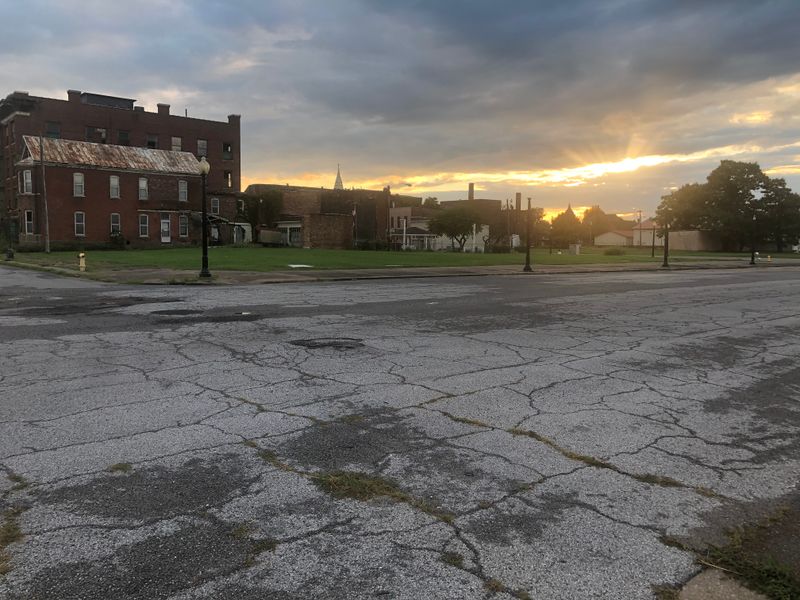
From a peak population of 15,000, Cairo now has fewer than 2,000 residents. Entire blocks stand vacant, historic buildings crumble, and the downtown area looks frozen in time. The town that once held so much promise now struggles to maintain basic services.
4. Flint, Michigan
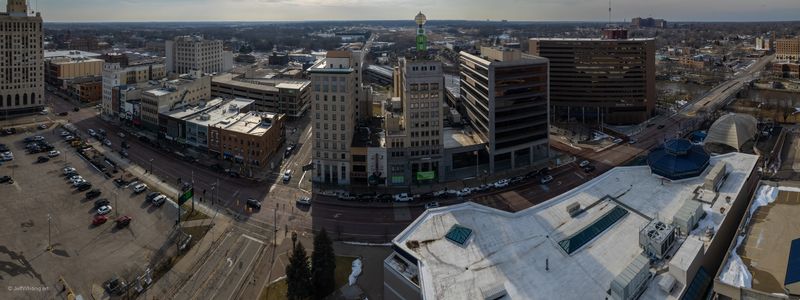
As the birthplace of General Motors, Flint rode high on automotive prosperity for most of the 20th century. Factory jobs were plentiful, wages were good, and the city’s population swelled to nearly 200,000. Families built comfortable middle-class lives assembling cars and trucks.
Then came the closures. GM moved operations elsewhere, leaving tens of thousands jobless. The city’s economy collapsed, poverty skyrocketed, and population dropped below 100,000.
The 2014 water crisis became the final blow to Flint’s reputation. When officials switched the water source to save money, lead leached from old pipes into drinking water, poisoning residents. Children suffered developmental damage, trust in government evaporated, and the city became synonymous with environmental injustice. Though recovery efforts continue, Flint still bears deep scars from decades of economic devastation and the water catastrophe that made international headlines.
5. Detroit, Michigan (certain neighborhoods)
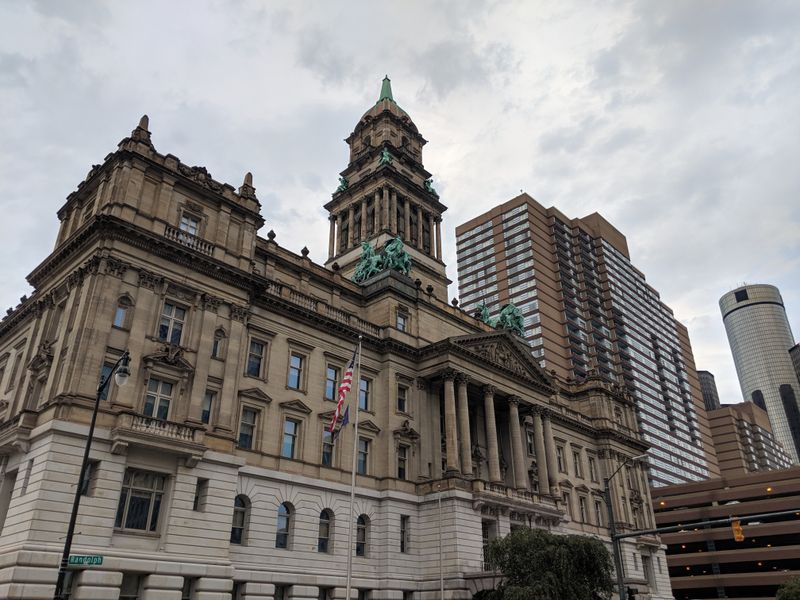
While downtown Detroit has seen genuine revival in recent years, large swaths of the city remain trapped in decline. These neighborhoods tell a different story than the shiny new developments featured in comeback articles. Entire blocks sit abandoned, with houses stripped of copper and anything valuable.
Detroit’s automotive glory days employed hundreds of thousands in well-paying factory jobs. When automation and foreign competition hit, the jobs vanished. The city’s population crashed from 1.8 million in 1950 to under 650,000 today.
Many neighborhoods never recovered from the decades of disinvestment. Arson, demolition, and neglect created urban prairies where homes once stood. Residents who remain often lack nearby grocery stores, healthcare, and reliable city services. Though parts of Detroit are genuinely improving, vast areas continue struggling with the aftermath of industrial collapse, reminding visitors that recovery remains uneven and incomplete.
6. Picher, Oklahoma
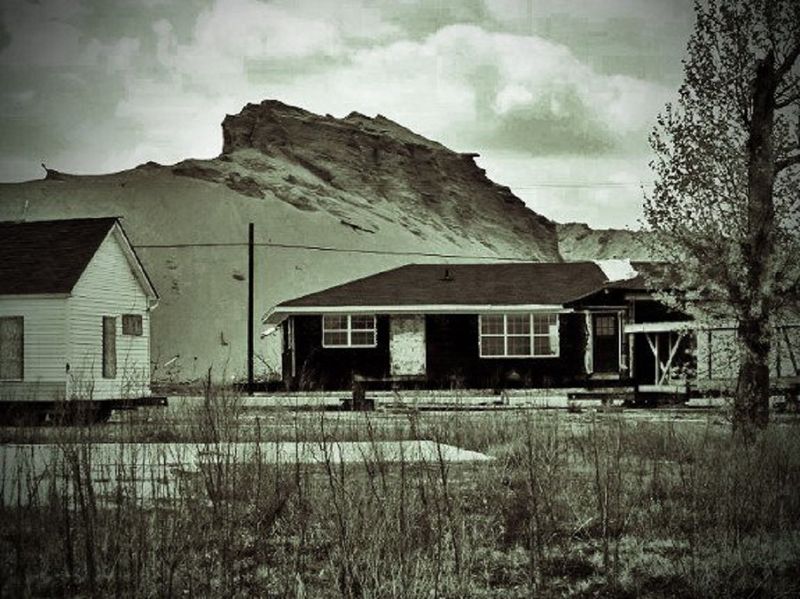
Lead and zinc mining created Picher and ultimately destroyed it. For decades, this northeastern Oklahoma town boomed as miners extracted valuable ore. At its peak in the 1920s, Picher was a bustling community with schools, shops, and thousands of residents.
But mining left behind catastrophic environmental damage. Enormous piles of toxic mining waste called chat piles towered over the town. Underground tunnels destabilized the ground, causing buildings to sink. Lead contamination poisoned the soil, water, and air.
Children showed elevated lead levels in their blood. Sinkholes opened unexpectedly. A 2008 tornado dealt the final blow to the already struggling community. The government declared Picher uninhabitable and began buying out residents. Today, the town is completely abandoned, with only toxic waste and crumbling buildings remaining. Picher serves as a stark warning about the long-term costs of resource extraction without environmental protection.
7. Bodie, California
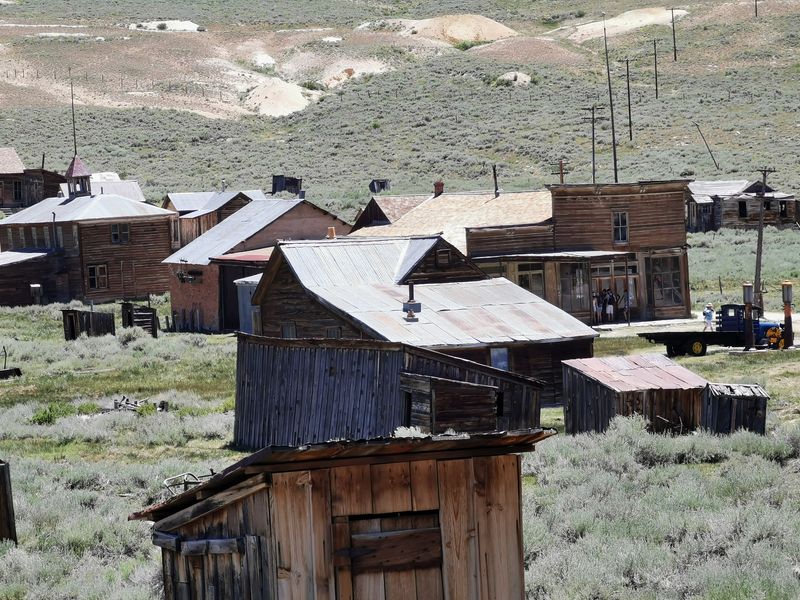
Gold fever transformed Bodie from a remote mountainous area into a wild boomtown almost overnight. By 1880, nearly 10,000 people lived in this high-altitude community, with dozens of saloons, dance halls, and businesses operating around the clock. Miners pulled millions of dollars worth of gold from the surrounding hills.
But gold deposits don’t last forever. As the ore played out, residents moved on to the next opportunity. Fires destroyed parts of town, harsh winters made life difficult, and by the 1940s, Bodie was essentially abandoned.
Today, Bodie exists in a state of arrested decay as a California State Historic Park. About 200 buildings remain, preserved exactly as they were left. Visitors can peer through windows at furnished homes frozen in time. Unlike many ghost towns, Bodie hasn’t been restored or prettied up. It stands as an authentic reminder of boom-and-bust mining culture.
8. East St. Louis, Illinois

Just across the Mississippi River from St. Louis, this Illinois city once thrived on meatpacking, manufacturing, and railroad industries. In the early 1900s, East St. Louis was a prosperous working-class community with steady employment and growing neighborhoods. The population peaked around 82,000 in the 1950s.
Industrial decline hit hard when factories closed and jobs disappeared. White flight and racial tensions accelerated the city’s downward spiral. Tax revenue plummeted, making it impossible to maintain infrastructure or provide adequate services.
Today, East St. Louis ranks among America’s poorest and most dangerous cities. The population has dropped below 20,000. Entire blocks are abandoned, buildings collapse from neglect, and basic services struggle. Crime rates remain stubbornly high. The city that once represented industrial opportunity now symbolizes what happens when economic foundations crumble and disinvestment becomes a self-perpetuating cycle of decline.
9. Youngstown, Ohio
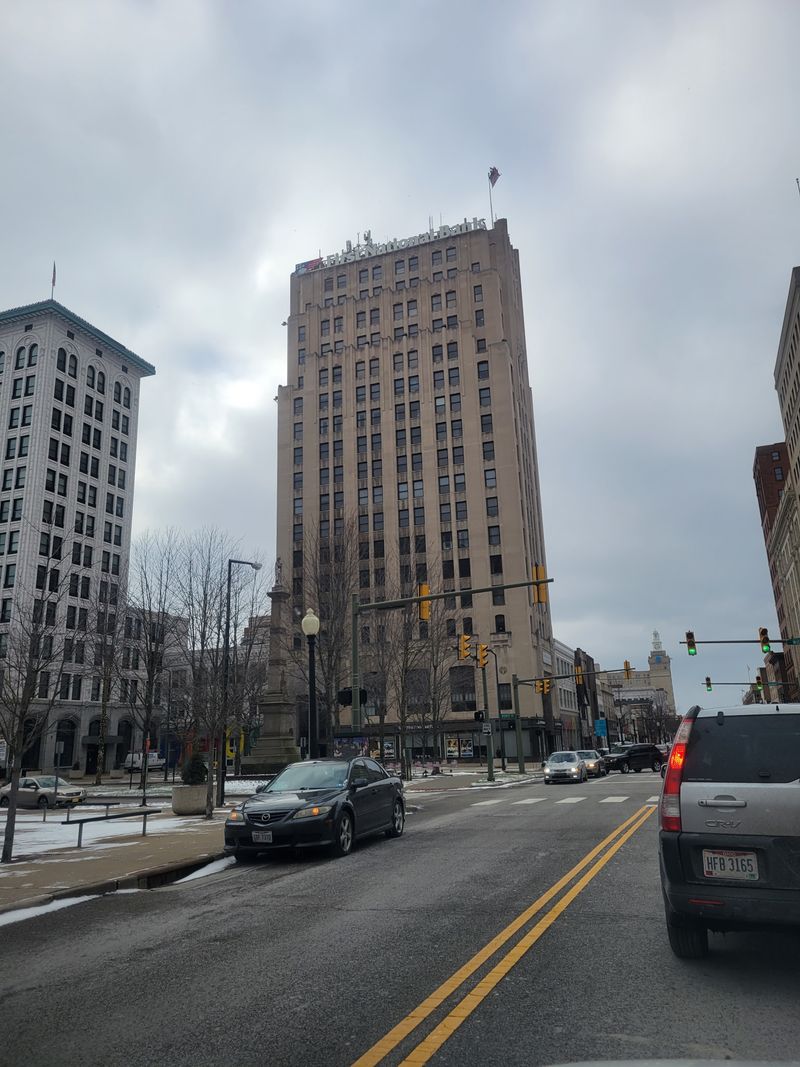
Steel built Youngstown into a powerhouse of American manufacturing. Mills operated around the clock, employing tens of thousands in good-paying union jobs. The city’s population exceeded 170,000, with thriving neighborhoods surrounding the massive industrial facilities that defined the skyline and economy.
Then came Black Monday. On September 19, 1977, Youngstown Sheet and Tube announced it was closing, eliminating 5,000 jobs instantly. Other mills followed, creating an economic catastrophe. Within a few years, 50,000 jobs vanished.
The city’s population plummeted to under 65,000. Entire neighborhoods emptied as families moved away seeking work. Downtown businesses closed, tax revenue collapsed, and crime increased. Though Youngstown has attempted various revitalization strategies, including demolishing thousands of abandoned structures, it remains a shadow of its industrial glory days. The city represents the devastating human cost when a single industry disappears.
10. Weirton, West Virginia
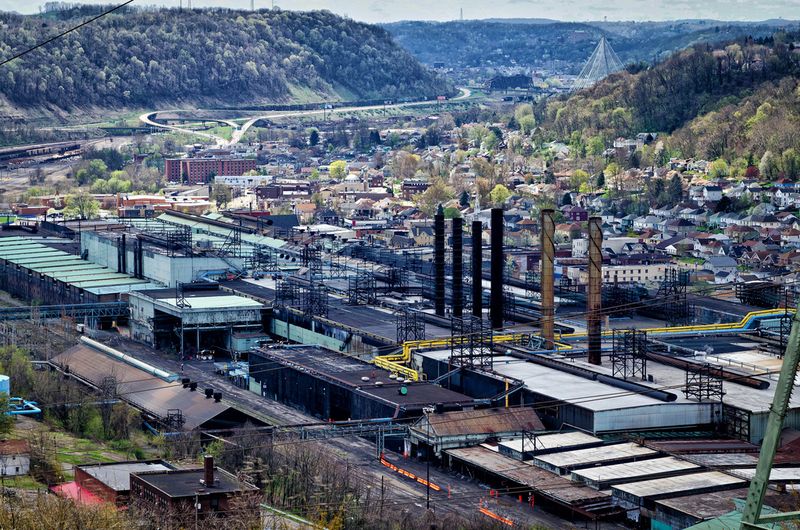
Weirton Steel Company didn’t just operate in this West Virginia town. It essentially was the town. Founded in 1909, the company grew to employ thousands, and nearly every family had at least one member working at the mill. The town existed solely to support steel production.
For decades, this arrangement worked beautifully. Weirton offered stable employment, decent wages, and a strong sense of community. The population peaked around 28,000 in the 1940s.
But dependence on a single employer proved catastrophic when the steel industry collapsed. Foreign competition and changing markets devastated American steel towns. Weirton Steel eventually filed for bankruptcy in 2003, and operations ceased completely by 2009. The town’s population dropped below 19,000. With its economic foundation gone, Weirton struggles to reinvent itself. Empty storefronts and abandoned homes remind residents of more prosperous times when steel sustained an entire community.
11. Clarksdale, Mississippi
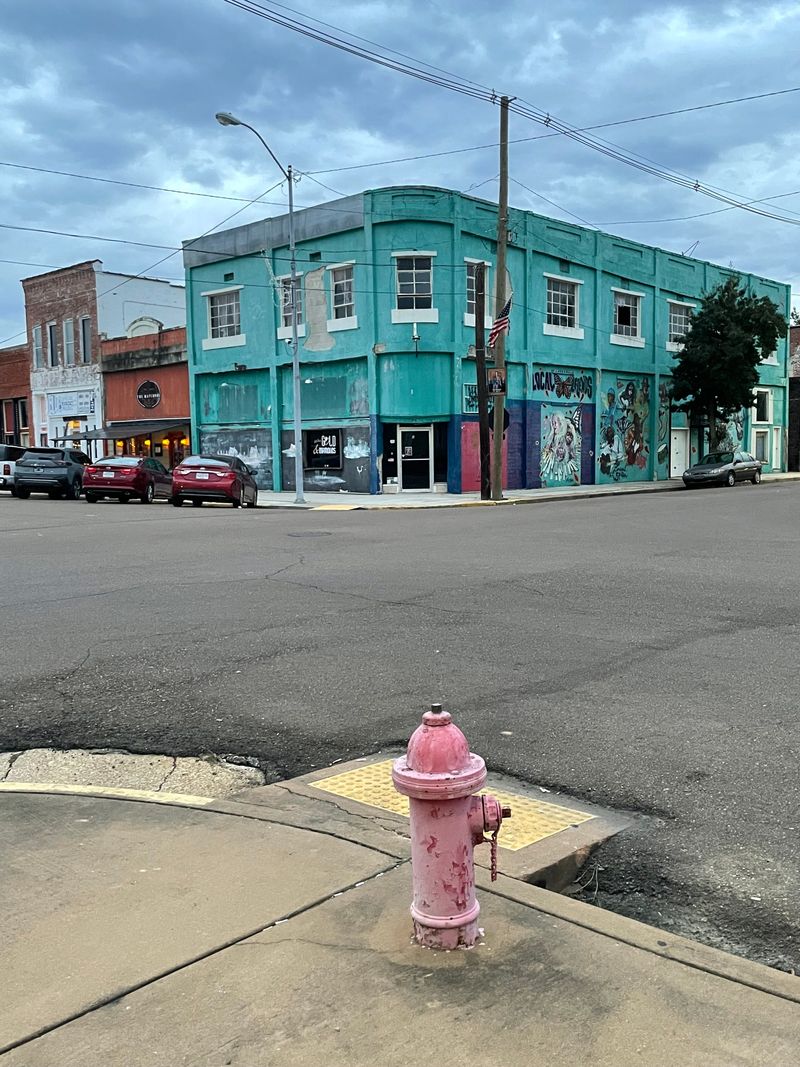
The birthplace of blues legends like Muddy Waters and John Lee Hooker, Clarksdale sits in the heart of the Mississippi Delta with a rich cultural heritage. For generations, cotton agriculture sustained the local economy, with processing facilities and related businesses providing employment. The town’s music scene attracted visitors from around the world.
But agricultural mechanization eliminated thousands of farm jobs. People who once picked cotton by hand were no longer needed. The population, which exceeded 20,000 in the 1960s, dropped below 16,000 today.
Poverty rates soared above 40 percent. Downtown storefronts sit empty despite the town’s musical legacy. Young people leave for opportunities elsewhere. Though blues tourism brings some visitors, it hasn’t been enough to reverse decades of economic decline. Clarksdale struggles to leverage its cultural significance into sustainable prosperity, remaining one of the poorest towns in America’s poorest state.
12. Johnstown, Pennsylvania
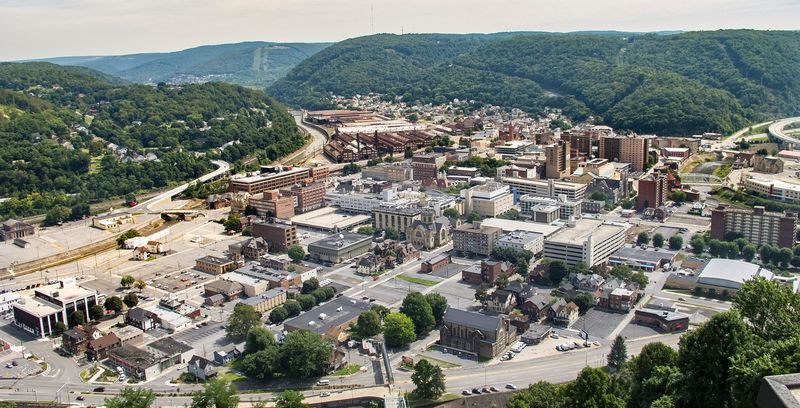
Before it became synonymous with industrial decline, Johnstown was famous for a devastating flood in 1889 that killed over 2,200 people. The town rebuilt and became a steel manufacturing center, with Bethlehem Steel operating major facilities. At its peak, over 13,000 people worked in local steel mills.
The collapse of American steel in the 1970s and 1980s hit Johnstown particularly hard. Mills closed, eliminating thousands of well-paying jobs. The population, which exceeded 67,000 in the 1920s, plummeted to under 20,000 today.
Entire neighborhoods emptied as residents moved away. The tax base evaporated, making it difficult to maintain infrastructure or attract new businesses. Downtown businesses closed, leaving boarded-up storefronts. Though some diversification efforts have occurred, Johnstown remains economically depressed, a place where the past feels more substantial than the future and abandoned industrial sites dominate the landscape.
13. Beckley, West Virginia
Coal built Beckley and surrounding communities in southern West Virginia. For generations, mining provided steady employment and decent wages in an otherwise economically limited region. At its peak, thousands worked in nearby mines, and Beckley served as a commercial hub for the coal industry.
The decline of coal devastated the local economy. Mechanization reduced the need for miners, environmental regulations increased costs, and cheap natural gas replaced coal in power generation. Mines closed throughout the region.
Beckley’s population dropped from over 20,000 to around 16,000. Poverty rates climbed, prescription drug abuse became epidemic, and young people left for opportunities elsewhere. Empty storefronts dot downtown, and the regional economy struggles to find alternatives to coal. Though the area’s natural beauty attracts some tourists, it hasn’t been enough to replace the lost mining jobs. Beckley represents the painful transition facing coal-dependent communities across Appalachia.
14. Eureka, Nevada
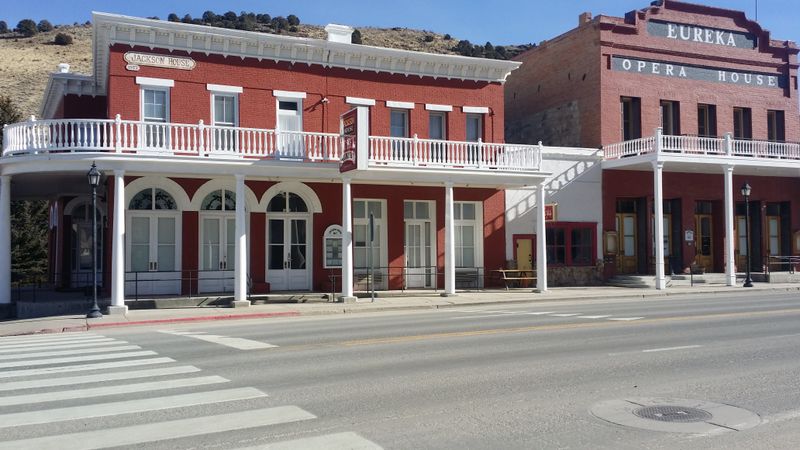
Silver strikes in the 1860s transformed this remote Nevada location into a bustling mining town. At its height in the 1870s, Eureka boasted over 10,000 residents, multiple smelters, and a reputation as one of Nevada’s most productive mining districts. Millions of dollars in silver ore came from the surrounding hills.
But silver deposits eventually ran out, as they always do. By the early 1900s, most residents had moved on to other mining camps. The population dwindled to just a few hundred hardy souls.
Today, Eureka maintains a tiny population of around 600 people. Historic buildings remain, giving the town a Old West atmosphere. Unlike completely abandoned ghost towns, Eureka still functions as a county seat with basic services. But it’s a faint echo of its boomtown glory days. The empty landscape and quiet streets remind visitors how quickly mining prosperity can vanish when the ore runs out.
15. Calumet, Michigan

Copper mining transformed Michigan’s remote Upper Peninsula into an industrial powerhouse in the late 1800s. Calumet became the heart of this mining district, with elegant buildings, an opera house, and all the amenities of a prosperous city. The population exceeded 30,000 in the surrounding area.
Miners extracted millions of pounds of copper from deep underground. Good wages attracted immigrants from around the world, creating a diverse community. For decades, Calumet represented opportunity and prosperity in an unlikely location.
But copper mining became less profitable as easier deposits were found elsewhere. The last major mine closed in 1968, eliminating the economic foundation. Young people left for opportunities in warmer, more economically diverse locations. Today, Calumet’s population barely exceeds 700. Beautiful historic buildings remain, now maintained as part of a national historical park. The town survives on tourism and retirees, a quiet reminder of boom-and-bust mining economics.



