 Unearth The Voyage
When people think about great food destinations, places like Paris, Tokyo, and New York usually steal the spotlight. But hidden across the globe are incredible cities where local flavors, street food traditions, and culinary innovation thrive far from the tourist crowds. These underrated food destinations offer authentic tastes, rich histories, and unforgettable dining experiences that rival any famous foodie hotspot.
Belo Horizonte, Brazil — Heartland Flavors & Steak Traditions
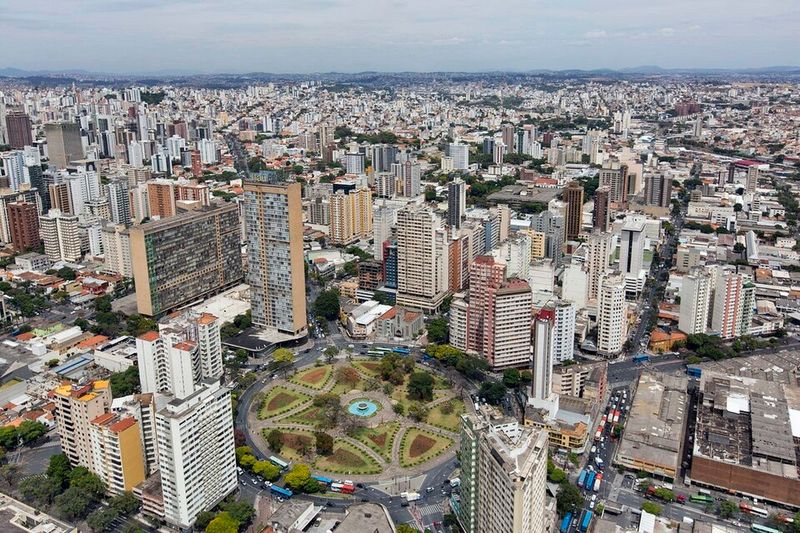
Belo Horizonte in southeastern Brazil might not be on every foodie’s radar, but locals know it’s a gastronomic heavyweight thanks to its strong regional food culture. The city is famous for Minas Gerais cuisine, which celebrates bold flavors and hearty ingredients.
Traditional dishes like feijão tropeiro — beans cooked with cassava flour, sausage, egg and greens — showcase the region’s comfort-food roots. Pão de queijo, those addictive cheese breads that melt in your mouth, are everywhere you turn. Tutu à mineira, creamy mashed beans with pork cracklings, highlights the area’s rustic heritage with every spoonful.
Belo Horizonte is also a coffee culture hub, with numerous third-wave cafés, local roasteries and barista hangouts that add both depth and variety to your culinary itinerary. You’ll find passionate coffee experts crafting single-origin brews alongside traditional Brazilian espresso.
It’s a place where you can dine like a local, sample beloved national dishes and discover new expressions of Brazilian cuisine all in one trip. The warmth of Minas Gerais hospitality makes every meal feel like a family gathering, even if you’re dining solo.
Penang, Malaysia — Street Food Paradise
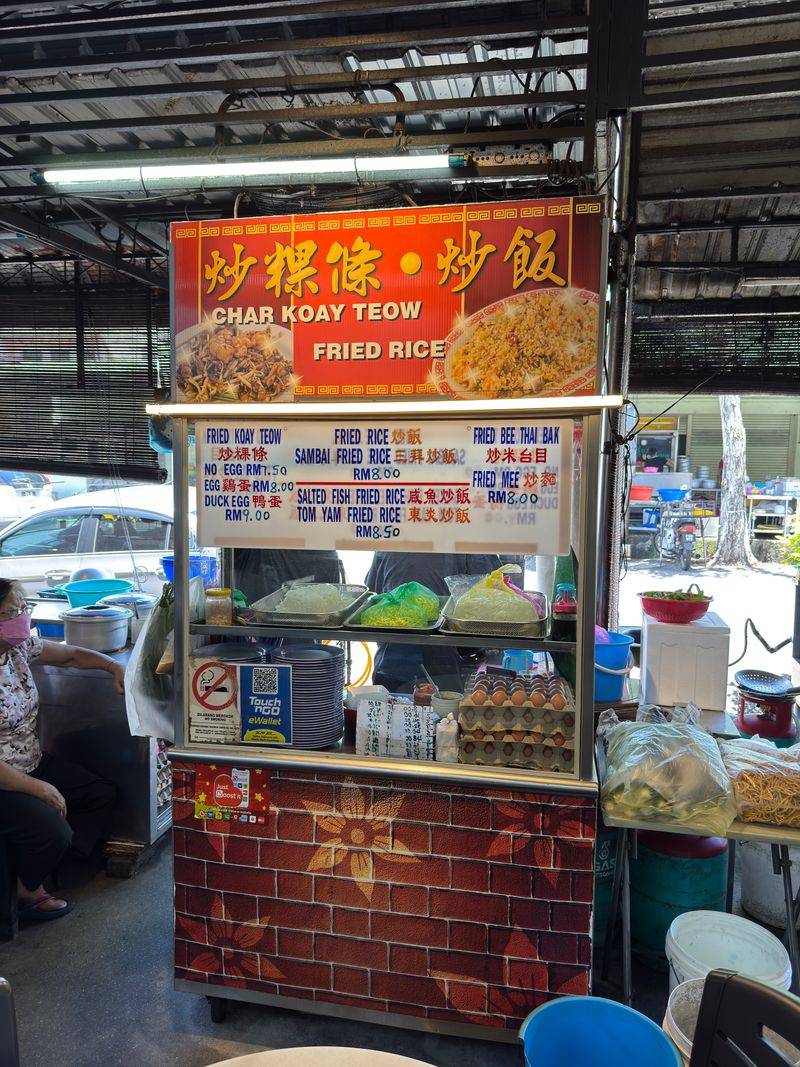
Few places on Earth can match Penang’s street food reputation. Widely recognised as one of Asia’s greatest street food cities, especially in its capital George Town, the fusion of Malay, Chinese, Indian, Peranakan and Thai flavors creates an extraordinary culinary tapestry that feels almost magical.
Iconic dishes include char kway teow, those smoky stir-fried flat noodles cooked over roaring flames. Asam laksa, a tangy and spicy fish noodle soup, delivers punchy flavors that wake up your taste buds. Nasi kandar, rice served with an array of mixed curries, offers endless combinations depending on your mood.
Penang’s food culture is rooted in centuries of trade and migration, resulting in vibrant hawker scenes and small eateries that have delighted locals and visitors alike for generations. Walking through the night markets feels like stepping into a living cookbook.
The city’s food is not just delicious — it’s a living history lesson in Southeast Asian gastronomy. You’ll find an unbeatable combination of street food authenticity and diverse influences that few other cities can rival, making every meal an adventure.
Tbilisi, Georgia — Ancient Flavors & Wine Traditions

Tbilisi, the capital of Georgia, is emerging as a culinary hotspot thanks to its ancient food traditions and wine culture that date back thousands of years. Georgian cuisine is centred around communal eating and sharing, transforming every meal into a celebration of friendship and family.
Iconic dishes like khinkali — those juicy, soup-filled meat dumplings — require a special eating technique that locals love teaching visitors. Khachapuri, cheese-filled bread that comes in regional varieties, ranges from boat-shaped Adjarian style to circular Imeretian rounds. Slow-braised stews pull you into the hearty flavours of the Caucasus with their aromatic spices and tender meats.
Georgia is also one of the cradles of wine, and Tbilisi’s urban wine bars and family-run taverns showcase indigenous grape varieties you won’t find anywhere else. Traditional qvevri fermentation methods, using clay vessels buried underground, create wines with unique character and amber hues.
Eating in Tbilisi feels like experiencing living culinary history. Georgian hospitality, known as “stumari,” treats guests as gifts from God, making every meal both memorable and immersive in ways that transform strangers into friends.
Indianapolis, Indiana, USA — Midwestern Gem With Rising Food Scene
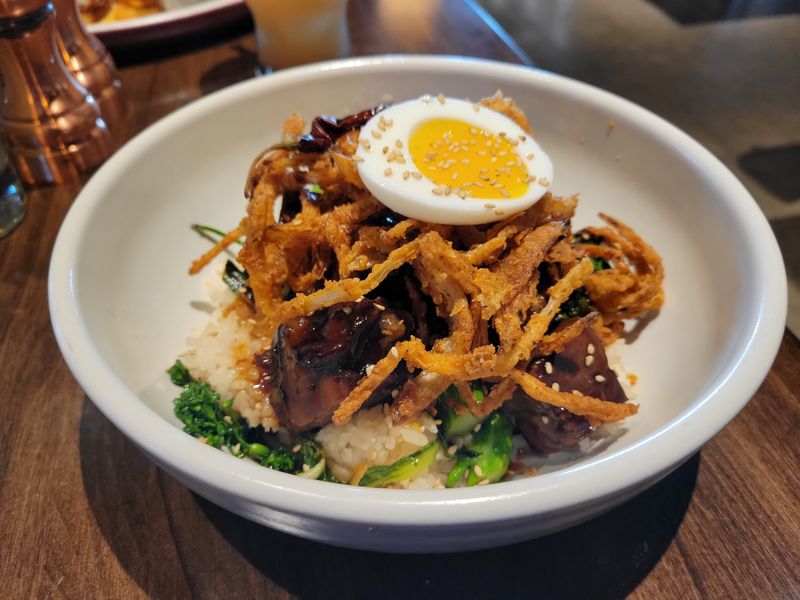
Indianapolis is a great example of an underrated American food city whose culinary scene has been steadily gaining recognition. Named by Condé Nast Traveler as one of the most underrated food cities in the U.S., it’s proving that the Midwest has serious culinary chops beyond comfort classics.
The city is known for its growing restaurant culture, craft breweries and vibrant food halls such as The AMP and The Garage. These modern gathering spaces bring together diverse cuisines under one roof, making it easy to sample everything from ramen to tacos in a single visit.
Indianapolis’s historical agricultural ties shape its food scene profoundly. Farm-to-table approaches and urban agriculture are emerging as important trends, with chefs forging relationships with nearby farms to source seasonal ingredients at peak freshness.
Classic Midwestern comfort foods sit alongside innovative cuisine crafted by chefs receiving national attention. The city boasts a flourishing craft beer scene with about 50 local breweries, each offering unique takes on IPAs, stouts and experimental brews. Food travelers will find everything from elevated fine dining to beloved local favorites, making Indianapolis a surprising culinary discovery in America’s heartland that rewards curious eaters.
New Haven, Connecticut, USA — Pizza Pilgrimage & Global Eats
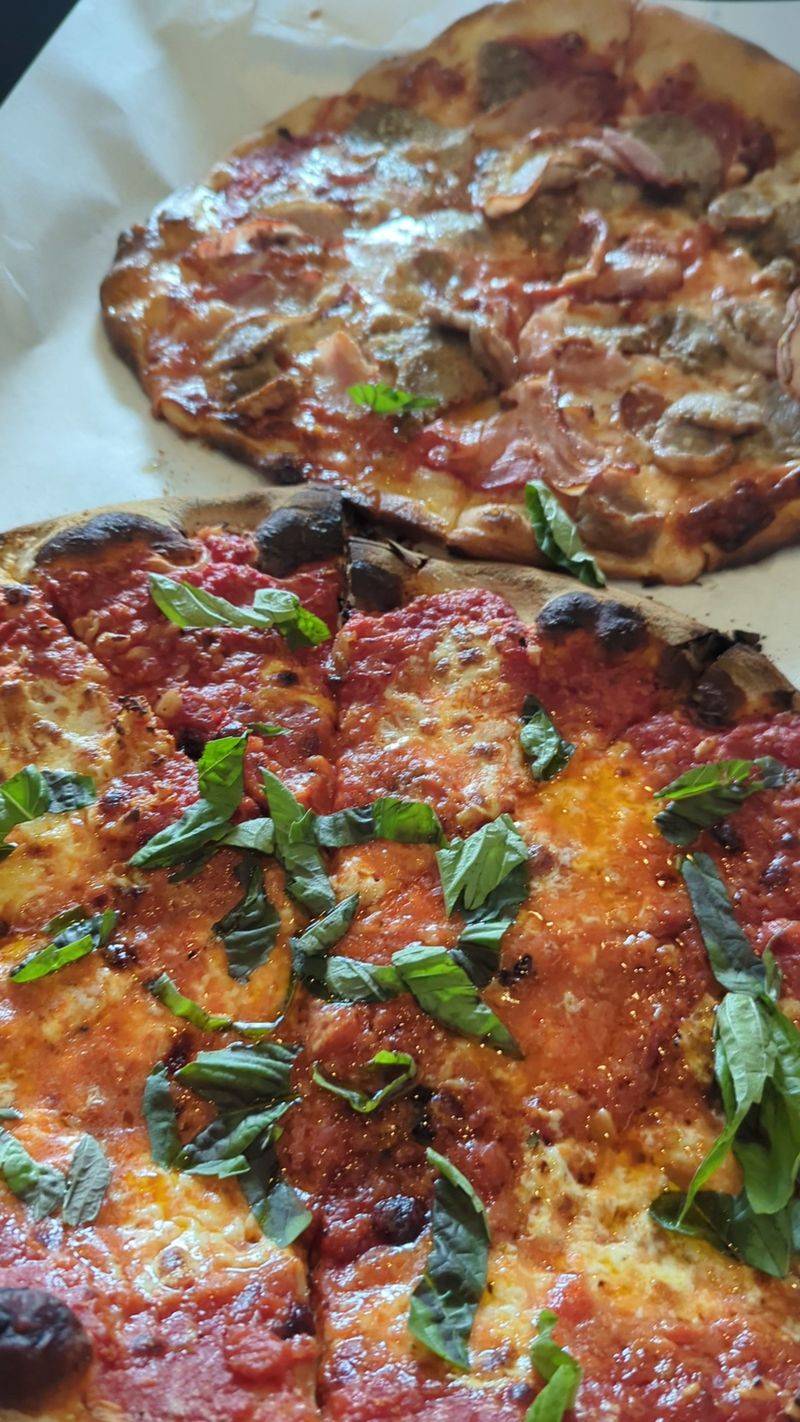
New Haven may be smaller than major U.S. culinary hubs, but its food culture packs a big punch that keeps drawing devoted food lovers from across the country. Named one of the best foodie cities in the U.S., this Connecticut gem offers concentrated culinary excellence in a walkable downtown area.
The city is particularly famous for its signature apizza — New Haven-style pizza with a charred but chewy crust and classic toppings that inspire fierce loyalty. Legendary bakeries like Frank Pepe Pizzeria Napoletana have been perfecting their coal-fired pies for over a century, creating pilgrimage destinations for pizza purists.
But New Haven’s food scene goes well beyond pizza. Dozens of restaurants within walking distance offer an extraordinary mix of global cuisines — from Thai and Ethiopian to Spanish and Peruvian, reflecting the city’s diverse immigrant communities.
This diversity makes the city a compact yet exciting food destination where serious food lovers can sample a wide variety of dishes in one evening. Yale University’s presence brings international students and faculty who’ve opened authentic restaurants serving their homeland cuisines, enriching the local dining landscape beyond what you’d expect from a city this size.
Fukuoka, Japan — Street Food & Yatai Culture
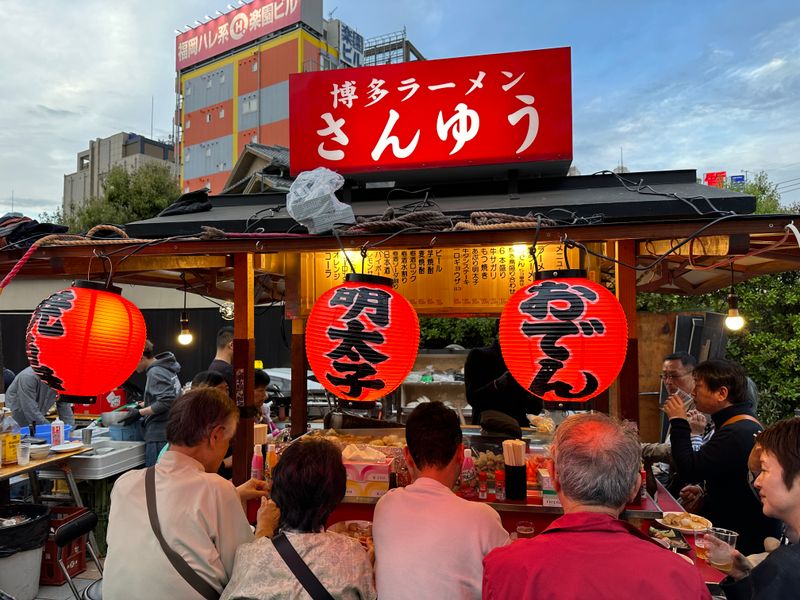
Fukuoka on Japan’s island of Kyushu stands out as an underrated street food city with a vibrant yatai culture that feels almost mythical. These mobile food stalls emerge after dusk and disappear by dawn, creating temporary restaurants along the riverside and downtown streets.
The yatai offer a feast of regional specialties that showcase Kyushu’s distinct culinary identity. Spicy mentaiko, seasoned cod roe that locals spread on rice or eat straight, delivers umami punches. Tonkotsu ramen, with its creamy pork bone broth simmered for hours, originated in Fukuoka and reaches perfection here in countless tiny ramen shops.
Creative interpretations of local ingredients appear on yatai menus alongside traditional favorites. While larger Japanese cities like Tokyo and Osaka dominate the culinary conversation internationally, Fukuoka’s food scene is both authentic and deeply rooted in local tradition.
The city attracts chefs and food lovers who want to explore Japanese cuisine in a less touristy setting. Sitting shoulder-to-shoulder with salarymen and students at a yatai counter, warming your hands on a ramen bowl, creates intimate dining experiences impossible to replicate in formal restaurants.
Santa Teresita, Argentina — Coastal Eats & Argentine Comfort Foods
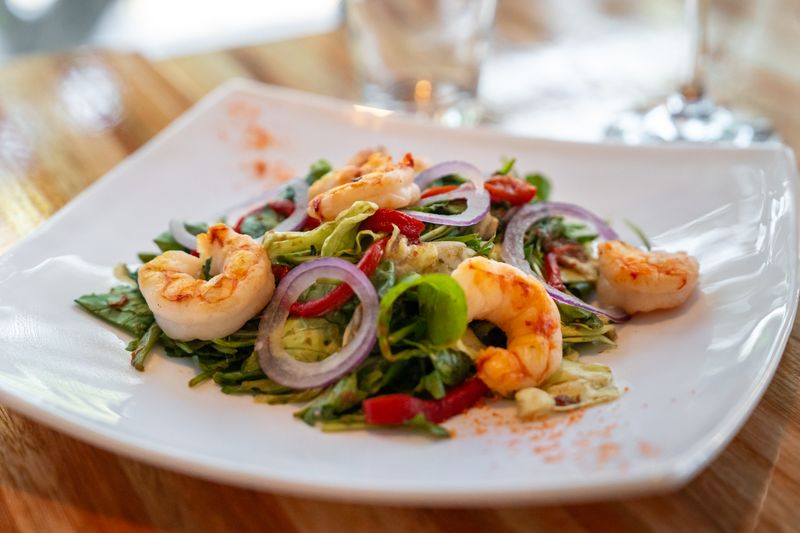
Santa Teresita is among the lesser-known foodie destinations that combines classic Argentine fare with coastal charm in ways that feel refreshingly authentic. While cities like Buenos Aires get most of the attention from international food travelers, coastal towns like Santa Teresita offer something different and equally rewarding.
Fresh seafood takes center stage here, with daily catches transformed into simple grilled preparations that let quality ingredients shine. Empanadas filled with local fish or traditional beef appear at beachside kiosks and family restaurants. Grilled meats, prepared asado-style over wood fires, deliver the smoky flavors Argentina is famous for.
Local sweets with a regional twist round out meals, often featuring dulce de leche in creative applications. These seaside food experiences pair wonderfully with relaxed beachside dining and regional wines from nearby Patagonian vineyards, creating memorable meals with ocean breezes.
This makes Santa Teresita an appealing stop for travelers who want authentic Argentine flavors away from the crowds. The slower pace allows you to truly savor each meal, chatting with restaurant owners who often source ingredients from neighboring fishermen and farmers, creating a farm-and-sea-to-table experience without the pretension.
Shillong, India — Northeast Flavors & Local Markets
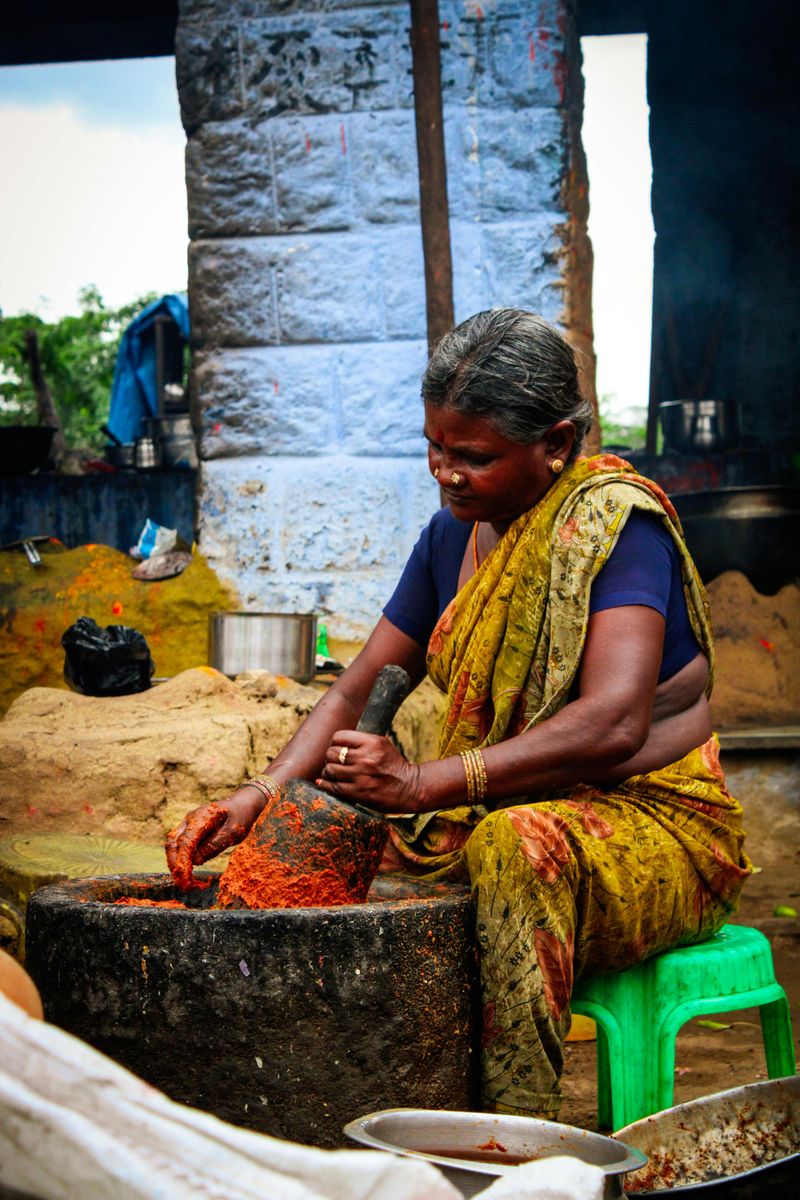
Shillong in India’s northeast is gaining attention for its indigenous cuisine, local ingredients and vibrant food markets that offer flavors most travelers never encounter. Known as the “Scotland of the East” for its rolling hills, Shillong’s culinary identity stands apart from mainstream Indian food in exciting ways.
Fresh produce dominates the markets — sour bamboo shoots, wild mushrooms, and leafy greens you won’t find elsewhere. Smoked meats prepared using traditional tribal techniques deliver deep, complex flavors. Unique Northeast Indian flavours, including fermented fish and pungent chutneys, challenge and delight adventurous palates.
The cuisine offers fusion influences and tribal traditions not widely known outside the region. Khasi, Garo, and Jaintia communities each contribute distinct cooking styles and signature dishes, creating a diverse food landscape within one small state.
Many travellers cite Shillong’s markets and family-run eateries as highlights where one can truly taste authentic, regional Indian cooking. Jadoh, a red rice dish cooked with pork and spices, represents comfort food at its finest. The seasonally driven approach means menus change with what’s available, keeping the food exciting and connected to the land in ways that modern cities often lose.
Arakawa City, Japan — Neighborhood Bites & Local Fare

In Tokyo’s greater metropolitan area, Arakawa City remains an overlooked gem for food lovers seeking authenticity beyond the tourist districts. Local restaurants and small eateries serve up home-style Japanese comfort foods that reflect community traditions passed down through generations.
Seasonal dishes change with Japan’s distinct four seasons, showcasing ingredients at their peak freshness. Spring brings mountain vegetables, summer offers grilled eel for stamina, autumn features matsutake mushrooms, and winter warms with hot pot dishes. Classic sweets from neighborhood wagashi shops use traditional techniques and natural ingredients.
While Tokyo’s main districts like Shibuya and Shinjuku dominate culinary headlines with celebrity chefs and Instagram-worthy presentations, neighborhoods like Arakawa provide authentic local food experiences. Here, you’ll find third-generation ramen shops, tiny yakitori joints where the owner grills every skewer personally, and kissaten coffee houses serving thick toast and hand-dripped coffee.
These establishments give travellers insight into everyday Japanese dining away from the crowds and inflated prices. The warmth of neighborhood hospitality, where regulars greet each other by name and might invite you into conversation, creates dining experiences that feel like temporary membership in a close-knit community rather than anonymous tourist transactions.
Alassio, Italy — Ligurian Flavours by the Sea
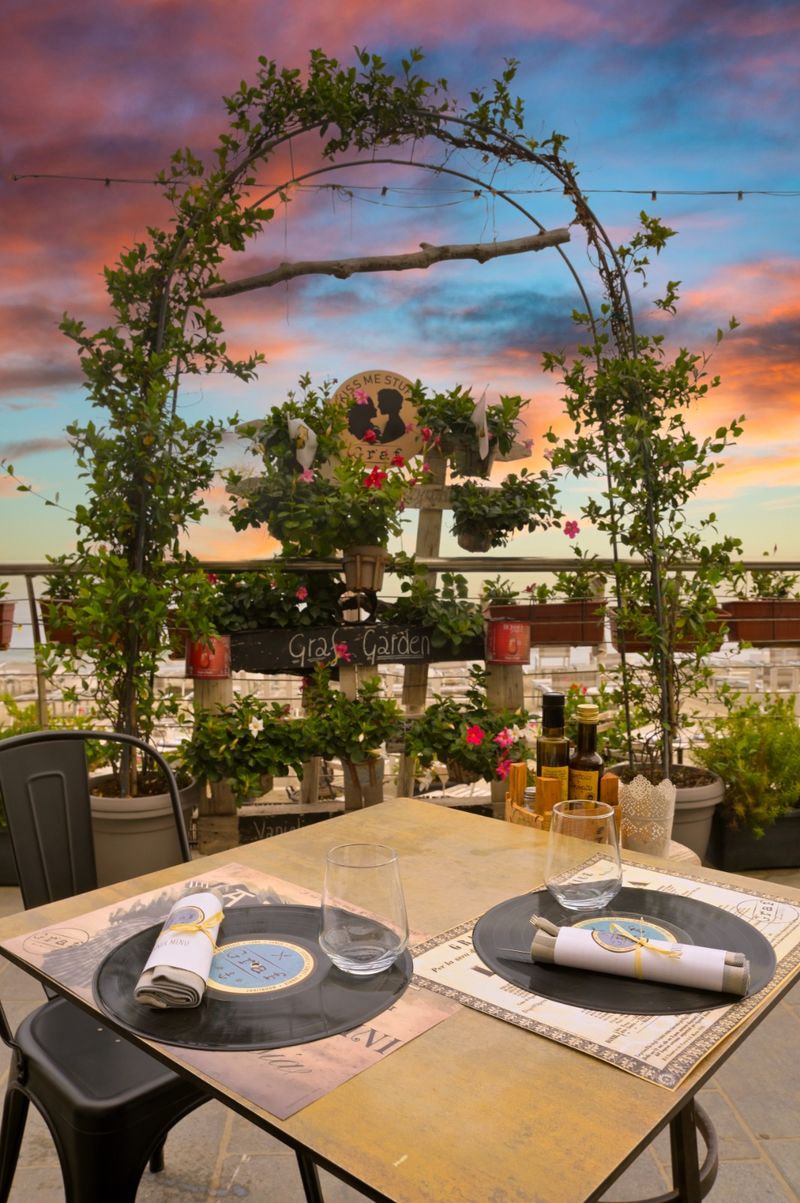
Alassio on Italy’s Ligurian coast is a charming, underrated foodie stop that offers everything you love about Italian cuisine without the overwhelming crowds of more famous destinations. Its seafood-centric cuisine celebrates the Mediterranean’s bounty with simple preparations that honor ingredient quality above all.
Pesto genovese reaches perfection here in its birthplace region, with basil grown in Liguria’s unique microclimate creating unmatched flavor. Focaccia, that deceptively simple flatbread dimpled with olive oil and salt, achieves crispy-chewy perfection in local bakeries. Regional wines, particularly Pigato and Vermentino whites, complement seafood beautifully.
The local trattorias and seaside markets offer fresh, seasonal fare that changes daily based on fishing boats’ catches. Anchovies from nearby waters appear marinated, fried, or layered in savory pies. Trofie pasta with green beans and potatoes dressed in pesto represents Ligurian comfort food at its finest.
This makes Alassio a perfect destination for food explorers who love combining regional specialties with scenic experiences. Dining on a terrace overlooking the Ligurian Sea, with fishing boats bobbing in the harbor and the scent of basil in the air, creates those magical Italian moments that no photograph can quite capture.
Chiclana de la Frontera, Spain — Andalusian Tapas & Seafood
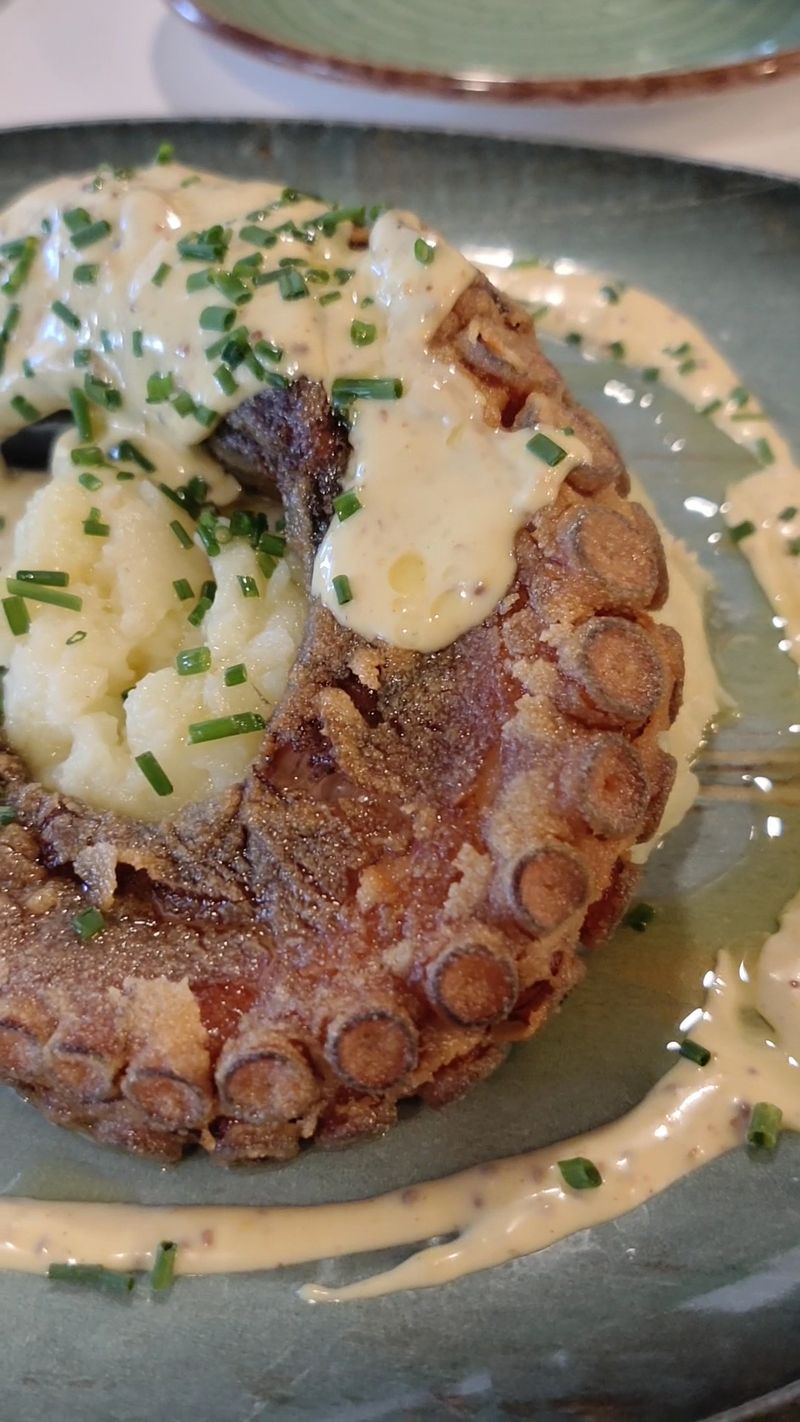
Chiclana de la Frontera may be quieter than Spain’s big cities, but its food reflects the rich Andalusian culinary heritage in ways that feel wonderfully unspoiled by tourism. Fresh Atlantic seafood dominates menus, with the nearby coast providing daily catches that appear on plates within hours.
Tapas bars line the streets, offering small plates that encourage social eating and bar-hopping. Sherry wine, produced in the nearby Jerez region, pairs perfectly with salty seafood and cured meats. Olive oils from local groves add fruity, peppery notes to simple preparations.
Grilled fish, simply seasoned with sea salt and lemon, showcases ingredient quality. Jamón ibérico, those paper-thin slices of acorn-fed ham, melts on your tongue with nutty sweetness. Gambas al ajillo, garlic shrimp sizzling in olive oil, arrives at your table still bubbling.
Local bodegas offer plenty of opportunities to pair food with authentic Andalusian wine experiences, often in atmospheric spaces with sherry barrels stacked to the ceiling. It’s a rewarding stop for travellers who love local wine and small-plate culture away from major tourist crowds, where you can spend entire evenings hopping between bars, sampling different specialties, and practicing your Spanish with friendly locals.
Rotterdam, Netherlands — Multicultural Cuisine & Modern Innovation

Though often overshadowed by Amsterdam, Rotterdam has become an underrated food city with a diverse culinary landscape that reflects its history as a major port and immigrant gateway. The city’s food scene embodies multicultural influences and contemporary innovation in ways that feel distinctly modern and forward-thinking.
Indonesian rijsttafel, that elaborate “rice table” feast with dozens of small dishes, reaches authentic heights here thanks to strong Indonesian-Dutch connections. Surinamese roti, flatbread wrapped around curried meats and potatoes, represents comfort food for many Rotterdammers. Modern European bistros reinterpret Dutch classics with contemporary techniques.
Vibrant markets like Markthal showcase this diversity under one spectacular arched ceiling decorated with oversized food illustrations. Fresh herring stands sit alongside Turkish kebab shops, Moroccan spice vendors, and artisanal cheese counters, creating a global food court that actually delivers quality.
This makes Rotterdam a rewarding place to explore global flavours within a compact urban setting. The city’s experimental spirit, born from rebuilding after World War II destruction, extends to its food culture. Young chefs open innovative restaurants, food trucks serve fusion creations, and neighborhood eateries preserve immigrant culinary traditions, creating a dining scene that feels alive and constantly evolving.
Oneonta, New York, USA — Upstate Flavors & Farmstead Eats
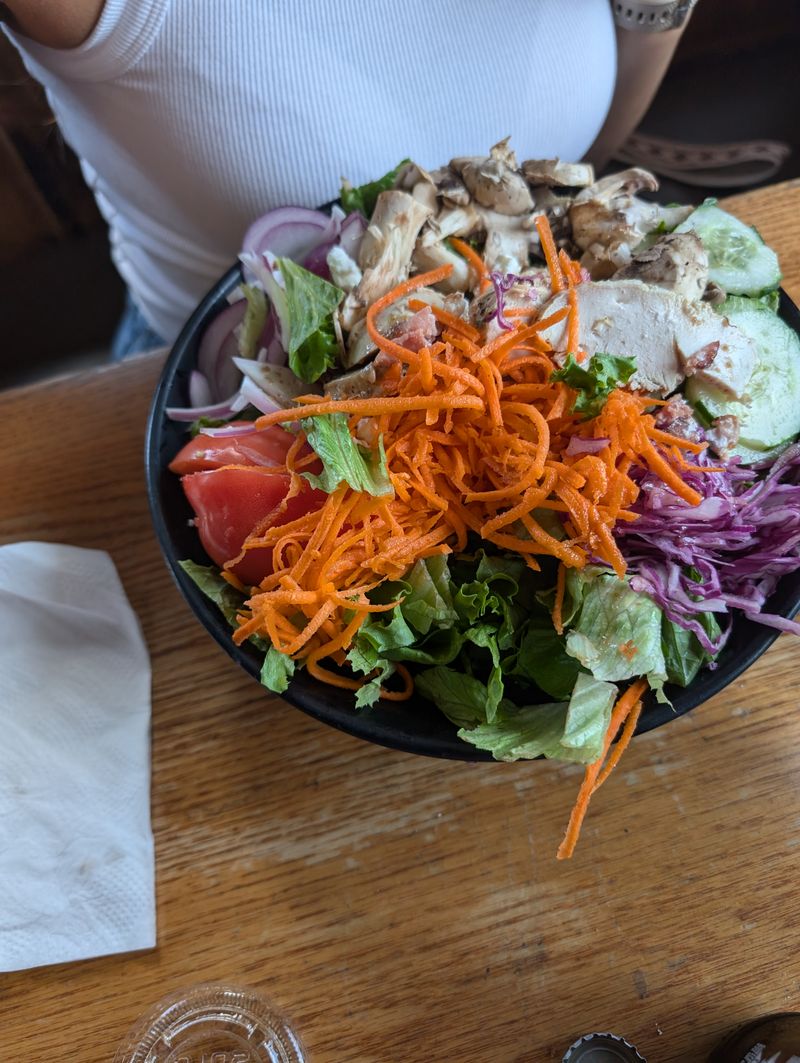
Oneonta in upstate New York may not top travel lists, but local foodies praise its farm-to-table restaurants, local breweries and artisanal producers that showcase the region’s agricultural richness. With proximity to dairy farms, orchards and craft producers, the area offers ingredient quality that urban restaurants can only dream about.
Oneonta’s food scene showcases fresh local ingredients in seasonal menus that change with what farmers harvest. Regional cheeses, from sharp cheddars to creamy blues, come from nearby creameries where cows graze on hillside pastures. Apple orchards supply cider mills producing both sweet and hard versions.
The terroir of the Northeast appears on every plate — maple syrup drizzled over pancakes, foraged mushrooms in pasta dishes, grass-fed beef in hearty burgers. Local breweries craft beers using regional hops and grains, often collaborating with farmers on special releases.
Small-town charm combines with serious food credentials in ways that surprise first-time visitors. Farm dinners held in barn settings during summer months bring together chefs, farmers, and diners for multi-course meals celebrating the season’s bounty. It’s the kind of authentic farm-to-table experience that many trendy urban restaurants try to recreate but can’t quite match when the farm is actually just down the road.
Rawai, Thailand — Coastal Street Food & Seafood Markets
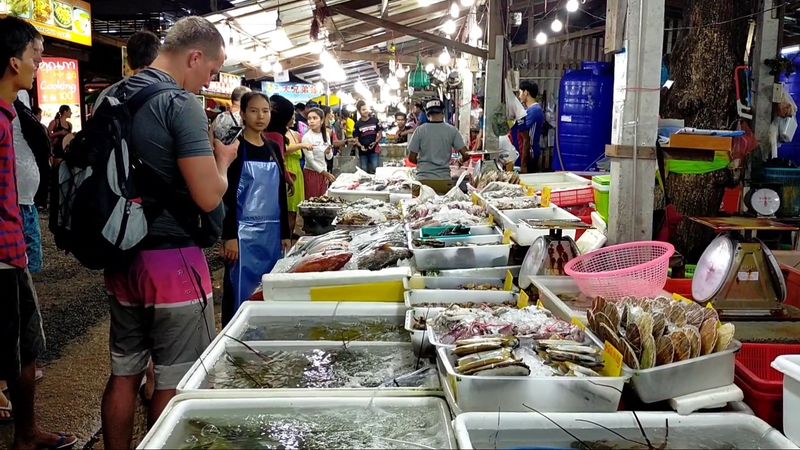
Rawai on Thailand’s Andaman coast is known for its seafood markets and laid-back local food scene where the catch of the day becomes grilled fish, spicy salads and coconut-based curries in open-air eateries. It’s an underrated alternative to busier Thai tourist hubs like Phuket Town or Patong Beach.
The seafood markets operate with wonderful simplicity — you select your fish, prawns, or squid from vendors displaying their catches on ice, then nearby restaurants cook your selections to order. Thai southern-style preparations dominate, with turmeric-rich curries, fiery chili pastes, and tangy lime dressings that balance sweet, sour, salty, and spicy flavors.
Grilled fish wrapped in banana leaves arrives fragrant with lemongrass and galangal. Som tam, green papaya salad pounded fresh with dried shrimp and peanuts, delivers addictive heat. Coconut-based curries showcase southern Thailand’s distinct spice profiles, different from the sweeter northern styles.
Beachside dining experiences highlight fresh ingredients in settings where you can watch fishing boats return with tomorrow’s menu. The atmosphere remains refreshingly local, with Thai families gathering for weekend seafood feasts and minimal tourist infrastructure beyond simple beach chairs and umbrellas, creating authentic southern Thai flavour experiences that feel wonderfully unpretentious.
Shillong’s Northeast Indian Flavours — Fresh & Regional
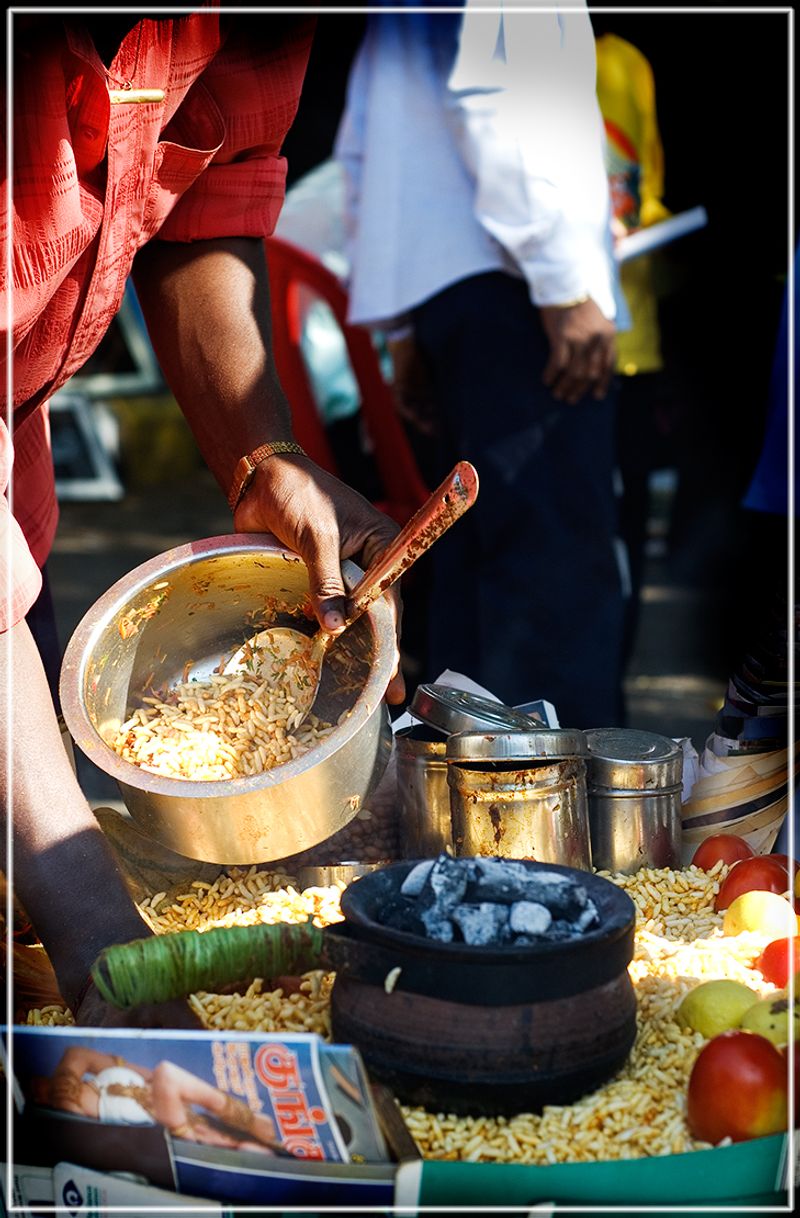
Shillong’s proximity to tribal food traditions, local markets and distinct Northeast Indian cooking styles makes it a standout among underrated food cities deserving deeper exploration. Its seasonally driven cuisine offers flavour profiles unlike those found in mainstream Indian destinations, challenging preconceptions about what “Indian food” actually encompasses.
Fermented vegetables like gundruk and sinki add tangy, probiotic-rich elements to meals. Smoky meats, preserved using traditional methods over wood fires, deliver intense flavors that pair beautifully with simple rice. Rice-based meals form the foundation of most dinners, with sticky rice varieties preferred over the long-grain basmati common elsewhere.
Bamboo shoot curries, both fresh and fermented versions, appear frequently with their distinctive earthy-sour taste. Axone, fermented soybean paste, adds umami depth despite its pungent aroma. Pork features prominently, prepared in ways that reflect Chinese and Southeast Asian influences alongside indigenous tribal techniques.
This makes Shillong a destination worth exploring for adventurous eaters willing to step outside their comfort zones. The food here tells stories of mountain communities, trade routes connecting India to Southeast Asia, and cooking methods developed before modern refrigeration, creating a living culinary museum where every meal teaches you something new about this fascinating region’s history and culture.



