Some of the most unforgettable moments in movies, TV shows, and books don’t come from the heroes. They come from the villains.
A truly great villain can steal every scene, make you question who you’re rooting for, and sometimes even make more sense than the good guys. Here are 15 villains so brilliantly written and performed that they completely overshadowed the heroes meant to take center stage.
1. The Joker (The Dark Knight)
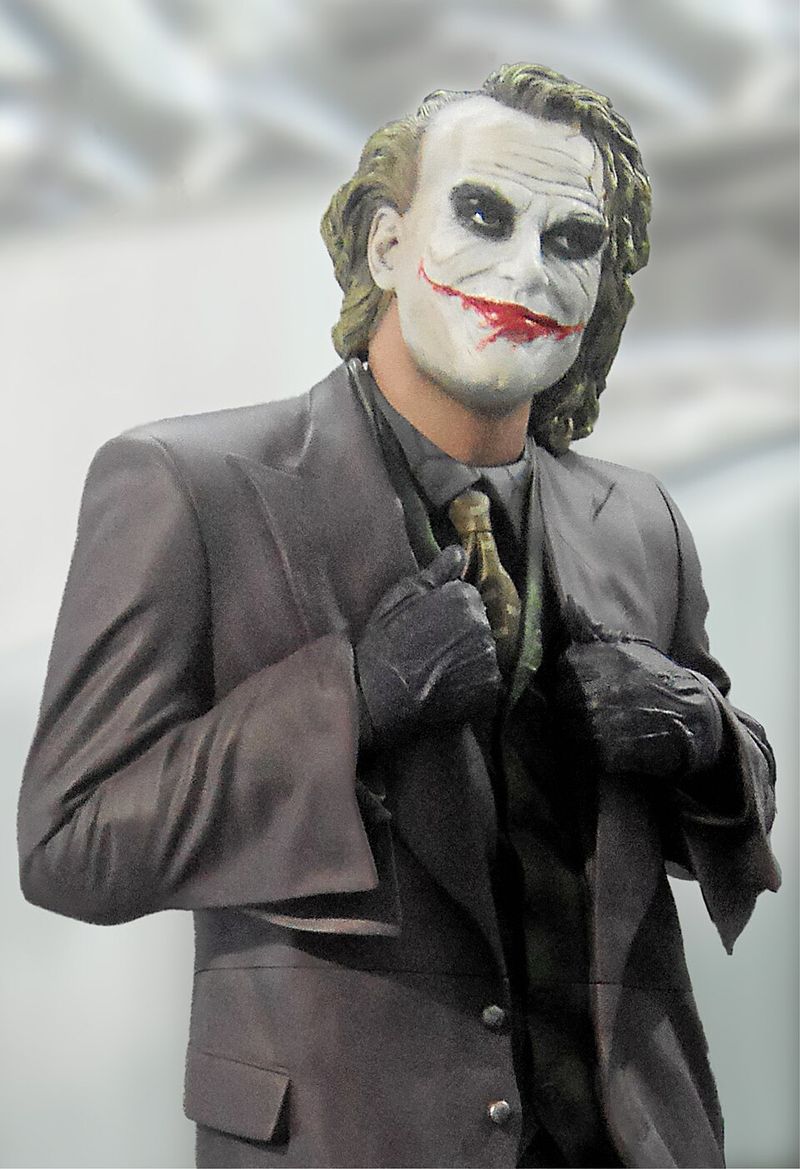
Heath Ledger’s portrayal of the Joker in 2008’s The Dark Knight is widely considered one of the greatest acting performances in cinema history. He won a posthumous Academy Award for the role, and for good reason.
Every single scene he appeared in crackled with unpredictable energy that no other character could match.
Batman is the hero of the story, but audiences left the theater talking about the Joker. His twisted philosophy, chaotic behavior, and dark humor made him magnetic in a way that felt genuinely dangerous.
You couldn’t take your eyes off him.
What made Ledger’s performance so special was how grounded it felt. This wasn’t a cartoon villain.
He was a force of nature with a worldview that, as unsettling as it was, made a strange kind of sense. The hero had a movie, but the Joker owned it.
2. Darth Vader (Star Wars)
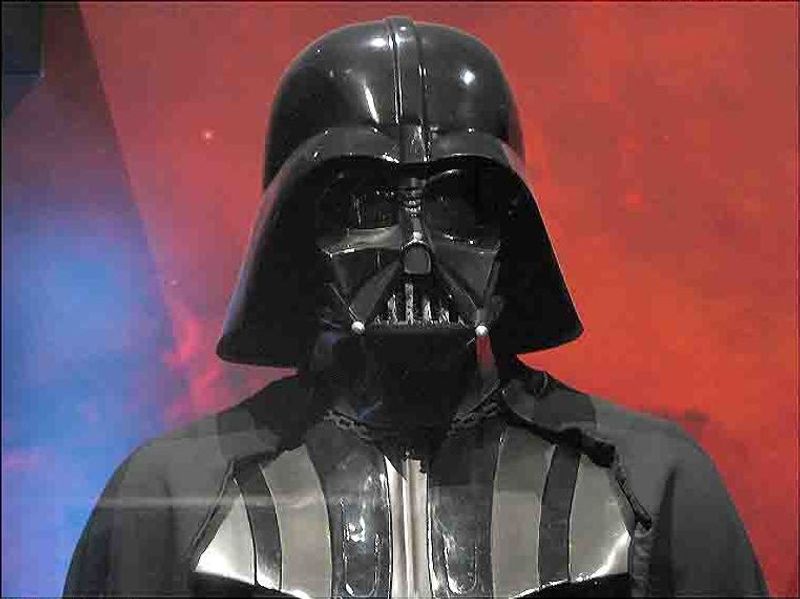
Few villains in the history of storytelling have left a mark quite like Darth Vader. From the moment he first appeared on screen in 1977, that black armor, mechanical breathing, and commanding voice told audiences everything they needed to know.
He was the most powerful presence in the room, always.
Luke Skywalker is technically the hero of the original Star Wars trilogy, but Vader is the soul of the franchise. Merchandise, quotes, Halloween costumes, and cultural references almost always center on him rather than the Jedi hero he opposes.
That says a lot.
The prequel films only deepened his legacy by showing his tragic fall from grace. Anakin Skywalker’s story added layers of heartbreak that made Vader even more compelling.
He became a symbol of how good intentions, pride, and fear can lead someone down a path they never intended to walk.
3. Loki (Marvel Cinematic Universe)
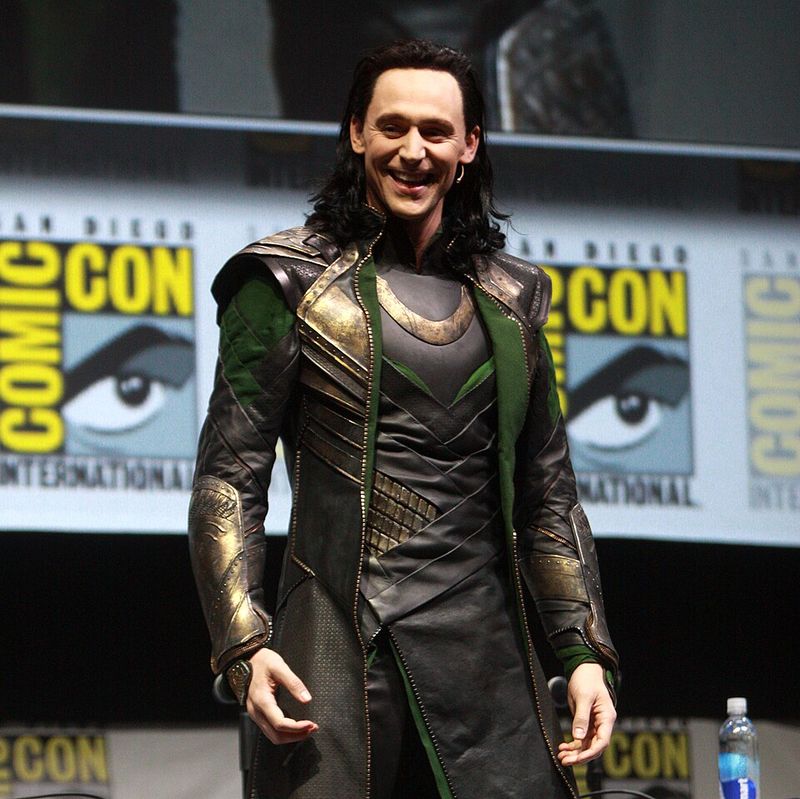
When Loki first appeared in Thor back in 2011, nobody expected him to become one of the most beloved characters in the entire Marvel Cinematic Universe. He was supposed to be a one-film antagonist.
Instead, he earned his own Disney Plus series and a fanbase that rivals the heroes themselves.
Thor is strong, noble, and heroic, but he can also come across as one-dimensional compared to his mischievous brother. Loki’s charm, humor, and emotional complexity gave audiences something richer to hold onto.
His motivations were rooted in jealousy and a desperate need to belong, feelings that are deeply relatable.
Actor Tom Hiddleston played the character with a theatrical wit that made every line memorable. Even when Loki was clearly doing something terrible, you found yourself hoping he’d get away with it.
That’s the mark of a villain done exceptionally well.
4. Hannibal Lecter (The Silence of the Lambs)
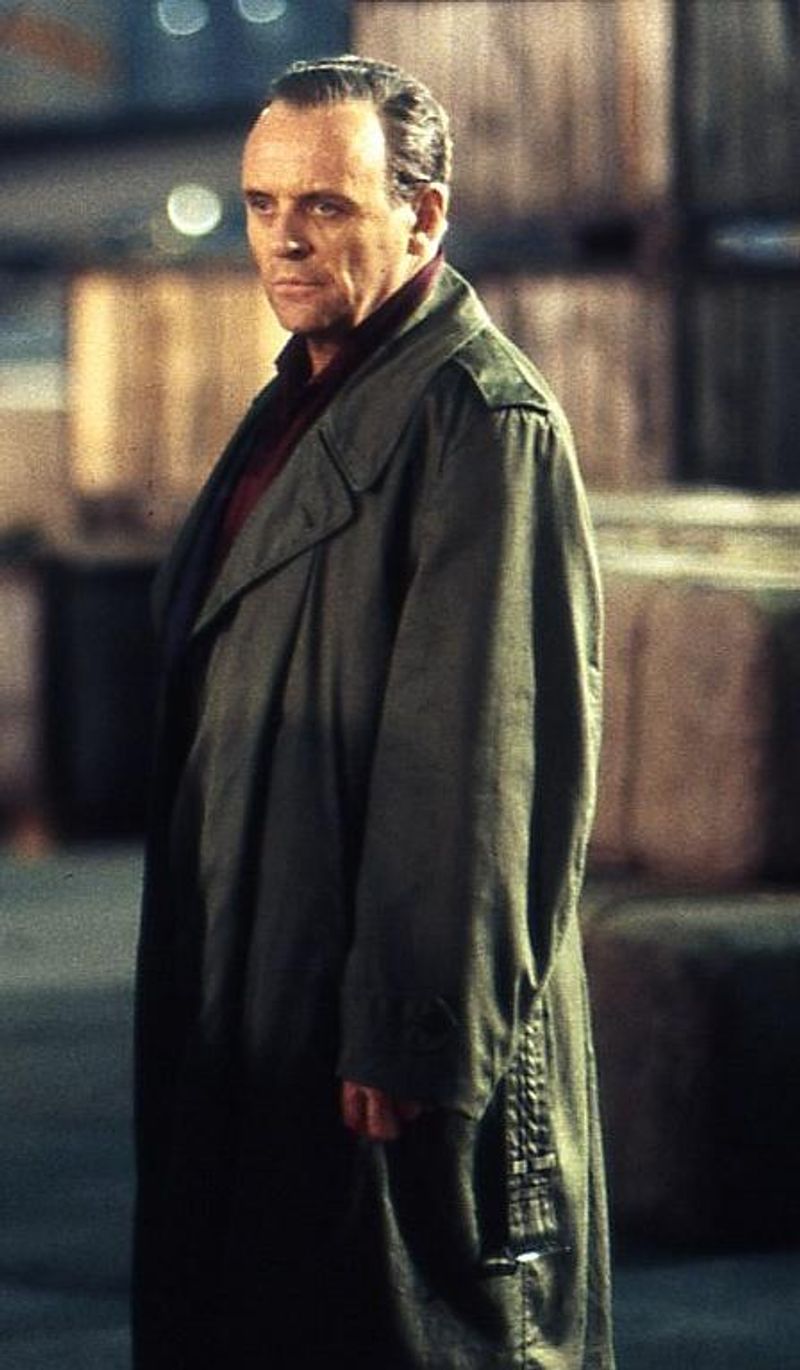
Hannibal Lecter appears in The Silence of the Lambs for fewer than 25 minutes of screen time. Yet Anthony Hopkins won the Academy Award for Best Actor for the role, and Lecter became one of the most iconic villains in film history.
That is a staggering achievement by any measure.
What makes him so terrifying is the contrast. He speaks with the refinement of a professor, discusses art and music with genuine passion, and treats Clarice Starling with a strange kind of respect.
Then, without warning, you’re reminded of exactly what he is. The shift is deeply unsettling.
Clarice is the protagonist and a compelling one, but every scene with Lecter outshines the ones without him. Audiences leaned forward whenever he appeared.
His calm intelligence felt more dangerous than any loud, aggressive villain ever could. Quiet menace, delivered perfectly, is impossible to forget.
5. Thanos (Avengers: Infinity War)
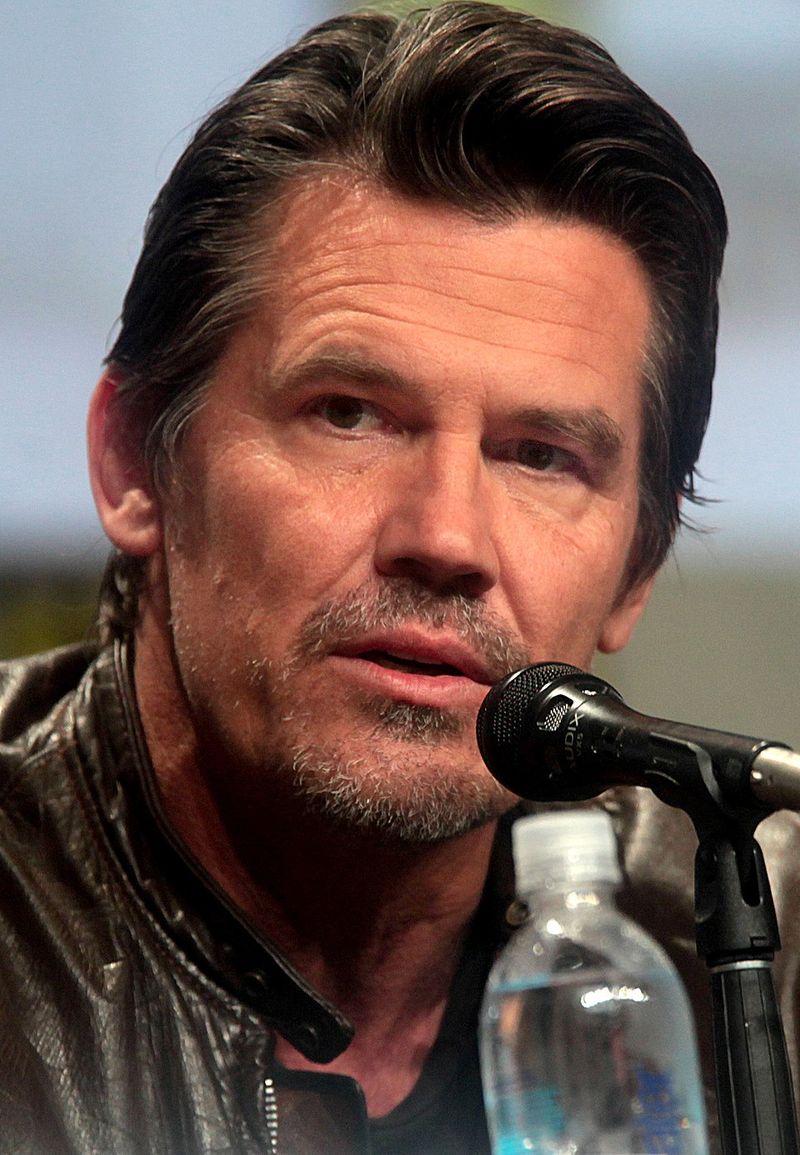
Avengers: Infinity War pulled off something genuinely rare in superhero films. The villain won.
Thanos successfully completed his goal, snapped half of all life out of existence, and walked away satisfied. That ending shocked audiences and sparked conversations that lasted for years.
What made Thanos work was that he wasn’t motivated by greed or hatred in the traditional sense. He genuinely believed he was saving the universe from overpopulation and suffering.
His logic was horrifying, but it was logic. That gave him a depth that most superhero villains never get to explore.
The film essentially followed his journey more than the heroes’. We saw his sacrifices, his relationships, and his conviction.
Josh Brolin’s performance added a quiet sadness to the character that made him feel almost sympathetic. A villain you can partially understand is far scarier than one you simply fear.
6. Anton Chigurh (No Country for Old Men)
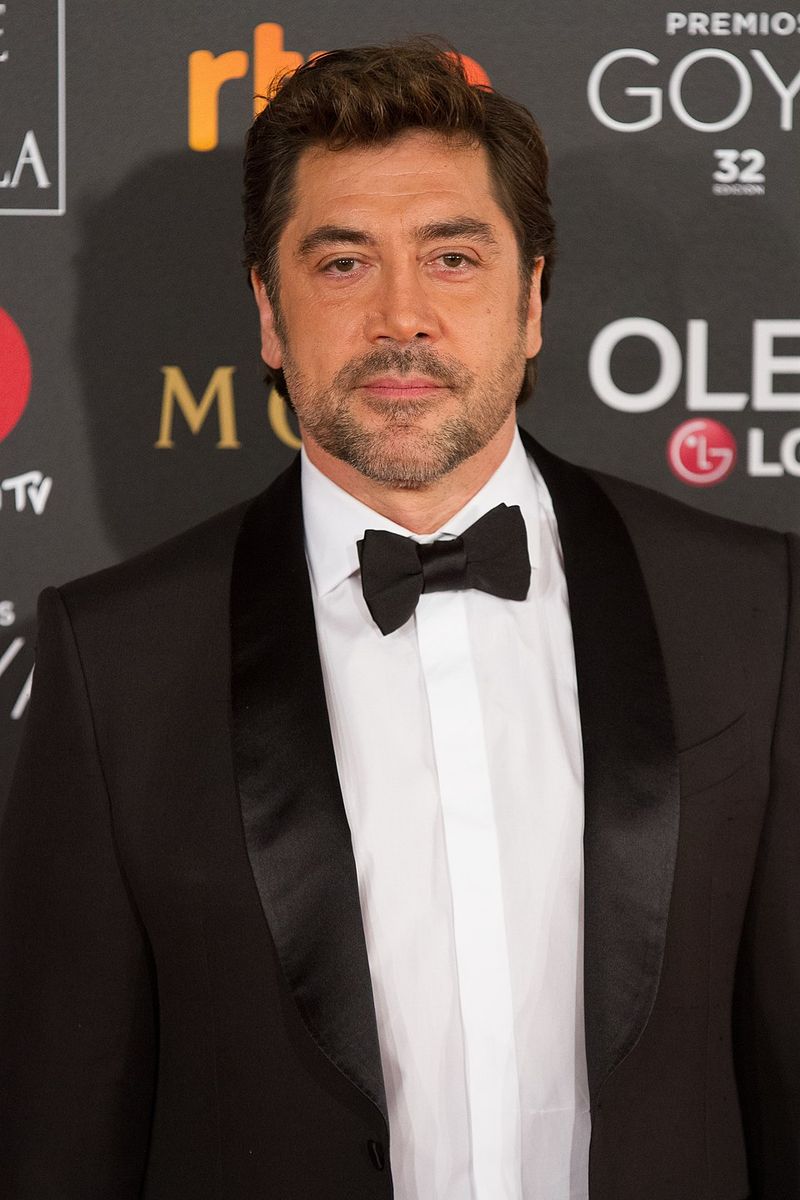
Anton Chigurh doesn’t talk much, and he doesn’t need to. In No Country for Old Men, Javier Bardem plays a hitman so methodical and merciless that he operates more like a natural disaster than a human being.
His presence in a scene signals one thing: somebody isn’t making it out.
The film technically centers on Llewelyn Moss and Sheriff Bell, but Chigurh dominates every frame he’s in. His coin-flip scenes became legendary, turning a simple moment into something deeply philosophical.
He offers his victims a choice, but the choice is never really a choice at all.
Bardem won the Academy Award for Best Supporting Actor for the role, and his performance remains a masterclass in restrained menace. No yelling, no theatrics, just cold certainty.
Chigurh believes he is fate itself, and the terrifying thing is that the film almost agrees with him.
7. The Wicked Witch of the West (The Wizard of Oz)
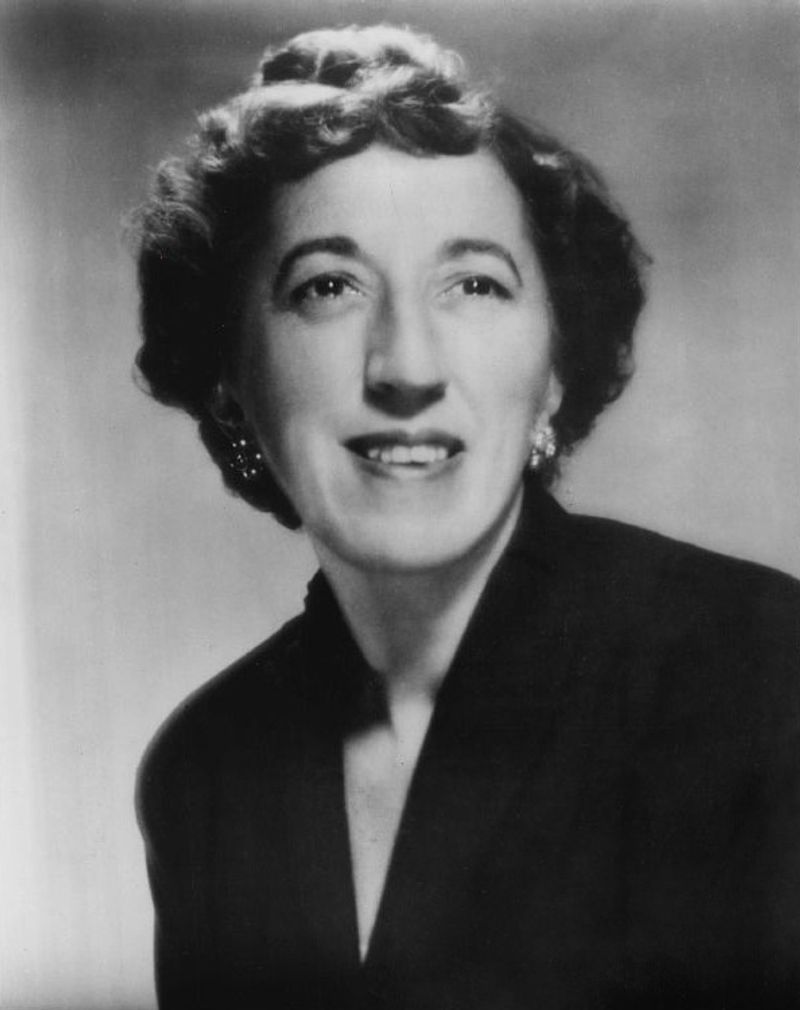
The Wizard of Oz came out in 1939, and yet ask almost anyone to name a character from that film and the Wicked Witch of the West comes up before Dorothy, the Scarecrow, or the Tin Man. Margaret Hamilton’s performance created a villain so vivid and frightening that she became a cultural landmark.
Dorothy is sweet and determined, but her journey is ultimately about getting home. The Witch, on the other hand, is driven by fury, power, and a grudge that makes her endlessly watchable.
Her cackle, her green skin, her flying monkeys all became defining images of what a villain could be.
For generations of children, she was the face of fear. Parents still talk about how the Witch terrified them as kids.
That kind of lasting emotional impact is something most heroes never achieve. She wasn’t just a villain in a children’s story.
She was an icon.
8. Killmonger (Black Panther)
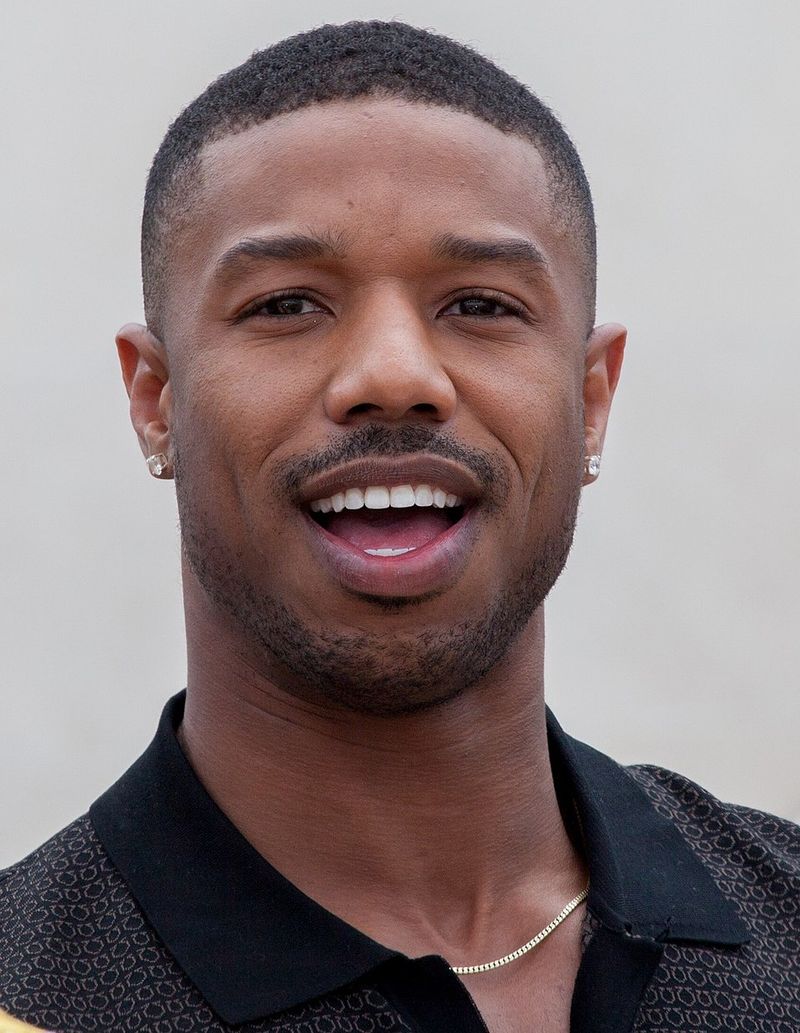
Erik Killmonger might be the most morally complicated villain in the entire Marvel Cinematic Universe. His goal, to liberate oppressed people around the world using Wakanda’s resources, is something many viewers found genuinely sympathetic.
The problem wasn’t his cause. It was his methods.
T’Challa is a noble and capable hero, but Killmonger’s scenes carry a raw emotional weight that the film’s protagonist rarely matches. Michael B.
Jordan delivered a performance full of rage, grief, and wounded pride that felt deeply human. You understood exactly why he became who he became.
His backstory of being abandoned as a child in Oakland, growing up without family or belonging, gave him a pain that audiences recognized. Many viewers openly admitted they agreed with parts of his argument.
A villain who makes you question the hero’s side is one of the rarest and most powerful kinds of storytelling.
9. Tyler Durden (Fight Club)
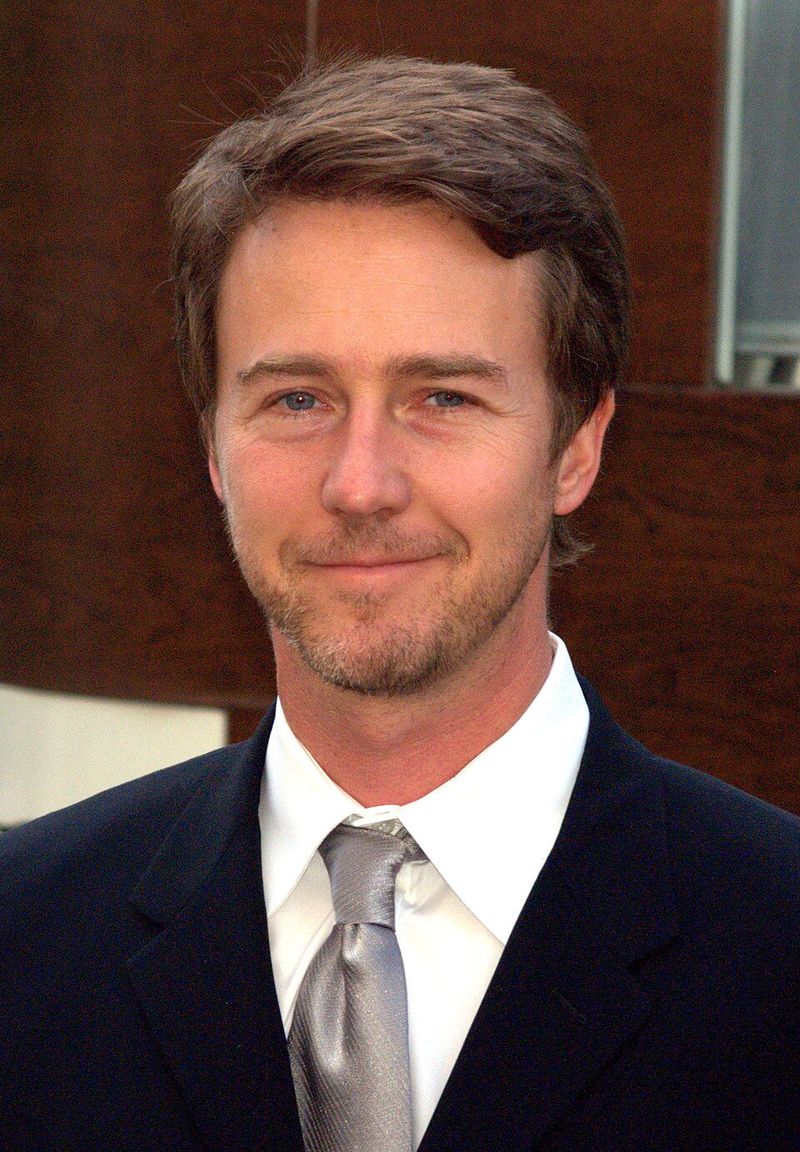
Fight Club plays a clever trick on its audience. Tyler Durden is introduced as the coolest, most liberated person in the room.
He’s funny, fearless, and magnetic. By the time viewers realize he’s the villain, most of them have already decided they want to be him.
Brad Pitt played Tyler with an effortless swagger that made the character impossible to resist. His speeches about consumerism, identity, and modern masculinity hit a nerve with audiences in 1999 and continue to resonate today.
The film’s narrator, played by Edward Norton, is technically the protagonist, but Tyler is the one everyone remembers.
The genius of the character is that he voices real frustrations people feel but rarely say out loud. That’s what makes him dangerous and fascinating at the same time.
Tyler Durden isn’t just a villain. He’s a warning dressed up as a fantasy, and it works brilliantly.
10. Hans Gruber (Die Hard)
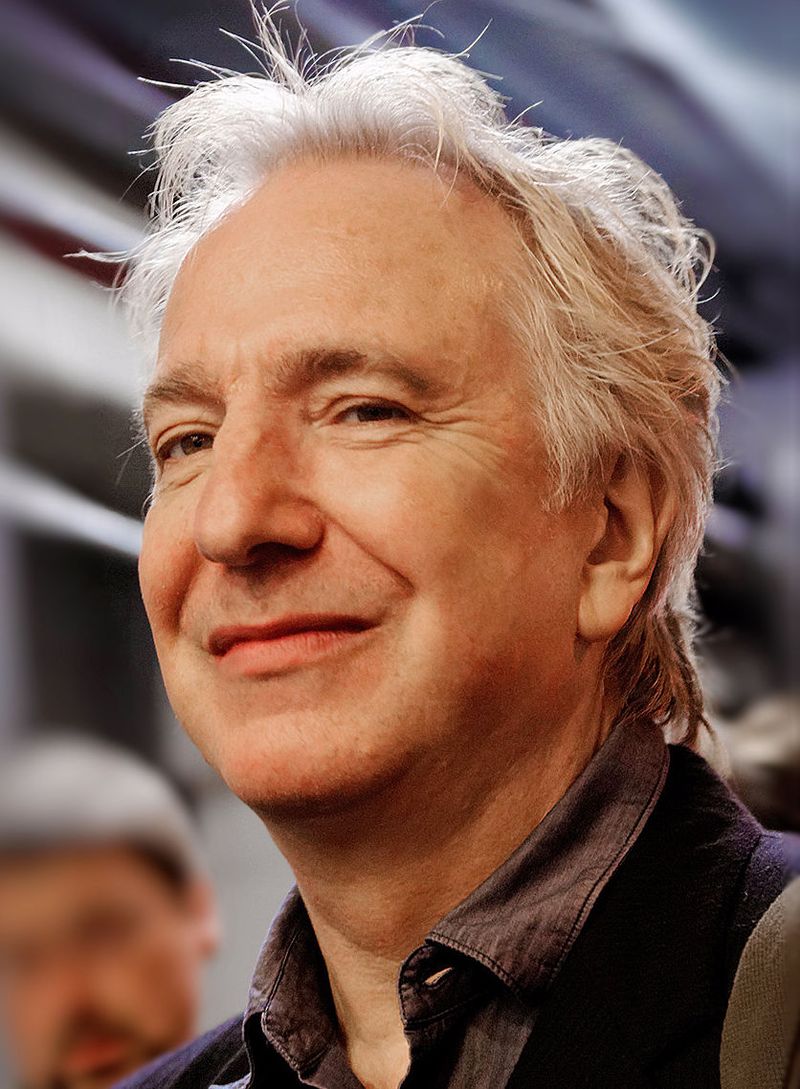
Hans Gruber set the standard for what a movie villain could be in an action film. Before Die Hard, action antagonists were often loud, physically imposing, and not particularly smart.
Alan Rickman’s Gruber was something entirely different: polished, witty, and three steps ahead of everyone else in the building.
His plan wasn’t fueled by rage or revenge. It was a carefully designed heist disguised as a hostage situation.
That intelligence made him genuinely threatening in a way that brute force never could. He quoted poetry, mocked the authorities, and kept his composure even as things unraveled around him.
John McClane is a lovable hero, but many film fans argue that Gruber is the real reason Die Hard became a classic. Rickman reportedly improvised the famous moment where Gruber falls from the building, creating one of cinema’s most memorable final shots.
A great villain elevates everything around him.
11. Nurse Ratched (One Flew Over the Cuckoo’s Nest)
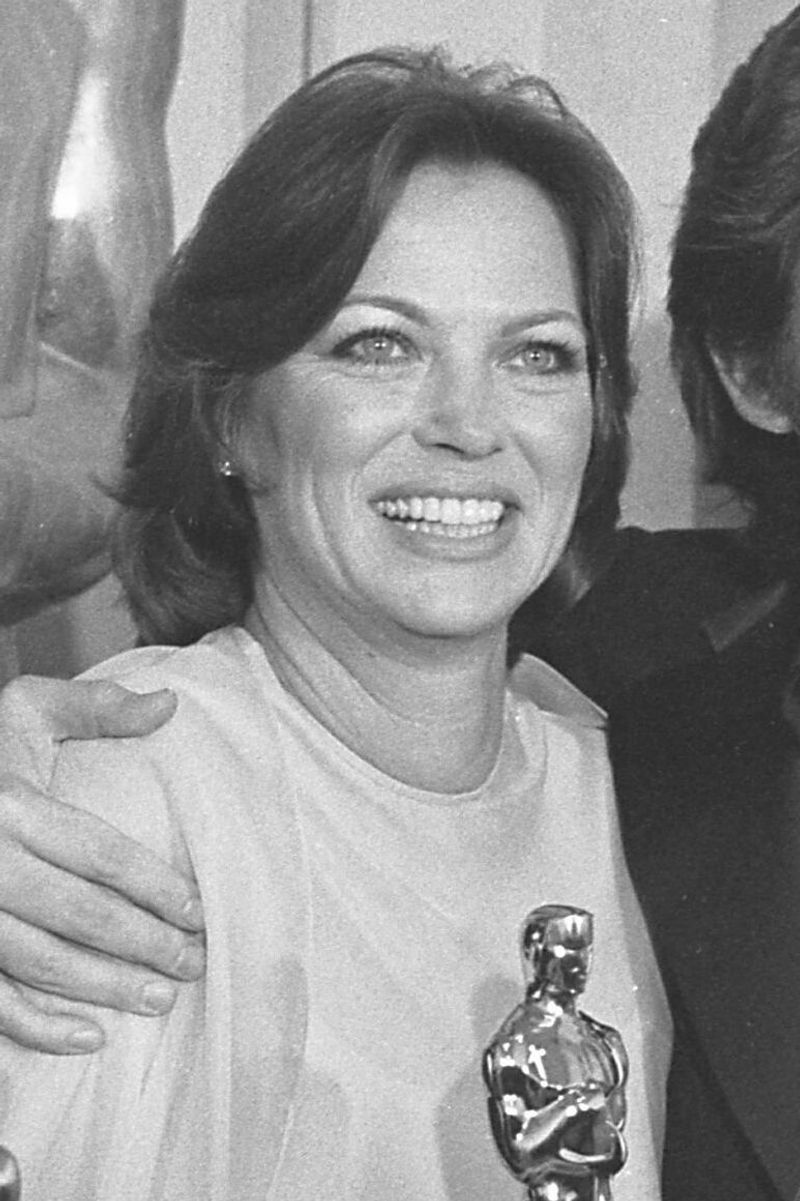
Nurse Ratched never raises her voice. She doesn’t need to.
In One Flew Over the Cuckoo’s Nest, Louise Fletcher plays a psychiatric ward supervisor whose control over her patients is total, quiet, and utterly chilling. She is one of cinema’s most unsettling villains precisely because she believes she is helping.
Randle McMurphy, played by Jack Nicholson, is the film’s rebellious hero and a genuinely entertaining presence. But Nurse Ratched is the one who holds all the power.
Her calm, clinical cruelty is more disturbing than any outburst could ever be. She uses the rules as weapons.
Fletcher won the Academy Award for Best Actress for the role, and Ratched later ranked as the fifth greatest film villain of all time according to the American Film Institute. Her name has entered everyday language as shorthand for institutional cruelty.
That kind of cultural impact belongs to very few characters, hero or villain.
12. Scar (The Lion King)
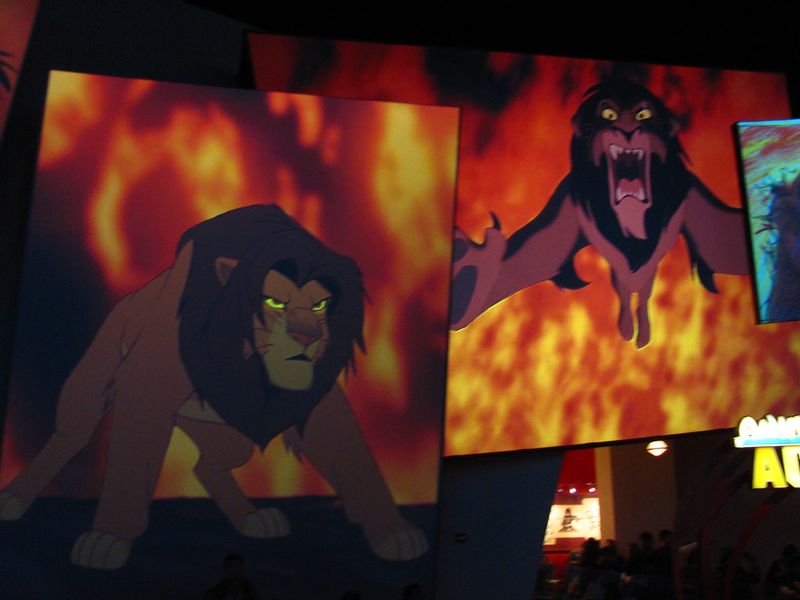
Scar is one of Disney’s greatest achievements in animated villainy, and a huge part of that comes down to Jeremy Irons’ voice performance. Every line he delivers drips with sarcasm, contempt, and theatrical flair.
Simba is the hero of The Lion King, but Scar is the reason audiences never lost interest.
His musical number, Be Prepared, is widely considered one of the best villain songs in Disney history. While Simba is learning lessons about responsibility, Scar is orchestrating a coup, manipulating loyal soldiers, and plotting fratricide with the calm confidence of someone who has already won.
What makes him especially memorable is how personal his villainy feels. He doesn’t want to rule the world.
He wants what was taken from him, or what he believes was taken. That specific, jealous hunger makes him more believable than many animated antagonists.
Kids understood him, and that made him even scarier.
13. Magneto (X-Men series)
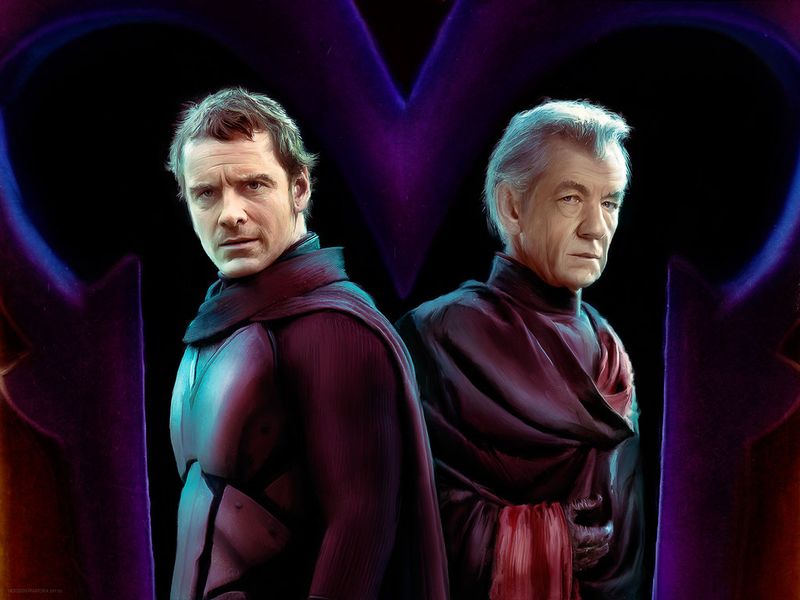
Magneto is one of the few comic book villains whose argument you genuinely have to think about. As a Holocaust survivor who watched the world destroy people it considered different, his decision to fight back against human oppression isn’t hard to understand.
It’s the extremity of his methods that makes him the antagonist.
Professor X is kind, patient, and hopeful. Those are admirable qualities.
But Magneto is the one who has actually lived through the worst of human cruelty, and his worldview reflects that experience in a way that feels earned. In many scenes, he makes more sense than the heroes trying to stop him.
Sir Ian McKellen brought tremendous dignity and weight to the role across multiple films. Michael Fassbender’s younger version added raw emotional intensity.
Together, they built a villain whose story could carry an entire franchise on its own. Few comic book antagonists have ever felt so fully realized or so deeply human.
14. The T-1000 (Terminator 2: Judgment Day)
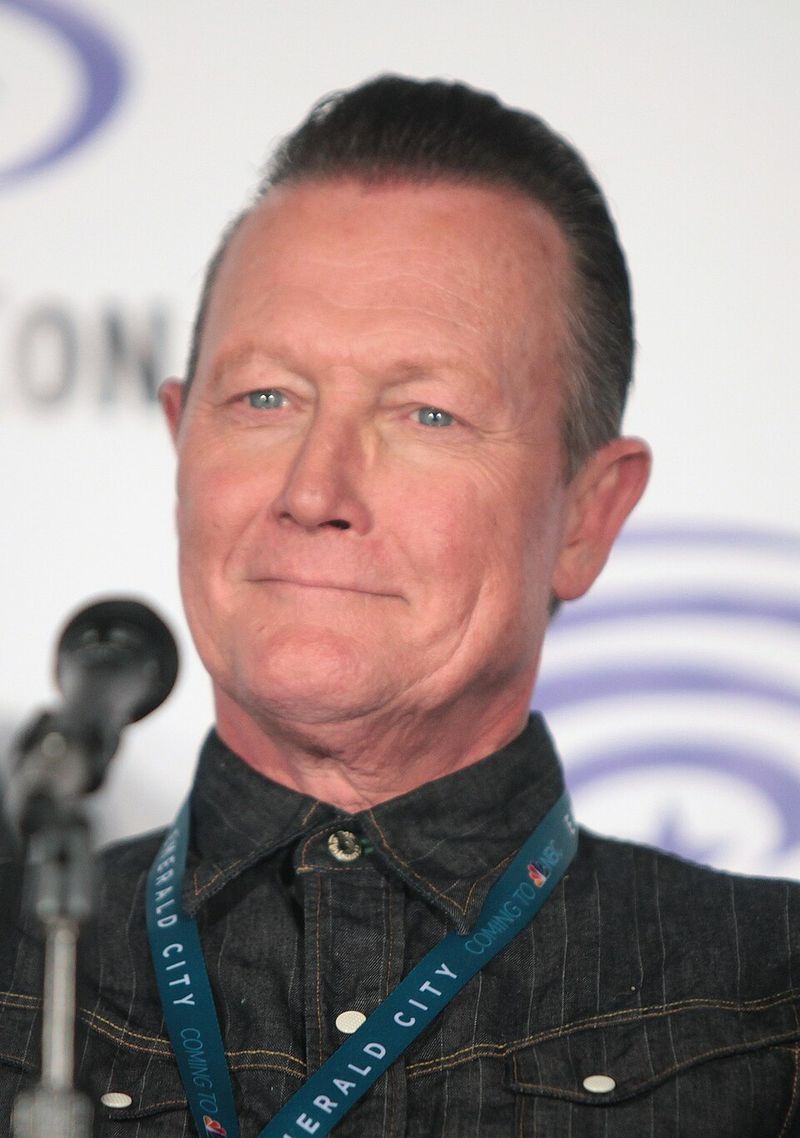
Robert Patrick walked onto the set of Terminator 2 and somehow managed to outshine the original Terminator himself, Arnold Schwarzenegger. His portrayal of the T-1000 is a masterclass in physical performance.
No speeches, no backstory, no motivation beyond its programming. Just relentless, silent pursuit.
What makes the T-1000 so terrifying is its adaptability. It can become anyone, mimic any surface, and recover from almost any damage.
The liquid metal effects were groundbreaking for 1991, but the real horror came from Patrick’s dead-eyed stillness. He moved like something that had learned to imitate a human without quite understanding one.
Arnold’s T-800 is the film’s protective hero, and audiences loved him. But every time the T-1000 appeared on screen, the tension spiked immediately.
The villain didn’t need personality or dialogue to dominate. Pure, mechanical inevitability turned out to be one of cinema’s most effective tools for dread.
15. Cersei Lannister (Game of Thrones)
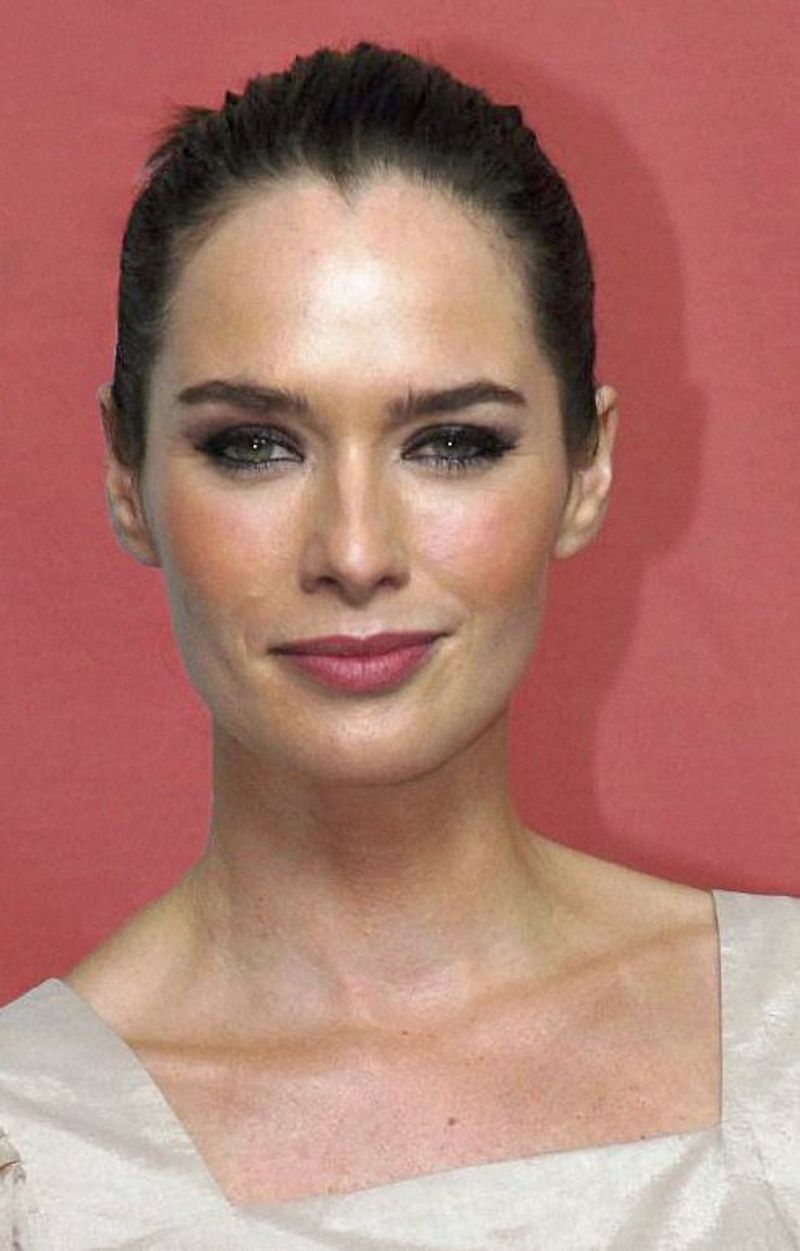
Game of Thrones had no shortage of compelling characters, but Cersei Lannister stood apart from the very first episode. Lena Headey played her with a steely intelligence and wounded ferocity that made every scene feel like a chess match.
You never quite knew what she was planning, but you knew she was always planning something.
The show’s so-called heroes spent much of the series making noble but often foolish decisions. Cersei made ruthless ones, and they worked.
Her survival across eight seasons while better people fell around her was a dark tribute to her strategic brilliance and absolute refusal to be underestimated.
Her motivations were always rooted in protecting her children and preserving her family’s power. That gave her a human core beneath the cruelty.
Audiences who despised her also quietly respected her. A villain who earns that kind of complicated admiration doesn’t come around often, and Cersei earned every bit of it.
Share this story