 Unearth The Voyage
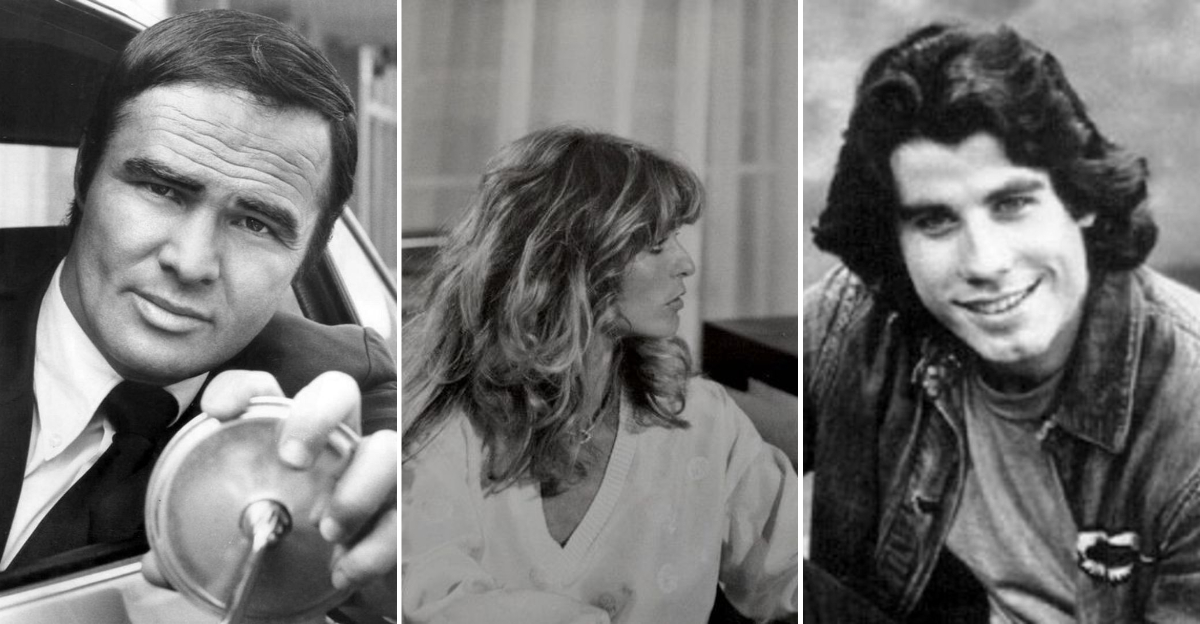
Pop culture in 1977 did not tiptoe into history, it marched in with sequins, swagger, and a new kind of media saturation. Movie studios chased blockbusters, radio tightened playlists, and TV turned weekly faces into national obsessions.
You will see how careers collided with technology, fashion, and marketing to create moments that still live in our memories and on endless rewatch lists. Keep reading to track how a single year amplified stars, set trends, and left clues about what fame would look like for decades to come.
1. Donna Summer
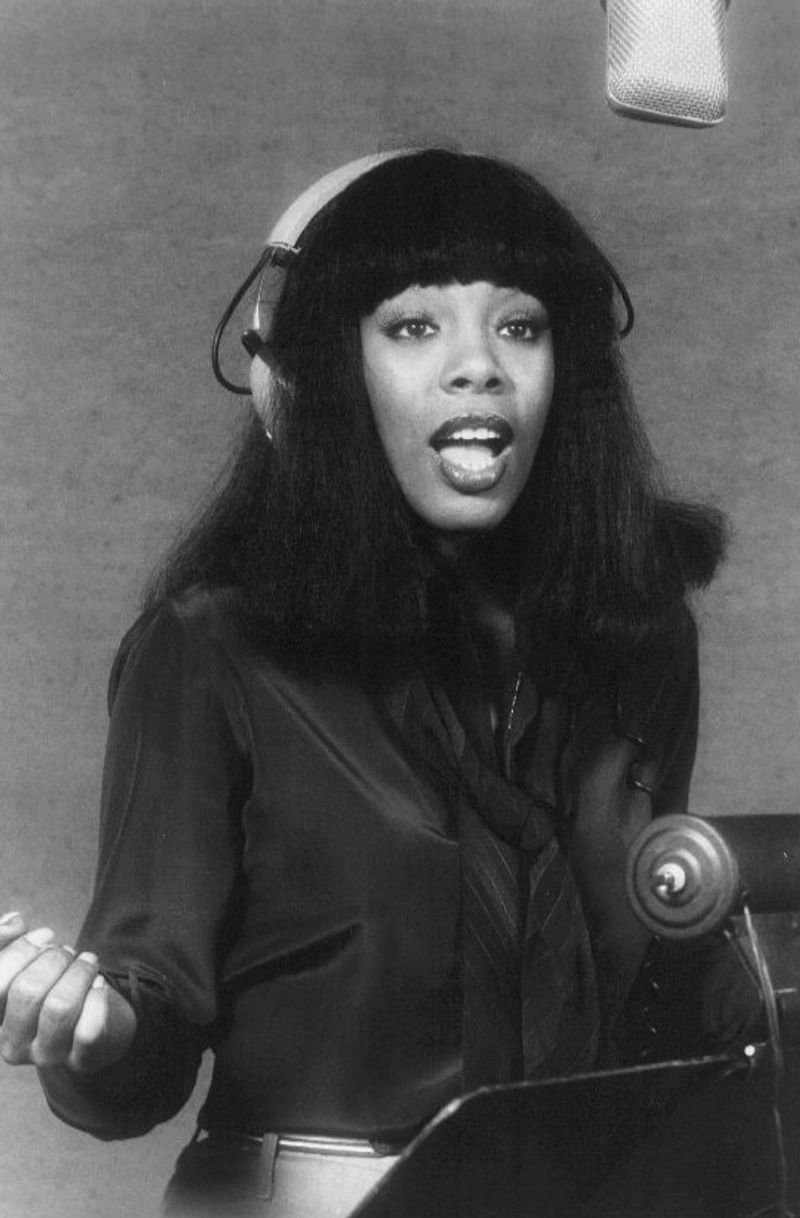
A synthesizer pulse met a soaring voice and rewired dance music’s future. Donna Summer’s 1977 run included I Feel Love, produced with Giorgio Moroder and Pete Bellotte, introducing a relentless sequenced bassline to mainstream pop.
The track’s minimalist structure invited DJs to stretch time, blending European electronics with American radio hooks.
Albums and singles arrived in steady succession, and she navigated disco’s rapid cycle with theatrical covers and strong narratives. Record stores filed her in multiple sections, from soul to pop imports, pulling in diverse buyers.
Studio musicianship paired with modular synth programming demonstrated that precision could still feel immediate and danceable.
Club charts and radio charts started speaking the same language. Critics later traced electronic dance music lineages back to this period, citing 1977 as the watershed.
Summer’s presence on television variety shows and in glossy magazines proved that club culture could sell to suburban households, compressing underground and mainstream into one durable lane.
2. Carrie Fisher

A single line of defiance made audiences recalibrate what a sci fi hero could look like. Carrie Fisher’s Princess Leia in 1977 brought strategic nerves and political authority to a genre often leaning on stoic archetypes.
Star Wars merchandise flooded stores that holiday season, and her visage anchored lunchboxes, posters, and action figures.
Publicity emphasized wit during interviews, pairing intelligence with youth in a media landscape that valued polish. Fisher navigated discomfort with sudden visibility by leaning into humor and craft, later becoming a trusted script doctor.
The role catalyzed discussions about representation, as fan letters highlighted girls noticing agency onscreen without apology.
Film critics analyzed story structure, yet audiences tracked hairstyles, quips, and leadership decisions with equal interest. The cross age appeal helped the film thrive in repeat viewings, even as lines around theaters stretched for weeks.
Fisher’s 1977 breakthrough mapped a durable path where franchise storytelling, character depth, and merchandising could reinforce each other.
3. Elvis Presley
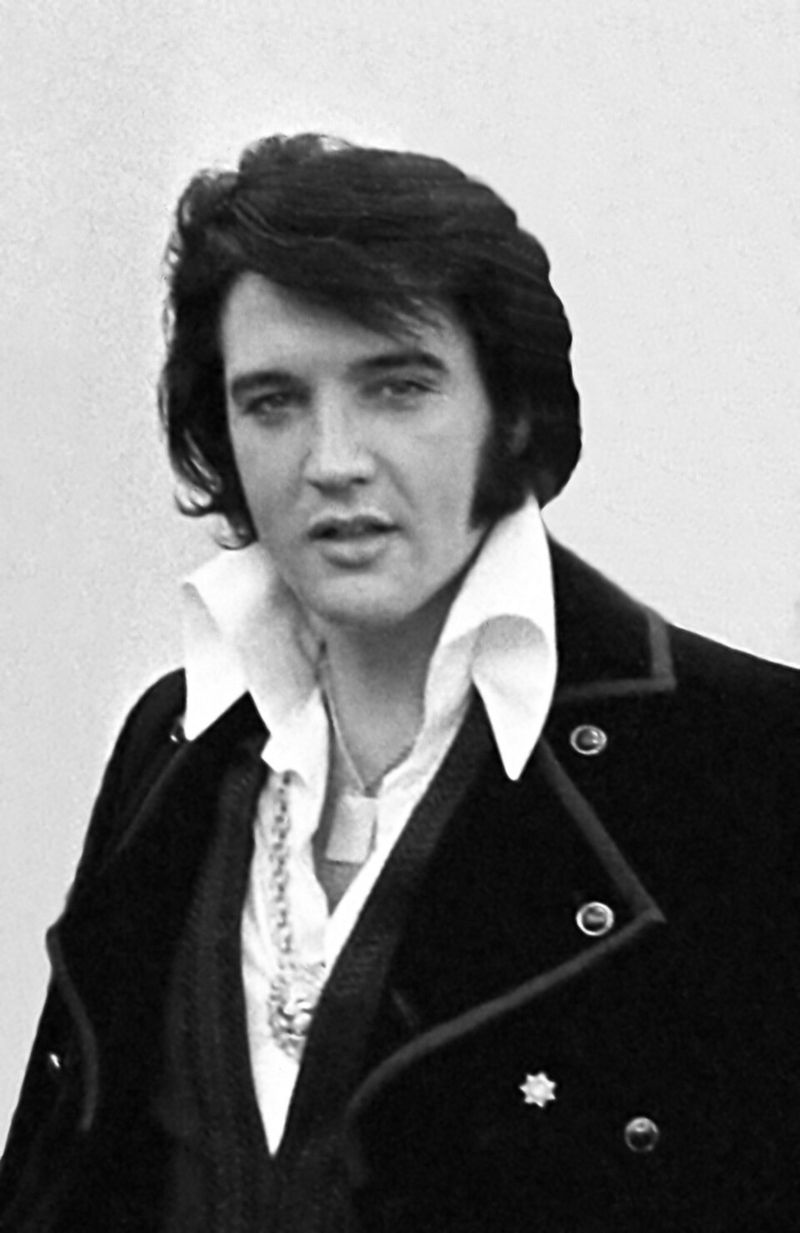
Legacy can accelerate when a career enters its late chapter under unblinking media attention. In 1977 Elvis Presley remained a touring powerhouse, issuing live recordings and drawing multi generational crowds.
Television specials recycled earlier triumphs while newspapers chronicled every booking, creating a near daily feedback loop around the figure of the King.
Graceland functioned as brand headquarters and pilgrimage site, with souvenir programs, photo booklets, and fan club networks amplifying loyalty. RCA capitalized with compilations and reissues, mapping retail endcaps to predictable surges in demand.
Radio formats segmented, yet Elvis bridged oldies, country crossover, and pop nostalgia playlists with ease.
Stage costumes evolved into jeweled jumpsuits that balanced mobility with spectacle, setting a touring template later adopted by arena headliners. Media studies often point to 1977 as a pivot year where celebrity estates, merchandising rights, and catalog strategy became long term enterprises.
The Presley operation illustrated how recorded archives, memorabilia, and destination tourism could sustain attention beyond any single release.
4. John Travolta
Spotlight met swagger and a new blueprint for movie stardom snapped into place. John Travolta vaulted from TV favorite to big screen phenomenon when Saturday Night Fever arrived in December 1977, powered by a modest budget and an outsized soundtrack.
The Bee Gees partnership fused film distribution with radio dominance, proving cross platform synergy could turn a local story into a global moment.
The character Tony Manero reflected working class ambition, polyester tailoring, and weekend escapism that matched urban America’s late 70s mood. Box office receipts climbed past 100 million domestically, extraordinary for an R rated dance drama.
Wardrobe choices landed in department stores, while the white suit became a copyable, affordable emblem of cinematic cool.
Television roots still mattered. Travolta balanced Welcome Back, Kotter obligations with a press blitz that leaned on teen magazines and talk shows, illustrating how network TV could incubate film leads.
Awards chatter focused on his charisma and physical precision rather than novelty. That year taught studios to bet on music driven narratives, and it positioned Travolta for Grease in 1978, confirming sustained star power.
5. Farrah Fawcett
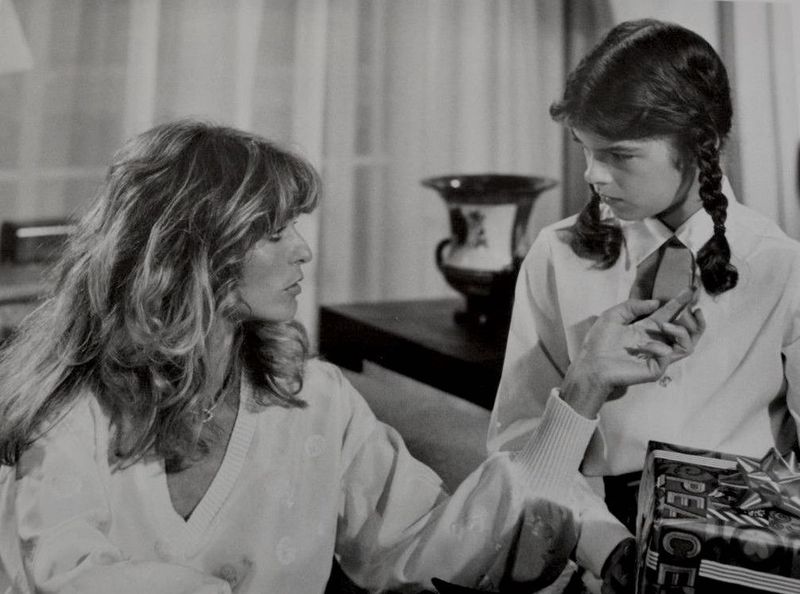
A single poster turned bedroom walls into billboards and crowned a television star as a national symbol of style. Farrah Fawcett’s red swimsuit image sold in the millions by 1977, redefining celebrity merchandising.
The hair became a trend with tutorials in magazines, salons refining the feathered layers until it was nearly a uniform for the year.
Charlie’s Angels marketed action through fashion, choreographing chase scenes with product friendly closeups. Fawcett negotiated visibility by leaving the series after one season, then striking a legal settlement that kept her on occasional episodes.
That move showed actors could leverage popularity to reshape contracts during TV’s network era.
Advertising deals expanded her reach across toothpaste, shampoo, and jeans, linking athletic energy with approachable glamour. Pop commentators debated substance, but the cultural math is clear.
She normalized the idea that a television star could command film offers, magazine covers, and retail influence simultaneously, all while defining an instantly recognizable silhouette.
6. Sylvester Stallone
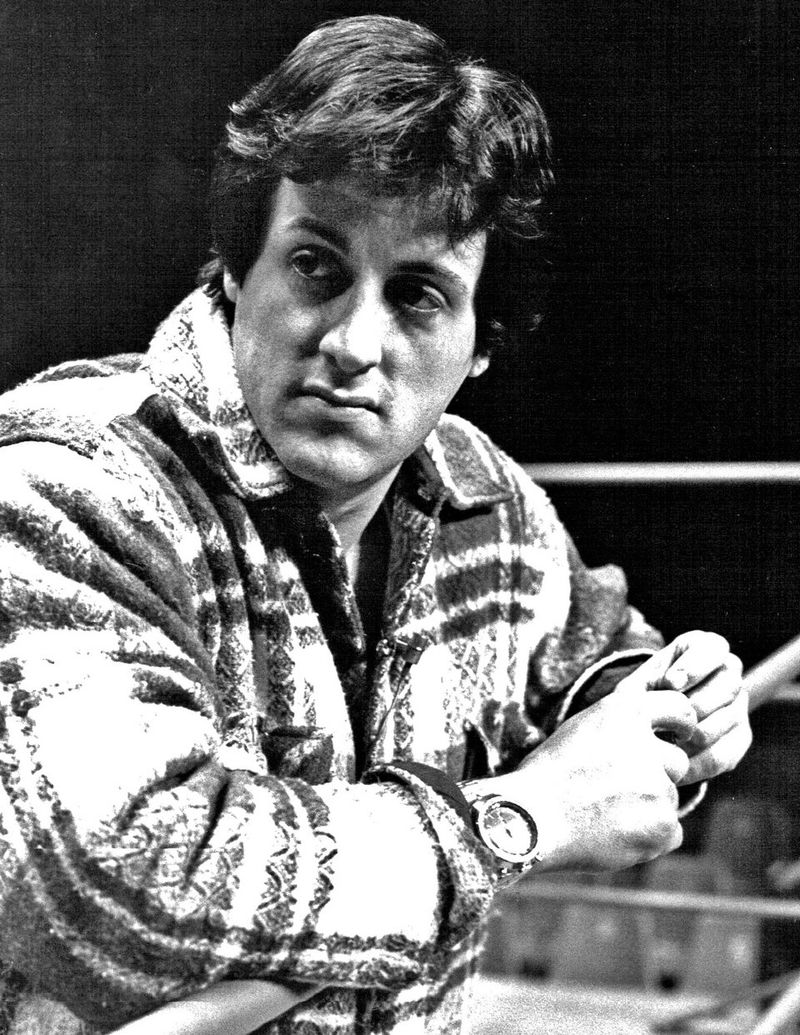
Determination met distribution strategy and transformed a scrappy screenplay into a franchise foundation. Sylvester Stallone’s Rocky momentum carried through 1977 with awards attention, re releases, and televised clips that kept the training montage in heavy rotation.
His insistence on starring in his own script became a case study in creative control.
Studios recognized the appetite for aspirational sports narratives tied to authentic urban settings. Marketing leaned on newspaper quotes and word of mouth, then migrated to poster driven mall campaigns.
The role’s blue collar focus resonated during an inflation stressed decade, turning a local Philadelphia climb into a national shorthand for effort.
Stallone parlayed that goodwill into new directing and writing opportunities, signaling a path for multi hyphenate careers. Gyms used Rocky themed promotions, while schools booked motivational assemblies.
The character and the actor blurred enough to anchor product endorsements that emphasized grit without glamour, forecasting action cinema’s rise through the 1980s.
7. Burt Reynolds
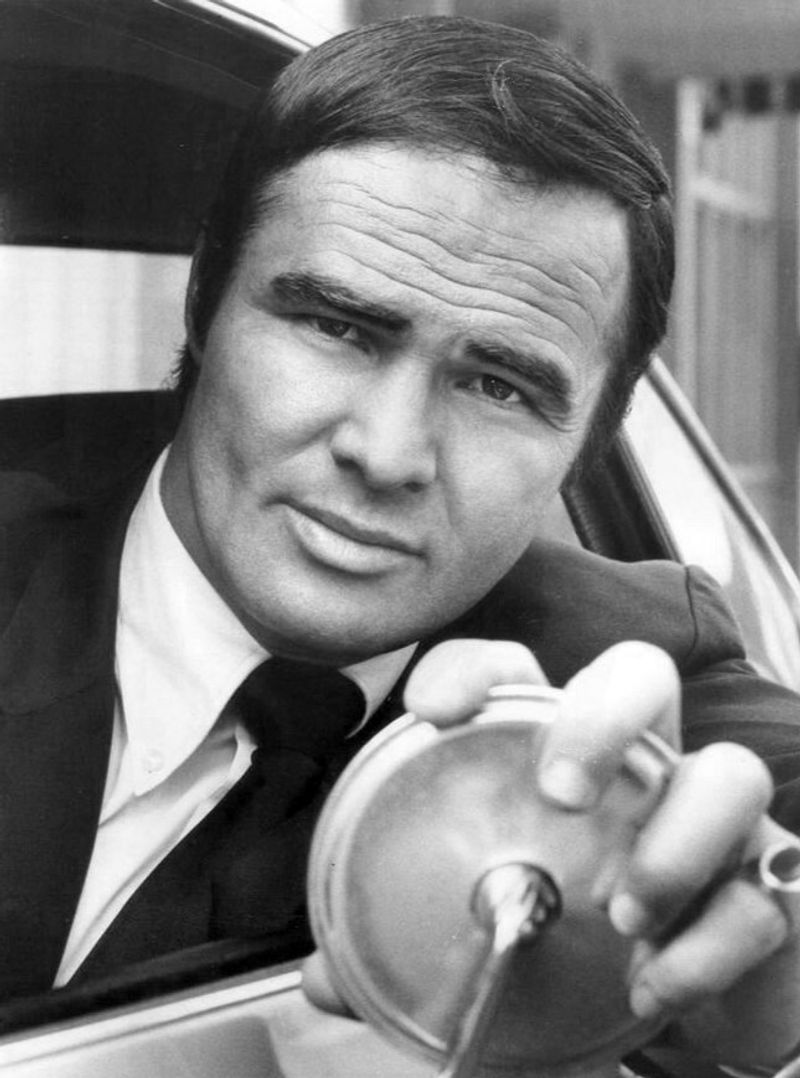
A mustache, a car, and a wink sold tickets across state lines. Burt Reynolds led Smokey and the Bandit in 1977, marrying chase comedy with country radio aesthetics.
The black Pontiac Trans Am doubled as a character, fueling dealership traffic and cementing product placement as a storytelling tool.
Reynolds mastered talk show charm, turning promotional tours into entertainment segments that extended the film’s run. Box office returns challenged coastal assumptions about heartland taste, proving regional humor could travel.
The stunt heavy production celebrated professional drivers and practical effects at a moment just before computerized techniques would spread.
Magazine spreads balanced athletic swagger with approachability, sustaining a brand that was both movie star and neighborly rogue. That combination let Reynolds toggle between comedies and dramas while retaining audience trust.
In 1977 he became the face of carefree mobility, translating CB radio chatter and highway myth into a bankable screen persona.
8. Stevie Wonder
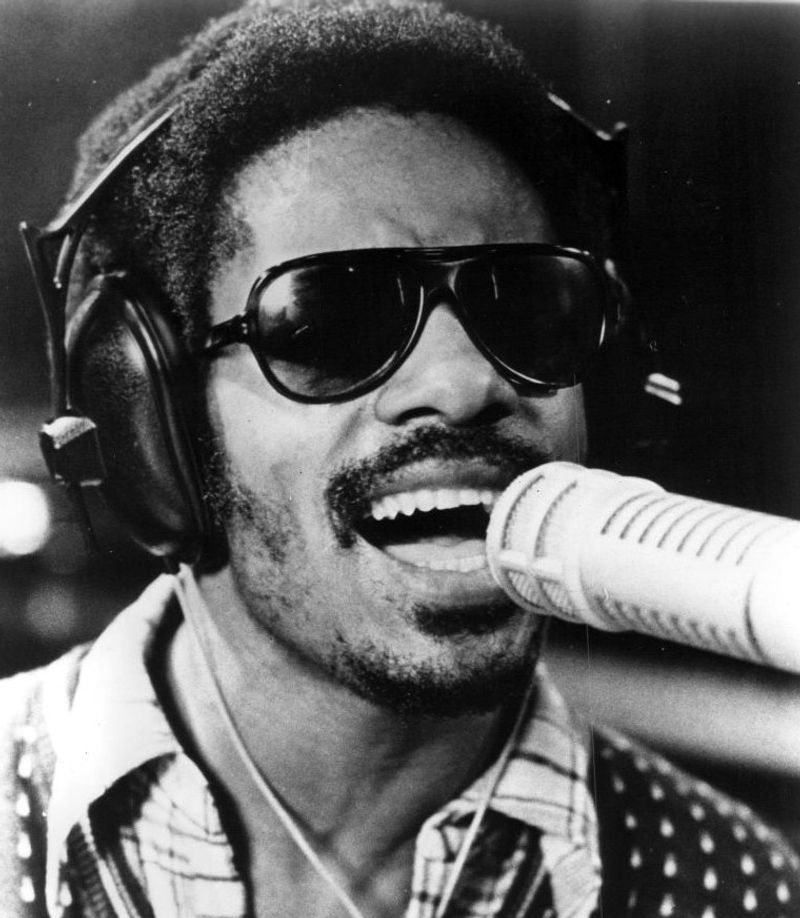
Innovation thrived when songwriting met technology with curiosity and discipline. By 1977 Stevie Wonder had completed an astonishing early 70s run, then issued Songs in the Key of Life late the prior year, dominating airplay well into 1977.
The double album’s breadth let radio programmers pick across styles, unifying soul, pop, jazz touches, and social commentary.
Touring schedules showcased a mobile laboratory of keyboards, clavinet, and synthesizers that rewarded musicianship. Educational programs cited Wonder’s arrangements for harmony lessons, while magazines printed gear lists that interested aspiring producers.
He framed advocacy and optimism without preaching, keeping lyrics grounded in community observations and daily routines.
Collaborations expanded his circle, influencing future R&B and hip hop sampling practices. Awards recognition underscored how artistry could align with commercial success without compromise.
In 1977 his catalog functioned like shared language, turning radio dials into open classrooms where chord changes, hooks, and civic pride coexisted naturally.
9. Lynda Carter
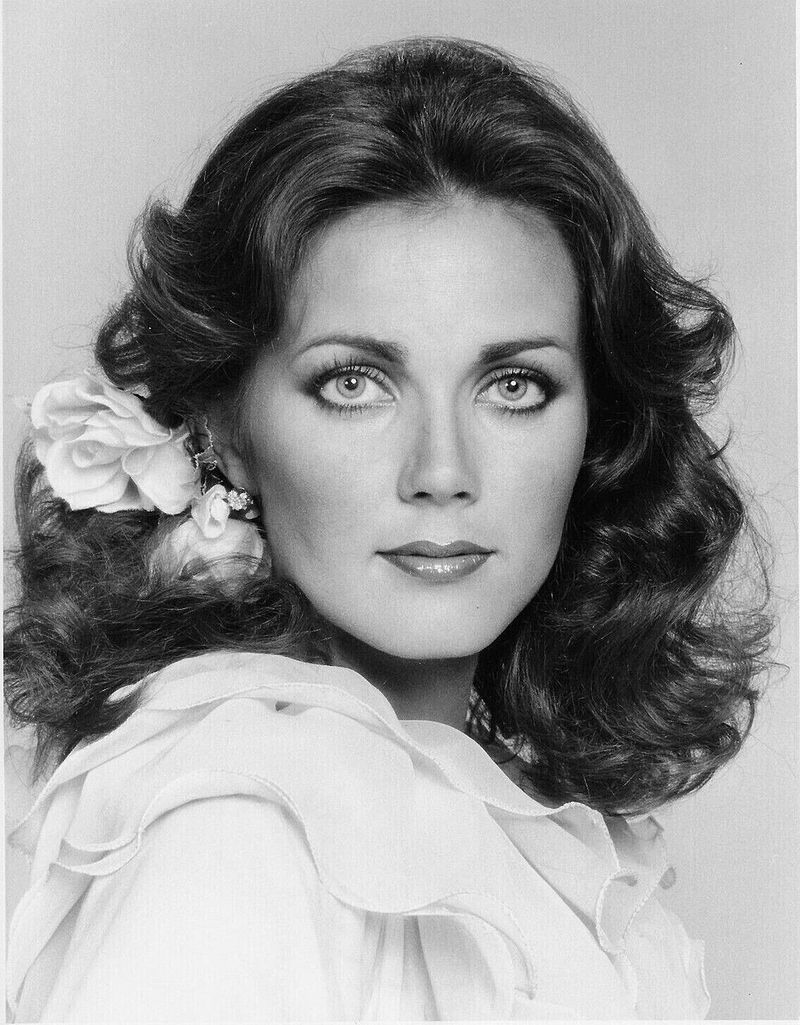
Network television found a weekly hero who matched action with humor and grace. Lynda Carter’s Wonder Woman, airing through 1977, balanced comic book origins with primetime pacing and accessible storylines.
The costume’s patriotic palette fit a decade sorting through identity, and Carter’s performance made strength feel welcoming rather than remote.
Merchandising followed with lunchboxes, Halloween costumes, and trading cards that placed a female lead at the center of kid culture. Stunt choreography improved season to season, proving that television could deliver reliable spectacle on tighter budgets.
Syndication later kept the character visible long after initial runs ended.
Interviews highlighted Carter’s musical talents and advocacy, broadening her image beyond capes and cuffs. Fan mail revealed families watching together, a key metric for advertisers in the three network era.
Her 1977 visibility helped normalize women fronting action narratives on mainstream TV, paving smoother paths for successors across genres.
10. Andy Gibb
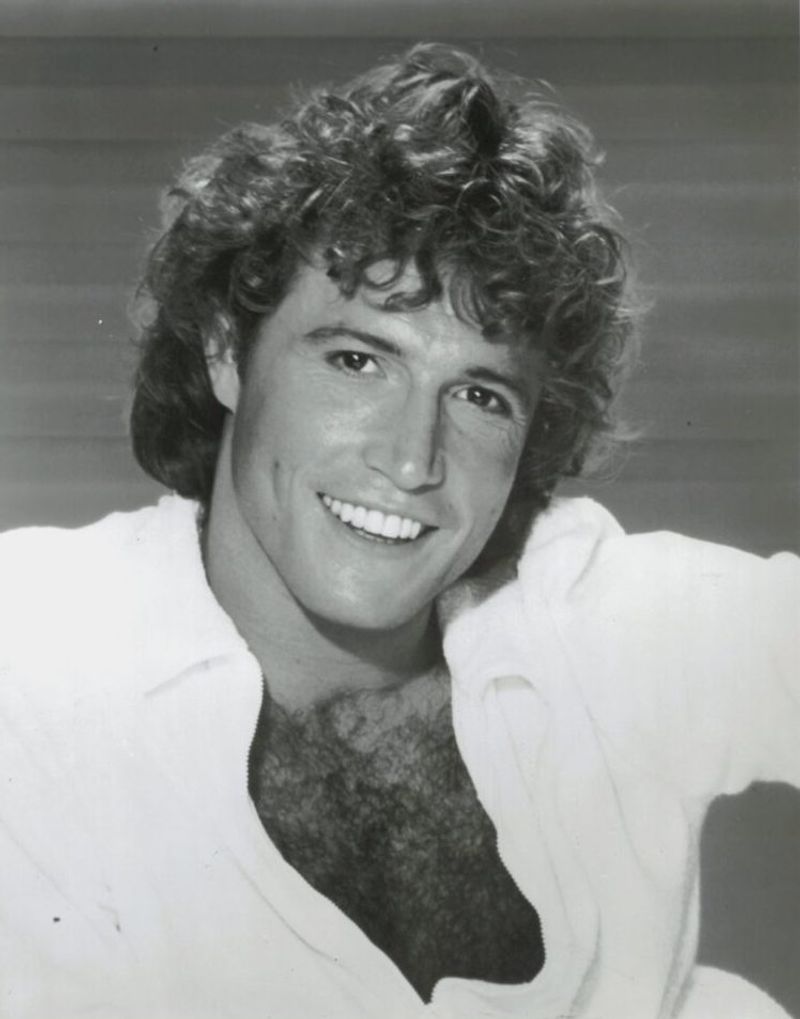
Fresh momentum can arrive with a surname and still build its own lane. Andy Gibb stepped into 1977 spotlight with I Just Want to Be Your Everything, aligning with the Bee Gees sound while carving a gentler pop focus.
Radio programmers embraced his melodic approach, sliding tracks between disco stompers and soft rock ballads.
Teen magazines ran features that synchronized tour dates, posters, and personality quizzes, converting listeners into organized fandoms. Producers leveraged family connections without overshadowing individual appeal, a balancing act that earned chart longevity.
Fashion coverage emphasized slim suits and approachable glamour, reflecting mall ready trends.
Television variety shows welcomed Gibb for live vocals and easy banter, extending reach beyond clubs. The strategy showed how solo acts could ride the disco wave without being boxed in by it.
By year’s end he stood as a distinct teen idol whose singles offered dance floor lift and radio friendly sweetness in equal measure.
11. Harrison Ford

A smirk, a vest, and perfect timing launched a working actor into global orbit. Harrison Ford’s Han Solo in 1977 gave Star Wars its grounded skeptic, balancing idealism with practicality.
The role translated across languages because sarcasm travels well and the character’s decisions were plainly motivated.
Ford’s prior carpentry side jobs became part of the myth, a publicity hook that emphasized perseverance. Casting stories circulated in newspapers, illustrating the value of chemistry reads and ensemble balance.
Merchandise included figures and model kits that locked Solo into childhood play patterns, ensuring repeat viewings and sequel anticipation.
Studios learned that franchise logic needed relatable anchors as much as spectacle. Ford’s understated approach held steady, paving a bridge to future leads that demanded agility rather than theatricality.
His 1977 breakout marked a shift where character actors could become marquee names without shedding their grounded instincts.
12. Cher
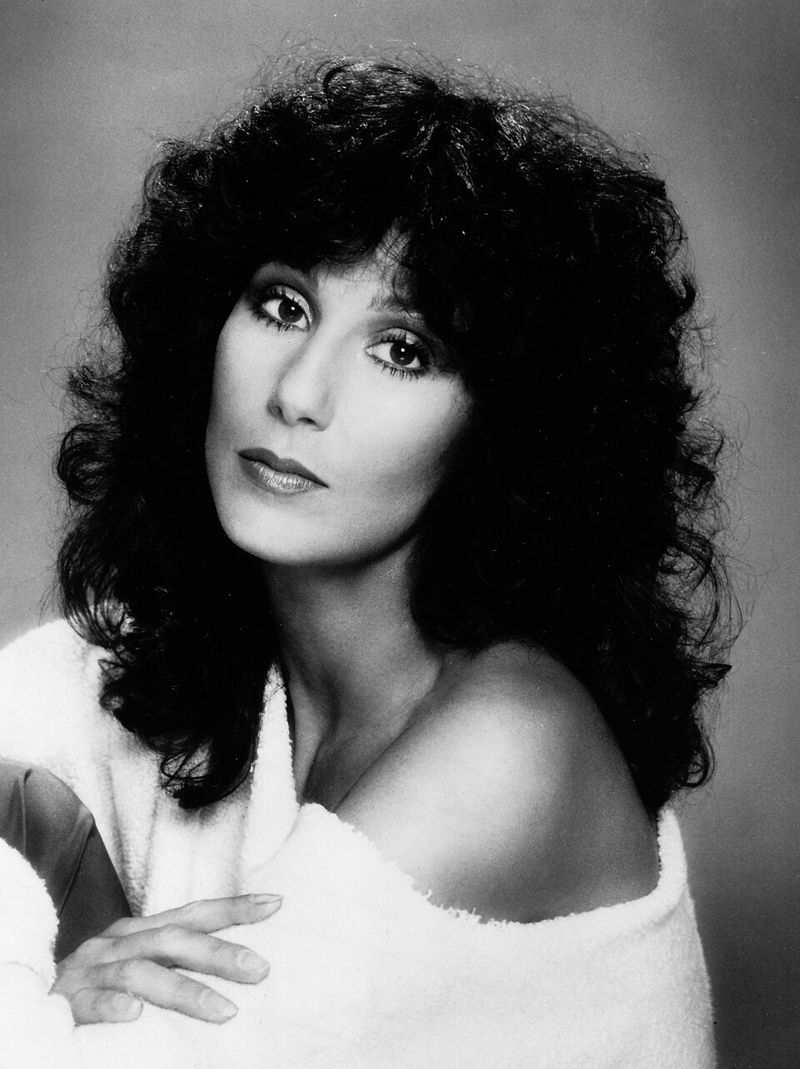
Reinvention turned into a reliable operating system. Cher in 1977 navigated TV variety formats, chart singles, and paparazzi economies with a strategist’s calm.
Fashion collaborations delivered daring silhouettes that read crisply on broadcast equipment, maximizing impact when most homes still used modest sized screens.
Her voice cut through disco blends and ballads alike, giving programmers flexibility and keeping playlists fresh. Tabloids tracked relationships, yet the work rate stayed high, with tour bookings and television tapings aligning to sustain momentum.
Costume design credits received unusual attention, validating the artistry behind televised spectacle.
Business decisions included ownership stakes and licensing that anticipated later celebrity brand models. Cher’s interviews modeled directness, which built trust even when the look of the week surprised viewers.
In 1977 she proved staying power came from curiosity, control, and an instinct for formats that let personality and songcraft share the spotlight.
13. Robert Plant
Stadium scale met myth making, and a frontman held the center with ease. In 1977 Robert Plant toured with Led Zeppelin across North America, promoting Presence and earlier catalog pillars.
The setlists spanned long arrangements that showcased improvisation, while bootleg culture documented variations for devoted collectors.
Concert economics matured as promoters refined guarantees, percentage deals, and security logistics for massive venues. Merchandise evolved beyond T shirts into tour books and patches, each anchoring fan identity.
Media coverage weighed spectacle against musicianship, and Plant’s vocal range framed debates about rock’s expanding theatricality.
Radio support remained strong, but the band’s power came from ticket demand that justified multi night arena stands. Plant’s stage persona influenced later hard rock singers who mixed swagger with art minded phrasing.
The 1977 campaign crystallized arena rock’s operational template, fusing scale, narrative continuity, and relentless audience participation.
14. Jodie Foster
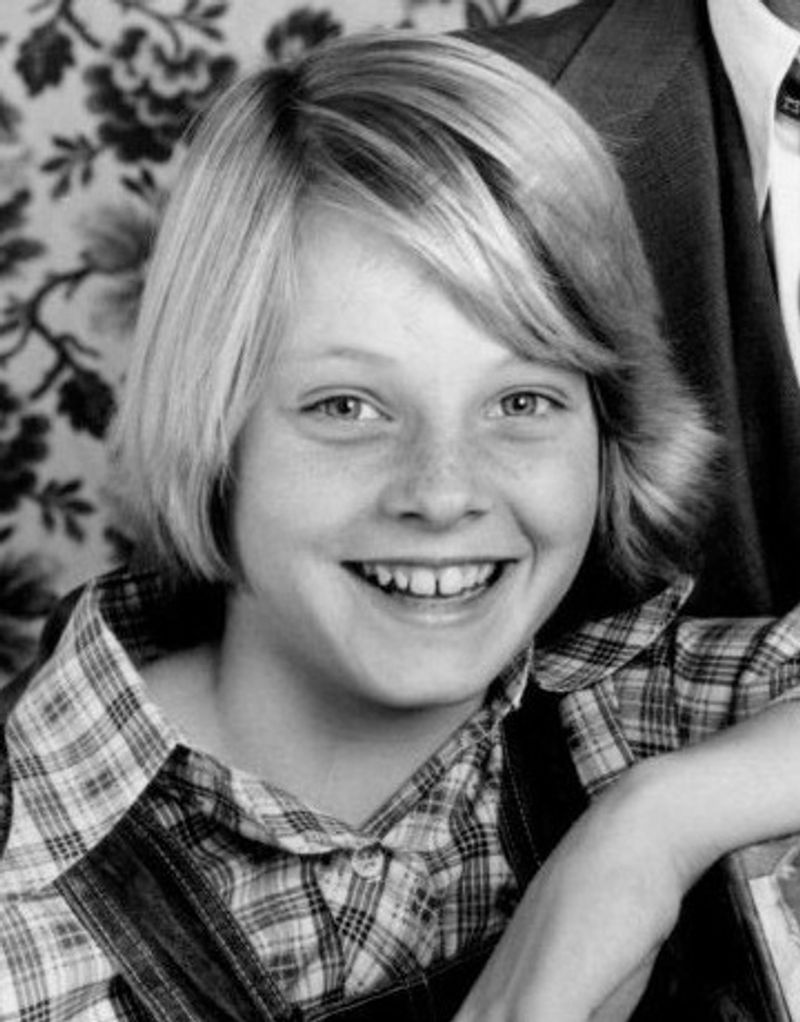
Serious acclaim attached to a performer not yet old enough to drive in many states. Jodie Foster’s trajectory in 1977 followed critical attention for Taxi Driver the previous year, leading to demanding roles and careful chaperoned publicity.
Interviews highlighted language skills and school commitments, setting a tone of discipline over novelty.
Studios positioned her as proof that young actors could handle complex material without caricature. Magazine profiles balanced film craft with normal routines, helping audiences see professionalism rather than precocity.
Awards bodies took notice, and casting directors broadened scripts to include layered younger characters.
The shift affected family viewing habits, as parents weighed subject matter while respecting artistry. Foster’s presence nudged the industry toward better on set protections and education plans, refining expectations for minors in production.
By 1977 she represented potential more than hype, a sign that youth and rigor could sit comfortably in the same frame.
15. Muhammad Ali
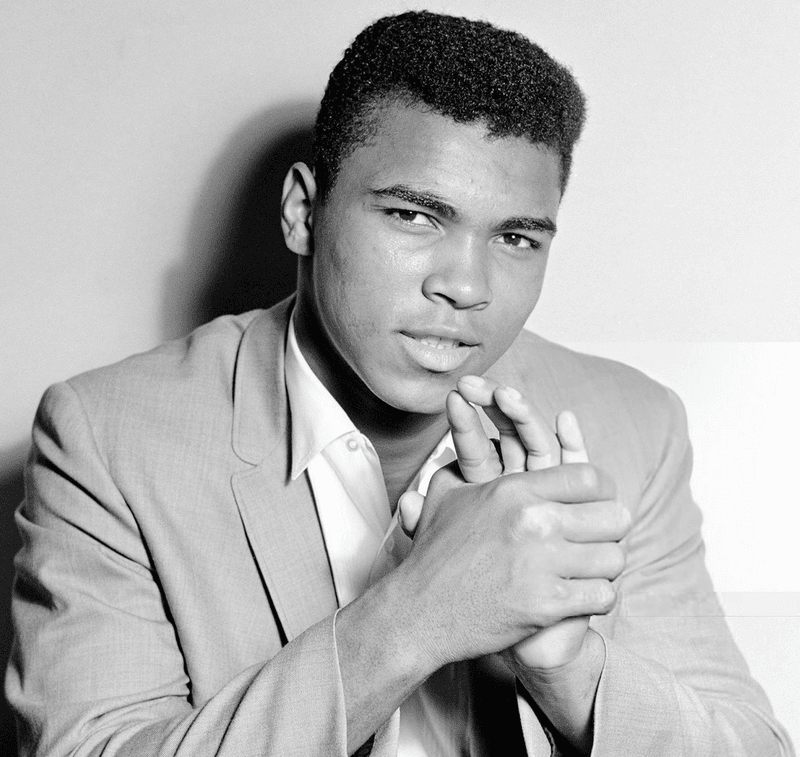
Confidence functioned like a media engine that never needed refueling. In 1977 Muhammad Ali maintained heavyweight champion visibility through exhibitions, interviews, and philanthropic appearances.
Television producers booked him because conversation guaranteed ratings, and his timing turned press events into must see segments.
Training camps doubled as public classrooms where fitness, strategy, and community uplift received equal airtime. Endorsements and speaking engagements showed athletes could command attention beyond scorecards.
Ali’s global itinerary kept him in newspapers regardless of season, demonstrating how sports and culture had become inseparable.
Writers analyzed rhetoric as much as technique, recognizing a performer of ideas as well as athletic skill. Schools referenced his career in lessons about persuasion and civil presence.
In 1977 the template for modern athlete branding was visible in full, with Ali’s humor, discipline, and clarity setting standards many would follow.
16. Diana Ross
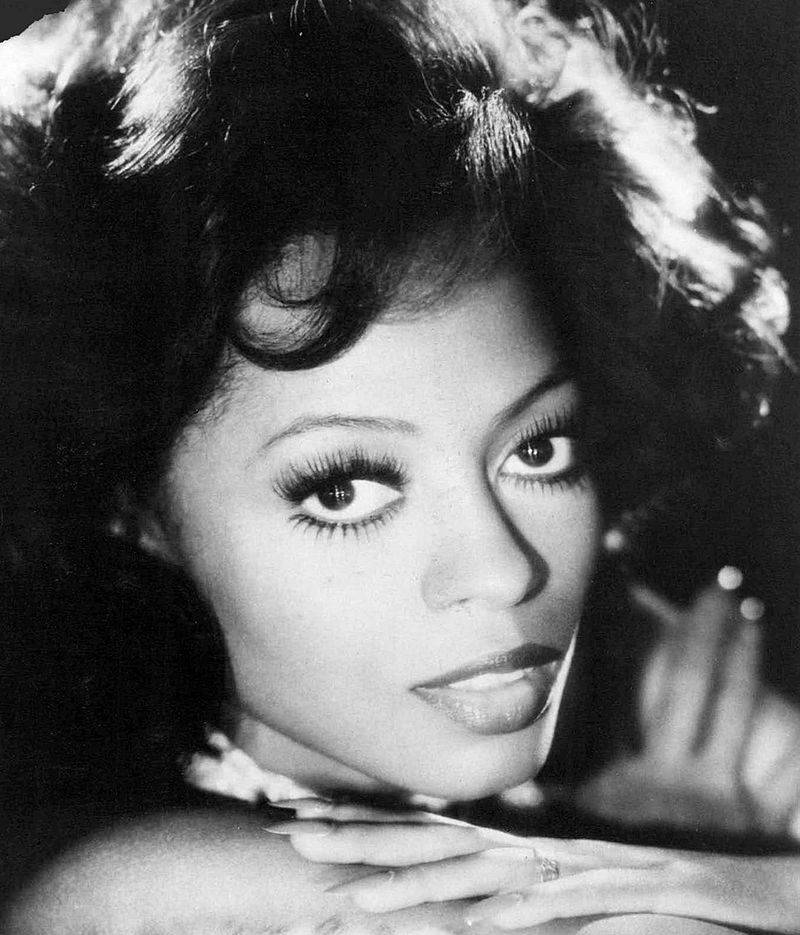
Elegance served as both signature and strategy. Diana Ross in 1977 balanced chart action with television specials and international touring, extending reach far beyond the Motown origins.
Wardrobe and staging communicated command, helping venues feel intimate even at large scale.
Her catalog bridged Supremes classics and contemporary solo hits, giving setlists a dependable arc that satisfied multiple generations. Press coverage focused on professionalism and relentless preparation, attributes that turned high expectations into routine delivery.
Fashion editors tracked gowns with the same rigor as critics tracked singles.
Licensing and film opportunities surfaced as studios noticed her consistent draw. Ross’s approach proved glamour could coexist with meticulous logistics, from tight band arrangements to punctual curtain times.
The 1977 schedule kept her squarely in the conversation as a model of sustained excellence in mainstream pop performance.



