 Unearth The Voyage
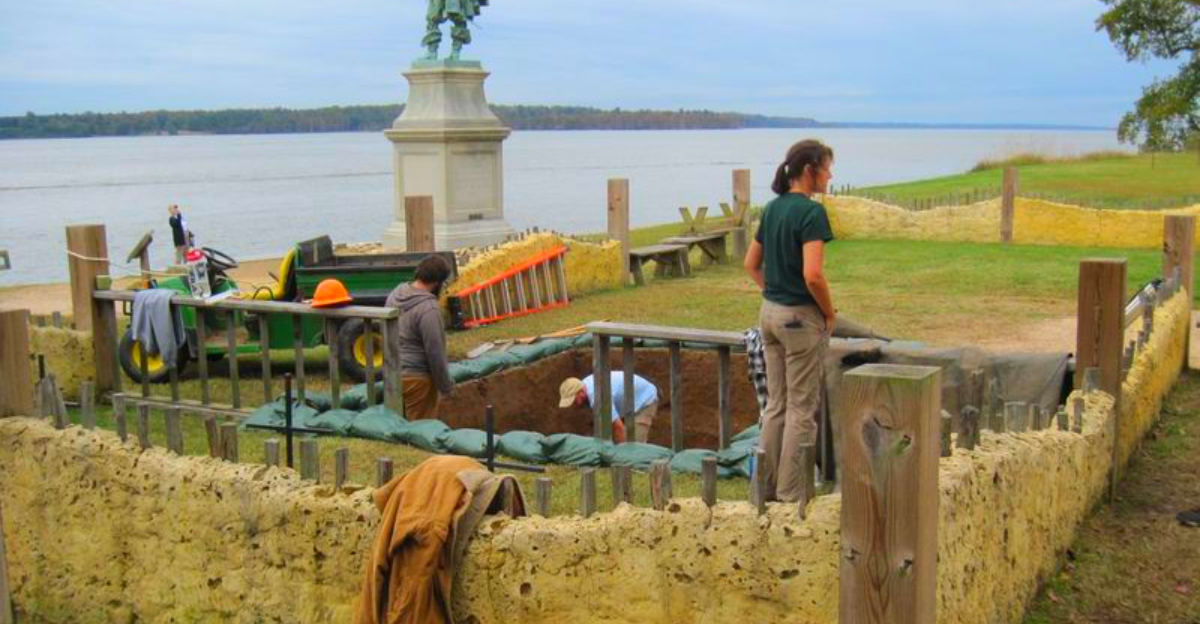
America’s past is written into cliffs, cobblestones, and quiet fields that rarely make headlines. While the big-name monuments stay polished, many lesser-known treasures are cracking, sinking, and blowing away in the wind.
You can still stand in these places and feel history breathe, but the window is shrinking. Here are the sites you should see now, and the reasons they are slipping from our grasp.
1. Chaco Canyon, New Mexico
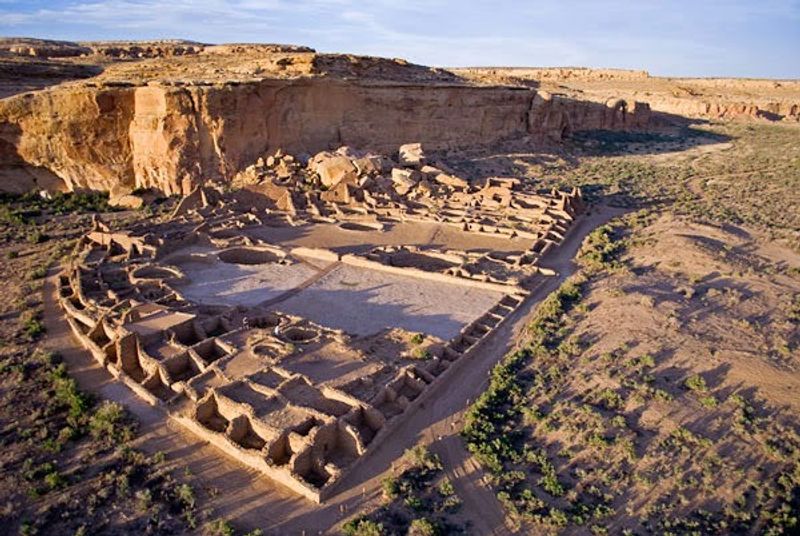
Chaco Canyon feels timeless, but its protection is not guaranteed. Great houses align with the sky, yet the horizon now competes with industrial footprints.
Roads, dust, and noise stress ancient masonry that already endures scorching summers and sudden downpours.
Unpredictable weather and energy development nearby increase risk to both structures and sacred viewsheds. You feel the quiet, then a truck rumbles.
Visit with care, stick to established routes, and listen to Indigenous voices guiding stewardship.
Chaco’s lessons are vast, measuring centuries rather than seasons. If we let the landscape fracture, the story fractures too.
2. Fort Jefferson, Florida (Dry Tortugas)
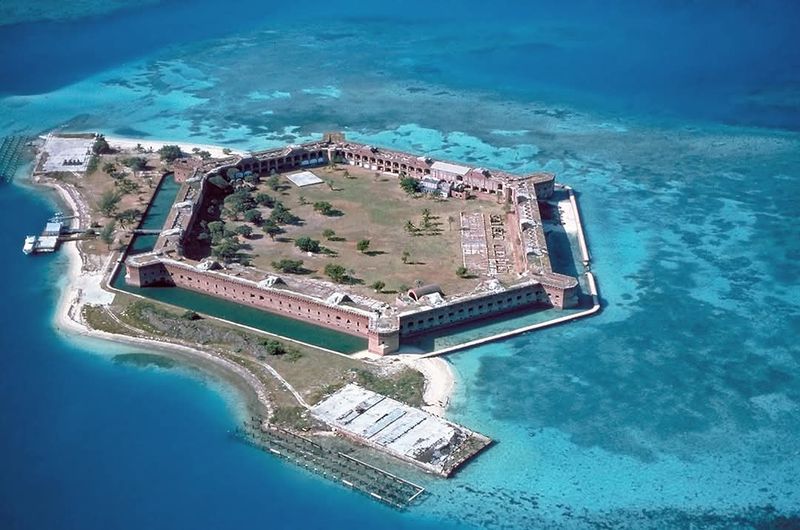
Reaching Fort Jefferson feels like time travel across open water. Then the details hit: salt-whitened bricks, cracking arches, and a moat wall battling relentless tides.
Hurricanes do not ask permission here, and corrosion never sleeps.
Remote logistics make repairs slow and expensive. Rangers patch and stabilize, but the Gulf keeps testing every seam.
You can walk the ramparts, feel the wind cut through casemates, and sense the fortress breathing hard.
Support preservation when you book your trip and respect closed areas. The ocean writes the final draft if funding and patience run thin.
3. Bodie, California
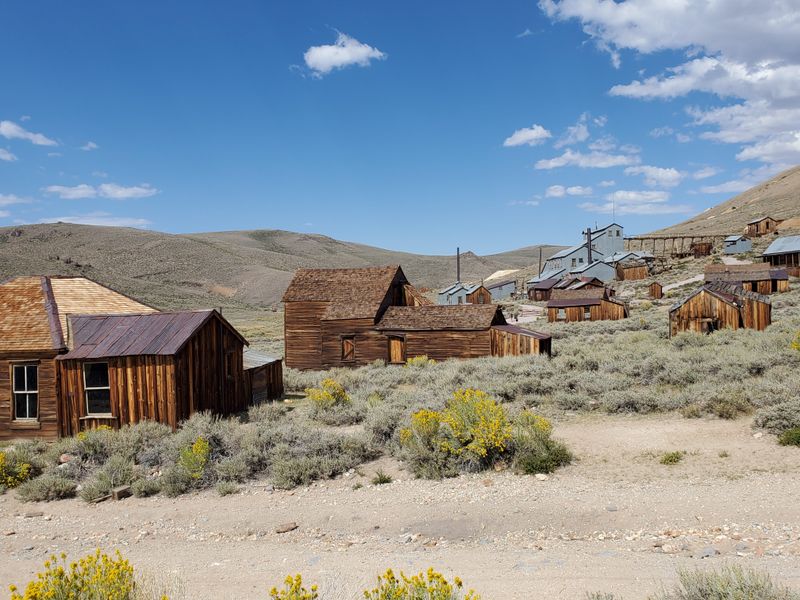
Bodie sits perfectly still until the wind speaks through board cracks. The town’s arrested decay philosophy means caretakers stabilize but do not restore, preserving that eerie just-left feel.
Sun bakes, snow splits, and dry air chews at beams.
Windows hold stories behind dusty glass. A schoolhouse globe fades, a rusted truck settles deeper each season.
You keep your distance because the smallest touch can matter here.
Visit on a calm morning, carry water, and tread softly on gravel paths. Donations fund the subtle work of keeping Bodie honestly fragile, not ruined beyond recognition.
4. Shenandoah Apple Orchards, Virginia
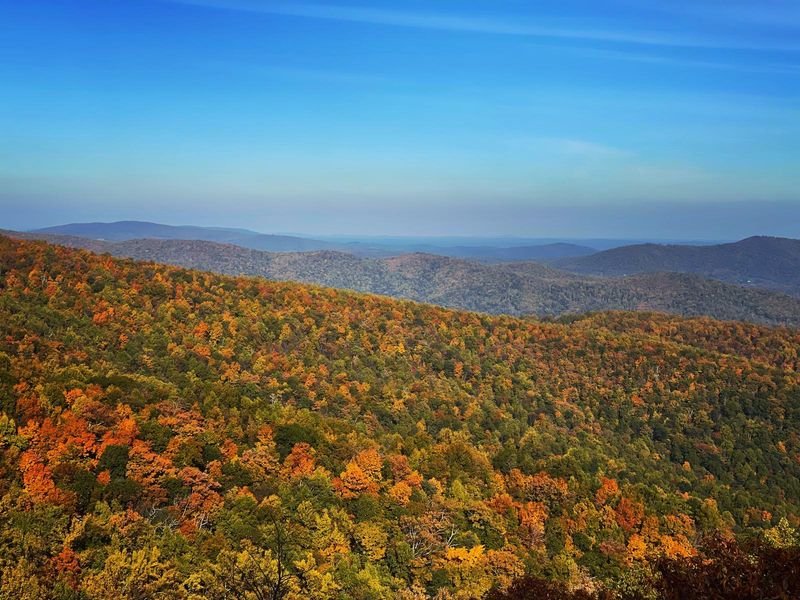
These orchards once stitched families to the seasons. Old rootstock still blooms, but development creeps and climate swings confuse the trees.
Late frosts and hotter summers thin the harvest, while traditional know-how fades as growers retire.
You can taste history in a heritage cider, then spot survey flags in the next field. Barns lean, equipment rusts, and younger trees are fewer than you hope.
The landscape feels between chapters.
Buy local fruit, ask growers about varieties, and support land trusts protecting farmland. Without hands and patience, Shenandoah’s apple stories will ripen once, then vanish.
5. Jamestown, Virginia
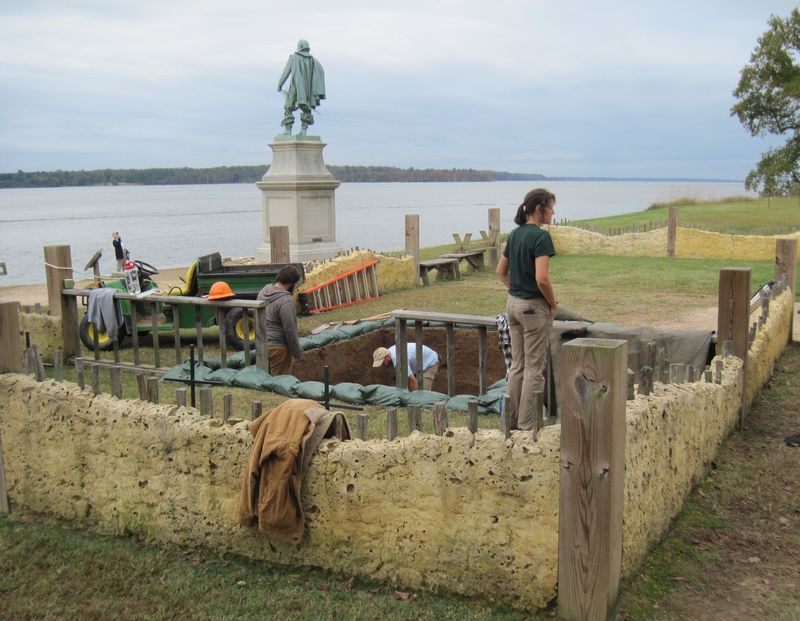
Stand at the edge of Jamestown and you can hear the water working. Waves nibble at the birthplace of English America, dragging centuries toward the James River.
Archaeologists race the tide, uncovering foundations and fragile artifacts before storms claim them.
Sea level rise, frequent flooding, and subsidence are the culprits you cannot ignore. Boardwalks and sandbags feel temporary because they are.
Visit respectfully, stay on paths, and support preservation groups that fund research and shoreline stabilization.
Without sustained action, the story of 1607 will blur into sediment. The clock is loud here.
6. New Orleans’ French Quarter, Louisiana
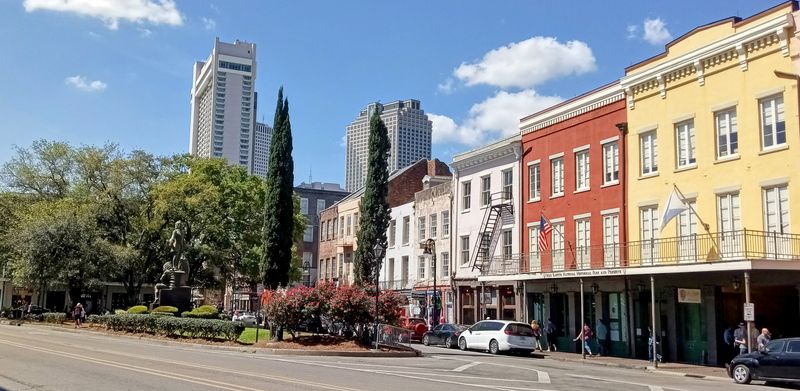
The Quarter feels eternal until you look under the paint. Subsiding soils, heavy storms, and heat tug at balconies and brick.
Tourism dollars help, yet crowds compound wear on fragile masonry and aging utilities.
Walk early, breathe the beignets, and notice hairline cracks spidering above shutters. Salt air whispers from the river, and hurricanes redraw priorities every season.
Preservationists juggle authenticity with modern needs like drainage and safety.
Respect closed courtyards, choose businesses investing in restoration, and support local preservation laws. The French Quarter’s magic survives decision by decision, not luck.
7. Aniakchak National Monument, Alaska
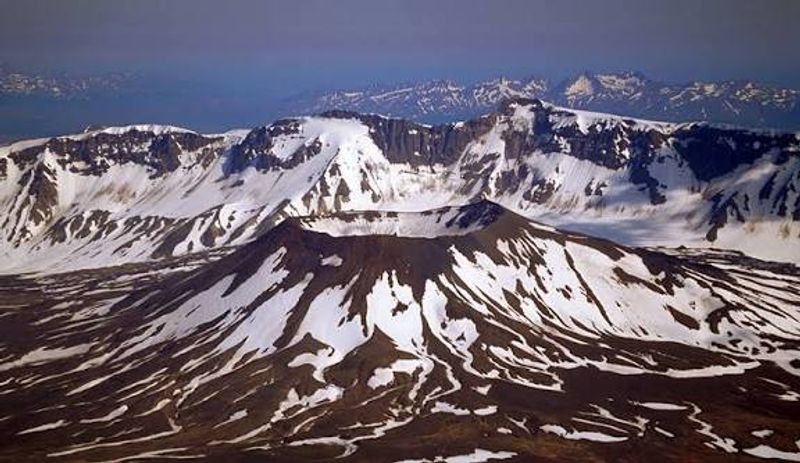
Aniakchak feels like the edge of the map. A vast caldera, sudden weather, and sparse access keep it wild and underfunded.
Warming temperatures alter permafrost and wildlife patterns, quietly threatening cultural traces and fragile ground.
You might never meet another hiker, only wind and river braids. Preservation here is mostly absence: few trails, fewer signs, just respect.
Helicopter rescues and research flights cost dearly, limiting sustained care.
If you go, be self-reliant and gentle. Support science permits and Indigenous stewardship.
This place stays protected only as long as we tread lightly and help from afar.
8. Scotts Bluff National Monument, Nebraska
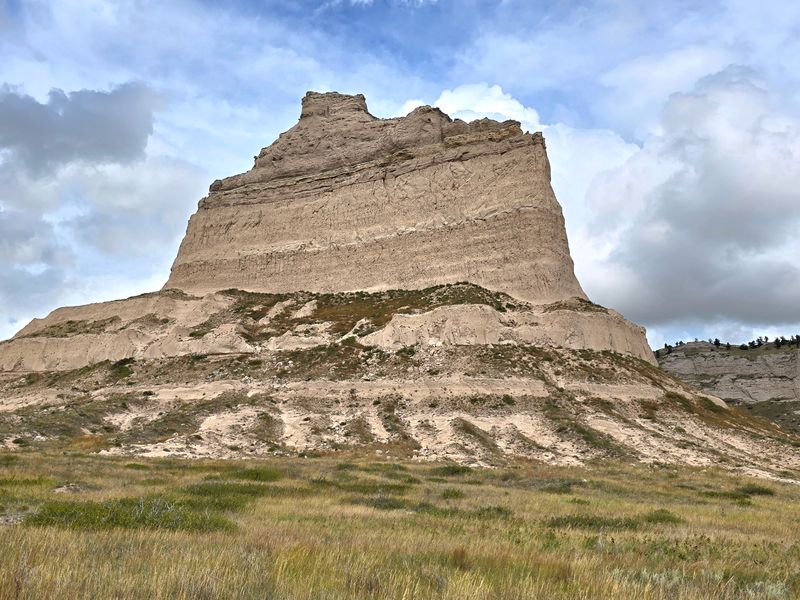
Scotts Bluff once guided wagon trains west. Today, drought and intense storms carve new lines into the cliffs.
Trail ruts still score the prairie, but the bluff’s shape is subtly shifting, year by windy year.
Look closely at the crumbly faces and you see geology in fast forward. Plant roots loosened by heat give way in downpours that follow.
Park crews stabilize paths and monitor cracks, but the scale is big.
Stay on designated trails and support prairie restoration efforts. The landmark points the way forward only if we help it hold together.
9. Angel Island Immigration Station, California
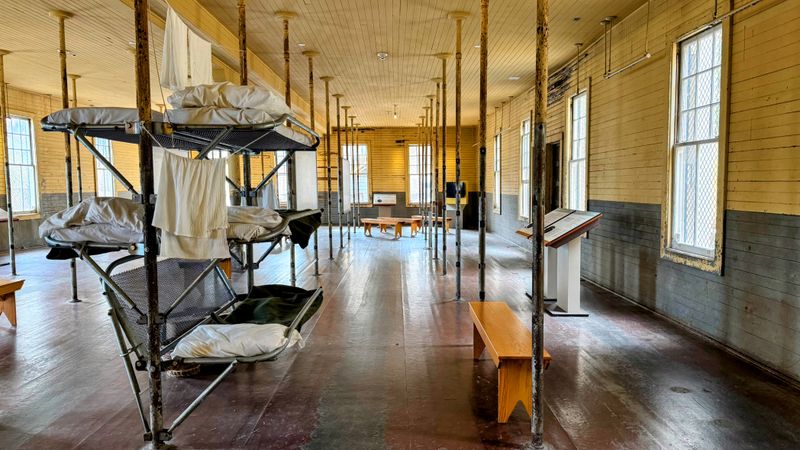
You walk into the barracks and the walls speak. Carved poems cut through peeling paint, telling stories of waiting, hope, and grief.
Decades of neglect and salty fog left the buildings fragile before restoration began.
Wood swells, flakes, and splits. Funding arrives in waves, like the bay against the pilings.
Interpreters guide gently because the line between preservation and loss is thin here.
Read the verses slowly, then support ongoing work to stabilize the site. Angel Island deserves more visitors who come to listen, not just to look.
10. Cahokia Mounds, Illinois
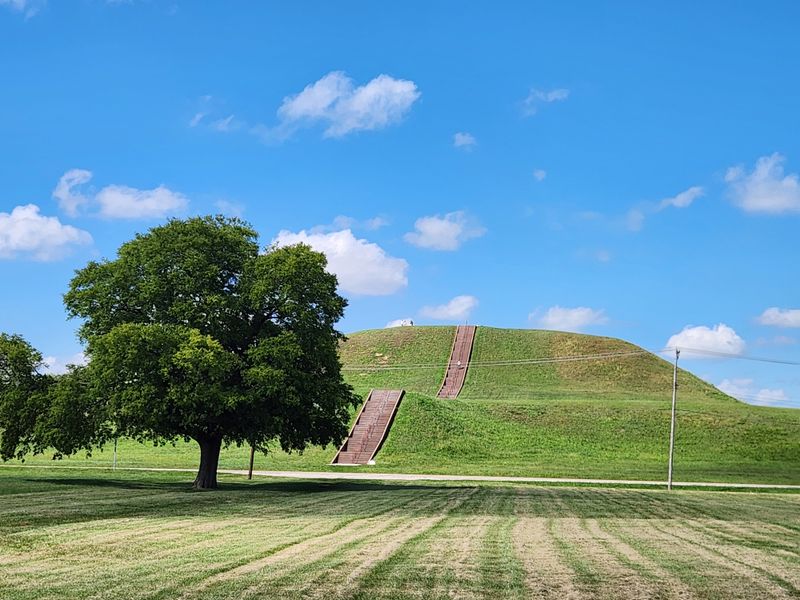
At Cahokia, the earth itself is architecture. You climb Monks Mound and imagine plazas filled with life, ceremony, trade.
Yet erosion, invasive plants, and nearby development nibble at context and stability.
Traffic hums at the edges of an ancient city. Funding is thin for a place this large, and public awareness lags.
Trails help, but rain channels cut the slopes, and foot traffic adds pressure.
Visit in quiet hours, honor posted routes, and amplify Indigenous histories in your conversations. The more people who understand Cahokia’s scale, the better chance it stands firm.
11. Mesa Verde National Park, Colorado
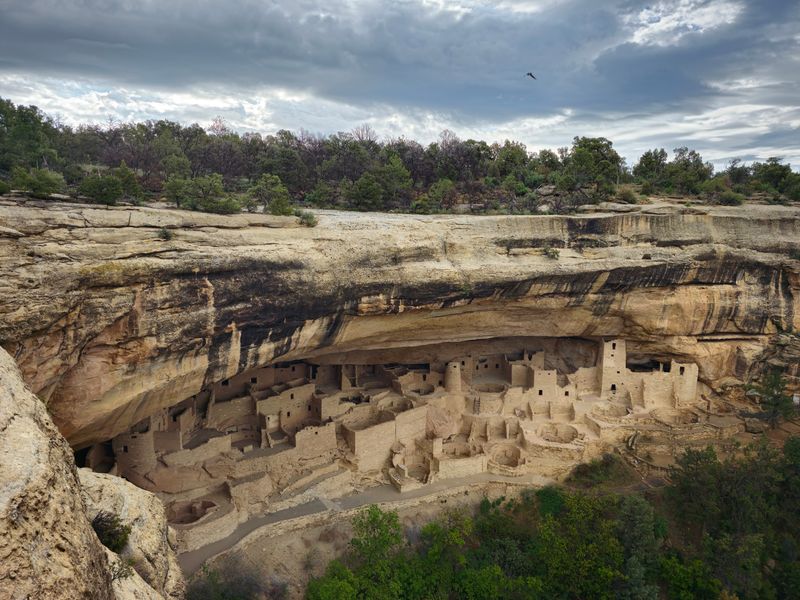
Mesa Verde’s alcoves hold rooms that still feel warm with memory. Heat waves, drought, and sudden storms test sandstone ledges that have endured centuries.
Visitor numbers rise, and every footstep requires careful management.
Rangers limit access to protect plaster fingerprints and soot-blackened ceilings. You want to lean closer, but distance is the only way to keep the story intact.
Rockfall risk grows as freeze-thaw cycles speed up.
Book tours early, follow directions exactly, and support research that monitors cracks and moisture. The dwellings stand because caution outweighs curiosity.
12. Selma to Montgomery March Route, Alabama
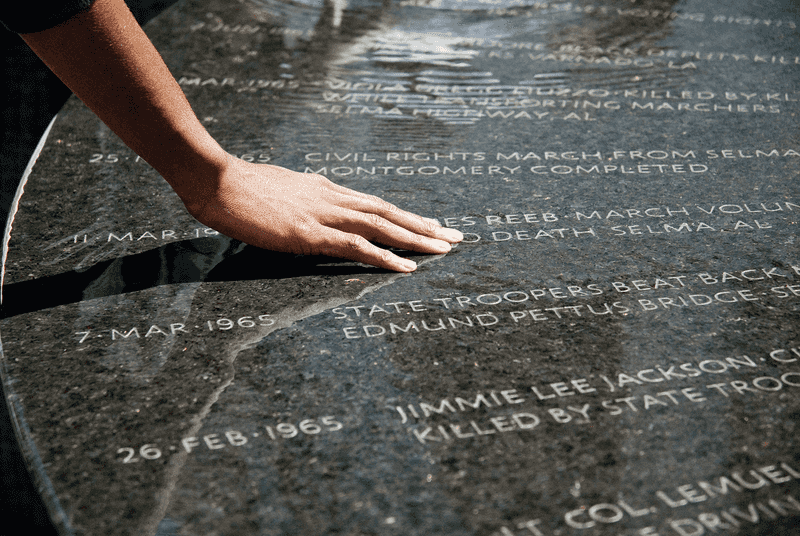
The road looks ordinary until you feel its weight. Much of the Selma to Montgomery route lacks robust protection, despite telling a chapter that changed the nation.
Time, traffic, and limited funding wear down markers and context.
Walk a stretch and listen for footfalls that once filled this asphalt. Grass grows high around plaques.
Some churches that anchored the movement need repairs as congregations dwindle.
Support local museums, document markers, and push for stronger preservation status. When a route loses its signs and spaces, memory loses its map.
13. San Xavier del Bac Mission, Arizona
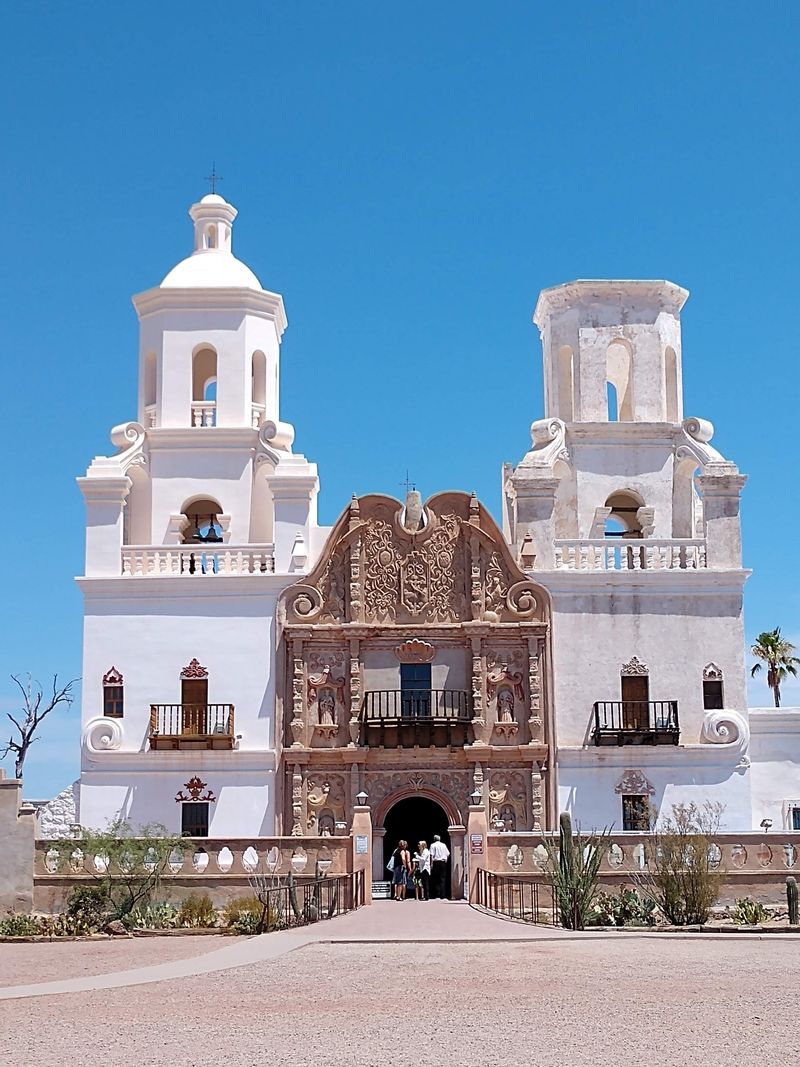
San Xavier shines like a beacon against the Sonoran sky. Up close, you notice hairline cracks in plaster and flaking paint curling from heat and monsoon swings.
Inside, delicate murals demand constant care from specialized hands.
Foundation settlement and salts rise through walls, leaving ghostly stains. Restoration is painstaking and never finished.
You step softly because every vibration travels through centuries.
Donate to the mission’s conservators and respect roped-off areas. This White Dove survives on patience, science, and community pride stitched carefully along its seams.
14. Route 66, Multiple States
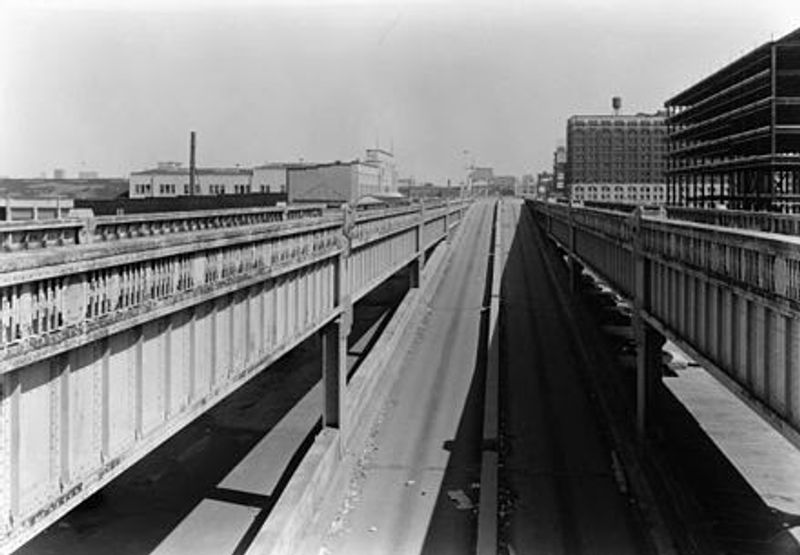
The Mother Road still hums in postcards, but the pavement tells a rougher truth. Sections crumble, signage disappears, and classic stops fade behind plywood and weeds.
Rerouting siphoned traffic, leaving small towns gasping.
You chase neon and find broken tubes. Murals peel, pumps rust, and diners wait for a crowd that never quite arrives.
Volunteers rebuild mile by mile, but miles are many.
Plan a slow trip and spend money where it matters. Share the hidden gems, not just the famous bends.
Route 66 survives on travelers who choose heart over speed.
15. Baltimore’s Edgar Allan Poe House, Maryland
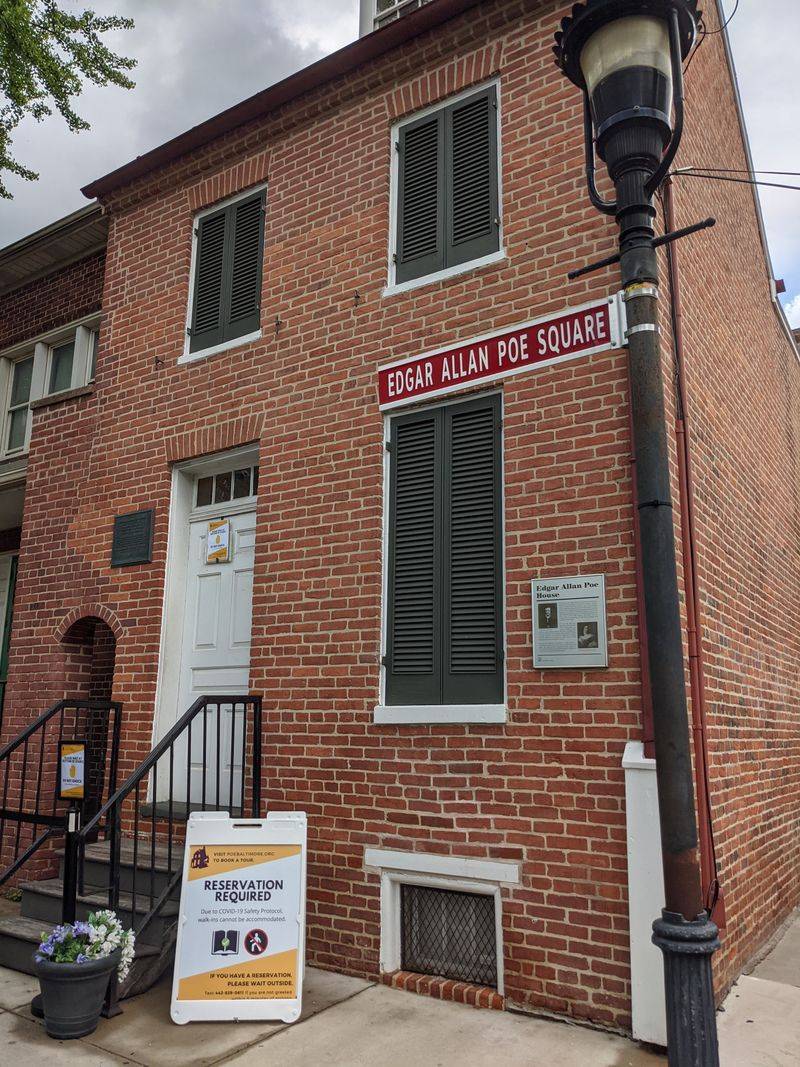
Poe’s former home is small, intense, and easy to miss. Funding has wavered over the years, leading to closures and anxious reopenings.
The neighborhood context shifts around it, adding pressure to keep the museum relevant and safe.
Inside, glass cases and careful labels protect fragile artifacts. You sense the scrape of a quill even if the rooms are sparse.
Operating budgets do not stretch far, and humidity is a constant foe.
Buy a ticket, bring a friend, and tell the story onward. Literary landmarks survive on attention as much as grants.
16. Cliff Palace, Colorado
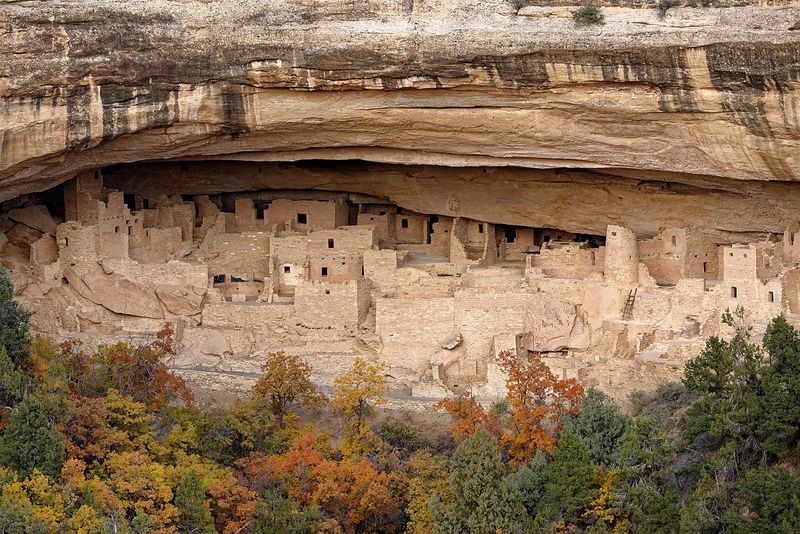
Cliff Palace concentrates Mesa Verde’s fragility in one breathtaking amphitheater. Sandstone blocks shift microscopically with heat and frost, and those tiny movements add up.
Rangers choreograph tours to reduce vibration and touch.
You want to count rooms, but your eyes keep tracing cracks across lintels. Stabilization is skilled and subtle, never flashy.
Each season brings new measurements and decisions about access.
Book with patience, accept limits, and remember that restraint is a form of respect. The goal is not one perfect photo, but another century of standing walls.
17. Eastern State Penitentiary, Pennsylvania
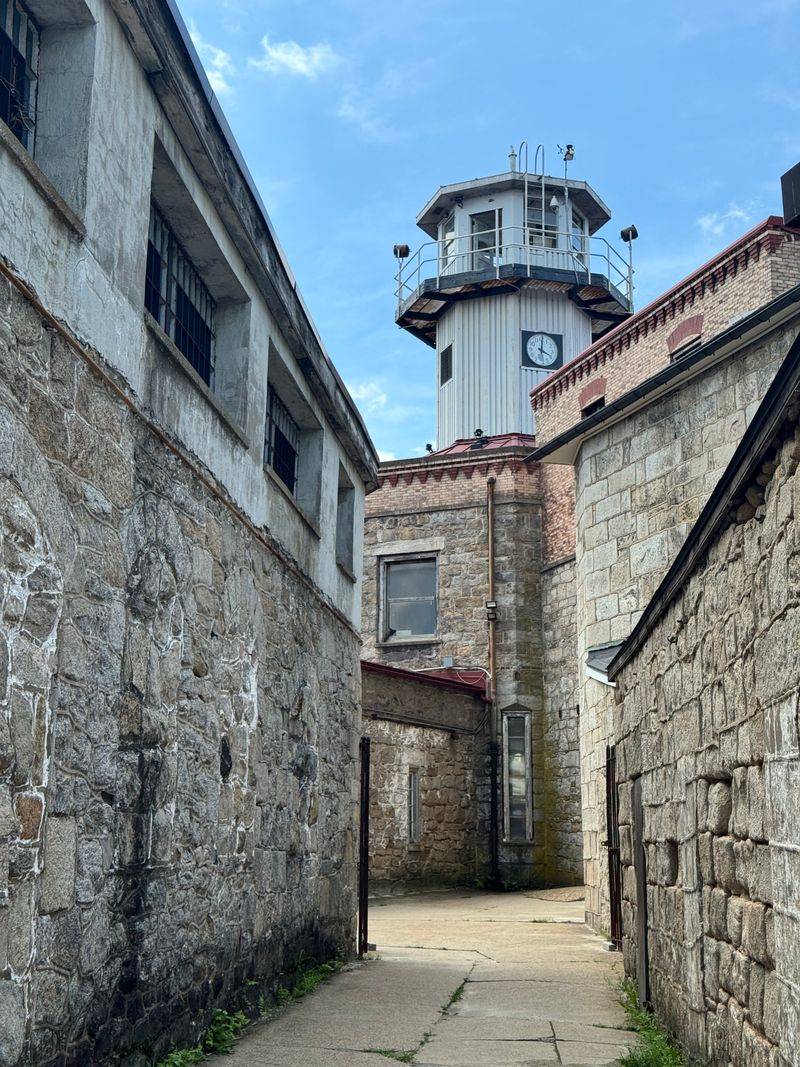
Eastern State breathes in echoes. Moisture seeps through old masonry, peeling paint curls like leaves, and roofs need constant patching.
The place is powerful because it is not polished, and that vulnerability is costly.
Preservation here means triage. Stabilize one wing, then another storms.
Events fund the work, but weather does not wait for ticket sales. You feel the chill because the building feels it too.
Support the teams keeping water out and stories in. Respect barriers and remember that decay is curated, not abandoned.
Every saved cellblock buys time.
18. Mormon Row Historic District, Wyoming
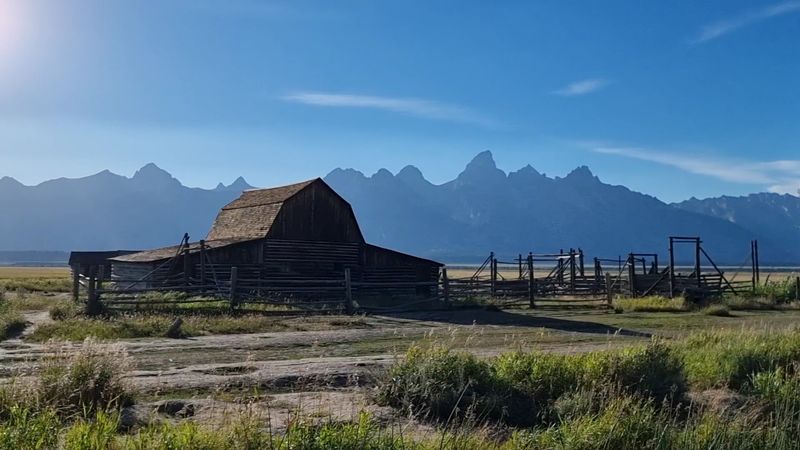
The barns of Mormon Row look eternal against the Tetons, but wood shrugs under wind and snow. Foundations settle, shingles lift, and every winter leaves a signature.
Crowds love the view, which means footprints where vegetation once held soil.
Park partners shore up walls and replace boards with period techniques. It is careful, slow work, made harder by exposure.
You take your photo, then stay to read the history signs.
Keep to paths, donate to preservation groups, and let the fences be. Beauty lasts longer when boundaries do, too.



