 Unearth The Voyage

For bibliophiles, Europe is a treasure trove of literary heritage, iconic bookshops, historic libraries, authors’ routes and vibrant festivals. Whether you love vintage volumes, wandering indie bookstores, standing where your favorite novelist once walked, or hearing cutting-edge voices at a literary event, these European cities offer unforgettable bookish experiences. From ancient university towns to modern cultural hubs, each destination promises a unique journey through the written word.
Paris, France — City of Books, Bouquinistes & Literary History
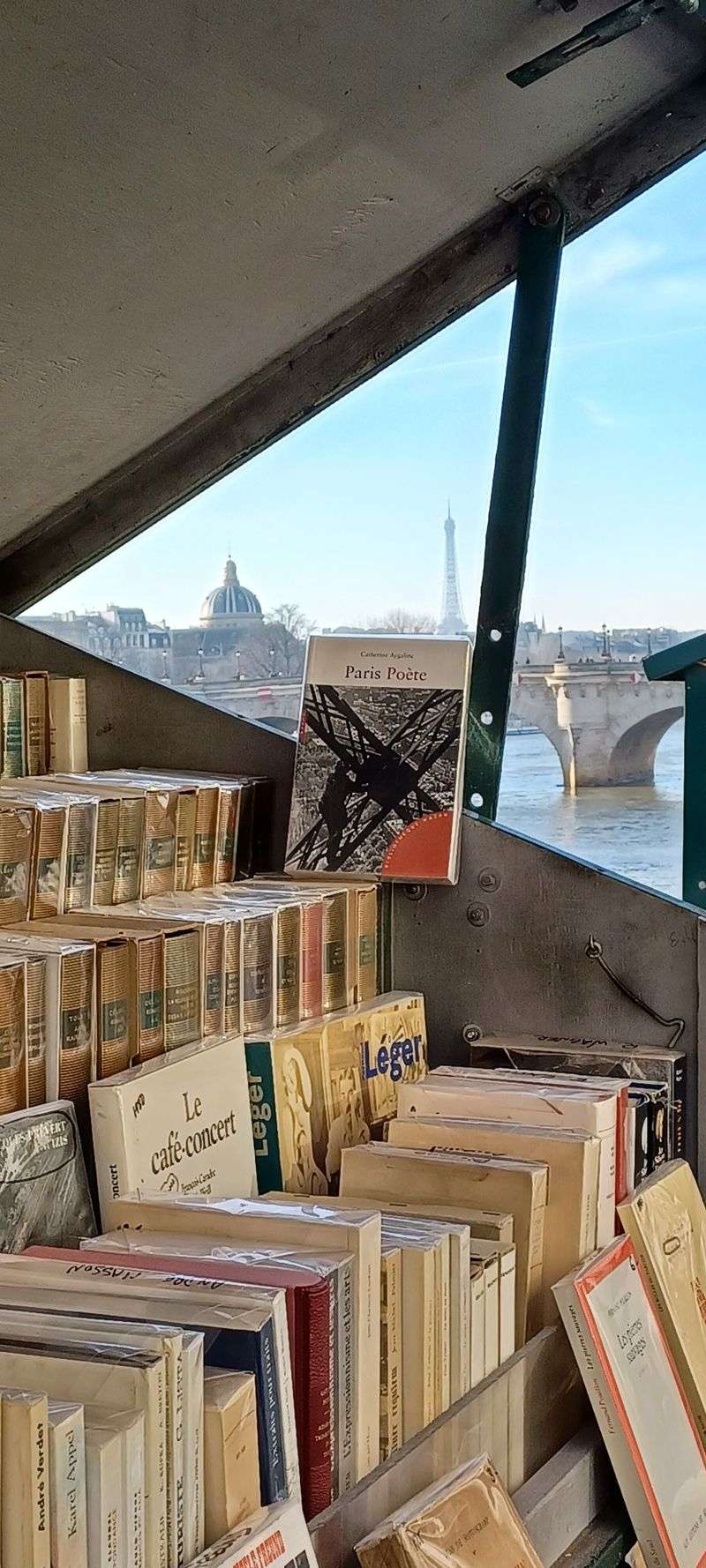
Walking along the Seine, you’ll discover one of Paris’s most charming traditions: the bouquinistes. These green stalls have lined the riverbanks for centuries, selling rare, vintage and modern books that capture the imagination of every passerby. The tradition has become so iconic that it now symbolizes Parisian book culture itself.
The Latin Quarter houses Shakespeare & Co., a legendary bookstore famed for its bohemian atmosphere and rich history. Writers like Hemingway once frequented its shelves, and today it remains a pilgrimage site for readers worldwide. Hundreds of other bookstores dot the city, each offering its own literary treasures.
Paris was home to literary giants from Victor Hugo to Gertrude Stein, and their presence still echoes through the city’s cafés and libraries. You can sit in the same spots where existentialists debated philosophy or where poets penned their verses. The city’s architecture, museums, and reading rooms only deepen its literary allure, making every corner feel like a page from a beloved novel.
Edinburgh, Scotland — UNESCO City of Literature
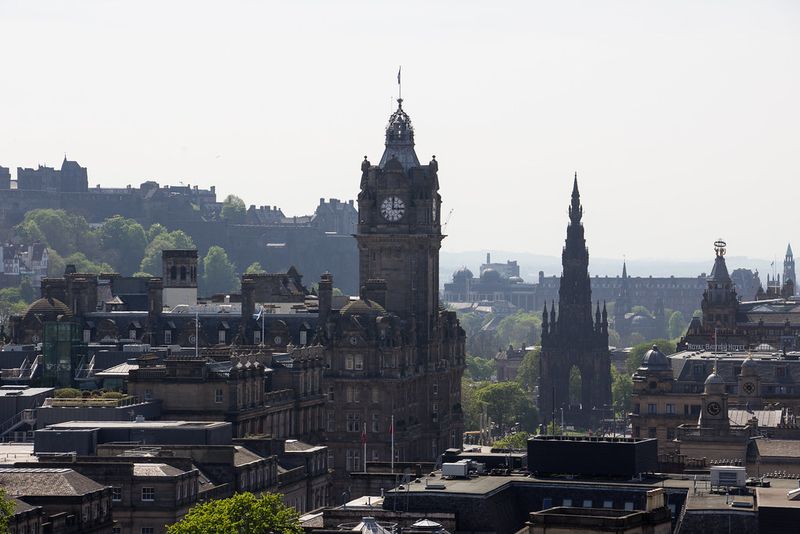
Edinburgh holds the distinction of being the world’s first UNESCO City of Literature, a title that reflects centuries of storytelling excellence. Sir Walter Scott, Robert Louis Stevenson, and J.K. Rowling all drew inspiration from these ancient streets. The city’s literary legacy is woven into every cobblestone and corner.
Independent bookstores thrive here, offering everything from rare antiquarian volumes to contemporary Scottish fiction. Literary tours guide visitors through locations that inspired famous narratives, while historic sites bring characters and authors to life. You can walk the same paths that shaped some of literature’s greatest works.
The Edinburgh International Book Festival transforms the city each summer into a global gathering of writers and readers. Authors from every continent converge to share ideas, debate issues, and celebrate storytelling in all its forms. Between the festival, the year-round bookshops, and the palpable sense of history, Edinburgh offers an immersive experience that few cities can match. Every visit feels like stepping into a living library where past and present merge beautifully.
Dublin, Ireland — Home of Joyce & Poetic Streets
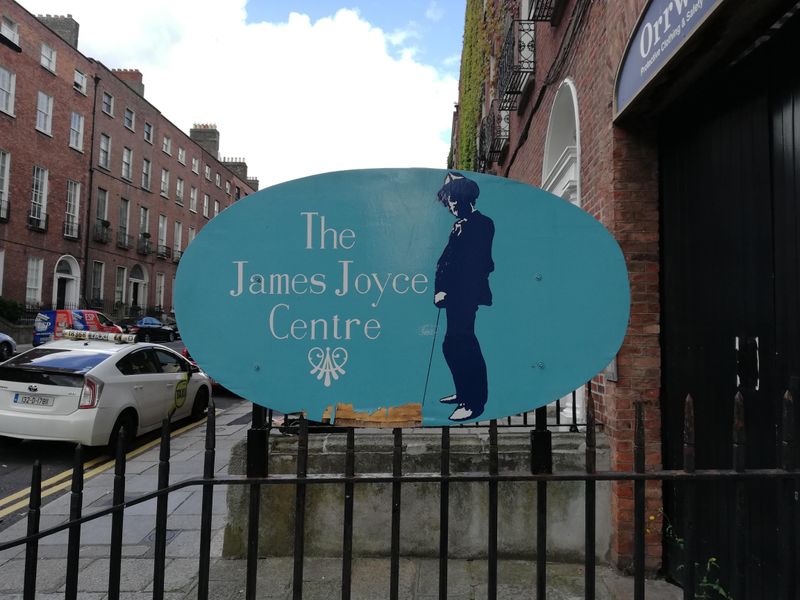
James Joyce immortalized Dublin in Ulysses, turning its streets, pubs, and landmarks into literary legend. W.B. Yeats, Samuel Beckett, and Oscar Wilde also called this city home, each leaving their mark on its cultural fabric. Dublin’s literary pedigree runs deeper than almost anywhere else in the world.
Book lovers can visit the James Joyce Centre, where exhibits explore the writer’s life and work in fascinating detail. Literary walking tours trace the exact locations mentioned in Ulysses, allowing you to follow Leopold Bloom’s footsteps through the city. Pubs that once hosted literary gatherings still welcome visitors eager to soak up the atmosphere.
Bookstores and libraries throughout Dublin teem with Irish writing and history, offering both classic works and contemporary voices. The city’s compact size makes it easy to explore multiple literary sites in a single day. From Trinity College’s stunning Long Room library to cozy neighborhood bookshops, Dublin rewards readers with endless discoveries. The Irish love of language and storytelling permeates every conversation, making you feel part of a grand literary tradition.
Lisbon, Portugal — Historic Bookshops & Literary Vibes
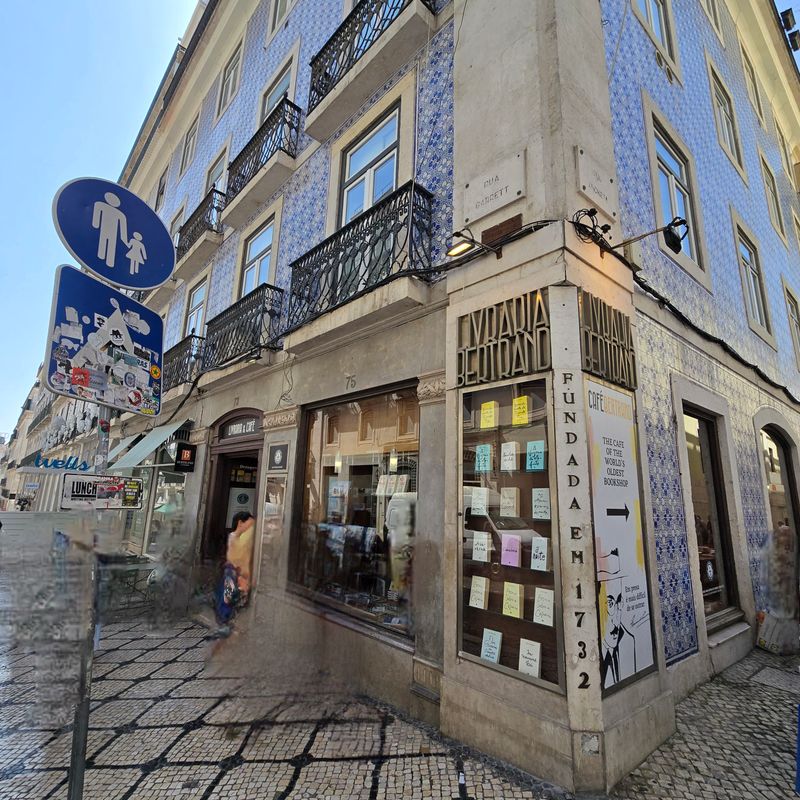
Sunlit streets and tile-clad façades create the perfect backdrop for Lisbon’s thriving bookstore scene. Classic shops nestle among historic buildings, while new indie spaces bring fresh energy to the literary landscape. The city’s bookshops often double as cultural gathering spots where readers linger over coffee and conversation.
Portuguese literature has experienced a renaissance in recent years, with authors gaining international recognition and translation. Lisbon’s bookstores showcase both Portuguese classics and contemporary works alongside international titles. Annual book events draw crowds eager to celebrate reading and meet their favorite writers.
The city’s hilly terrain means that discovering bookshops becomes an adventure in itself, with hidden gems tucked into unexpected corners. Cozy cafés adjacent to bookstores invite you to settle in with your latest purchase and watch trams rattle past. Lisbon’s strong cultural interest in literature makes it feel welcoming to bibliophiles from anywhere. Whether you’re browsing poetry collections or hunting for first editions, the city’s warm atmosphere and literary dedication make every bookshop visit memorable and rewarding.
Oxford, England — Academic & Bookish Traditions
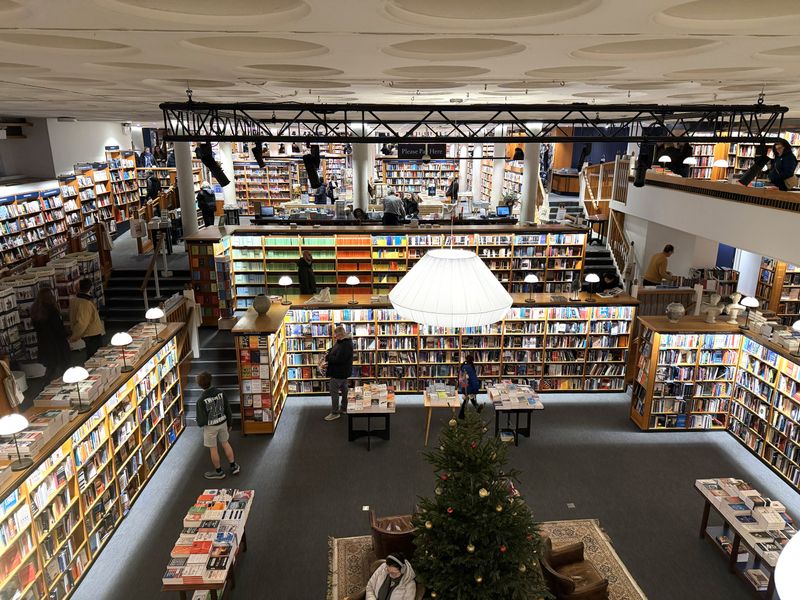
Oxford’s world-renowned university has shaped intellectual life for nearly a millennium, creating an atmosphere where books and learning reign supreme. Historic colleges with their ancient libraries offer glimpses into centuries of scholarship. The city’s very identity is intertwined with the written word and academic pursuit.
Blackwell’s bookstore stands as one of Europe’s largest academic bookshops, with its famous Norrington Room housing an underground treasure trove of titles. Students and visitors alike lose hours browsing its extensive collections across multiple floors. The shop has served Oxford’s reading community since 1879, becoming an institution in its own right.
Cobblestone lanes wind past college quads where famous authors once studied, from Lewis Carroll to J.R.R. Tolkien. Literary events, author talks, and bookish gatherings happen year-round, maintaining Oxford’s vibrant reading culture. You can attend lectures, explore rare book collections, or simply absorb the scholarly atmosphere that permeates every corner. The city’s dedication to preserving and celebrating literature makes it essential for any serious book lover’s European itinerary.
Prague, Czech Republic — Kafka’s City With Culture & Stories
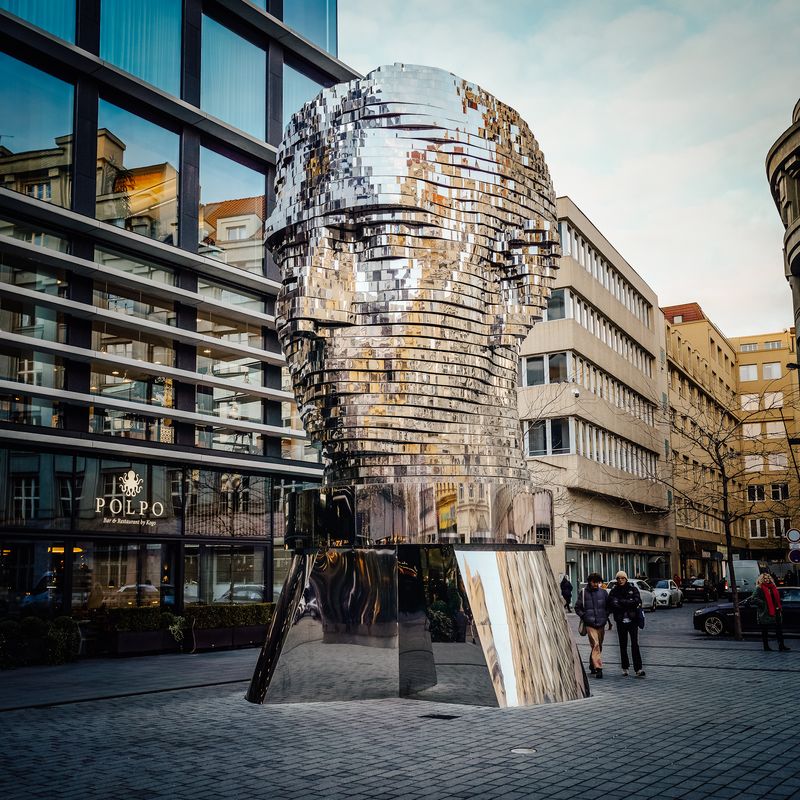
Fairytale spires and winding medieval streets make Prague feel like stepping into a storybook. Franz Kafka’s presence haunts the city in the best possible way, with museums, statues, and walking tours dedicated to his life and work. The complex history captured in his writing comes alive as you wander through atmospheric alleyways.
Independent bookstores thrive throughout Prague’s neighborhoods, offering both Czech literature and international works. Literary cafés provide cozy refuges where readers can settle in with coffee and books while watching the city go by. The bohemian spirit that once attracted artists and writers still permeates these spaces.
Prague’s Central European literary tradition extends far beyond Kafka, encompassing poets, playwrights, and novelists who captured the region’s turbulent history. Bookshops often feature bilingual editions, making Czech literature accessible to international visitors. The city’s affordability compared to Western European capitals means you can stock up on books without breaking your budget. Between the Gothic architecture, rich cultural heritage, and thriving contemporary scene, Prague offers book lovers an experience that balances history with modern literary energy beautifully.
Barcelona, Spain — Literary Festivals & Historic Printing Culture
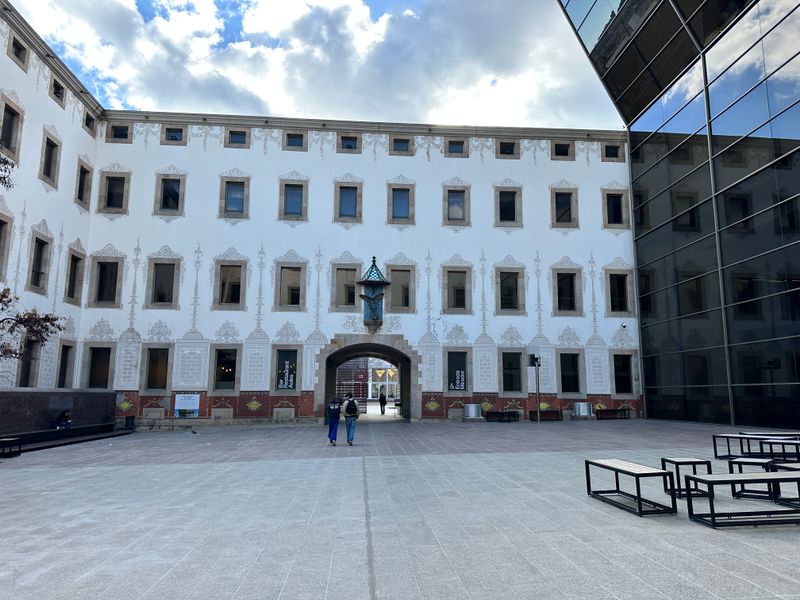
Barcelona’s literary heritage stretches back centuries, with one of Europe’s oldest bookstores still operating in its Gothic Quarter. The city’s printing and publishing industries have long been central to Spanish and Catalan culture. This deep-rooted connection to books shapes Barcelona’s identity as much as its famous architecture.
Sant Jordi Day transforms the entire city into a massive book fair each April 23rd, with vendors lining the streets and roses accompanying every book purchase. The festival celebrates Catalan culture while honoring the tradition of giving books as gifts. Millions of books change hands during this magical day when literature takes over the city.
Year-round, Barcelona hosts numerous literary festivals showcasing both Spanish and Catalan writers alongside international voices. Independent bookshops dot neighborhoods from the Gothic Quarter to Gràcia, each with its own character and specialty. The city’s bohemian atmosphere attracts writers and artists, maintaining a creative energy that fuels its literary scene. Whether you’re browsing poetry in a centuries-old shop or attending a contemporary author reading, Barcelona’s passion for books is infectious and inspiring.
Wrocław, Poland — Festival Hub & Youthful Book Scene

Youthful energy pulses through Wrocław thanks to its large student population and thriving cultural scene. The International Short Story Festival brings writers and readers together annually, celebrating the art of brief fiction. This dynamic event reflects the city’s commitment to fostering contemporary literary culture.
Bookshops throughout Wrocław cater to diverse tastes, from academic texts to popular fiction and poetry collections. The city’s compact center makes it easy to hop between literary venues, cafés, and cultural spaces. University influence ensures a steady stream of readings, book launches, and intellectual discussions.
Wrocław’s recovery and transformation since World War II has given it a unique character that blends historical awareness with forward-looking optimism. This combination creates an atmosphere where both established classics and experimental new voices find appreciation. The city’s affordability makes it accessible for budget-conscious book lovers exploring Eastern Europe. Literary events often take place in unexpected venues, from renovated industrial spaces to riverside parks, adding adventure to your bookish explorations. Wrocław proves that a city doesn’t need centuries of uninterrupted literary tradition to create an exciting reading culture today.
Bath, England — Jane Austen’s City & Literary Celebrations
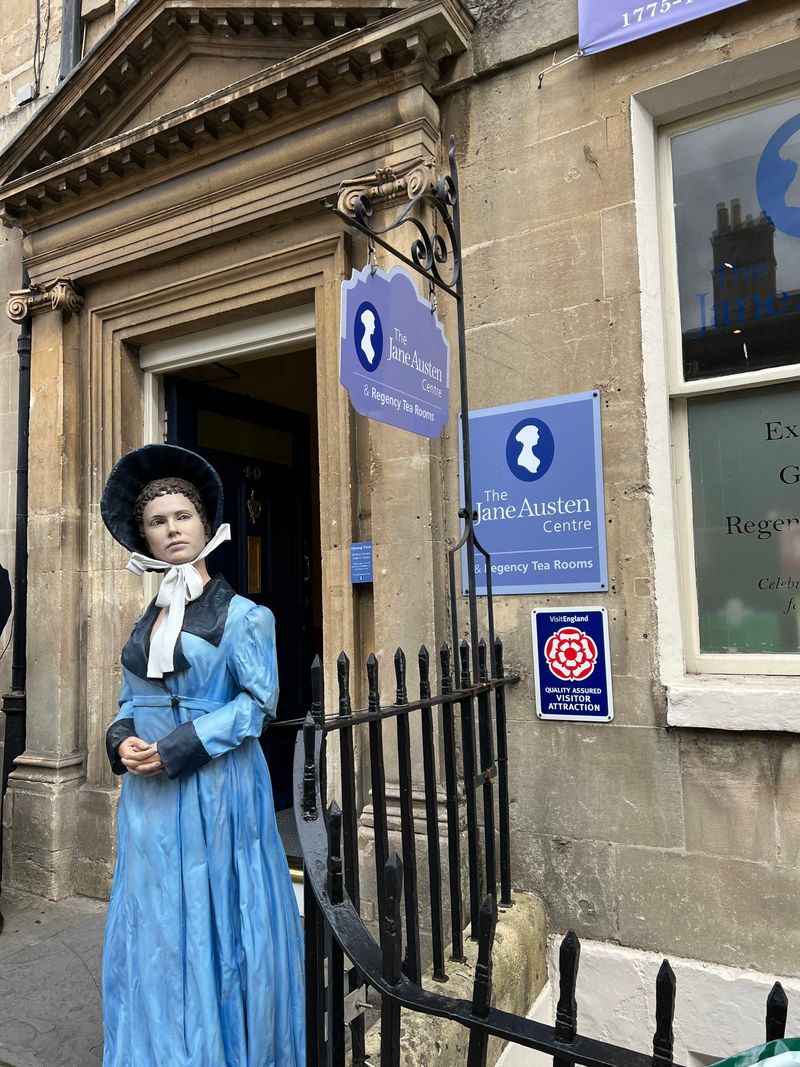
Georgian elegance defines Bath, where honey-colored stone buildings create a backdrop worthy of a Jane Austen novel. The author lived here from 1801 to 1806, and the city features prominently in Persuasion and Northanger Abbey. Walking Bath’s streets feels like stepping into Regency England.
The Jane Austen Centre offers immersive exhibits exploring the author’s life and work, with costumed guides bringing the era to life. Literary tours trace locations mentioned in her novels, while annual festivals celebrate her enduring legacy. The city honors Austen without turning her into mere tourist kitsch, maintaining genuine literary appreciation.
Local bookstores curate excellent Austen collections alongside broader literary offerings, making Bath a treasure hunt for readers. Independent shops nestle into historic buildings, their windows displaying carefully chosen titles. Beyond Austen, Bath’s literary scene includes contemporary author events, book clubs, and writing workshops. The city’s compact size and walkability mean you can easily visit multiple literary sites in a single afternoon. Bath combines historical significance with active modern literary culture, proving that celebrating the past doesn’t mean ignoring the present.
Hay-on-Wye, Wales — The Original Book Town
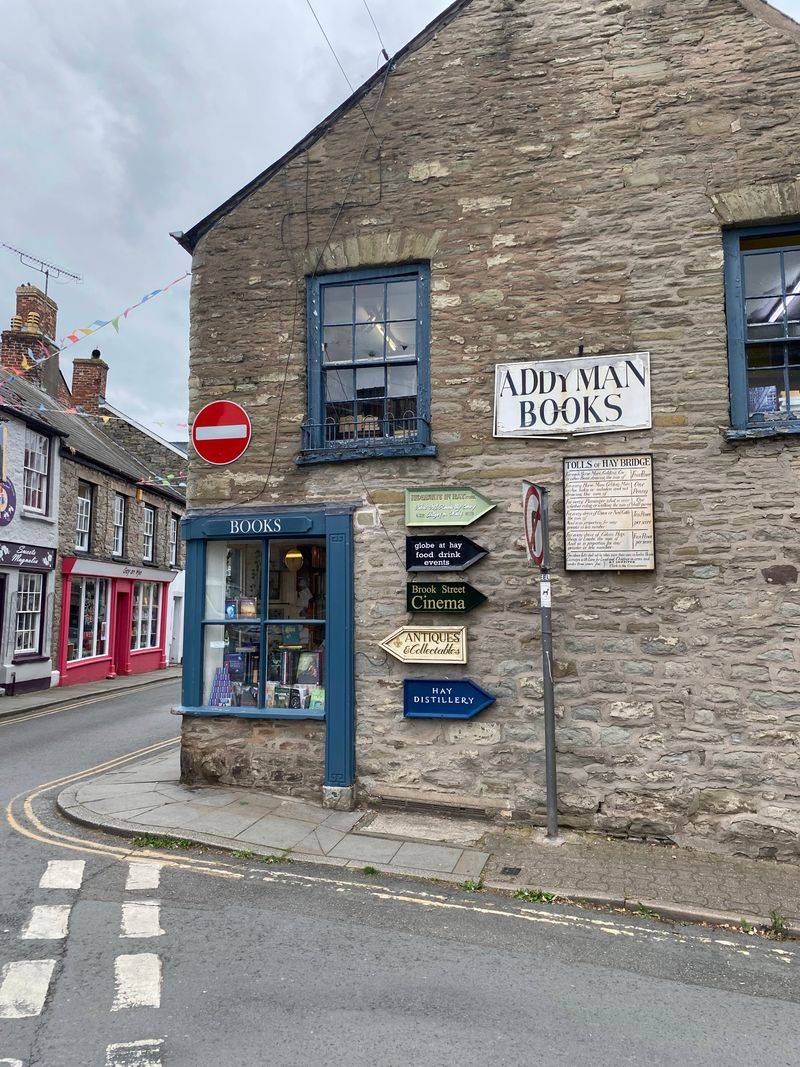
Imagine a town where bookshops outnumber almost any other business. Hay-on-Wye makes this dream real, with dozens of bookstores packed into a small Welsh border town. The concept of a “book town” actually started here, inspiring similar communities worldwide.
Shops range from general secondhand stores to highly specialized dealers focusing on everything from military history to children’s literature. You can spend days browsing without exhausting the options, discovering unexpected treasures around every corner. Many shops occupy historic buildings, adding architectural interest to your literary hunting.
The annual Hay Festival transforms this quiet town into a global literary epicenter each spring. Authors, poets, politicians, and thinkers converge for discussions, readings, and debates that attract audiences from around the world. Bill Clinton called it “the Woodstock of the mind,” and the festival’s reputation continues to grow. Between the year-round bookshops and the world-class festival, Hay-on-Wye punches far above its weight in literary significance. Visiting feels like discovering a secret that book lovers have been keeping from the rest of the world, a place where reading is the main attraction.
Madrid, Spain — Cuesta de Moyano & Book Culture

Since 1925, wooden book stalls have lined Madrid’s Cuesta de Moyano, creating an open-air market that celebrates reading in all forms. Rare editions sit alongside bestsellers, academic texts neighbor graphic novels, and passionate booksellers eagerly share recommendations. This century-old tradition embodies Madrid’s enduring love affair with books.
Located near Retiro Park, the market offers the perfect combination of literary browsing and outdoor relaxation. You can spend hours examining titles, then retreat to the park to read your purchases under shady trees. The booksellers themselves often have fascinating stories about their stock and the market’s history.
Beyond Cuesta de Moyano, Madrid boasts numerous independent bookstores, literary cafés, and cultural centers dedicated to reading. The city’s publishing industry remains robust, supporting both Spanish-language classics and contemporary voices. Major book fairs and author events draw crowds throughout the year, maintaining Madrid’s position as a literary capital. The combination of historic book culture and modern literary energy makes Madrid essential for bibliophiles exploring Spain. Whether you’re hunting for Spanish Golden Age poetry or contemporary Latin American fiction, the city delivers endless discoveries.
Porto, Portugal — Livraria Lello & Bookish Charm
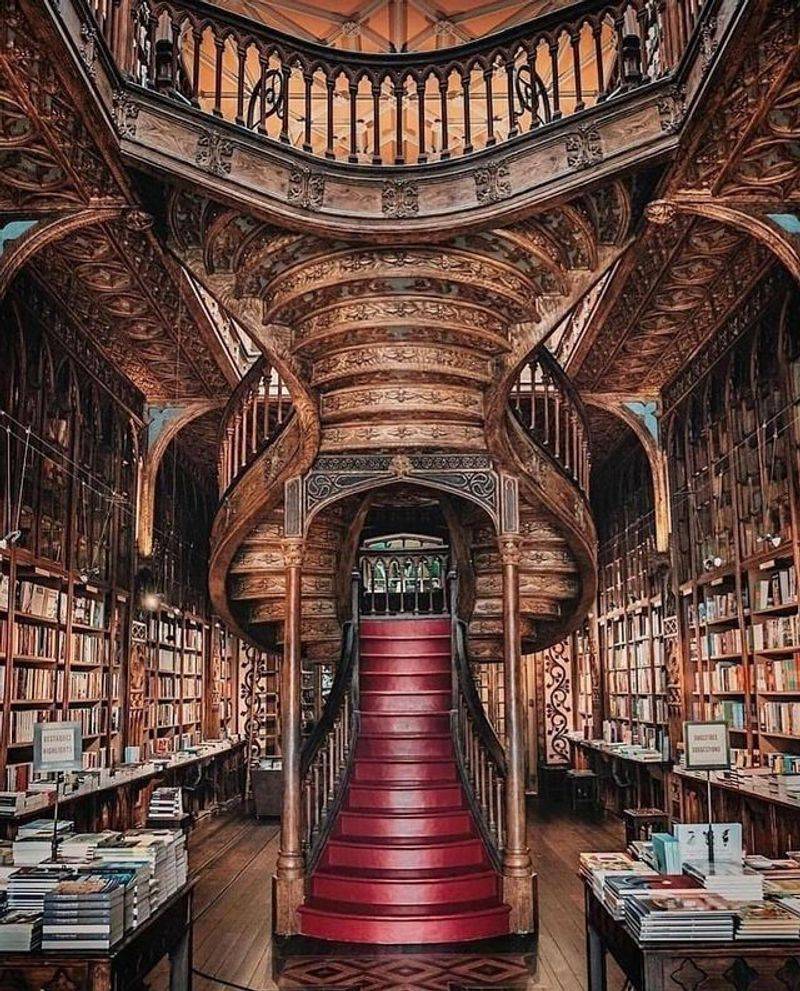
Livraria Lello’s crimson staircase sweeps upward like something from a fantasy novel, its Neo-Manueline architecture creating one of the world’s most beautiful bookshop interiors. Founded in 1906, this Porto institution has attracted readers for over a century. Rumors suggest J.K. Rowling drew inspiration here while living in Porto, though the bookshop’s magic predates Harry Potter.
The ornate wooden details, stained glass ceiling, and carefully arranged books create an atmosphere where browsing becomes an experience rather than just shopping. Yes, it’s popular with tourists, and you’ll need a ticket to enter, but the beauty justifies the crowds. The bookshop functions as both literary space and architectural treasure.
Beyond Lello, Porto offers numerous other bookshops and literary cafés throughout its hilly streets. The city’s growing reputation as a cultural destination means more independent bookstores are opening, often in renovated historic buildings. Porto’s literary scene may be smaller than Lisbon’s, but it compensates with charm and character. The combination of world-class bookshop architecture and emerging literary culture makes Porto irresistible for readers who appreciate both beauty and books.
Berlin, Germany — Literary Cafés & Contemporary Writing
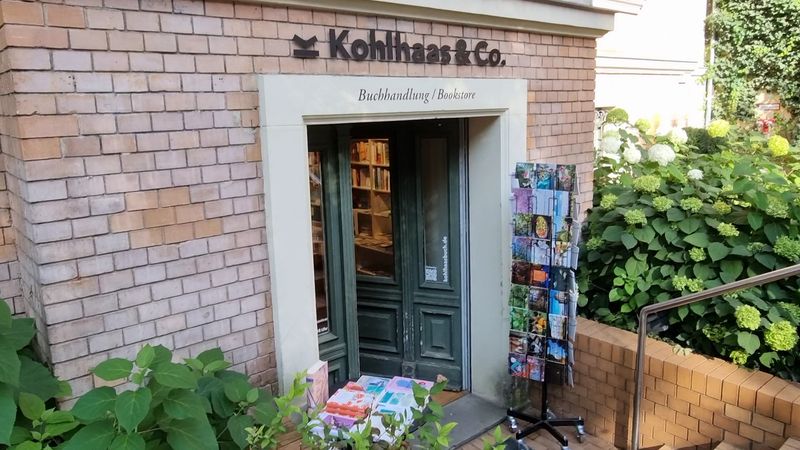
Berlin’s literary landscape reflects the city itself: diverse, experimental, and constantly evolving. Independent bookstores populate every neighborhood, each reflecting its community’s character. From Kreuzberg’s alternative spaces to Prenzlauer Berg’s family-friendly shops, the city’s bookish geography tells stories about Berlin’s many identities.
Literary cafés maintain the tradition of spaces where writers and readers mingle, debate, and create. Unlike Vienna’s formal coffeehouses, Berlin’s literary spots often have a casual, unpretentious vibe. You’re as likely to find someone working on a screenplay as reading Goethe, and that mix of high and low culture defines Berlin’s appeal.
The city’s turbulent twentieth-century history produced remarkable literature, from Bertolt Brecht to Christa Wolf. Contemporary writers continue this tradition, with Berlin attracting authors from around the world drawn by affordable living and creative energy. Reading events happen almost nightly across the city, covering every genre and language. English-language bookshops serve the international community, while German shops showcase both classics and cutting-edge contemporary work. Berlin proves that literary culture thrives when cities embrace change while respecting their complex pasts.
Vienna, Austria — Historic Libraries & Literary Heritage
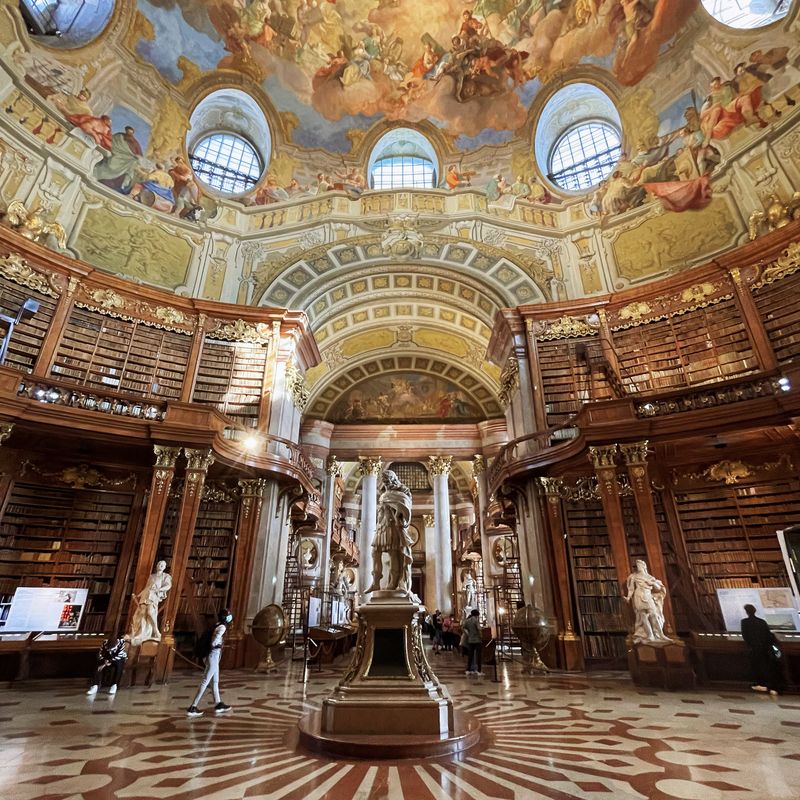
Grand libraries with frescoed ceilings and gold-leaf details showcase Vienna’s centuries-long dedication to preserving knowledge. The Austrian National Library’s State Hall ranks among Europe’s most spectacular library spaces, its Baroque splendor creating an almost sacred atmosphere for books. Walking through these spaces feels like entering a temple dedicated to literature.
Viennese coffeehouse culture has nurtured writers, poets, and thinkers for generations. Traditional coffeehouses still provide newspapers, quiet corners, and excellent coffee for patrons who linger for hours. Stefan Zweig, Arthur Schnitzler, and other literary figures once debated ideas in these very spaces, and that intellectual tradition continues today.
Modern Vienna balances respect for its literary heritage with support for contemporary voices. Bookshops range from antiquarian specialists to modern chains, all thriving in a city that values reading. Literary events, author readings, and book presentations happen regularly, often in historic venues that add gravitas to the proceedings. The combination of imperial grandeur and active literary culture creates a unique atmosphere where past and present coexist. Vienna rewards book lovers who appreciate both historical significance and beautiful spaces dedicated to reading.
Stockholm, Sweden — Nordic Book Culture & Cozy Spots
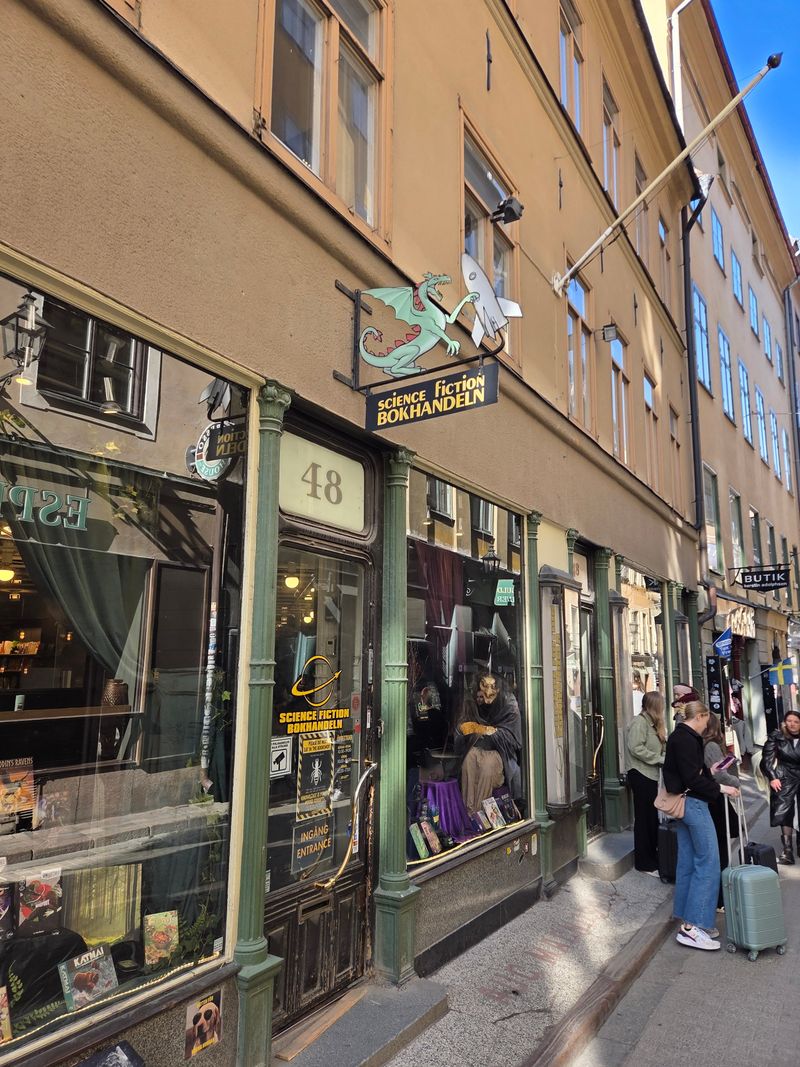
Scandinavian design principles transform Stockholm’s bookshops into spaces that balance aesthetics with functionality. Clean lines, natural materials, and excellent lighting create environments where browsing feels effortless and pleasant. The Swedish concept of “lagom” (just right) applies perfectly to these thoughtfully curated spaces.
Nordic literature has gained international acclaim in recent years, from crime fiction to literary novels exploring Scandinavian society. Stockholm’s bookshops showcase both Swedish authors and works from neighboring countries, offering English translations alongside original-language editions. The city’s literary scene celebrates regional voices while remaining internationally minded.
Literary events and book discussions happen regularly, often with a distinctly Swedish approach that values equality and accessibility. Public libraries complement commercial bookshops, providing welcoming spaces for readers of all backgrounds. Stockholm’s cultural institutions support reading through programs, exhibitions, and author residencies. The city’s commitment to education and culture creates an environment where books matter deeply to daily life. Between the innovative design, strong Nordic literary tradition, and inclusive reading culture, Stockholm offers book lovers a distinctly Scandinavian experience that emphasizes both quality and community.
Florence, Italy — Renaissance Heritage & Literary Beauty
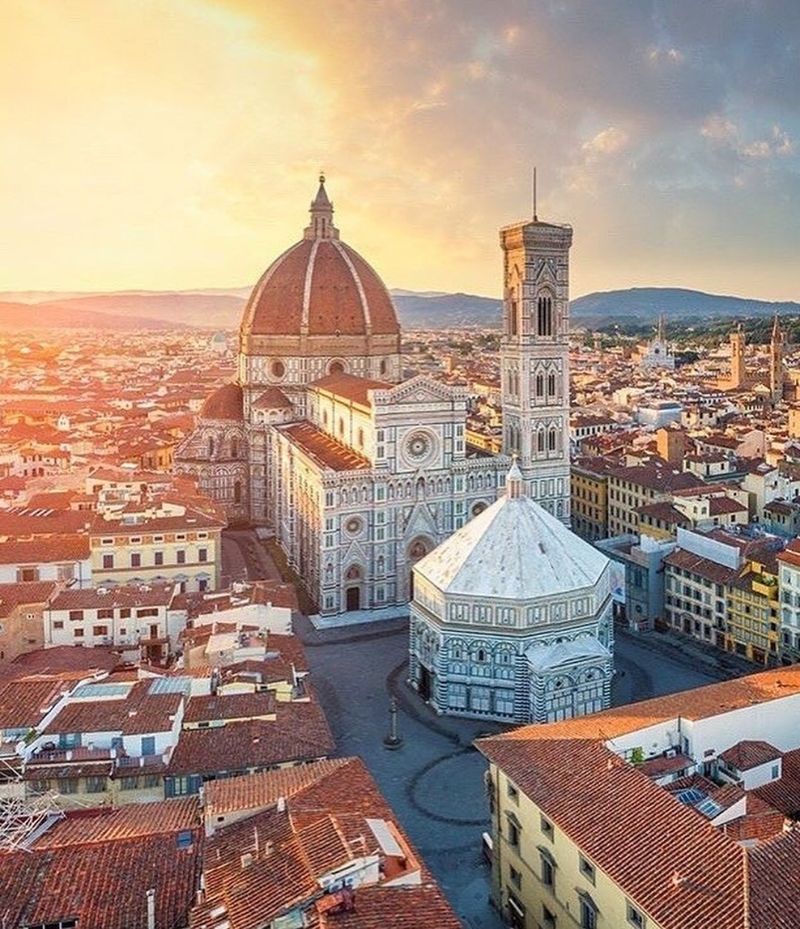
Renaissance Florence gave birth to Dante, whose Divine Comedy shaped Italian literature and language itself. Walking the city’s medieval streets, you follow in the footsteps of Boccaccio, Machiavelli, and countless other writers who drew inspiration from Florentine beauty. Literary heritage saturates every piazza and palazzo.
Bookshops in Florence often occupy historic buildings, their Renaissance architecture providing stunning settings for browsing. Leather-bound journals and handmade paper products share space with Italian classics and contemporary works. The city’s artisan traditions extend to bookbinding and papermaking, crafts that have been practiced here for centuries.
Libraries like the Biblioteca Medicea Laurenziana showcase Michelangelo’s architectural genius alongside priceless manuscript collections. These spaces remind visitors that Florence has always valued knowledge and beauty equally. Modern literary events and festivals continue this tradition, celebrating both Italian and international authors. The city’s relatively compact historic center makes it easy to combine literary tourism with art museums and architectural wonders. Florence demonstrates how literary culture flourishes when embedded in a broader commitment to artistic excellence and historical preservation. Every bookshop visit becomes part of a larger Renaissance experience.
Amsterdam, Netherlands — Anne Frank & Diverse Book Scene
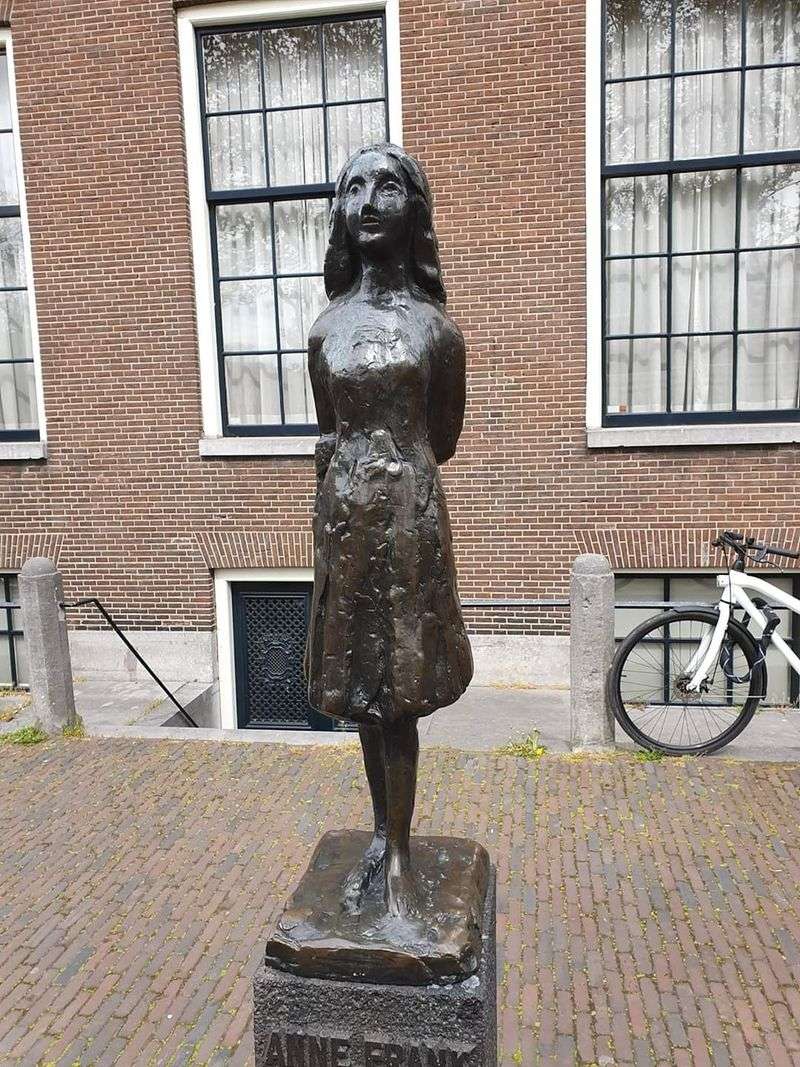
Anne Frank’s diary remains one of the twentieth century’s most powerful literary documents, and Amsterdam preserves her memory through the Anne Frank House museum. Reading her words in the city where she wrote them creates a profound connection to history. The museum attracts visitors from around the world, many of whom discover Amsterdam’s broader literary culture during their visit.
The city’s bookshops reflect Amsterdam’s international character, offering titles in dozens of languages. English-language bookstores serve the large expat community, while Dutch shops showcase both classic and contemporary Netherlands literature. The American Book Center has become an institution, hosting author events and providing a gathering space for English-speaking readers.
Amsterdam’s literary scene embraces diversity in both content and community, with bookshops catering to every interest and identity. The city’s progressive values extend to its reading culture, creating welcoming spaces for all readers. Canal-side browsing adds unique charm to bookshop hunting, with many stores occupying historic buildings along the waterways. Literary festivals and events happen throughout the year, often emphasizing international voices and translated works. Amsterdam proves that literary culture thrives when cities embrace openness and celebrate diverse perspectives.
Copenhagen, Denmark — Hygge Reading & Design Excellence
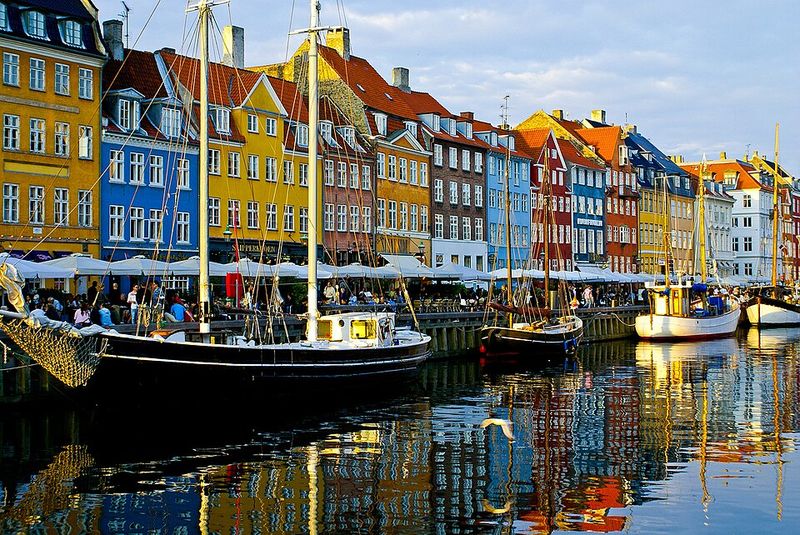
Danish “hygge” transforms reading from solitary activity into cozy experience worth savoring. Copenhagen’s bookshops embrace this concept, creating spaces with comfortable seating, warm lighting, and welcoming atmospheres. You’re encouraged to settle in, browse slowly, and enjoy the experience rather than rush through.
Danish design excellence extends to book production, with publishers creating beautiful objects that honor both content and form. Copenhagen’s shops showcase this attention to craft, displaying books as art objects worthy of admiration. The city’s graphic design tradition means even mass-market paperbacks often feature thoughtful, attractive covers.
Copenhagen’s literary scene balances commercial success with artistic ambition, supporting both popular fiction and experimental literature. Author events and readings happen regularly, often in intimate venues that encourage discussion. The city’s many cafés double as reading spaces, with locals settling in for hours with books and coffee. Public libraries complement bookshops, providing free access to extensive collections in multiple languages. Copenhagen demonstrates how design thinking applied to reading culture creates environments where books feel essential to quality of life. The combination of hygge philosophy and literary dedication makes Copenhagen irresistible for readers seeking comfort alongside culture.
Krakow, Poland — Academic Legacy & Cultural Depth
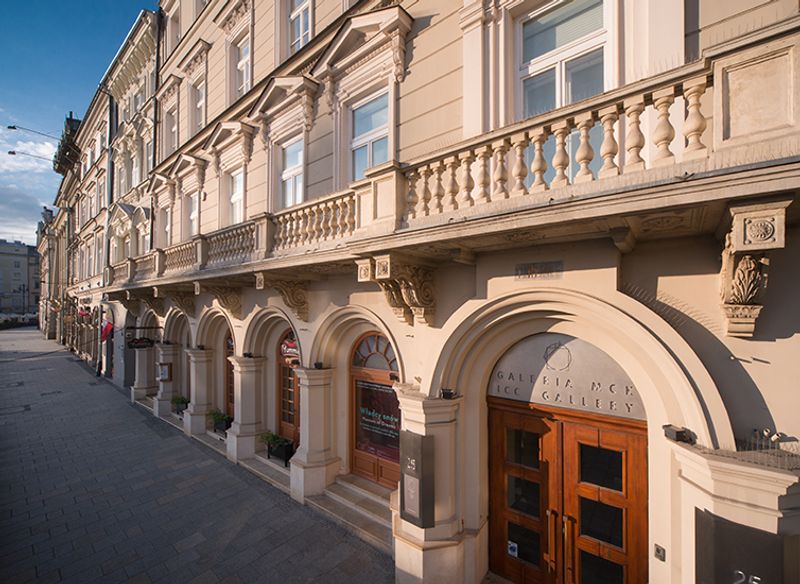
Jagiellonian University, one of Europe’s oldest, has anchored Krakow’s intellectual life since 1364. Copernicus studied here, and the university’s continued excellence ensures the city maintains strong academic and literary culture. Student populations keep bookshops thriving and literary discussions lively.
Krakow’s Old Town bookshops occupy historic buildings, their medieval and Renaissance architecture providing atmospheric settings for browsing. Polish literature, from Romantic poetry to contemporary fiction, fills the shelves alongside international works. Many shops offer English-language sections catering to tourists and international students.
The city’s complex history, including its World War II experiences and communist period, has produced powerful literature exploring memory, identity, and survival. Contemporary Polish writers continue this tradition, gaining international recognition for their work. Krakow hosts literary festivals and cultural events throughout the year, celebrating both Polish and international voices. The city’s affordability makes it accessible for budget-conscious travelers, while its cultural richness rivals more expensive Western European destinations. Krakow proves that literary culture doesn’t require wealth or size, just genuine commitment to preserving heritage while nurturing contemporary voices. Every bookshop visit reveals layers of history and ongoing creative energy.



