 Unearth The Voyage
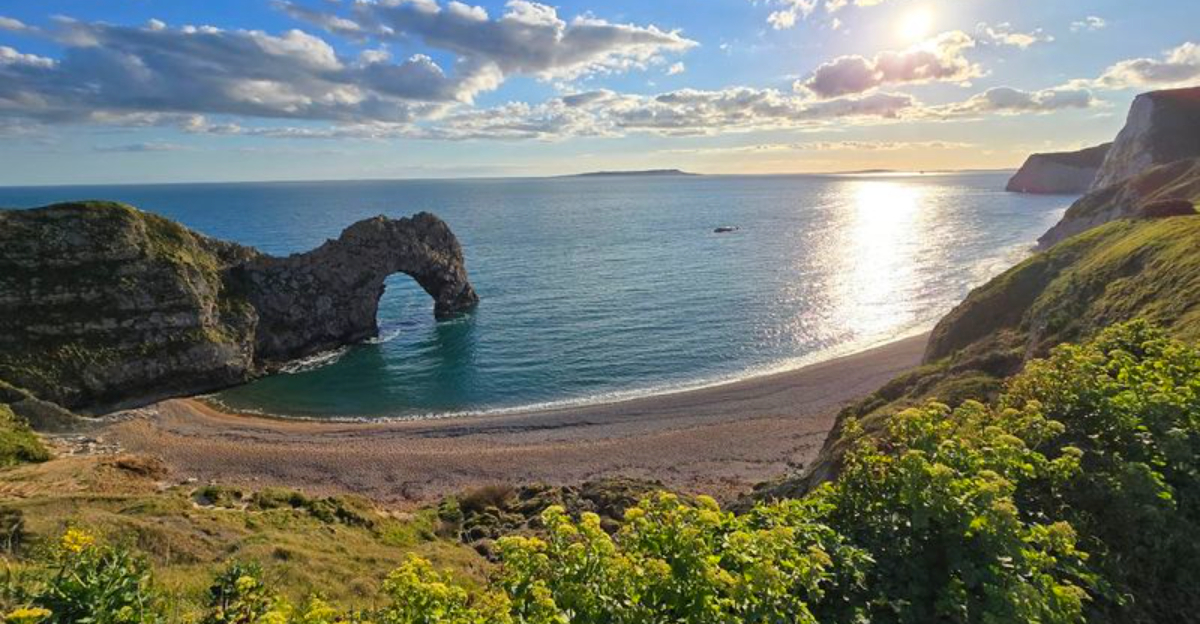
Europe is packed with jaw-dropping natural scenery that can leave even the most seasoned traveler completely speechless. From towering volcanic cliffs to glowing glacier caves, the continent offers a wild variety of landscapes that feel almost too beautiful to be real.
Whether you’re a hiker, a photographer, or just someone who loves a good view, Europe’s natural wonders have something for everyone. Get ready to add some seriously spectacular spots to your bucket list.
Cliffs of Moher – Ireland
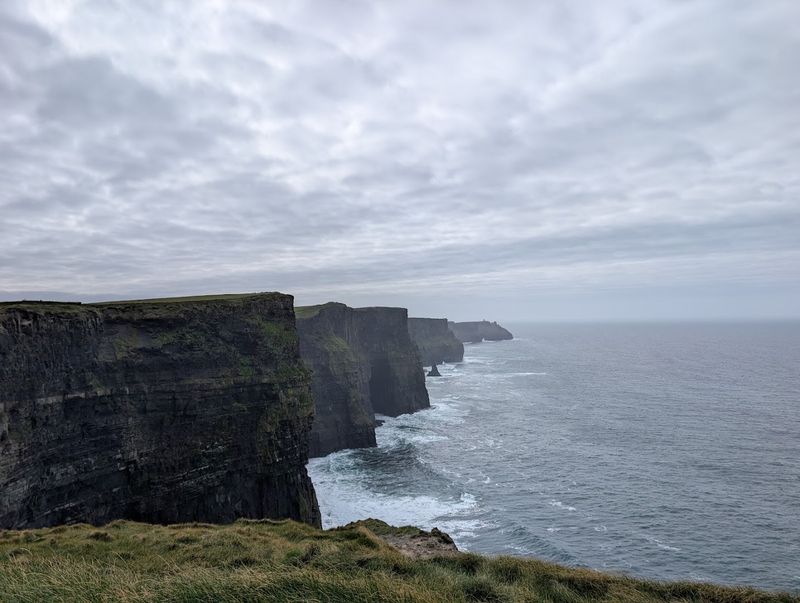
Standing at the edge of the Cliffs of Moher feels like the world just ran out of land. These magnificent cliffs stretch roughly 14 kilometers along Ireland’s wild Atlantic coast and rise over 200 meters above the crashing waves below.
The sheer scale of it hits you the moment you get close enough to peer over the edge.
The wind here is no joke — it pushes against you constantly, carrying sea spray and the distant roar of waves. On clear days, the Aran Islands and Connemara hills are visible across the water.
Even on foggy days, the cliffs wear a mysterious, moody beauty that photographers absolutely love.
Visiting during golden hour is highly recommended, when the stone glows warm amber and the sea turns deep violet. The site gets over a million visitors each year, so arriving early helps you enjoy it without the crowds.
O’Brien’s Tower near the northern end offers one of the best vantage points on the entire stretch. Comfortable waterproof shoes are a must — the paths can get slippery and the wind will test your balance more than once.
The Dolomites – Italy
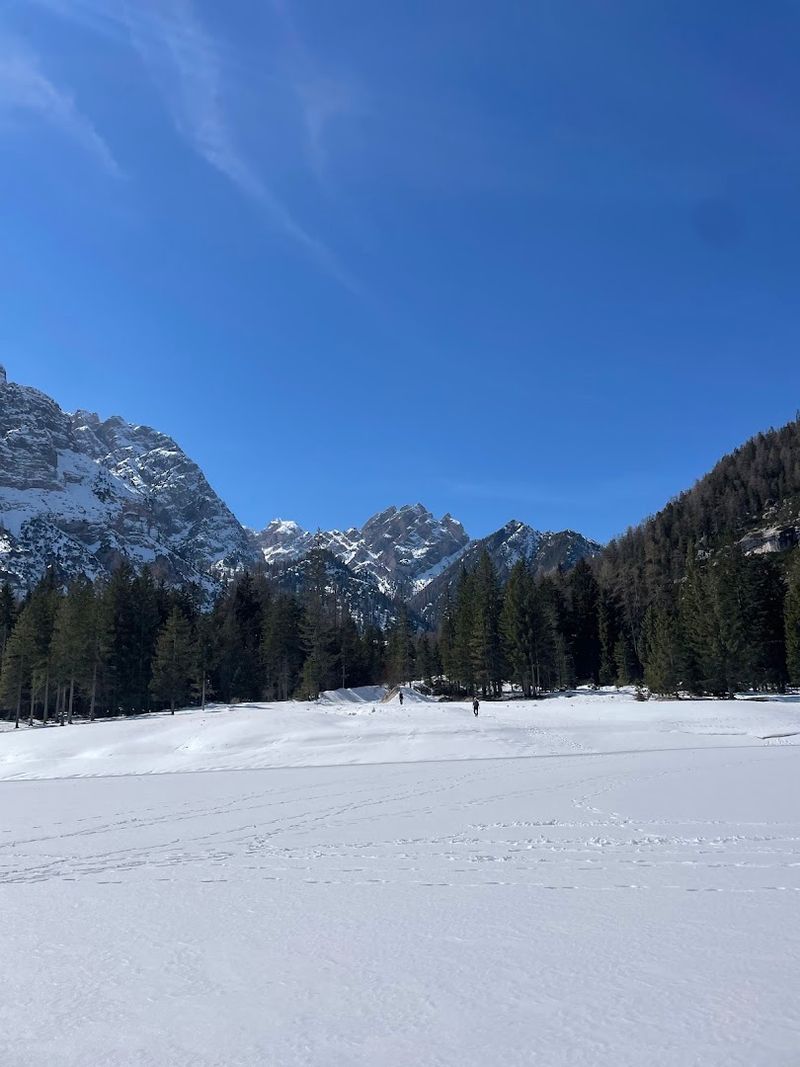
Few mountain ranges on Earth pull off a light show quite like the Dolomites at sunrise. These jagged Italian peaks turn shades of pink, red, and orange during a phenomenon locals call “enrosadira” — the alpenglow.
It only lasts a few minutes, but those minutes feel genuinely magical.
Located in northeastern Italy, the Dolomites span across the South Tyrol region and were declared a UNESCO World Heritage Site in 2009. The peaks here aren’t just tall — they’re dramatically shaped, with sharp vertical walls that look like nature decided to go full abstract art.
Climbers, hikers, and skiers have been obsessing over this landscape for centuries.
Summer hiking trails wind through wildflower meadows and past glacial lakes with mirror-perfect reflections. In winter, the area transforms into one of Europe’s top ski destinations.
The famous Tre Cime di Lavaredo — three massive rock towers — is one of the most photographed spots in the entire range. Staying in one of the traditional mountain huts called rifugios gives you a front-row seat to the scenery without trekking too far from comfort.
Swiss Alps – Switzerland
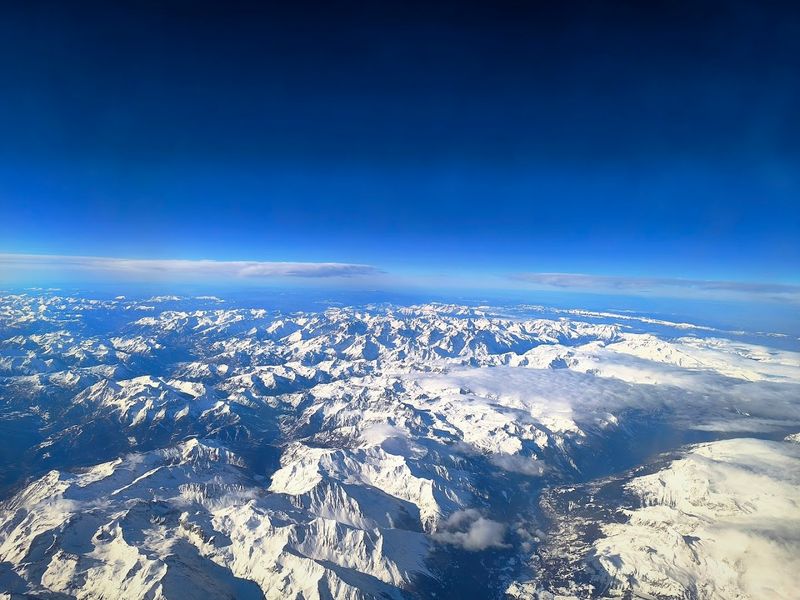
The Matterhorn doesn’t just sit there — it commands the entire skyline like it owns the place. Switzerland’s Alps cover about 65% of the country and include some of the most iconic mountain scenery anywhere on the planet.
This is the landscape that put Switzerland on every traveler’s radar and kept it there for generations.
Glaciers creep slowly between peaks, crystal-clear rivers rush through narrow gorges, and little wooden chalets dot the hillsides like something out of a storybook. The contrast between snowy summits and lush green valleys below is almost absurdly picturesque.
It’s the kind of scenery that makes you stop mid-sentence just to stare.
Towns like Zermatt, Grindelwald, and Interlaken serve as excellent base camps for exploring. Cable cars and cogwheel trains make the high alpine zones surprisingly accessible even for non-hikers.
The Jungfraujoch — nicknamed the “Top of Europe” — sits at 3,454 meters and offers panoramic glacier views year-round. Visiting in late spring means catching wildflowers in full bloom with snow still clinging to the upper peaks, which is honestly one of the most beautiful combinations nature offers.
Plitvice Lakes – Croatia
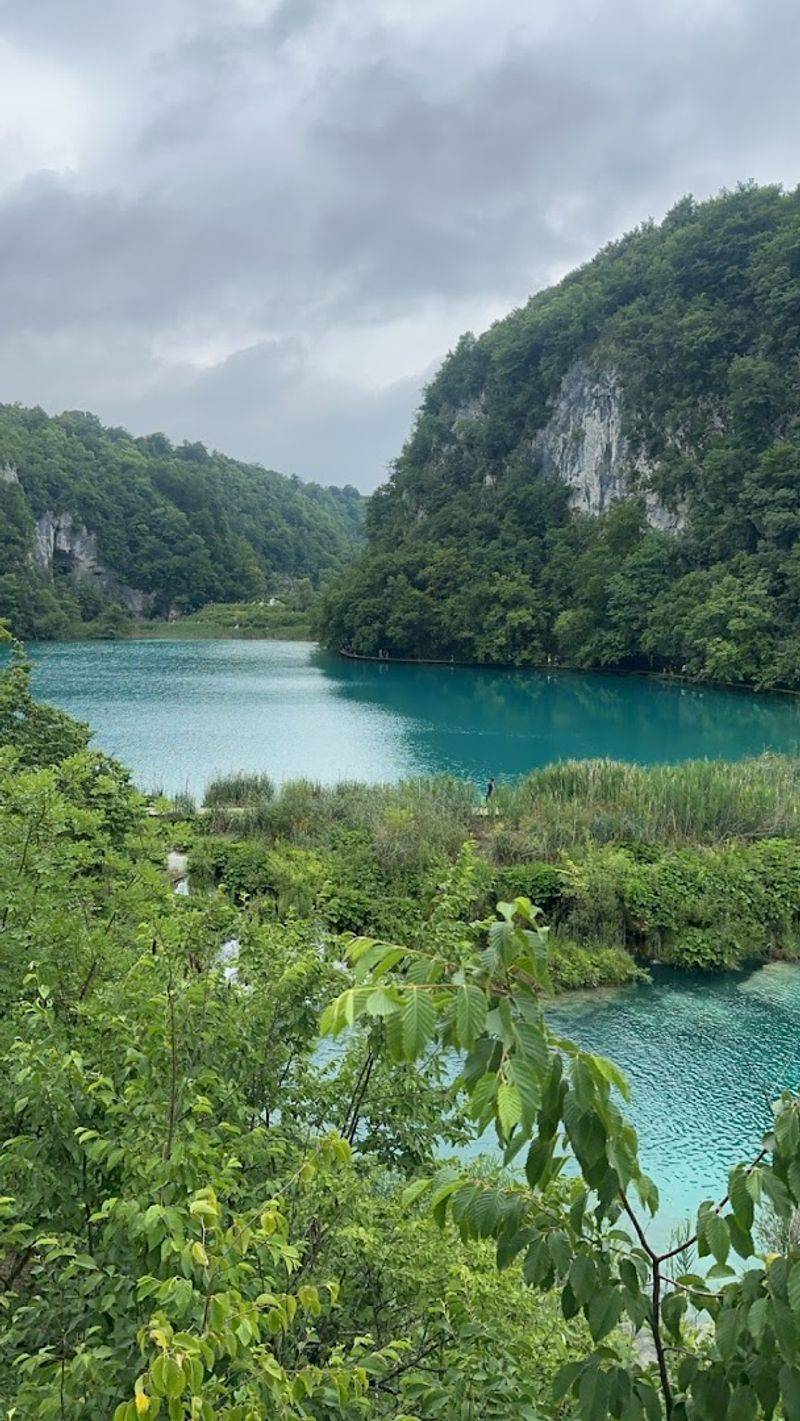
Somewhere between a painting and a dream, Plitvice Lakes National Park exists in a category all its own. Croatia’s most visited national park features 16 terraced lakes connected by a series of waterfalls, all flowing in shades of turquoise, emerald, and deep blue.
The colors change depending on the minerals, organisms, and light hitting the water at any given moment.
Wooden boardwalks snake directly over the water, letting you walk above the lakes and peer straight down into their crystal-clear depths. Fish dart below your feet, and the sound of rushing water is pretty much constant.
It’s an immersive experience in the truest sense — you’re not just looking at nature, you’re walking through it.
The park is split into upper and lower sections, and most visitors need a full day to explore both properly. Spring and early autumn offer the best combination of good weather and smaller crowds.
Summer gets extremely busy, so booking tickets in advance is essential. The waterfalls are most dramatic in spring when snowmelt adds extra volume.
Wear comfortable non-slip shoes since the wooden paths can get slick. Photography enthusiasts will burn through memory cards embarrassingly fast here.
Northern Lights – Norway
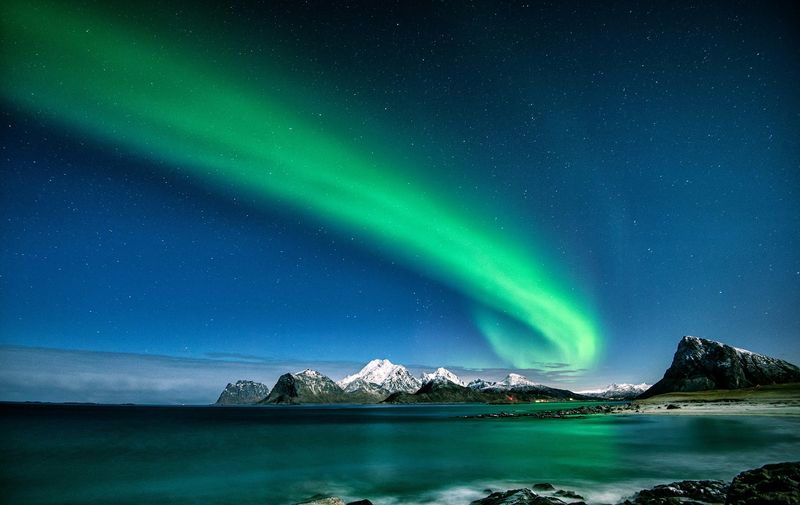
No photograph ever fully captures what it feels like to watch the Northern Lights ripple across a Norwegian sky. The Aurora Borealis is caused by charged particles from the sun colliding with Earth’s atmosphere, producing waves of green, purple, and sometimes red light that move like living curtains overhead.
Knowing the science behind it somehow makes it even more impressive.
Northern Norway — particularly the Tromsø region and the Lofoten Islands — offers some of the best viewing spots in the world. The lights are most active between late September and early April when the nights are long and dark enough to see them clearly.
Clear skies are essential, so checking weather forecasts becomes a bit of an obsession during aurora season.
Many visitors combine Northern Lights hunting with dog sledding, snowshoeing, or staying in a glass-roofed cabin for unobstructed sky views. Local guides know the best dark-sky spots away from light pollution and can dramatically increase your chances of a sighting.
Dressing in serious layers is non-negotiable — temperatures regularly drop well below freezing. Most people who see the lights describe the experience as one of the most moving things they’ve ever witnessed.
Giant’s Causeway – Northern Ireland
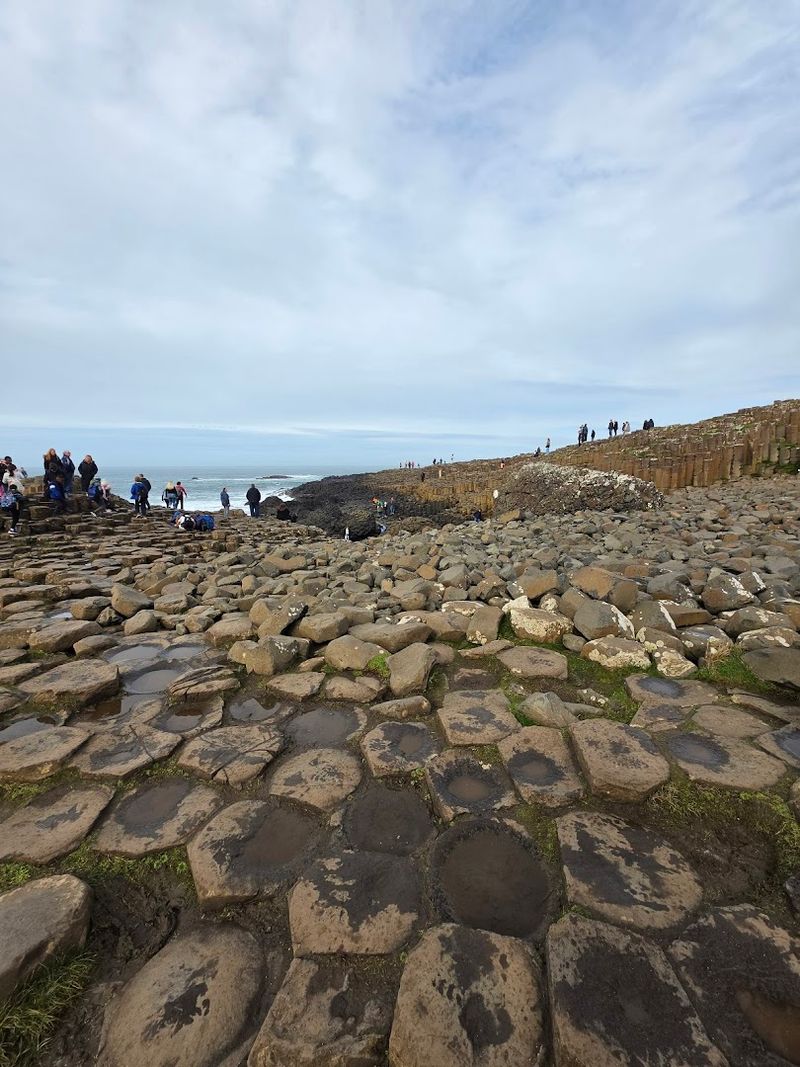
About 40,000 hexagonal basalt columns rising from the sea sounds like something a very ambitious architect might attempt — except nature did it around 60 million years ago. The Giant’s Causeway on Northern Ireland’s north coast is one of those places where the perfectly geometric shapes genuinely make you question whether nature was showing off.
Each column fits snugly against the next like a massive natural puzzle.
According to Irish legend, the giant Fionn mac Cumhaill built the causeway to walk to Scotland to fight a rival giant. The actual explanation involves ancient volcanic eruptions and slow cooling of lava, which caused the rock to fracture into those famous hexagonal shapes.
Both stories are honestly pretty impressive.
The site is managed by the National Trust and has a visitor center that explains the geology and mythology in detail. The surrounding coastal path is spectacular, offering dramatic cliff views and hidden coves.
Sunset visits are particularly atmospheric when the columns cast long shadows across each other. The nearby Carrick-a-Rede rope bridge adds another thrilling stop to the day.
Wear sturdy shoes since the basalt can be uneven and slippery when wet, which is often in Northern Ireland.
Santorini Caldera – Greece
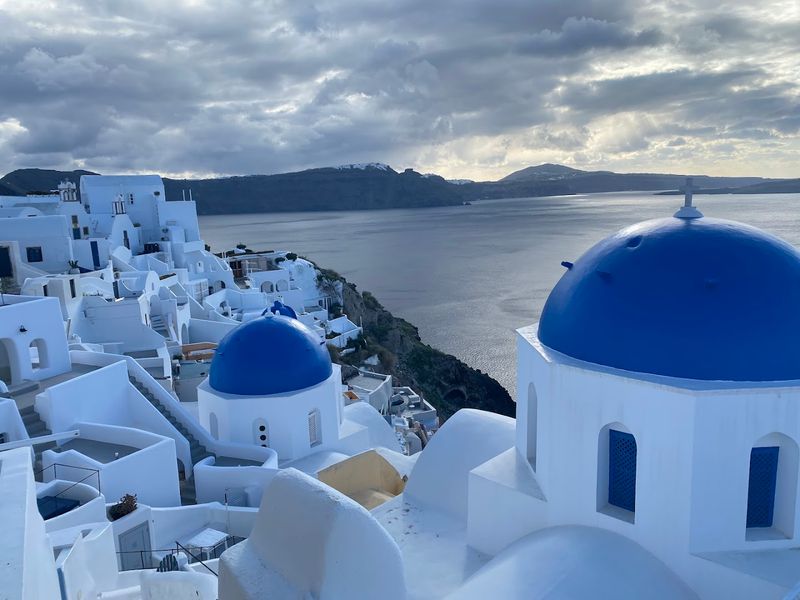
Santorini didn’t just form — it exploded into existence. Around 3,600 years ago, one of the largest volcanic eruptions in human history blew out the center of the island, creating the dramatic caldera that defines Santorini’s shape today.
What was left is a crescent of steep cliffs plunging straight into a deep blue lagoon that used to be the volcano’s crater.
The iconic white-washed villages of Oia and Fira cling to those cliff edges, their blue-domed churches contrasting sharply against the dark volcanic rock and brilliant sea below. The visual combination is so striking that it has become one of the most recognizable images in all of travel photography.
Sunsets from Oia are particularly legendary and attract crowds every single evening.
Boat tours of the caldera let you visit the still-active volcanic islands in the center, where you can walk across steaming lava fields and swim in naturally warm water. The black and red sand beaches around the island add another layer of volcanic drama to the scenery.
Visiting in May or October avoids the peak summer rush while still enjoying warm, clear weather. The caldera views from a cliffside restaurant at dinner are an experience that stays with you for a very long time.
Reynisfjara Black Sand Beach – Iceland
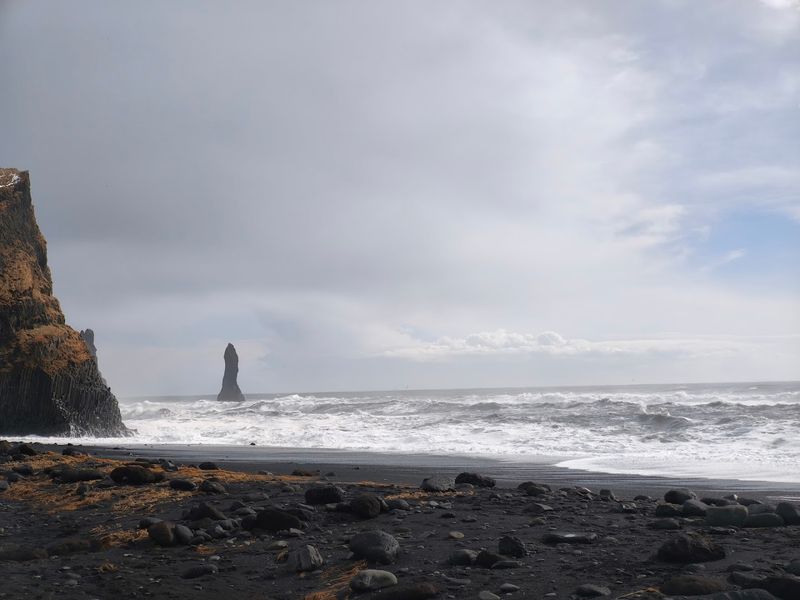
Jet-black sand, roaring waves, and columns of basalt stacked like ancient pillars — Reynisfjara is not your average beach day destination. Located near the village of Vik on Iceland’s south coast, this striking stretch of shoreline has appeared in several films and TV shows, and it’s easy to see why directors are drawn to it.
Everything about it feels dramatic.
The towering sea stacks rising from the water are called Reynisdrangar, and local folklore says they’re trolls who were turned to stone by the sunrise while trying to drag ships to shore. The basalt columns lining the cave walls near the beach are strikingly similar to those at the Giant’s Causeway, formed by the same kind of ancient volcanic cooling process.
One very important thing to know before visiting: the waves here are genuinely dangerous. Sneaker waves — large unexpected waves — can appear without warning and have swept visitors off the shore.
Warning signs and safety zones are there for a reason, and respecting them is critical. The beach is most atmospheric in stormy weather when the waves are enormous and the sky turns dramatic shades of grey.
Bring a windproof jacket because the gusts here are relentless and thoroughly unimpressed by regular coats.
Skógafoss Waterfall – Iceland
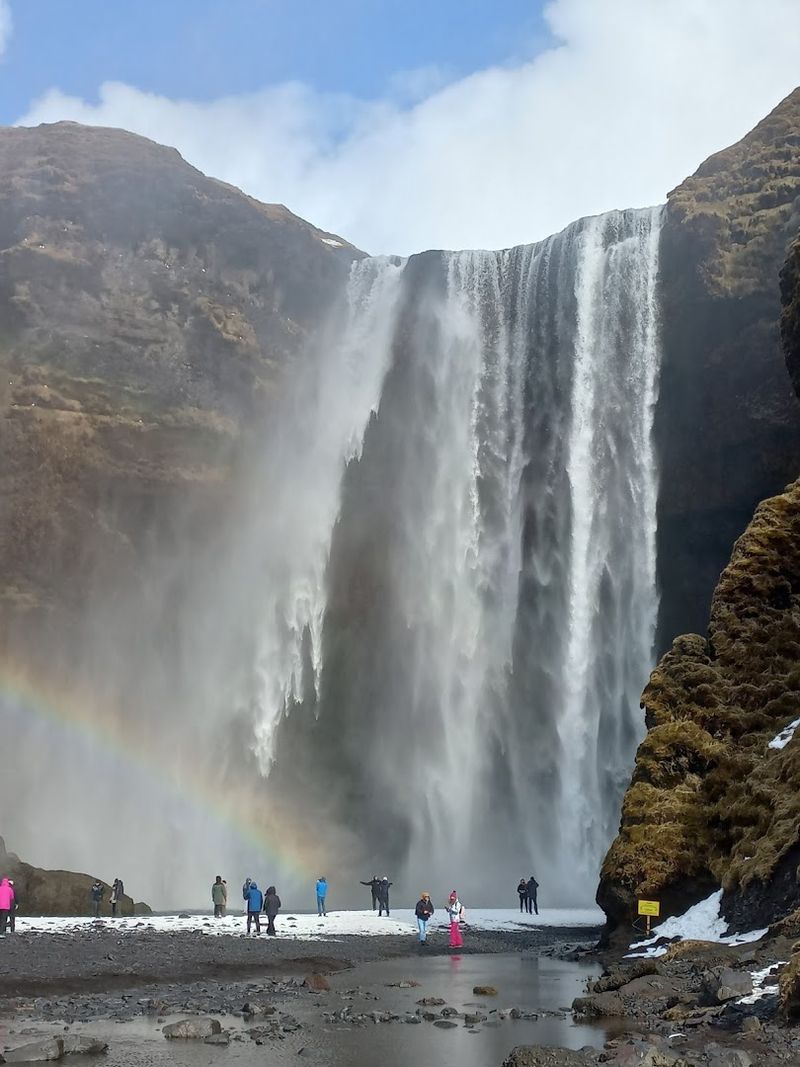
Standing in front of Skógafoss feels like the waterfall is trying to have a conversation with you — a very loud, very wet one. This thundering cascade drops 60 meters straight down from a cliff edge on Iceland’s south coast, and the sheer volume of water it releases creates a permanent mist cloud that catches sunlight and forms rainbows almost constantly on sunny days.
It’s spectacular without even trying.
Unlike many famous waterfalls that require serious hiking to reach, Skógafoss sits right next to the main coastal road. You can walk directly up to the base and feel the spray on your face within minutes of arriving.
A staircase on the right side climbs to the top, where the Skógar river begins its journey and the view back toward the coast is genuinely breathtaking.
According to local legend, the first Viking settler in the area hid a chest of gold behind the waterfall. A treasure chest was reportedly found once but only its ring was recovered — now on display in a local museum.
The Fimmvörðuháls trail begins at the top of Skógafoss and leads hikers through some of Iceland’s most dramatic highland scenery. Waterproof clothing is strongly recommended since the mist reaches further than you’d expect.
Lauterbrunnen Valley – Switzerland
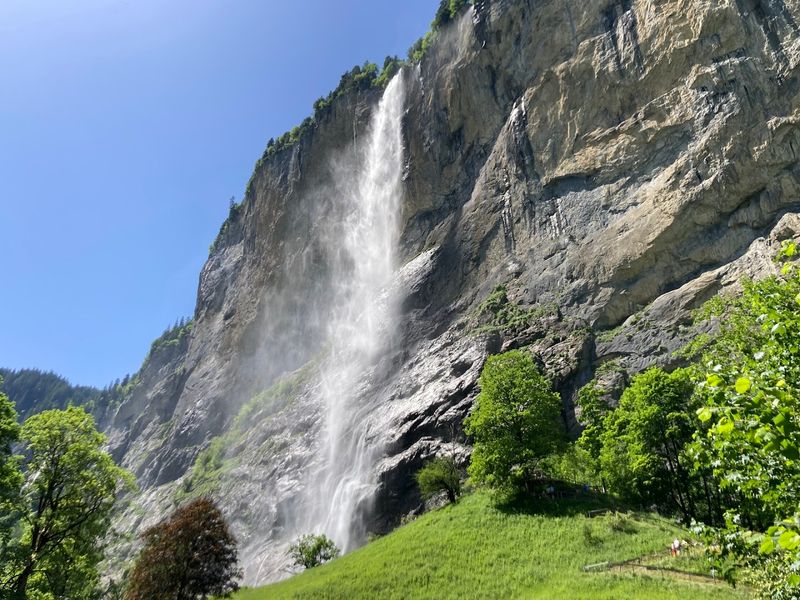
Seventy-two waterfalls pouring down sheer cliff walls into a single valley — Lauterbrunnen doesn’t do things halfway. Tucked deep in the Bernese Oberland region of Switzerland, this glacially carved valley is often called the “valley of waterfalls,” and that nickname is about as accurate as nicknames get.
The cliffs on either side rise nearly 300 meters straight up, and water seems to pour from every crack and ledge.
The most famous of the falls is Staubbachfall, which plunges 297 meters in a free-falling ribbon that drifts in the wind like smoke. The poet Goethe was so moved by it that he wrote a poem about it in 1779.
That’s the kind of scenery that inspires people to write poetry on the spot.
The village of Lauterbrunnen sits on the valley floor and serves as a hub for exploring the surrounding mountains. Cable cars and trains connect it to the famous Jungfraujoch and the car-free villages of Wengen and Mürren perched high on the cliffs above.
Paragliders often float silently overhead, which adds a surreal layer to the already otherworldly scenery. Spring is arguably the best time to visit when snowmelt pushes the waterfalls to their most powerful and the valley floor blooms with wildflowers.
Lake Bled – Slovenia
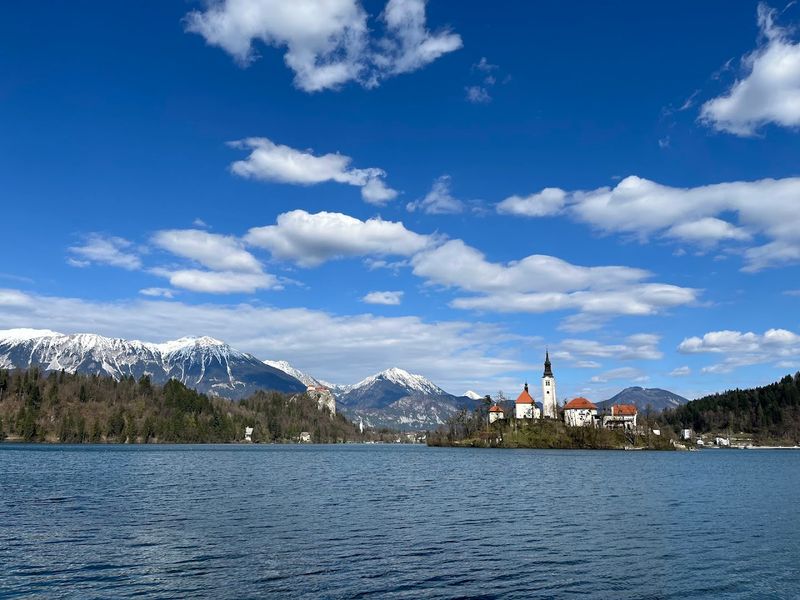
Early morning mist hovering over an emerald lake with a tiny island church in the middle and a medieval castle watching from a cliff above — Lake Bled sounds like it was designed by someone who wanted to create the perfect postcard. Slovenia’s most famous natural attraction somehow manages to look even better in person than in photographs, which is a genuinely rare achievement.
The island at the center of the lake — the only natural island in Slovenia — is home to the Assumption of Mary Church, built in the 17th century. Traditional wooden rowboats called pletnas ferry visitors across the glassy water, and ringing the church bell inside is said to grant wishes.
The bell-ringing tradition alone draws visitors from around the world.
Swimming in the lake is allowed and surprisingly pleasant in summer since the water warms up nicely. Renting a rowboat and paddling out to the island yourself is one of the most peaceful activities the lake offers.
The hike up to Bled Castle rewards you with a panoramic view that makes the short climb absolutely worth the effort. Visiting just after sunrise means you get the famous mist on the water with very few other tourists around, which is a combination that’s hard to beat.
Mount Etna – Italy
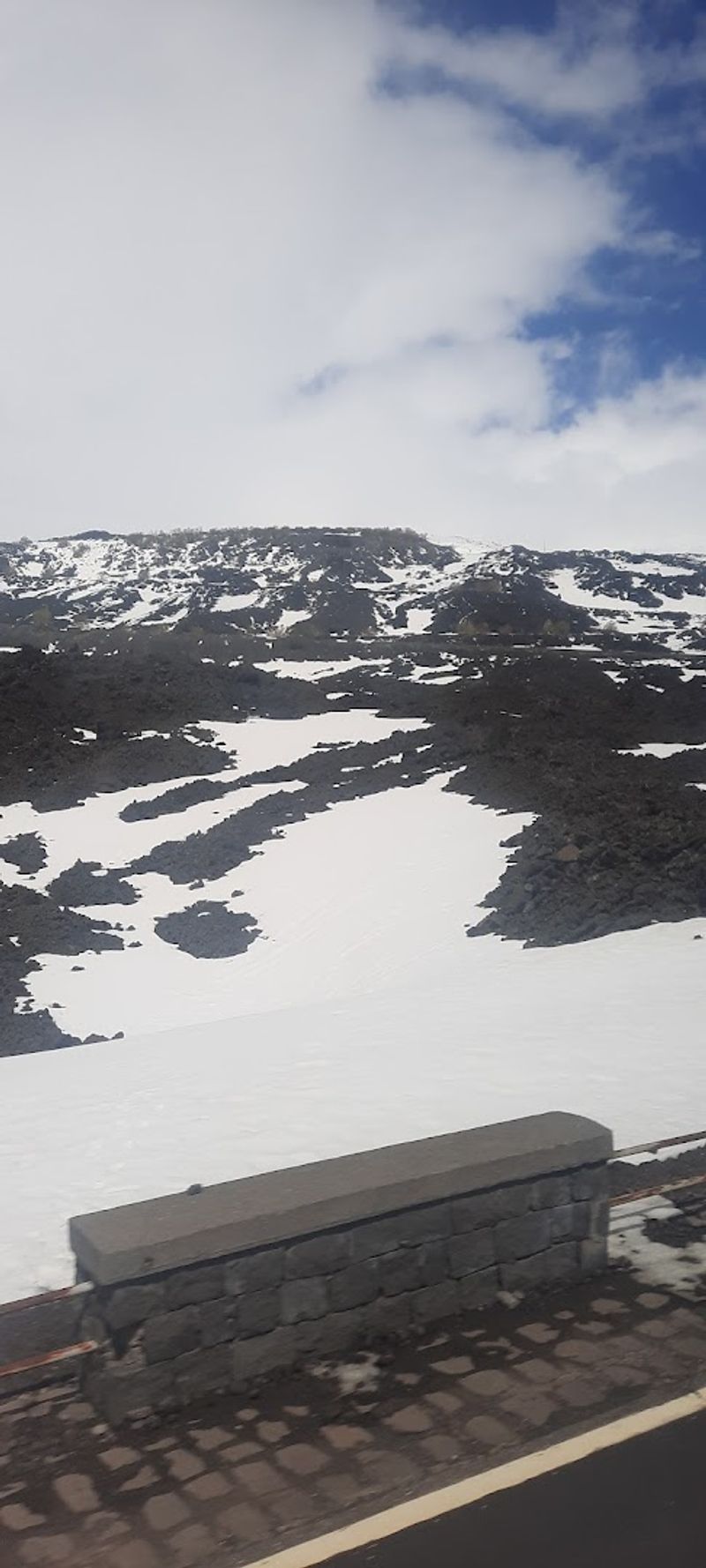
Mount Etna has been erupting, grumbling, and reshaping Sicily for at least 500,000 years, and it shows absolutely no signs of slowing down. As Europe’s largest and most active volcano, Etna is a living, breathing geological force that you can actually hike on — which is either thrilling or terrifying depending on your perspective.
Most visitors find it exhilarating.
The lunar-like landscape of hardened black lava fields stretching across the mountain’s slopes is unlike anything else in Europe. Older flows are covered in scrubby vegetation, while newer ones look raw and fresh, still bearing the rough texture of recently cooled lava.
The contrast between the dark volcanic terrain and the snow that caps the summit in winter is visually striking.
Cable cars and 4×4 jeep tours take visitors partway up the mountain, with guided hikes available to reach the summit craters. The views from the top stretch across the entire island of Sicily and out to the Mediterranean Sea on a clear day.
Local wines grown in the volcanic soil around Etna’s base are famous for their unique mineral character — the volcano literally flavors the grapes. Eruption activity is monitored constantly, and tours are adjusted based on current conditions to keep visitors safe.
Trolltunga – Norway
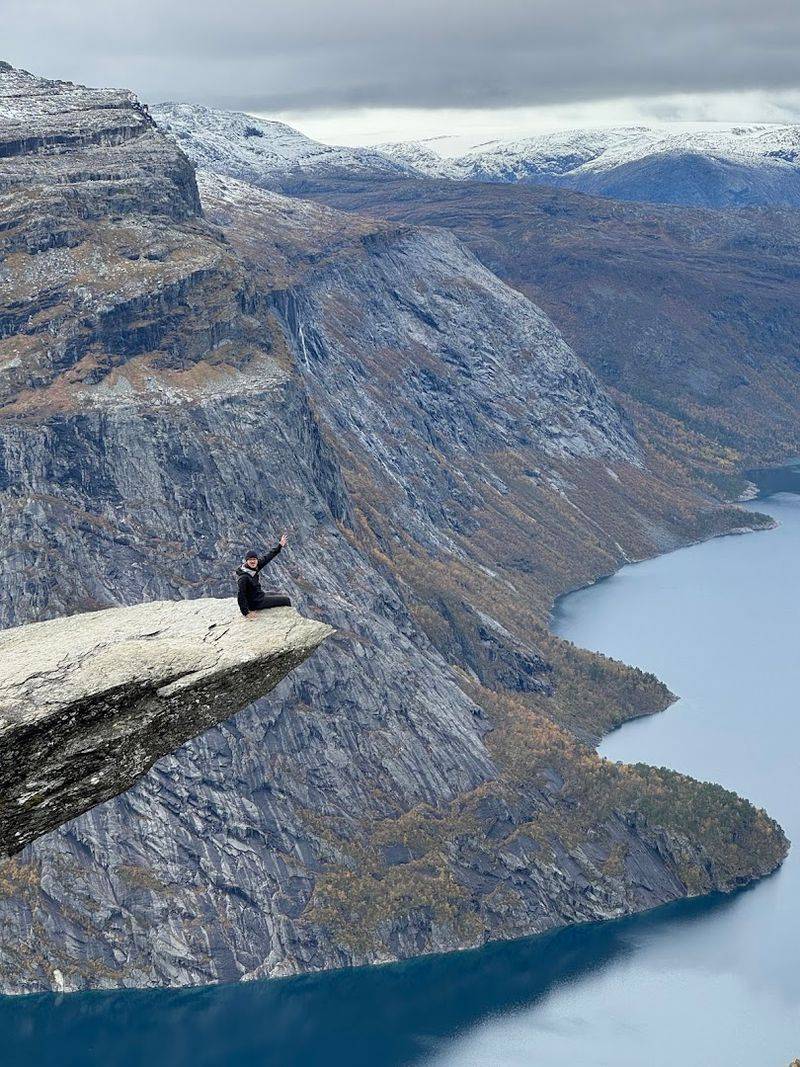
Trolltunga translates to “Troll’s Tongue,” and once you see the horizontal slab of rock jutting straight out over a 700-meter drop, the name makes complete sense. This iconic Norwegian rock formation hangs over Lake Ringedalsvatnet in western Norway and has become one of the most photographed natural landmarks in all of Scandinavia.
The queue for that edge photo can be long, but the view earns every minute of waiting.
Getting there is a genuine commitment. The round trip hike covers about 27 kilometers and gains significant elevation, taking most people between 10 and 12 hours to complete.
The trail passes through dramatic highland scenery including snowfields, rocky ridges, and mountain lakes that would be impressive destinations in their own right.
The hiking season runs from late June through September, as the trail can be dangerous with snow and ice outside those months. Starting early — ideally at sunrise — gives you the best light for photos and helps you avoid the midday crowds at the rock itself.
Bringing enough food, water, and warm layers is essential since conditions can change quickly in the Norwegian mountains. Many hikers choose to camp overnight on the plateau and catch both sunset and sunrise from one of the most extraordinary natural balconies in Europe.
Saxon Switzerland National Park – Germany
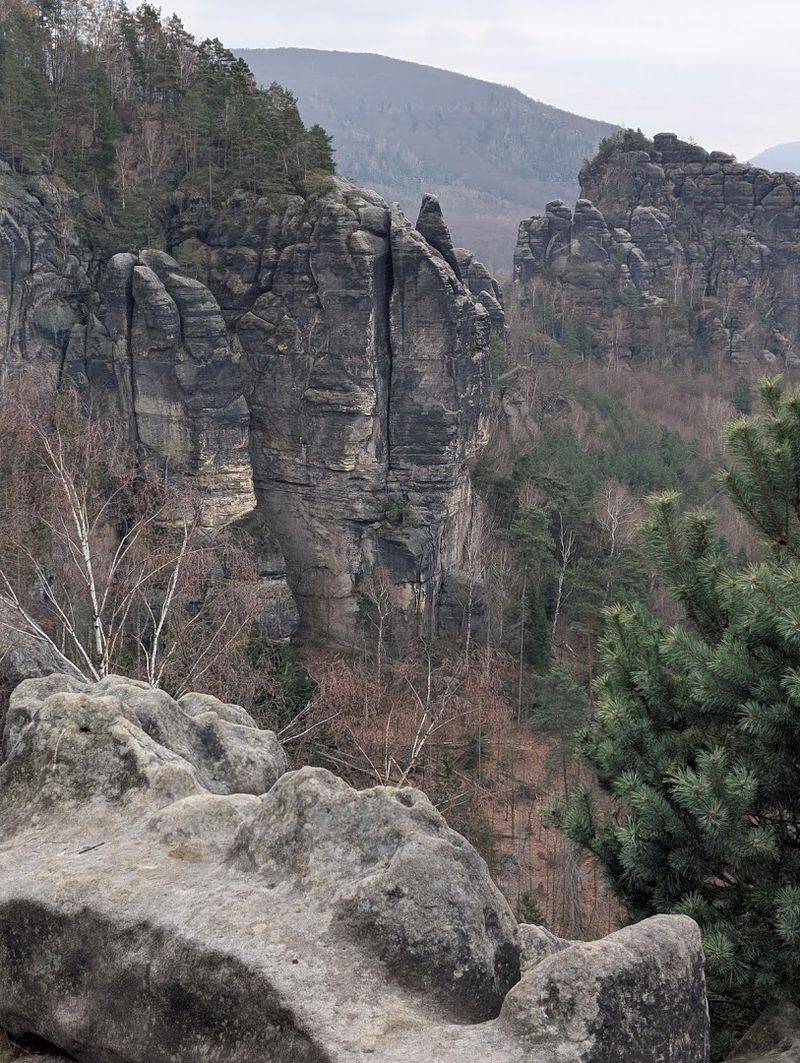
Despite the name, Saxon Switzerland is firmly in Germany — specifically in the Elbe Sandstone Mountains of Saxony near the Czech border. The name comes from two Swiss artists who visited in the 18th century and thought the landscape reminded them of home.
It doesn’t look much like Switzerland, but it absolutely earns its own jaw-dropping reputation.
Towering sandstone formations rise from dense forest like ancient ruins, with flat-topped mesas and narrow gorges creating a maze of dramatic terrain. The Bastei — a series of rock formations connected by a historic stone bridge — is the park’s most famous viewpoint and one of the most atmospheric spots in all of Germany.
Morning mist rolling through the valleys below the bridge is something photographers travel from across Europe to capture.
The park offers hiking trails ranging from easy riverside walks along the Elbe to challenging climbs up exposed rock faces. Rock climbing is also hugely popular here, with hundreds of established routes on the sandstone pillars.
The nearby town of Rathen serves as a good base for exploring the park’s highlights. Visiting in autumn adds a layer of golden and red foliage that makes the already dramatic scenery feel even more cinematic.
The park stays beautiful year-round, but spring and autumn are the sweet spots for both weather and crowds.
Lake Ohrid – North Macedonia/Albania
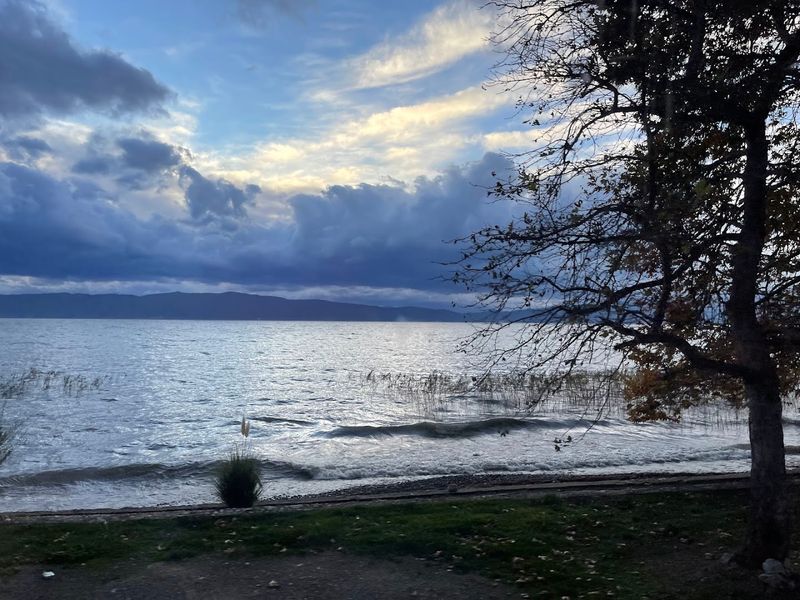
Lake Ohrid has been around for somewhere between three and five million years, making it one of the oldest lakes in the world and one of the few ancient lakes to have survived relatively unchanged. While most lakes form and disappear over thousands of years, Ohrid just kept going — and it developed its own unique ecosystem of endemic species found nowhere else on Earth.
It’s basically a living museum of aquatic evolution.
Shared between North Macedonia and Albania, the lake sits at about 695 meters above sea level and reaches depths of 288 meters. The water is extraordinarily clear, with visibility extending up to 22 meters in some areas.
The historic town of Ohrid on the North Macedonian shore is a UNESCO World Heritage Site, combining ancient churches, Byzantine art, and Roman ruins with the spectacular lakeside setting.
The Church of Saint John at Kaneo perches dramatically on a rocky cliff above the lake and is one of the most photographed spots in the entire region. Boat trips across the lake to the Albanian shore offer a different perspective on the surrounding mountains and medieval architecture.
Swimming in summer is popular and the water is remarkably clean. The combination of natural beauty, ancient history, and authentic local culture makes Ohrid genuinely different from most European lake destinations.
Algarve Coast – Portugal
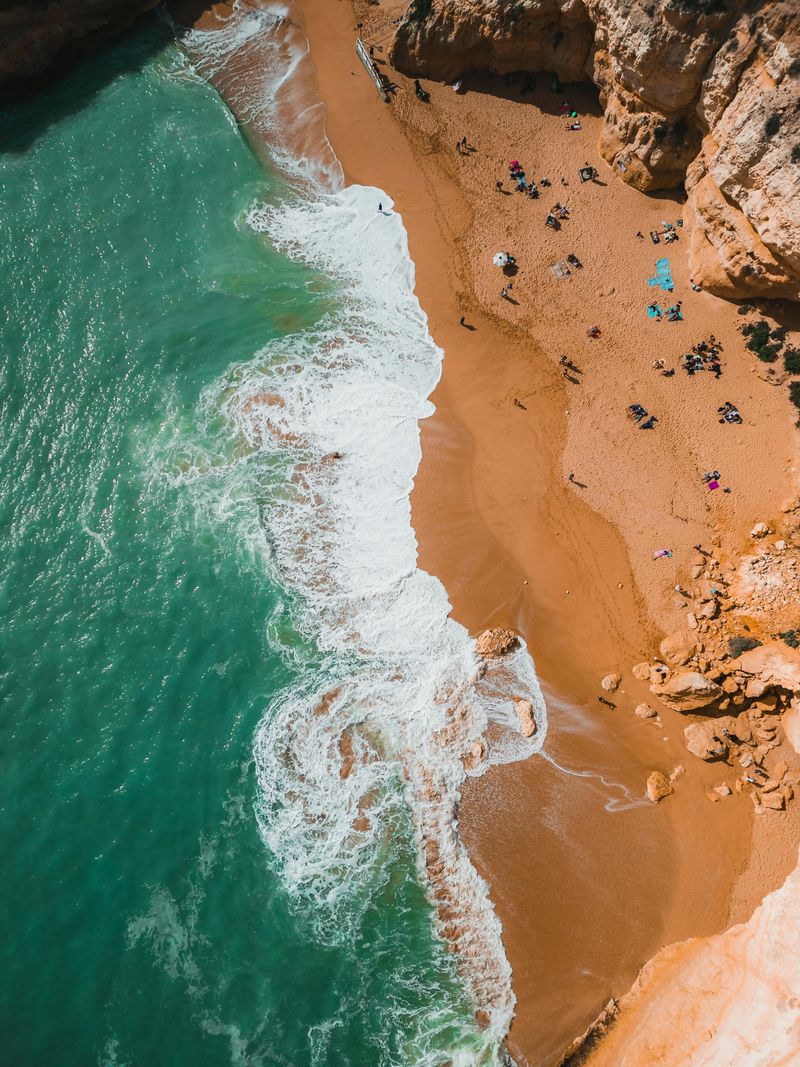
Golden limestone cliffs carved into arches, tunnels, and secret sea caves by centuries of Atlantic waves — the Algarve coastline in southern Portugal is what happens when the ocean gets creative. This sun-drenched stretch of southern Portugal has some of the most sculpturally dramatic coastal scenery in all of Europe, and the warm, clear water below those cliffs doesn’t hurt either.
Ponta da Piedade near Lagos is the crown jewel of the coastline, featuring a labyrinth of sea stacks, grottos, and arches that glow amber in the afternoon sun. Small boat tours weave through the narrow passages and into hidden caves where the water turns an almost electric shade of turquoise.
Kayaking the same route gives an even more intimate experience.
The beaches tucked between the cliffs — like Praia da Marinha and Praia de Benagil — consistently rank among Europe’s most beautiful. Benagil Beach is famous for its sea cave with a natural skylight in the roof, which has become one of Portugal’s most shared travel images.
The Algarve enjoys around 300 days of sunshine per year, making it a reliable destination almost any month. Visiting between May and June or in September offers warm temperatures and significantly thinner crowds than the peak July and August rush.
Vatnajökull Glacier – Iceland
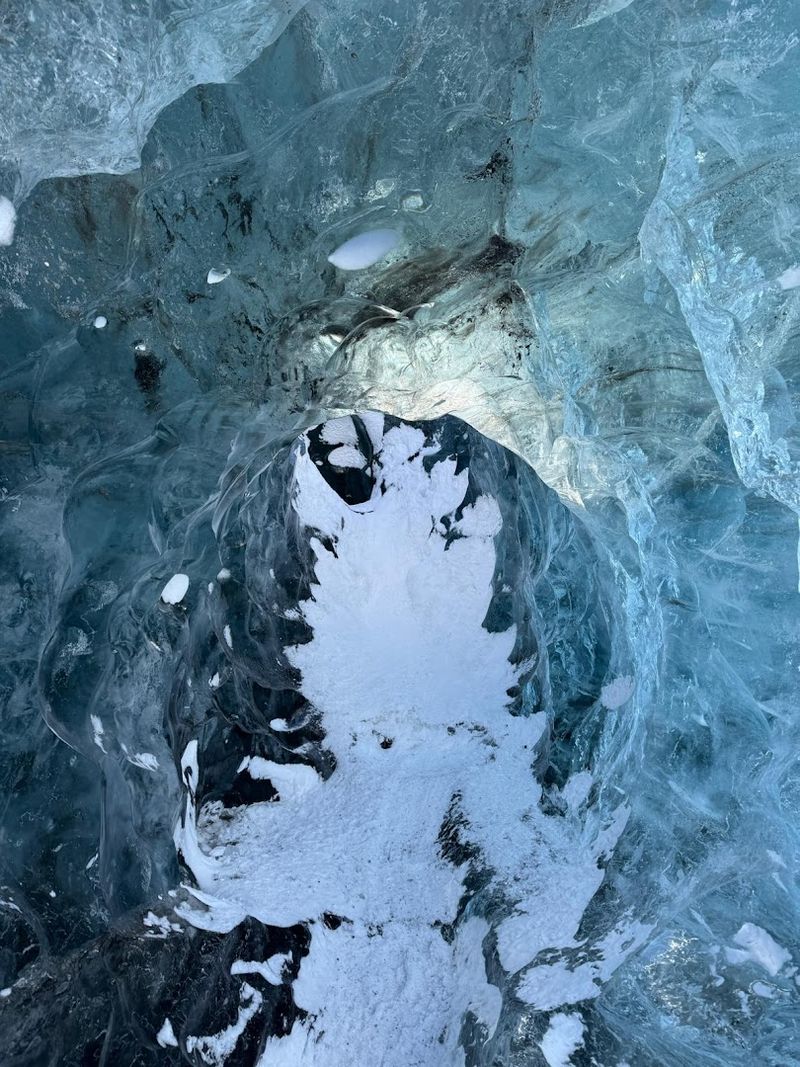
Underneath Europe’s largest glacier hides a world that looks like it was sculpted from sapphire. Vatnajökull covers about 8% of Iceland’s entire surface, stretching across a vast area of southeastern Iceland and concealing active volcanoes beneath its frozen mass.
When those volcanoes erupt under the ice, the results are spectacular and occasionally catastrophic floods called jökulhlaups.
The real magic for most visitors lies inside the glacier’s ice caves, which form each winter as meltwater carves tunnels through the ancient ice. The walls and ceilings glow in deep shades of blue — the result of compressed ice absorbing red wavelengths of light and scattering blue ones back.
Standing inside one of these caves feels like being inside a glowing gemstone.
Guided tours into the ice caves run from November through March when the caves are most stable and visually stunning. Crystal Cave and Katla Ice Cave are among the most popular options, each with their own character and color palette.
The glacier is also accessible for snowmobile tours and glacier hiking during summer months. Vatnajökull National Park surrounding the glacier includes dramatic landscapes of volcanic craters, glacial lagoons, and black sand plains.
The nearby Jökulsárlón glacier lagoon, where icebergs float serenely to the sea, is a must-visit addition to any glacier day trip.
Scottish Highlands – Scotland
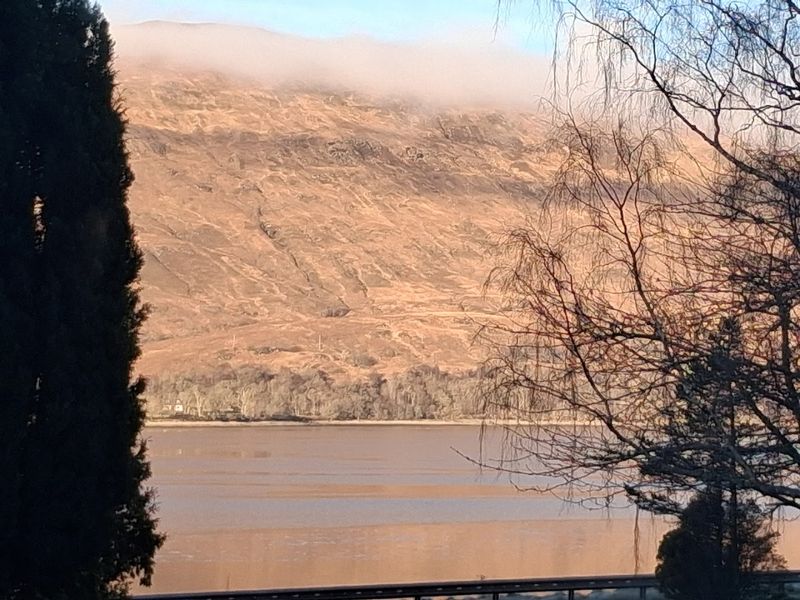
There’s a particular kind of silence in the Scottish Highlands that feels like the landscape is holding its breath. Vast open moorlands stretch in every direction, interrupted by craggy mountain peaks, dark mirror-still lochs, and ancient glens where history and myth seem to hang in the air.
This is one of the last genuinely wild places left in Europe.
The Highlands cover roughly the northern third of Scotland and include Ben Nevis — the highest peak in all of Britain at 1,345 meters. The region is also home to Loch Ness, Glencoe, and the Isle of Skye, each offering their own brand of dramatic scenery.
Glencoe in particular has a haunting, brooding beauty that has inspired painters, poets, and filmmakers for centuries.
Driving the North Coast 500 route — Scotland’s answer to a coastal road trip — takes you through some of the most remote and breathtaking landscapes the country has to offer. Purple heather covers the hillsides in late summer, turning the moorlands into a color that seems almost too vivid to be natural.
Wildlife spotting is genuinely rewarding here: red deer, golden eagles, red squirrels, and even occasional otters call the Highlands home. Waterproof gear is non-negotiable since Scottish weather operates on its own schedule entirely.
Meteora – Greece
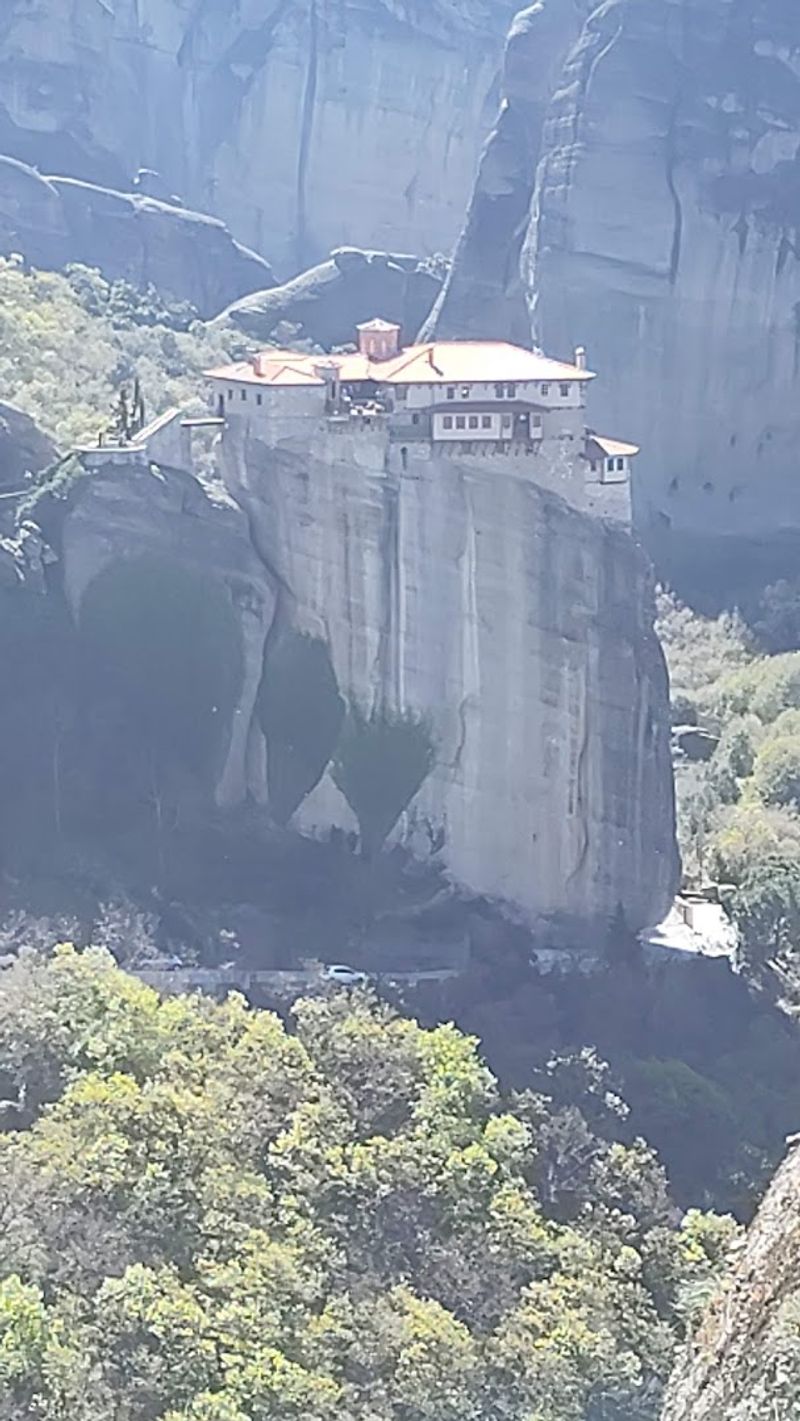
Imagine monasteries built on top of rock towers that rise 400 meters straight up from the ground, and you start to get a sense of what makes Meteora one of the most surreal landscapes in all of Europe. Located in central Greece, these enormous sandstone pillars were formed by millions of years of geological activity, and monks began building monasteries on top of them in the 14th century.
The combination of natural and human achievement here is genuinely staggering.
At its peak, Meteora was home to 24 monasteries. Six remain active today, and several are open to visitors.
Getting up to them originally required nets and rope ladders — a prospect that presumably kept casual visitors away quite effectively. Today, carved staircases and roads make access considerably less terrifying.
The rock formations are most dramatic at sunrise and sunset when low-angled light casts long shadows and the mist that often fills the valley below makes the monasteries look like they’re floating. The nearby town of Kalambaka is a comfortable base for exploring.
Many visitors combine Meteora with a trip to Delphi or Thessaloniki to make the most of central Greece. The landscape is equally stunning in all seasons — snow-dusted in winter, lush and green in spring, golden and hazy in summer.
Durdle Door – England
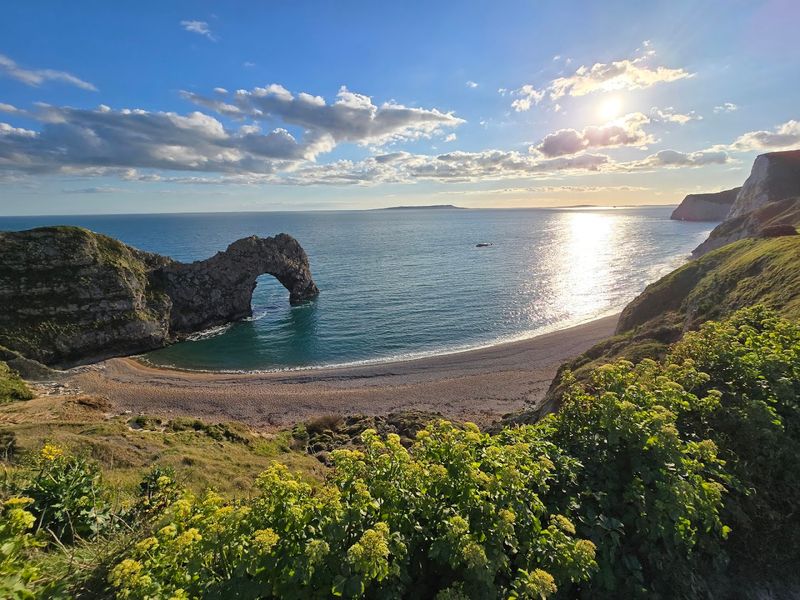
Durdle Door is the kind of geological feature that makes you stop and appreciate the fact that nature occasionally builds things purely for the joy of it. This natural limestone arch on Dorset’s Jurassic Coast has been shaped by 150 million years of sea erosion, and the result is one of the most elegant rock formations in the entire United Kingdom.
The arch frames a perfect view of the English Channel like a natural picture window.
The Jurassic Coast itself is a UNESCO World Heritage Site, stretching 96 miles along the coast of Dorset and East Devon. The cliffs here are packed with fossils, and amateur fossil hunters regularly find ammonites and other prehistoric treasures in the rocks.
The area earned its name because the rock layers represent millions of years of the Jurassic period.
Reaching Durdle Door requires a short but steep hike down from the cliff top car park at Lulworth Cove. The descent is absolutely worth it for the beach views and the chance to swim through the arch at low tide.
Sunrise visits reward early risers with soft golden light and almost zero crowds, which is a stark contrast to summer afternoons when the beach fills up quickly. Lulworth Cove, just a short walk away, adds another stunning coastal feature to the visit and rounds out a perfect day on the Jurassic Coast.



