Florida gardeners have a secret weapon: the state’s warm climate and long growing season make it possible to grow stunning plants with very little effort. Whether you’re a seasoned gardener or just getting started, choosing the right plants can save you hours of work while keeping your yard looking beautiful all year.
The trick is picking species that are built for Florida’s heat, humidity, and occasional drought. Here are 22 low-maintenance plants that will transform your outdoor space without wearing you out.
1. Pentas (Pentas lanceolata)
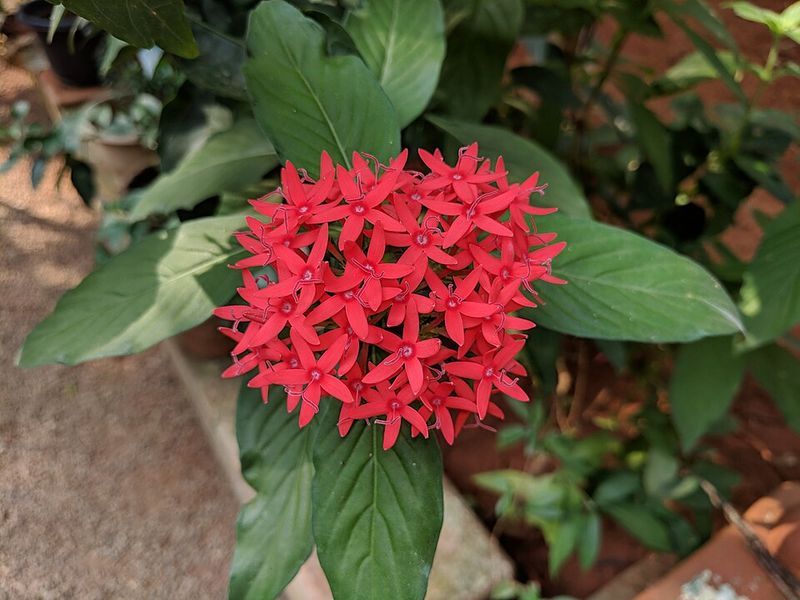
Few plants work as hard as Pentas in a Florida garden. These cheerful, star-shaped flower clusters bloom almost nonstop from spring through fall, even during the most brutal summer heat.
Butterflies flock to them like magnets, making your yard feel alive with color and movement.
Pentas thrive in full sun and well-drained soil, asking for very little in return. Water them occasionally when rainfall is sparse, and give them a light trim now and then to encourage fresh blooms.
They come in red, pink, white, and lavender, so you have plenty of options to match your garden style.
Plant them in borders, containers, or mixed beds for a versatile pop of color. They stay compact and tidy without much pruning.
For a beginner-friendly plant that delivers maximum visual impact with minimal effort, Pentas is hard to beat anywhere in the Sunshine State.
2. Blanket Flower (Gaillardia)
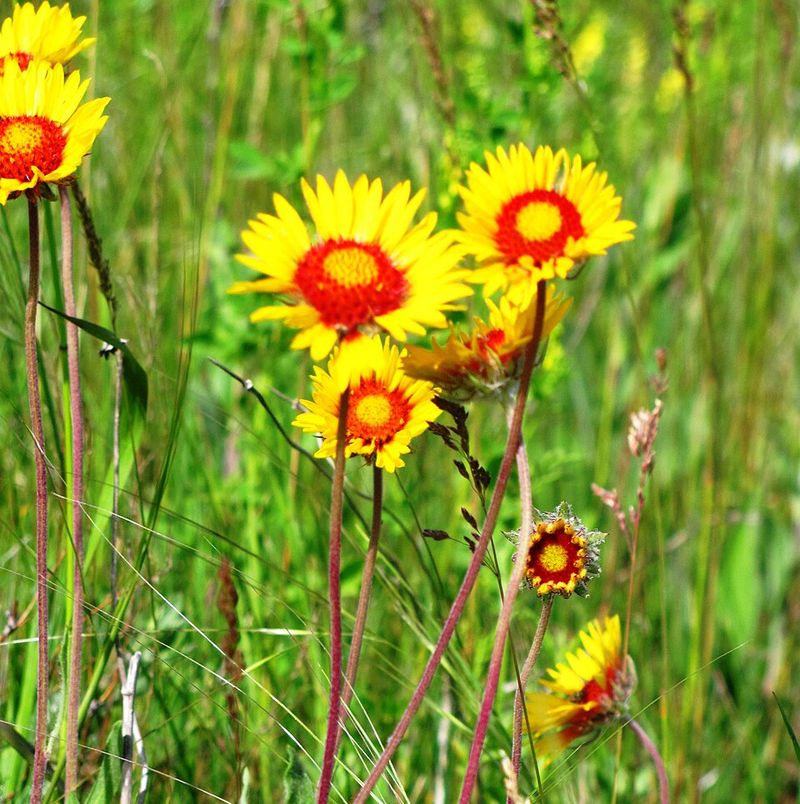
Gaillardia, commonly called Blanket Flower, looks like a sunset captured in petal form. Its bold orange, red, and yellow blooms bring a warm, festive energy to any garden space.
Best of all, this native wildflower is built tough, handling drought, sandy soil, and scorching heat without missing a beat.
Once established, Blanket Flower needs almost no supplemental watering, making it a dream for low-maintenance Florida gardens. It thrives in full sun and actually prefers leaner soil, so skip the heavy fertilizing.
Too much nitrogen produces leafy growth at the expense of those gorgeous flowers.
Pollinators absolutely love it, so expect bees and butterflies to become regular visitors. Deadheading spent blooms extends the flowering season significantly.
If you let a few flowers go to seed, the plant will naturally spread and fill in gaps, saving you replanting time and money over the years.
3. Coreopsis (Florida State Wildflower)
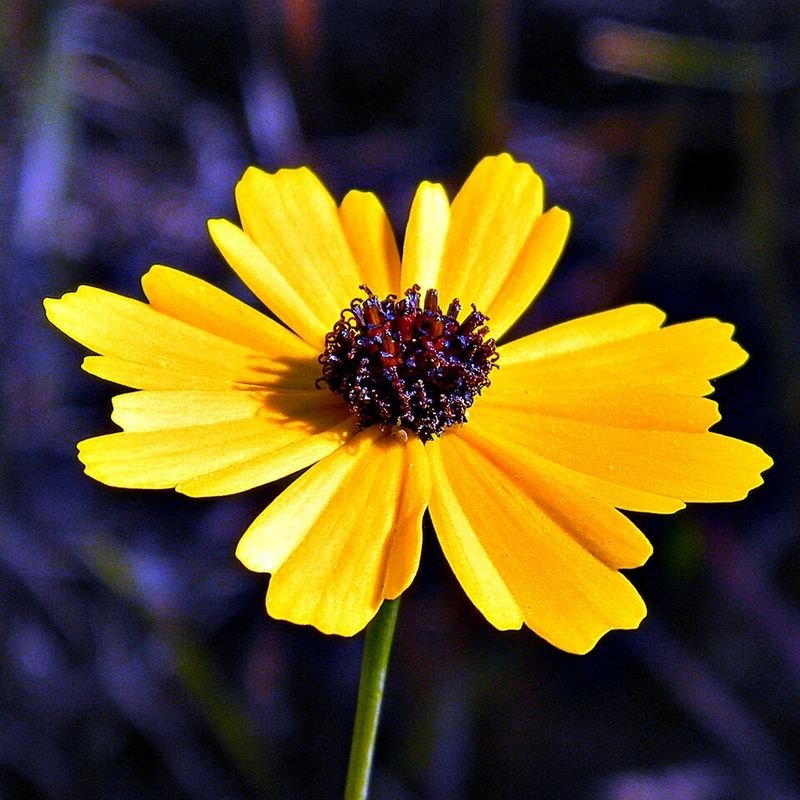
Florida named Coreopsis its official state wildflower for good reason. These cheerful yellow blooms carpet roadsides and gardens across the state every spring, creating a sea of gold that requires almost zero effort from you.
Coreopsis self-seeds readily, meaning once you plant it, it keeps coming back year after year on its own.
Full sun and well-drained soil are really all this plant asks for. It handles sandy or clay-heavy ground with equal ease, making it adaptable to nearly any yard in Florida.
Drought tolerance is another major selling point for gardeners who prefer to skip frequent watering routines.
Coreopsis works beautifully in wildflower meadows, cottage gardens, or along walkways. Its feathery foliage stays attractive even when the plant is not in bloom.
If you want a plant that practically takes care of itself while supporting local pollinators, Coreopsis belongs at the top of your planting list.
4. Blue Daze (Evolvulus glomeratus)
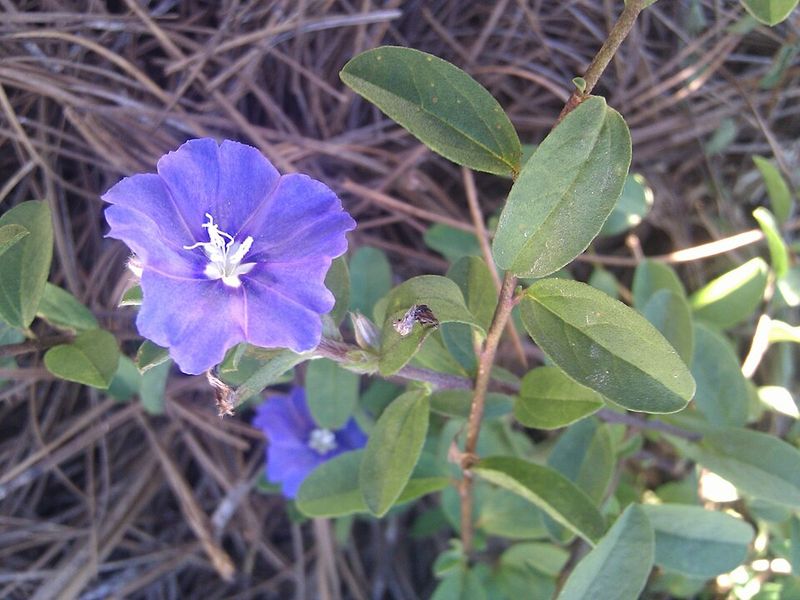
There is something almost magical about the intense sky-blue color of Blue Daze flowers. In a state where blue-blooming plants are surprisingly rare, this compact ground-hugging perennial stands out dramatically.
It blooms continuously through summer and fall, thriving in exactly the kind of hot, sunny conditions that stress out less resilient plants.
Blue Daze handles coastal gardens particularly well, tolerating salt spray and sandy soils that would challenge many other flowering plants. Full sun is a must, and good drainage keeps the roots happy.
Once established, it is remarkably drought-tolerant, though a little extra water during dry spells helps it stay at its best.
Use it as a ground cover, in hanging baskets, or cascading over container edges for a striking effect. It stays naturally tidy without much pruning.
For Florida gardeners who want reliable, vivid color with almost no maintenance, Blue Daze delivers season after season with impressive consistency.
5. Salvia (Various Types)
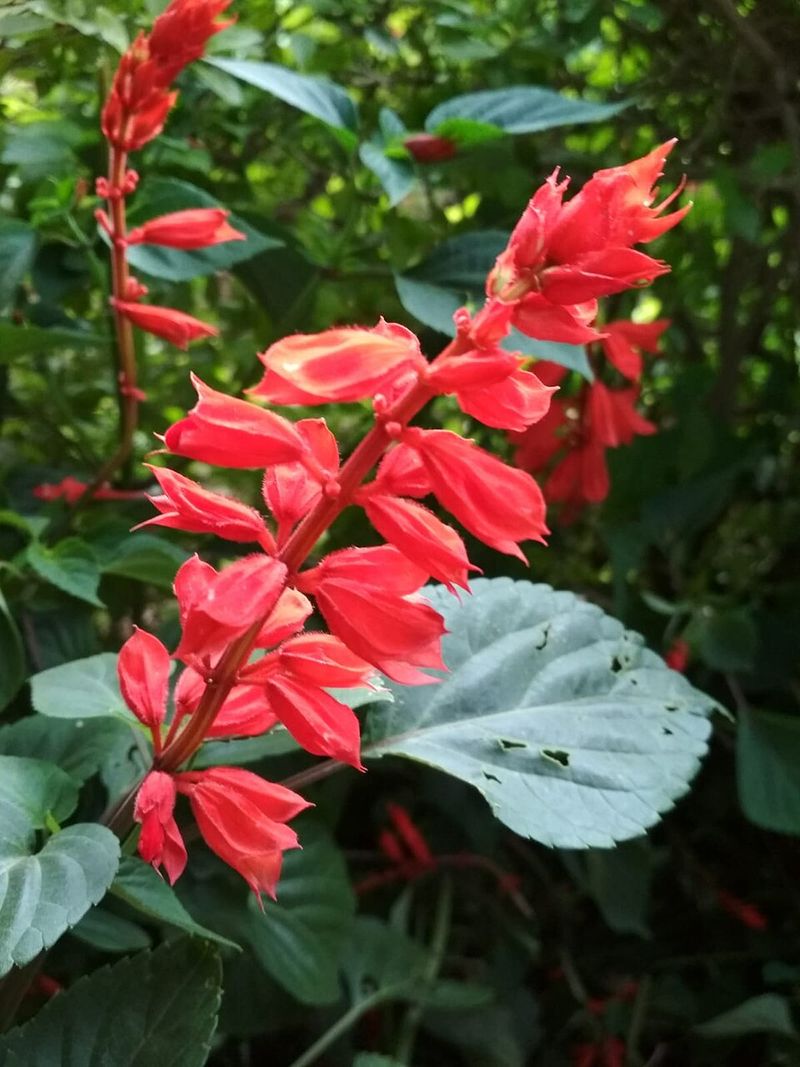
Salvia is one of those plants that seems almost unfairly easy to grow in Florida. With dozens of species to choose from, you can find a Salvia that suits nearly any garden style, from sprawling cottage beds to tidy formal borders.
The tall flower spikes in purple, red, blue, and coral are a constant draw for hummingbirds, bees, and butterflies.
Heat is where Salvia truly shines. While other plants wilt and struggle through Florida summers, Salvia keeps right on blooming.
Most varieties prefer full sun and well-drained soil, and once they settle in, they need surprisingly little water or fertilizer to perform well.
Cutting the plants back after a heavy bloom cycle encourages fresh growth and more flowers. Salvia guaranitica, Salvia coccinea, and Salvia leucantha are all excellent choices for Florida conditions.
Mixing several types creates a layered, pollinator-friendly display that stays colorful from spring through the first cool days of autumn.
6. Society Garlic (Tulbaghia violacea)
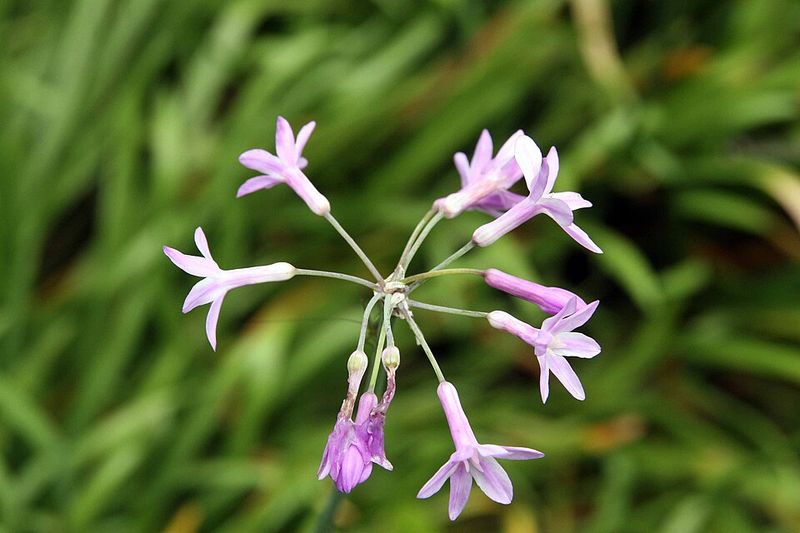
Society Garlic earns its spot in Florida gardens by being both beautiful and surprisingly practical. The lavender flower clusters bloom reliably through warm months, rising above slender blue-green foliage that releases a mild garlic scent when brushed.
That same scent is exactly what keeps deer, aphids, and many other garden pests away naturally.
Established plants handle drought, heat, and humidity without complaint. They prefer full sun to light shade and well-drained soil, but they are forgiving of less-than-perfect conditions.
Division every few years keeps clumps vigorous and gives you free plants to spread around the garden or share with neighbors.
Society Garlic works well as a border plant, in mass plantings, or tucked along pathways where foot traffic releases its pleasant herbal fragrance. It also attracts pollinators while deterring pests, offering a rare combination of ornamental beauty and functional garden value.
Few plants offer this much return for so little investment of time.
7. Firebush (Hamelia patens)
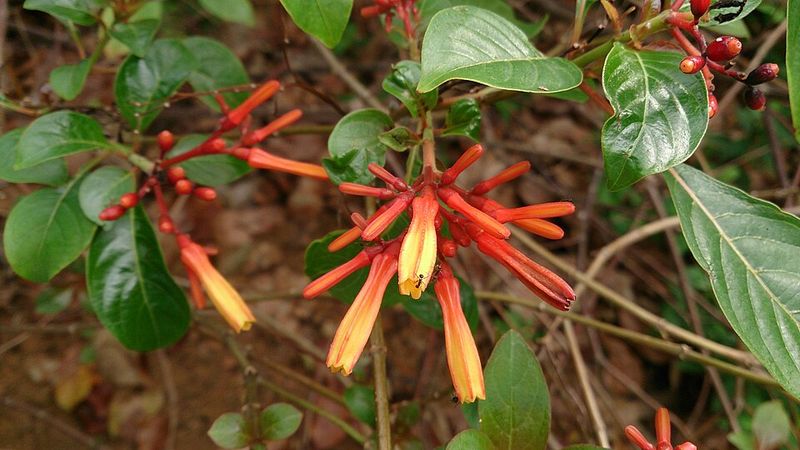
Walk past a Firebush in full bloom and you will understand immediately how it got its name. The clusters of tubular orange-red flowers glow like embers against dark green foliage, and hummingbirds absolutely cannot resist them.
This Florida native is one of the most wildlife-friendly shrubs you can plant, supporting birds, butterflies, and pollinators all in one go.
Firebush is impressively tough once established. It tolerates drought, salt spray, and poor soils, bouncing back quickly after cold snaps in Central and North Florida.
In South Florida, it behaves as a large evergreen shrub. Prune it to any size you like, as it responds enthusiastically to cutting back.
Full sun brings out the most vivid color and heaviest bloom production, though it also performs well in partial shade. For a plant that gives back to local wildlife while asking almost nothing from you, Firebush is a standout native choice for any Florida yard.
8. Croton (Codiaeum variegatum)
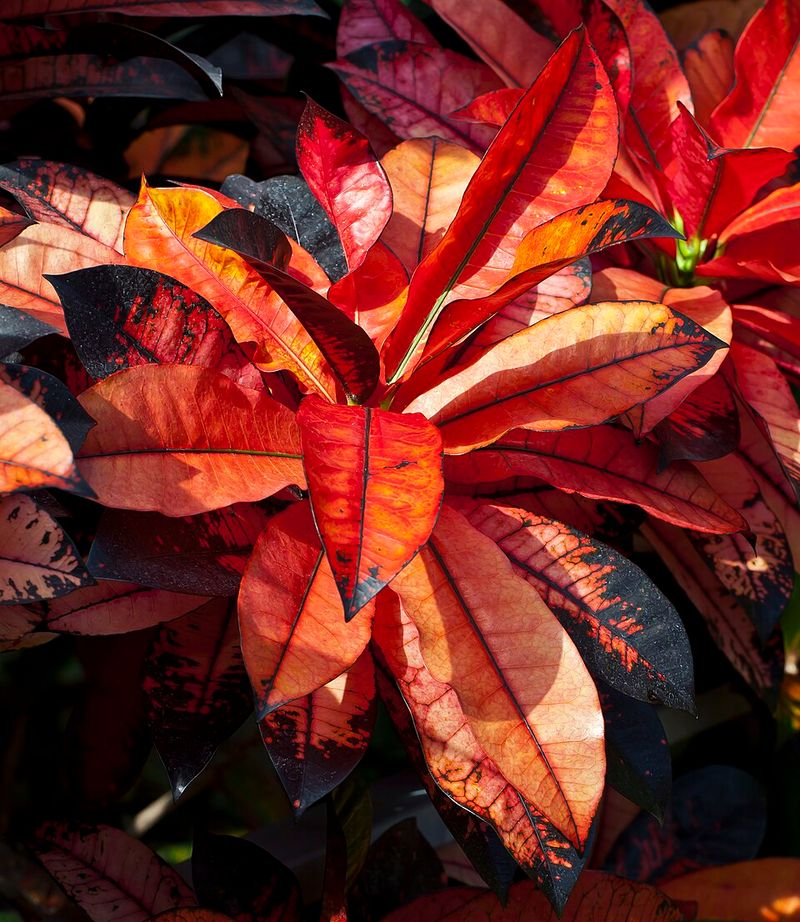
If your garden needs a serious shot of color without the hassle of constant replanting, Croton is your answer. The leaves alone do all the work, displaying wild combinations of yellow, orange, red, green, and purple in patterns that look almost painted.
No flowers needed when your foliage is this dramatic.
Croton thrives in Florida’s heat and actually produces its most vibrant color in full sun. Shaded plants tend to stay greener, so positioning matters for maximum visual impact.
These shrubs are moderately drought-tolerant once established and generally pest-resistant, though they appreciate occasional deep watering during dry stretches.
They work beautifully as accent shrubs, colorful hedges, or bold container plants for patios and entryways. In South Florida, Crotons grow into large, impressive shrubs.
In Central Florida, light frost may knock them back, but they typically regrow from the roots. Their year-round tropical flair makes them a perennial favorite among Florida landscapers and homeowners alike.
9. Dwarf Ixora
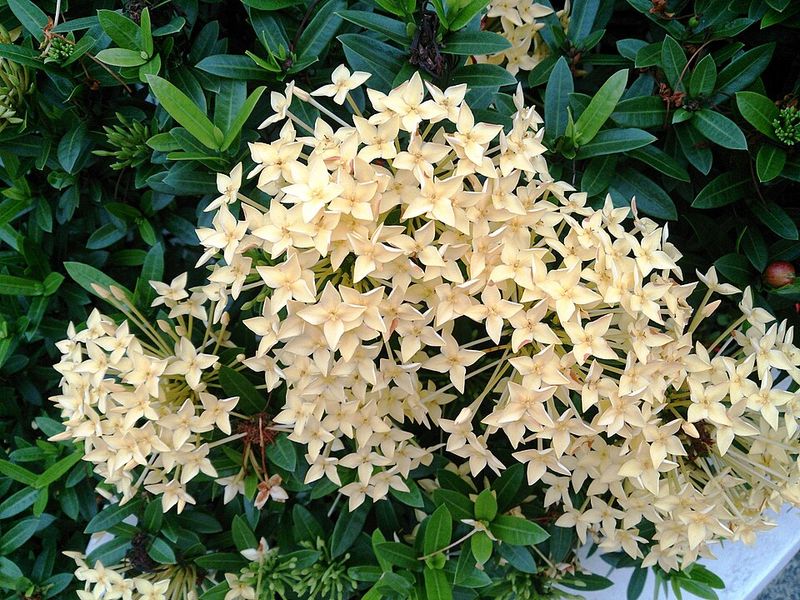
Dwarf Ixora is practically synonymous with South and Central Florida landscaping, and for very good reason. The dense clusters of tiny flowers in fiery red, orange, pink, or yellow bloom almost continuously in warm weather, creating a carpet of color that requires minimal trimming to stay tidy.
Few plants deliver this level of consistent, low-effort beauty.
This compact shrub loves heat, humidity, and acidic soil, which makes it perfectly suited to Florida’s natural conditions. It prefers full sun to partial shade and benefits from occasional feeding with an acid-forming fertilizer to keep the foliage a rich, healthy green.
Iron deficiency can cause yellowing leaves, especially in alkaline soils.
Dwarf Ixora works exceptionally well as a formal or informal hedge, a border plant, or a mass planting along foundations. Its naturally dense growth habit means less pruning than many alternatives.
For reliable, colorful, and neat-looking landscaping in warmer parts of Florida, it is genuinely hard to find a better option.
10. Simpson’s Stopper (Native Shrub)
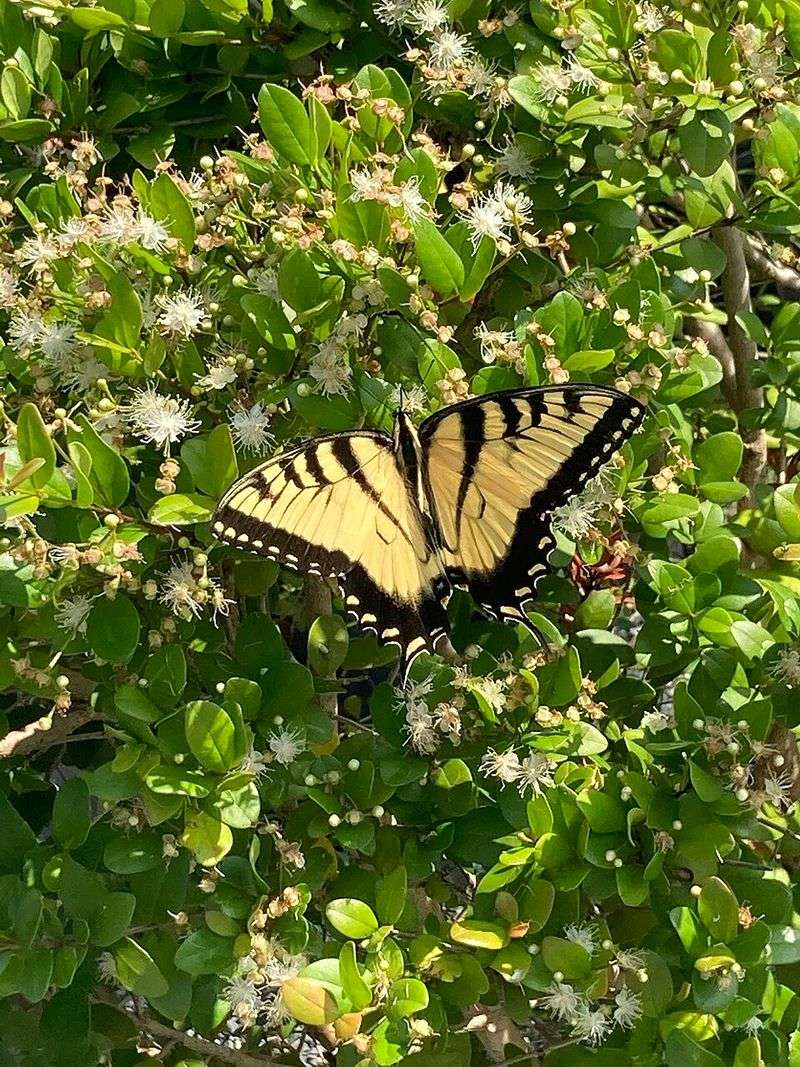
Not every great Florida garden plant makes headlines, but Simpson’s Stopper quietly earns respect from every landscaper who discovers it. This native shrub grows into a dense, attractive hedge with small white flowers that carry a sweet fragrance, followed by tiny red and orange berries that birds find irresistible.
It is a four-season plant without the four-season effort.
Simpson’s Stopper handles salt air, drought, and poor soils with admirable composure, making it a natural fit for coastal Florida properties. It grows in full sun to full shade, which is an unusually wide tolerance range for a shrub.
Once established, it needs very little supplemental watering or fertilizing.
Growth is moderate, so it stays manageable without constant pruning. Use it as a privacy screen, foundation planting, or wildlife habitat shrub.
For Florida homeowners looking for a native alternative to exotic hedging plants, Simpson’s Stopper offers beauty, toughness, and ecological value all wrapped into one reliable package.
11. Indian Hawthorn (Rhaphiolepis indica)
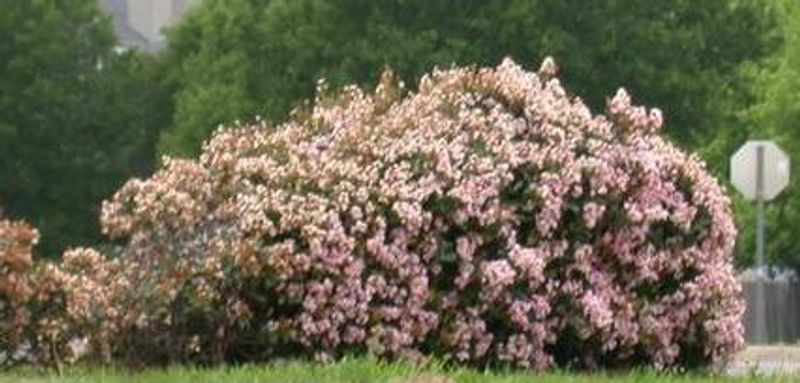
Indian Hawthorn is the kind of plant that earns compliments without demanding much attention. Once it gets established, this compact evergreen shrub just quietly does its job, producing clusters of pink or white flowers in spring and dark berries that wildlife enjoy afterward.
The glossy, leathery leaves stay attractive year-round with minimal care.
It handles heat, drought, and poor soil with ease, which is everything Florida gardeners need from a landscape shrub. Full sun to partial shade works well, and good drainage prevents root issues.
Indian Hawthorn is also notably salt-tolerant, making it a solid choice for coastal properties and seaside gardens.
Pruning is rarely necessary beyond a light shaping after bloom season. It works well in borders, as foundation plantings, or massed along driveways and fences.
Gardeners who want a clean, professional-looking landscape without spending every weekend outside will find Indian Hawthorn to be a consistently dependable performer in Florida’s challenging climate.
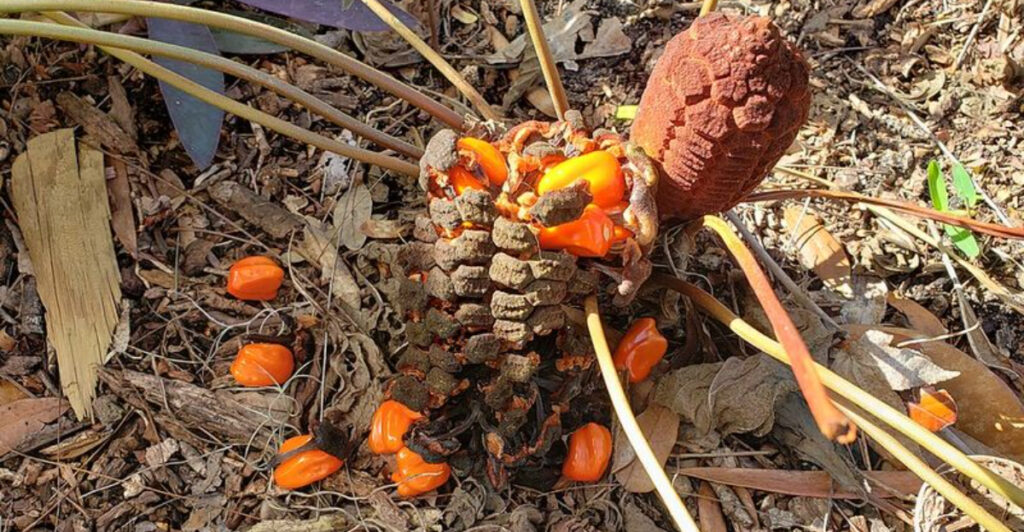
12. Coontie (Zamia integrifolia)
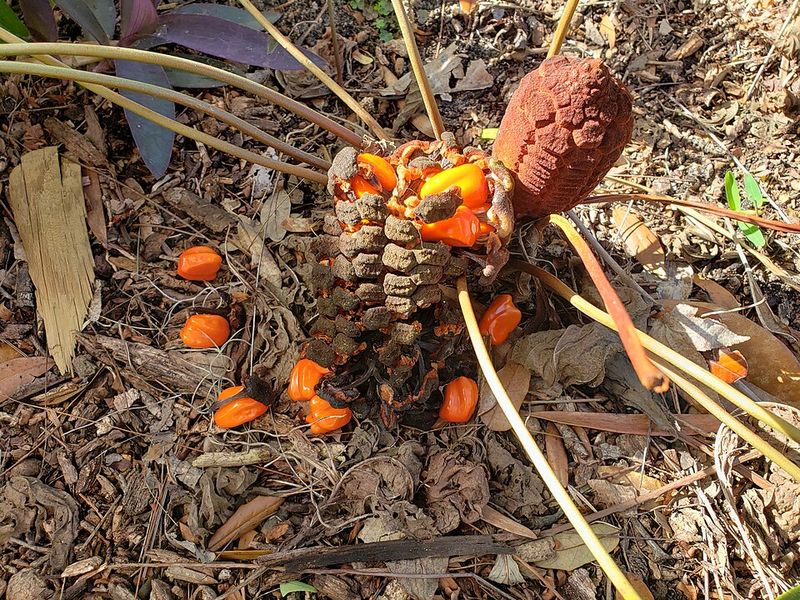
Coontie is the closest thing to an indestructible plant that Florida has to offer. This ancient cycad has been growing in the state for thousands of years, long before anyone was landscaping with it.
Its dark, glossy fronds have a refined, tropical look that works equally well in formal gardens and naturalistic settings.
Drought, shade, and poor sandy soil are no problem for Coontie. It grows slowly but steadily, eventually forming a tidy, symmetrical clump that rarely needs any attention at all.
Once established, you can essentially ignore it and it will continue thriving year after year, which is a rare and wonderful quality in any landscape plant.
As the sole host plant for the Atala butterfly, Coontie carries serious ecological importance too. That small caterpillar depends entirely on this plant to survive.
Planting Coontie in your yard directly supports a species that was once nearly extinct in Florida, making every plant count far beyond just good looks.
13. Muhly Grass (Muhlenbergia capillaris)
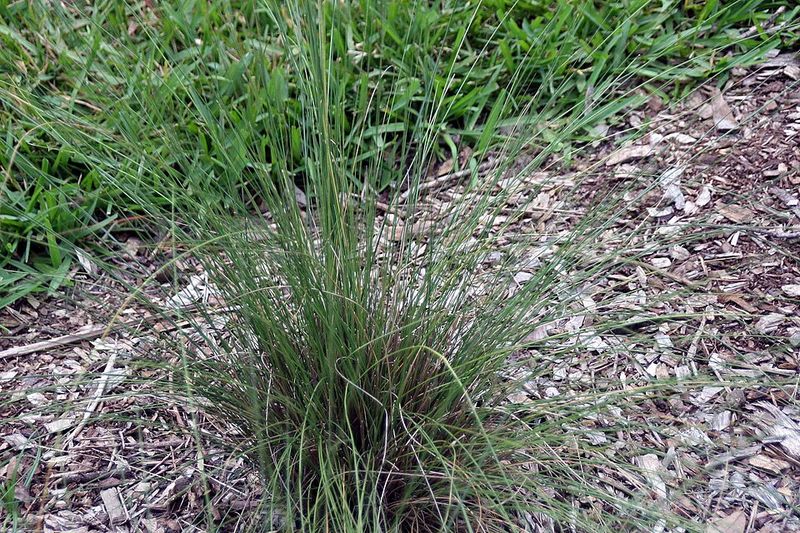
Every fall, Muhly Grass puts on one of the most breathtaking shows in the Florida gardening calendar. The fine, arching green blades transform into a cloud of rosy pink and purple plumes that catch the light in a way that looks almost ethereal.
Few ornamental grasses can match this level of seasonal drama.
As a Florida native, Muhly Grass is perfectly adapted to the local climate. It thrives in full sun, handles drought and poor soils without complaint, and actually prefers not to be over-watered or over-fertilized.
Too much pampering produces floppy, less attractive growth, so restraint is genuinely the best approach here.
Cut the clumps back in late winter to encourage fresh, tidy growth for the coming season. Muhly Grass works beautifully in mass plantings, along fence lines, or as a dramatic backdrop in mixed garden beds.
Its natural grace and minimal care requirements make it a favorite among Florida native plant enthusiasts.
14. Fakahatchee Grass
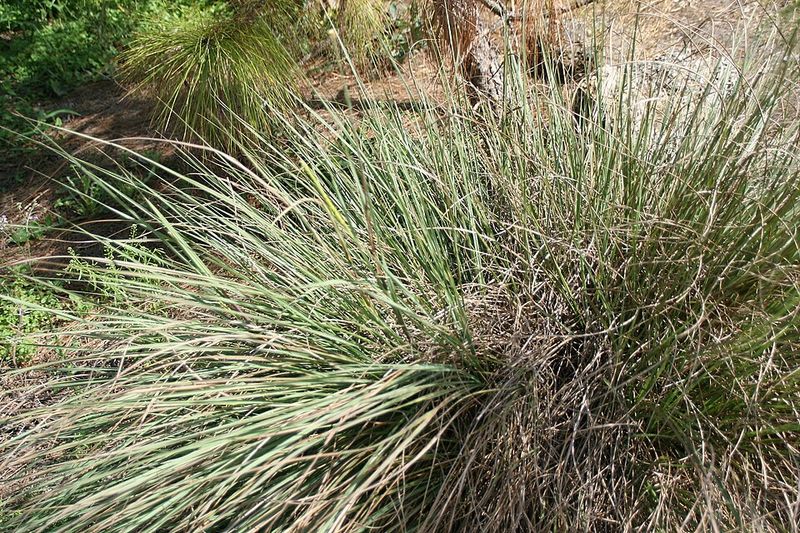
Named after the wild Fakahatchee Strand in Southwest Florida, this native grass is as tough as the landscape it comes from. Fakahatchee Grass grows in large, graceful clumps with broad arching blades that bring bold texture to any garden.
Unlike many ornamental grasses, it handles both wet conditions near ponds and dry upland soils with equal confidence.
That adaptability makes it genuinely useful across a wide range of Florida landscapes. It thrives in full sun to partial shade and grows vigorously once established, filling in quickly to create a substantial presence.
Birds and small wildlife use the dense clumps for cover, adding another layer of ecological value.
Cut the clumps back to about six inches in late winter to keep growth fresh and vigorous. Fakahatchee Grass works well as a large specimen planting, a natural screen, or an erosion-control solution along slopes and drainage areas.
It is rugged, handsome, and almost entirely self-sufficient once settled into your landscape.
15. Liriope (Lilyturf)
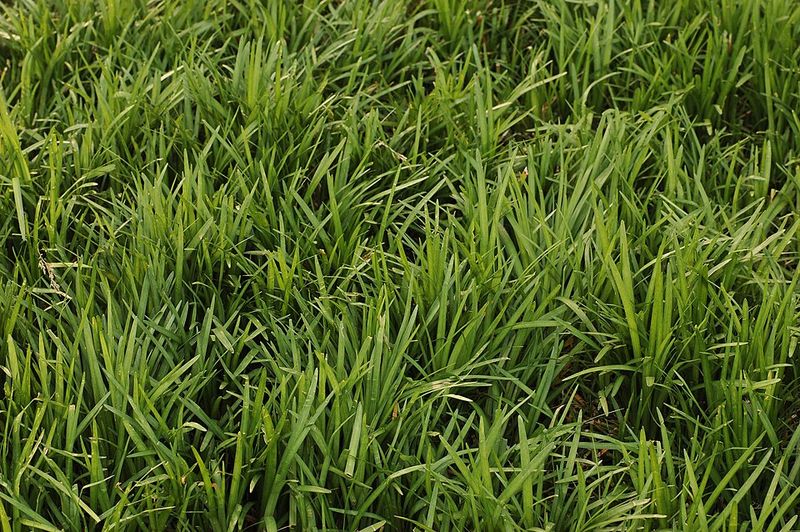
Liriope might not be the flashiest plant on this list, but it has earned its place in Florida gardens through sheer reliability. This tough, grass-like ground cover forms dense, weed-suppressing mats that look tidy year-round.
Purple or white flower spikes appear in late summer, followed by small dark berries that add a bit of extra interest.
Shade tolerance is one of Liriope’s greatest strengths. It grows happily under trees where lawn grass refuses to survive, solving one of the most common landscaping challenges in Florida yards.
It also handles full sun in cooler parts of the state, making it a genuinely versatile option across different zones.
Mow or cut back the entire planting in late winter before new growth emerges to keep it looking fresh. Liriope works along walkways, under trees, on slopes, or as a clean border edging around garden beds.
Low water needs and minimal pest problems make it a go-to choice for hassle-free Florida landscaping solutions.
16. Agave (Various Species)
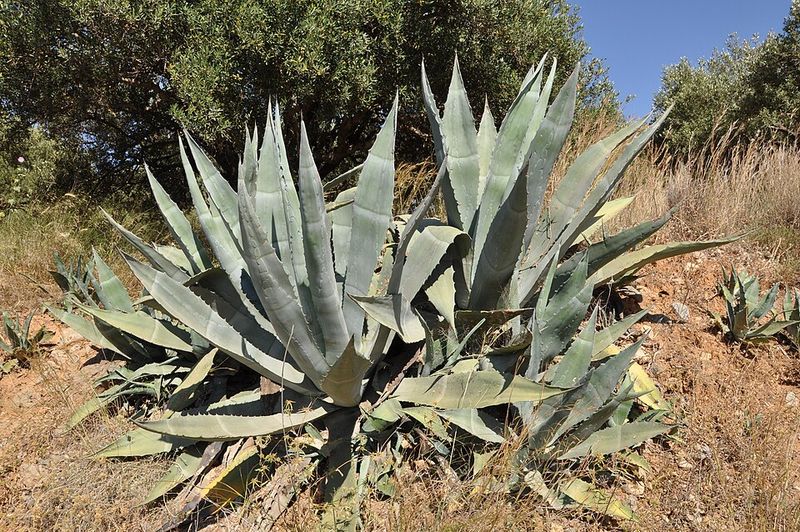
Agave plants have a bold, architectural presence that immediately elevates a garden’s visual impact. The dramatic rosette of thick, pointed leaves creates a striking focal point that looks impressive even when nothing else in the garden is blooming.
Several species thrive in Florida, from the massive American Agave to smaller, more compact varieties suited for containers.
Once planted, Agave asks for almost nothing. It stores water in its thick leaves, making it extraordinarily drought-tolerant.
Well-drained soil and full sun are the main requirements, and it positively dislikes soggy conditions. Sandy Florida soils are often ideal, especially in Central and South Florida landscapes.
Keep in mind that most Agave species bloom only once at the end of their life cycle, sending up a towering flower spike before producing offsets called pups. Those pups can be replanted to start the cycle over.
For gardeners who want maximum drama with minimum maintenance, Agave delivers a powerful, long-lasting landscape statement.
17. Aloe (Aloe vera and Others)
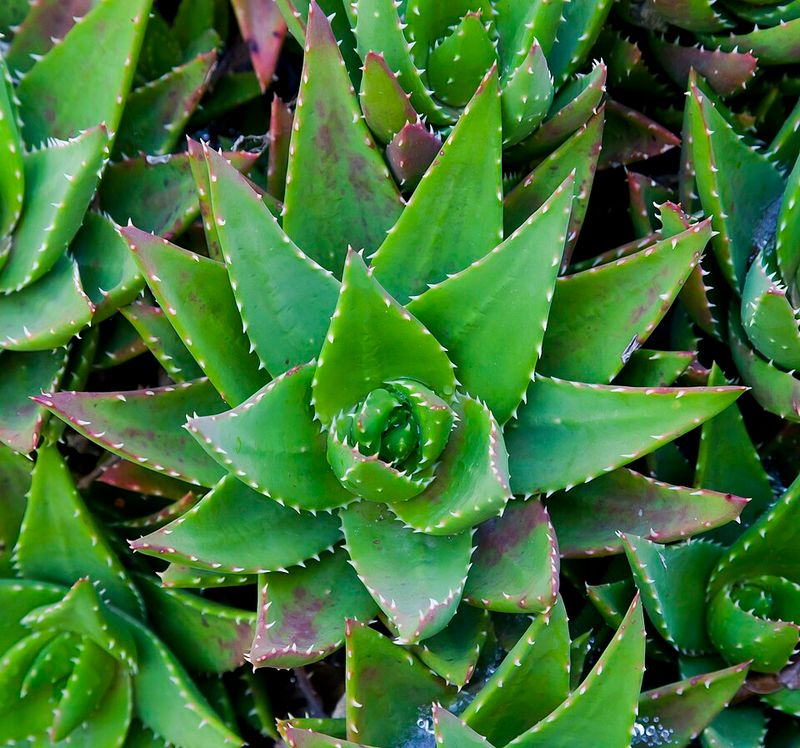
Aloe vera is one of those plants that pulls double duty in any Florida garden. The fleshy, spiky rosettes look attractive in beds and containers, while the gel inside the leaves is genuinely useful for soothing minor burns and skin irritations.
Having a plant that is both ornamental and practically helpful feels like a bonus you did not expect.
Florida’s heat and sun suit Aloe perfectly. It needs excellent drainage above all else, as standing water around the roots causes rot quickly.
Sandy or amended soil in a sunny spot is ideal. Once established, Aloe rarely needs watering beyond what rainfall provides, even during dry seasons.
Aloe produces offshoots called pups that cluster around the base over time, gradually filling a bed with attractive, low-growing plants. Orange flower spikes appear in winter, providing a welcome pop of color during cooler months.
Beyond Aloe vera, species like Aloe arborescens and Aloe striata also perform beautifully in Florida gardens with the same hands-off approach.
18. Prickly Pear Cactus (Opuntia)
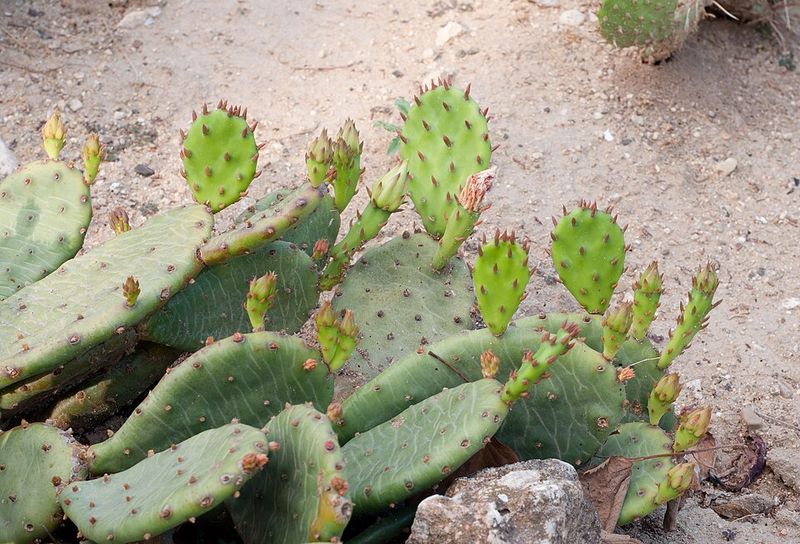
Prickly Pear Cactus is one of Florida’s original tough guys, growing naturally across the state’s scrub and coastal habitats long before anyone was planting gardens. The flat, paddle-shaped pads stack up into sculptural forms that look genuinely striking in the landscape, especially when bright yellow flowers appear in spring.
The red fruits that follow are edible and attract wildlife too.
This cactus thrives on neglect. Sandy, well-drained soil and full sun are all it needs to grow confidently year after year.
Supplemental watering is rarely necessary once the plant is established, and fertilizer is generally unnecessary. Overwatering is the one thing that will cause problems, so lean toward underwatering when in doubt.
Opuntia works well in xeriscape gardens, rock gardens, or as a natural barrier planting along property edges. Use heavy gloves when handling, as the tiny hairlike spines called glochids are more irritating than the larger thorns.
For a nearly maintenance-free native plant with real visual character, Prickly Pear is hard to match.
19. Crape Myrtle
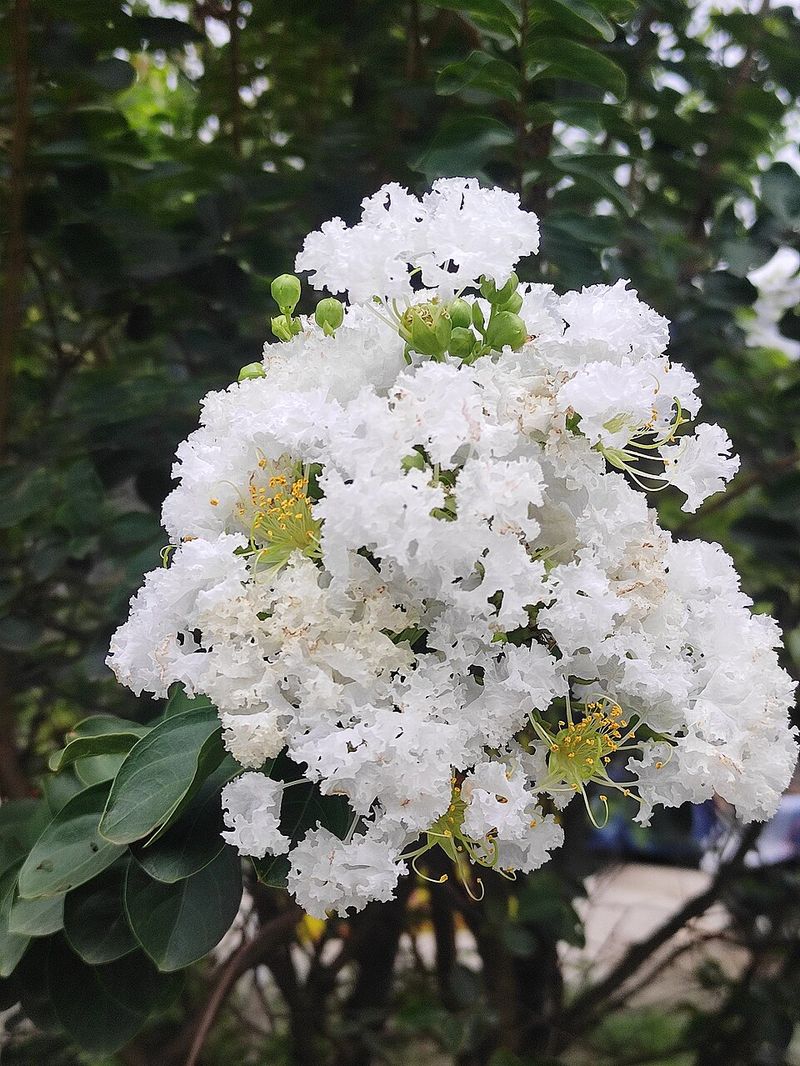
Summer in Florida without Crape Myrtles would feel noticeably incomplete. These trees and large shrubs burst into bloom from June through September, covering themselves in massive flower clusters of pink, red, white, lavender, or coral.
The show lasts for weeks, and the attractive peeling bark and fall foliage color add interest during the off season.
Crape Myrtles are built for heat and actually bloom more heavily in hot, dry conditions. They handle poor soils well and need very little fertilizer once established.
Full sun is important for maximum flowering, and good air circulation helps prevent powdery mildew, which can occasionally be an issue in humid Florida summers.
Resist the urge to top or severely cut back Crape Myrtles, a damaging practice sometimes called crape murder. Light shaping to remove crossing branches and spent flower heads is all that is needed.
Dozens of named varieties exist in sizes ranging from dwarf shrubs to full-sized trees, making it easy to find the perfect fit for your yard.
20. Southern Magnolia (Dwarf Varieties)
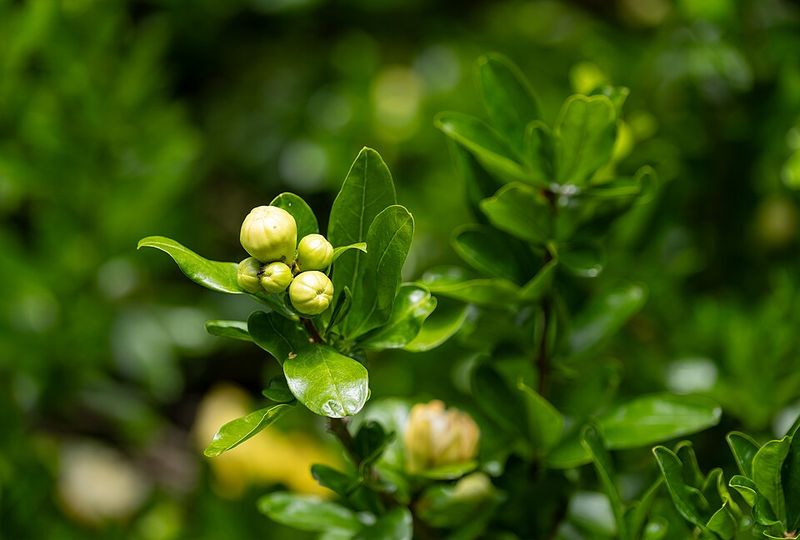
Southern Magnolia is one of the most iconic trees in the American South, and Florida claims it proudly. The large, creamy white flowers are almost impossibly beautiful, filling the air with a rich, lemony fragrance that signals summer has fully arrived.
Dwarf varieties like Little Gem and Teddy Bear bring this classic tree to yards where a full-sized Magnolia simply would not fit.
Once established, dwarf Magnolias are surprisingly low maintenance. They prefer well-drained, slightly acidic soil and full sun to partial shade.
Deep watering during the first couple of years helps roots settle in, after which the trees become notably drought-tolerant and self-sufficient. Leaf litter is a reality, but many gardeners find it manageable and even useful as natural mulch.
The glossy, dark green leaves with rusty-brown undersides provide year-round visual interest even when the tree is not in bloom. Cone-like seed pods attract birds in fall.
For a tree that delivers elegance, fragrance, and wildlife value with minimal upkeep, a dwarf Southern Magnolia is a genuinely rewarding long-term addition to any Florida garden.
21. Buttonwood (Conocarpus erectus)
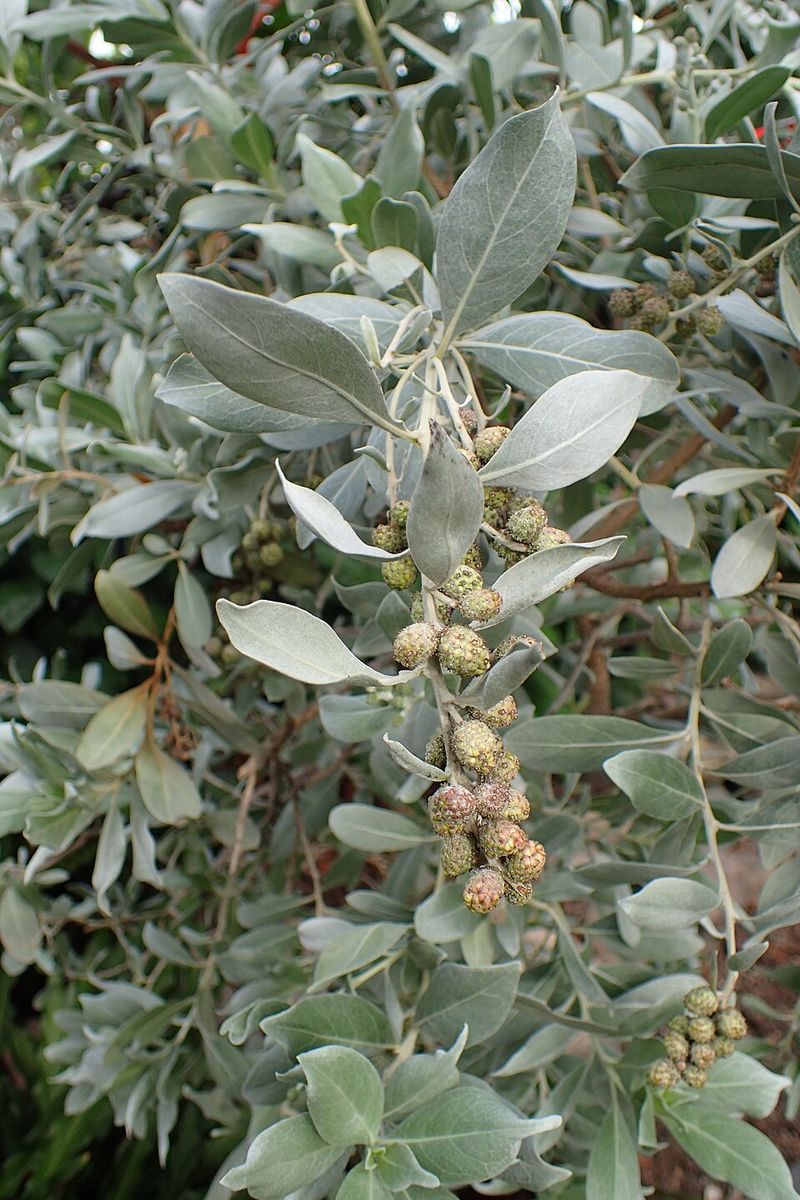
Buttonwood is one of those plants that coastal Florida gardeners quietly rely on when nothing else seems tough enough. Growing naturally along mangrove margins and saltwater shorelines, this native tree or large shrub is genuinely built for harsh coastal conditions.
Wind, salt spray, and poor sandy soils are challenges that Buttonwood handles without missing a step.
Silver Buttonwood, a popular variety with silvery-gray foliage, is especially prized for its striking color contrast against green landscapes. Both green and silver forms respond well to pruning, making them suitable for formal hedges, windbreaks, or shaped specimen trees.
Growth rate is moderate, so maintenance stays manageable without constant cutting.
Full sun and good drainage keep Buttonwood at its best. Once established, it needs minimal supplemental irrigation and no special fertilizing routine.
For waterfront properties, coastal neighborhoods, or any Florida yard exposed to salt air and wind, Buttonwood provides reliable structure, attractive texture, and genuine toughness that few other plants can match in those demanding conditions.
22. Sea Grape (Coccoloba uvifera)
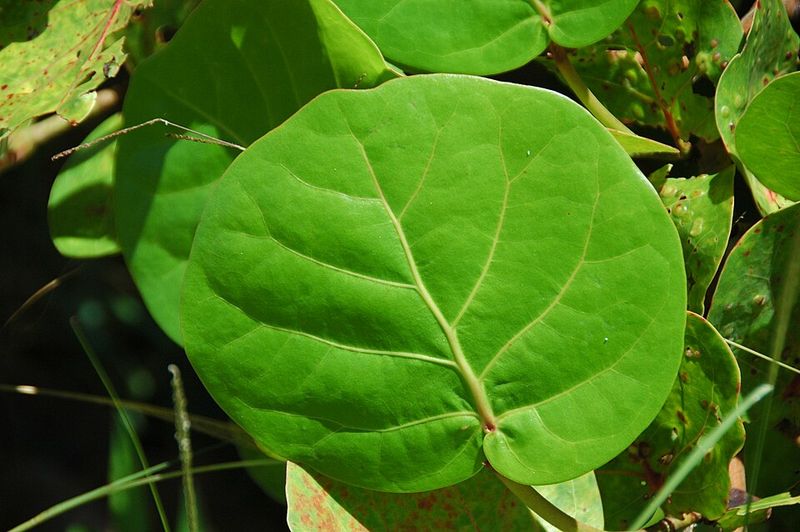
Sea Grape is practically the unofficial mascot of Florida’s coastlines. Those enormous, round, leathery leaves with bright red veining are instantly recognizable, and the clusters of purple fruits that appear in late summer are genuinely edible, often used to make jellies and jams.
This native plant is as functional as it is photogenic.
Salt tolerance is one of Sea Grape’s defining qualities. It grows right on the dunes and beachfronts where few other plants survive, making it invaluable for coastal stabilization and erosion control.
Inland, it adapts well to sandy soils and full sun, though it also tolerates partial shade without significant problems.
Sea Grape can be grown as a sprawling shrub, a dense privacy hedge, or a small tree depending on how it is pruned. Minimal care is needed once it is established, and supplemental watering becomes unnecessary after the first season.
For Florida’s coastal gardens especially, Sea Grape is not just a good choice but often the best choice available for beauty and toughness combined.
Share this story