 Unearth The Voyage
Some museums take your breath away before you even step inside. Their architecture sets the stage for the masterpieces within, creating a double thrill that lingers long after you leave. As you explore this list, imagine how the light, materials, and spaces shape your experience as much as the art itself. Ready to plan your next culture-filled adventure and fall for a building as much as its collection?
The Louvre — Paris, France
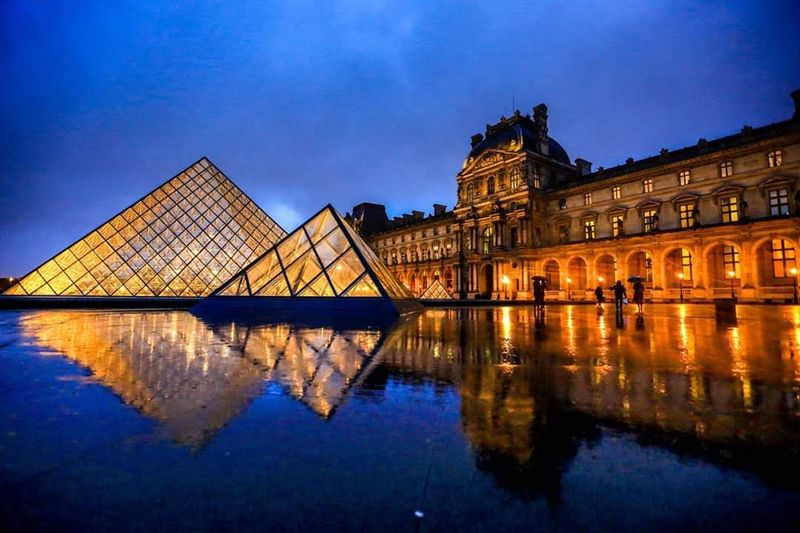
You arrive at the Cour Napoléon and the pyramid glows like a beacon, framed by centuries of polished stone. The contrast feels intentional, a conversation between royal grandeur and modern clarity you can read with your eyes. As you cross the courtyard, the city noise dims, replaced by the hush of glass, water, and expectation.
Inside, the palace routes you through time as easily as through rooms. Marble staircases pull your gaze upward, while skylights spill gentle light across ancient reliefs and Renaissance portraits. You catch yourself lingering at thresholds, where arches reveal layered vistas that feel choreographed for your next discovery.
Even before meeting the icons, the architecture sets a narrative tempo you can feel in your steps. The pyramid funnels daylight into underground halls, guiding you without fuss. Moments later, a quiet gallery opens like a deep breath, and you realize the building has already curated your mood.
Then, yes, the Mona Lisa and Venus de Milo draw crowds, but so do intimate corners where stone floors whisper. You leave with two journeys woven together: art catalog and architectural promenade. It is Paris distilled into light, axis, and memory.
Vatican Museums — Vatican City
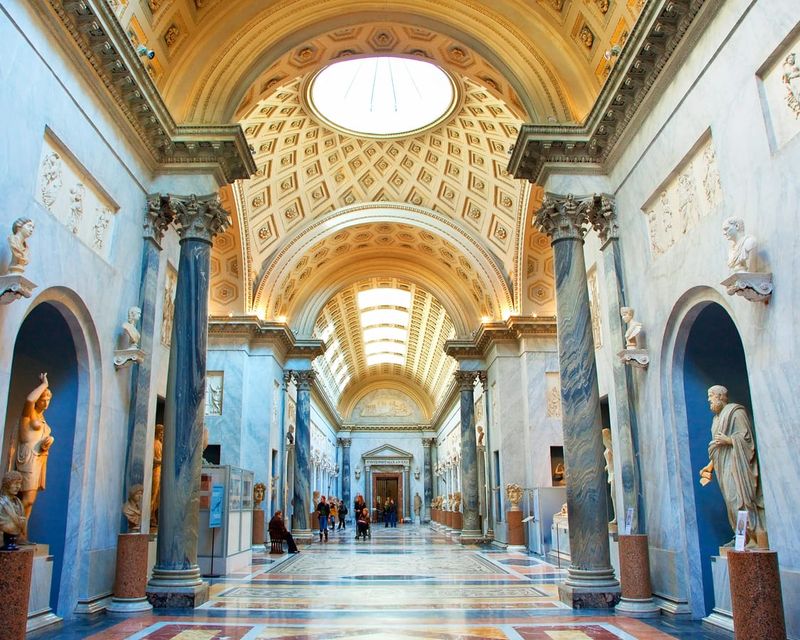
The approach feels ceremonial, a gradual ascent through corridors gilded with history. You look up and ceilings answer back with stories painted in gold and azure. Every threshold whispers keep moving, there is more, and your pace matches the cadence of marble floors polished by centuries of footsteps.
Gallery follows gallery, each a different register of splendor. Light pools on ancient torsos and glides along tapestries that ripple like frozen wind. Even the air carries a soft resonance, as if pigments still hum with prayer and argument.
By the time you reach the Sistine Chapel, your eyes are tuned to reverence. Michelangelo’s vault unfurls like a sky written in muscle and myth, and you feel time compress around color. Silence becomes a shared vow, and you belong to a crowd breathing as one.
Leaving, you notice small thresholds you missed, quiet turns lined with fragments that feel personal. The architecture guides without scolding, inviting you to listen. You exit into sunlight a little slower, carrying a private liturgy of light, stone, and painted breath.
Guggenheim Museum Bilbao — Bilbao, Spain
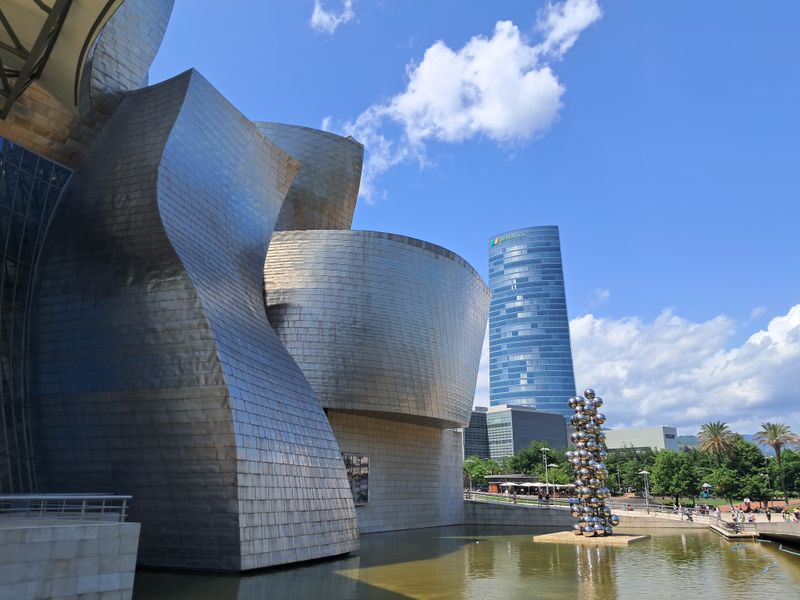
The building appears like a ship mid-transformation, all ripples and metallic skin. You circle it almost instinctively, watching surfaces change as clouds slide overhead. Every angle composes a new sculpture, and the river mirrors the drama with a cool, moving sheen.
Walkways braid around the museum, drawing you into eddies of public art and water. Even before you enter, the architecture hands you an exhibition of reflections, shadows, and sudden vistas. It feels playful yet precise, a city conversation you are invited to join.
Inside, soaring atriums fold light into long, generous arcs. Galleries drift from intimate to monumental, giving big works room to breathe while quieter pieces settle into nooks. You navigate by intuition, following curves that suggest rather than command.
When you step back out, the titanium reads like weather, alive to breeze and time. You realize the museum punctuated your day with choreographed pauses. Bilbao’s skyline looks different now, as if the building taught your eyes to expect surprise.
The Metropolitan Museum of Art — New York City, USA
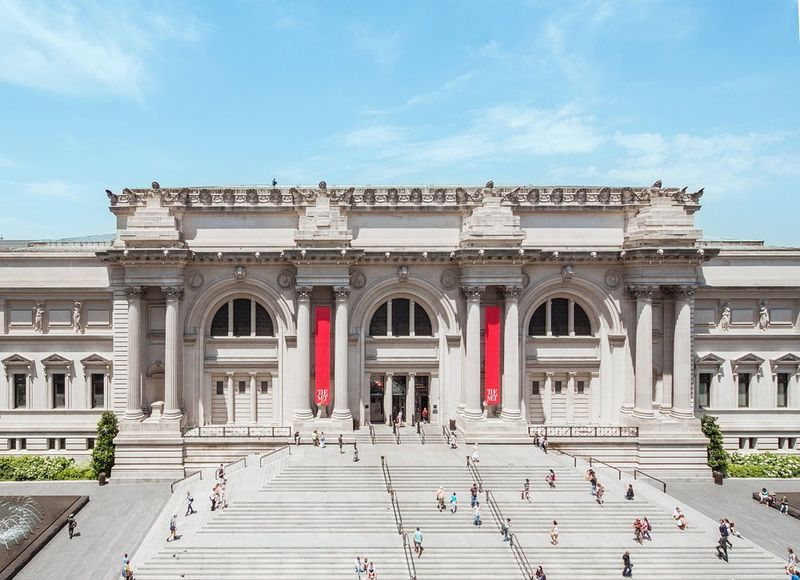
The steps pull you in like a stage, and the facade sets the overture in stone. Columns lift your gaze while banners add a pulse of color and promise. You feel the city’s speed at your back and a slower rhythm waiting beyond the doors.
Inside, halls ramble through five millennia with unexpected intimacy. An Egyptian temple sits calmly in glass, reflecting water and sky like borrowed tranquility. Around a corner, velvet shadows cradle portraits, and the city falls away again.
Rooftop views return you to Manhattan with a wink, sculpture silhouettes framing the park’s canopy. The museum’s scale could overwhelm, but sightlines and courtyards breathe on cue. Benches arrive exactly when your curiosity needs a rest, and then you are off again.
Every visit becomes a map you draw with your feet. You collect favorite turns, a column here, a skylight there, and a quiet gallery that always feels new. Leaving down the steps, traffic noise lifts you back into tempo, both richer and steadier.
British Museum — London, UK
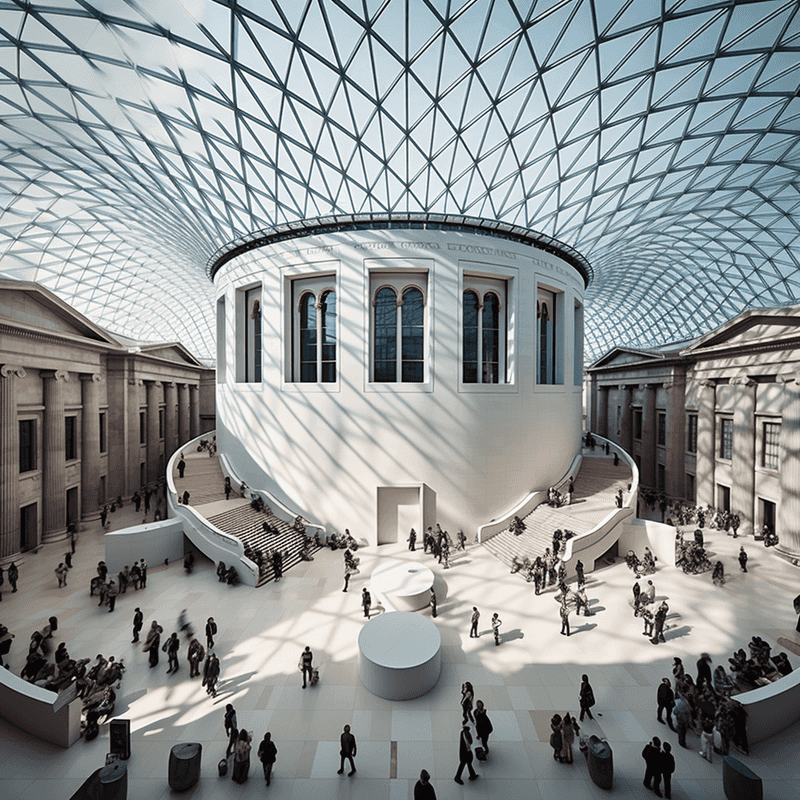
The Great Court greets you like a sunlit indoor plaza, where glass and geometry float above neoclassical calm. Light diffuses gently, turning conversation into soft echoes around the Reading Room. You feel both sheltered and outdoors, held inside a thoughtful sky.
Corridors branch into epochs with brisk confidence. A sudden encounter with the Rosetta Stone resets your sense of scale, history compressing into a single slab. Nearby, carved marbles seem to move even while perfectly still.
What works here is the choreography of old and new. Foster’s roof does not shout, it clarifies, revealing the building’s bones and its generous heart. You choose your path easily, like water finding channels in a familiar landscape.
As you loop back, the court becomes a reliable landmark, a clearing where you can gather your thoughts. The museum offers vastness without confusion, anchored by light. You leave feeling expanded, as if your own vocabulary just learned a brighter word.
Tate Modern — London, UK
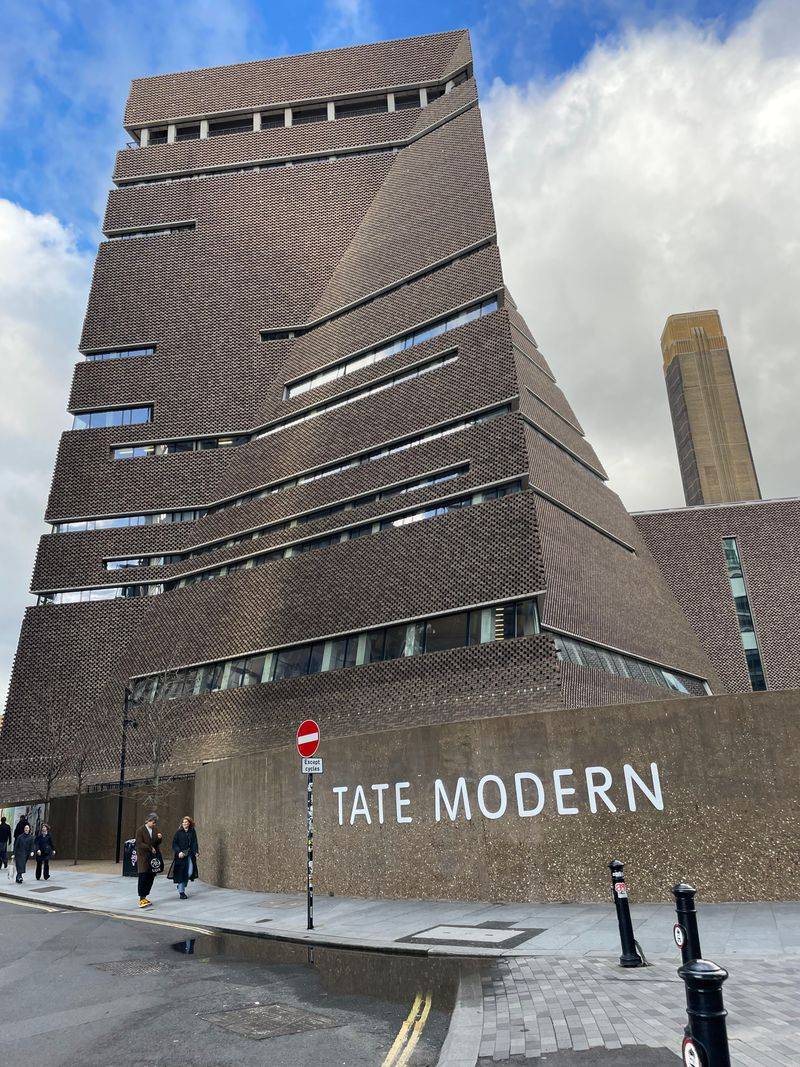
The power station bones remain, and that honesty gives the place its charge. Brick rises like a cliff along the river, windows punched with purpose rather than decoration. Crossing the bridge, you feel drawn to the turbine heart that once hummed with electricity.
Inside, the Turbine Hall is a pause in the city’s sentence. Installations stretch, echo, and swallow distance, exploring scale you can physically feel. The space makes you small and alert, the way good art should.
Galleries upstairs carry a spare, confident rhythm. Concrete, steel, and light let works speak without fuss, while views across the Thames reframe London as a companion piece. You drift between intimacy and spectacle like changing gears on a well-tuned bike.
Leaving, the building’s silhouette reads as a manifesto in brick. Transformation is the story: industry into culture, weight into lift. You carry that paradox with you, humming quietly long after the river’s breeze fades.
Musée d’Orsay — Paris, France
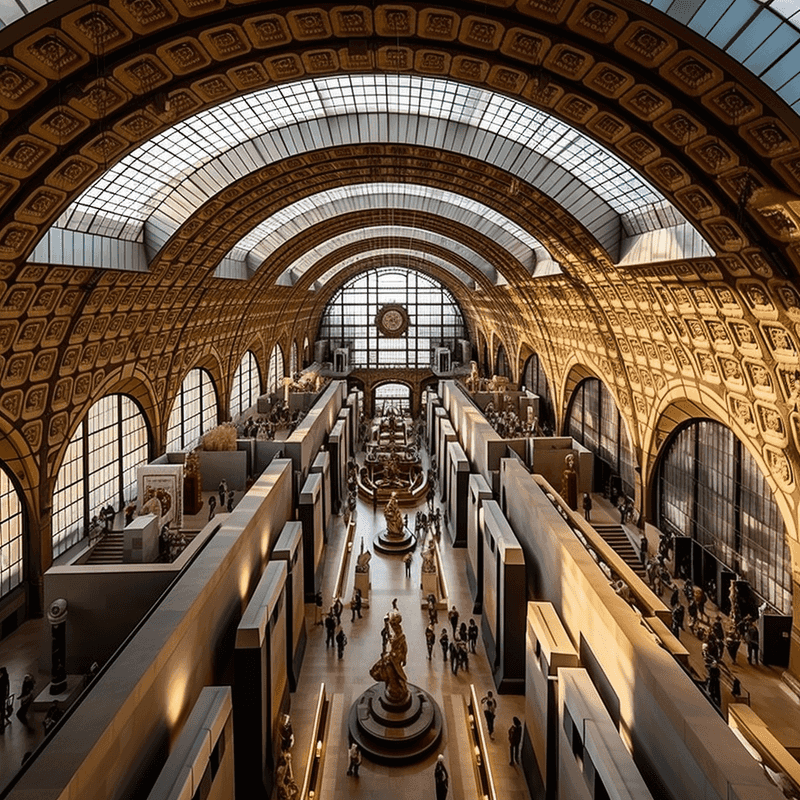
The old station breathes through its vaulted glass, and time hangs from a monumental clock. You walk the central nave as if boarding a train bound for color and light. Sculptures line your route like fellow travelers, calm and expectant.
Paintings open into rooms flooded with Parisian glow. Impressionists seem to shimmer in their native habitat, brushstrokes catching soft daylight that never feels harsh. You linger because the building whispers stay, there is more to see in this light.
From balconies, the hall unfolds like a grand inhalation. Iron, glass, and stone collaborate rather than compete, turning circulation into ceremony. You glance back often, marveling at how the architecture frames your memory in real time.
By the exit, the clock face becomes a lens onto the city, and you stand inside time itself. The museum unites travel, history, and art into one continuous platform. You depart gently, carried forward by an elegant, unhurried rhythm.
Uffizi Gallery — Florence, Italy
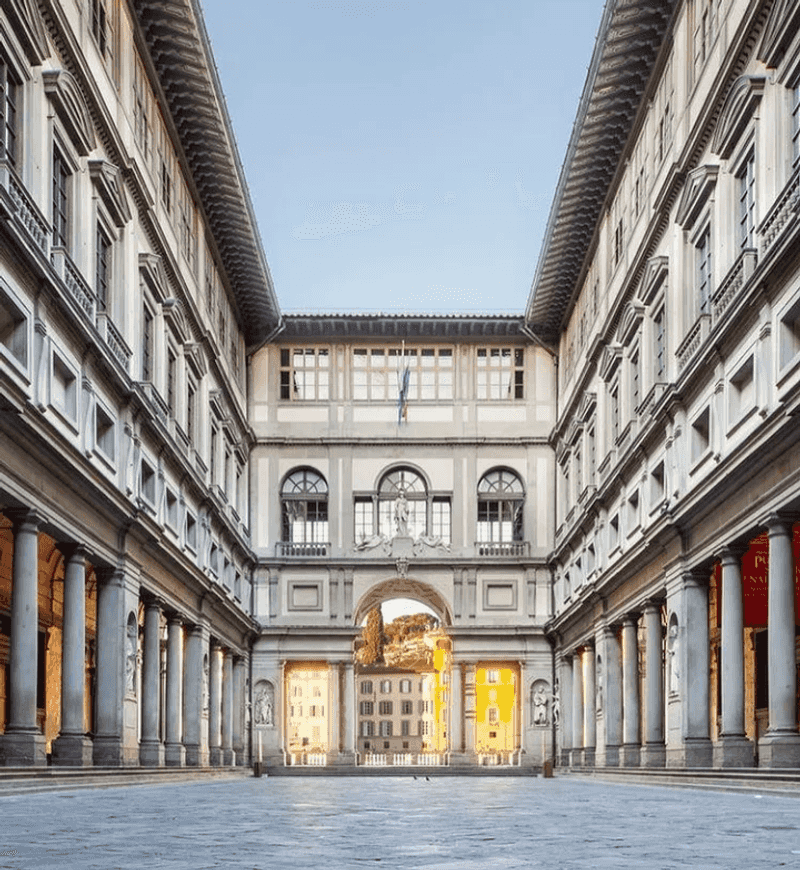
The Uffizi frames Florence like a proscenium, pulling your gaze toward the river with measured grace. Arcades stack rhythm onto rhythm, and the stone feels almost musical underfoot. You sense the city’s Renaissance heartbeat the moment you step inside.
Corridors unfurl with curated patience, opening into rooms where familiar faces wait. Botticelli, Leonardo, and company gather in soft light that flatters color without shouting. You find yourself leaning closer, as if the walls invited a quiet conversation.
Windows become paintings of their own, offering rooftops and river as counterpoints. The building keeps you oriented through proportion and repetition, a compass disguised as beauty. Turning corners, you recognize the choreography and trust it.
At the end, the courtyard perspective returns like a refrain you hum walking away. The gallery and the city feel inseparable, each reflecting the other’s poise. You leave with Florence stitched into your step and sight.
National Museum of China — Beijing, China
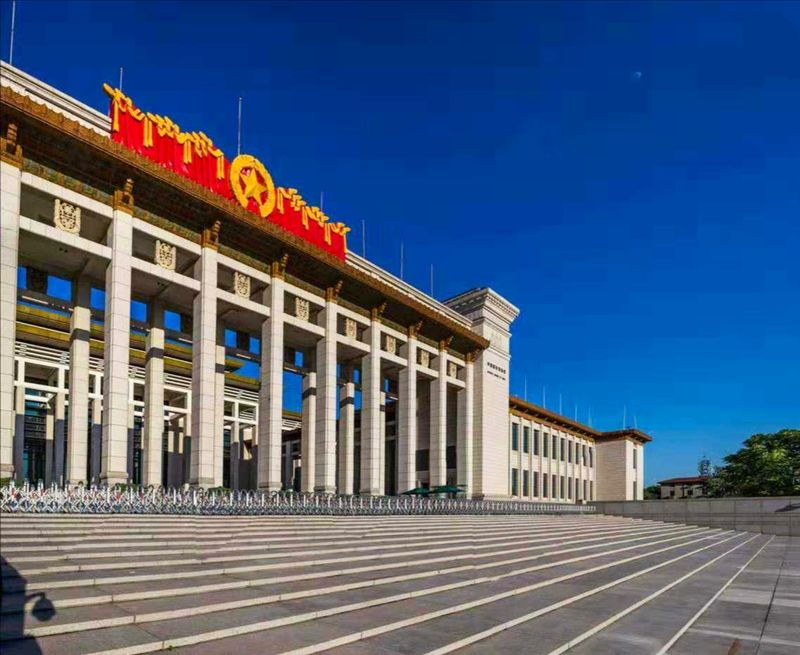
Facing Tiananmen Square, the museum stands with quiet authority. Colonnades measure distance in confident strides, and the plaza gives the building room to speak. You approach across open stone, feeling history press forward to meet you.
Inside, broad halls unfold like chapters, each tuned to a different era. Bronze glows with ancient warmth, jade catches cool light, and ceramics hold stories in perfect curves. The scale is generous but never cold, softened by careful illumination.
Wayfinding feels intuitive, as if the architecture anticipated your questions. Skylights lift your attention, then guide it gently down to a carved detail or inscription. You move at a thoughtful pace that suits the material’s long memory.
Stepping back outside, the square’s vastness resets your sense of time. The building holds its ground with grace, bridging past and present without fuss. You carry a wide-angle impression, steady and clear.
Reina Sofía Museum — Madrid, Spain
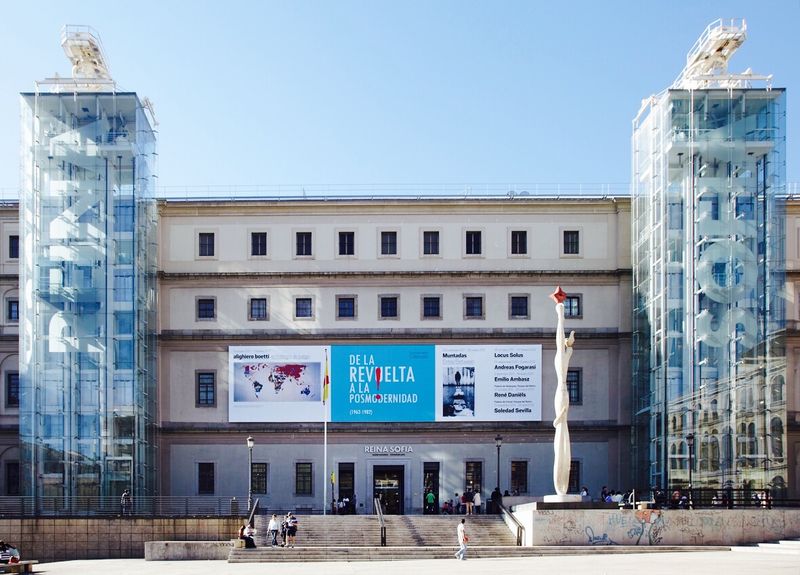
The museum greets you with a handshake between centuries. Stone walls meet glass elevators, and the contrast feels fresh rather than forced. You watch reflections climb the towers like moving drawings.
Inside, corridors glide from rough textures to clean planes. Rooms open suddenly, framing Guernica with the gravity it demands. You feel the building adjust its voice, quieter here, more spacious, fully present.
Courtyards act as breath marks, giving daylight time to settle. You step out, recalibrate, and step back in, ready for another turn. Circulation is a conversation, and you are heard as much as guided.
Leaving, the mix of history and clarity lingers. Madrid’s heat softens on glass while stone keeps its cool. You walk away thinking about how architecture can hold conflict and calm in the same hand.
Solomon R. Guggenheim Museum — New York City, USA
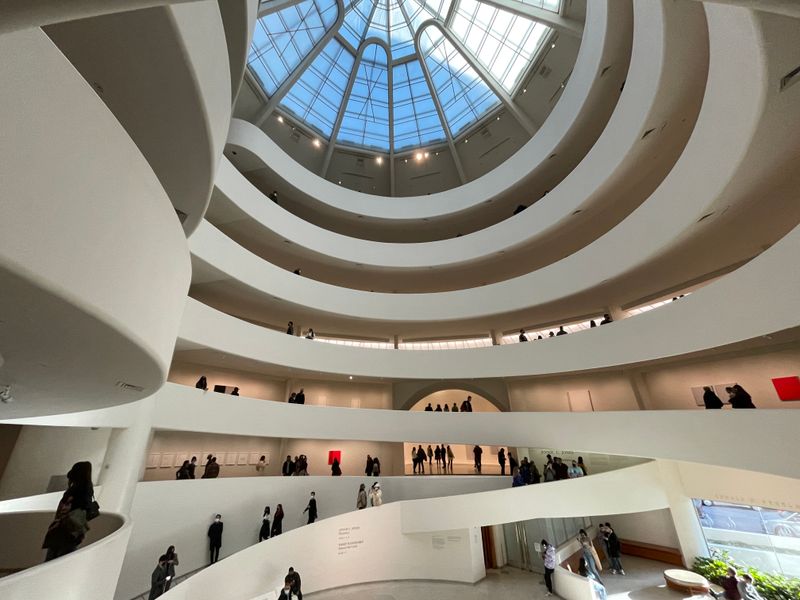
The spiral announces itself like a gentle command: look up, move slowly. White curves fold the city into a soft coil, and the sidewalk becomes an antechamber to motion. You enter and the skylight gathers the day into a calm bowl of light.
The ramp teaches a new way to see. Art meets you at a walking pace, continuous and fluid, with no doorways to interrupt your thought. You tune your steps to the curve, and time finds a steadier beat.
Occasional alcoves offer pause without breaking the rhythm. Looking across the void, you trace other visitors as part of the composition. The building becomes a delicate machine for seeing, feeling, and turning.
Back on the street, Fifth Avenue feels squared off again, but you carry a circle inside you. The museum reframed movement as a form of looking. You will never climb another staircase quite the same way.
Museum of Islamic Art — Cairo, Egypt
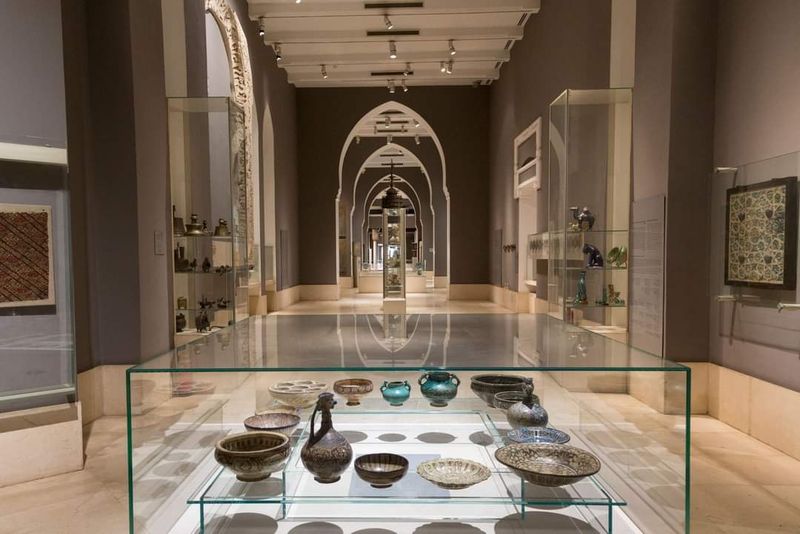
The entrance hints at the treasures within, where geometry turns devotion into ornament. Stone carries patterns like quiet music, and doorways frame thresholds of careful light. You slow down without trying, the way one does in a library of time.
Inside, objects glow with patient craft. Inlaid wood, lusterware ceramics, and calligraphy share a language of precision and grace. The galleries support them with modest restraint, letting details bloom at arm’s length.
Light is handled with the tact of a curator and a poet. It filters, grazes, and withdraws, guarding fragile surfaces while revealing depth. You notice how shadows become part of the composition, never incidental.
Stepping back into Cairo’s pulse, the city’s patterns feel newly legible. You see latticework in balconies and rhythms in traffic, echoes of the museum’s lessons. Beauty becomes a practiced attention you can carry anywhere.
National Gallery — London, UK
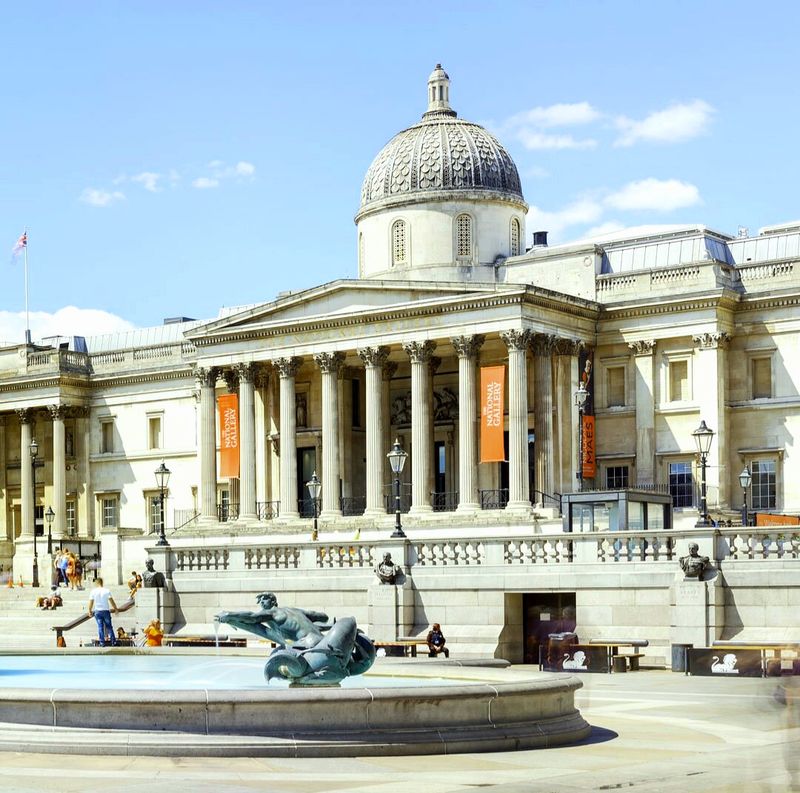
The portico guards a view that belongs to everyone, spilling directly onto Trafalgar Square. Fountains chatter while the building holds its calm, a poised anchor in the city’s flow. You climb the steps and feel invited, not intimidated.
Inside, galleries glow with a painterly warmth. Colors sit true under careful light, and frames seem to breathe. The sequence of rooms reads like chapters in a novel you thought you knew but now rediscover.
Benches face revelations rather than walls. Turn a corner and a familiar masterpiece meets you with unexpected intimacy. The architecture keeps the world at bay just enough to let you listen.
Back outside, pigeons rehearse their endless choreography. The facade’s balance remains in your stride as you cross the square. You leave with a steadier gaze and a pocketful of calm.
Pinakothek der Moderne — Munich, Germany
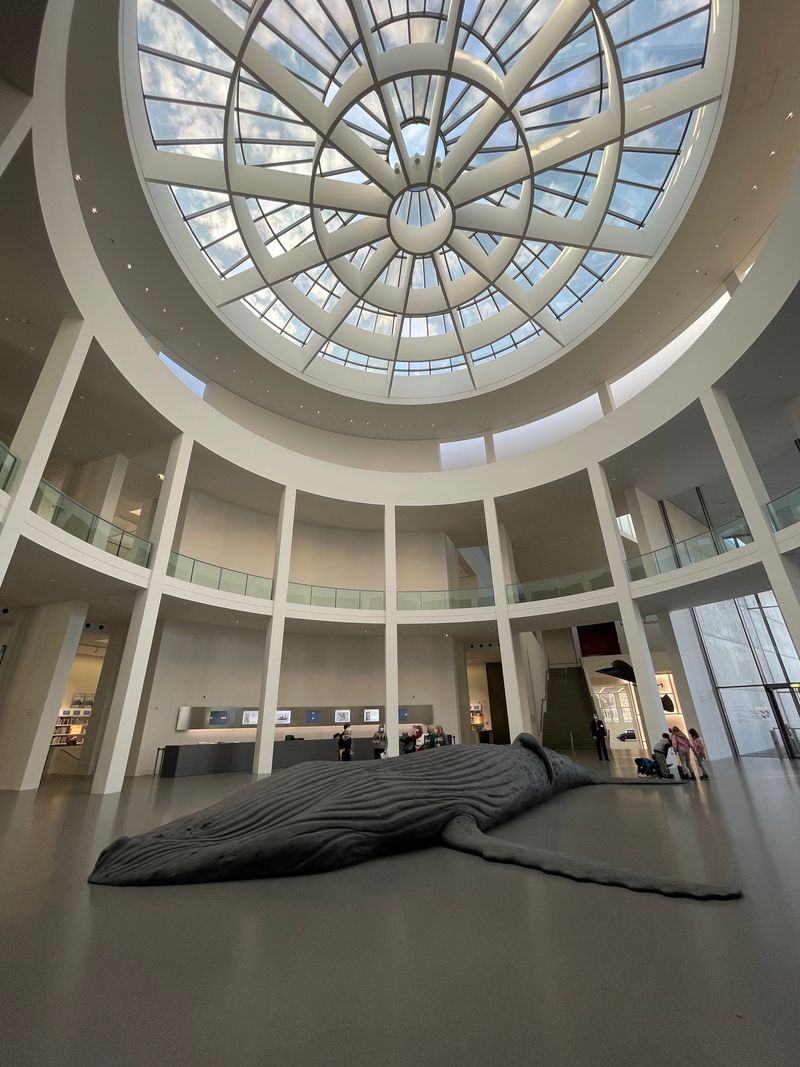
Here, clarity feels like hospitality. White planes, tall columns, and careful joints give art and people equal respect. You notice how sound softens, making footsteps part of a gentle score.
Staircases appear to hover, turning movement into an elegant diagram. Light arrives from above in measured slices, animating walls without stealing the show. You feel rested even while exploring, as if the space held your attention kindly.
The museum’s breadth is mirrored in its layout: art, architecture, and design in dialogue. Sightlines cross at easy angles, inviting you to triangulate ideas across disciplines. You choose paths the way you choose thoughts, with room to revise.
When you exit, the city’s edges look crisper. Minimalism proves warm when scaled for people, not perfection. You leave with a new appetite for space, detail, and air.
American Museum of Natural History — New York City, USA
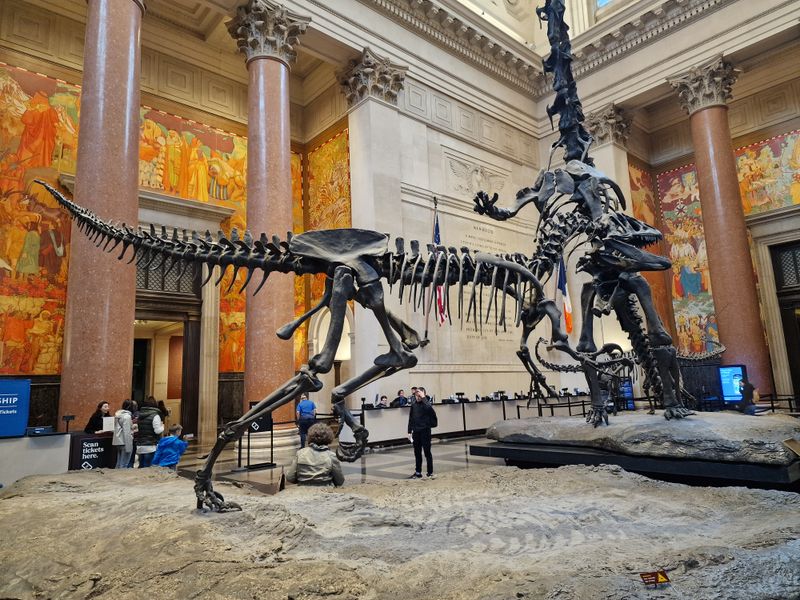
Dinosaurs greet you like time travelers, towering over a rotunda that feels both civic and wild. Murals vault overhead, turning the ceiling into a map of human curiosity. The building answers big questions with big spaces.
As you wander, scale keeps shifting. Dioramas create intimate worlds behind glass, while planetarium domes expand your horizon in a heartbeat. Architecture toggles between arena and whisper with admirable ease.
Wayfinding flows through generous corridors that reset your pace after each big moment. Stone, light, and echo collaborate to keep wonder intact without fatigue. You feel held, never herded.
Exiting, Central Park air feels like a continuation rather than an escape. The museum’s grandeur remains in your posture for a few blocks. You have carried a small universe out into the city.
Victoria and Albert Museum — London, UK
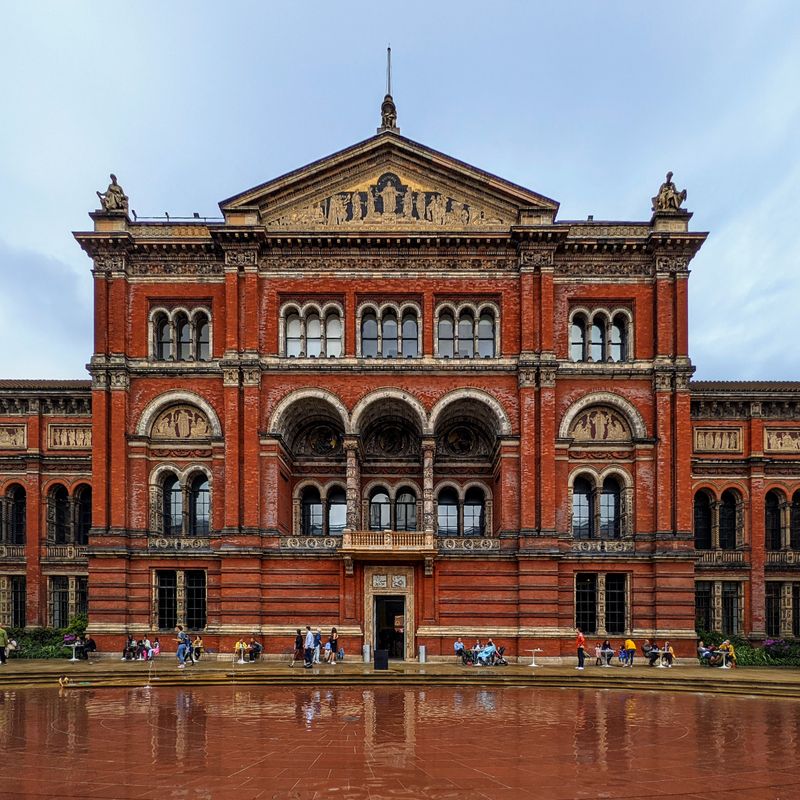
The V&A welcomes you with ornament that feels like conversation. Stone surfaces carry stories in delicate relief, and the courtyard offers a reflective pause. You settle into the rhythm of looking closely and often.
Inside, galleries glide from medieval treasures to contemporary couture without losing coherence. Display cases respect craft, giving textiles, metalwork, and ceramics room to glow. The building’s elegant bones hold it all with unfussy grace.
Light wells and arches frame serendipitous encounters. You turn and find a necklace aligned with a window, or a dress that seems to breathe. The architecture behaves like a patient collaborator, happy to share the spotlight.
Leaving through the courtyard, you linger by the water, watching the facade twinkle. Design feels less like a field and more like a lived practice. You step back into London with your senses tuned to detail.
Tate Britain — London, UK
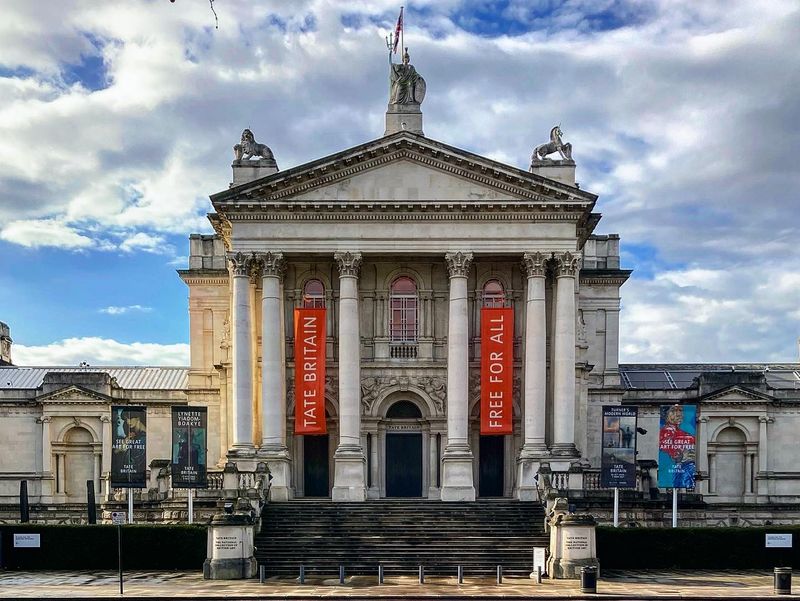
Calm confidence meets you at the portico. The building stands poised rather than loud, a steady presence along the river. You climb the steps and feel the city soften a notch.
Inside, enfilades lead your gaze through British art’s long arc. Daylight sits kindly on paintings, and rooms feel balanced, neither tight nor vast. The pace encourages looking that lingers without strain.
Rotundas offer subtle drama, their curves catching sound and light with gentleness. You move along as if escorted by a considerate host. Even transitions between periods feel like thought rather than interruption.
Outside again, the facade reads as a promise kept. The museum’s grace nestles into your posture for the walk home. You leave feeling both grounded and newly alert.
National Gallery of Art — Washington, D.C., USA
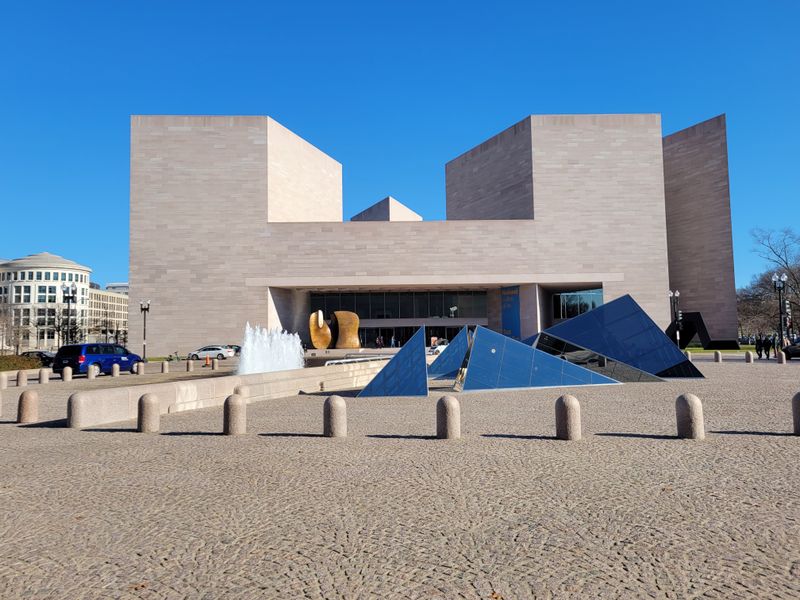
Two buildings speak different dialects with mutual respect. The West whispers in marble and colonnades, while the East draws sharp lines in stone and light. You cross the plaza and feel both voices harmonize.
Inside, galleries are composed with a musician’s ear. Light lands exactly where you want to look, and benches arrive like rests in a score. The tunnel between buildings becomes a moment of pure movement and glow.
In the East, geometry sharpens your senses. Triangles and voids shape your route, and art sits confidently in crisp volumes. In the West, calm reigns, and paintings settle into dignified rooms.
Leaving, the Mall stretches like a measured breath. The pair of buildings lingers as a lesson in balance without compromise. You carry the tune with you, quietly complete.
The Met Cloisters — New York City, USA
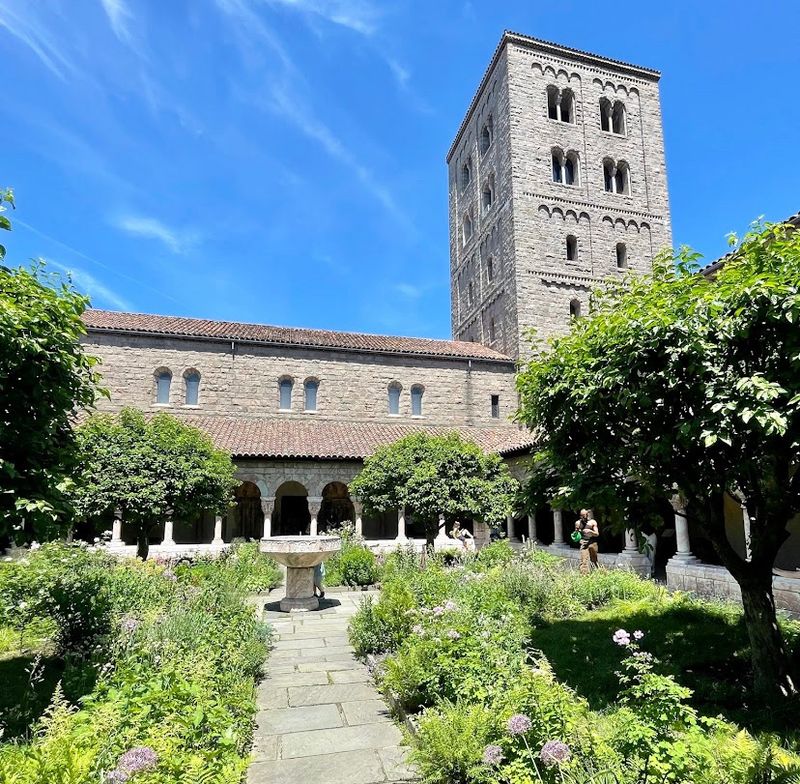
Uptown, the city thins and the river takes the lead. Stone walls and arched cloisters reset your breathing, replacing honks with birdsong. You step into courtyards where time seems to fold neatly.
Inside, chapels and galleries hold medieval quiet with care. Capitals bloom with carved leaves, and tapestries glow like portable rooms. The architecture invites small steps and long looks.
Gardens stitch fragrance to memory, herbs marking the seasons in green. You follow shadow patterns along the arcades, measuring afternoon by columns. The world outside blurs to a gentle hum.
When you leave, Manhattan feels temporarily foreign, too quick for your slower pulse. The Cloisters gives you a pocket of calm to carry. You guard it closely for the subway ride back.
Hermitage Museum — Saint Petersburg, Russia
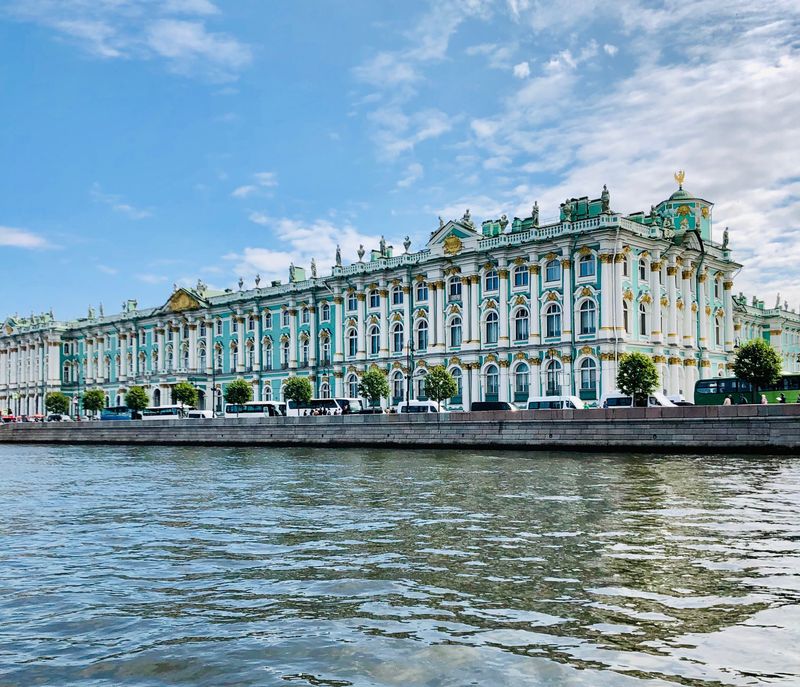
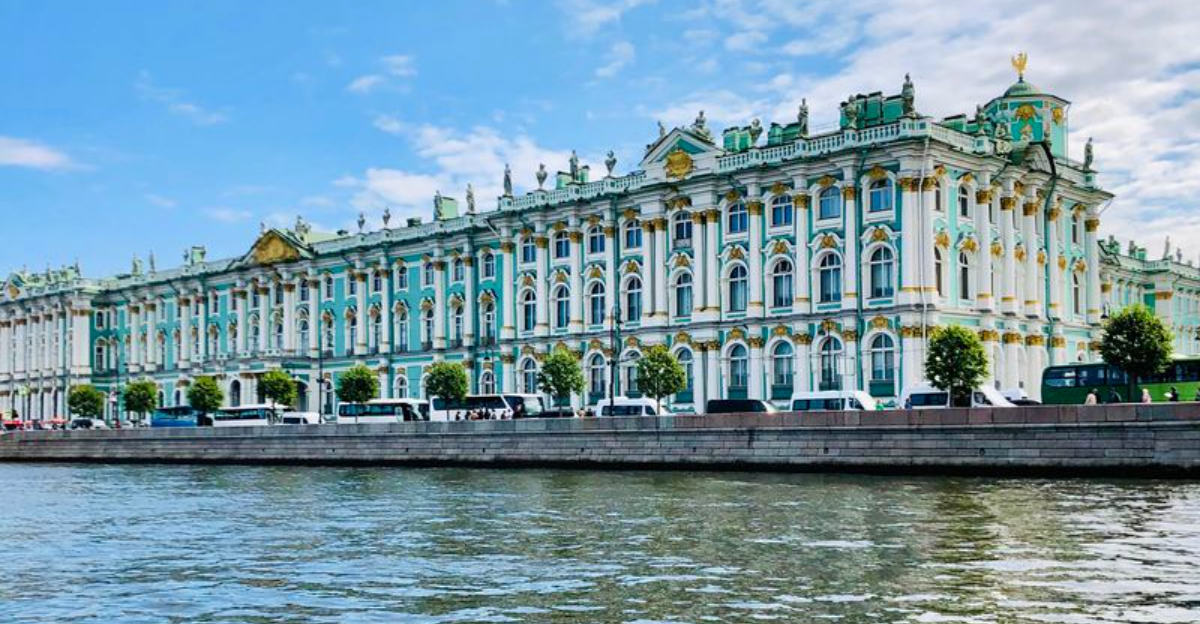
The Winter Palace glows with baroque generosity, teal and white unfolding in layered ornament. You feel both dazzled and steadied by its rhythm of windows and gilded trim. Crossing the square, the building seems to breathe history.
Inside, staircases sweep upward like theater, with light cascading across marble. Galleries stretch through centuries, their opulence framing masterpieces without smothering them. You walk more slowly than usual, as if pacing with chandeliers.
Windows catch the Neva’s pale light, tempering the richness with cool clarity. Doorways align like telescopes, revealing room after room in elegant procession. The effect is grandeur softened into invitation.
Back outside, the palace holds its snowy poise or summer sparkle with equal grace. You carry a memory tuned to gold, ice, and measured steps. The city’s canals echo the museum’s calm, and you match their tempo.
National Museum of Korea — Seoul, South Korea
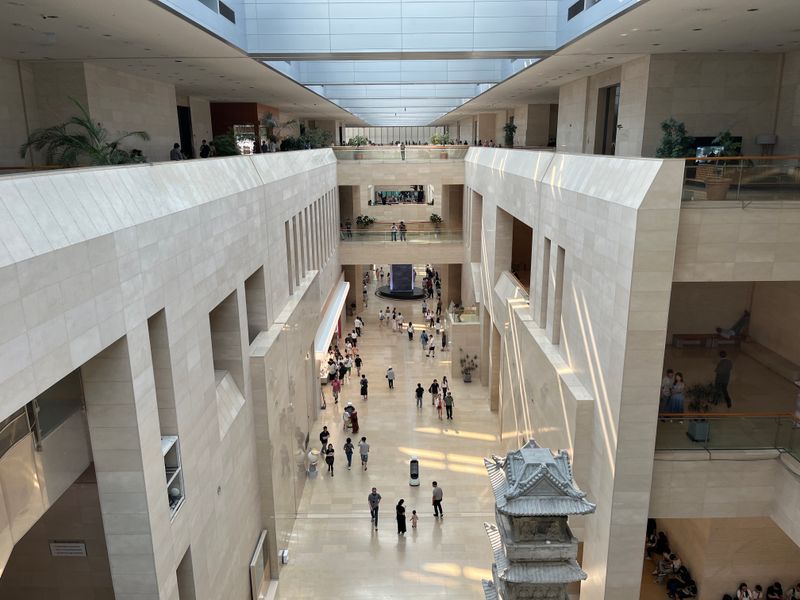
Set against soft hills, the museum floats with quiet assurance. Horizontal lines stretch your sight, and a breezeway frames sky like a painting. You feel welcome to wander even before stepping inside.
Galleries flow with measured calm, objects breathing in generous air. Stone and wood share the stage with controlled daylight, keeping textures honest. You move as if guided by water, steady and clear.
Courtyards and pools slow time on purpose. Reflections double the architecture, folding sky into stone. Children trace ripples while adults trace histories, everyone held by the same hush.
When you leave, the city’s energy returns gradually. The building’s poise lingers like a good posture you do not want to lose. You carry a refreshed patience into the subway.
Oriental Art Museum — Osaka, Japan
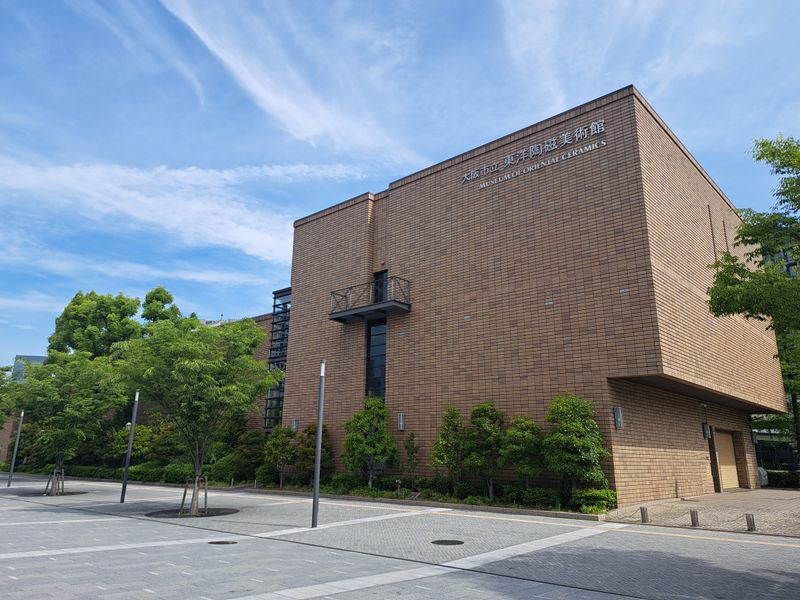
In Osaka’s lively weave, the museum offers a measured pause. Clean lines and careful light make space for delicate works to speak. You feel gently guided by restraint rather than rules.
Inside, galleries balance intimacy and clarity. Displays float with precision, giving brushwork and ceramics the air they deserve. The building’s quiet confidence supports attentive looking without distraction.
Circulation moves like a soft loop, returning you to touchpoints that anchor the visit. Windows reveal the city in curated slices, reminding you of context without breaking focus. You sense the architecture practicing hospitality through calm.
Back outside, the street regains its rhythm, now a touch slower in your ears. The museum’s minimalism proves generous, not cold. You leave carrying a lighter, clearer gaze.
Enoura Observatory — Odawara, Japan
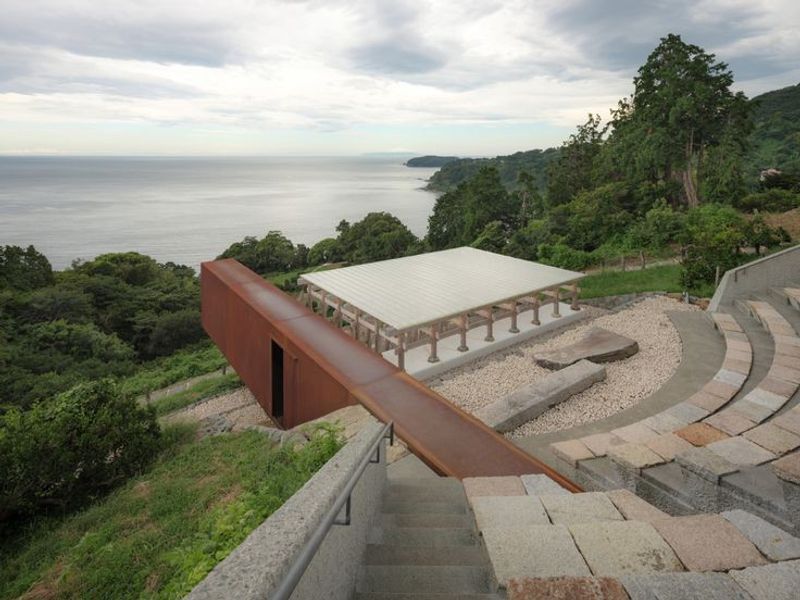
Here, the museum dissolves into landscape. Stone, wood, and horizon form a single sentence, paced by wind. You walk not just to look but to align yourself with light.
Pavilions perch like careful thoughts, framing the ocean with disciplined restraint. Shadows mark time across terraces, and each step feels counted. The architecture listens first, then speaks softly.
Artworks arrive as companions rather than centerpieces. You meet them between sky and sea, where attention sharpens without effort. The experience feels both ancient and cleanly modern.
Leaving, the coastline redraws your internal clock. You carry a quieter calibration, tuned to sun angles and stone grain. The road back to town feels newly legible.
Grand Egyptian Museum — Giza, Egypt
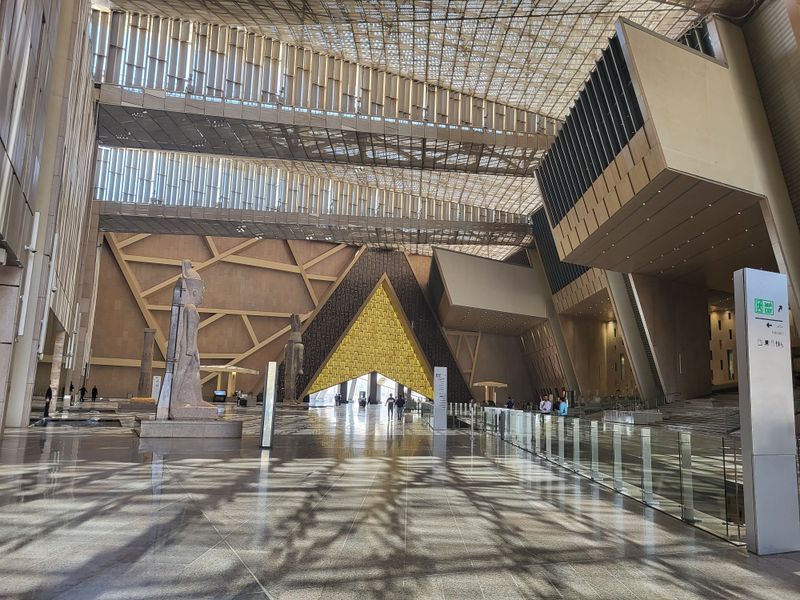
Approaching near the pyramids, the museum rises like a contemporary desert terrace. Triangular patterns catch sun and shade, guiding your eyes toward a monumental entry. You sense vastness shaped with deliberate care.
Inside, a grand staircase climbs through an atrium that holds giants with dignity. Stone kings meet filtered light, and the scale feels ceremonial without chill. You pause often, measuring your own smallness against patient time.
Galleries extend like excavations made gentle for the public. Sand tones and cool glass balance warmth and clarity, keeping artifacts luminous. Wayfinding respects anticipation, revealing treasures step by step.
Exiting, the horizon folds museum and monuments into one line. You carry a brightness edged with deep shadow, like noon in memory. The desert’s calm seems to travel with you.



