
The artists who ruled 1970s rock were not built for focus groups, brand decks, or algorithm-friendly release schedules. They became legends by being difficult, daring, and impossible to neatly package.
That is exactly why many of them might struggle to get a deal in today’s hyper-managed music business. If you have ever wondered whether raw originality still beats marketability, this list makes the question hard to ignore.
1. Black Sabbath
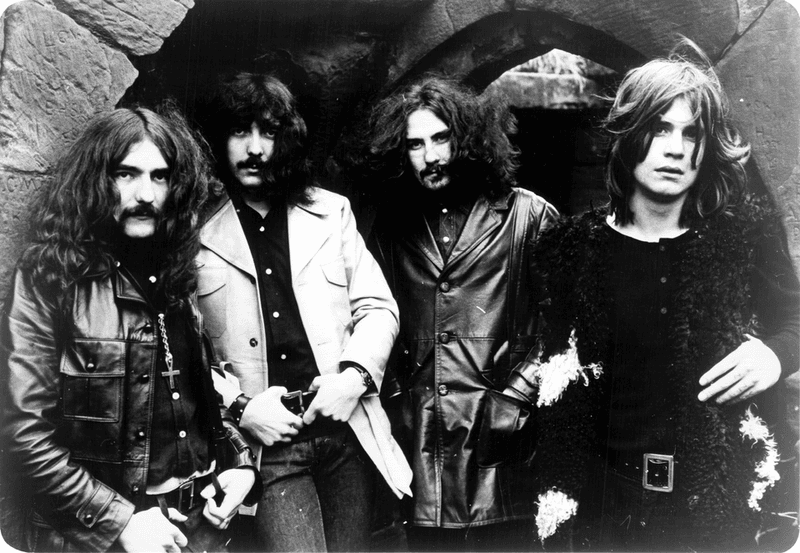
Black Sabbath practically invented a whole musical language, but that does not mean a modern mainstream label would know what to do with them. Their sound was slow, heavy, and unapologetically dark at a time when broad appeal often means cleaner production and easier emotional messaging.
Add in lyrics filled with dread, paranoia, and doom, and the sales pitch gets harder.
Today’s industry likes niche success when the niche is clearly monetized and easily targeted. Sabbath’s appeal was bigger and stranger than that, rooted in atmosphere and unease rather than obvious commercial calculation.
Their image was not aspirational in the polished influencer sense either, which would make them harder to shape for mass branding.
You might still find executives claiming there is no mainstream lane for music that gloomy and uncompromising. That would miss the point, of course, because Sabbath never succeeded by softening their edges.
They mattered because they sounded like the world getting heavier, not more market friendly.
2. Fleetwood Mac (Rumours Era)
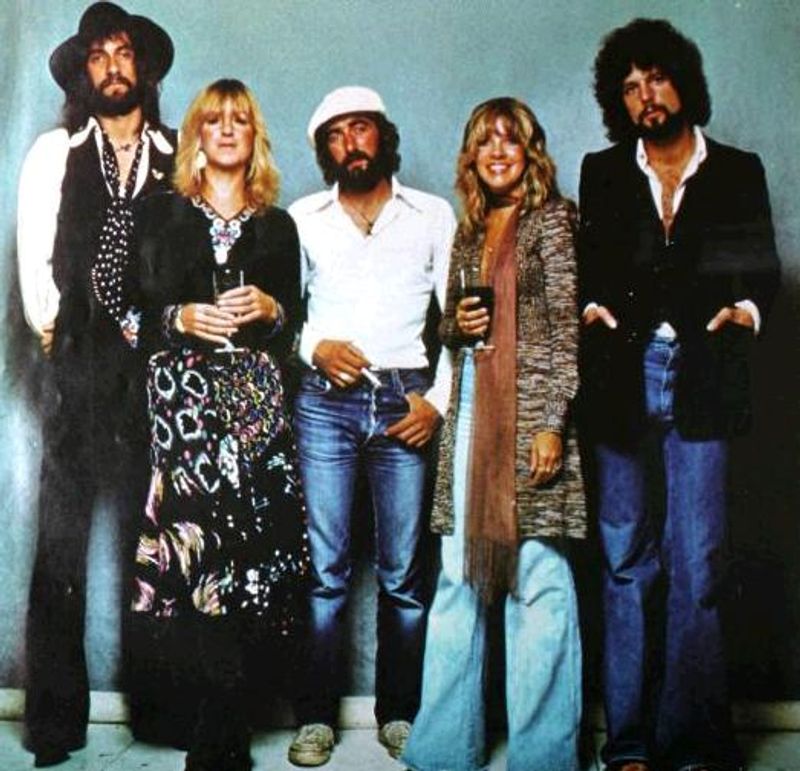
The Rumours era version of Fleetwood Mac made beautiful music out of emotional wreckage, but that process would scare a modern label. Behind the polished songs was a band full of breakups, resentment, and shifting alliances that made every session feel uncertain.
Today, executives want release calendars, dependable timelines, and teams that can function without imploding mid campaign.
On paper, the group still had obvious strengths. They wrote sharp hooks, layered harmonies brilliantly, and created records with major crossover appeal.
The problem is that modern labels do not just invest in songs, they invest in stability, workflow, and predictable execution.
You can picture internal memos asking whether the interpersonal chaos was worth the financial risk. In the seventies, the answer became a historic yes because the album was undeniable.
In today’s environment, that same volatility might get flagged as too expensive, too messy, and too likely to derail before the first single even lands.
3. Led Zeppelin
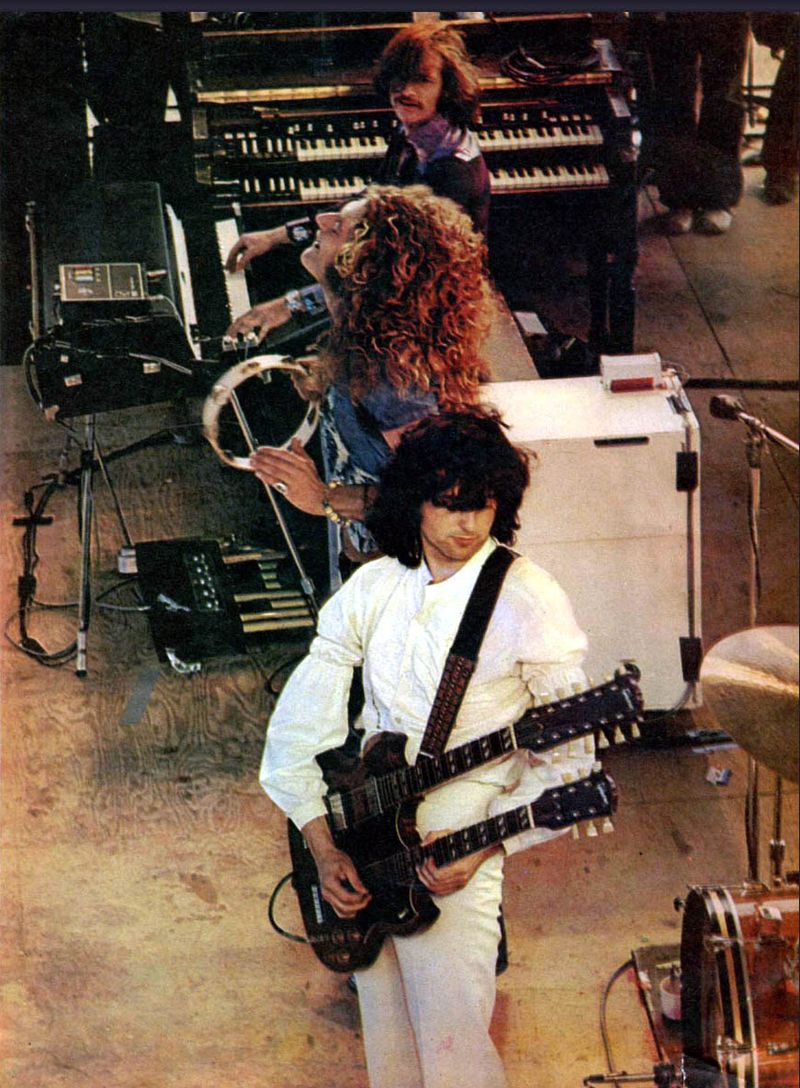
Led Zeppelin would probably terrify a modern label meeting, even before anyone pressed play. Their songs often ignored commercial length, drifted into extended instrumental passages, and trusted listeners to stay patient.
In a streaming era built around instant hooks, that approach would look risky from the start.
You can also imagine executives panicking over the band’s refusal to behave like content creators. Zeppelin cultivated mystery, protected their image, and rarely played the promotional game the way modern artists are expected to.
Today, labels want visibility, daily engagement, and a constant pipeline of clips, teasers, and branded moments.
Musically, they were too big, too loose, and too uninterested in being trimmed down for playlists. An eight minute epic with shifting moods and a blazing solo is legendary now, but it might be labeled unmarketable today.
Their greatness came from freedom, and that freedom is exactly what could keep them unsigned.
4. David Bowie

David Bowie built a career by changing faster than the industry could classify him, and that would be a nightmare for today’s branding teams. One era gave you glam alien theater, another gave you sleek soul, and another pushed into colder experimental territory.
Modern labels usually want a clear lane, a repeatable image, and an audience profile they can easily track.
Bowie would likely frustrate anyone obsessed with consistency metrics. Just when a marketing department figured out how to sell one version of him, he would abandon it and become someone else entirely.
That restless creativity made him iconic, but it does not fit neatly into a data driven release strategy.
You can already hear the pitch meeting concerns about audience confusion and weak brand continuity. Yet the very thing that made Bowie matter was his refusal to stay fixed long enough to become predictable.
In today’s system, that level of reinvention might be praised publicly but discouraged behind closed doors.
5. Iggy Pop

Iggy Pop feels like the kind of artist a modern label would admire from a safe distance while quietly refusing to insure. His performances were physical, chaotic, and often impossible to control, which is not exactly the profile corporate teams love.
Even if everyone agreed he was magnetic, they would still worry about liability, controversy, and brand management.
His music also never chased easy polish or universal accessibility. Iggy sold danger, unpredictability, and a raw edge that made you feel like anything could happen next.
That energy inspired generations, but labels today often prefer artists who can deliver intensity without disrupting the schedule or the messaging.
You could argue he would thrive independently because audiences still crave authenticity when it is real. The harder part would be getting through the gatekeepers in the first place.
In an industry that values manageability almost as much as talent, Iggy’s greatest strength would look like an executive’s biggest fear.
6. Patti Smith

Patti Smith would likely leave today’s label scouts impressed, confused, and unsure how to sell what they had just seen. Her work blended poetry, punk attitude, spoken word textures, and rock instinct in ways that refused easy categorization.
That kind of originality is celebrated in theory, but it often alarms companies built around searchable genres and predictable audience buckets.
What made Smith powerful was not polish or formula. She sounded intellectual without feeling distant, raw without sounding careless, and personal without pandering for connection.
In a streaming world that rewards immediate payoff, her unconventional structures and literary sensibility might be judged too demanding for mass playlists.
You can imagine a label asking for something more streamlined, more clearly branded, or more content friendly. That request would miss everything essential about her art.
Patti Smith became Patti Smith because she did not trim the poetry out of the noise, and today that refusal to simplify might be exactly what keeps the contract offer off the table.
7. Neil Young

Neil Young has always treated consistency like a suggestion, which is one reason a modern label might hesitate before investing heavily. He could move from delicate acoustic confessionals to ragged electric storms and then veer into an unexpected experimental detour without warning.
That unpredictability is thrilling for listeners who trust artists, but nerve wracking for companies selling dependable brand identities.
He also has a long history of following instinct over strategy. In today’s market, labels often want artists who can build momentum around a clear sound, reinforce it across platforms, and avoid surprising the audience too sharply.
Young’s habit of changing direction on purpose would clash with that entire philosophy.
There is also the issue of his stubborn independence and willingness to release politically charged material. Executives tend to love conviction until it disrupts a rollout plan or complicates advertiser comfort.
Neil Young’s refusal to be managed is a big part of why his catalog matters, and why he might never clear the first corporate hurdle now.
8. The Rolling Stones (Early ’70s Era)
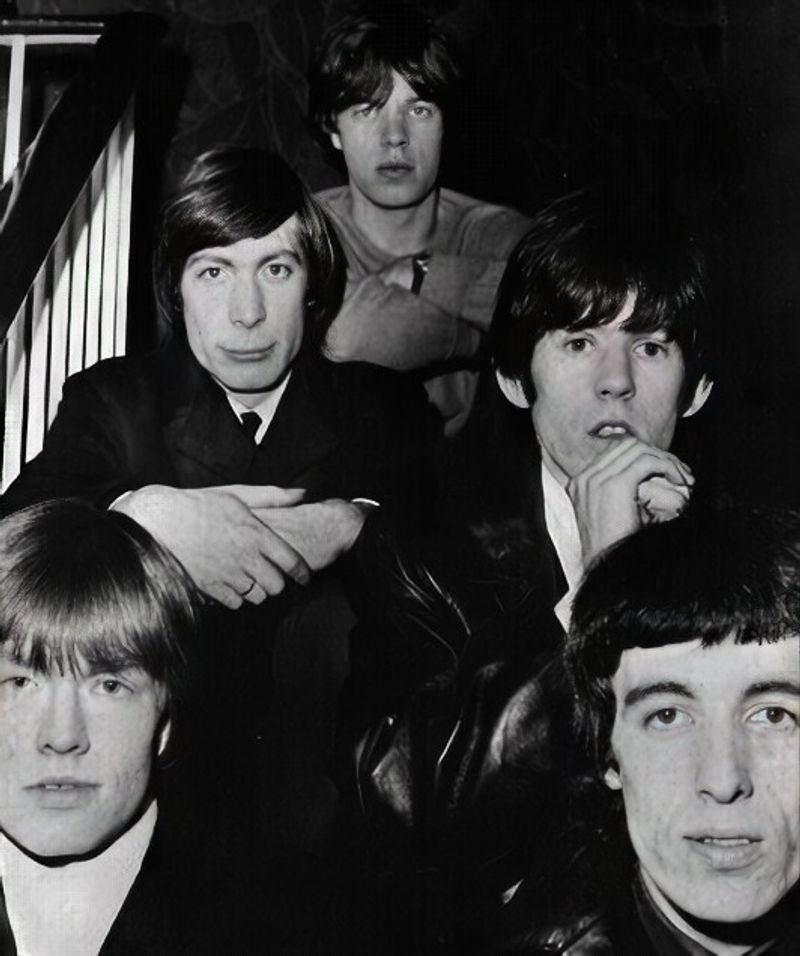
By the early seventies, the Rolling Stones were not just a band, they were a walking public relations headache with incredible songs. Their image leaned into danger, scandal, and excess in ways that would make today’s label lawyers visibly uncomfortable.
Modern companies spend enormous energy reducing reputational risk, and the Stones practically turned risk into part of the product.
Musically, they would still have a strong case because the songs were sharp, gritty, and undeniably influential. The problem is that modern media magnifies offstage behavior instantly, often faster than the music can speak for itself.
What once added outlaw mystique could now dominate every headline and derail the campaign narrative.
You can imagine a label trying to sand down the edges, tidy the image, and convert the band into a more manageable brand. That would erase the tension that made them compelling in the first place.
The Stones worked because they sounded like trouble and looked like they meant it, which is rarely a corporate selling point now.
9. Frank Zappa
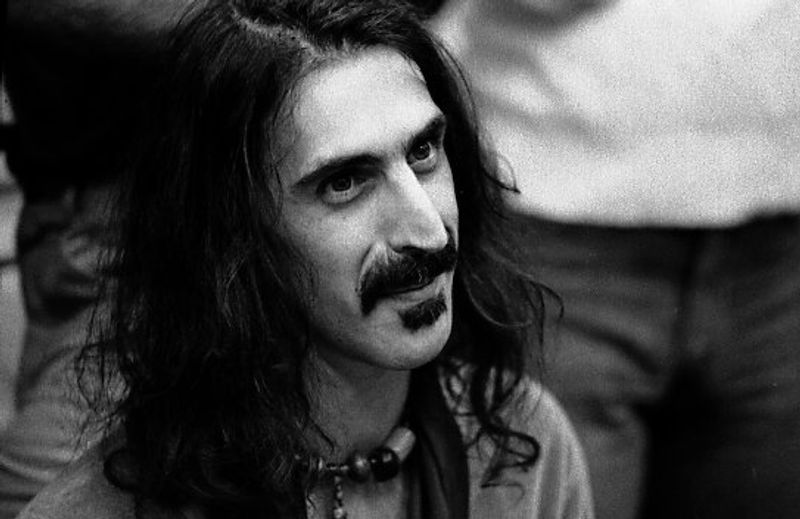
Frank Zappa would be a difficult fit for any modern label because he approached music like an independent country with its own rules. His compositions could be dense, funny, abrasive, technically demanding, and openly satirical, often all in the same piece.
That does not slide neatly into playlist culture, radio formatting, or quick marketing slogans.
He was also famously skeptical of industry power and allergic to creative compromise. Labels today usually want artists who can collaborate with marketing plans, embrace platform strategy, and package their personality in a digestible way.
Zappa would likely challenge the assumptions behind the entire system before the contract discussion even ended.
You might see him building a loyal audience outside the mainstream, because there will always be listeners hungry for something stranger and smarter. But major label support depends on more than talent, and Zappa never seemed interested in being made convenient.
His genius came wrapped in complexity, and complexity is often the first thing corporate music tries to simplify away.
10. Janis Joplin
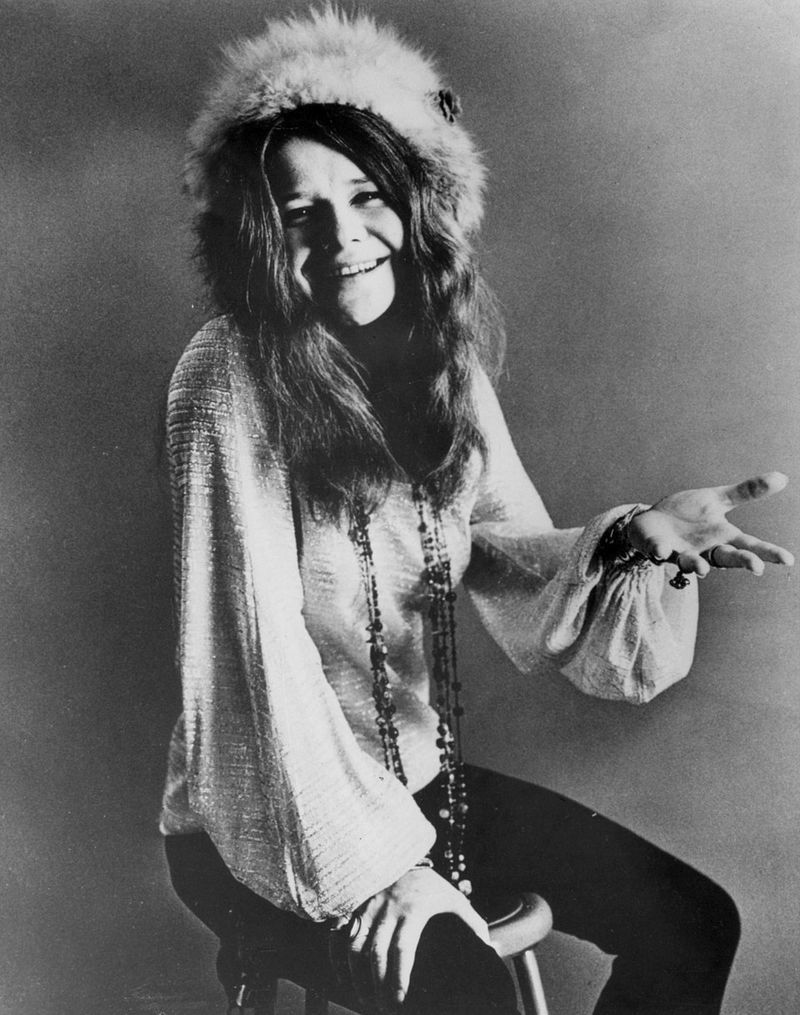
Janis Joplin sang like every feeling was happening to her in real time, and that level of emotional exposure does not always fit modern label logic. Her voice was rough, aching, explosive, and gloriously imperfect by polished contemporary standards.
In an era obsessed with control, consistency, and highly managed vocal presentation, that rawness might be framed as a problem instead of a gift.
She also did not project the kind of tidy, optimized image labels often prefer when launching artists across multiple platforms. Joplin’s magnetism came from vulnerability, power, and messiness that felt human rather than curated.
That authenticity could still attract a devoted audience, but executives might question whether it scales cleanly enough for mainstream campaigns.
You can imagine people asking for more refinement, more smoothing, or more commercial discipline. The tragedy of that idea is that sanding off the edges would remove the very thing listeners respond to most deeply.
Janis mattered because she sounded unguarded, and today’s industry does not always know how to trust that kind of truth.
11. Aerosmith (Early Years)
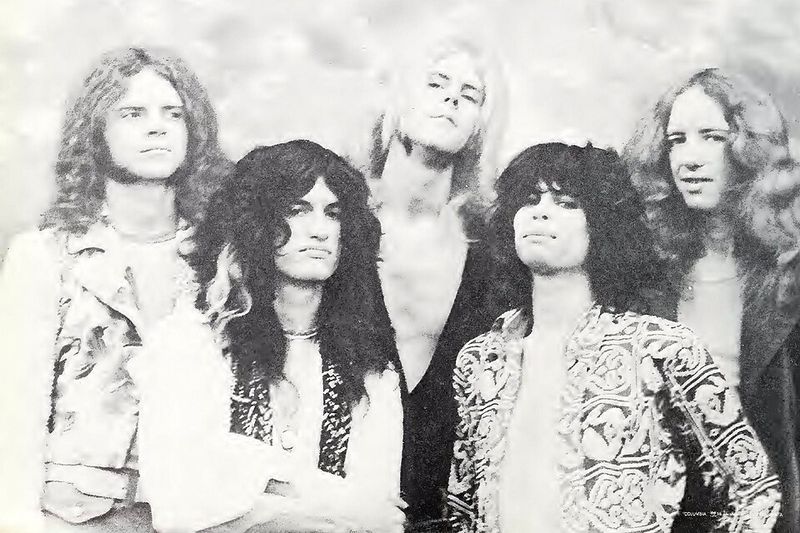
Early Aerosmith did not arrive as a polished product, which is exactly why a modern label might overlook them at first. Their sound was loose, blues soaked, and swaggering, with more grit than precision and more attitude than branding discipline.
Today, executives often want a debut that already feels refined, differentiated, and easy to position across platforms.
Back then, a band could grow in public and turn raw chemistry into a signature identity over time. Now, labels are less interested in patient development and more interested in artists who show measurable momentum before the deal is signed.
Early Aerosmith might be judged as too messy, too familiar, or not instantly distinct enough in a crowded digital field.
That would be a short sighted read because their personality was always the point. The danger, groove, and imperfect edge eventually became central to their appeal.
In today’s environment, though, that same rough beginning could be mistaken for lack of readiness rather than the early spark of something huge.
12. Lou Reed
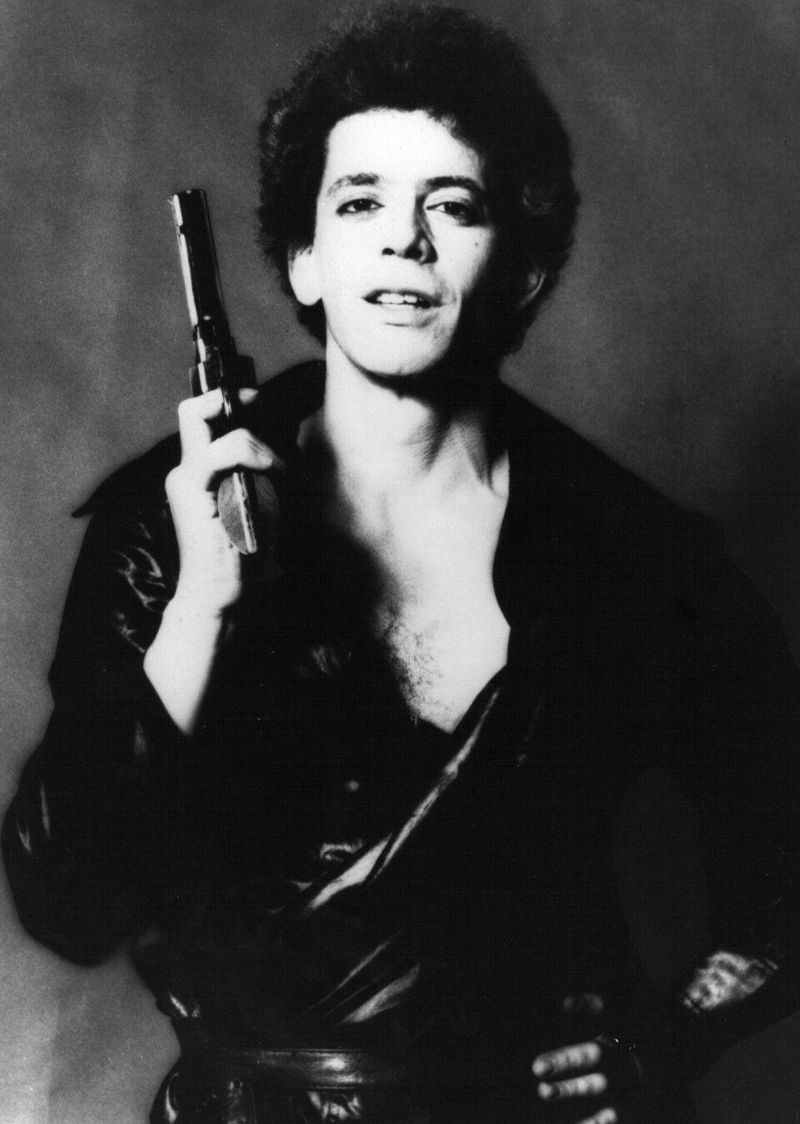
Lou Reed wrote songs that did not ask for your approval, and that alone could make him a hard sell today. His work explored difficult subjects with a blunt, unsentimental honesty that refused to soften itself for comfort or wider appeal.
Labels in the current market often chase emotional immediacy too, but they usually want it packaged in a cleaner, more broadly inviting way.
Reed’s music could be sparse, cool, confrontational, and deliberately anti glamorous. That gave it enormous artistic weight, yet it also made promotion harder in an environment where songs are often expected to signal their value instantly.
His world was filled with ambiguity and tension, not obvious uplift or market tested relatability.
You can imagine executives wondering how to position him, which demographic to target, or how to turn his darkness into a campaign angle. Those questions are understandable and beside the point.
Lou Reed’s impact came from telling uncomfortable truths without blinking, and today’s labels do not always reward artists who refuse to make themselves easier to consume.
13. Alice Cooper
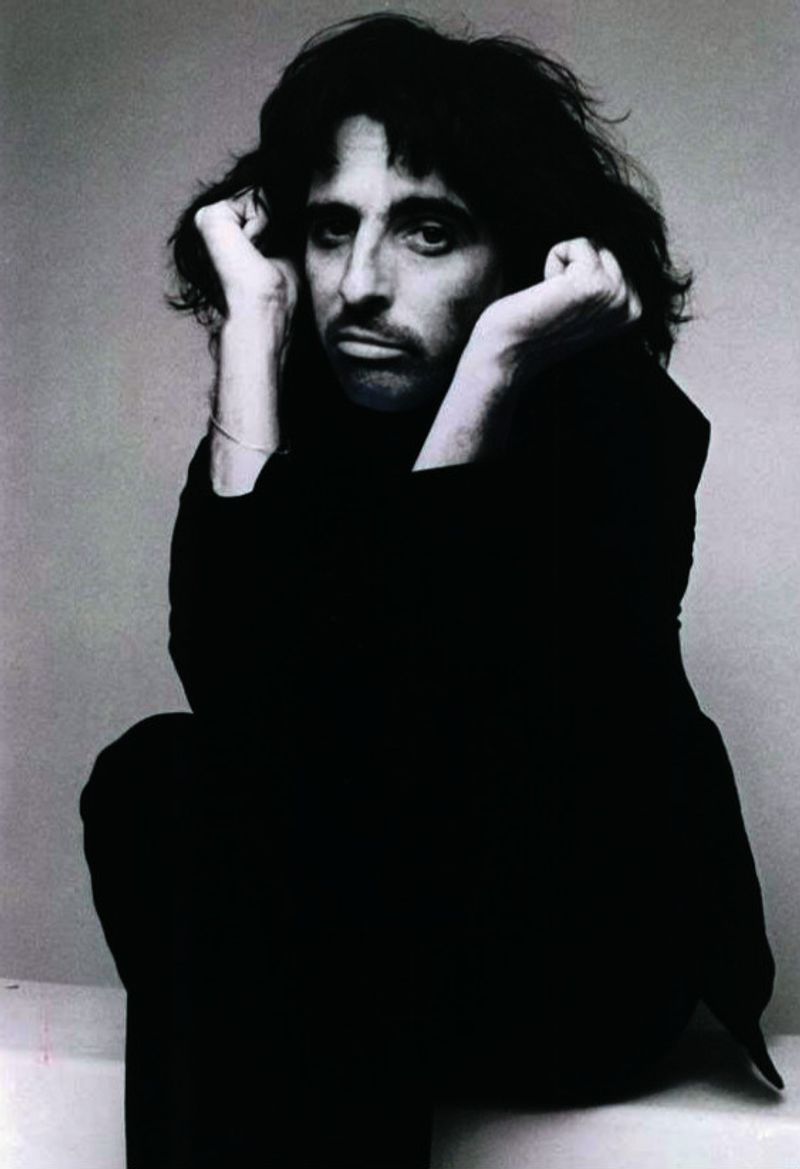
Alice Cooper built an entire identity around theatrical shock, and that kind of ambition would make modern labels nervous for several reasons at once. The music was only part of the package because the performance relied on horror imagery, elaborate staging, and a willingness to provoke.
In today’s business climate, that means higher costs, tighter scrutiny, and more chances for nervous executives to ask whether the return justifies the risk.
There is also the branding problem. Cooper’s appeal depends on committing fully to a character that is intentionally unsettling, which does not align neatly with the polished accessibility many major labels prefer.
Even when audiences love spectacle, companies often want it softened, simplified, and made safer for broad partnerships.
You could absolutely imagine him finding an audience online because strong visuals still travel fast. The tougher question is whether a mainstream label would bankroll the full vision before proof of scale already existed.
Alice Cooper became iconic by going bigger, stranger, and darker than expected, not by reassuring anyone in the room.
Share this story