South Carolina might be known for its beaches and charming historic towns, but its wild side tells a completely different story. Hidden beneath the surface of the Palmetto State are ancient forests, jaw-dropping waterfalls, and landscapes so stunning they barely feel real.
Whether you love hiking, kayaking, or simply standing in awe of something beautiful, these natural wonders are guaranteed to leave a mark. Get ready to see South Carolina in a whole new light.
Congaree National Park — Hopkins
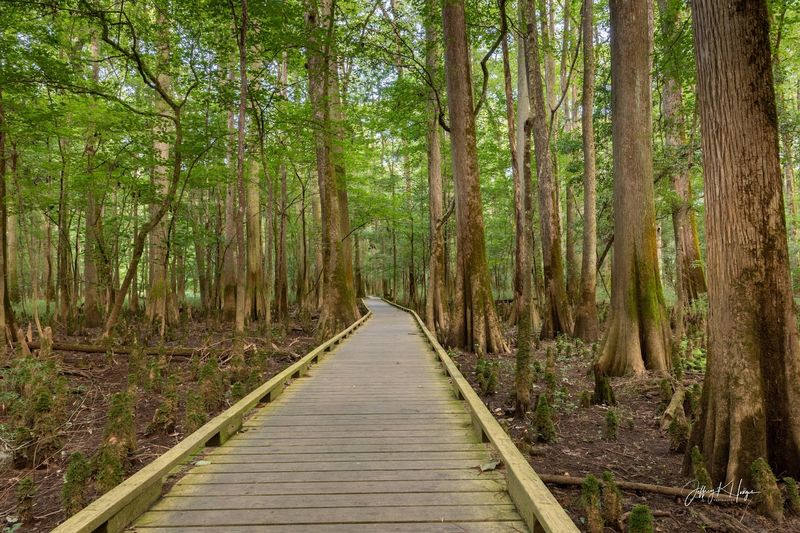
Step inside Congaree National Park and you might genuinely forget you’re still in South Carolina. This massive floodplain forest feels more like the Amazon than the American Southeast, and that’s not an exaggeration.
Towering hardwood trees—some of the tallest in the entire eastern United States—shoot skyward, forming a thick, shadowy canopy that blocks out the sky.
Boardwalk trails wind through wetlands and swamps, giving you a front-row seat to one of the most biodiverse ecosystems in the country. Keep your eyes open, because wildlife is everywhere.
Owls, deer, river otters, and even bobcats call this place home.
The park covers nearly 27,000 acres, yet it remains one of the least visited national parks in the country. That means fewer crowds and more peace for you.
When floodwaters rise, the forest transforms into a mirror-like landscape that looks almost magical.
Nighttime firefly synchronization events draw visitors from across the country each summer. Fireflies flash in coordinated bursts across the dark forest floor—it’s one of nature’s most spectacular light shows.
Congaree is wild, quiet, and deeply humbling in the best possible way.
Angel Oak Tree — Johns Island
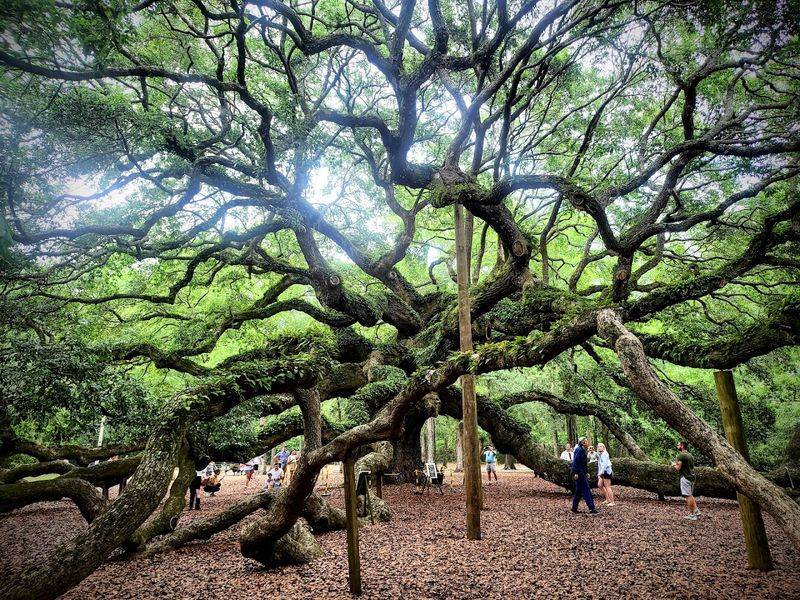
Somewhere on Johns Island, a tree has been quietly growing for somewhere between 400 and 500 years—and it has absolutely no plans to slow down. The Angel Oak is a Southern live oak so massive and so dramatically shaped that standing beneath it feels like stepping into a fantasy novel.
Its limbs stretch outward like enormous arms reaching for the ground.
Some branches are so heavy they actually rest on the earth before curving back upward. The canopy shades an area of roughly 17,200 square feet, making it one of the largest living things east of the Mississippi River.
That’s not a small detail—that’s genuinely mind-bending.
The tree survived hurricanes, floods, and centuries of change while humans built cities and roads all around it. It’s free to visit, which makes it even better.
Locals treat it like a treasure, and honestly, they’re right to do so.
Photographers, families, and solo travelers all make the pilgrimage here, and nobody leaves disappointed. There’s something quietly powerful about being near something that old.
The Angel Oak doesn’t need a sign or a tour guide—it speaks entirely for itself.
Lake Jocassee — Salem
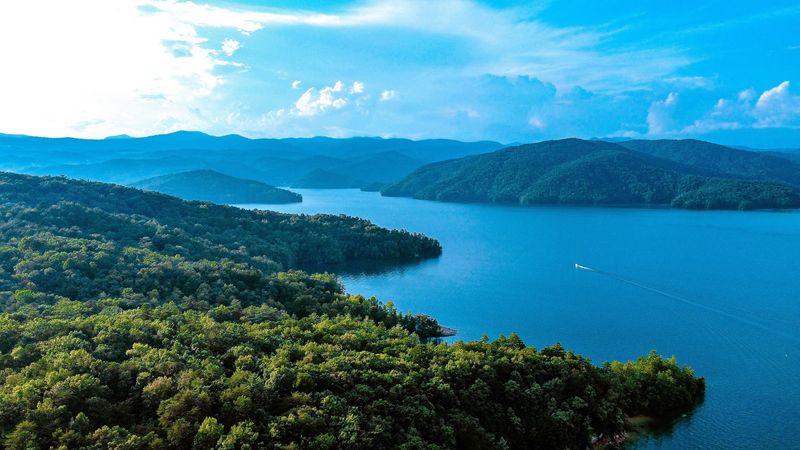
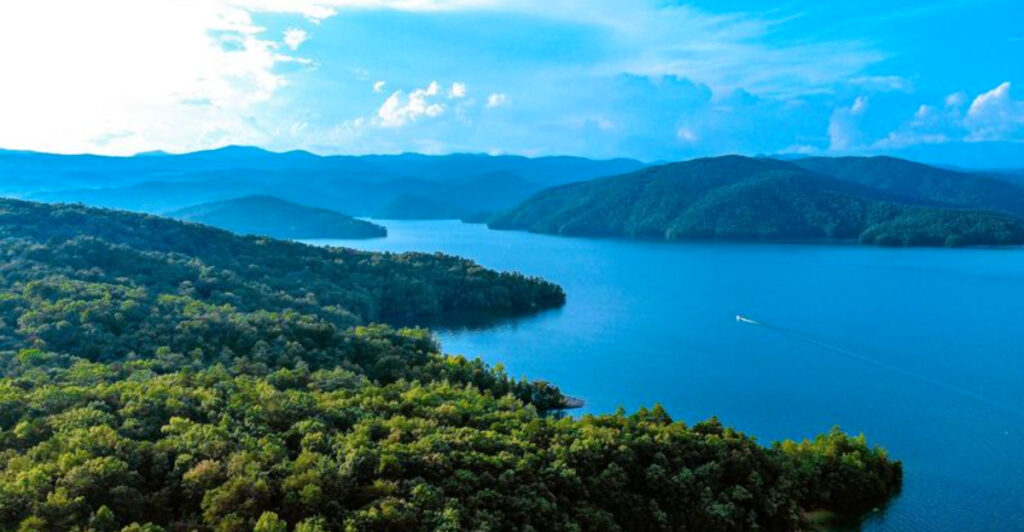
Forget everything you think you know about South Carolina lakes, because Lake Jocassee is playing a completely different game. The water here is so clear and so blue it looks like someone digitally enhanced it.
Formed by a dam in the 1970s, the lake flooded an entire valley, and the submerged landscape below still fascinates divers today.
Waterfalls pour directly into the lake from surrounding cliffs, which is something you genuinely don’t expect to find in the Southeast. The water stays cool even in summer, making it a favorite for swimmers, kayakers, and paddleboarders looking to escape the heat.
Hidden coves tuck away along the shoreline like little secrets waiting to be discovered.
The surrounding wilderness is part of the larger Jocassee Gorges system, one of the most biodiverse areas in the country. Bald eagles have been spotted soaring overhead, and trout fishing here is considered some of the best in the state.
There are no fast food restaurants or resort hotels crowding the shoreline—just trees, water, and mountains. It’s the kind of place that makes you want to turn your phone off and just breathe.
Lake Jocassee is genuinely one of South Carolina’s greatest hidden gems.
Raven Cliff Falls — Cleveland
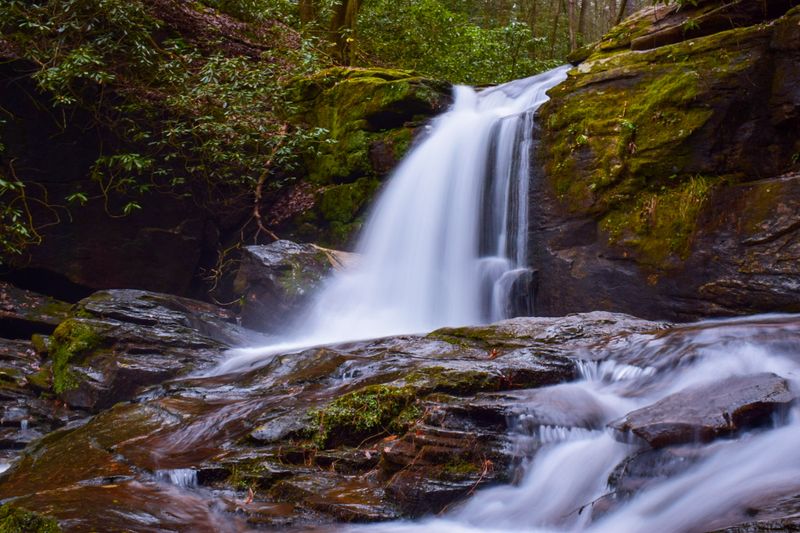
Four hundred feet. That’s how far Raven Cliff Falls drops, making it one of the tallest waterfalls in the entire eastern United States.
But what makes it truly unforgettable isn’t just the height—it’s the way the water splits dramatically through a massive crack in the rock face, creating a visual that looks almost too cinematic to be real.
The hike to reach the overlook is about four miles round trip, winding through dense forest with occasional glimpses of the Blue Ridge escarpment along the way. The trail isn’t brutal, but it has enough elevation change to make the reward feel genuinely earned.
After a heavy rain, the falls are absolutely thunderous.
Caesars Head State Park, where the falls are located, offers some of the most dramatic scenery in the entire state. Hawk watching is a serious activity here each fall, when thousands of broad-winged hawks migrate through the area.
Rangers sometimes host viewing events during peak migration season.
The overlook platform gives you a full, unobstructed view of the falls across the gorge—you can’t actually stand at the base, which somehow makes it feel even more powerful. Raven Cliff Falls rewards every single step it takes to reach it.
Issaqueena Falls — Walhalla
Legend has it that a Cherokee woman named Issaqueena once leapt from this very waterfall to escape her pursuers—and survived by hiding on a ledge below. Whether the story is entirely true or not, it adds a layer of drama to an already stunning natural feature.
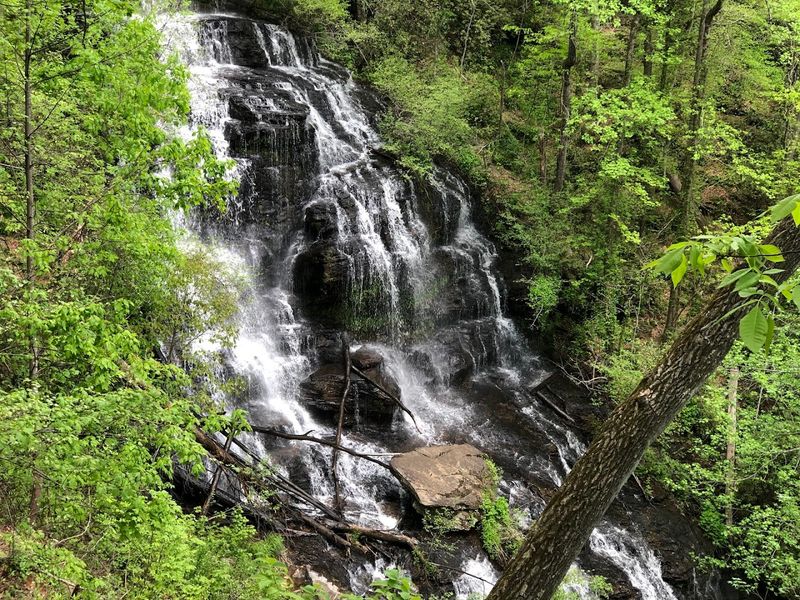
The falls themselves are about 100 feet tall, gentle and graceful rather than thundering and aggressive.
Located inside Stumphouse Mountain Park near Walhalla, the falls are refreshingly easy to reach. A short, flat trail leads you right to the base, which makes it accessible for families, casual hikers, and anyone who just wants something beautiful without breaking a sweat.
That accessibility is part of what makes it so popular.
Water spills over layered rock in smooth, even sheets, collecting in a shallow pool surrounded by ferns and mossy boulders. The whole scene feels like something out of a painting.
Even on warm days, the mist from the falls keeps the air noticeably cool.
Nearby, you can explore the unfinished Stumphouse Tunnel, a fascinating piece of 19th-century railroad history carved into the mountainside. Clemson University once used the tunnel to age blue cheese—yes, really.
Issaqueena Falls is a place where history, folklore, and natural beauty collide in the most unexpected way.
Jocassee Gorges — Salem
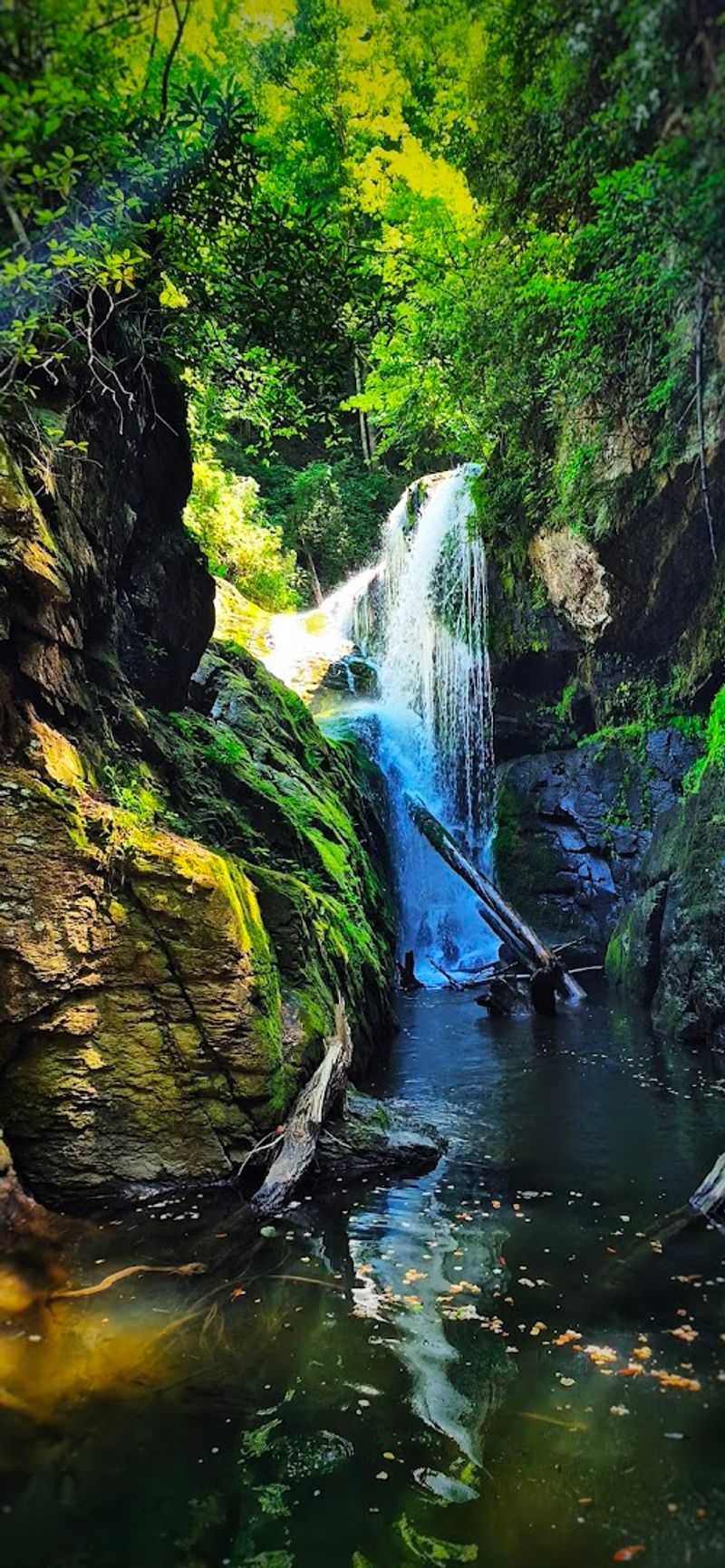
Covering over 33,000 acres of some of the most rugged land in the Southeast, Jocassee Gorges is the kind of place that makes you feel genuinely small in the best way. Scientists have called this region one of the most biologically diverse temperate zones on the planet.
That’s not marketing language—that’s ecology speaking plainly.
Rare wildflowers, ancient hemlocks, and plant species found almost nowhere else on Earth grow here in quiet abundance. Black bears roam freely through the gorges, and river otters splash through cold mountain streams that have been running since long before anyone built a road nearby.
Wildlife watching here feels less like recreation and more like a privilege.
Waterfalls are tucked throughout the gorges, many of them unmarked and known only to experienced hikers willing to scramble off-trail. That sense of discovery is exactly what makes this place feel so different from a typical state park.
There are no gift shops and no paved overlooks—just forest, water, and silence.
The gorges also serve as a critical watershed, feeding clean water into the region. Conservation groups have worked hard to protect this land from development.
Visiting Jocassee Gorges feels like stepping into a world that hasn’t changed in centuries, and somehow, that’s exactly what you needed.
Botany Bay Plantation — Edisto Island
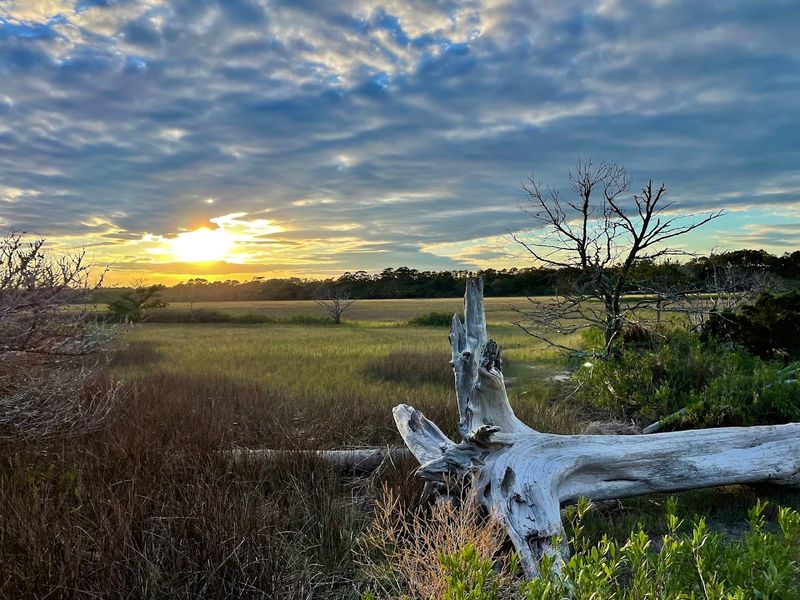
Dead trees standing in the surf. Shells piled so thick they crunch under every step.
A beach so quiet and so raw it feels like the rest of the world simply forgot it existed. Botany Bay Plantation on Edisto Island is one of those rare coastal places that trades typical beach glamour for something far more compelling—pure, unfiltered wildness.
The iconic “boneyard beach” is formed when erosion gradually claims the forest edge, leaving bleached tree skeletons standing in the tidal zone. It’s hauntingly beautiful in a way that photographs struggle to fully capture.
Sunrise and sunset here are genuinely otherworldly.
The preserve is managed by the South Carolina Department of Natural Resources and covers nearly 4,700 acres of maritime forest, wetlands, and beach. Loggerhead sea turtles nest here each summer, and the area is carefully managed to protect them.
Access is limited to certain days and hours, which helps keep the ecosystem intact.
Shorebirds, dolphins, and white-tailed deer are regular visitors. There are no vendors, no umbrellas for rent, and no beach bars within sight.
Botany Bay strips the beach experience down to its most honest form—wind, water, shells, and sky. Once you visit, the usual crowded beach scene starts to feel a little hollow by comparison.
Table Rock — Pickens
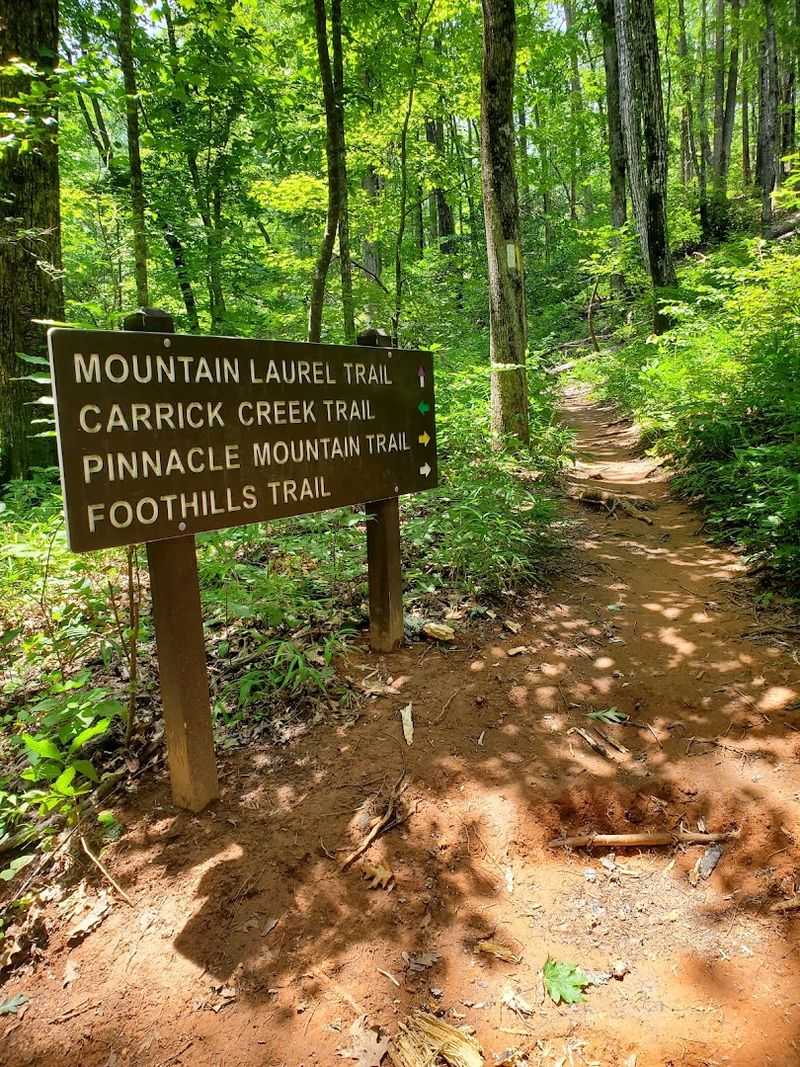
There’s a moment near the summit of Table Rock when the trees give way and the entire Upstate of South Carolina opens up in front of you—and it stops you cold. The view is that good.
Rising roughly 3,124 feet above sea level, Table Rock is one of the most iconic mountain profiles in the state, recognizable for its flat-topped granite summit that seems to dare you to climb it.
The main trail to the top is about 7 miles round trip with significant elevation gain, so pack water and wear real shoes. Rocky outcrops, mountain streams, and dense hardwood forests keep the hike interesting every step of the way.
Fall foliage here is absolutely spectacular, drawing hikers from across the region each October.
Table Rock State Park, established in the 1930s by the Civilian Conservation Corps, still has original stone and timber structures that feel wonderfully historic. The park includes a lake, a nature center, and cabins if you want to stay overnight and catch the summit at sunrise.
Cherokee legend holds that Table Rock was the dining table of a great spirit chief—which honestly explains the flat top perfectly. Whether you believe the legend or not, standing on that summit with the wind in your face makes the whole journey feel completely worth it.
Share this story