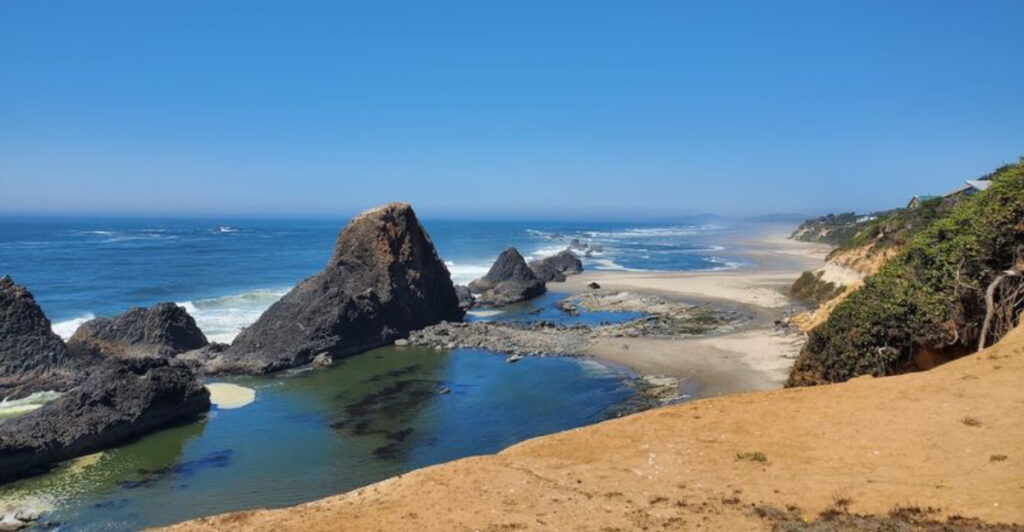
Oregon’s coastline is basically a treasure chest that resets itself with every tide. Powerful Pacific storms, ancient rock formations, and millions of years of geology have turned these beaches into some of the best beachcombing spots in the entire country.
Whether you are hunting for glowing agates, prehistoric fossils, or frosted sea glass, the Oregon coast delivers surprises that make every low tide feel like an adventure worth waking up early for.
Agate Beach (Newport)
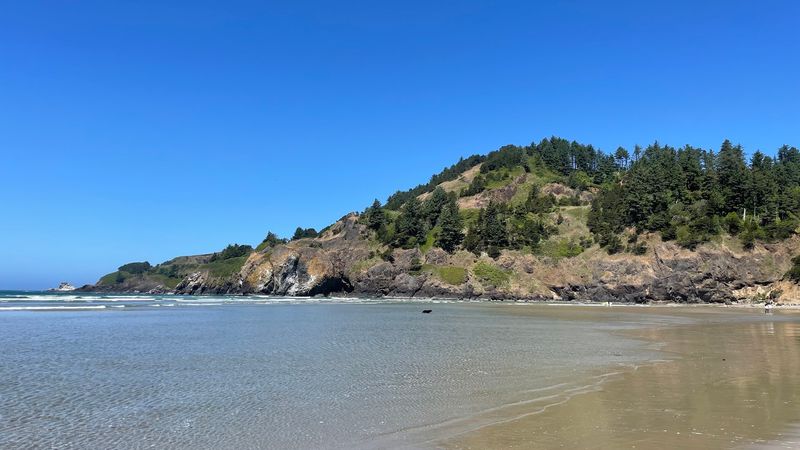
Hold a smooth, translucent stone up to the morning sun and watch it glow like a tiny lamp. That magical moment is exactly why Agate Beach, just north of Newport, has been pulling rockhounds to its shores for well over a century.
The name is not just clever marketing. This beach genuinely delivers.
After winter storms churn up the seafloor and push fresh gravel onto shore, colorful agates appear scattered among ordinary-looking rocks. The trick is learning to spot them.
Agates tend to look slightly waxy and translucent, even when dry, compared to the dull, flat appearance of regular beach stones.
Besides classic orange and yellow agates, lucky visitors sometimes find jasper, fossilized shells, and polished pieces of ancient wood. Early morning visits timed to outgoing low tides give the best odds.
Bring a mesh bag, wear waterproof boots, and prepare to spend way more time hunched over gravel than you originally planned. That is a promise, not a warning.
Beverly Beach State Park
Fossils do not announce themselves. You have to earn them.
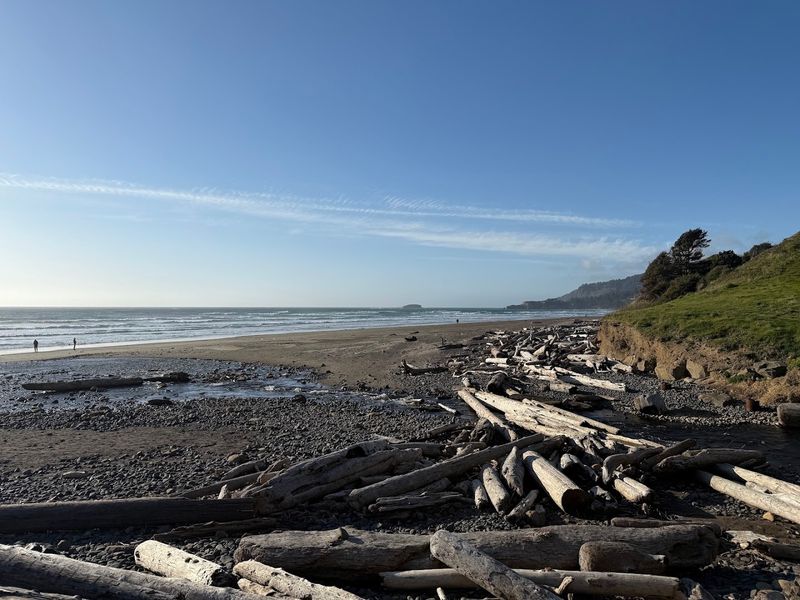
Beverly Beach State Park rewards patient hunters with ancient marine life locked inside sedimentary cliffs that line the shore just north of Newport. Fossilized clams, snails, and other sea creatures have been slowly tumbling out of these eroding bluffs for thousands of years.
The park sits along a stretch of coast where geological layers are wonderfully exposed, especially after winter rain softens the cliff faces. Walking the beach at low tide and scanning the base of the bluffs is where most serious fossil hunters focus their attention.
Fresh material falls regularly, so each visit can turn up something new.
Beyond fossils, Beverly Beach also hides agates and polished stones in its gravel deposits. The campground makes it easy to plan an overnight stay, which means you can hit the beach at dawn when competition from other collectors is minimal.
Bring a magnifying glass, a field guide to Pacific Northwest fossils, and an open schedule. Beverly Beach has a way of making hours disappear without any apology at all.
Seal Rock State Recreation Site
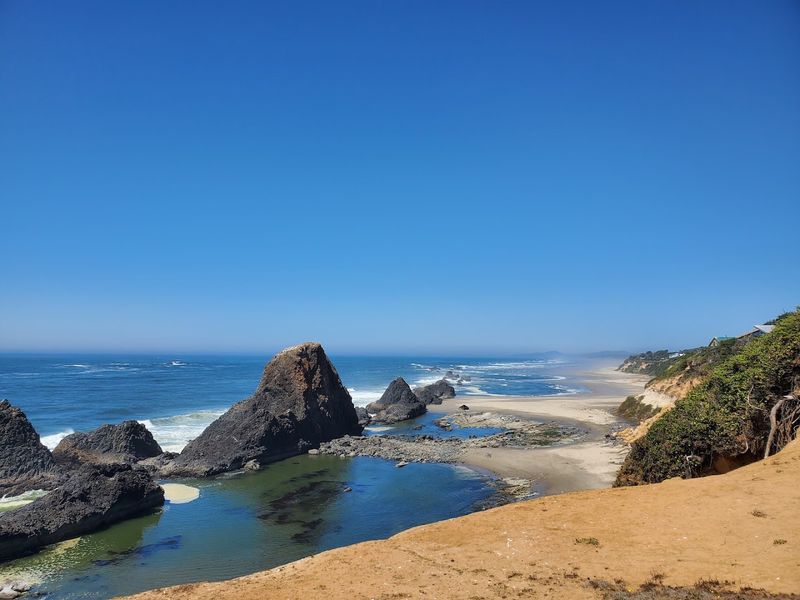
Longtime Oregon beachcombers have a saying: if you have not checked Seal Rock after a good storm, you have not really checked. This small but mighty recreation site between Newport and Waldport punches far above its weight when it comes to beachcombing variety.
Rocky headlands, scattered gravel patches, and active tide pools all work together to create ideal conditions.
Agates and jasper are the main prizes here, and both show up consistently after rough surf pushes fresh material onto the gravel bars. The jagged offshore rock formations that give the site its name also trap debris and stones in ways that concentrate finds in specific pockets.
Experienced hunters know exactly where to look.
Beach glass also makes occasional appearances, especially near areas where older coastal communities once existed. The mix of natural geology and human history makes Seal Rock feel richer than your average shoreline stop.
Tide pooling adds another layer of discovery for families with younger kids who might not share the same patience for staring at gravel. Seal Rock is genuinely one of those places where everyone in the group finds something worth pocketing before the day ends.
Oceanside Beach
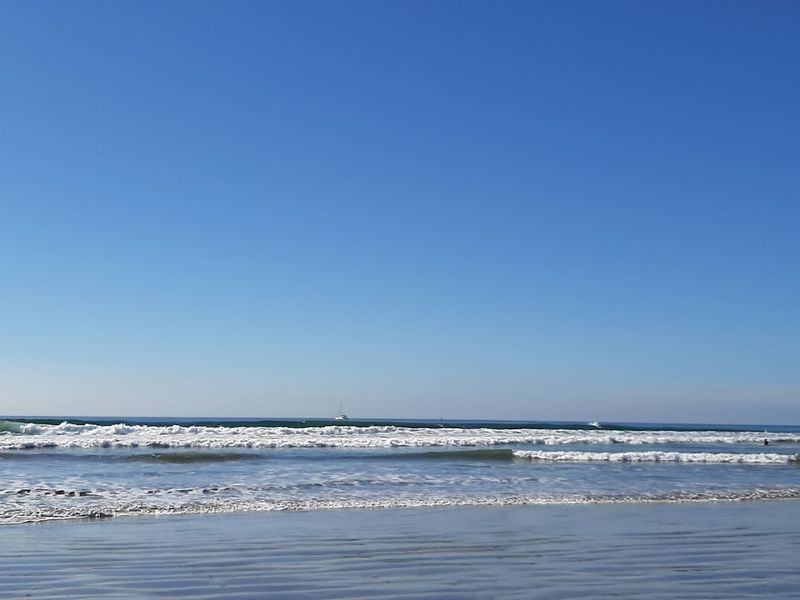
Not many beaches come with a secret tunnel. Oceanside Beach near Tillamook has exactly that, and the gravel-rich shores hiding on the other side of it are worth every step.
At low tide, visitors can walk through a natural passage carved beneath Maxwell Point to reach a quieter, less-visited stretch of coastline where agates are regularly uncovered.
The constantly shifting gravel beds are the real draw for rockhounds. Because the beach changes so dramatically between visits, experienced collectors often return after storms specifically to see what fresh material has been deposited.
Orange, yellow, and red agates are the most common finds, though polished jasper also turns up with satisfying regularity.
Oceanside itself is a charming small town with a relaxed vibe that feels a world away from busier tourist destinations. Grab breakfast at one of the local spots before heading down to the shore, because once you start scanning that gravel, you will completely lose track of time.
The combination of dramatic scenery, a genuine tunnel adventure, and productive rockhounding makes Oceanside Beach one of the Oregon coast’s most underrated and genuinely enjoyable stops for collectors of all skill levels.
Neptune State Scenic Viewpoint
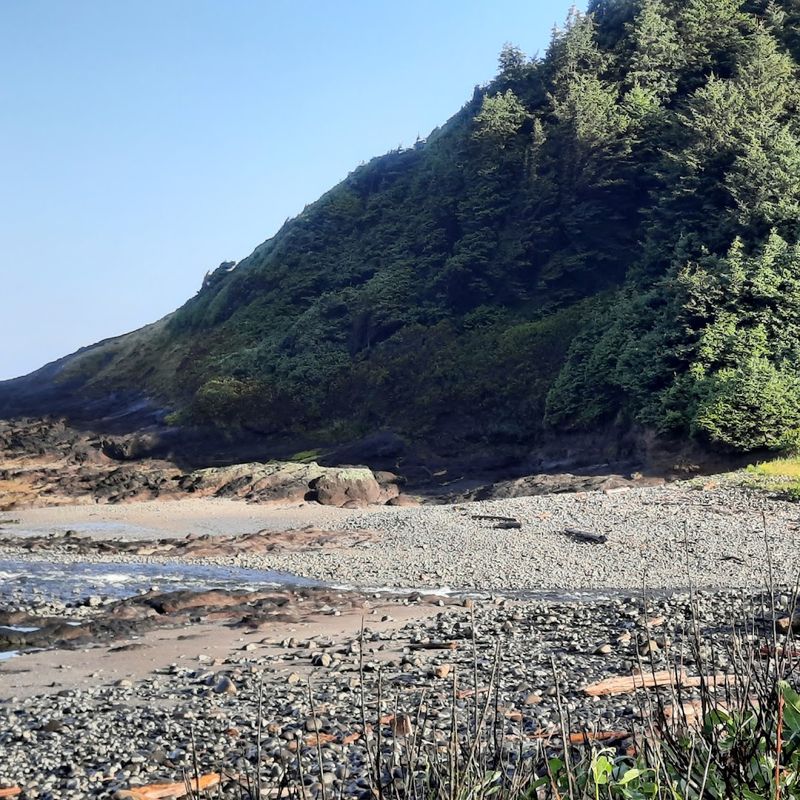
Seasoned rockhounds sometimes describe Neptune Beach in hushed, reverent tones, the way golfers talk about legendary courses. Located between Cape Perpetua and Heceta Head on Oregon’s central coast, this scenic viewpoint offers far more than a pretty view from the parking lot.
The real action is down on the beach itself.
Large black cobbles mixed with lighter gravel create a visually dramatic shoreline where colorful agates hide in plain sight once you train your eye. Nearby Cummins Creek plays a crucial role here.
It continuously carries fresh material down from inland geological deposits and delivers it directly onto the beach, essentially restocking the shelves for collectors on a regular basis.
The creek mouth area deserves extra attention, especially after heavy rain or winter storms when water levels surge and push new stones downstream. Agates found here often display rich orange and red tones that look spectacular when wet.
Bring a small spray bottle to re-wet dry stones for a more accurate preview of their true color. Neptune is not the easiest beach to access, but that mild inconvenience keeps crowds thin and finds plentiful for those willing to make the short hike down.
Moolack Beach
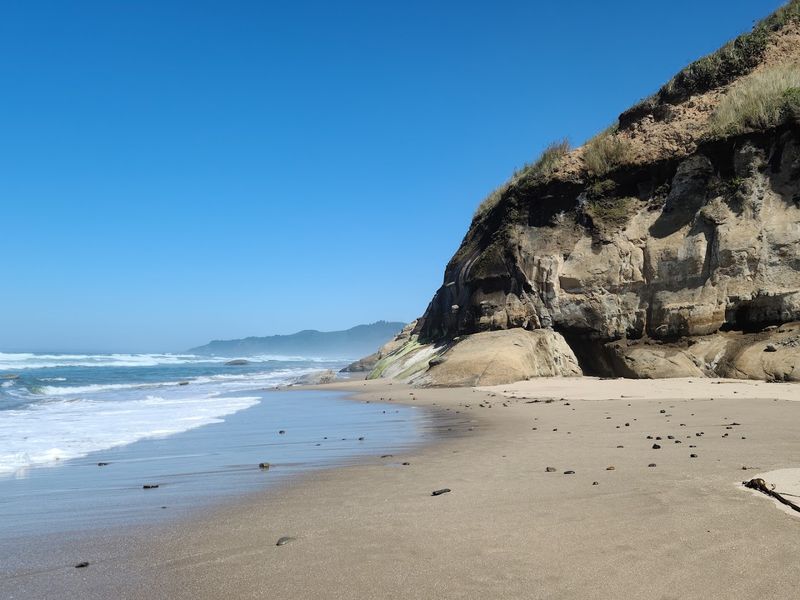
Moolack Beach is the kind of place that regulars prefer to keep quiet. Located just north of Newport, it consistently slips under the radar compared to its more famous neighbor, Agate Beach, even though it offers its own impressive lineup of beachcombing opportunities.
Fossil hunters in particular should pay close attention to this one.
Fossilized clams, marine shells, and ancient sedimentary formations regularly appear along the shoreline after heavy surf strips away sand and exposes older material beneath. The cliff faces here erode steadily throughout winter, dropping fresh fossil-bearing rock onto the beach where collectors can examine it up close without any digging required.
Agates also wash into the gravel beds at Moolack, particularly during the stormier months when powerful waves rework the entire beach profile. The combination of fossil potential and agate hunting in a quieter setting is genuinely hard to beat.
Parking is simple, access is easy, and the beach stretches far enough that you rarely feel crowded even on busier days. If you are already planning a trip to Newport, adding a quick stop at Moolack costs you almost nothing in time and could easily become the highlight of your whole coastal adventure.
Cape Blanco State Park
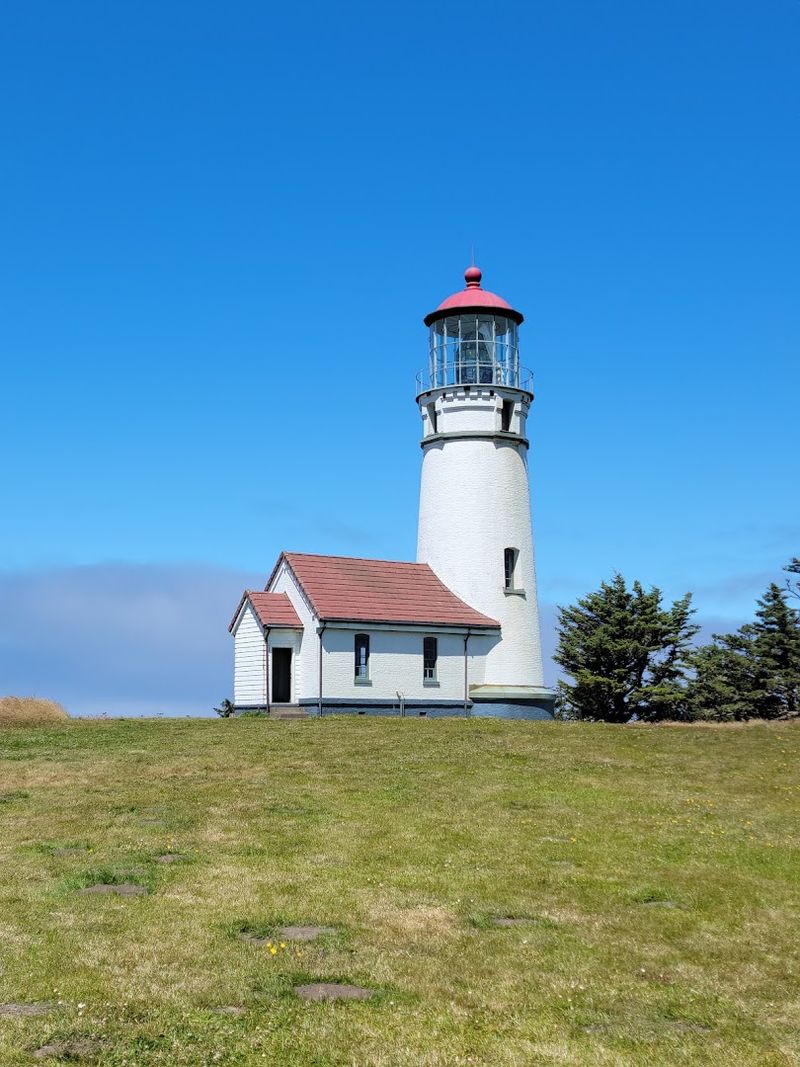
Oregon’s westernmost point sticks out into the Pacific like it has something to prove, and honestly, it does. Cape Blanco State Park combines a stunning historic lighthouse with some of the most productive agate hunting beaches on the entire Oregon coast.
The remote setting keeps casual visitors away, which is very good news for serious collectors.
Long gravel bars stretch along the shoreline near the Sixes River mouth, and powerful surf constantly works these deposits, sorting and polishing stones over time. Agates here range from pale yellow to deep reddish-orange, and the variety keeps hunters excited from the first scan to the last.
Fewer footprints in the gravel means less competition for the best finds.
The hike down to the beach from the park adds a bit of physical effort, but the payoff is a stretch of coastline that feels genuinely wild and largely untouched. Bald eagles occasionally patrol overhead, seals haul out on offshore rocks, and the lighthouse stands watch above it all.
Cape Blanco rewards patience with the kind of finds that make other beachcombers jealous when you casually pull them out of your jacket pocket at dinner that evening.
Lincoln City Beaches
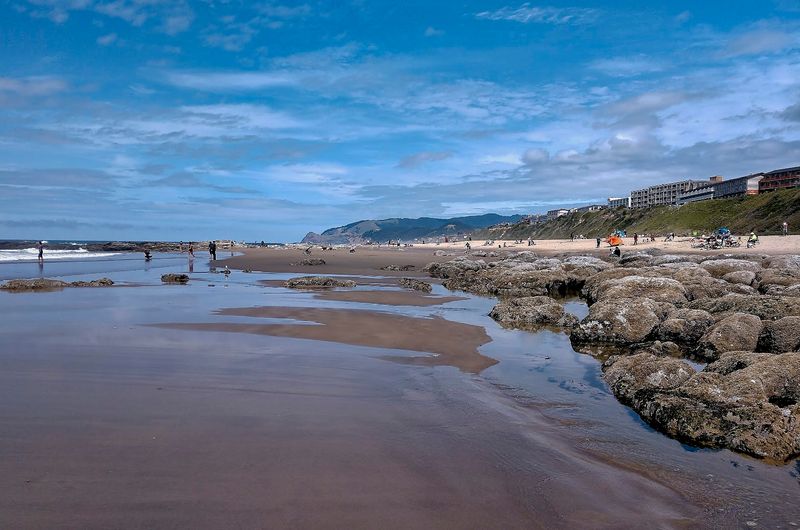
Lincoln City takes beachcombing seriously enough to make it an official part of the town’s identity. The city’s seven miles of coastline offer a surprisingly varied mix of sandy stretches and gravel pockets where sea glass, agates, and polished stones all make appearances depending on recent tides and storm activity.
Different sections reward different types of hunters.
Sea glass is a particular highlight here. Decades of coastal activity have left frosted pieces of green, brown, white, and the occasionally thrilling blue glass scattered along the shoreline.
Timing matters enormously. The best finds typically surface within a few hours of a strong outgoing tide, so checking a tide chart before your visit is genuinely worthwhile rather than just optional advice.
Lincoln City also runs a popular glass float program where hand-blown glass floats are secretly placed along the beach for visitors to discover. Finding one feels absolutely electric the first time it happens.
Even without that bonus, the city’s welcoming beachcombing culture, solid restaurant scene, and easy access from Portland make it one of the most visitor-friendly spots on the entire coast for anyone looking to combine a relaxed beach day with the thrill of finding natural treasures.
Gold Beach
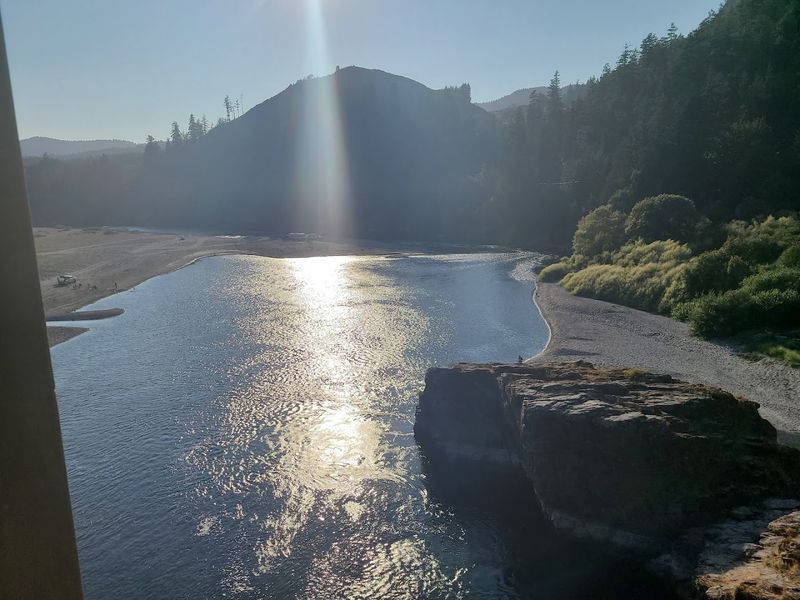
Gold Beach earned its name from actual gold flakes found in the sand during the 1850s, so the region has a long history of people showing up hoping to take something shiny home. Today the treasures are different but no less exciting.
The meeting point of the Rogue River and the Pacific Ocean creates a dynamic shoreline that constantly refreshes itself with new material from two directions at once.
River deposits carry agates, jasper, and colorful stones down from inland Oregon, while ocean currents deliver sea glass and additional polished material from the opposite direction. The result is a beach that changes meaningfully with every significant tide cycle.
Collectors who visit multiple times in the same season often report finding completely different material each trip.
The southern Oregon coast gets fewer visitors than areas closer to Portland, which means Gold Beach retains a genuinely unhurried atmosphere. Local shops carry rockhounding guides and identification charts that help beginners figure out exactly what they have found.
The Rogue River itself is legendary for fishing and jet boat tours, so non-beachcombing members of your group will not be bored while you spend three hours staring happily at the gravel. Everyone wins here.
Share this story