Summer 1993 marked a breakthrough moment for alternative rock as the genre exploded from college radio into the mainstream. Grunge still dominated headlines, but the charts told a bigger story, with heavy guitar bands, dreamy indie acts, and offbeat one-hit wonders all sharing space on MTV and radio playlists.
No single sound defined the summer. Instead, it was a mix of styles, attitudes, and unforgettable songs that captured alternative rock at its most exciting and unpredictable.
These 12 tracks helped define one of the genre’s most important summers.
1. Runaway Train – Soul Asylum
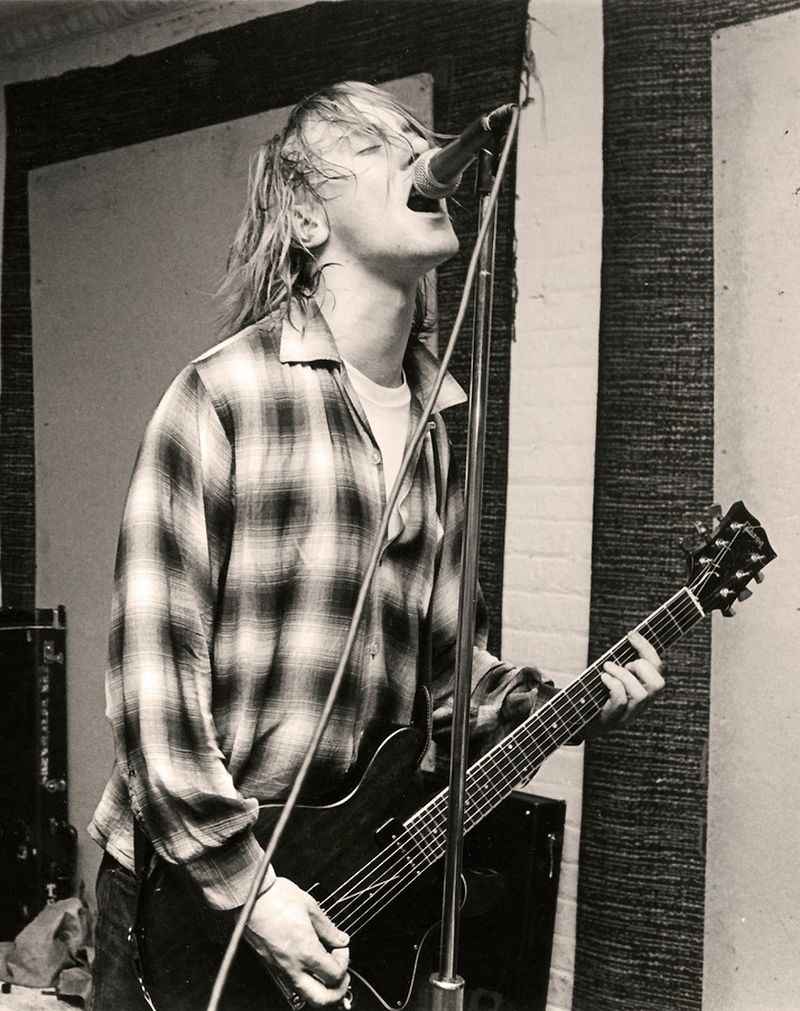
Few songs in 1993 managed to be emotionally heavy and genuinely radio-friendly at the same time, but Soul Asylum pulled it off with precision. “Runaway Train” spent weeks on the Billboard Hot 100 and crossed over from alternative radio into mainstream pop rotation with almost no resistance.
The music video, which featured real missing persons cases, gave the song a purpose beyond entertainment. It reportedly helped reunite several missing individuals with their families, which brought national media attention to the band and the song simultaneously.
Soul Asylum had been releasing records since the mid-1980s without breaking through commercially. “Runaway Train” changed everything for the Minneapolis band almost instantly. It won the Grammy Award for Best Rock Song in 1994, confirming that its success was not just a summer fluke.
The song appeared on the album “Grave Dancers Union,” which sold over three million copies in the United States. For a band that had spent years on independent labels, that kind of commercial reach was a genuine milestone.
2. Plush – Stone Temple Pilots
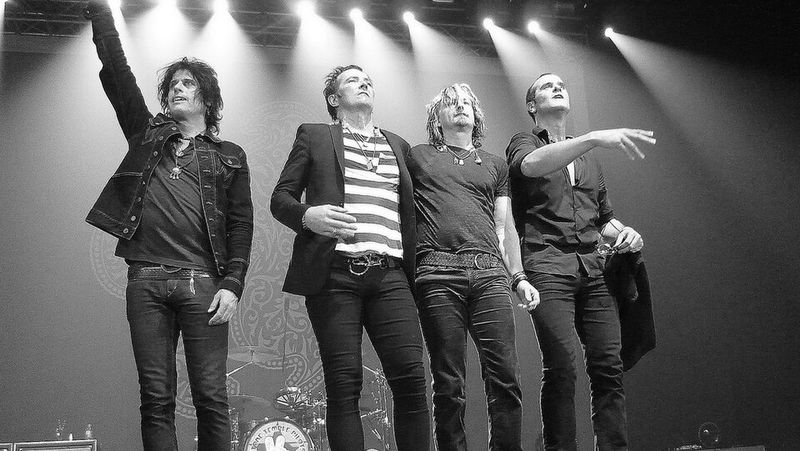
Stone Temple Pilots entered 1993 as one of the most debated new bands in rock. Critics spent much of the year accusing them of copying Seattle grunge trends, while radio audiences and record buyers completely ignored the debate and made “Plush” a massive hit anyway.
The song reached number one on the Billboard Mainstream Rock chart and stayed there for weeks. Scott Weiland’s vocal style drew constant comparisons to Eddie Vedder of Pearl Jam, but the band’s guitar work and songwriting had enough personality to stand on their own terms.
“Plush” came from the debut album “Core,” which had actually been released in 1992 but gained most of its commercial momentum through 1993. The album eventually sold over eight million copies in the United States alone.
The song won a Grammy Award for Best Hard Rock Performance with Vocal in 1994. Whatever critics thought of the band’s originality, the commercial and critical recognition was impossible to dismiss by the end of that year.
3. No Rain – Blind Melon
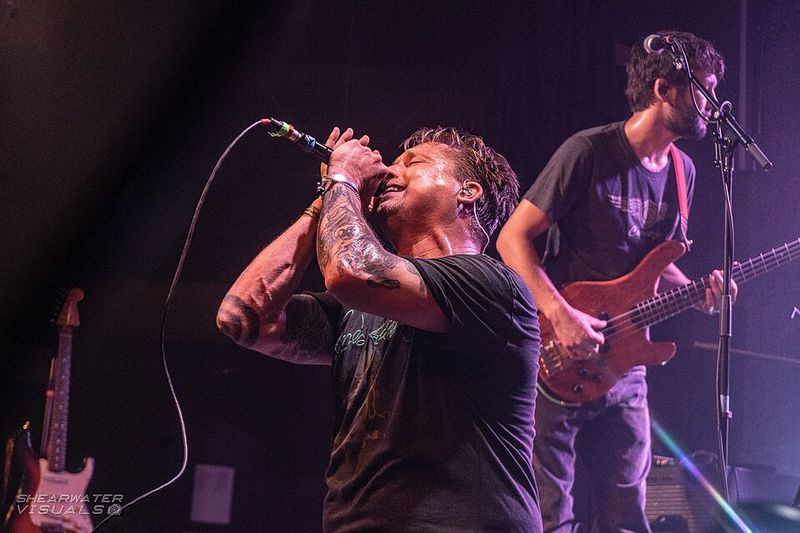
The “Bee Girl” in the “No Rain” music video became one of the most recognizable images MTV broadcast during the entire summer of 1993. The video followed a young girl in a bumblebee costume who finally found her people at the end, and it connected with viewers in a way that felt genuinely sincere rather than calculated.
Blind Melon brought a looser, more psychedelic energy to alternative radio at a time when heavy distortion and emotional intensity were dominating rock charts. “No Rain” was bright and melodic, which made it stand out clearly from its competition.
The song came from the band’s self-titled debut album and climbed to number one on the Billboard Mainstream Rock Tracks chart. Shannon Hoon’s relaxed vocal delivery gave the track an easygoing personality that felt unlike most alternative hits of the moment.
Blind Melon never fully replicated the success of “No Rain,” but the song’s cultural footprint remained large throughout the decade and well beyond. The Bee Girl became a genuine piece of 1990s pop culture history.
4. Heart-Shaped Box – Nirvana
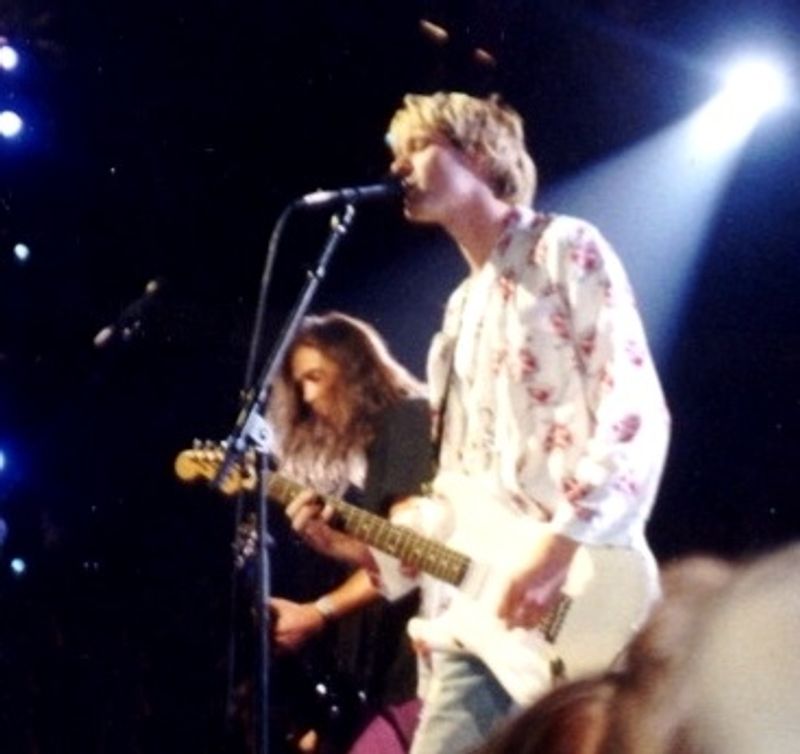
Released in August 1993 as the lead single from “In Utero,” “Heart-Shaped Box” arrived with enormous expectations and met nearly all of them. Nirvana had spent two years as the biggest band in alternative rock following “Nevermind,” and this was their statement that they had no interest in repeating that album’s polished sound.
“In Utero” was produced by Steve Albini and had a deliberately raw, abrasive quality that some radio programmers found difficult to work with. “Heart-Shaped Box” was the accessible entry point into that harder record, and it still reached the top of multiple rock charts internationally.
The music video, directed by Anton Corbijn, featured surreal imagery that received heavy MTV rotation and reinforced Nirvana’s status as one of the most visually interesting bands of the era. The clip felt genuinely strange compared to most rock videos of the period.
“Heart-Shaped Box” reached number one on the Billboard Mainstream Rock chart and number one in the UK. It remains one of the most recognized Nirvana songs from their later catalog.
5. What’s Up? – 4 Non Blondes
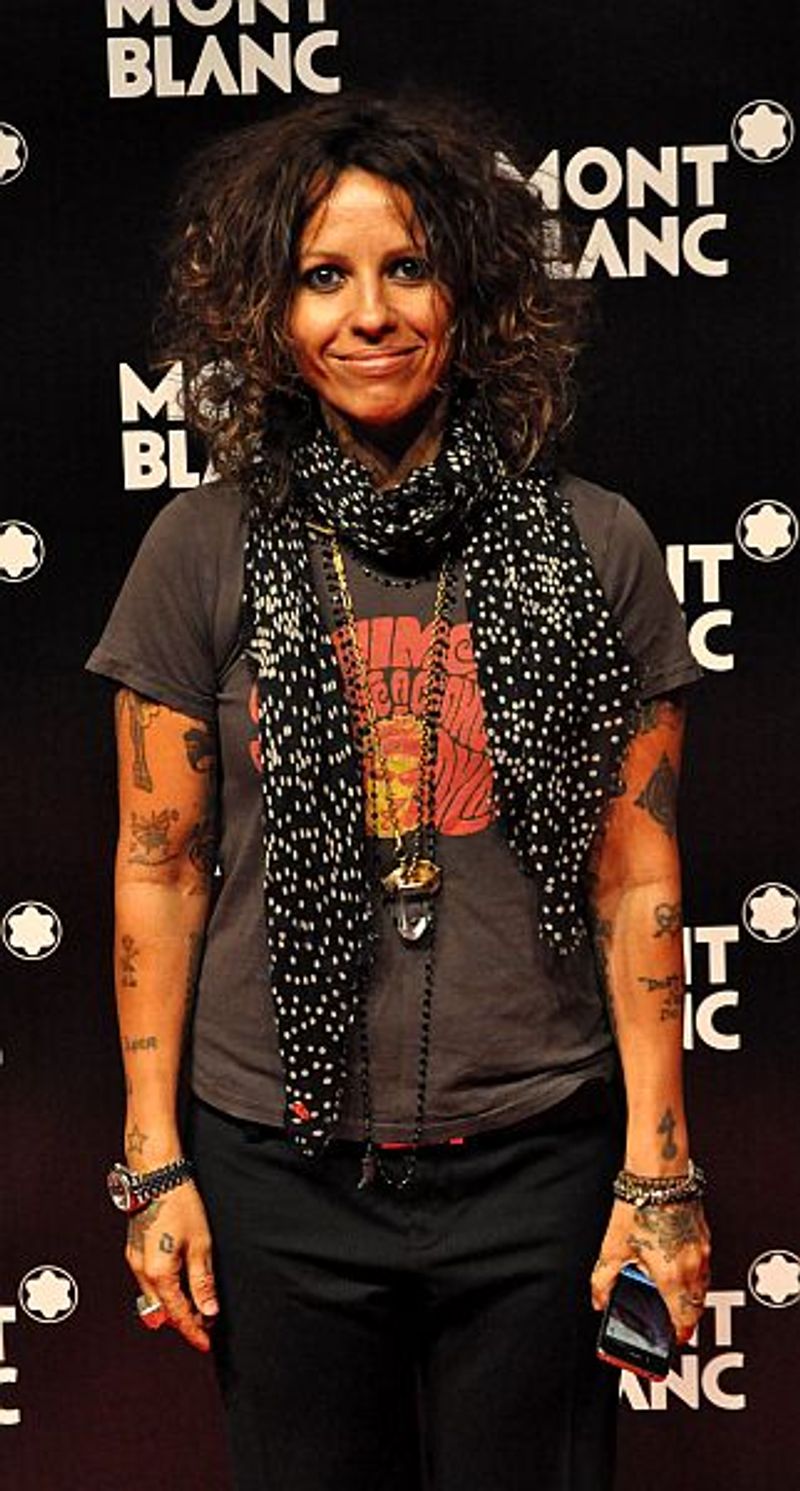
“What’s Up?” spent so much time on radio in 1993 that it became nearly impossible to avoid, regardless of what station you were listening to. The song crossed format boundaries with unusual ease, appearing on alternative rock, pop, and adult contemporary playlists simultaneously during the summer months.
Linda Perry wrote and sang the track with a raw emotional intensity that gave it a quality most polished pop hits lacked at the time. The song built slowly from a quiet opening into a repeated vocal crescendo that radio listeners responded to immediately.
4 Non Blondes released “Bigger, Better, Faster, More” in 1992, but the album and its lead single gained most of their commercial traction through 1993. The band had a distinct visual identity, with Perry’s oversized hats and eclectic style making them recognizable on MTV.
The group did not release a follow-up album, which made “What’s Up?” their defining cultural moment. Perry went on to become one of the most successful songwriters and producers of the following decade.
6. Cannonball – The Breeders
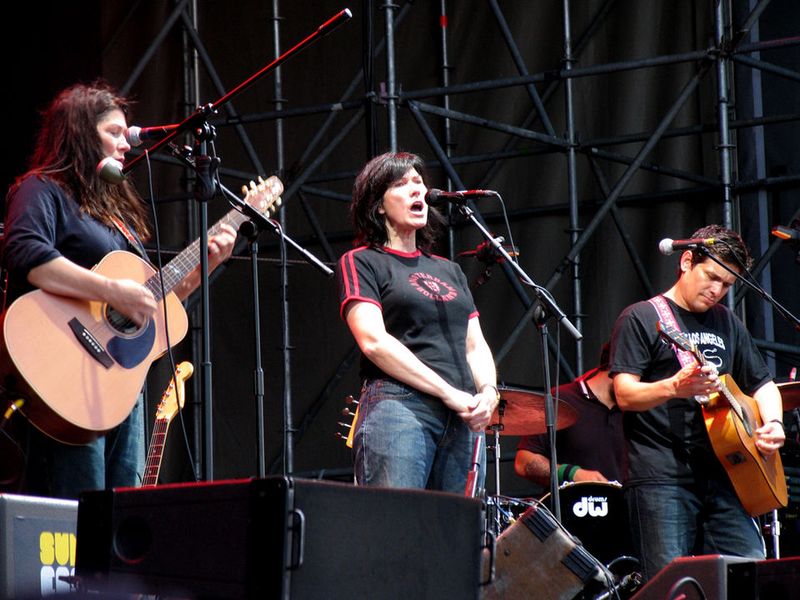
The Breeders released “Last Splash” in August 1993 and “Cannonball” became the album’s breakthrough single almost immediately. Kim Deal had already built a strong reputation as the bassist and co-songwriter for the Pixies, but “Cannonball” established the Breeders as a fully independent creative force.
The song had an unusual structure that worked against conventional radio logic, yet it became one of the most-played alternative tracks of the late summer and fall of 1993. Its opening guitar riff was immediately recognizable, and MTV gave the video heavy rotation throughout the season.
“Last Splash” sold over one million copies in the United States, which was a significant commercial achievement for a band on a relatively small independent label. The album’s success helped demonstrate that indie-distributed records could compete directly with major label releases on sales charts.
“Cannonball” reached the top ten on the Billboard Modern Rock Tracks chart and remains one of the most critically respected alternative singles of the entire decade. The Breeders’ influence on 1990s indie rock was substantial and long-lasting.
7. Linger – The Cranberries
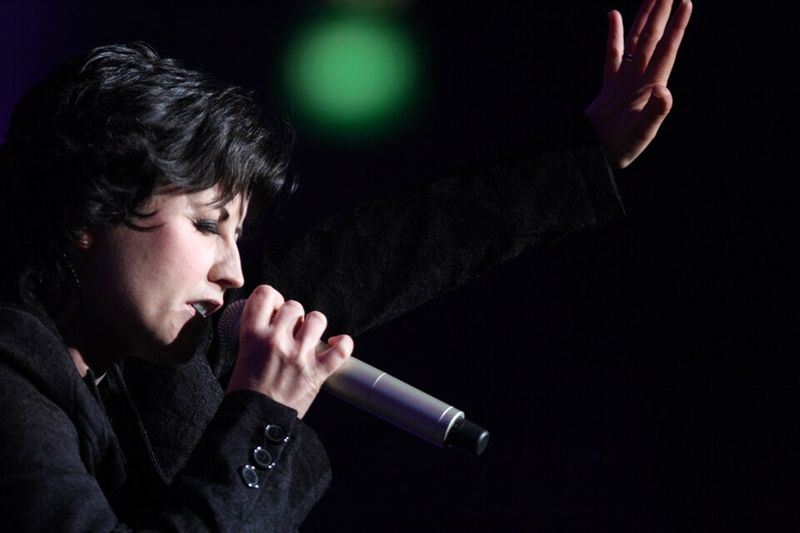
The Cranberries introduced millions of American listeners to their sound through “Linger,” a song that relied entirely on Dolores O’Riordan’s distinctive vocal delivery to carry its emotional weight. There was nothing else on alternative radio in 1993 that sounded remotely like it.
The song had actually been recorded for the band’s 1993 debut album “Everybody Else Is Doing It, So Why Can’t We?” but gained most of its US chart momentum through the summer and fall of that year. Island Records pushed it hard to alternative radio programmers across the country.
O’Riordan’s voice had a quality that stood apart from the harder, grunge-influenced sounds dominating rock radio at the time. “Linger” offered something quieter and more melodic, and it found a large audience because of that contrast rather than despite it.
The song reached number eight on the Billboard Hot 100 and helped the Cranberries build a fanbase in the United States that supported two more commercially successful albums through the mid-1990s. Their Irish origins added an international dimension to the American alternative scene.
8. Soul to Squeeze – Red Hot Chili Peppers
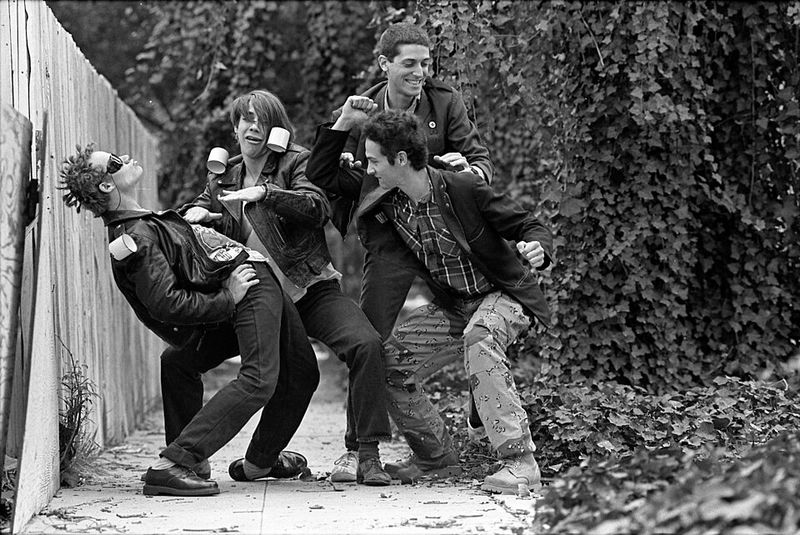
“Soul to Squeeze” appeared on the “Coneheads” movie soundtrack in 1993 rather than on a Red Hot Chili Peppers studio album, which made its commercial success even more impressive. The song reached number one on the Billboard Mainstream Rock chart and became one of the band’s most recognized tracks despite its unusual release format.
The Chili Peppers had already established themselves as one of the biggest alternative acts in the world following the massive success of “Blood Sugar Sex Magik” in 1991 and 1992. “Soul to Squeeze” showed they could deliver a more restrained, melodic song without losing any of their commercial momentum.
The track was actually recorded during the “Blood Sugar Sex Magik” sessions but left off the album. Its release as a standalone single in 1993 gave fans a new piece of material during the gap between major studio records.
The music video received significant MTV airplay through the summer months. The song later appeared on the band’s 1994 greatest hits compilation “What Hits?,” confirming its status as a genuine fan favorite from that period.
9. I Feel You – Depeche Mode
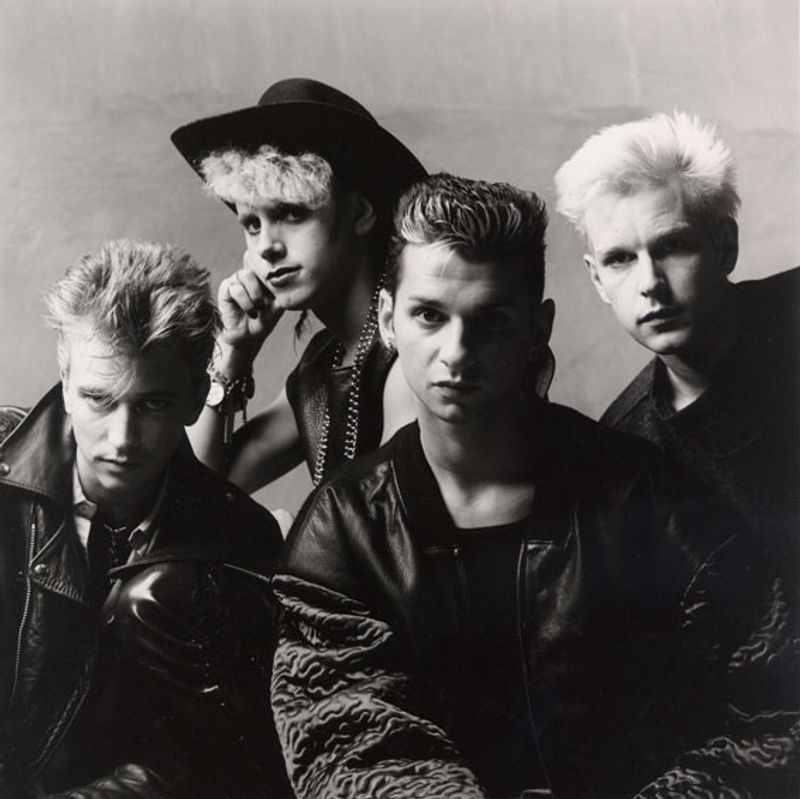
Depeche Mode had spent the 1980s building one of the most devoted fanbases in electronic alternative music, and “I Feel You” represented a sharp stylistic shift that surprised many of those longtime followers. The song was built around a distorted blues guitar riff rather than synthesizers, marking a clear move toward a harder rock sound.
Released as the lead single from “Songs of Faith and Devotion” in early 1993, “I Feel You” reached number one on the Billboard Modern Rock Tracks chart and became one of the band’s biggest American hits. The accompanying tour sold out arenas across the United States.
The shift toward guitar-driven rock was deliberate. The band wanted to connect with the alternative rock audience that had grown substantially since the late 1980s, and the strategy worked commercially even if it divided critical opinion among longtime fans.
“Songs of Faith and Devotion” debuted at number one in the UK and reached number one in several other countries. It remains one of the band’s best-selling records and “I Feel You” stands as one of the defining alternative rock singles of that specific moment in 1993.
10. Cherub Rock – The Smashing Pumpkins
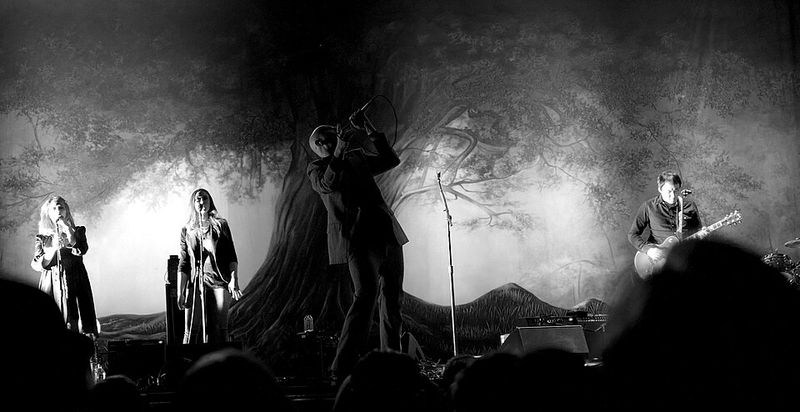
“Cherub Rock” opened the Smashing Pumpkins’ “Siamese Dream” album in July 1993 with a guitar arrangement so dense and layered that it immediately signaled the record would not sound like anything else released that year. Billy Corgan had reportedly recorded most of the guitar parts himself during a difficult recording process in Atlanta.
The song was released as the lead single and reached number one on the Billboard Modern Rock Tracks chart. Its lyrics took direct aim at music industry gatekeepers and alternative radio tastemakers, which gave it an adversarial quality that alternative fans responded to strongly.
“Siamese Dream” debuted at number ten on the Billboard 200 and eventually sold over four million copies in the United States. The album’s commercial and critical success transformed the Smashing Pumpkins from a respected Chicago band into one of the most important acts in alternative rock history.
Corgan’s songwriting on “Siamese Dream” was ambitious in ways that most alternative rock of the period was not, blending pop melody with heavy guitar production across a full album rather than a single track. “Cherub Rock” announced that ambition immediately.
11. Hey Jealousy – Gin Blossoms

The Gin Blossoms came from Tempe, Arizona, and “Hey Jealousy” gave them a platform that far exceeded anything their regional fanbase could have predicted. The song had been circulating in demo form for years before the band’s major label debut, and by 1993 it had developed into one of the cleanest guitar-pop hooks in alternative radio history.
“Hey Jealousy” reached the top twenty on the Billboard Hot 100 and became one of the most-played songs across multiple radio formats during the summer. Its combination of jangly guitar work, strong melody, and emotionally direct lyrics made it broadly appealing without feeling calculated.
The song was written by Doug Hopkins, the band’s original guitarist, who had been asked to leave the group before the album’s release due to personal difficulties. The credit situation created a complicated legacy around the song’s success.
“New Miserable Experience” sold over two million copies in the United States, with “Hey Jealousy” serving as the primary commercial engine. The Gin Blossoms became one of the defining bands of the mid-1990s alternative pop movement that followed grunge’s peak commercial moment.
12. Daughter – Pearl Jam
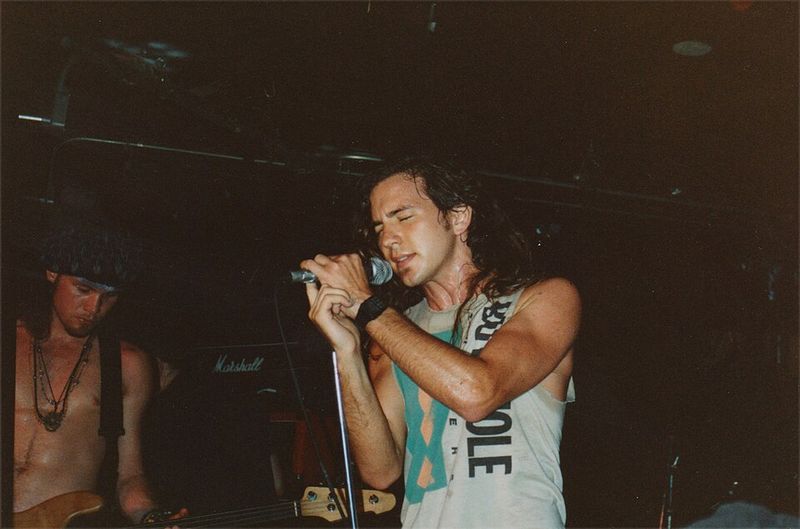
Pearl Jam recorded “Daughter” for their second album “Vs.,” which was released in October 1993 and broke the first-week sales record for a debut album at the time, moving nearly one million copies in its opening seven days. The song became heavily associated with alternative radio’s late summer and fall rotation that year.
“Daughter” had a quieter, more measured quality than much of Pearl Jam’s earlier work. Eddie Vedder’s vocal approach on the track was restrained compared to the more aggressive performances on “Ten,” and that shift in dynamic helped broaden the band’s appeal even further.
The song addressed serious subject matter through understated storytelling rather than direct confrontation, which gave it a staying power that more aggressive tracks sometimes lacked. It reached number one on the Billboard Mainstream Rock chart and became a defining moment in the band’s second album campaign.
Pearl Jam was already one of the biggest bands in the world by the time “Vs.” arrived, but “Daughter” demonstrated they were capable of growth and restraint rather than simply repeating a proven commercial formula. That willingness to evolve was central to their long-term reputation.
Share this story