 Unearth The Voyage

Smoking is still a massive part of daily life in many European countries, even as health campaigns work hard to change habits. Some nations have rates so high that nearly half the adult population lights up regularly.
Whether it is culture, affordability, or tradition, the reasons vary from country to country. Here is a look at the ten European countries where smoking is most common, and what makes each one stand out.
Bulgaria
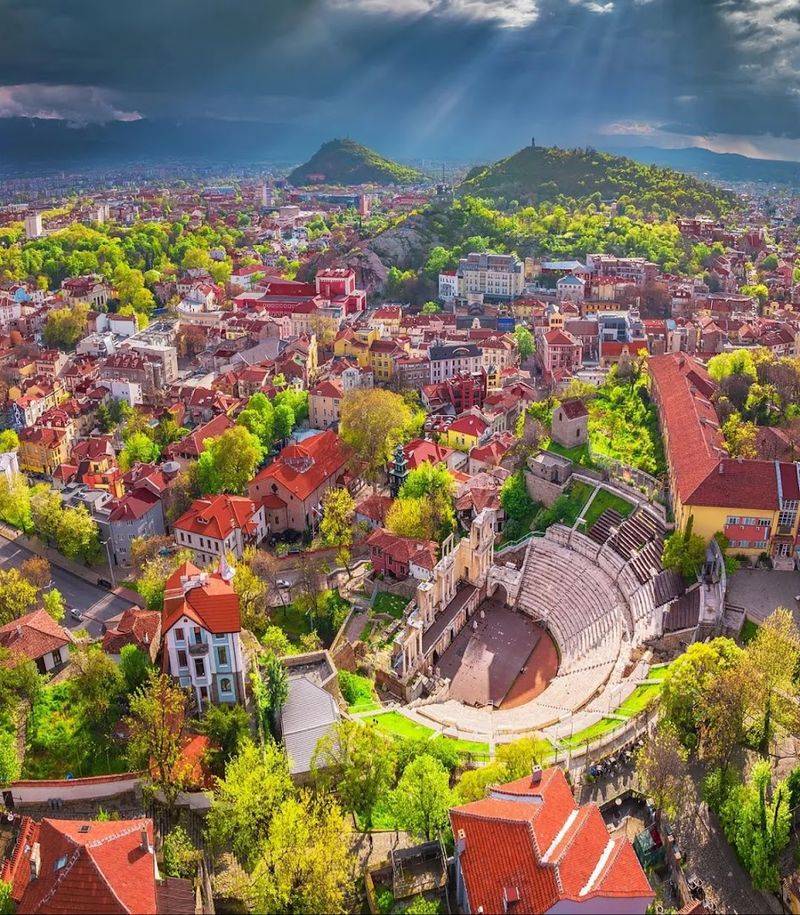
Bulgaria holds the uncomfortable crown of being the heaviest-smoking country in the European Union, and the numbers back it up. Around 37% of Bulgarian adults smoke regularly, with men leading the statistics by a wide margin.
That means nearly four out of every ten people you pass on the street may have a cigarette in hand.
Cigarettes in Bulgaria are among the cheapest in all of Europe, making it easy for the habit to stick around. A pack can cost a fraction of what smokers pay in Western Europe, which removes one of the biggest financial reasons to quit.
When price is not a barrier, quitting becomes a personal battle rather than a practical one.
Smoking has been woven into Bulgarian social culture for generations. Friends share cigarettes at cafes, family gatherings often include smokers, and the habit carries little social stigma.
Public health campaigns have been launched, but changing a deeply rooted cultural norm takes time. Bulgaria remains the EU’s top tobacco consumer, and that title is unlikely to disappear overnight.
Greece

Walk into almost any cafe in Athens and you will notice the familiar haze of cigarette smoke drifting through the air. Greece has one of the highest smoking rates in Europe, with roughly 35 to 36% of the population using tobacco regularly.
That number has barely budged despite years of anti-smoking legislation.
Smoking in Greece is not just a habit — it is practically a social ritual. Cafes, tavernas, and public squares have long been spaces where lighting up is as natural as ordering a coffee.
The Mediterranean lifestyle, built around long social gatherings, creates the perfect environment for tobacco to thrive.
Greece has introduced stricter anti-smoking laws over the years, including indoor smoking bans. The problem is enforcement.
In many establishments, the rules are quietly ignored, and authorities rarely step in. Studies have shown that Greece enforces its smoking bans far less consistently than other EU countries.
Younger Greeks are also smoking at notable rates, which suggests the habit is being passed down rather than fading out. Without stronger enforcement and cultural shifts, Greece will likely remain near the top of Europe’s smoking rankings for years to come.
Croatia
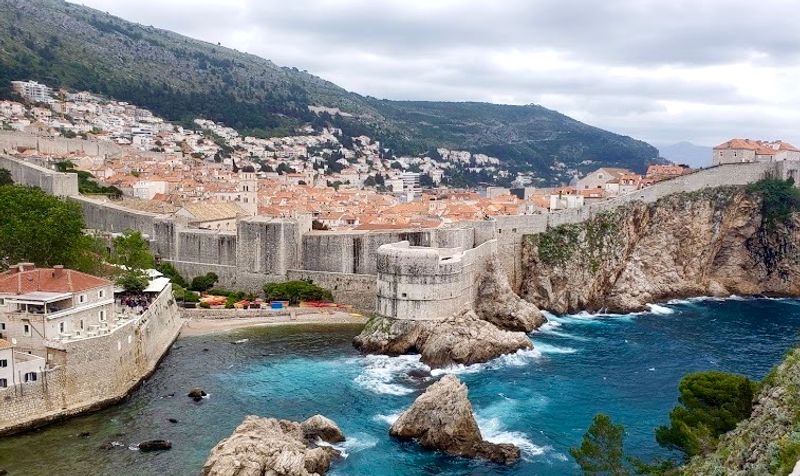
Croatia sits comfortably — or rather, uncomfortably — near the top of Europe’s smoking charts, with about 35% of adults lighting up regularly. That places it well above the EU average and firmly in the company of its Balkan neighbors, where tobacco use has historically been high across the board.
What makes Croatia’s numbers particularly striking is how evenly spread the habit is. Smoking is not concentrated in one age group or one region — it shows up in cities, small towns, and rural areas alike.
Young adults smoke, middle-aged adults smoke, and older generations have smoked for decades without much pressure to stop.
Social settings in Croatia often revolve around outdoor cafes and bars, where smoking is part of the atmosphere. Even with regulations in place, the smell of cigarettes is a familiar feature of Croatian nightlife and daytime hangouts alike.
Enforcement of indoor bans can be inconsistent, which keeps smoking visible in public life.
Croatia joined the EU in 2013 and has since adopted various tobacco control measures. Progress is happening, but slowly.
Cultural norms around smoking are stubborn, and real change will require both stronger policy and a shift in public attitude toward tobacco.
Serbia
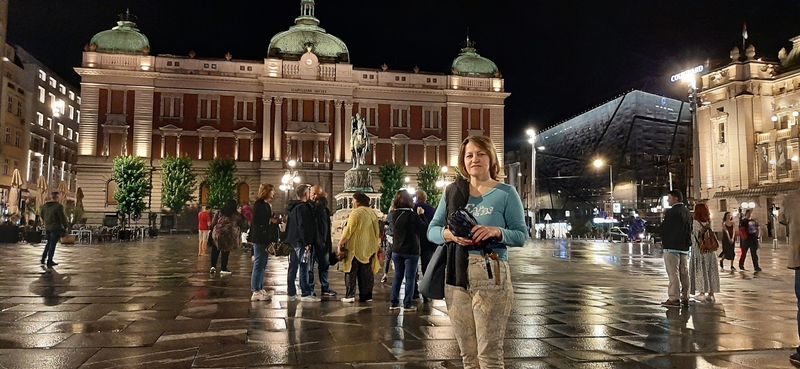
Serbia tops many European smoking lists with a staggering rate of around 40% — meaning roughly four in ten adults are regular smokers. That is one of the highest rates anywhere on the continent, and it reflects how deeply tobacco is embedded in Serbian daily life.
Part of the reason smoking is so widespread in Serbia is simple economics. Cigarettes are genuinely affordable compared to Western European countries.
When a pack costs very little, the financial motivation to quit largely disappears. Combined with a culture where smoking is socially accepted and rarely judged, the habit finds little resistance.
Serbia is not an EU member, which means it operates under different regulatory frameworks. While the country has introduced some tobacco control measures, enforcement is less rigorous than in many EU nations.
Smoking is still permitted in a wide range of indoor spaces, including some restaurants and bars.
Public health organizations have been working to raise awareness about the dangers of tobacco, and younger generations are beginning to show some awareness of the risks. However, real behavioral change takes time.
Serbia’s smoking rate has remained stubbornly high for years, and without major policy shifts, it is likely to stay that way for the foreseeable future.
Bosnia and Herzegovina

Sarajevo’s old bazaar smells of grilled meat, strong coffee, and — almost inevitably — cigarette smoke. Bosnia and Herzegovina reports smoking rates of around 36% among adults, placing it squarely among Europe’s most tobacco-heavy nations.
The habit is as much a part of daily social life as conversation itself.
Economic conditions play a major role in keeping smoking rates high. Bosnia and Herzegovina is one of the poorer countries in Europe, and cigarettes remain relatively cheap.
When budgets are tight and stress is high, tobacco becomes a go-to comfort for many people. The low cost makes quitting feel less financially urgent.
Cultural acceptance of smoking runs deep here. Cafes are social hubs, and lighting up while chatting over coffee is completely normal.
There is little social pressure to avoid smoking, and non-smokers are often in the minority in social settings. This normalization makes it difficult for anti-smoking messages to gain real traction.
Public health infrastructure in Bosnia and Herzegovina is still developing, and tobacco control policies lag behind EU standards. Awareness campaigns exist, but resources are limited.
Until smoking carries a stronger social stigma and cigarettes become less affordable, the rates are unlikely to drop significantly anytime soon.
Romania

Romania clocks in at around 34% of adults using tobacco, making it one of the EU’s most persistent smoking nations. The country has seen a slight dip in smoking rates over recent years, but the overall picture remains one where tobacco is a very normal part of adult life.
Men in Romania smoke at particularly high rates compared to women, though the gap has been narrowing. Younger women are taking up smoking at rates that concern public health officials, suggesting the habit is not simply a holdover from older generations but is actively being adopted by new ones.
Romania has introduced several anti-smoking measures, including indoor smoking bans and restrictions on tobacco advertising. The laws have had some impact, particularly in larger cities like Bucharest, where enforcement tends to be more consistent.
In smaller towns and rural areas, however, regulations are often loosely followed.
Cigarette prices in Romania remain lower than in Western Europe, which limits the financial pressure to quit. Health education efforts are ongoing, but changing habits that are tied to social identity takes more than a campaign.
Romania’s smoking culture is shifting, just not as fast as public health advocates would hope.
Latvia
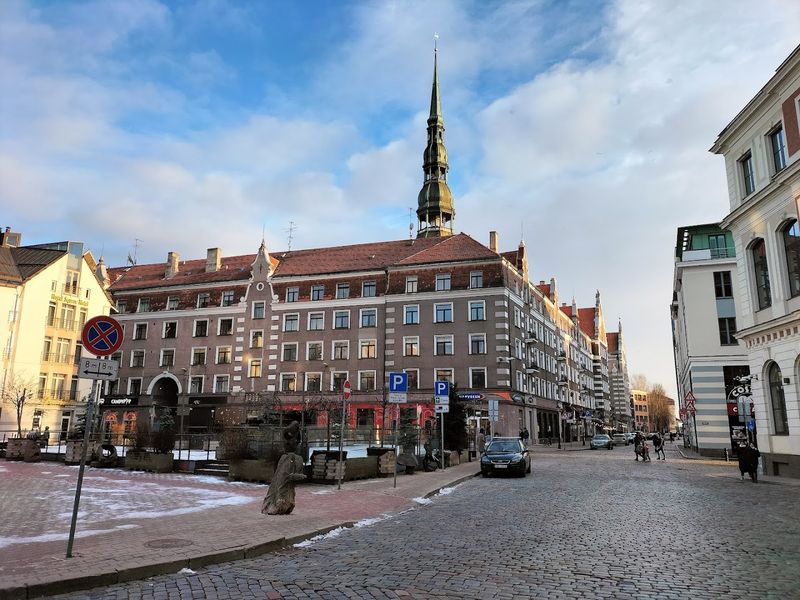
Cold Baltic winters, long evenings, and a smoking rate that puts Latvia among the EU’s most tobacco-reliant nations — it is quite a combination. Roughly 25% of Latvian adults smoke regularly overall, but among men the figure climbs significantly higher, making male smoking a particularly serious public health concern.
Latvia has introduced anti-smoking policies over the years, including graphic warning labels on cigarette packs and restrictions on where people can smoke. These measures have had some effect, and Latvia’s rates have gradually declined compared to peaks seen in earlier decades.
Still, the numbers remain well above what EU health targets would like.
Historical and cultural factors have shaped Latvia’s relationship with tobacco. Smoking was extremely common during the Soviet era, and habits formed over generations do not disappear quickly.
Older Latvians who grew up in a culture where smoking was normal are among the most resistant to changing their behavior.
Latvia also has significant health disparities linked to tobacco use. Smoking-related diseases contribute heavily to the country’s mortality rates, particularly among middle-aged men.
The government continues to push tobacco control measures, and younger generations are smoking less than their parents did — a promising sign for the long-term trend.
Hungary
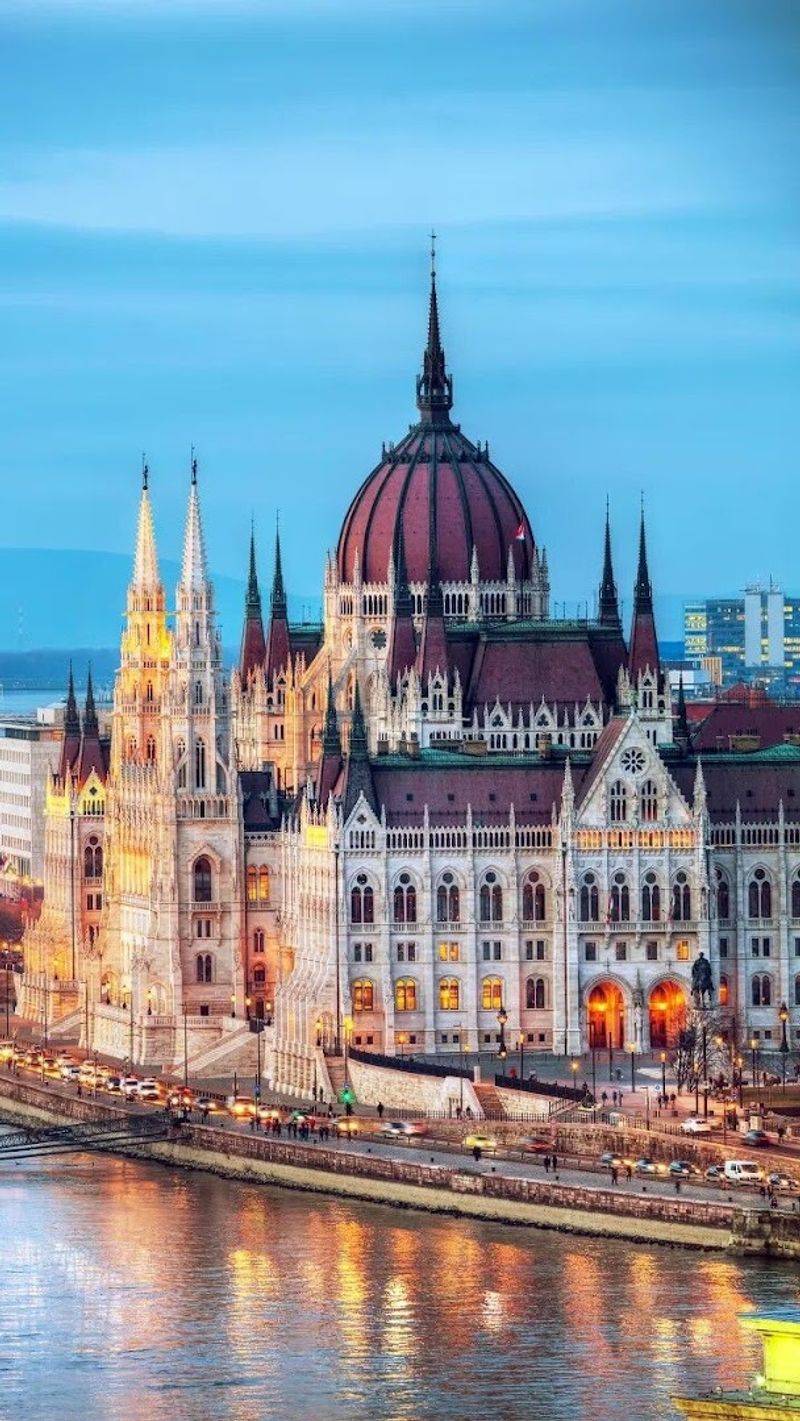
Budapest is famous for its thermal baths, ruin bars, and grand architecture — but it also has a smoking culture that keeps Hungary firmly on Europe’s high-tobacco list. Around 30 to 32% of Hungarian adults use tobacco products regularly, a rate that sits well above the EU average.
Hungary actually made bold moves in tobacco control when it nationalized cigarette sales in 2013, restricting where tobacco products could be purchased. The policy was controversial and did reduce some impulse buying, but it did not dramatically slash smoking rates.
People who want cigarettes find ways to get them.
Smoking in Hungary is most common among adults aged 30 to 59, which suggests the habit took hold in younger years and stuck around through adulthood. Young Hungarians are smoking slightly less than previous generations, which offers a glimmer of hope for future trends.
The economic side matters here too. Cigarette prices in Hungary are moderate compared to Western Europe, keeping tobacco accessible to most income groups.
The government has used tax increases to push prices higher, but the increases have not been dramatic enough to deter determined smokers. Hungary’s tobacco challenge is real, ongoing, and unlikely to resolve itself without continued pressure.
Cyprus

Sunshine, sea views, and a cigarette in hand — that is a scene you will encounter regularly in Cyprus, where smoking rates hover around 36% of the adult population. That figure places the island nation among the highest in Europe and reflects a Mediterranean attitude toward tobacco that is slow to change.
What stands out about Cyprus is who is smoking. Younger adults, including those in their twenties, smoke at notably high rates compared to EU peers.
This is not just an older generation holding onto old habits — it is a pattern that is actively being passed on, which makes long-term reduction tricky.
Cyprus has implemented EU-aligned tobacco control laws, including indoor smoking bans in restaurants, bars, and workplaces. Enforcement, however, varies.
In tourist-heavy areas especially, rules can be applied loosely, and smoking in technically restricted spaces is not uncommon. The gap between policy and practice is a persistent problem.
Culturally, smoking in Cyprus carries minimal social stigma. Social life revolves around cafes and outdoor gatherings where lighting up is routine.
Anti-smoking messaging has grown more visible in recent years, but competing against a deeply normalized behavior requires consistent, long-term effort. Cyprus has the rules — it just needs the follow-through.
France

France has spent decades cultivating an image of effortless cool, and somehow the cigarette has always been part of that picture. Around 35% of French adults use tobacco products, a figure that surprises many given how aggressively France has campaigned against smoking over the past two decades.
Anti-smoking efforts in France have actually been some of the most comprehensive in Europe. Plain packaging laws, steep tax hikes, and sweeping indoor smoking bans have all been introduced.
Cigarette prices have climbed dramatically, with a pack now costing significantly more than in Eastern European countries. And yet, the rates remain stubbornly high.
The cultural connection between French social life and smoking is hard to overstate. Cafe terraces, post-dinner conversations, and long lunches have historically included cigarettes as a backdrop.
That association does not dissolve simply because a law changes or a price goes up. Behavior tied to identity and lifestyle is the hardest kind to shift.
France does show signs of slow progress. Younger generations are smoking slightly less than their parents did, and awareness of health risks is high.
The challenge is converting awareness into action. France rounds out this list not because it has given up, but because old habits, even in stylish packaging, are incredibly hard to break.



