 Unearth The Voyage
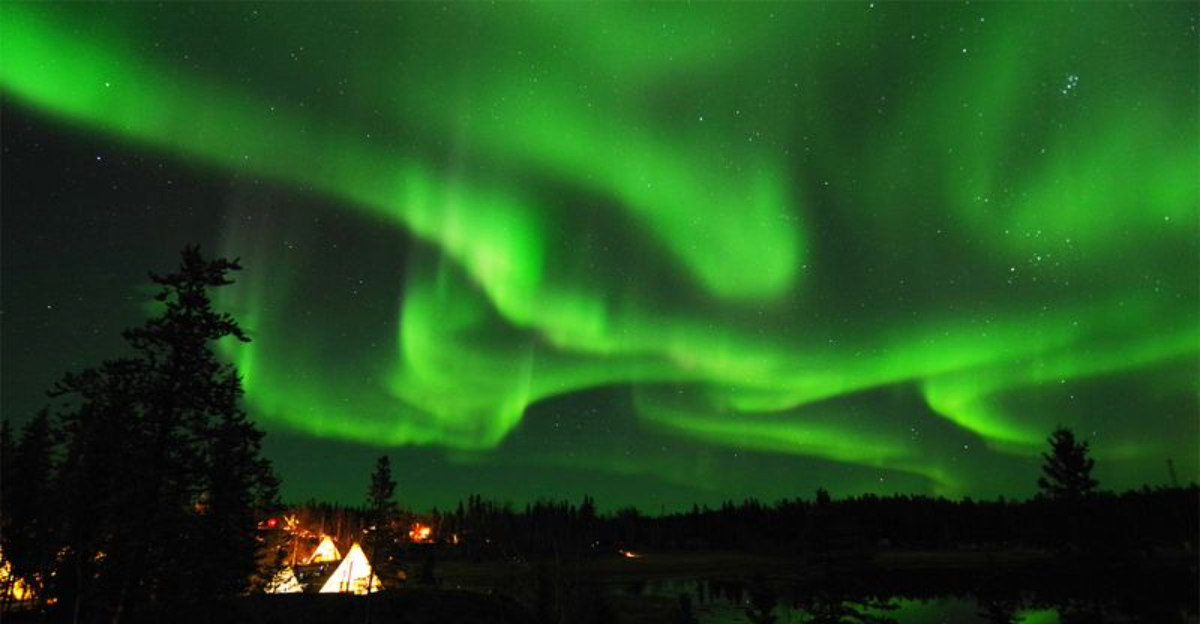
If the idea of emerald and violet ribbons rippling across a star stuffed sky gives you chills, you are in the right place. The Northern Lights reward those who chase darkness, patience, and the right latitude with moments you will never forget. These 15 destinations consistently deliver the best shot at aurora magic thanks to clear skies, smart geography, and low light pollution. Ready to stand under the glow and feel time slow down as the sky begins to dance above you?
Tromsø, Norway
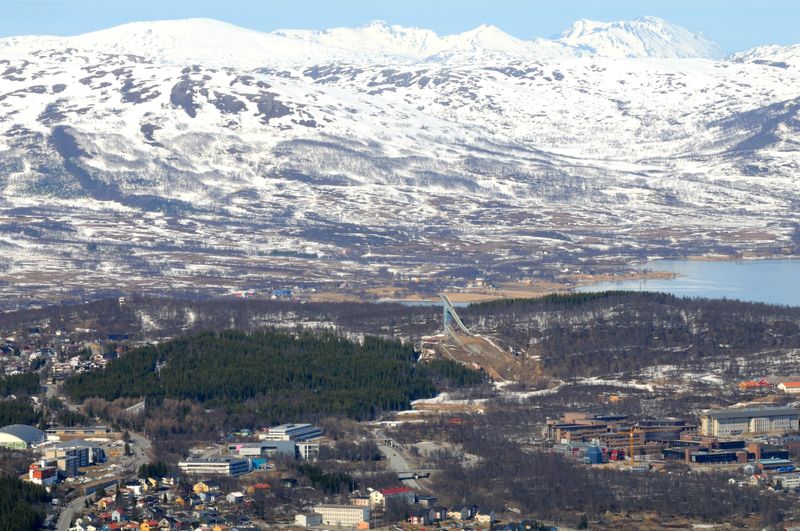
You come to Tromsø for an aurora that does not play shy. Inside the auroral oval and ringed by mountains and fjords, the city offers a reliable forecast and quick escapes to darker skies. When clouds drift in, guides often drive you to blue sky pockets where the show goes on.
By day, ride with huskies, visit Sami reindeer camps, or glide across a silent fjord. After dark, head to Ersfjordbotn, Kvaløya, or a hilltop out of town and let your eyes adjust. On strong nights, the lights streak overhead like paint pulled by an invisible brush.
Pack layers, a hand warmer for your phone, and a hot thermos. September through April gives you the best window, with late night peaks when the solar wind flares. Nothing beats hearing a guide whisper look up as green fire pours across the stars.
Yellowknife, Canada
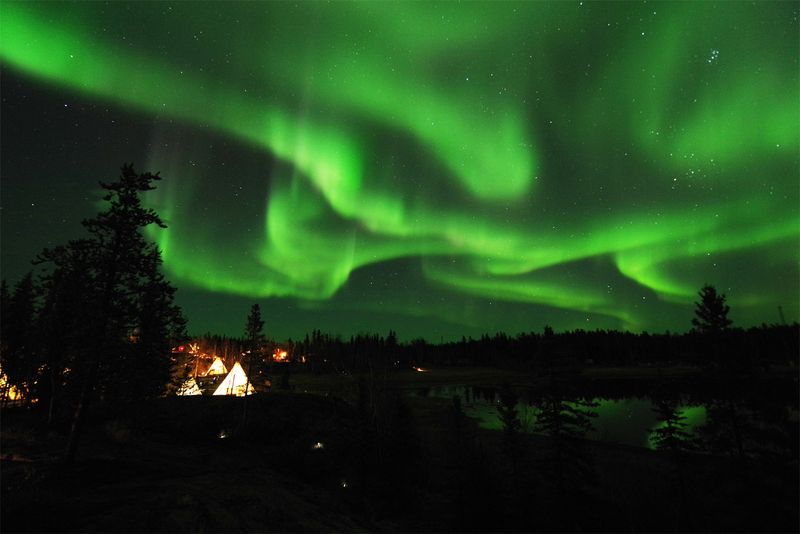
Yellowknife is the place where the horizon stretches forever and the sky takes center stage. Flat terrain and bone dry cold give you crisp, cloud free nights that make colors pop. You will find heated aurora domes, cabins, and knowledgeable guides who read space weather like a favorite book.
From late August through April, the lights here are famously dependable. Drive a short distance from town, step onto a frozen lake, and you have darkness in every direction. When the arc breaks into pillars, they ripple like wind chimes you can see.
Layer up, cover your cheeks, and bring a wide angle lens. Expect long exposures and a tripod to catch those fast moving curtains. Between shows, warm up by a fire as stories of Dene traditions fold into the night and another burst lifts the crowd to cheers.
Fairbanks, Alaska, USA
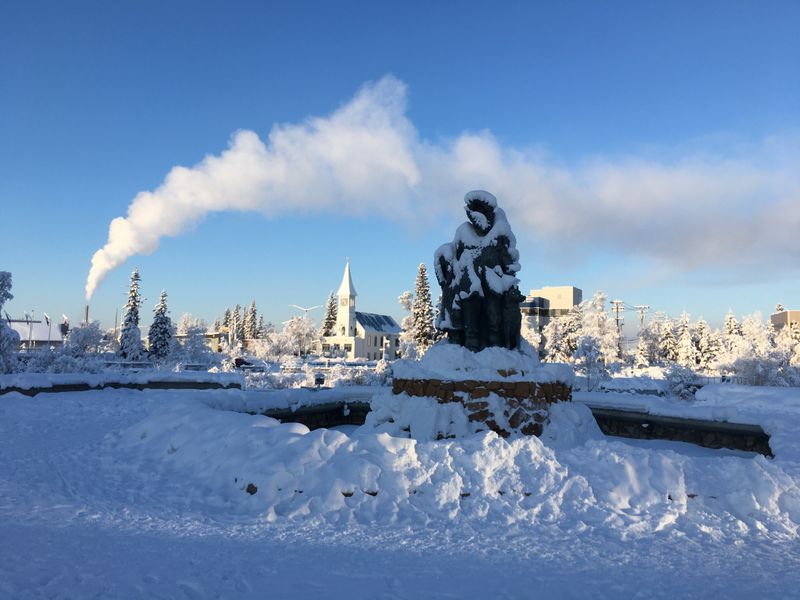
Fairbanks sits under the auroral oval like a front row seat. Inland weather brings frequent clear skies, so you get more opportunities per trip. Local forecasts track kp index, solar wind speed, and cloud cover, turning your late night chase into a smart plan.
Stay near Chena Hot Springs to soak while the sky shimmers, then dash out when a corona explodes. Drive to Cleary Summit or Murphy Dome for wide horizons and minimal glow. When the arc intensifies, you sometimes feel the whole sky tilt toward you.
Dress for deep cold, keep batteries warm, and bring snacks to push past midnight. Peak months run from late August to April, with best odds on cold, calm nights. If you hear someone gasp behind you, do not turn around first. Look up. The green crown is already forming.
Iceland
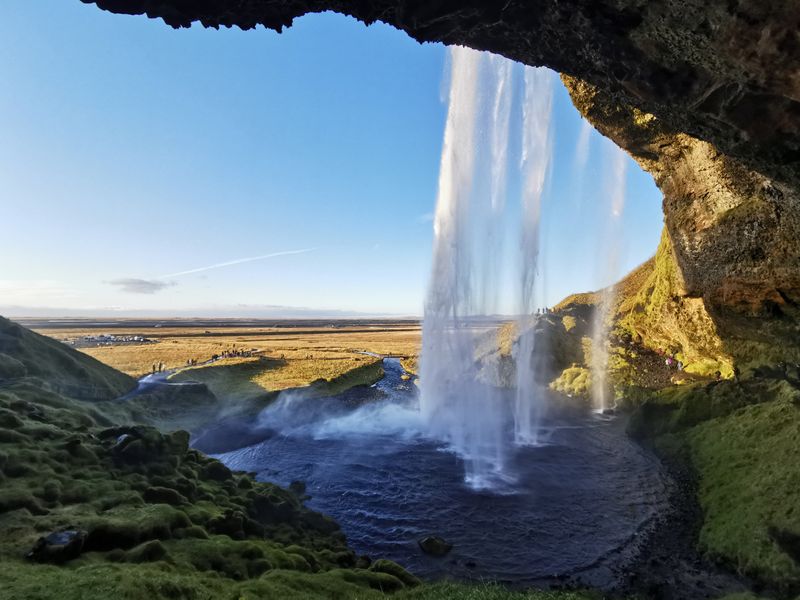
Iceland gives you drama on every horizon. One moment you are beside a roaring waterfall, the next you are standing at a glacier lagoon where icebergs mirror neon waves in the sky. When the clouds break, the aurora turns the black sands and snowfields into a luminous stage.
To dodge light pollution, aim for Thingvellir, Snaefellsnes, or Jökulsárlón. Weather shifts fast here, so mobility is your secret weapon. Watch the forecast apps, then outrun clouds on ring roads that feel built for aurora chasers.
From September to March, nights stretch long and possibilities multiply. Pack a waterproof shell, microspikes, and extra camera batteries. When the arc surges over basalt cliffs and ghostly sea stacks, you will feel tiny in the best way, anchored between fire, ice, and sky.
Abisko, Sweden
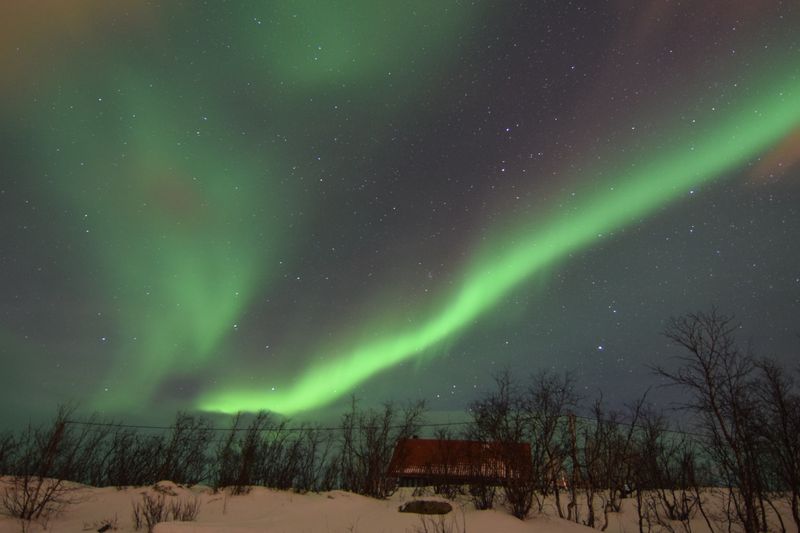
Abisko is the insider pick when clouds haunt the rest of Lapland. The famous blue hole microclimate over the valley often stays clear, slicing a window through stubborn weather. That means you can stand under stars while nearby towns are socked in.
Ride the chairlift to the Aurora Sky Station on Mount Nuolja and let your eyes adjust. Guides explain solar particles and magnetic field lines as streaks intensify. When the arc snaps into rays, it feels like a curtain drawing back on cue.
Plan for December through March, though September and April can sparkle too. Dress for wind on exposed slopes, and bring studs for icy paths. With a thermos, a tripod, and patience, Abisko rewards you with night after night of steady, photogenic displays.
Rovaniemi and Finnish Lapland
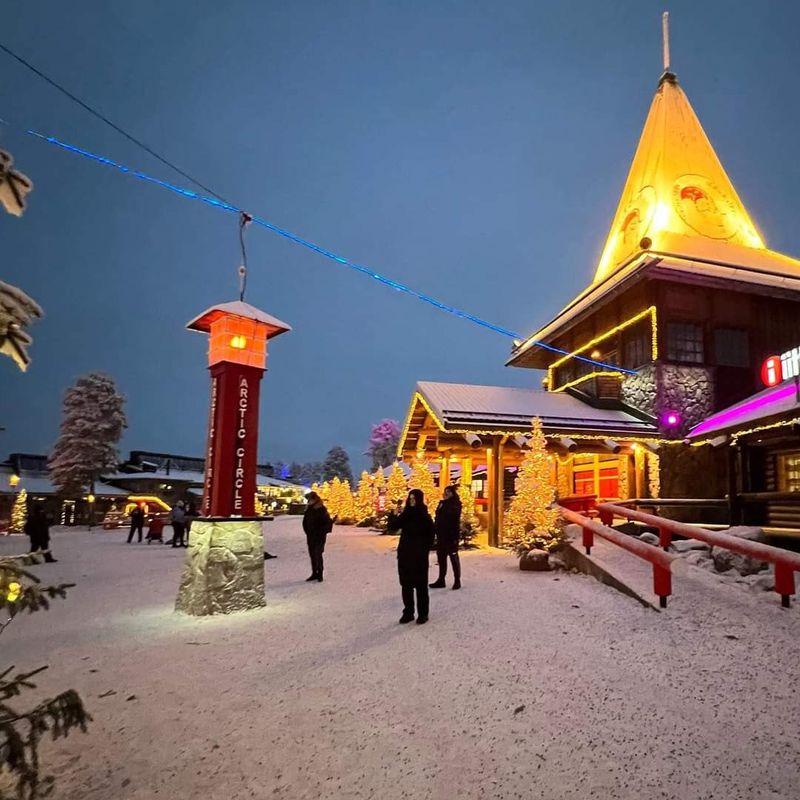
Rovaniemi puts you on the edge of the Arctic Circle with easy access to wild, dark country. Slip minutes outside town and the sky opens over frozen lakes and quiet pine. If clouds loom, guides whisk you toward clearer pockets across Finnish Lapland.
During a typical week you can pair auroras with reindeer safaris, snowmobile runs, and a fireside bowl of salmon soup. When the sky brightens, greens cascade into pink fringes that flutter like silk. It is calm, unhurried, and perfect for first timers.
Peak viewing runs from late August to April, with cold snaps boosting clarity. Bring thermal layers, a headlamp with red light, and a tripod for sharp images. You will remember the hush most of all, that moment the forest holds its breath as the lights begin to move.
Churchill, Canada
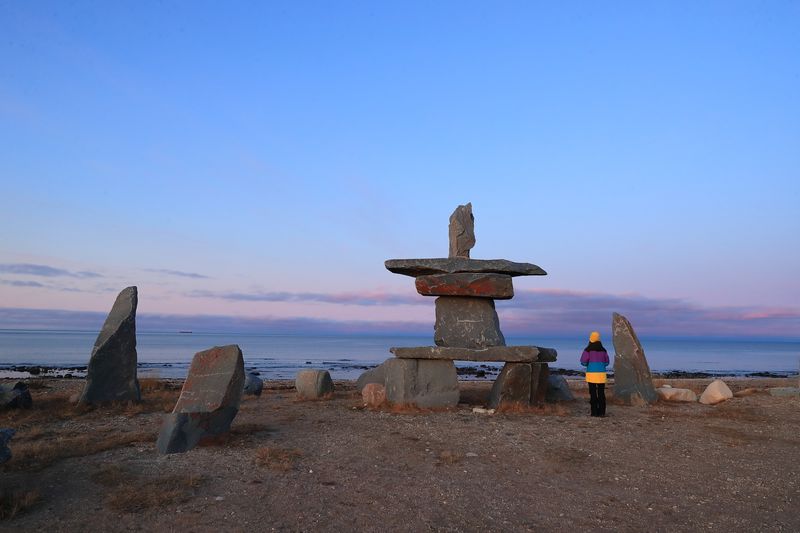
Churchill blends world class auroras with wild edges. On the shores of Hudson Bay, the air is dry, the land is flat, and the sky stretches clean to the horizon. When late winter arrives, long nights and crisp weather crank up your odds.
Between shows, you might spot fox tracks or hear the wind hum over the bay. Join a guided tour with warm shelter so you can step out when the arc burns bright. Pillars rise like cathedral beams, and for a moment the tundra glows.
Dress with face protection and carry spare batteries against the cold. February to March is prime, though autumn brings beauty too. It is remote, peaceful, and intensely memorable, especially when Indigenous stories connect the lights to land and history.
Whitehorse, Canada
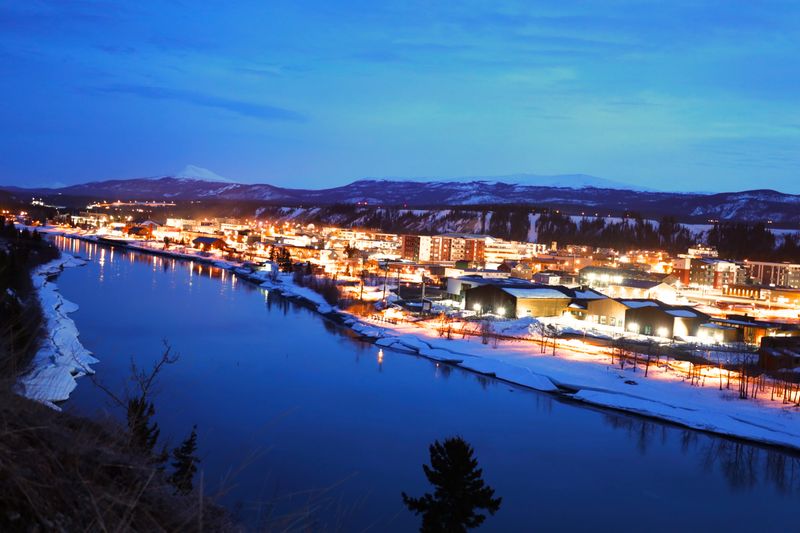
Whitehorse welcomes you with big sky and bigger quiet. The Yukon delivers long winter nights, low humidity, and horizons that run unbroken. Step a short drive from town and you will find darkness deep enough for delicate aurora veils.
Settle into a wilderness lodge or join a campfire tour where stories and hot cocoa fill the pauses. When activity spikes, curtains ripple across the boreal like silk in a breeze. On lucky nights a corona blooms and the crowd falls silent together.
September through April offers consistent chances, with cold snaps producing sharp stars. Pack layers and a tripod and learn your camera’s manual focus in daylight. Out here the air feels cleaner, the snow squeaks, and the sky writes a new message every hour.
Lofoten Islands, Norway
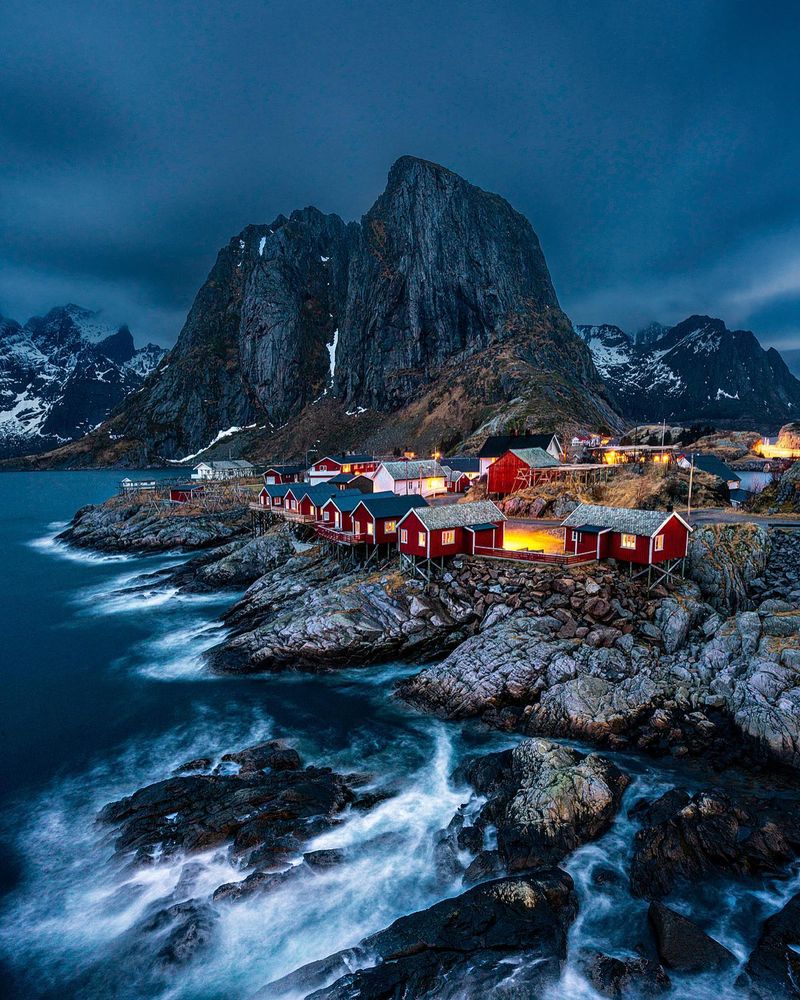
Lofoten gives you fjords that feel cinematic and beaches that glow under green light. The islands sit far north with dark skies and quick access to ocean clearings. When weather cooperates, the aurora frames mountain spires like a painter’s perfect brushstroke.
Base in Reine, Hamnøy, or Haukland Beach and scout foregrounds by daylight. Old fishing cabins, mirror calm inlets, and snow capped peaks turn any burst into a postcard. If clouds roll in, hop to the next bay and try again.
Prime viewing runs from September to April, with salty wind that bites your cheeks. Bring a sturdy tripod and lens cloths for sea spray. When green waves pour over sharp ridgelines and bounce off water, you will swear the world just expanded.
Svalbard, Norway
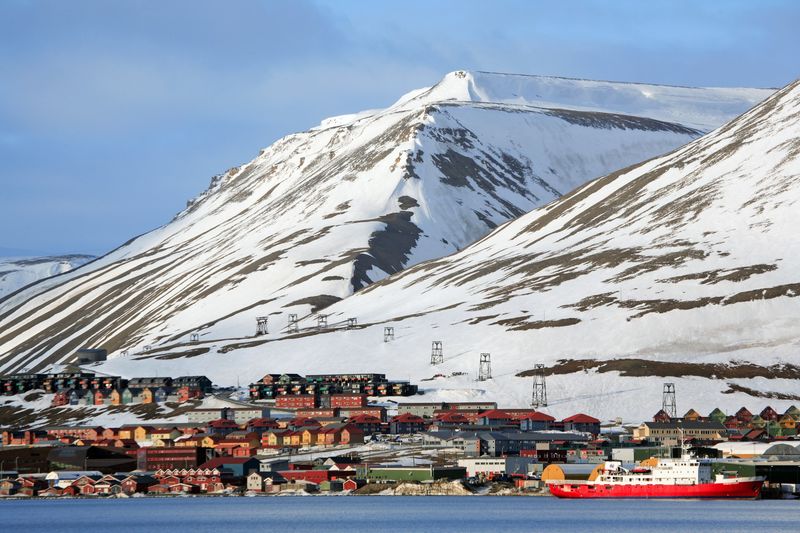
Svalbard feels like the edge of the map and then some. During polar night, darkness lingers all day, giving you rare chances to see auroras at breakfast. The mountains stand ghostly, and the sky flickers with color even at noon.
Base in Longyearbyen and venture with guides who manage cold and wildlife safety. Snowmobile stretches lead to horizons big enough to swallow you. When the oval overhead energizes, the lights ripple in slow, stately waves.
Dress for extreme wind chill and follow polar bear safety rules. The season peaks mid winter, but shoulder months can surprise. If you want a story you will tell for years, watch a green crown form above a glacier while the town sleeps in blue twilight.
Reykjavik and Surroundings, Iceland
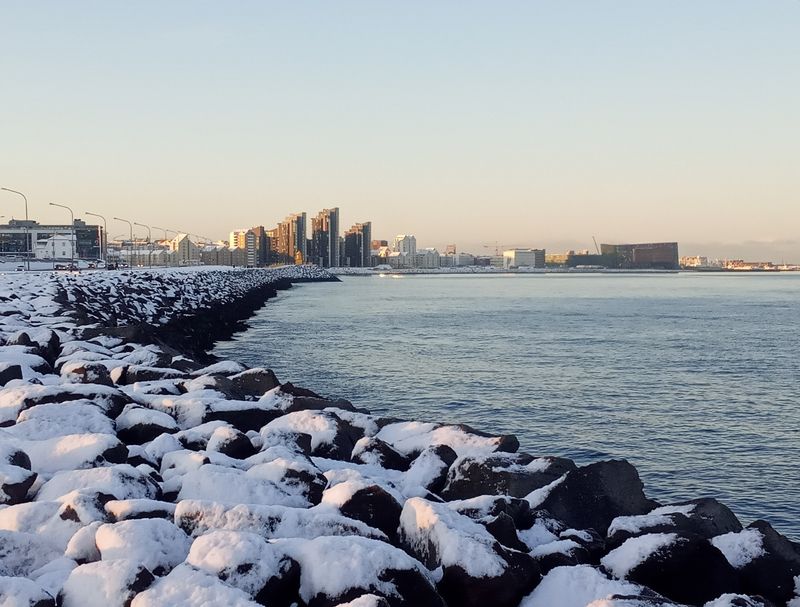
Reykjavik gives you the best of both worlds. Sleep in the city, then slip 30 minutes to darkness along the coast or at Thingvellir. On a clear night, the lighthouse beam sweeps below a green river that barely ripples the sea.
When forecasts ping, grab your car keys and head away from the glow. Pack a thermos and patience, because breaks often arrive after midnight. The payoff is convenience plus a real chance at sky fire without a long expedition.
September through March is your sweet spot. Keep your camera bag ready by the door and learn to read cloud maps. The moment the arc brightens over waves and basalt, the city feels far away and the night clicks into place.
Greenland
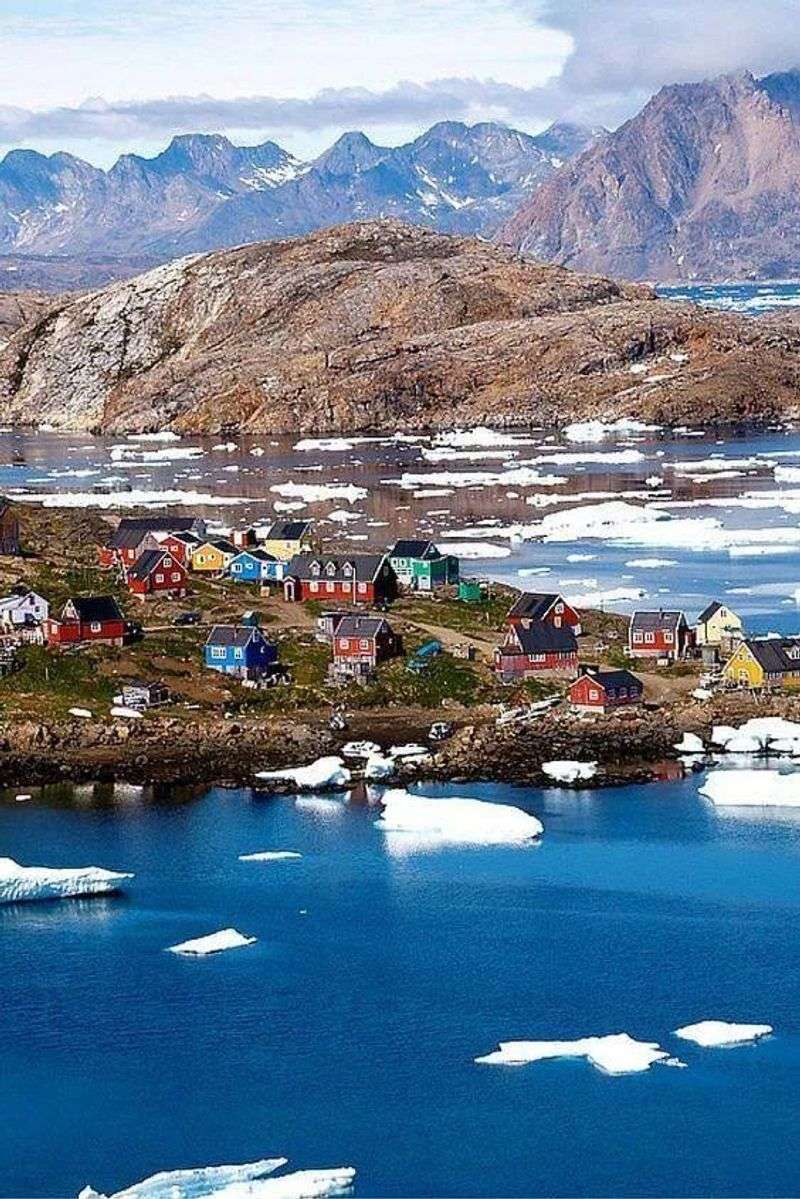
Greenland feels endless and unlit, perfect for aurora purity. In towns along the west coast or remote national park zones, dark skies run uninterrupted for miles. When the wind calms and the temperature drops, colors sharpen into exquisite detail.
Travel requires planning, but the reward is stark beauty. Icebergs glow under green bands, and silence carries like a chorus. You look up and the scale is so big that movement seems slow, like the planet is breathing.
Prime season spans autumn through early spring with long, frigid nights. Bundle up, keep gear warm, and let local knowledge guide your routes. The lights here feel ancient, a soft pulse over ice and rock that reminds you how new we are to this story.
Faroe Islands
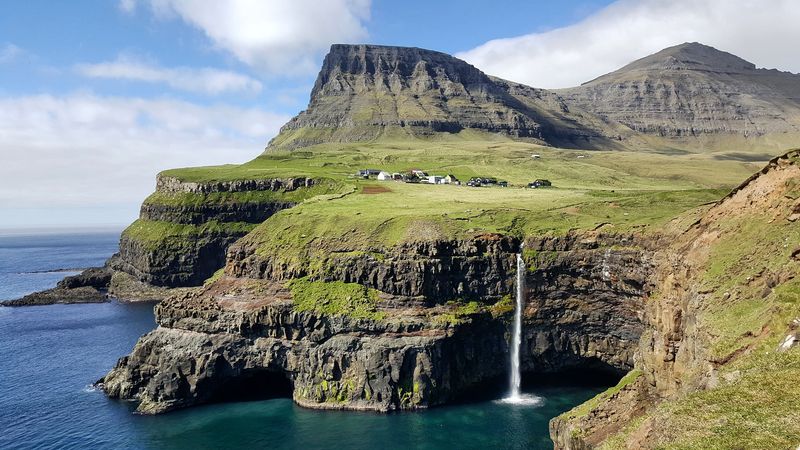
The Faroe Islands give you raw Atlantic drama and surprising darkness. Away from villages, cliffs plunge into black water and the sky opens in every direction. When clouds thin, a green belt sweeps the horizon and brushes the sea.
Base in Tórshavn and roam to places like Gásadalur and Saksun. The coastline offers perfect foregrounds, from turf roof houses to sea stacks that anchor a composition. Bring windproof layers, because gusts here can push you sideways.
September to March brings long nights and moody weather, so flexibility wins. Watch satellite maps, then pounce when gaps appear. If you catch pillars marching over a horseshoe bay, you will feel like the islands lifted you into their secret.



