Every year, Time Out surveys over 24,000 locals across 150 cities to figure out which urban destinations are truly worth your time and money. The 2026 list zeroes in on what makes cities genuinely exciting right now — food, culture, nightlife, affordability, and overall quality of life.
From global powerhouses to rising stars, these picks go well beyond your standard tourist brochure. Here are the 15 cities you absolutely need to put on your travel radar this year.
Melbourne, Australia
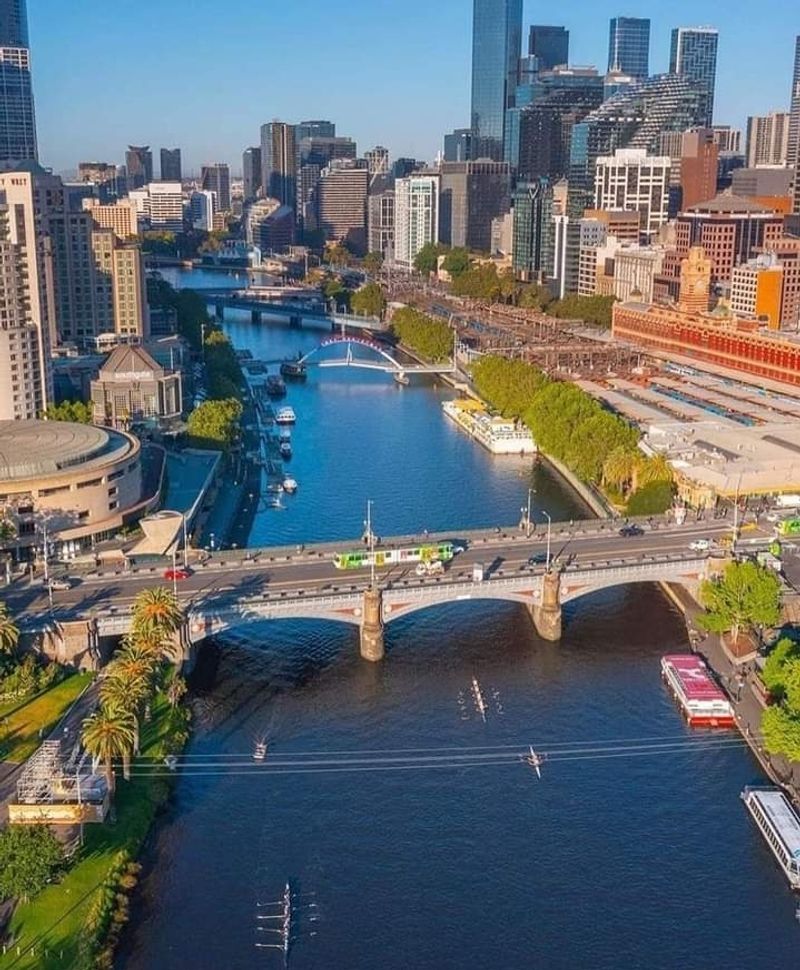
Ask any Melbourne local what makes their city special, and they’ll probably talk for an hour — and honestly, they’d be right to. Melbourne claims the top spot in Time Out’s 2026 rankings, and it earns every bit of that crown.
The city’s famous laneway culture means you can stumble upon a world-class espresso bar hidden behind a graffiti-covered alley, and it feels like a discovery every single time.
Food here is a serious business. Melbourne’s dining scene pulls from over 200 nationalities, making it one of the most diverse culinary cities on the planet.
Whether you’re chasing a Vietnamese banh mi in Footscray or a degustation menu in the CBD, the options are genuinely staggering.
Beyond food, Melbourne hosts some of the world’s biggest sporting events, including the Australian Open and the Formula 1 Grand Prix. The arts scene is equally impressive, with galleries, live music venues, and festivals filling the calendar year-round.
Locals consistently rate their city highly for livability and creativity. If you visit just one city in 2026, Melbourne makes an incredibly strong case for being that city.
Shanghai, China
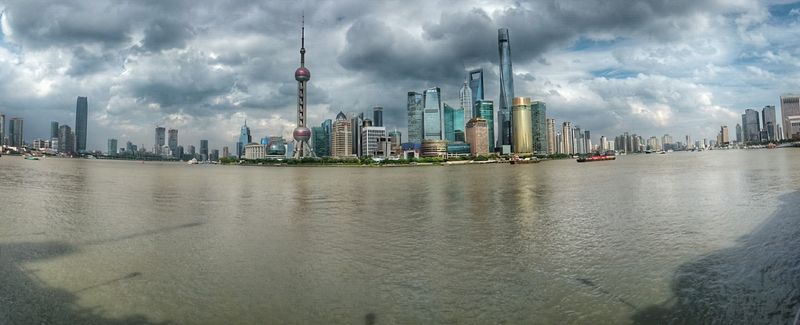
Standing on the Bund at night, watching the Pudong skyline blaze with light across the Huangpu River, is one of those moments that genuinely stops you in your tracks. Shanghai ranks second on Time Out’s 2026 list, and the city wears that position with the kind of effortless cool that only comes from centuries of reinvention.
Few cities on Earth balance old-world charm and futuristic ambition quite this well.
The café culture here has exploded in recent years, making Shanghai one of the most coffee-obsessed cities in the world — it reportedly has more Starbucks locations than any other city globally. But independent roasters and concept cafés are where the real action is, tucked inside colonial-era buildings and converted warehouses across neighborhoods like Jing’an and the French Concession.
Dining in Shanghai means navigating an extraordinary range of options, from delicate xiaolongbao soup dumplings to Michelin-starred restaurants pushing global boundaries. The art scene is equally dynamic, with institutions like the West Bund Museum drawing serious international attention.
Shanghai rewards curious travelers who are willing to wander off the obvious path and explore its many layered personalities.
Edinburgh, Scotland
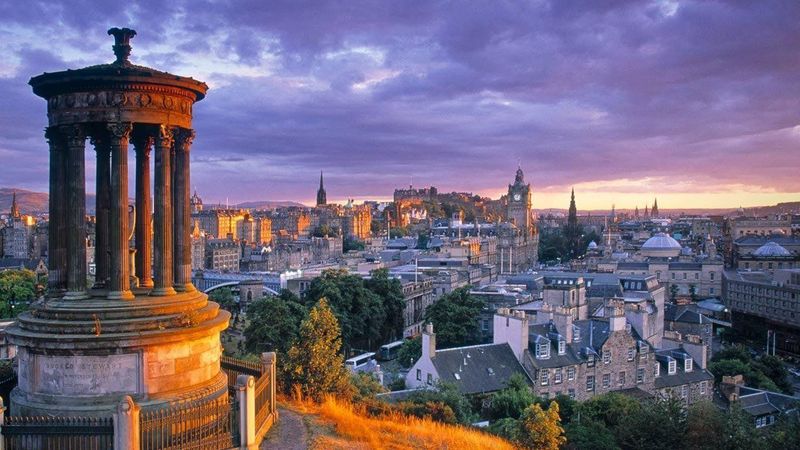
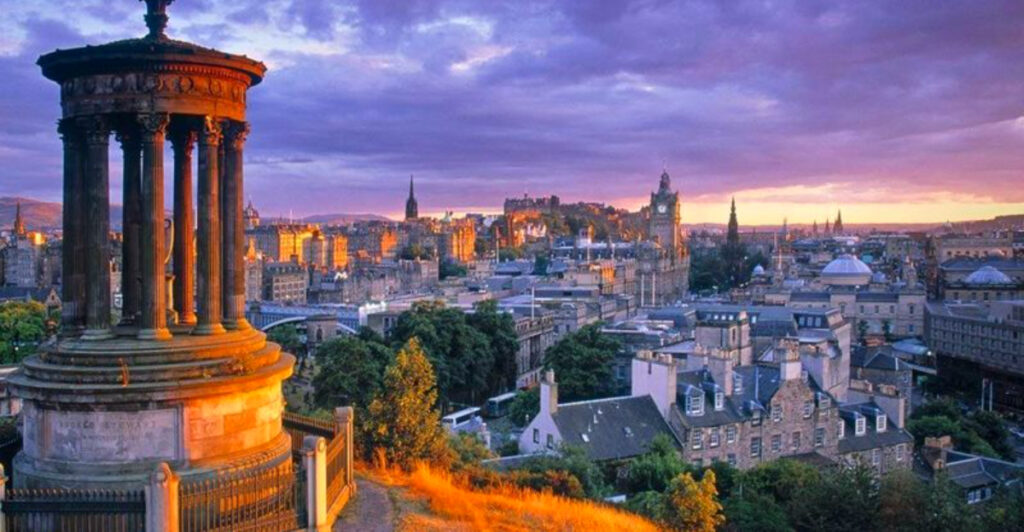
Perched dramatically on volcanic rock, Edinburgh Castle looks like something straight out of a fantasy novel — except it’s completely real, and you can walk right up to it. Edinburgh takes third place overall in Time Out’s 2026 rankings and earns the title of Europe’s top city, a recognition that feels entirely deserved for anyone who’s wandered its cobblestone streets at dusk.
The city’s festival calendar is genuinely world-class. The Edinburgh Festival Fringe, held every August, is the largest arts festival on the planet, drawing performers and audiences from every corner of the globe.
But even outside festival season, Edinburgh buzzes with theatrical energy, live music, and literary events that reflect the city’s deep creative roots.
Green spaces are woven throughout the city in a way that feels almost magical. Arthur’s Seat, an ancient volcano right in the middle of Edinburgh, offers a hike that rewards you with panoramic views over the entire city.
The whisky scene is predictably excellent, with dozens of bars dedicated to Scotland’s most famous export. Locals consistently describe their city with genuine warmth and pride, and after spending even a single day here, it’s very easy to understand exactly why.
London, United Kingdom
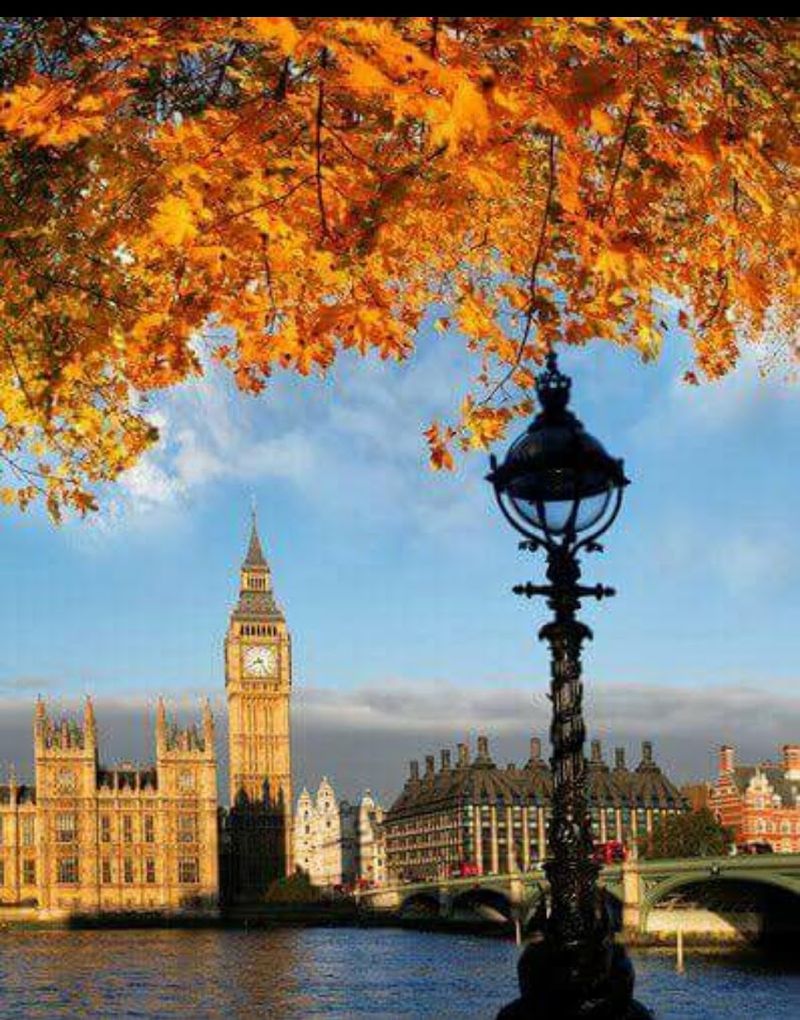
London has this remarkable ability to feel both impossibly grand and surprisingly personal, all at the same time. Ranking fourth on Time Out’s 2026 list, the British capital continues to prove that sheer scale doesn’t have to mean losing character.
With 32 distinct boroughs, each carrying its own personality, London is essentially dozens of cities stitched together under one name.
The cultural offerings here are staggering, and many of them are completely free. The British Museum, the Tate Modern, the National Gallery, and the Victoria and Albert Museum all charge nothing for general admission, making London one of the most accessible major cultural capitals in the world.
Theater lovers are equally spoiled — the West End remains the global benchmark for live performance.
Food has transformed dramatically over the past decade. Borough Market, Maltby Street, and Brixton Village all showcase a city that has fully embraced its multicultural identity on the plate.
Neighborhoods like Peckham and Dalston pulse with nightlife energy that rivals anything in Europe. Getting around on the Tube still has its frustrations, but the city’s walkability in central areas means some of the best discoveries happen entirely by accident.
London rewards the curious and the spontaneous traveler in equal measure.
New York City, USA
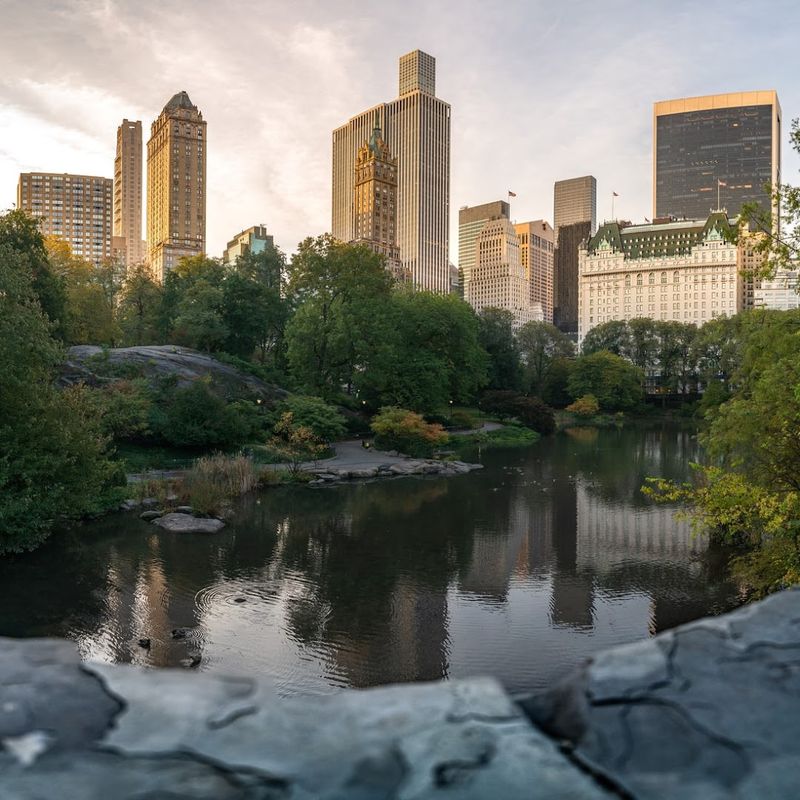
There’s a specific kind of electricity you feel the moment you step out of a New York City subway station — a buzzing, relentless energy that the city never really turns off. Holding firm in fifth place on Time Out’s 2026 rankings, New York remains one of the most iconic urban experiences on the planet.
Locals will tell you the city is always changing, and that’s precisely what keeps it endlessly fascinating.
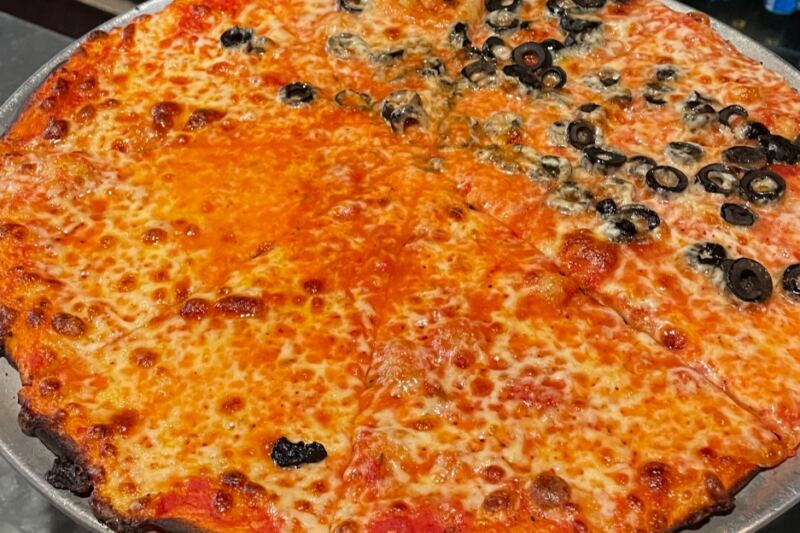
The food scene here operates on an almost incomprehensible scale. From a $2 slice of pizza eaten standing on a sidewalk to a reservation-only omakase that books out months in advance, New York covers every possible point on the culinary spectrum.
The city’s immigrant communities have shaped its food culture profoundly, and neighborhoods like Flushing, Jackson Heights, and Sunset Park offer some of the most authentic international cooking anywhere in the world.
Arts and culture in New York hit differently too. The Met, MoMA, the Guggenheim, and hundreds of smaller galleries and performance spaces ensure there’s always something genuinely new to experience.
Central Park remains one of the great urban achievements in human history — a 843-acre green lung in the middle of the world’s most intense city. New York doesn’t just meet expectations; it consistently exceeds them.
Cape Town, South Africa
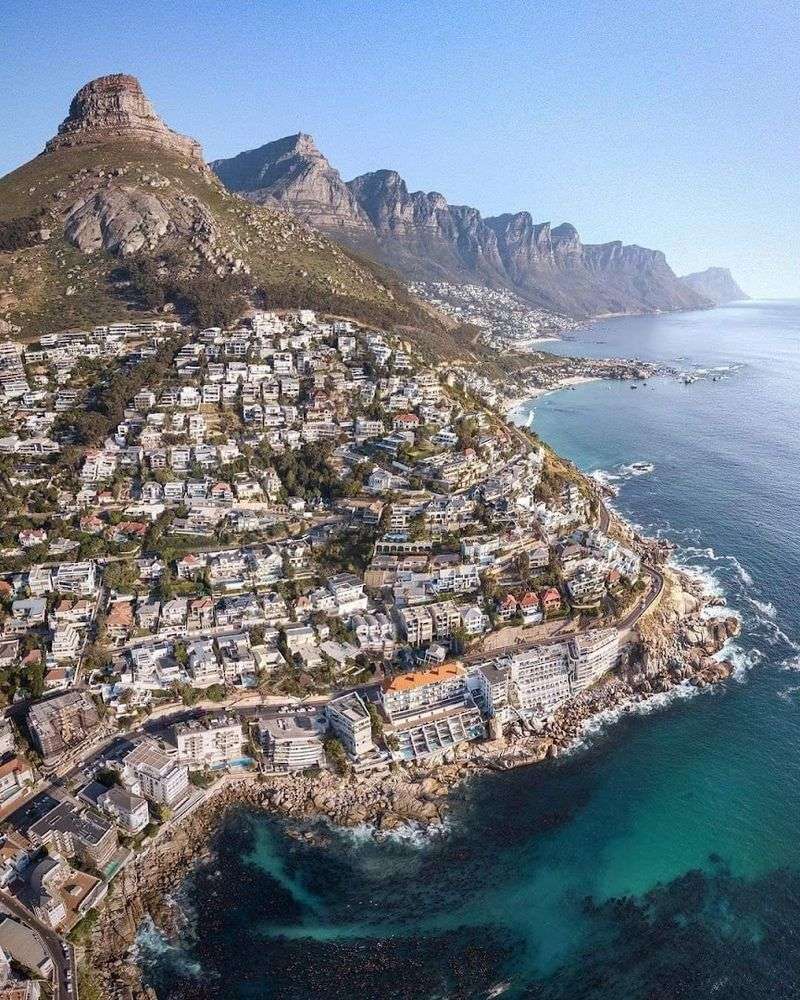
Table Mountain doesn’t just sit behind Cape Town — it watches over the city like a protective giant, and on a clear day, the view from the top is enough to make even the most seasoned traveler go quiet. Cape Town ranks sixth on Time Out’s 2026 list, and it stands apart from every other city on this ranking simply because nowhere else offers this particular combination of mountain, ocean, and vibrant urban life in one place.
The food scene has matured remarkably in recent years. The V&A Waterfront and the Old Biscuit Mill in Woodstock host markets and restaurants that showcase South Africa’s extraordinary culinary diversity, blending Cape Malay spices, fresh Atlantic seafood, and world-class local wines.
The Cape Winelands are just a short drive away, making day trips to Stellenbosch and Franschhoek a very easy and delicious decision.
Beaches like Camps Bay and Clifton are genuinely among the most beautiful urban beaches anywhere on Earth, even if the Atlantic water runs ice cold year-round. The city’s creative neighborhoods, particularly De Waterkant and Observatory, pulse with gallery openings, live music, and independent cafés.
Cape Town has a layered, complex history that makes exploring it feel meaningful as well as beautiful.
Mexico City, Mexico
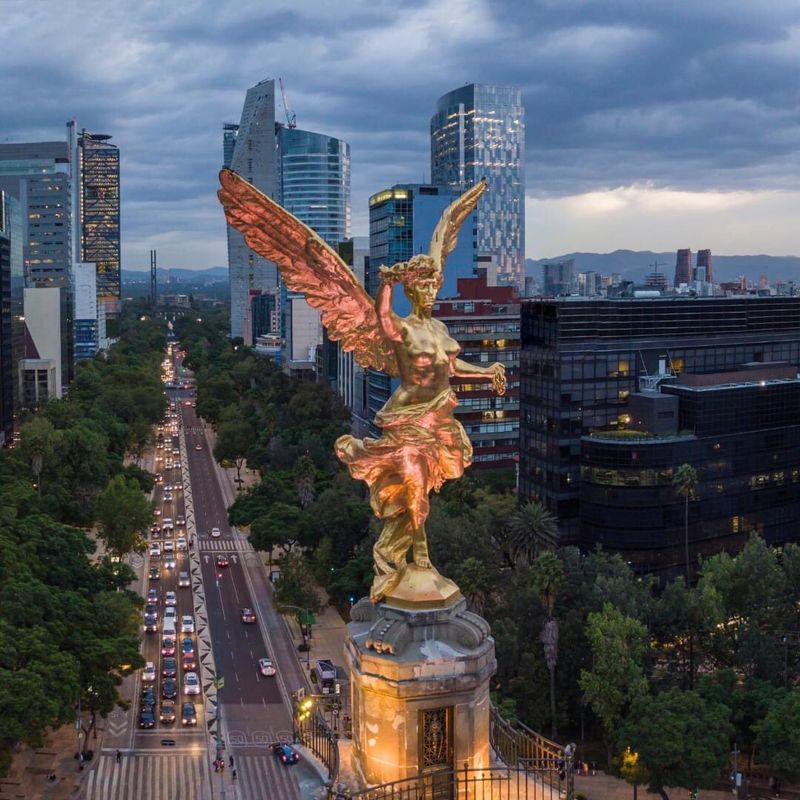
Mexico City operates at a sensory volume that most cities simply cannot match — the smell of fresh tortillas, the rumble of a packed metro, the riot of color on a Coyoacan market stall all arriving simultaneously. Ranked seventh in Time Out’s 2026 list, CDMX (as locals call it) has spent the last decade quietly becoming one of the most exciting cities in the Americas, and the world has finally caught on.
The food scene here is the stuff of legend, and not just for tourists. Mexico City boasts more restaurants per capita than New York City, ranging from street tacos that cost less than a dollar to tasting menus that have landed on the World’s 50 Best Restaurants list.
Neighborhoods like Roma Norte and Condesa have become magnets for chefs pushing Mexican cuisine in genuinely creative directions.
Affordability is a major draw too — your travel budget simply goes further here than in most major world cities. Art lovers get to visit the Frida Kahlo Museum, the Palacio de Bellas Artes, and the extraordinary Museo Nacional de Antropologia, all within a single city.
The nightlife runs late and runs hard, and the city’s warm, social culture means making new friends on a night out is practically unavoidable.
Bangkok, Thailand
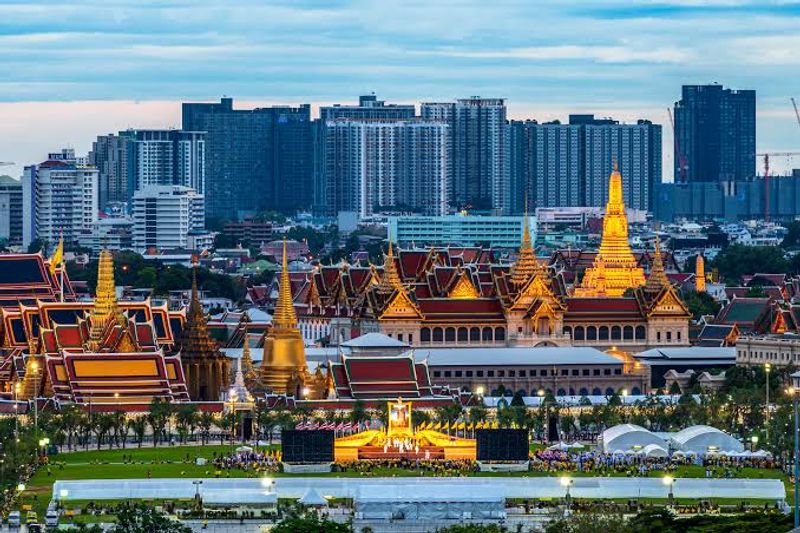
Bangkok moves at a pace that feels almost chaotic until you realize it has its own perfectly calibrated rhythm — tuk-tuks weaving through traffic, street vendors firing up woks at midnight, monks collecting alms at dawn while the city hums around them. Eighth on Time Out’s 2026 list, Bangkok is one of those rare cities that genuinely never sleeps and never runs out of surprises.
The street food scene here is internationally famous for good reason. A bowl of boat noodles eaten beside a canal, or a plate of pad kra pao from a cart on Yaowarat Road at 1am, represents some of the most satisfying eating you’ll ever do anywhere in the world.
Bangkok also punches well above its weight in fine dining, with multiple establishments holding prestigious international recognition.
Temples like Wat Pho, Wat Arun, and the Grand Palace provide cultural depth that balances beautifully against the city’s reputation for wild nightlife. Shopping ranges from ultra-modern malls in Siam to sprawling weekend markets like Chatuchak, where you could genuinely spend an entire day getting happily lost.
The BTS Skytrain makes getting around central Bangkok surprisingly straightforward. Accommodation here also offers exceptional value compared to other major Asian capitals.
Seoul, South Korea
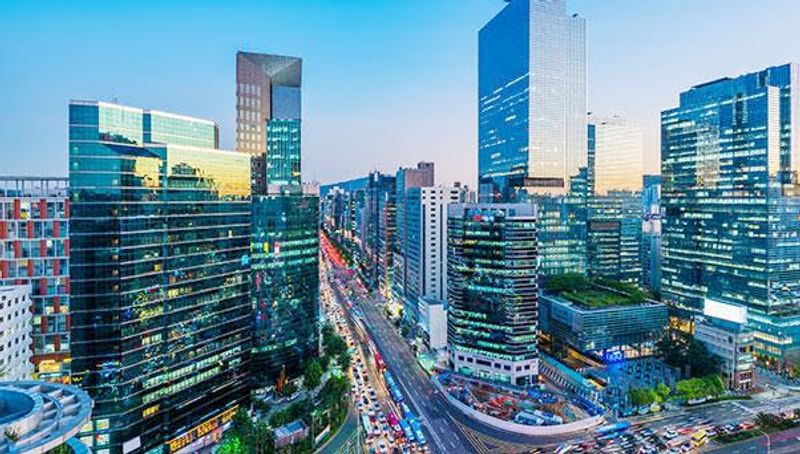
Seoul is the kind of city where a centuries-old royal palace sits directly across the street from a glass-and-steel skyscraper, and somehow the contrast feels completely intentional. Ranking ninth on Time Out’s 2026 list, the South Korean capital has spent years building a global reputation that now extends well beyond K-pop and K-drama, though those are genuinely worth your time too.
Food culture in Seoul is an experience in itself. Korean BBQ eaten around a table with friends, jjigae stews bubbling in clay pots, and the extraordinary variety of banchan side dishes that arrive before your main course — eating here feels like a social ritual as much as a meal.
The Gwangjang Market, one of Korea’s oldest, offers a dizzying array of street food options that locals have been enjoying for over a century.
Shopping in Myeongdong and Hongdae caters to every taste and budget, while neighborhoods like Bukchon Hanok Village offer a slower, more reflective experience among beautifully preserved traditional Korean houses. The Han River parks are a beloved local gathering spot, especially on warm evenings when families and friends spread out picnic blankets along the banks.
Seoul’s public transportation system is among the best-organized and most affordable of any major world city.
Tokyo, Japan
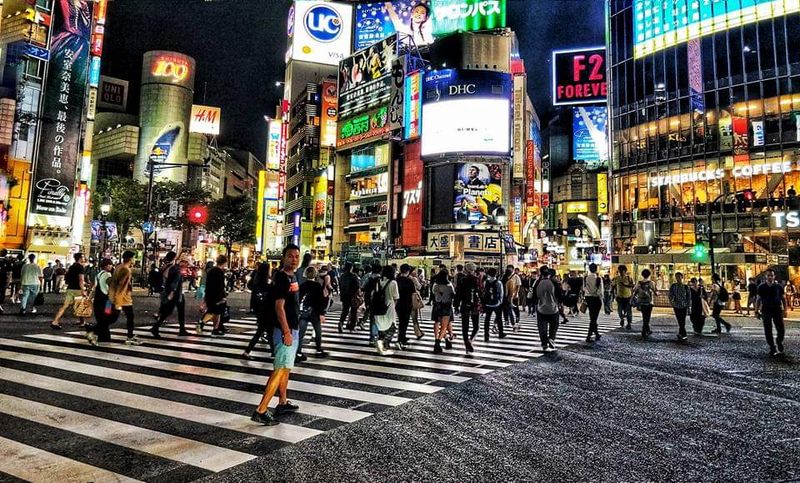
Shibuya Crossing at rush hour — hundreds of people streaming in every direction simultaneously, giant screens blazing overhead, and somehow nobody collides — is one of the most exhilarating two minutes you can spend anywhere on Earth. Tokyo holds tenth place on Time Out’s 2026 rankings and continues to be one of the most consistently fascinating cities that any traveler can experience, regardless of how many times they’ve visited before.
The dining scene in Tokyo is extraordinary by any global measure. The city holds more Michelin stars than any other city in the world, but the magic isn’t only in the expensive places.
A bowl of perfectly crafted ramen eaten at a standing counter, or a set of nigiri at a tiny sushi counter in Tsukiji outer market, can be just as memorable as a formal kaiseki dinner.
Tokyo’s neighborhoods each carry a completely distinct personality. Harajuku pulses with youth fashion energy, Yanaka preserves the quiet atmosphere of old Edo-era Tokyo, and Akihabara dazzles with electronics and anime culture on every floor of every building.
Train punctuality here is almost comically reliable — delays are measured in seconds, not minutes. Traveling Tokyo feels like flipping through a city that has somehow managed to contain multitudes without ever feeling cluttered.
Zürich, Switzerland
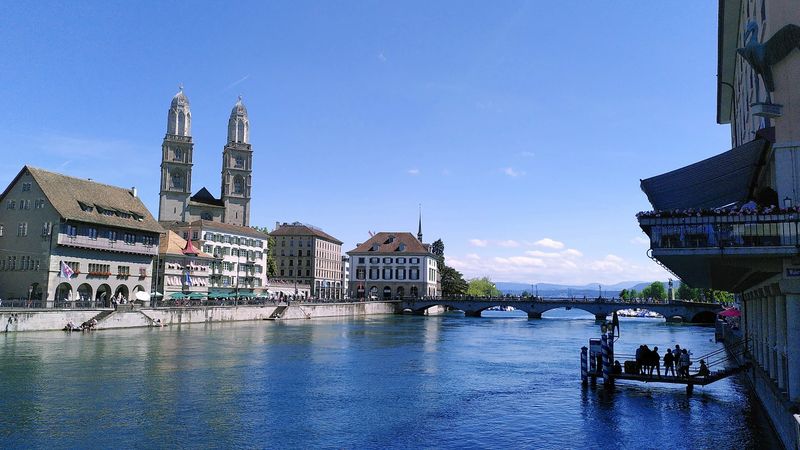
Zürich has a reputation for being expensive and orderly, which is technically accurate — but it wildly undersells how genuinely enjoyable this city is to spend time in. Ranking eleventh on Time Out’s 2026 list and flagged as one of the standout newcomers in this year’s rankings, Zürich is earning serious attention for reasons that go well beyond its famous banking sector and chocolate shops.
The quality of life here is measurably exceptional. The Limmat River runs crystal clear through the city center, and on warm summer days, locals swim directly in it — a tradition that speaks to just how clean and livable Zürich really is.
Lake Zürich stretches out to the south, offering sailing, paddleboarding, and swimming within easy reach of the city center.
The cultural scene punches well above what you might expect from a city of just 450,000 people. The Kunsthaus Zürich houses one of Europe’s finest art collections, and the city’s club scene — particularly around Langstrasse and the former industrial district of Zürich West — has an international reputation for quality that draws visitors specifically for the nightlife.
The food scene balances Swiss tradition with genuine cosmopolitan ambition. Yes, eating out here costs more than most European cities, but the overall experience justifies every franc spent.
Rio de Janeiro, Brazil
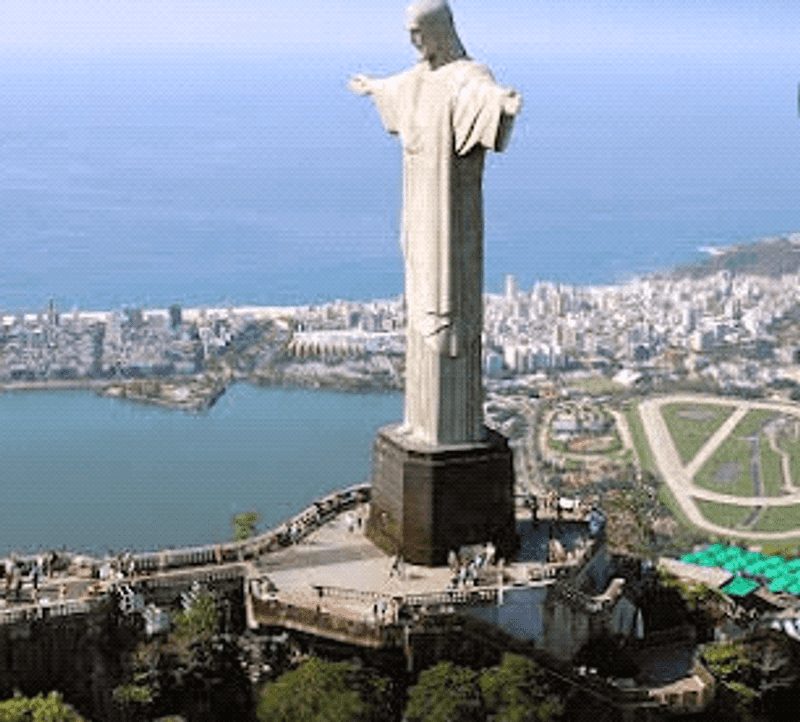
Christ the Redeemer standing with arms outstretched above the clouds, Copacabana beach stretching golden for kilometers below, and the whole city buzzing with samba rhythms — Rio de Janeiro is one of those places that looks almost too beautiful to be real. Twelfth on Time Out’s 2026 list, Rio delivers a visual spectacle that is genuinely difficult to match anywhere else in the world.
Carnival, held annually in February or March, is the obvious headline event — a five-day explosion of music, dance, and color that transforms the entire city into one enormous, joyful party. But Rio rewards visitors year-round.
The Lapa neighborhood’s Friday night street parties, the live music spilling out of boteco bars in Santa Teresa, and the capoeira practitioners training on the beachfront promenade all offer authentic, local experiences that go far beyond the postcard version of the city.
Hiking culture is surprisingly strong here. Trails through Tijuca National Park — the world’s largest urban rainforest — wind through jungle canopy right within city limits.
The food scene leans heavily on incredible fresh ingredients, with churrascarias, fresh açaí bowls, and seafood dishes showcasing Brazil’s extraordinary natural bounty. Rio is a city best experienced with an open schedule and a willingness to follow the music wherever it leads.
Copenhagen, Denmark
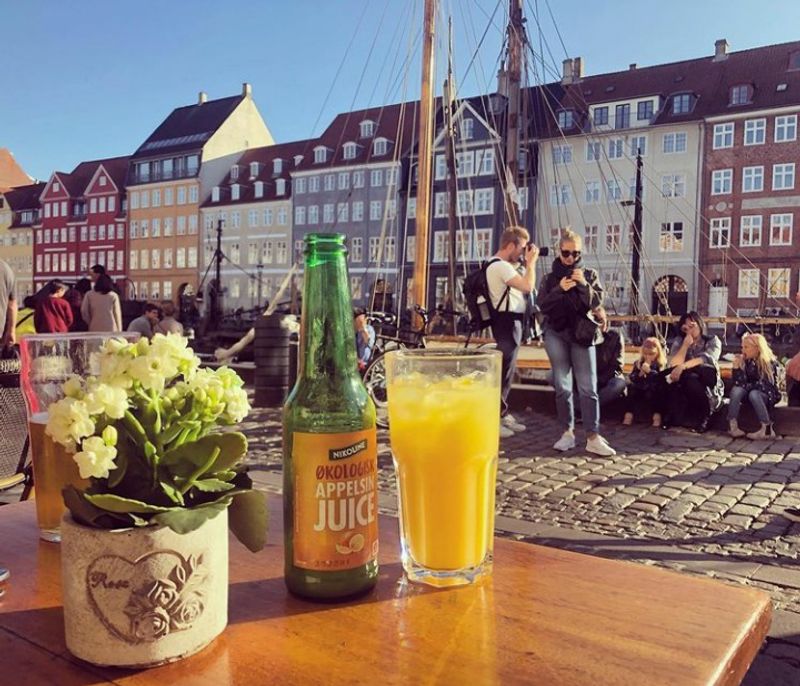
Nyhavn’s row of candy-colored townhouses reflected in the harbor canal is probably the most photographed scene in Denmark — and standing in front of it in person, you’ll immediately understand why every single person who visited before you pulled out a camera. Copenhagen ranks thirteenth on Time Out’s 2026 list and has built a global reputation as a city that manages to be both aspirational and genuinely livable at the same time.
Sustainability isn’t just a buzzword here — it’s deeply embedded in how the city actually operates. Copenhagen aims to be the world’s first carbon-neutral capital, and the infrastructure reflects that ambition.
Cycling lanes are wider than car lanes in many parts of the city, and locals bike in all weather conditions with a matter-of-fact practicality that visitors find both impressive and slightly humbling.
The food scene has transformed global gastronomy. Noma, widely considered one of the most influential restaurants in culinary history, called Copenhagen home for years and sparked an entire movement around New Nordic cuisine.
That influence has trickled down into the city’s broader dining culture, where seasonal, locally sourced ingredients dominate menus at every price point. Design is everywhere in Copenhagen — from furniture stores in Frederiksberg to the architecture of the Copenhagen Opera House, the city’s aesthetic sensibility is consistently impeccable.
São Paulo, Brazil
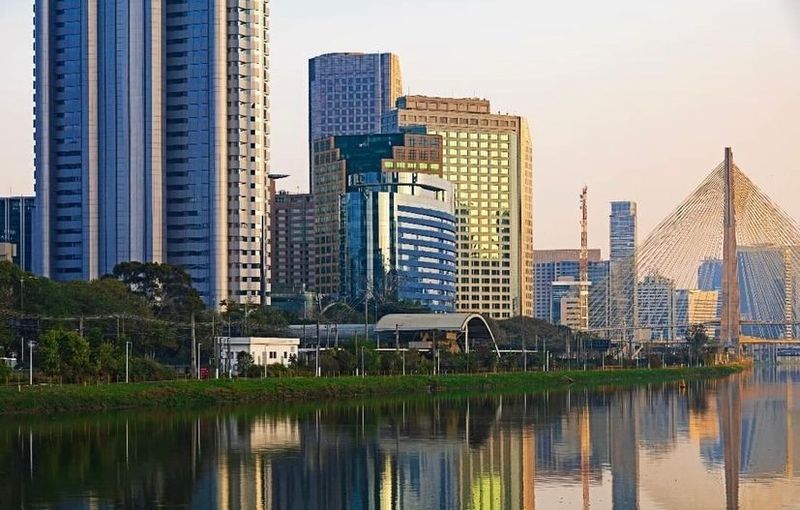
São Paulo doesn’t do anything small — this is a city of 22 million people, 15,000 restaurants, and a street art scene so prolific that entire neighborhoods have become open-air galleries. Fourteenth on Time Out’s 2026 list, Brazil’s largest city is often overlooked by travelers rushing to Rio, which is arguably their loss and the savvy visitor’s gain.
São Paulo rewards those who take the time to understand it.
The restaurant scene here is one of the most diverse and exciting in the entire Southern Hemisphere. The Japanese-Brazilian community in Liberdade has shaped the city’s food culture profoundly, and the result is a dining landscape where sushi sits comfortably alongside feijoada, churrasco, and Lebanese kibbeh all within the same block.
Mercadão, the city’s famous municipal market, is a cathedral of food that deserves at least half a day of your time.
Culturally, São Paulo operates on a scale that matches its physical size. The São Paulo Museum of Art (MASP) is one of Latin America’s most important cultural institutions, and its collection spans centuries of global art history.
The Vila Madalena neighborhood draws weekend crowds to its painted alleyways and independent bars. Nightlife here runs genuinely late — clubs don’t fill up until well past midnight, and the music, particularly electronic and samba-funk, is world-class.
Hong Kong
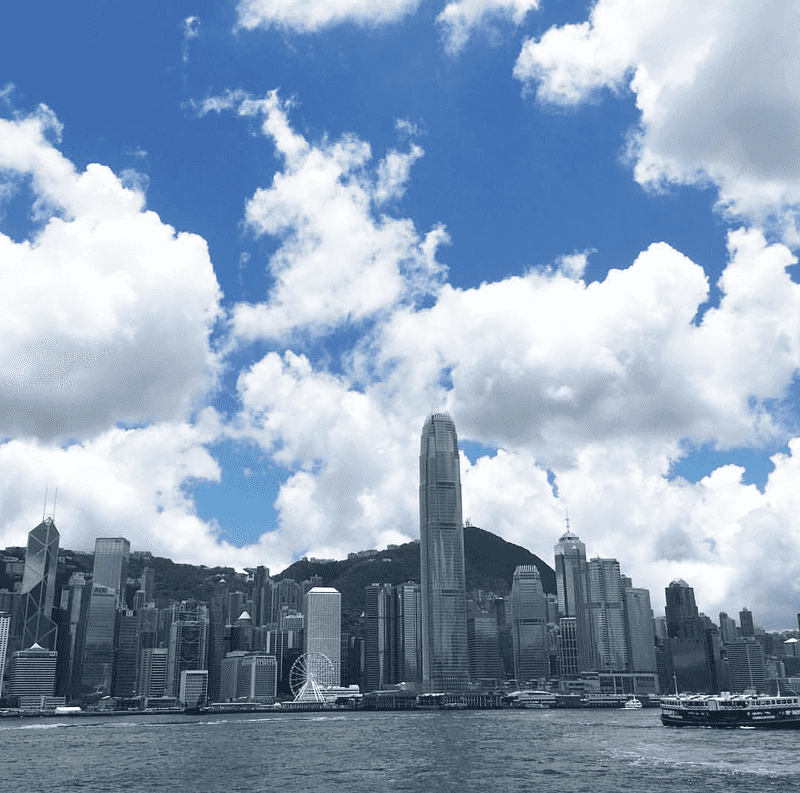
The view of Hong Kong from Victoria Peak at night — a dense forest of illuminated skyscrapers cascading down to a harbor shimmering with reflected light — is one of the most breathtaking urban panoramas anywhere on the planet. Rounding out Time Out’s 2026 top 15 at fifteenth place, Hong Kong continues to demonstrate that its unique identity and extraordinary energy remain very much intact.
Food is essentially Hong Kong’s love language. Dim sum eaten in a packed teahouse on a Sunday morning, barbecued pork hanging in a Sham Shui Po deli window, and wonton noodle soup served at a plastic table in a family-run shop that’s been operating for four decades — every meal here feels like a direct connection to the city’s culture and history.
The Michelin Guide awards stars generously in Hong Kong, but the city’s best eating often happens at places that charge almost nothing.
The contrast between East and West plays out visually, architecturally, and culturally in ways that make Hong Kong endlessly interesting to explore. Traditional temples sit in the shadows of glass towers, and wet markets operate a few minutes’ walk from luxury shopping malls.
The MTR transit system is a genuine model of urban efficiency. Hong Kong moves fast, thinks sharp, and eats extraordinarily well — which, by most measures, is a pretty compelling argument for booking a flight.
Share this story