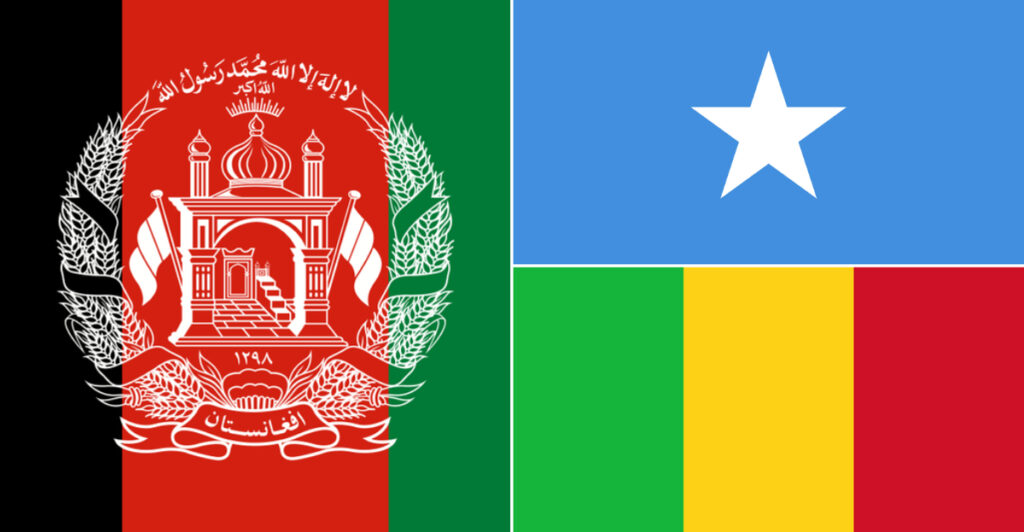
Planning an international trip sounds exciting, but not every destination rolls out the welcome mat for American visitors. Some countries carry real risks that go beyond a bad hotel or a missed flight.
The U.S. State Department issues travel advisories for a reason, and ignoring them can put travelers in serious danger.
Before you book that passport stamp, take a look at these 15 countries that come with serious warnings for Americans right now.
Russia

Russia currently sits at a Level 4 travel advisory from the U.S. State Department, which is the highest warning level possible.
That means the government is telling Americans: do not go. The ongoing conflict with Ukraine has made the situation inside Russia deeply unpredictable for foreign nationals.
American citizens have been detained in Russia on what many observers describe as politically motivated charges. The case of journalist Evan Gershkovich, who was held for over a year before a prisoner exchange, made international headlines and showed just how real that risk is.
Russia has also suspended most consular services for Americans, meaning if something goes wrong, getting help from the U.S. Embassy is extremely limited.
Flights between the U.S. and Russia remain largely cut off. If you are already in Russia, the State Department strongly urges you to leave immediately.
North Korea
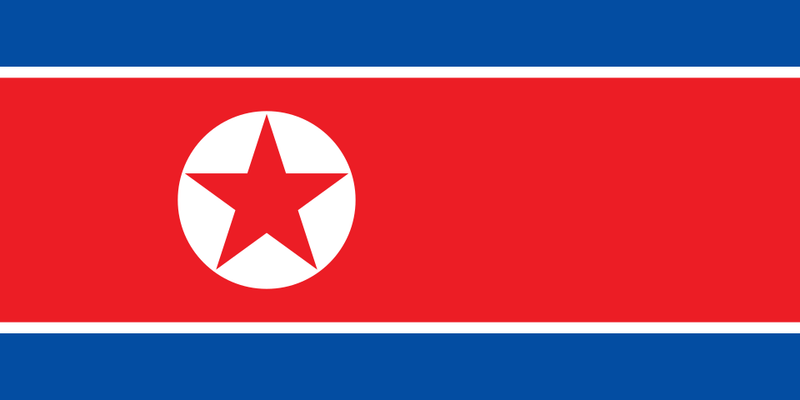
North Korea is one of the few countries in the world where Americans are outright banned from traveling without a special Treasury Department license, and even those are essentially impossible to obtain. The State Department has had a Level 4 advisory on North Korea for years with no signs of that changing.
The 2017 case of Otto Warmbier, an American college student who was detained in North Korea and returned home in a vegetative state, remains a stark reminder of what can happen there. North Korea’s government operates with total control over every movement of foreign visitors.
There is no U.S. Embassy in North Korea, and Sweden handles limited consular services on behalf of the U.S.
If you are detained, the chances of getting meaningful help are close to zero. This is simply a destination that Americans should not attempt to visit under current conditions.
Iran

Iran has held a Level 4 do-not-travel advisory for years, and the situation has not improved. Americans are considered high-value targets for detention by Iranian authorities, and the country has a documented history of holding dual U.S.-Iranian citizens on charges that are widely viewed as pretextual.
The U.S. has no embassy in Iran. Switzerland handles consular services on behalf of American citizens, but that access is limited.
If you are detained, the process of securing your release can take months or even years.
Anti-American sentiment is officially promoted by the Iranian government, and American passport holders face heightened scrutiny at every level of interaction with authorities. Travel insurance policies frequently exclude Iran entirely, which means you would also be on your own financially if a medical emergency occurred.
The combination of legal risk, political tension, and zero diplomatic backup makes Iran one of the most serious warnings on this list.
Belarus

Belarus earned its Level 4 do-not-travel advisory after the government of Alexander Lukashenko began cracking down harshly on political dissent following the disputed 2020 election. The country has since become one of Europe’s most dangerous destinations for Western visitors, particularly Americans.
In 2021, Belarus forced a Ryanair commercial flight to land so authorities could detain a dissident journalist on board. That move shocked the international community and made clear that Belarusian authorities operate by their own rules.
Americans present in the country have faced arbitrary detention and border restrictions.
The U.S. Embassy in Minsk has significantly reduced its staff and operations, meaning emergency consular assistance is extremely limited.
Land borders with neighboring countries have also been used as political leverage, making departure routes unpredictable. Belarus is a country where political tensions directly translate into real physical risk for American travelers passing through.
Myanmar

Since the military coup in February 2021, Myanmar has been in a state of ongoing conflict that shows no signs of stabilizing. The U.S.
State Department issued a Level 4 do-not-travel advisory, and the situation on the ground has continued to worsen since then.
Armed clashes between military forces and resistance groups occur across many parts of the country, including areas that were previously considered safe for tourists. Civil unrest, arbitrary arrests, and disruptions to communications infrastructure are regular occurrences.
American citizens have been detained without clear explanation.
The U.S. Embassy in Yangon has limited ability to assist citizens caught in dangerous situations, and some areas of the country are simply unreachable by consular staff.
Internet and phone service can be cut without warning, making it difficult to communicate with family or emergency services. Myanmar was a growing travel destination before 2021, but the current reality is a completely different story.
Sudan

Sudan has been experiencing a devastating civil war since April 2023, when fighting broke out between the Sudanese Armed Forces and the Rapid Support Forces paramilitary group. The conflict has caused one of the world’s worst humanitarian crises, with millions displaced and widespread destruction across major cities including Khartoum.
The U.S. Embassy in Khartoum suspended operations in May 2023, meaning there is no on-the-ground American diplomatic presence to assist travelers in an emergency.
The State Department issued a Level 4 do-not-travel advisory and has urged all Americans in Sudan to leave as soon as it is safe to do so.
Supply chains for food, medicine, and fuel have been severely disrupted. Hospitals in conflict zones are overwhelmed or non-functional.
Commercial flights in and out of the country are extremely limited. Sudan is not a place where any traveler should be right now, regardless of their experience level.
Haiti
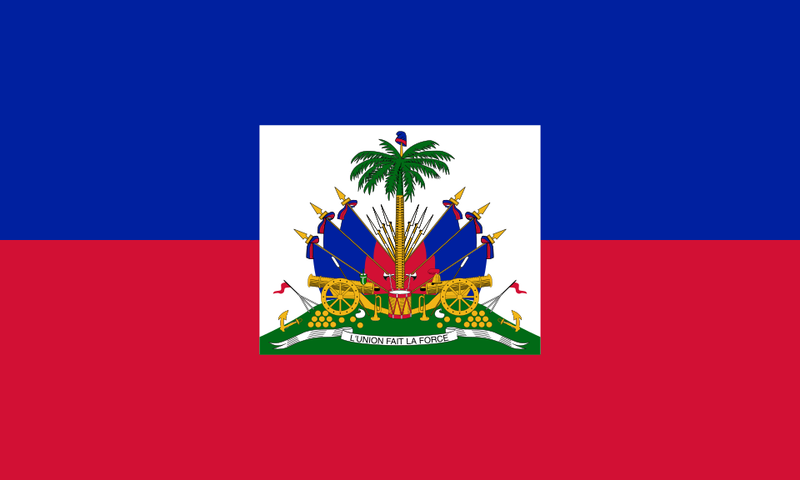
Haiti has long struggled with instability, but the situation since the 2021 assassination of President Jovenel Moise has reached a level of crisis that makes travel there genuinely life-threatening. Gang violence now controls large portions of Port-au-Prince, and the Haitian National Police have limited ability to respond effectively.
The U.S. State Department has maintained a Level 4 do-not-travel advisory for Haiti, citing kidnapping, crime, and civil unrest as primary concerns.
American citizens have been among those kidnapped in Haiti, including a high-profile 2021 case involving a missionary group.
Commercial flights have been suspended or severely disrupted multiple times in recent years due to gang activity near the airport. The U.S.
Embassy in Port-au-Prince has operated with reduced staffing and has urged Americans in Haiti to shelter in place during periods of intense violence. The situation remains highly fluid and unpredictable with no clear resolution in sight.
Afghanistan
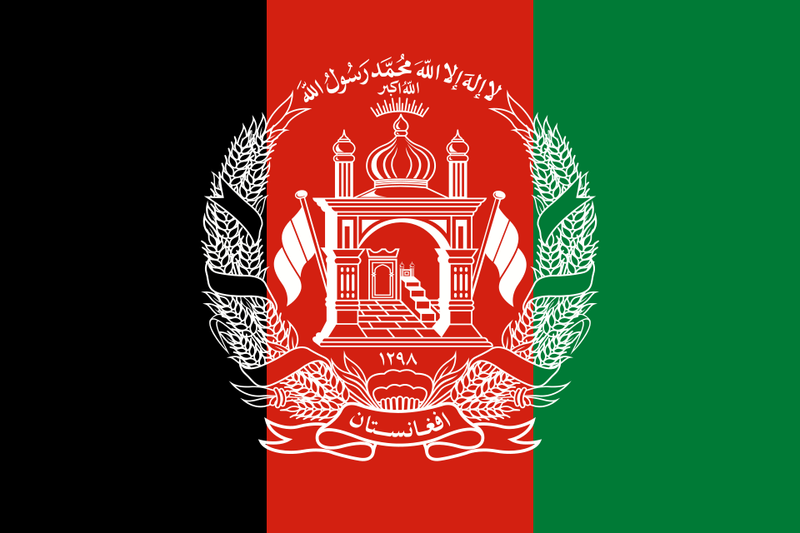
Afghanistan has been under Taliban control since August 2021, and the U.S. State Department maintains a Level 4 do-not-travel advisory with no sign of that changing.
There is no U.S. Embassy in Kabul.
The Swiss Embassy handles very limited consular services, but their ability to assist American citizens in a crisis is extremely restricted.
Americans who travel to Afghanistan risk arbitrary detention, as the Taliban government does not recognize U.S. diplomatic protections. Several American citizens have been detained since the Taliban takeover, and negotiations for their release have been lengthy and complicated.
The security environment across the country remains unpredictable, with active threats from multiple armed groups operating in various regions. Healthcare infrastructure is severely degraded, and basic services including communications can be unreliable.
Afghanistan was already a high-risk destination before 2021. Under Taliban rule, the risks for American travelers have increased significantly across every measurable category.
Yemen

Yemen has been in the grip of a brutal civil war since 2015, and the humanitarian situation remains among the worst in the world. The U.S.
State Department has maintained a Level 4 do-not-travel advisory, and the U.S. Embassy in Sanaa suspended operations back in 2015 with no reopening in sight.
Active conflict between Houthi forces and a Saudi-led coalition has left large portions of the country in ruins. Houthi groups have also carried out attacks on international shipping in the Red Sea, drawing the region into even broader geopolitical tensions.
American citizens have essentially no access to consular assistance inside Yemen.
Kidnapping for ransom is a documented risk, and various armed factions operate throughout the country with unpredictable and shifting territorial control. Even experienced journalists and aid workers operating in Yemen do so under extreme caution and with significant security infrastructure.
For American travelers, Yemen offers no safe path in or out.
Libya
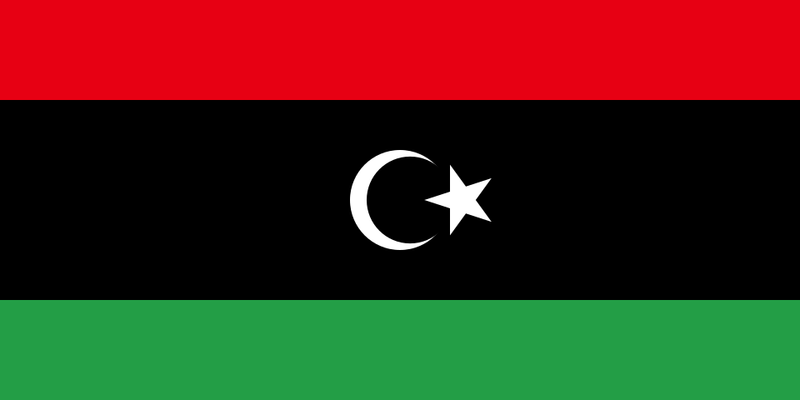
Libya has been in a state of political division and armed conflict since the fall of Muammar Gaddafi in 2011. Two rival governments have competed for control of the country, and armed militias operate across wide stretches of territory with little accountability.
The U.S. State Department keeps Libya at Level 4.
The U.S. Embassy in Tripoli suspended operations in 2014 and has not fully reopened.
Americans who encounter legal trouble or a safety emergency inside Libya have virtually no official support available. Kidnapping, armed robbery, and arbitrary detention are documented risks for foreign nationals.
Despite Libya’s location on the Mediterranean and its historical sites, the security environment makes any kind of tourism genuinely dangerous. Airports and roads can be disrupted by militia activity without warning.
Oil workers and journalists who operate in Libya do so with private security arrangements that are simply not available to ordinary travelers. This is a country where the risks are not theoretical.
Mali

Mali has been dealing with a serious jihadist insurgency that spread from the north of the country and has since affected central regions as well. The U.S.
State Department has a Level 4 do-not-travel advisory for Mali, citing terrorism, kidnapping, and crime as primary threats to travelers.
Several Western nationals, including aid workers and journalists, have been kidnapped in Mali over the years. Jihadist groups affiliated with both al-Qaeda and ISIS operate in various parts of the country and have targeted foreigners specifically.
The Malian government has also expelled French forces and shifted toward Russian military support, which has complicated the security landscape further.
The U.S. Embassy in Bamako remains open but has limited ability to assist Americans in the northern and central regions of the country.
Travel outside the capital is considered extremely dangerous. Mali’s cultural heritage, including the ancient city of Timbuktu, draws historical interest, but the current security situation makes visiting those areas an unacceptable risk.
Somalia
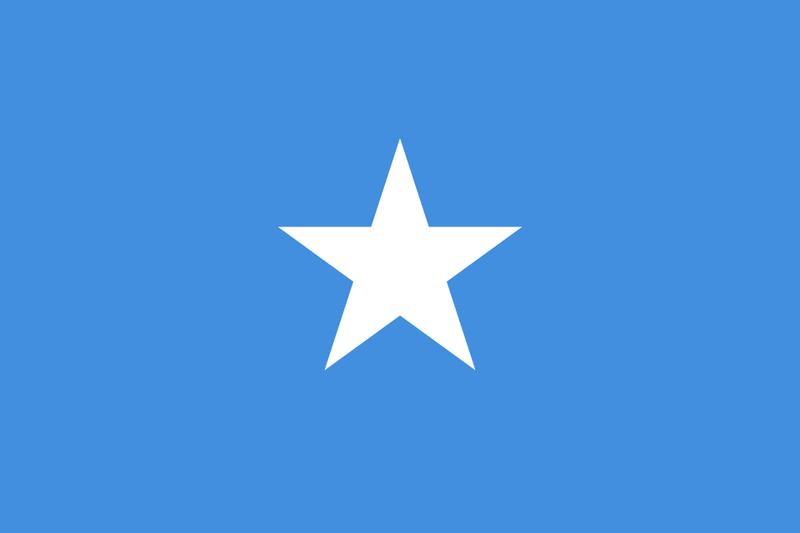
Somalia has been one of the most consistently dangerous countries in the world for decades. The U.S.
State Department has a Level 4 do-not-travel advisory in place, and the security environment in Mogadishu and across much of the country remains extremely volatile. Al-Shabaab, a jihadist group, continues to carry out bombings and armed attacks.
American citizens in Somalia face risks including terrorism, kidnapping, piracy along the coast, and general lawlessness in areas where central government authority is weak or nonexistent. Even the Somali capital has experienced large-scale attacks in recent years that caused significant casualties.
The U.S. Embassy in Mogadishu operates under heavy security restrictions, and consular services for Americans in distress are extremely limited.
Humanitarian and diplomatic personnel who work in Somalia do so with extensive security protocols that are not available to private travelers. Somalia is a country where the warning is not a suggestion.
It is a genuine safety imperative.
Iraq
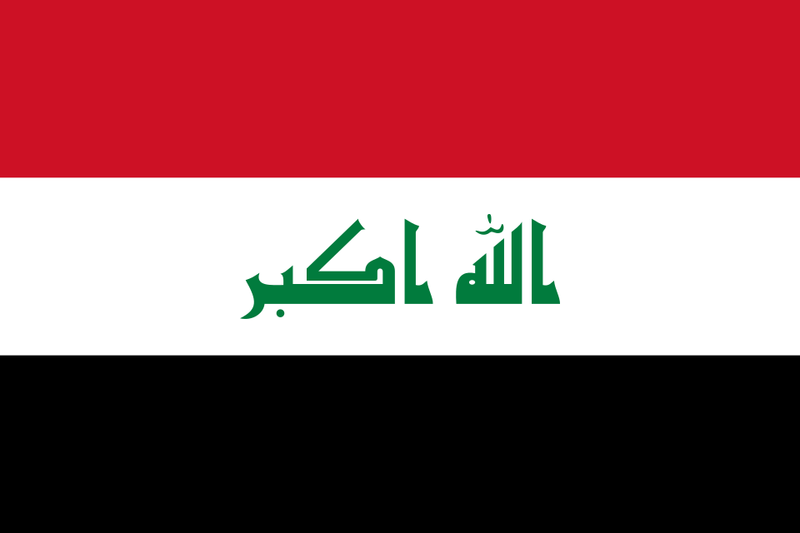
Iraq may no longer be in the headlines as frequently as it once was, but the U.S. State Department still maintains a Level 4 do-not-travel advisory for the country.
Ongoing threats from militia groups, residual ISIS activity in certain regions, and the potential for retaliatory strikes against American interests all contribute to that assessment.
Iran-backed militia groups operating inside Iraq have targeted U.S. military and diplomatic facilities with rockets and drones on multiple occasions in recent years. That threat extends to American civilians who might be in the vicinity.
The security environment can shift rapidly depending on regional tensions.
The U.S. Embassy in Baghdad remains operational but operates under significant security restrictions.
American citizens in Iraq outside of the International Zone face substantially higher risks. The Kurdistan Region in northern Iraq has a separate advisory at Level 2, but travelers should still research current conditions carefully before making any plans to visit any part of the country.
Mexico
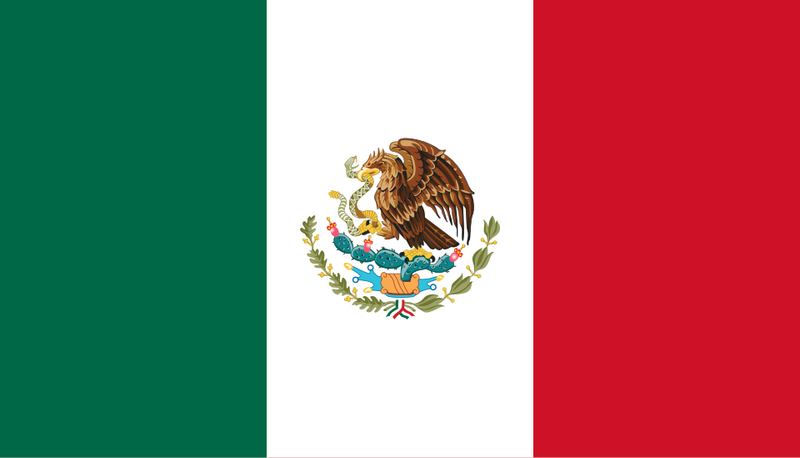
Mexico is one of the most visited countries by Americans, which makes its travel warnings especially important to understand. The State Department does not issue a blanket Level 4 advisory for the entire country, but several individual states within Mexico do carry that highest-level warning, including Colima, Guerrero, Michoacan, Sinaloa, Tamaulipas, and Zacatecas.
Cartel activity, kidnapping, robbery, and violent crime are the primary concerns in those high-risk states. Americans have been caught in the crossfire of cartel disputes, and some have been specifically targeted.
The 2023 kidnapping of four Americans in Matamoros, which resulted in two fatalities, drew widespread attention to just how dangerous certain border regions can be.
Even popular tourist destinations like Los Cabos, Cancun, and Puerto Vallarta carry Level 2 advisories, meaning travelers should exercise increased caution. Researching the specific state you plan to visit, not just the country overall, is essential before traveling to Mexico as an American citizen.
Venezuela
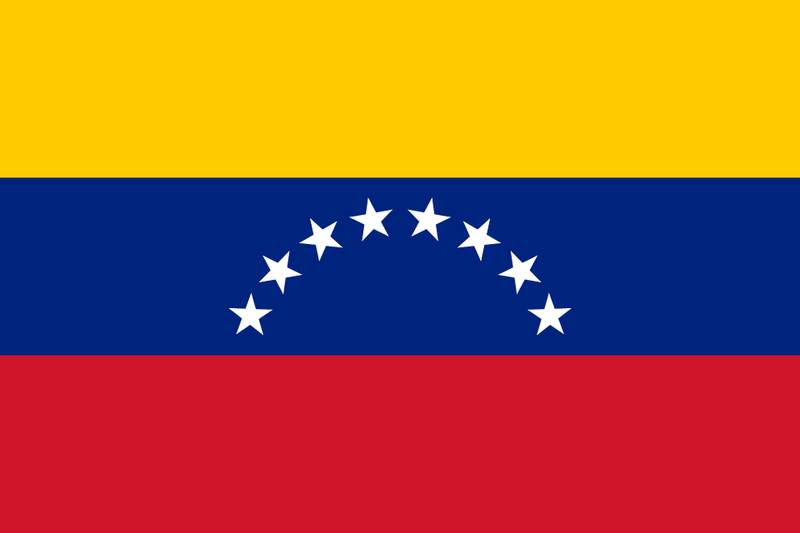
Venezuela has been in a deep political and economic crisis for years, and the U.S. State Department maintains a Level 4 do-not-travel advisory for the country.
The Maduro government has a documented history of detaining American citizens, sometimes holding them for extended periods on charges that lack credibility under international legal standards.
Crime rates in Caracas remain among the highest in Latin America. Kidnapping, armed robbery, and carjacking are reported regularly.
Basic services including electricity, water, and healthcare have been severely degraded by years of economic mismanagement and political instability.
The U.S. Embassy in Caracas suspended operations in 2019, and the U.S. has no diplomatic presence inside Venezuela.
Colombia handles some limited consular services for Americans, but the ability to assist citizens in an emergency is severely constrained. Americans who travel to Venezuela for family visits or business should be fully aware that if something goes wrong, official help is essentially unavailable from inside the country.
Share this story