Some of the funniest moments in movies and TV don’t come from stand-up comedians or actors known for slapstick. They come from serious, award-winning performers who somehow know exactly when to land a joke.
What makes these actors special is that their comedy feels real, not forced. They don’t try to be funny; they just are.
From dry one-liners to fully committed physical gags, these dramatic actors have proven that comic timing isn’t a separate skill you either have or don’t. It grows from the same place as great acting: understanding character, reading the room, and trusting the moment.
The list below covers fifteen performers who built their reputations on serious roles but have quietly become some of the most reliably funny people on screen. You might be surprised by a few names, and you’ll probably want to rewatch some of their best scenes right after.
Ryan Gosling
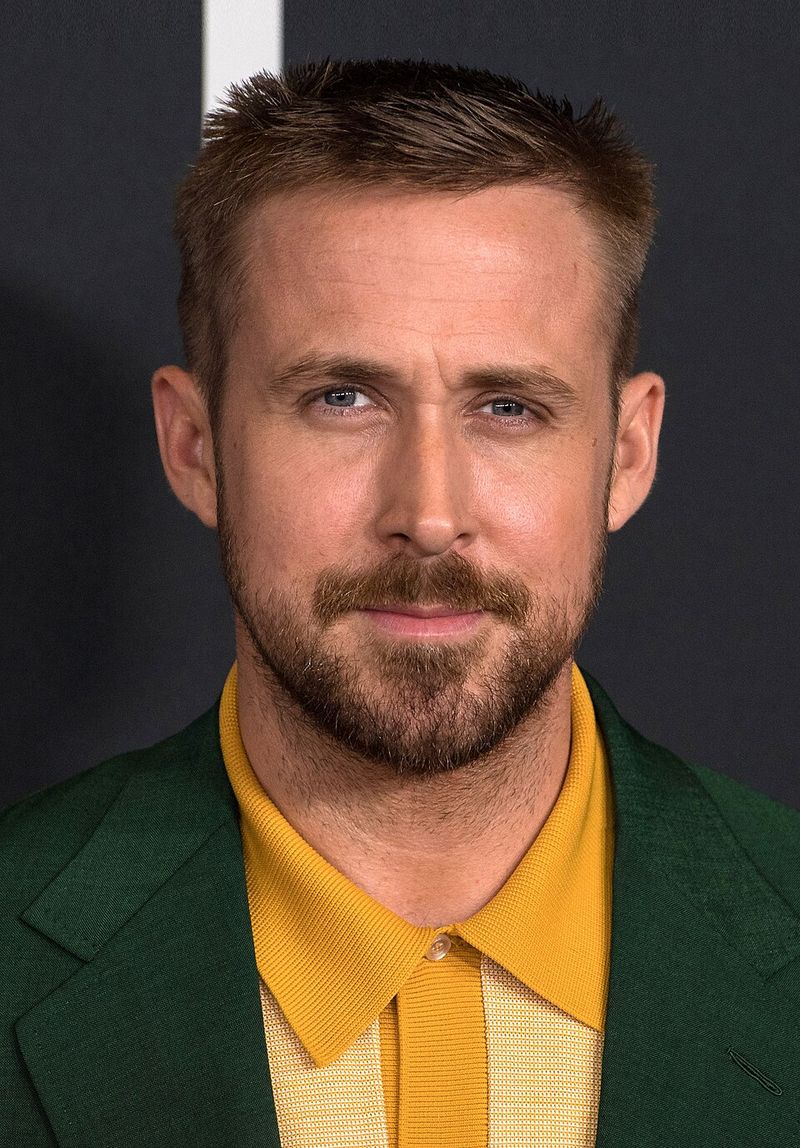
Ryan Gosling spent years being the guy audiences took seriously, intense, stylish, and quietly heartbroken in films like DriveBlue Valentine and . Then something shifted.
Crazy, Stupid, LoveThe Nice Guys showed he could do charming and funny at the same time, and confirmed it completely.
His performance as the bumbling, lovable Holland March in The Nice Guys is one of the most underrated comic turns of the last decade. He plays a man who is bad at his job, bad at parenting, and almost bad at staying alive, and every single moment of it is hilarious.
Then came Barbie, where he played Ken with such committed, ridiculous sincerity that he nearly walked away with the entire film. Critics noticed.
Audiences noticed. The joke was always that Ken took himself too seriously, and Gosling understood that completely.
Harrison Ford
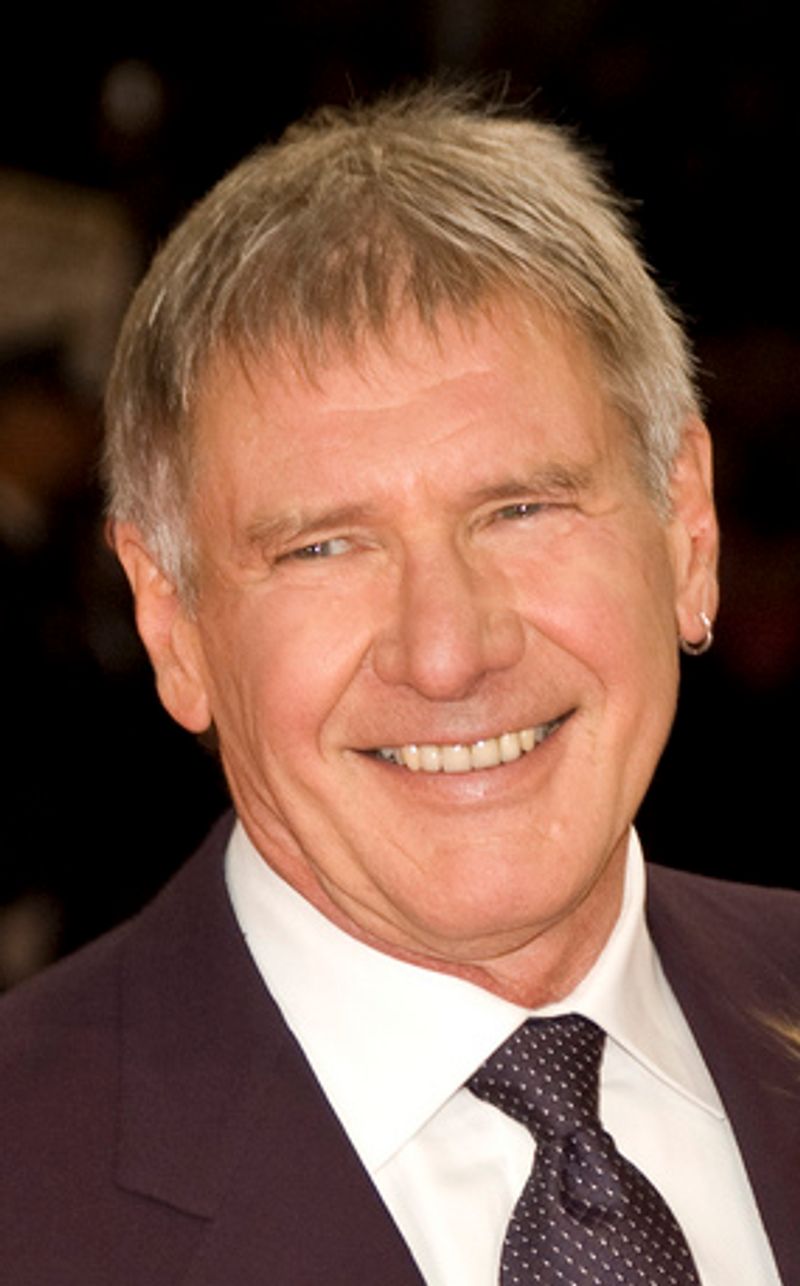
Few actors have built a career on looking annoyed as effectively as Harrison Ford. That permanent low-level irritation, which made Han Solo feel real and Indiana Jones feel human, turns out to be one of the best tools a comedic performer can have.
His role as Dr. Paul Rhoades in Apple TV+’s Shrinking is a masterclass in dry delivery. He plays a senior therapist who says blunt, uncomfortable things with complete calm, and the comedy lands because he never once signals that a joke is coming.
Ford has always had this quality, even in his biggest blockbusters. The humor sneaks up on you because he never chases it.
He simply reacts, usually with mild contempt or barely disguised impatience, and somehow that becomes funnier than anything a traditionally comic actor might do in the same scene.
Cate Blanchett
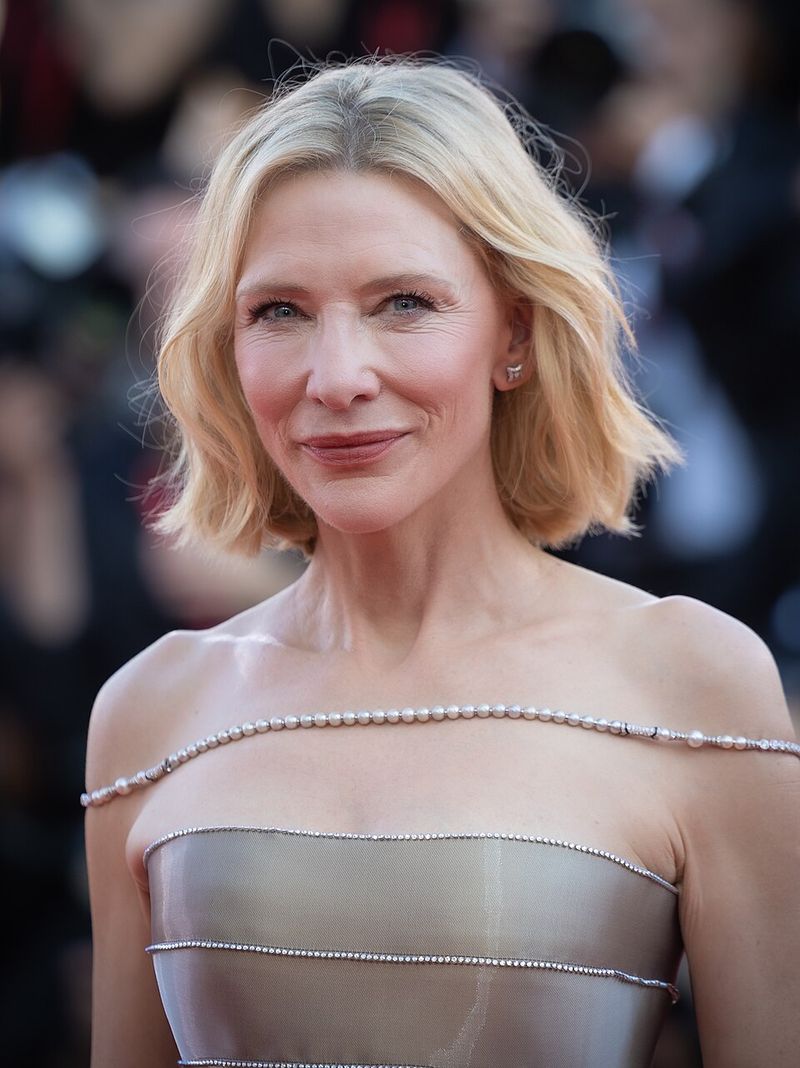
Cate Blanchett has won two Academy Awards and earned praise for some of the most demanding dramatic roles of her generation. That pedigree makes it even more impressive when she steps into a comic scene and completely owns it without breaking a sweat.
Her turn as Hela in Thor: RagnarokOcean’s 8 worked because she played the villain’s absurd grandiosity completely straight. In , she was cool and controlled in a way that had its own dry wit.
And in Don’t Look Up, she leaned into ego and delusion with terrifying precision.
What makes Blanchett funny is that she never softens the character to earn a laugh. She commits fully, whether the role calls for vanity, panic, or complete detachment from reality.
The audience laughs not because she is winking at them, but because she is so thoroughly, fearlessly in it.
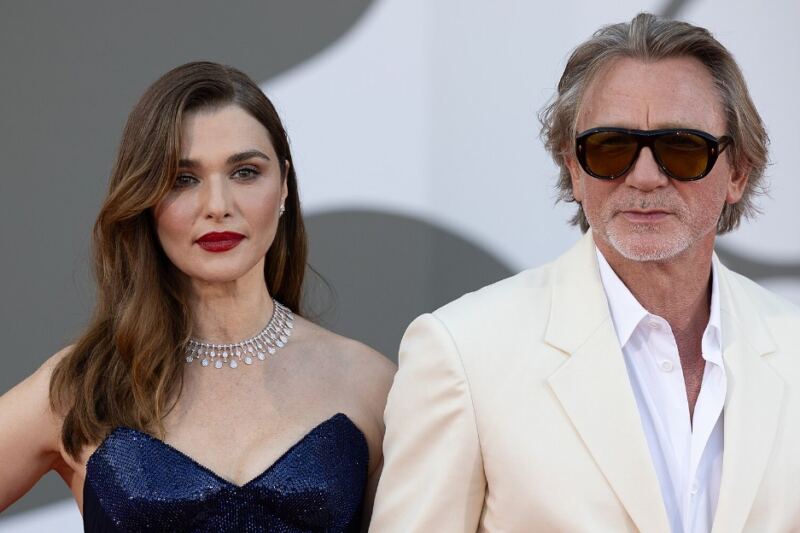
Daniel Craig
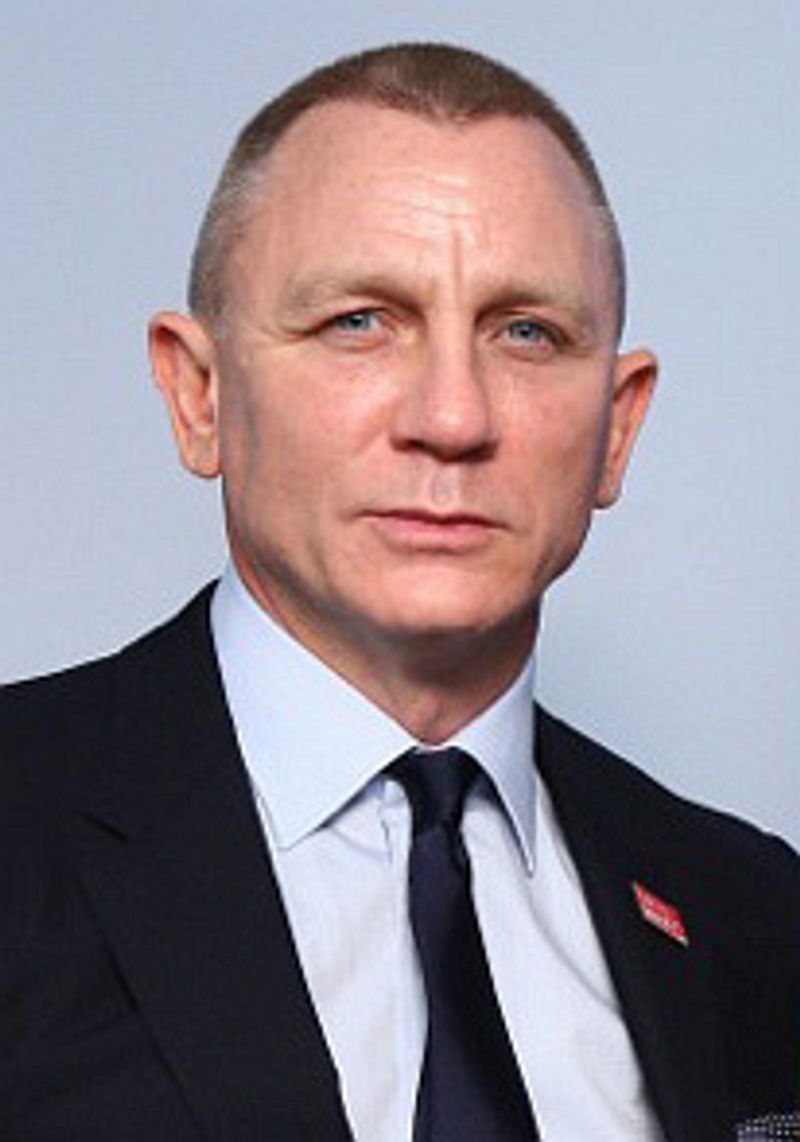
For most of his career, Daniel Craig wore seriousness like a second skin. His James Bond was bruised, cold, and relentless, which made the character compelling but not exactly known for laughs.
Then came Benoit Blanc, and everything changed.
In Knives Out and Glass Onion, Craig plays a Southern detective with theatrical flair, strange philosophical observations, and a genuine love of puzzles. The character is eccentric without being cartoonish, and Craig plays him with a loose, delighted energy that feels almost nothing like Bond.
The contrast is a big part of why the performance works. Audiences already knew Craig as one of cinema’s most stoic leading men, so watching him drawl through a monologue about a donut-shaped mystery carries an extra layer of surprise and joy.
He clearly had fun with it, and that comes through in every single scene.
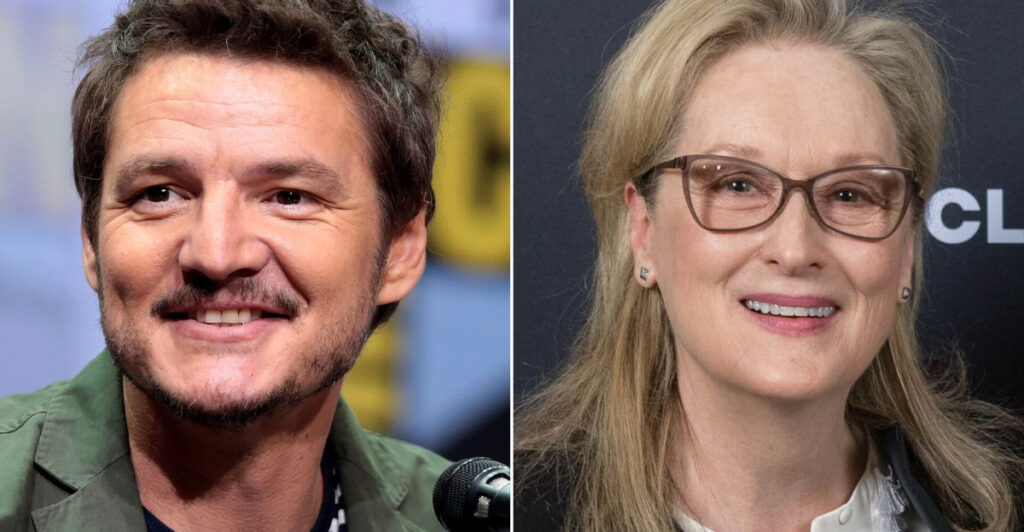
Meryl Streep
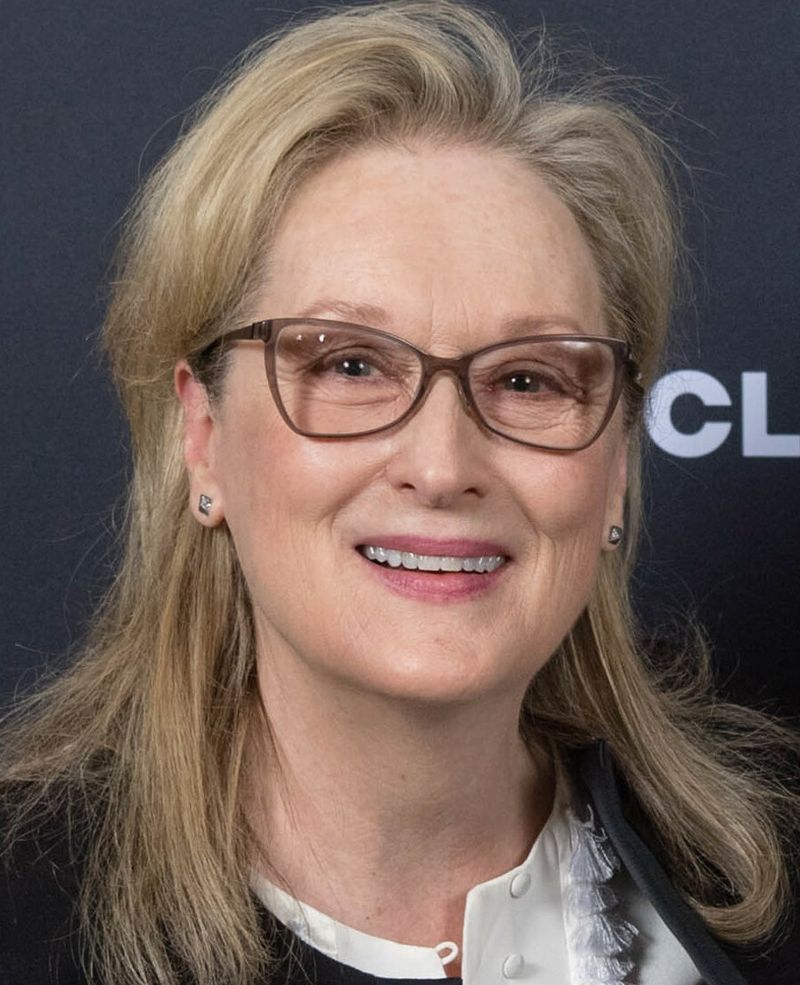
Meryl Streep is the most celebrated dramatic actress of her era, which makes it easy to overlook just how sharp her comic instincts really are. Comedy and drama both require precise control, and Streep has that in abundance.
Her performance in The Devil Wears Prada is technically a dramatic role, but it is also one of the funniest things she has ever done. Every quiet pause, every soft dismissal, every barely-there eyebrow raise lands like a perfectly timed punch line delivered in a whisper.
Then came Mamma Mia!, where she threw herself into musical silliness with zero hesitation, and more recently, Only Murders in the Building, where she played a theater world diva with gleeful self-awareness. Streep understands that comedy lives in the details of character, and she has always been one of the best character observers in the business.
Stanley Tucci
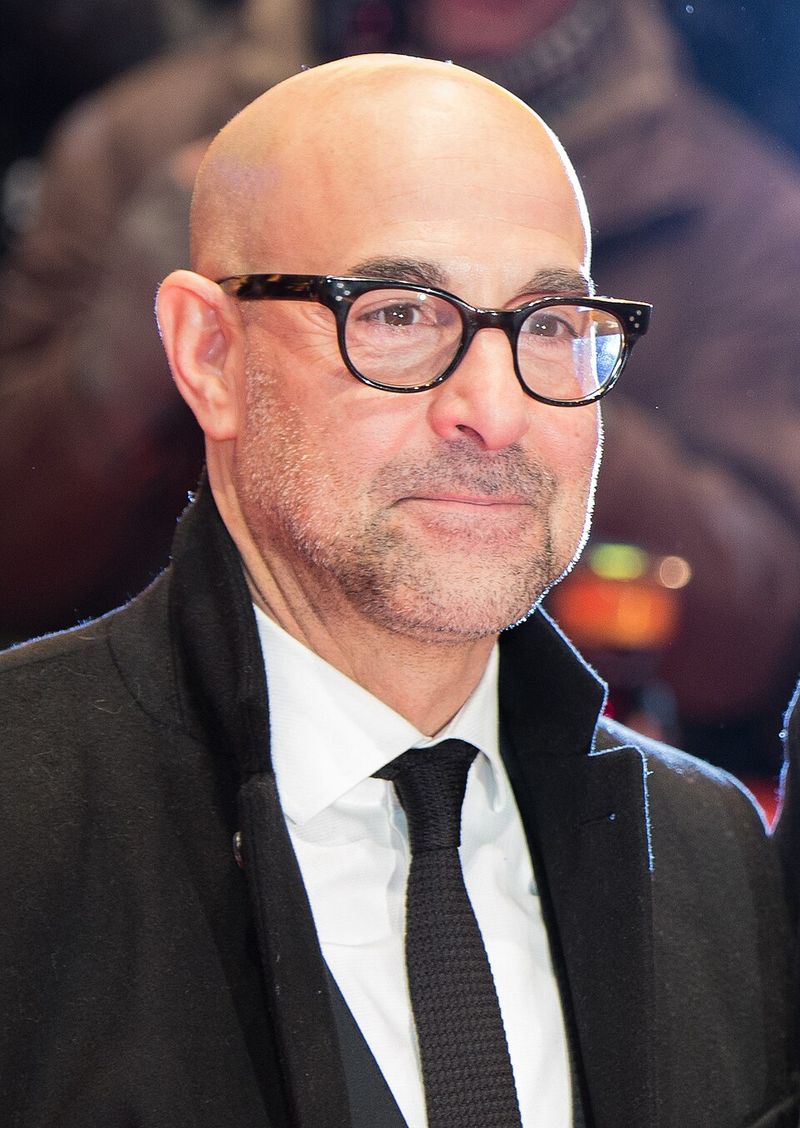
Stanley Tucci has a particular comic gift that is hard to name but impossible to miss. He can make a single, perfectly clipped sentence funnier than a full scene of physical comedy, and he does it by playing everything with complete elegance and total conviction.
His role as Nigel in The Devil Wears Prada is a clinic in scene-stealing. He says exactly what needs to be said, delivers it with the precise weight of someone who has already judged the entire room, and moves on.
There is no mugging, no lingering. Just the line, and then silence.
In Easy AJulie & Julia and , he brought that same quality to warmer, funnier territory. Tucci’s comedy comes from the sense that his characters are always slightly above the chaos around them, enduring it with grace and the occasional devastating observation.
That restraint is what makes him so reliably funny.
Adam Driver
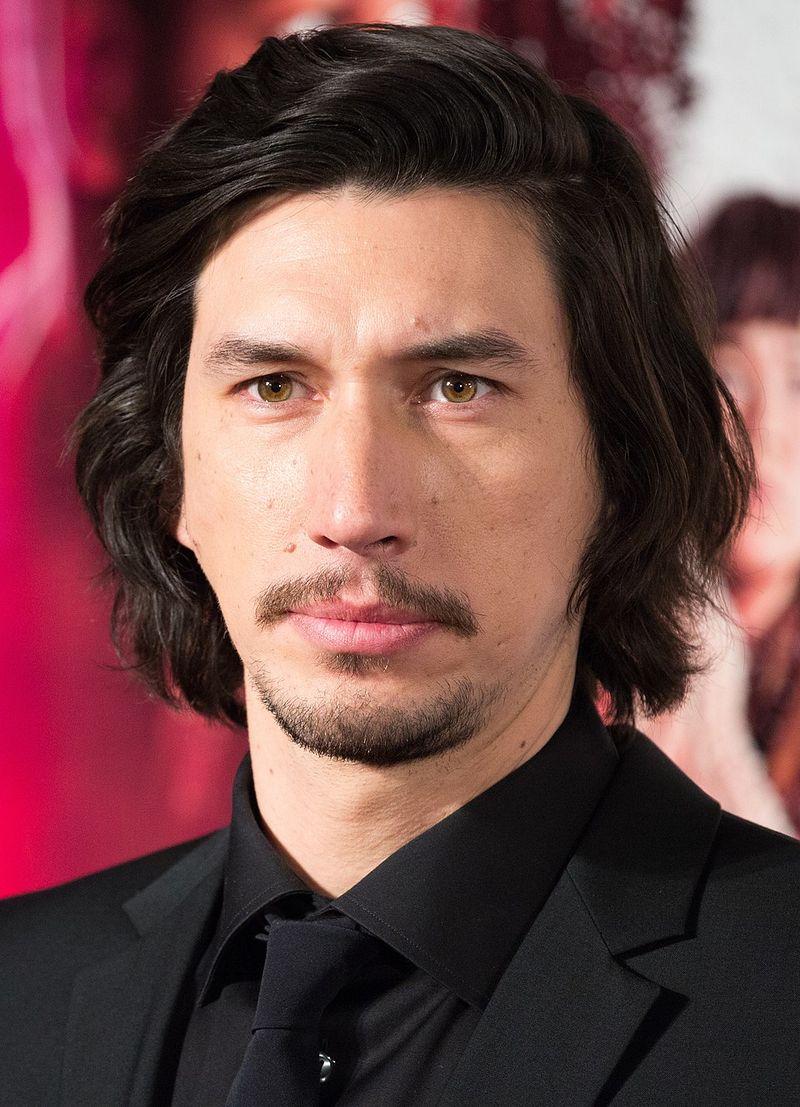
Adam Driver’s entire screen energy is built on seriousness. He carries scenes with an emotional weight that can make even quiet moments feel enormous, which is exactly why he becomes so funny when placed in ridiculous situations.
His Saturday Night Live appearances showed a performer willing to commit completely to absurdity, including a now-famous Driver sketch where he played himself with unnerving intensity. The joke only works because he never breaks.
He treats the ridiculous premise with the same gravity he would bring to a Martin Scorsese film.
In Logan Lucky, he played a one-armed safe-cracker with a calm, methodical sweetness that was quietly hilarious. His comedy is deadpan in the truest sense: the character does not know anything is funny, and that straight-faced commitment is what makes the audience laugh.
Driver proves that taking things too seriously can be its own kind of comic genius.
Pedro Pascal
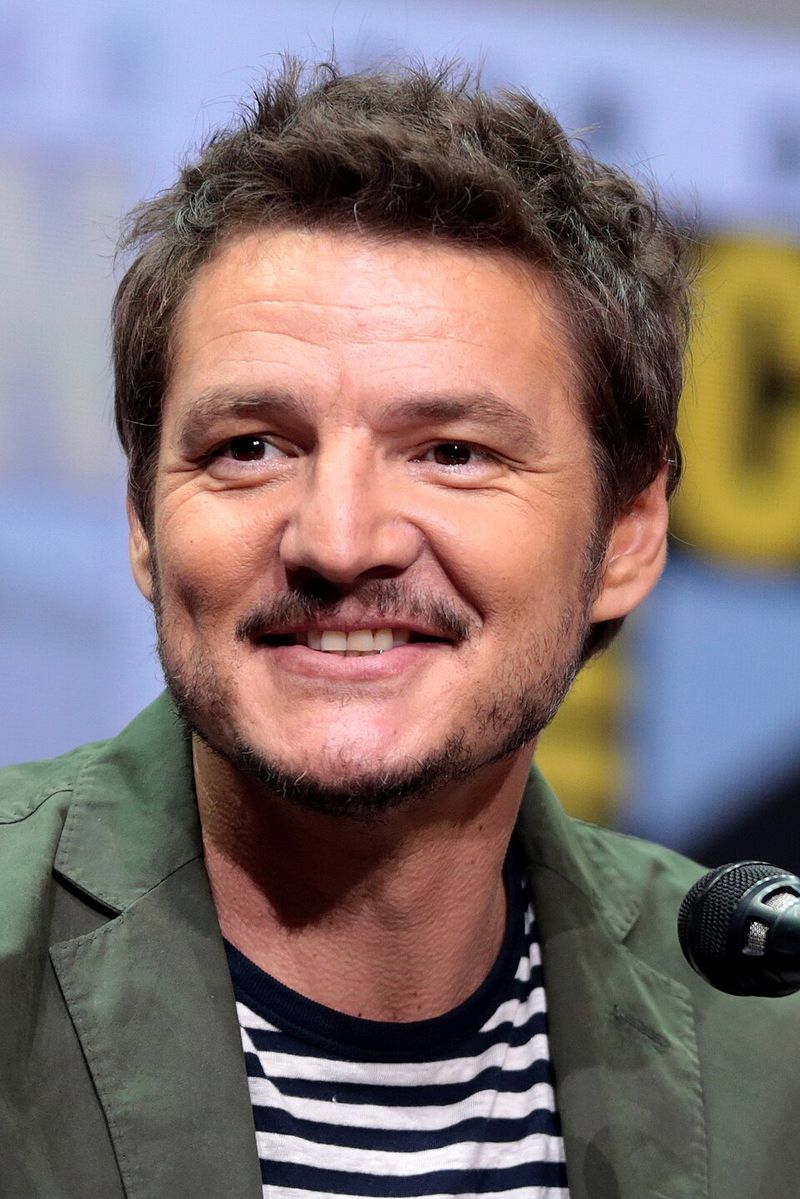
Pedro Pascal became a household name through roles that asked a lot of him emotionally. Between the stoic warrior of The Mandalorian and the grief-soaked journey of The Last of Us, he spent years carrying heavy material with real skill.
But watch his interviews, his red carpet appearances, and his lighter on-screen moments, and a completely different quality emerges. He has a warm, reactive energy that makes him especially good at playing characters who are barely holding it together.
That mix of charm and low-level panic is genuinely funny.
His comedic presence is less about joke delivery and more about relatability. He plays exhaustion, confusion, and desperate composure in a way that audiences immediately recognize and enjoy.
Even in roles that are not written as comedies, he finds the human awkwardness in the situation and leans into it just enough to get a knowing laugh from the crowd.
Colin Farrell
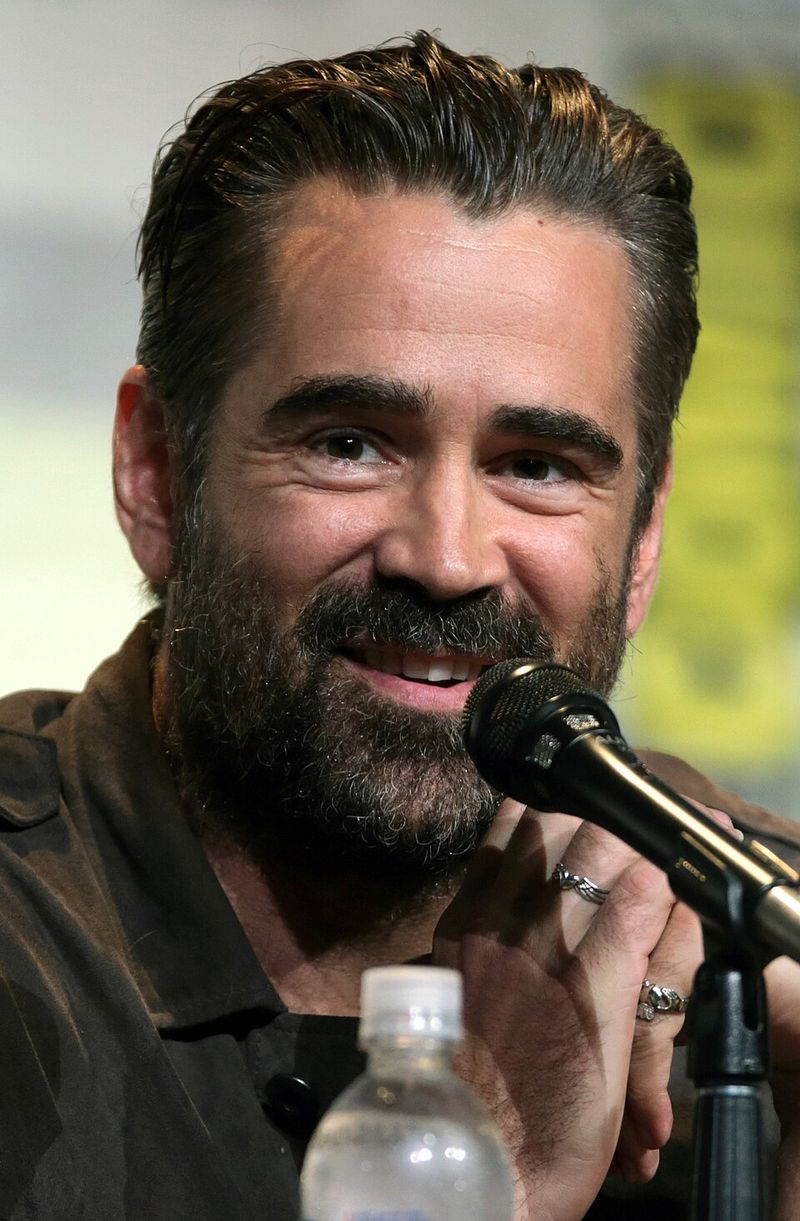
Colin Farrell has the kind of face that shows everything, which makes him both a powerful dramatic actor and a surprisingly effective comedian. His expressions do half the work before he even opens his mouth.
In In BrugesThe Lobster, he played a hitman so out of his depth culturally and emotionally that almost every scene became painfully funny despite the dark subject matter. used his expressive confusion brilliantly, casting him as a man trying to survive a society he cannot quite understand.
And The Banshees of Inisherin balanced grief and absurdity in a way that only worked because Farrell made both feel completely real.
He is especially strong at playing men who are baffled by the world around them but still trying their best. That combination of sincerity and bewilderment is a comic sweet spot, and Farrell lands in it more consistently than most actors who are actually known for comedy.
Oscar Isaac
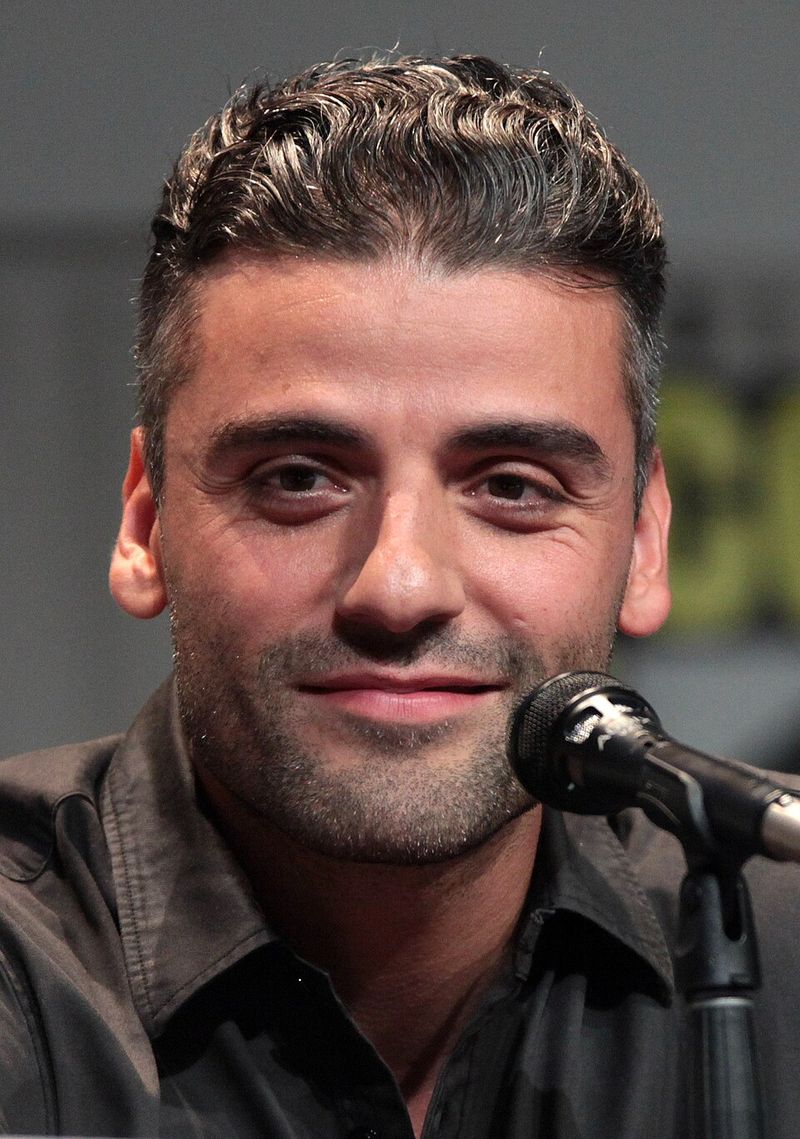
Oscar Isaac tends to attract roles with serious weight: a struggling folk musician in Inside Llewyn Davis, a calculating AI researcher in Ex Machina, a conflicted soldier in A Most Violent Year. He handles all of it with controlled intensity and real craft.
But there is a looser, stranger side to him that surfaces when a role gives him room to play. His now-legendary dance scene in Ex Machina is technically part of a thriller, yet it is one of the funniest and most unexpected moments in recent science fiction film.
He commits to it so fully that the absurdity becomes mesmerizing.
Isaac also has a natural playfulness in interviews and lighter projects that suggests he could build an entirely different career if he chose to. His humor comes from confidence and a willingness to look odd, arrogant, or slightly chaotic, qualities that translate surprisingly well to comedy when given the right material.
Gary Oldman

Gary Oldman is one of cinema’s great chameleons, known for disappearing into roles so completely that audiences sometimes forget they are watching the same actor. His range runs from Winston Churchill to Commissioner Gordon to Dracula, which makes his comedy in Slow Horses feel like a genuine revelation.
As Jackson Lamb, he plays a brilliant but thoroughly unpleasant intelligence officer who uses sloppiness, rudeness, and strategic disgustingness as social weapons. It is a deeply funny character, and Oldman plays him without a single moment of charm-seeking.
The comedy works because Oldman never asks the audience to like Lamb. He simply inhabits him: the bad posture, the worse manners, the cutting observations delivered with zero apology.
Watching an actor of his stature commit that fully to being the worst person in every room he enters is both surprising and deeply entertaining. It is one of his best performances, dramatic or otherwise.
Hugh Grant

Hugh Grant’s early career was built almost entirely on floppy-haired romantic charm, and he was very good at it. But the second act of his career, where he started playing polished men with deeply questionable interiors, turned out to be even more interesting.
In Paddington 2The Gentlemen, he played a vain, washed-up actor with such theatrical commitment that he became the best part of a film that already had a talking bear. In , he was slimy and delightful in equal measure.
And in Dungeons and Dragons: Honor Among Thieves, he leaned into self-serving villainy with obvious enjoyment.
His funniest performances share a common thread: characters whose good manners are a thin cover for vanity, irritation, or outright dishonesty. Grant plays that gap between surface politeness and actual selfishness better than almost anyone working today, and he seems to enjoy it considerably more than he ever enjoyed being the romantic lead.
Robert Pattinson
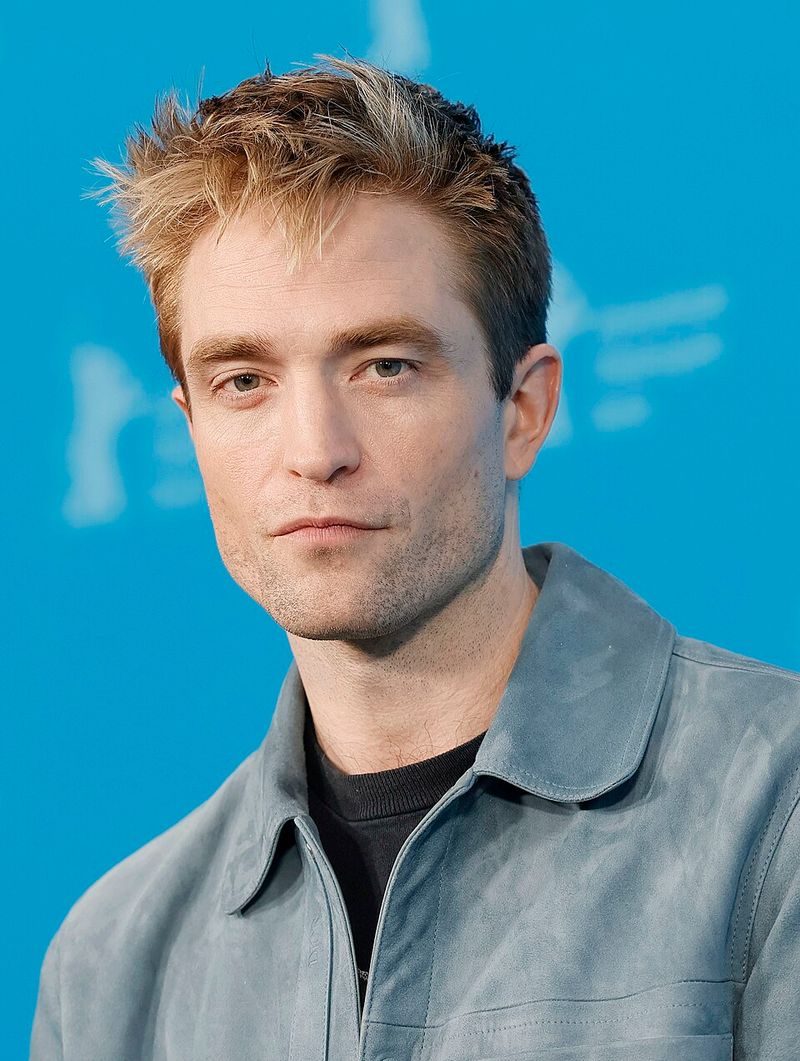
Robert Pattinson made a deliberate choice after Twilight to pursue the strangest, most challenging roles he could find, and that instinct has paid off in fascinating ways. His dramatic work in Good Time, The Lighthouse, and The Batman earned him serious critical respect.
But his comedic side is equally worth paying attention to. His press tour interviews, which became genuinely viral for their chaotic, self-deprecating energy, revealed someone who is deeply comfortable looking foolish.
That quality translates directly to his best comic performances.
In Mickey 17, he plays a man who is repeatedly cloned and sent on dangerous missions, and he brings a physical, uncomfortable awkwardness to the role that is both strange and genuinely funny. His humor comes from vulnerability rather than confidence.
He lets himself look desperate, confused, and completely out of control, and that willingness to be undignified is one of his most underrated strengths as a performer.
Jeff Goldblum
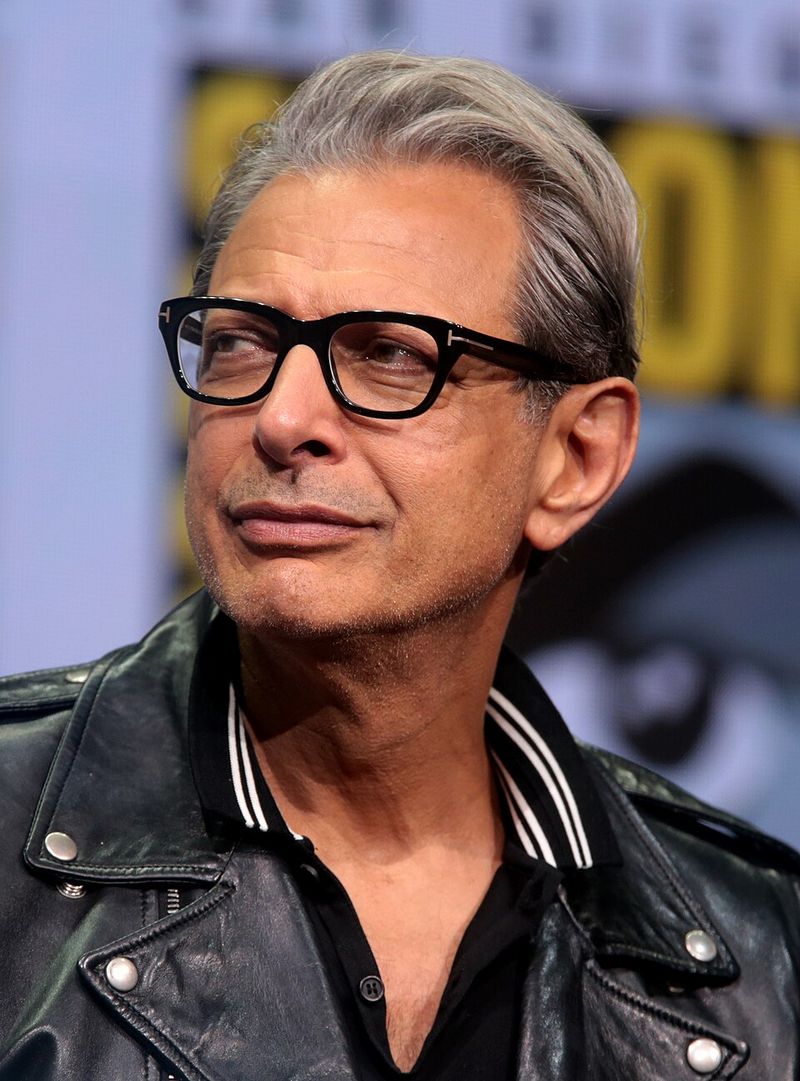
Jeff Goldblum does not tell jokes. He does something harder and more interesting: he makes the act of thinking out loud feel entertaining.
His famous hesitations, his sideways logic, his tendency to phrase things as if he is discovering them in real time, all of it creates a comic rhythm that is entirely his own.
In Jurassic Park, his Ian Malcolm delivered one of cinema’s most quoted lines with a cadence that felt improvised even when it wasn’t. In Thor: Ragnarok, director Taika Waititi gave him room to be fully himself, and the result was one of the most talked-about supporting performances of that year.
Goldblum’s comedy is almost impossible to imitate because it comes from a genuine quality of mind rather than a learned technique. He makes dialogue feel unpredictable, like the sentence might go anywhere before it lands.
That unpredictability is its own kind of comic genius, and it works in almost any genre he enters.
Anthony Hopkins
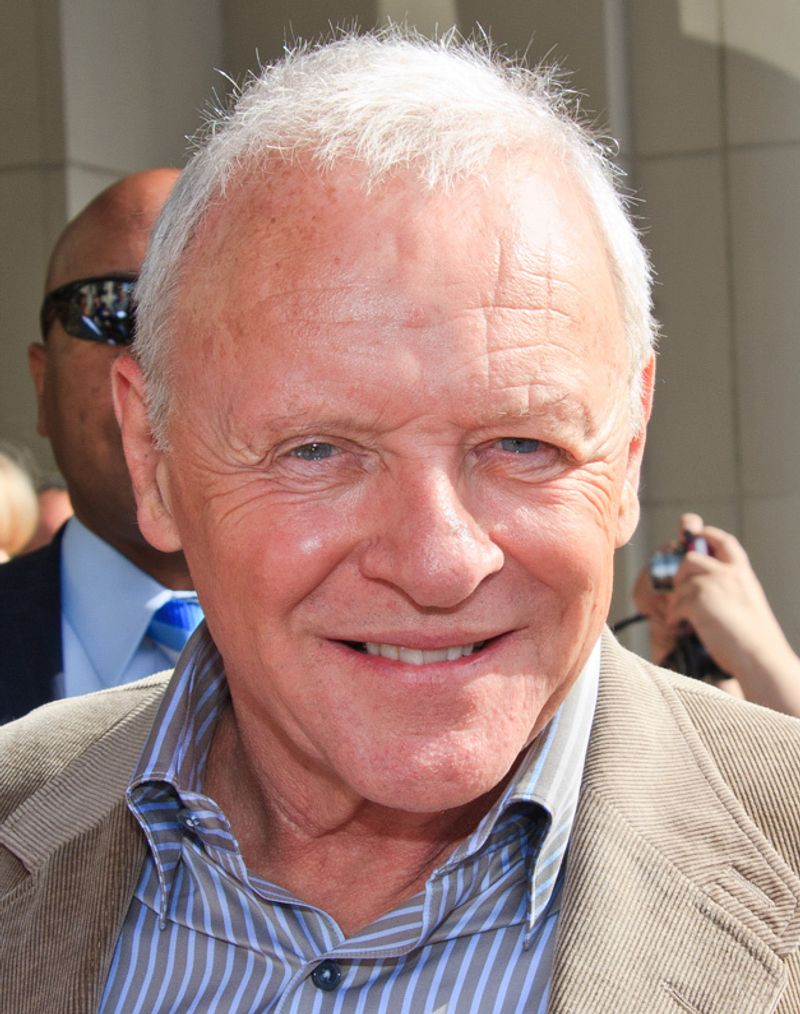
Anthony Hopkins has played some of the most psychologically complex and genuinely terrifying characters in film history. Hannibal Lecter alone would secure his legacy.
But there is a playful, almost impish quality to Hopkins that surfaces in the right context and makes him unexpectedly funny.
His appearances as Odin in the Thor films work largely because he plays the character’s regal authority completely straight, which makes every moment of absurdity around him land harder. He does not chase the comedy; he simply stands at the center of it with total dignity, and that contrast does the work.
Hopkins has spoken openly about not taking himself too seriously, and that attitude shows in his lighter performances. He brings a sense of mischief to theatrical grandeur that makes even his most imposing characters feel slightly in on the joke.
When an actor that formidable decides to have fun, the audience always feels it immediately.
Share this story