Idaho’s state parks pack an incredible range of landscapes into one state. From massive sand dunes and deep river canyons to alpine lakes and dense pine forests, these parks offer scenery that feels far more varied than most people expect from Idaho.
What makes them especially worth visiting is the mix of adventure and accessibility. Some parks are built for hiking, kayaking, and camping, while others are perfect for wildlife watching, lakeside picnics, or simply slowing down outdoors.
This list highlights 12 Idaho state parks that show just how much natural beauty the state has quietly been hiding all along.
1. Farragut State Park
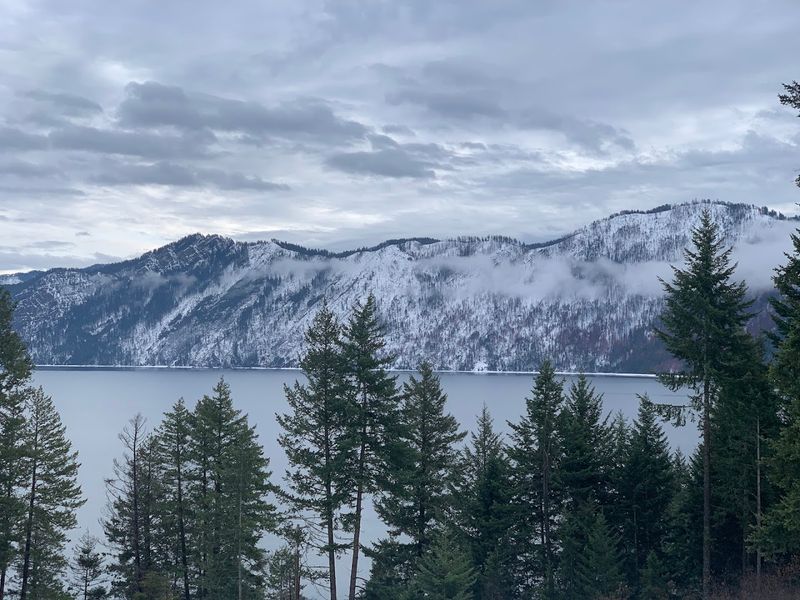
Before it became one of Idaho’s most beloved outdoor destinations, Farragut was a fully operational World War II naval training station, which makes it one of the more historically layered parks you will ever hike through.
The park covers 4,000 acres along the southern shore of Lake Pend Oreille, one of the deepest and largest lakes in the United States.
Bald eagles are a common sight here, and white-tailed deer often wander through campsites without much concern for personal space.
Hikers have access to miles of tree-lined trails, and mountain bikers have their own dedicated routes through the forest.
In winter, cross-country ski trails keep the park busy year-round. Boating, disc golf, archery, and horseback riding round out an activity list that would exhaust even the most enthusiastic outdoor fan.
2. Ponderosa State Park
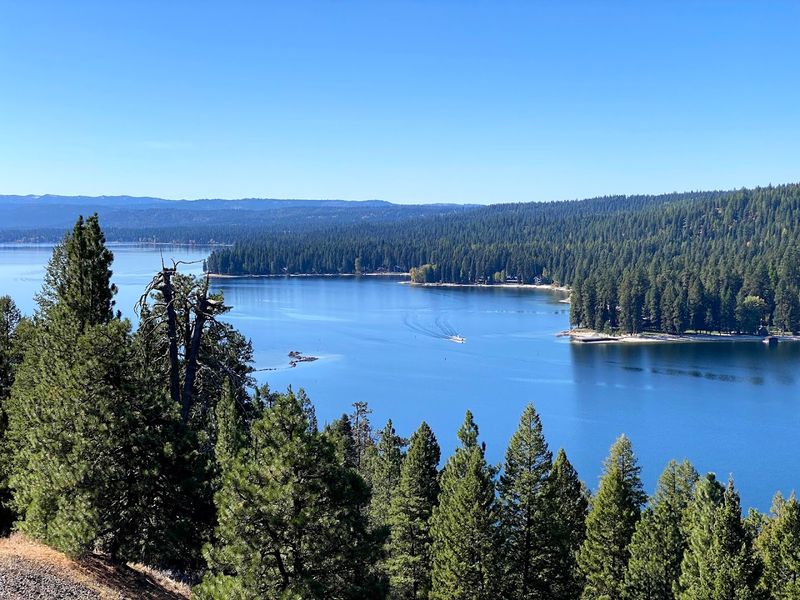
Perched on a narrow peninsula that juts straight into Payette Lake near McCall, Ponderosa State Park earns its name from the massive ponderosa pines that tower up to 150 feet overhead.
The terrain shifts dramatically across the park, running from steep rocky cliffs down to marshy wetland areas, which means the wildlife variety is equally impressive.
The Osprey Cliff Overlook is one of the most photographed spots in the park, offering sweeping views of the lake and surrounding mountain ridges without requiring a brutal hike to reach it.
Campers can choose from tent sites, RV hookups, or cozy cabins tucked into the trees.
When winter arrives, the park switches gears entirely and becomes a Nordic skiing destination, with groomed trails winding through the same forest that hikers enjoy in summer. It is genuinely a four-season park.
3. Bruneau Dunes State Park
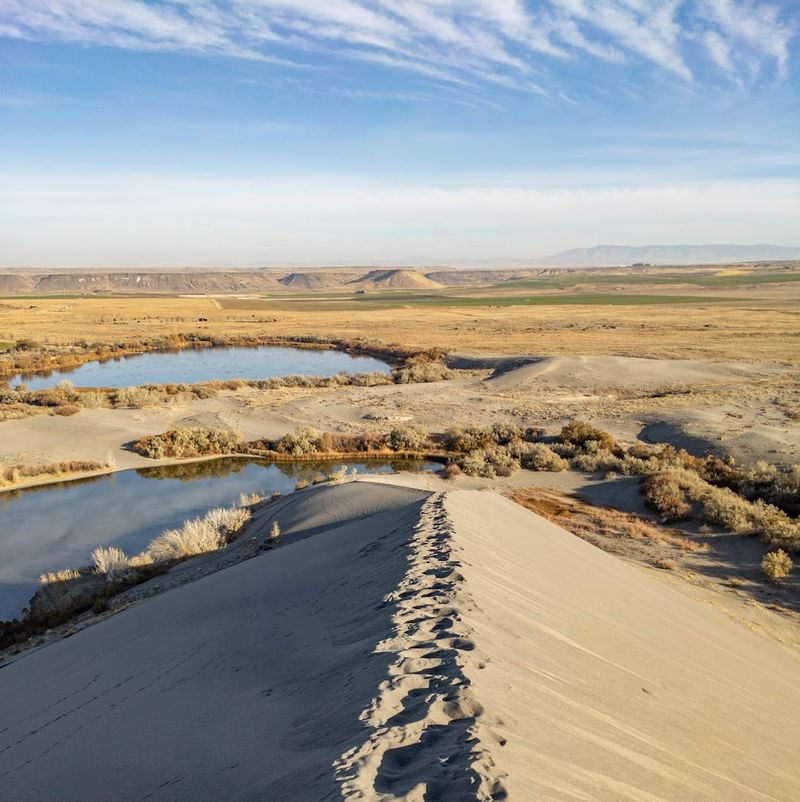
North America’s tallest single-structured sand dune rises 470 feet at this park in southwest Idaho, and yes, you are absolutely allowed to climb it.
Bruneau Dunes looks like it was airlifted from the Sahara and dropped into the high desert about an hour south of Boise, making it one of the most visually surprising places in the entire state.
The park includes small lakes at the base of the dunes where fishing is popular, and the surrounding marshes attract a solid variety of bird species throughout the year.
Sandboarding is a real activity here, and rental equipment is available for those who show up unprepared but optimistic.
After dark, the park’s on-site observatory opens for stargazing sessions, taking advantage of the minimal light pollution in the surrounding desert landscape. Clear nights here are genuinely remarkable for amateur astronomers.
4. Priest Lake State Park
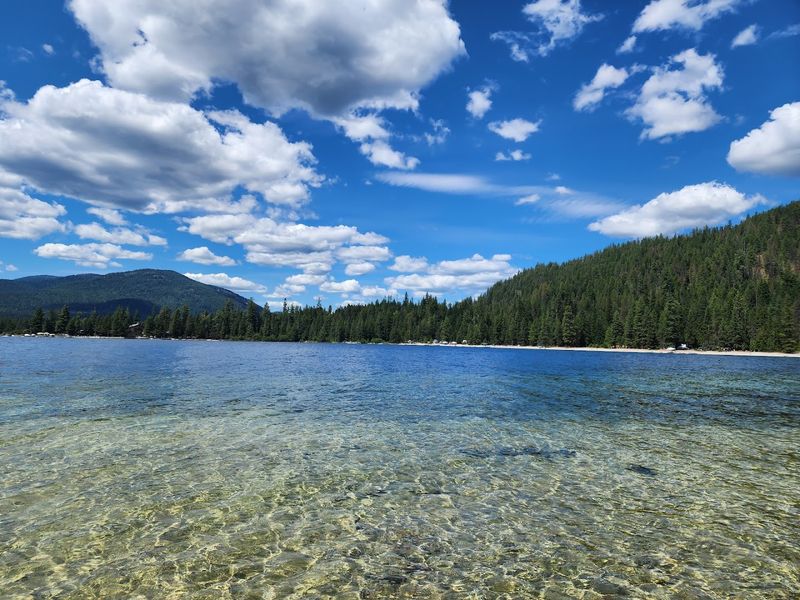
About 30 miles south of the Canadian border, Priest Lake sits in a part of northern Idaho where the forests are so dense and the water so clear that the whole place feels genuinely untouched.
Mountain streams feed directly into the lake, which keeps the water cold and remarkably transparent even in the height of summer.
The park has 151 campsites and five cabins spread across multiple units along the shoreline, so finding a spot with a lake view is not difficult.
Kayaking and canoeing are the most popular ways to explore the water, though powerboating is also allowed on the main lake.
Wildlife watchers have spotted osprey, black bears, white-tailed deer, and the occasional moose along the forested shoreline trails. The Selkirk Mountains form a dramatic backdrop that makes every photo look professionally composed without any extra effort on your part.
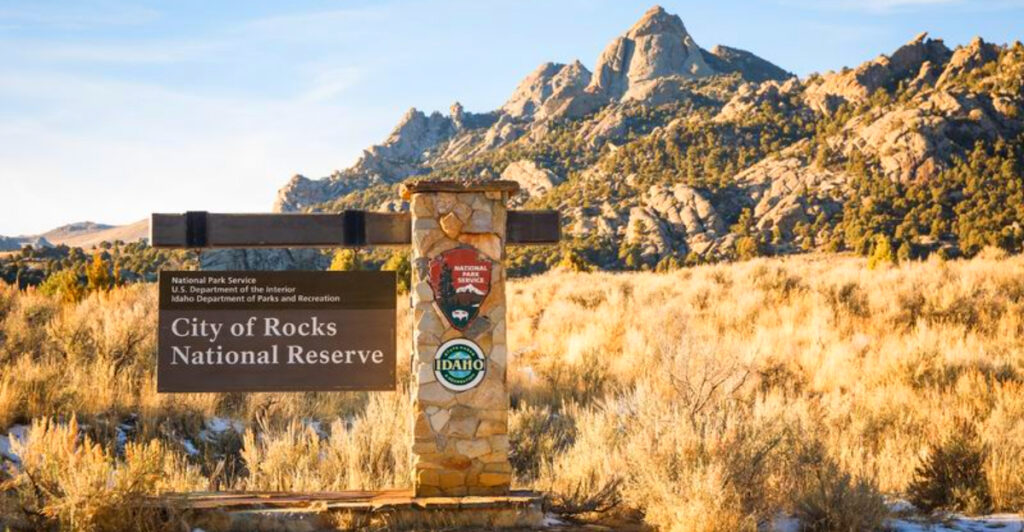
5. City of Rocks State Park
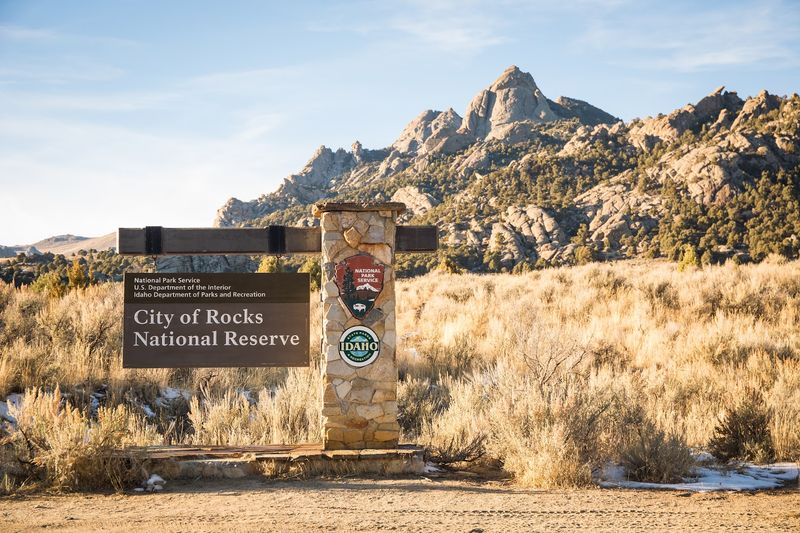
Granite spires that took over 2.5 million years to form rise dramatically from the high desert floor here, creating a landscape that looks more like a fantasy novel setting than a real place in southern Idaho.
City of Rocks is world-famous among rock climbers, with hundreds of established routes ranging from beginner-friendly slabs to serious technical challenges that draw experts from across the country.
Ancient pictographs left by travelers along the California Trail are visible on several rock faces, adding a layer of human history to all that geological drama.
Non-climbers have plenty of reasons to visit too, including hiking trails, horseback riding routes, and fishing spots spread across the reserve.
Camping under those towering formations on a clear night, with stars filling the sky above the dark granite silhouettes, is an experience that tends to stay with visitors for a long time after they drive home.
6. Harriman State Park
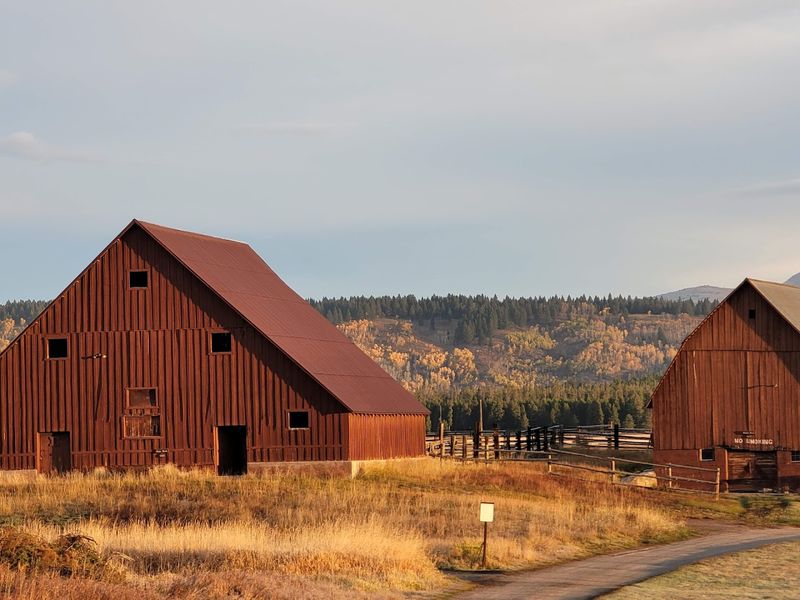
Harriman sits inside a 16,000-acre wildlife refuge that is technically part of the Greater Yellowstone Ecosystem, which means the wildlife watching here is in a completely different league from most state parks.
Trumpeter swans, sandhill cranes, moose, elk, and mule deer are all regularly spotted in the open meadows and along the banks of the Henrys Fork, a tributary of the Snake River that runs straight through the park.
Fly-fishing on the Henrys Fork is considered among the best in the entire region, and the river’s reputation draws serious anglers from well beyond Idaho’s borders.
Hikers and horseback riders share a network of trails that wind through evergreen forests and wide-open grasslands with mountain views in nearly every direction.
Come winter, Harriman transforms into a cross-country skiing and snowshoeing destination, with the same trails that hikers use in summer becoming groomed routes through a snow-covered landscape just 38 miles from Yellowstone.
7. Heyburn State Park
Created in 1908, Heyburn holds the title of the oldest state park in the entire Pacific Northwest, and it carries that history with the confidence of a park that knows exactly what it is offering.
Some of the ponderosa pines here are over 400 years old, which puts them firmly in the category of trees that were already ancient when the park was established.
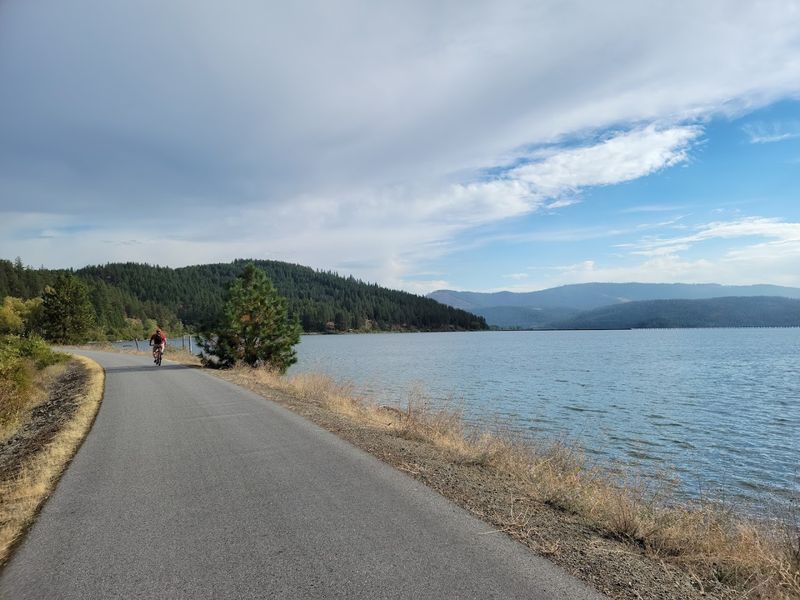
The Trail of the Coeur d’Alenes, a paved multi-use trail stretching 73 miles across northern Idaho, runs directly through the park, making it a popular stop for cyclists and walkers on longer journeys.
A full-service marina gives boaters easy access to the connected lakes and river system, and wetland areas nearby attract herons, osprey, and a rotating cast of migratory birds throughout the year.
The combination of old-growth forest, waterfront access, and well-maintained trails makes Heyburn one of the most complete state park experiences in northern Idaho.
8. Thousand Springs State Park
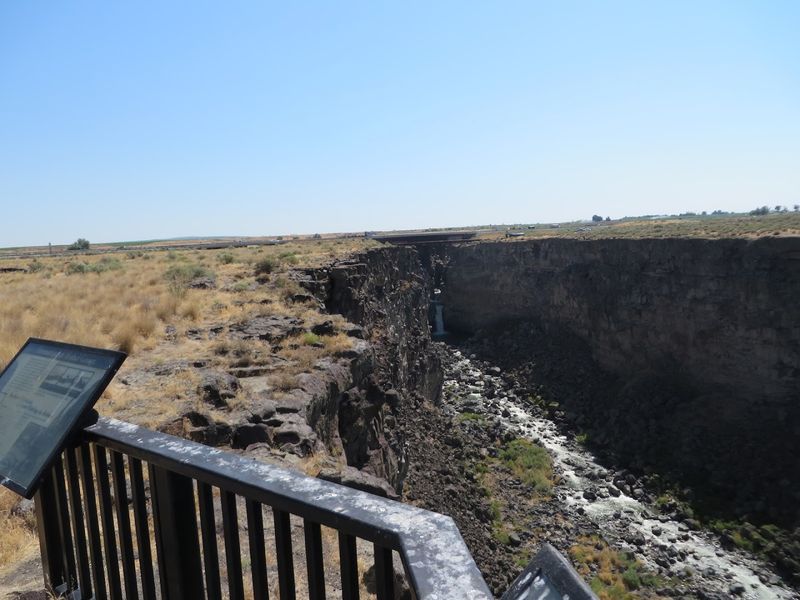
Waterfalls pouring straight out of solid canyon walls along the Snake River is not something most people expect to see in Idaho, but that is exactly what Thousand Springs delivers, and it does so without any warning or build-up.
The springs emerge from ancient lava rock formations, fed by an underground aquifer that has been traveling through volcanic basalt for decades before surfacing in dramatic fashion along the canyon cliffs.
The park is divided into several separate units spread across the region, including Niagara Springs, Malad Gorge, and Ritter Island, each offering a different perspective on the same extraordinary water system.
Short hiking trails at most units keep the experience accessible for visitors of all fitness levels, and scenic pullouts along the highway allow for views without even leaving the car.
The vivid blue color of the spring water against the dark basalt canyon walls creates a visual contrast that stops most first-time visitors in their tracks.
9. Lake Cascade State Park
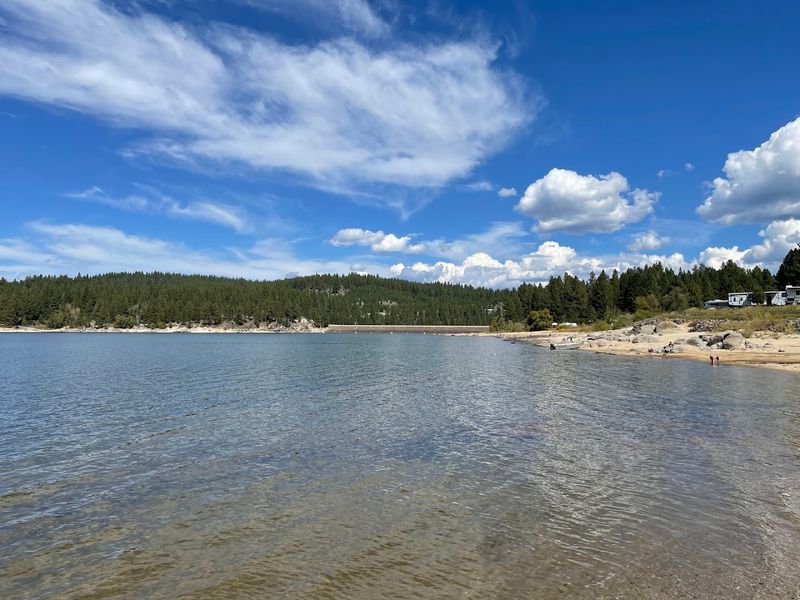
Lake Cascade wraps around 86 miles of shoreline in central Idaho, and the state park that surrounds it gives visitors access to one of the most activity-packed water destinations in the state.
The lake itself is an impoundment of the Payette River, and the wildlife that has moved into the surrounding habitat is impressive, with bald eagles, black bears, elk, foxes, and great horned owls all documented in the area.
Summer visitors come for boating, swimming, paddleboarding, kiteboarding, and fishing, while the shoreline trails and equestrian routes attract those who prefer to keep their feet on dry ground.
Camping options range from full-service sites with hookups to primitive spots and yurts for those who want something in between a tent and a cabin.
When temperatures drop, ice fishing takes over the frozen lake and Nordic skiers move through nearby trails, proving that Cascade is a park with genuine year-round appeal and very few slow weekends.
10. Round Lake State Park
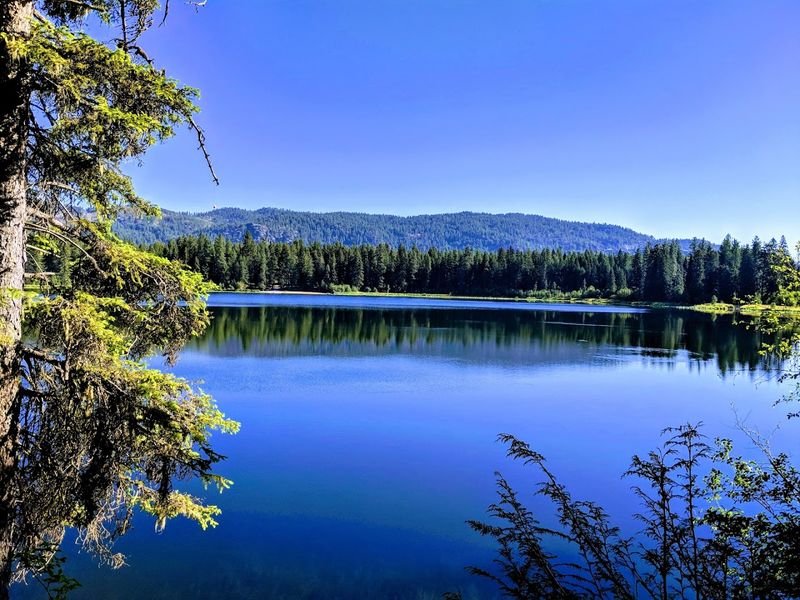
Round Lake is the kind of small, unhurried park that regulars tend to keep to themselves, and honestly, the secrecy is understandable once you see it.
The lake sits inside a glacially carved basin in northern Idaho, surrounded by a thick mix of western red cedar, grand fir, and ponderosa pine that keeps the whole area cool and shaded even in midsummer.
Canoeing and kayaking are the main water activities here, and the calm, motorboat-free surface makes it an ideal spot for paddlers who want to move at their own pace without dodging wakes.
Fishing for largemouth bass and perch is popular from the shoreline and from small watercraft, and the easy loop trail around the lake is manageable for young children and older visitors alike.
Early mornings often bring mist drifting low across the water’s surface, and the forested hills reflected in the calm lake create a scene that feels genuinely removed from the rest of the world.
11. Dworshak State Park
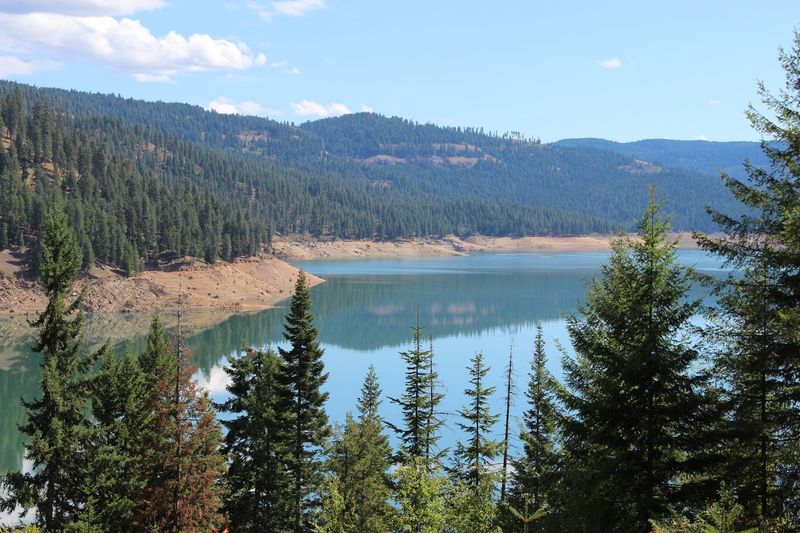
The reservoir at the center of Dworshak State Park is one of the deepest in the entire United States, and the sheer scale of the water surrounded by steep forested hillsides gives the park a genuinely dramatic character that larger, more famous parks sometimes struggle to match.
Dworshak Reservoir stretches for miles through a remote canyon in northern Idaho, and the park’s roughly 850 acres of surrounding land include a mix of dense forest and open meadow that supports a healthy variety of wildlife.
Boating and fishing are the primary draws, with kokanee salmon being a particularly popular target for anglers who make the trip out to this less-visited corner of the state.
Camping facilities are available for those who want to extend their stay, and the surrounding terrain offers hiking opportunities through forested slopes with consistent reservoir views.
The remote location north of Orofino means crowds are rarely an issue, which adds to the appeal for visitors specifically looking to escape busier destinations.
12. Winchester Lake State Park
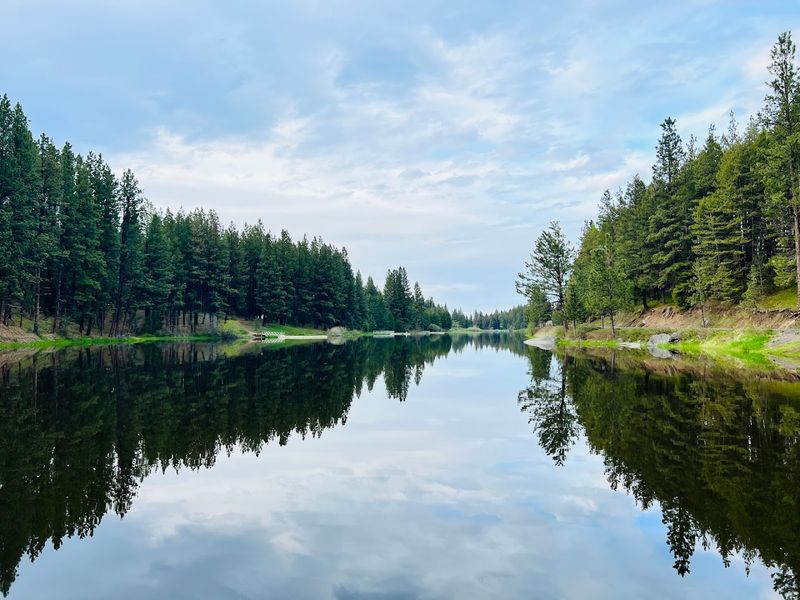
Winchester Lake punches well above its weight for a small state park, offering a level of tranquility and natural beauty that keeps campers and birdwatchers coming back season after season.
The lake sits in a shallow basin surrounded by forested hills in north-central Idaho, and the calm water acts almost like a mirror for the tree-covered slopes above, creating reflections that make the scenery look doubled.
Birdwatching is a serious draw here, with osprey, great blue herons, wood ducks, and a rotating variety of migratory species making regular appearances around the shoreline and wetland areas nearby.
Canoeing is the most popular water activity, fitting naturally with the park’s quiet, low-key atmosphere that tends to attract visitors who are specifically avoiding noise and crowds.
The campground sits close enough to the lake that early risers can watch waterfowl from their campsites, making Winchester Lake one of those rare parks where doing absolutely nothing still feels like a productive outdoor experience.
Share this story