 Unearth The Voyage
Woodstock 1969 is remembered as one of the greatest music festivals in history, drawing nearly half a million people to a muddy farm in upstate New York. But not every legendary act showed up.
Some of the biggest names in rock actually turned down their invitation, and their reasons range from smart business moves to pure stubbornness. Here are the bands that said no to Woodstock, and the stories behind those decisions.
The Doors
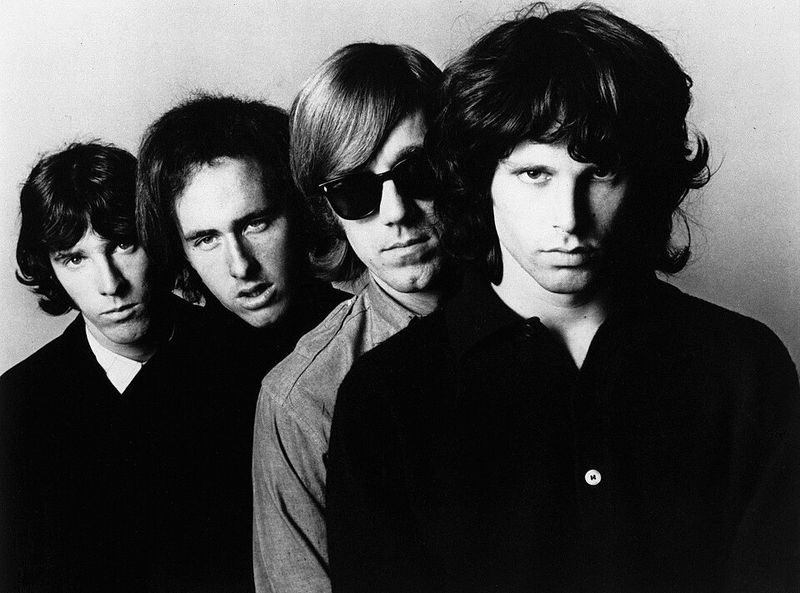
Jim Morrison called Woodstock a “boring” festival of peace and flowers, which is very on-brand for a guy who wore leather pants in August. The Doors were at the peak of their fame in 1969, and Morrison reportedly had zero interest in playing second fiddle to a muddy field full of hippies.
The band had already built a reputation for dark, intense live shows. Playing alongside hundreds of acts at a chaotic outdoor festival simply did not fit their image.
Morrison preferred controlled chaos, not actual chaos.
There is also a theory that the band feared the uncontrollable crowd energy might upstage even Morrison’s theatrical performances. Whatever the reason, The Doors skipped Woodstock and continued releasing hit albums.
Their absence from the festival did nothing to slow their legendary status. Sometimes saying no is the loudest statement a rock band can make.
Led Zeppelin
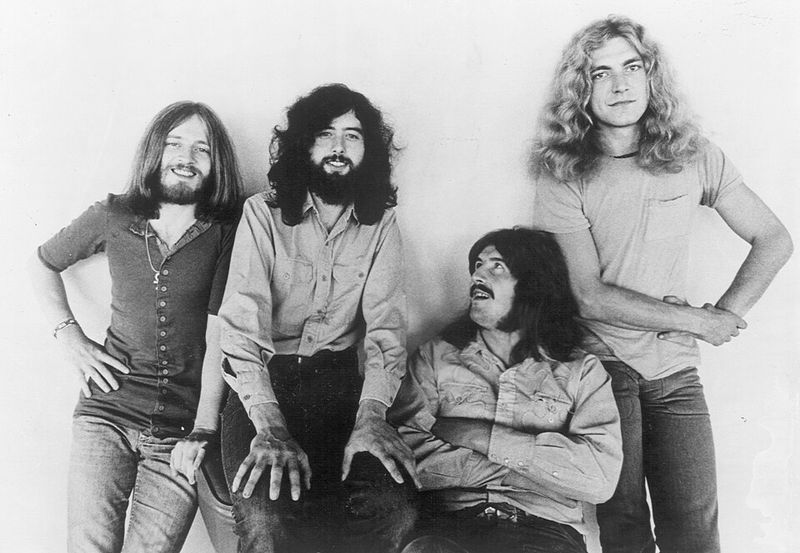
Led Zeppelin turned down Woodstock, and honestly, their reason makes total sense once you hear it. Manager Peter Grant refused the invitation because he did not want the band sharing a massive bill with dozens of other acts.
Grant believed Led Zeppelin deserved their own spotlight, not a time slot squeezed between other performers.
In 1969, the band had just released their debut album and were rapidly becoming one of the hottest acts in rock. Grant was fiercely protective of their growing brand.
He understood that scarcity creates demand, and playing Woodstock might dilute their mystique.
The strategy worked brilliantly. Led Zeppelin went on to become one of the best-selling bands of all time.
Skipping Woodstock did not hurt their reputation one bit. Instead, it cemented the idea that they played by their own rules.
Not bad for a band that had only been together for about a year.
Jethro Tull
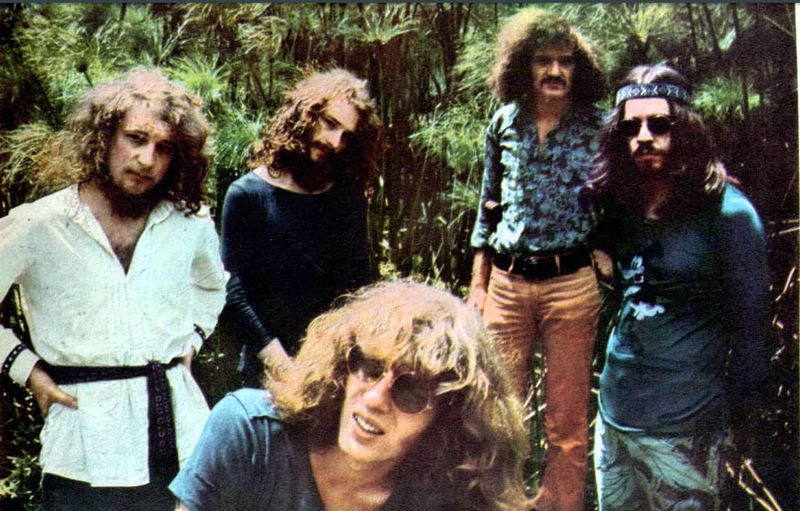
Jethro Tull turned down Woodstock, and frontman Ian Anderson has been refreshingly blunt about why. He thought the festival was going to be a disorganized mess.
Spoiler alert: he was right. Anderson was never the peace-and-love type, preferring sharp wit and complex music over communal sing-alongs in the rain.
The band was known for blending rock with folk and classical influences, featuring Anderson’s signature flute playing and eccentric stage presence. Their sound was unique, and their audience was devoted.
Playing to half a million strangers at a festival was not exactly their scene.
Anderson later admitted he had no regrets about skipping it. The band released “Stand Up” in 1969, which hit number one in the UK, so they were hardly sitting idle.
Jethro Tull proved you did not need Woodstock to build a legendary career. Sometimes the road less traveled is paved with flute solos and good judgment.
The Moody Blues
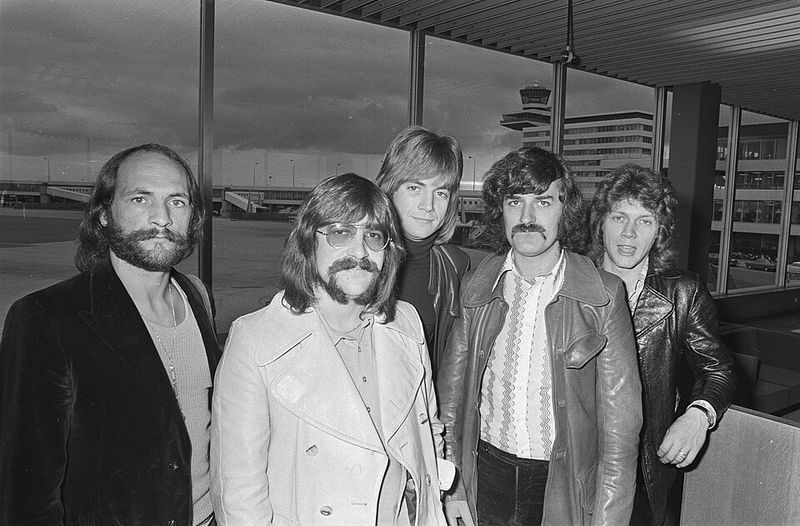
The Moody Blues were originally invited to perform at Woodstock, and their absence came down to a classic rock-and-roll dispute: money. The band and the festival organizers could not agree on the fee, so the deal fell apart before it ever really got started.
Rock history, lost over a paycheck negotiation.
At the time, The Moody Blues were riding high on the success of “Days of Future Passed,” their orchestral rock masterpiece. They had a very specific artistic vision and were not willing to compromise it, even for the biggest festival of the decade.
Fair enough, honestly.
Their absence from Woodstock is one of those what-if moments that music fans still debate. Would their symphonic sound have translated to a muddy outdoor stage?
Probably not perfectly. But The Moody Blues kept building their legacy on their own terms, releasing album after acclaimed album throughout the early 1970s without any Woodstock boost needed.
Bob Dylan
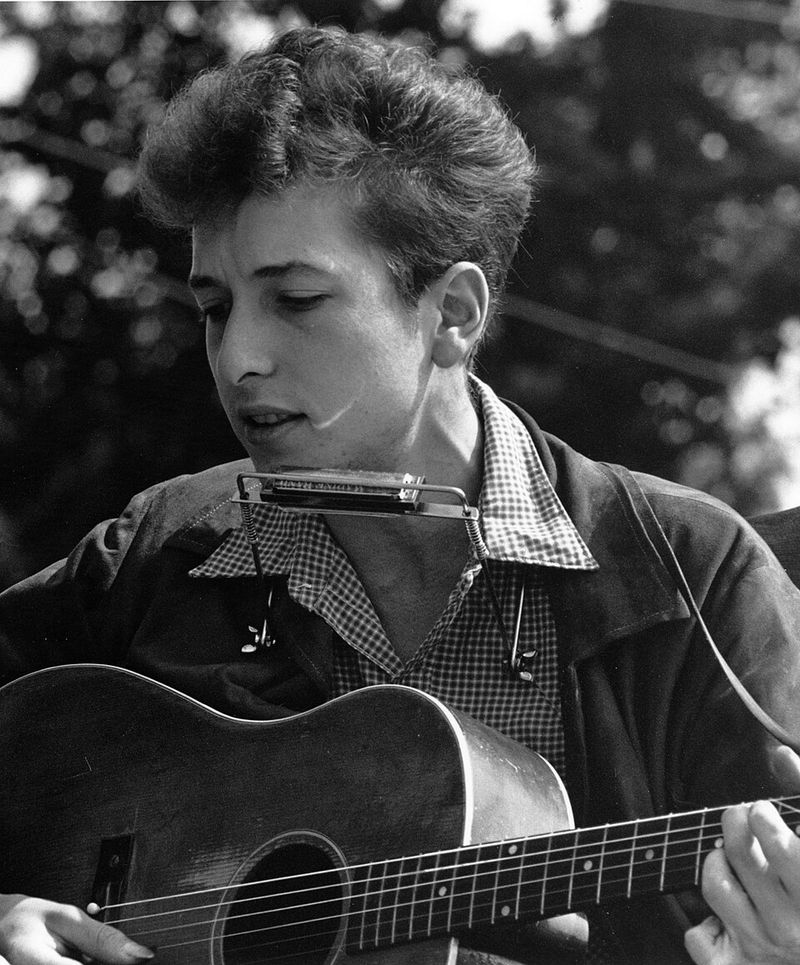
Bob Dylan lived literally ten miles from the Woodstock festival site, which makes his decision to skip it almost hilariously ironic. The festival was partly named after the town associated with Dylan’s artistic retreat, and yet the man himself was nowhere near that stage.
He actually packed up his family and left town before the crowds arrived.
Dylan had spent time in Woodstock, New York recovering from a motorcycle accident and rebuilding his life away from the spotlight. The last thing he wanted was half a million fans descending on his quiet neighborhood.
Can you blame him, really?
He did perform at the Isle of Wight Festival in England just days after Woodstock ended, proving he was not avoiding concerts entirely. Dylan simply had no interest in the Woodstock scene specifically.
The festival borrowed his vibe without him, and he went on to have one of the most celebrated careers in music history. Very Dylan move.
Tommy James and the Shondells
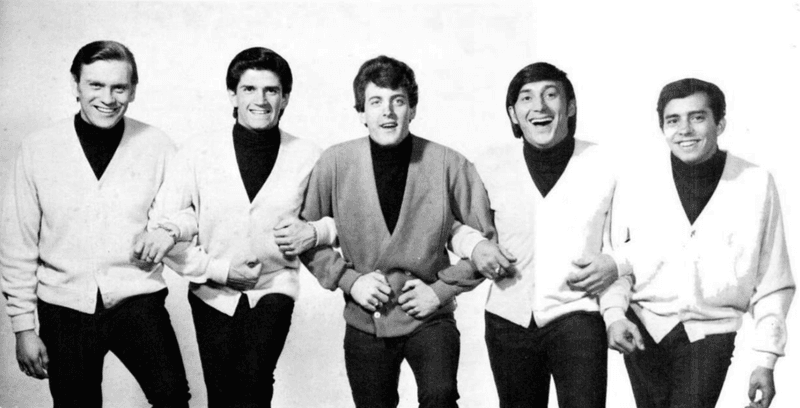
Tommy James has one of the most jaw-dropping Woodstock stories of any artist who was not there. He was actually invited to perform but turned it down after his road manager described the event as a small gig in upstate New York.
That description aged very poorly, very fast.
James later said that when he watched the news coverage and realized what Woodstock actually was, he felt physically sick. His road manager had dismissed the festival as a minor local show, and James trusted that assessment completely.
It is the kind of mistake that stings for decades.
To his credit, Tommy James has told this story with good humor over the years. His band had massive hits like “Crimson and Clover” and “Crystal Blue Persuasion,” so their career did not suffer.
But missing Woodstock due to bad intel from your road manager? That is the kind of story that writes itself into rock-and-roll folklore forever.
Iron Butterfly
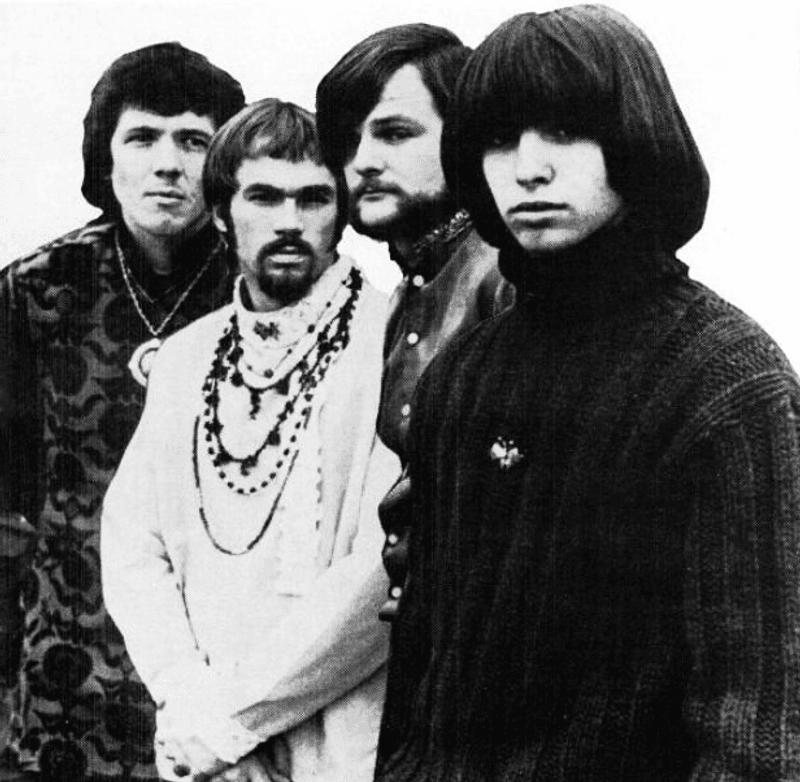
Iron Butterfly actually wanted to play Woodstock. They were booked and ready to go, which makes their story less about a choice and more about a spectacular logistical failure.
The band got stuck at an airport, unable to reach the festival site because the roads around Woodstock were completely gridlocked with traffic.
According to festival lore, the band sent an outrageous message to the organizers demanding a helicopter to fly them in. The organizers, already overwhelmed managing the largest music festival in history, reportedly told them exactly where they could go.
The helicopter never came.
Iron Butterfly had scored a massive hit with “In-A-Gadda-Da-Vida,” one of the longest and most recognizable rock songs of the era. Missing Woodstock was genuinely bad timing for a band at the height of their popularity.
Their story is a perfect reminder that sometimes rock and roll history is decided not by talent or decisions, but by traffic jams and airport delays.
The Byrds
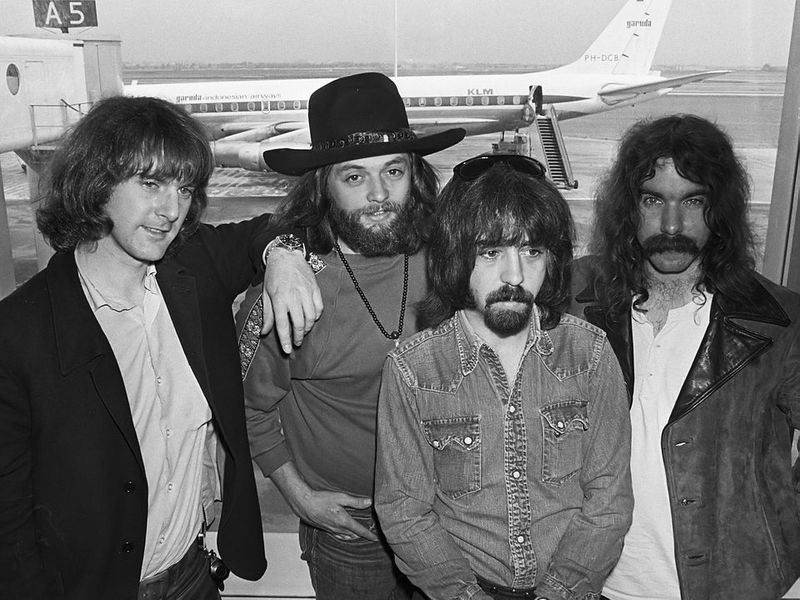
The Byrds did actually perform at Woodstock, but their set was so poorly received that it might as well count as a miss. The band was going through a major lineup change at the time, and the version that took the Woodstock stage was far from their classic lineup.
The crowd was not impressed, and neither were the band members themselves.
Roger McGuinn later described the performance as one of the low points of the band’s career. The sound issues, the exhausted crowd, and the internal tension within the group all combined to create a forgettable set.
Sometimes showing up is worse than not showing up.
The Byrds had pioneered folk rock and country rock, influencing countless artists. Their Woodstock appearance, unfortunately, did not capture any of that magic.
It stands as a cautionary tale that even legendary bands can have off days, especially when the lineup has more revolving doors than a hotel lobby.
Frank Zappa
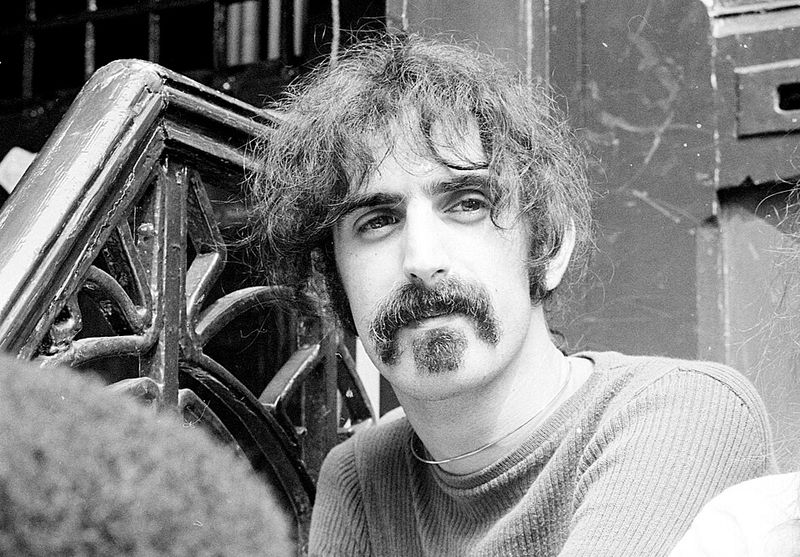
Frank Zappa skipping Woodstock was not a surprise to anyone who knew him even a little. Zappa had a famously low opinion of the hippie counterculture, despite being one of its most creative figures.
He thought the peace-and-love crowd was naive, and a festival built around that vibe was not his idea of a good time.
Zappa once described the Woodstock audience as a bunch of muddy kids who would listen to anything. That quote alone tells you everything about why he stayed home.
He was sharp, cynical, and brilliantly contrarian, which is exactly what made his music so fascinating.
His band, The Mothers of Invention, was pushing the boundaries of rock, jazz, and experimental music in ways that were decades ahead of their time. Woodstock’s communal spirit was simply not Zappa’s wavelength.
He went on to release a staggering number of albums and remains one of the most original artists in rock history. No mud required.
Joni Mitchell
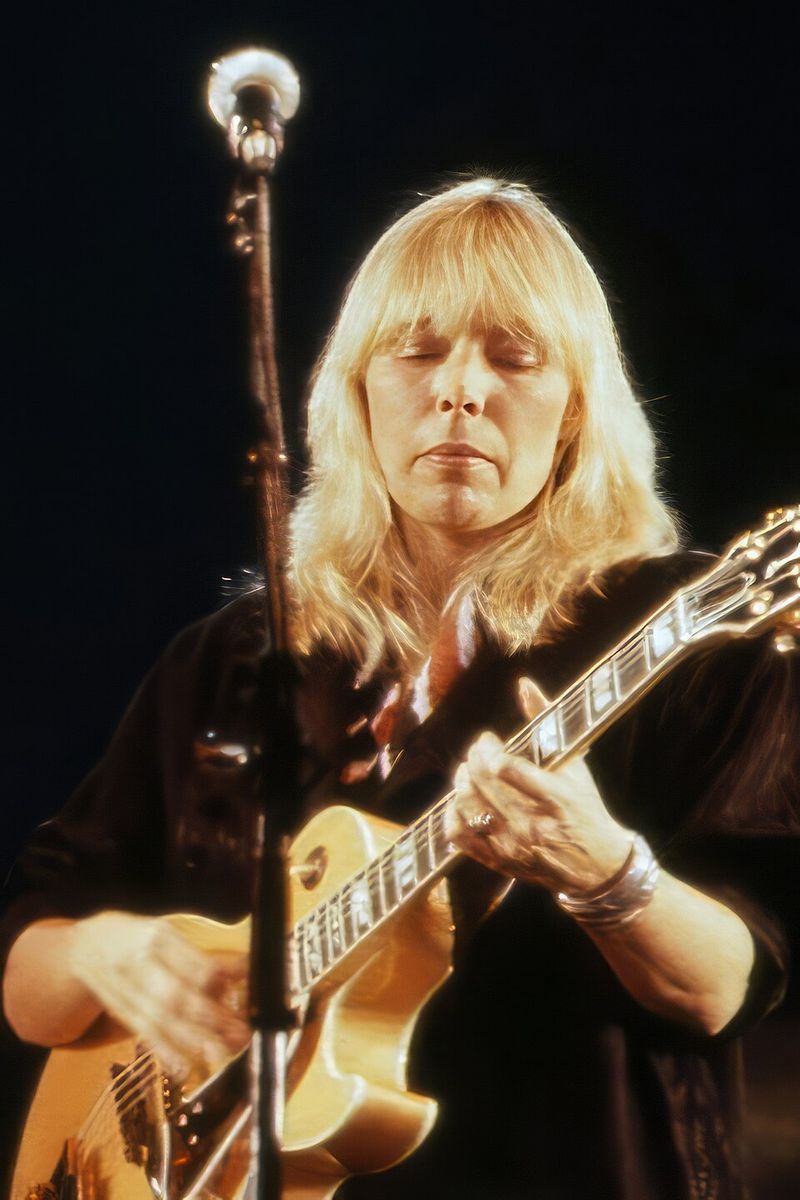
Joni Mitchell did not perform at Woodstock, but she wrote one of the most famous songs about it. Her manager David Geffen advised her not to attend because she had a scheduled appearance on “The Dick Cavett Show” the following day, and missing it could hurt her growing career.
She stayed in New York City instead.
Mitchell watched the Woodstock coverage on television from her hotel room and was so moved by what she saw that she wrote the song “Woodstock” that same weekend. The song became a massive hit, especially after Crosby, Stills, Nash and Young recorded their electrifying version.
There is something poetic about the fact that the most iconic Woodstock anthem was written by someone who was not even there. Mitchell turned absence into art in a way that only a truly gifted songwriter could manage.
Her version of Woodstock might be more powerful than anything she could have performed on that actual stage.
Procol Harum
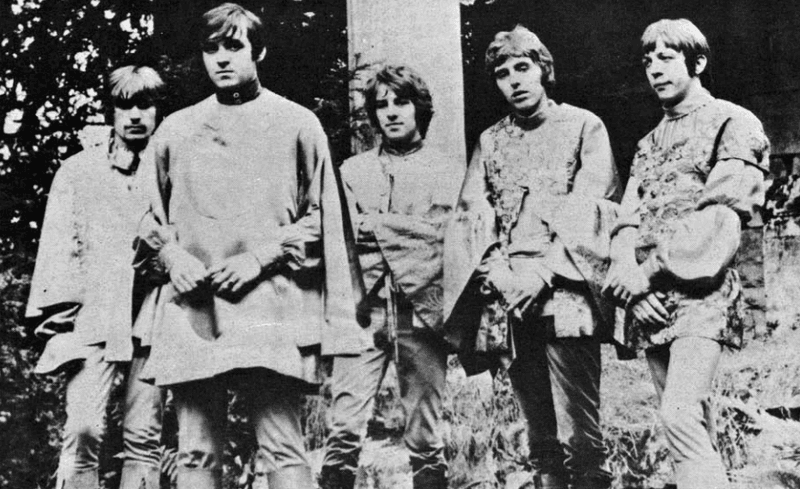
Procol Harum had one of the most recognizable songs of the entire 1960s with “A Whiter Shade of Pale,” a track so haunting it practically invented its own genre. Despite their fame, they did not appear at Woodstock, and the reasons remain somewhat murky in the historical record.
Scheduling and management decisions likely played a role.
The band was known for their sophisticated blend of rock and classical influences, drawing heavily on Bach and other composers. Their music was serious, intricate, and deeply emotional.
A chaotic outdoor festival in August mud was probably not the ideal venue for their particular brand of art rock.
Procol Harum continued releasing critically respected albums throughout the early 1970s, never quite reaching mainstream superstardom but always maintaining a devoted following. Their absence from Woodstock is a footnote in their story, not the headline. “A Whiter Shade of Pale” alone guarantees them a permanent place in rock history, Woodstock or not.
The Jeff Beck Group
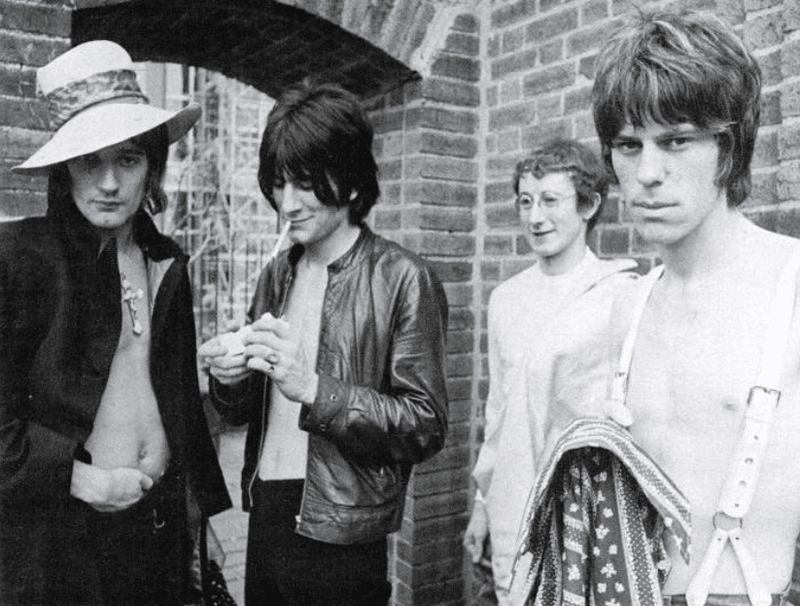
The Jeff Beck Group had an absolutely stacked lineup in 1969, featuring guitarist Jeff Beck and a young Rod Stewart on vocals. They were invited to Woodstock but turned it down, and the timing could not have been worse for their collective future.
Shortly after declining, the band broke up entirely.
Beck later said the band was already falling apart internally when the Woodstock invitation came in. Playing a massive festival while the group was crumbling from the inside probably seemed more painful than practical.
The decision was probably the right call, even if it meant missing history.
Rod Stewart went on to become one of the best-selling solo artists of all time. Jeff Beck became widely regarded as one of the greatest guitarists who ever lived.
Their paths diverged spectacularly after the group split, but both careers ended up legendary. Missing Woodstock clearly did not hold either of them back even slightly.
Not bad for a band that imploded.



