Not every great travel experience requires fighting crowds at famous landmarks or waiting an hour for a table. Some of the most rewarding trips happen in cities that most people overlook entirely.
These are places with real history, strong local food scenes, outdoor adventures, and genuine character that has not been polished down for mass tourism. The 15 cities on this list are not secret, but they are significantly less crowded than the big-name destinations that dominate most travel guides.
Each one offers something specific worth showing up for, whether that is a trail system, a walkable downtown, a thriving arts district, or a food culture that locals are proud of. If you are looking for a trip that feels more like discovery than performance, this list is a good place to start planning.
Marquette, Michigan
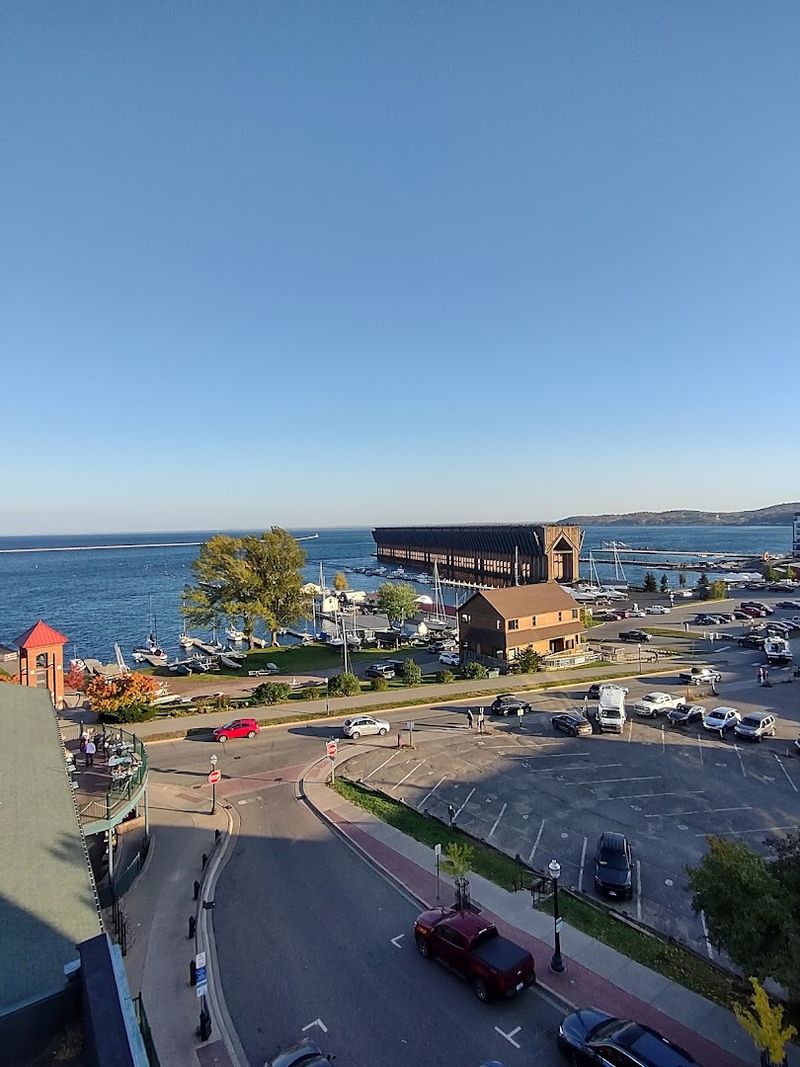
Sitting on the southern shore of Lake Superior, Marquette is the kind of place that earns repeat visits without ever making a big fuss about itself. The city has a population of around 20,000, but its trail access, waterfront, and downtown punch well above that number.
Presque Isle Park is one of the standout features, a forested peninsula that juts into Lake Superior and offers walking paths, rocky beaches, and open water views without any admission fee. The park draws locals year-round and sees relatively light out-of-town traffic compared to similar destinations in the Upper Midwest.
Downtown Marquette has a walkable stretch of independent restaurants, coffee shops, and outdoor gear retailers that reflect the city’s active outdoor culture. The Upper Peninsula is known for harsh winters, but Marquette leans into that with strong Nordic skiing and snowshoeing infrastructure.
Summer brings long daylight hours and some of the clearest freshwater scenery in the country.
Bozeman, Montana
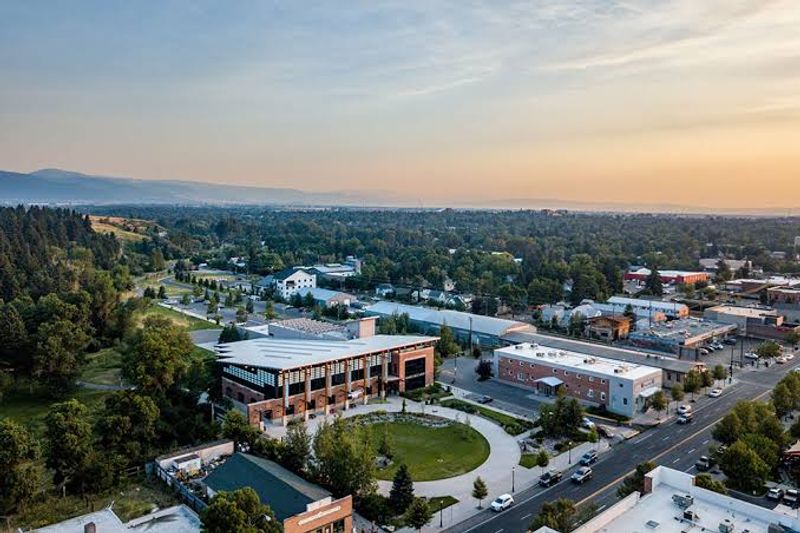
Bozeman has grown steadily over the past decade, but it still maintains a pace and scale that larger western cities have long since lost. It sits in the Gallatin Valley surrounded by mountain ranges on multiple sides, which makes it one of the better-positioned outdoor base camps in the northern Rockies.
Yellowstone National Park is about 90 miles south, and while that proximity draws visitors, most of them pass through rather than stay and explore Bozeman itself. That gap leaves the city with a lively local culture that does not feel overrun.
The Museum of the Rockies on the Montana State University campus holds one of the most significant dinosaur fossil collections in the world, including multiple T. rex specimens.
The downtown area along Main Street has independent bookstores, farm-to-table restaurants, and a farmers market that runs through the warmer months. Hiking trails begin close to the city limits, making car-free outdoor access genuinely practical here.
Natchitoches, Louisiana
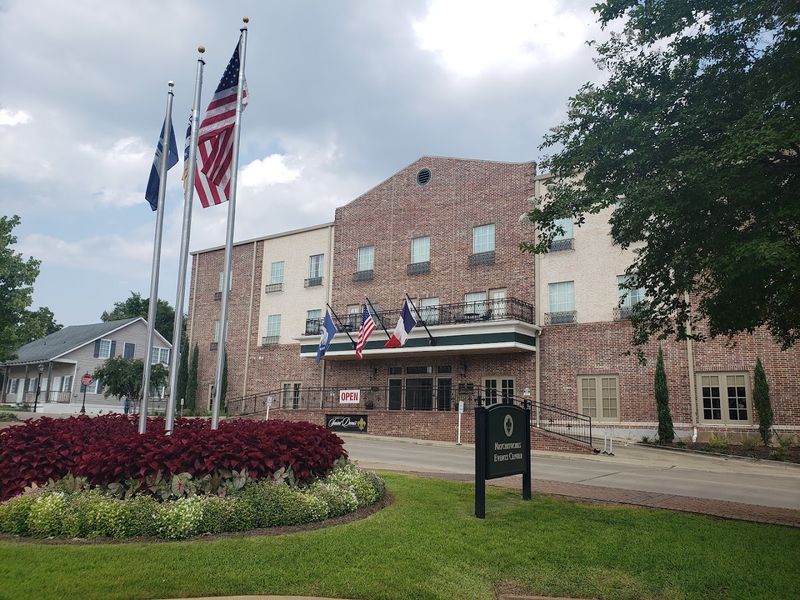
Natchitoches holds a distinction that most people do not know about: it is the oldest permanent European settlement in the Louisiana Purchase territory, founded in 1714. That history shows up in the architecture along Front Street, where brick Creole structures line the banks of Cane River Lake in a setting that has changed remarkably little over the centuries.
The city is about three hours from New Orleans and sees a fraction of that city’s tourist volume, even though its historic district is genuinely well-preserved and walkable. The Cane River Creole National Historical Park protects two plantation complexes that offer a more complete and honest look at the region’s history than many similar sites.
Natchitoches is also known for its meat pies, a local specialty with roots in the area’s French and Spanish colonial past. The city hosts a Christmas Festival of Lights each year that draws regional visitors, but outside of that window, the streets stay quiet and accessible throughout the rest of the year.
Flagstaff, Arizona
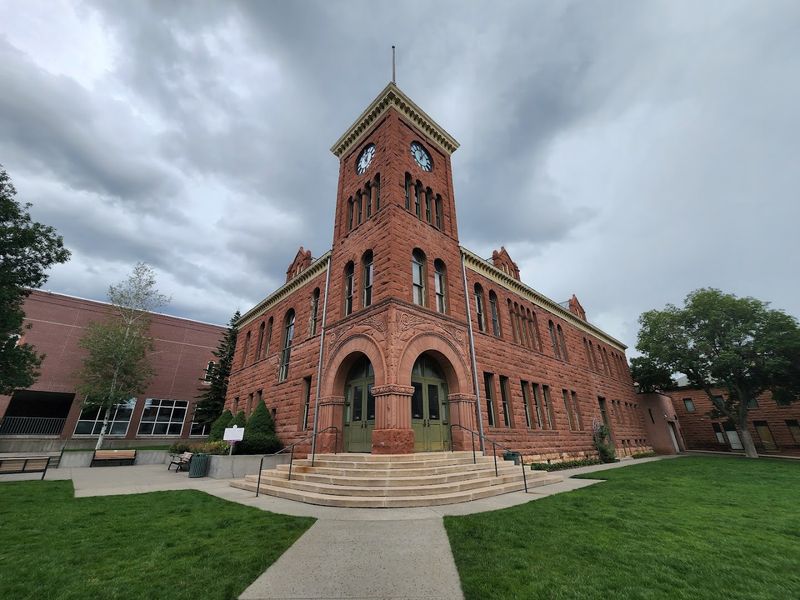
Most people drive through Flagstaff on the way to the Grand Canyon and never realize they just passed a city worth spending multiple days in. Flagstaff sits at an elevation of nearly 7,000 feet, which gives it a cooler climate than the rest of Arizona and a forest landscape dominated by ponderosa pines that surprises first-time visitors expecting desert.
The historic downtown along Route 66 has a compact, walkable layout with locally owned restaurants, a strong craft food scene, and the Lowell Observatory, where Pluto was discovered in 1930. The observatory still operates and offers public viewing nights on a regular schedule.
Flagstaff is also the gateway to Walnut Canyon National Monument and Wupatki National Monument, two archaeological sites that see far fewer visitors than the Grand Canyon despite being genuinely remarkable. The Arizona Snowbowl ski area operates on the slopes of the San Francisco Peaks just north of the city, giving Flagstaff a legitimate four-season outdoor recreation profile.
Duluth, Minnesota
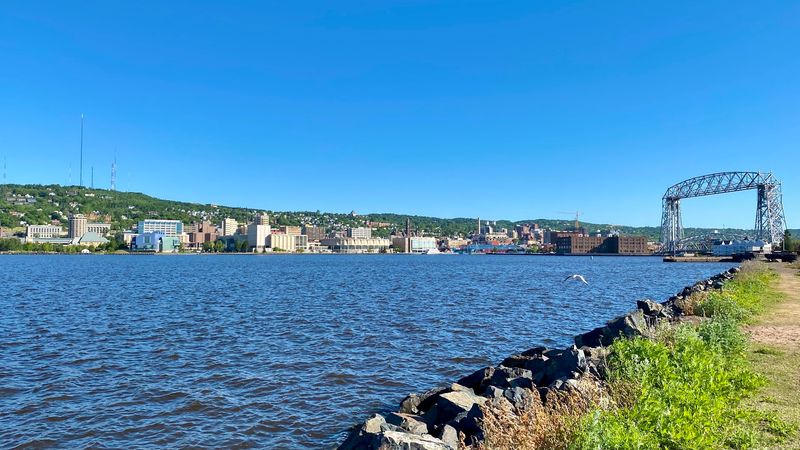
Duluth sits at the western tip of Lake Superior, and the scale of that lake is one of the first things that resets your expectations when you arrive. The water looks more like an ocean than a lake, with cargo ships moving through the harbor and waves that can rival coastal conditions during storms.
Canal Park is the most visited part of the city and stays active with the Aerial Lift Bridge, a working lift bridge that rises to let large vessels pass through. The bridge is free to watch and operates year-round, which makes it one of the more unusual and genuinely interesting pieces of industrial infrastructure open to casual visitors.
The Lakewalk extends from Canal Park along the shoreline and connects to residential neighborhoods without heavy commercial interruption. Duluth also has a strong trail network for mountain biking and hiking in the hills above the city.
The Boundary Waters Canoe Area Wilderness is accessible within a couple of hours, making Duluth a practical base for serious paddlers and backcountry travelers.
Bend, Oregon
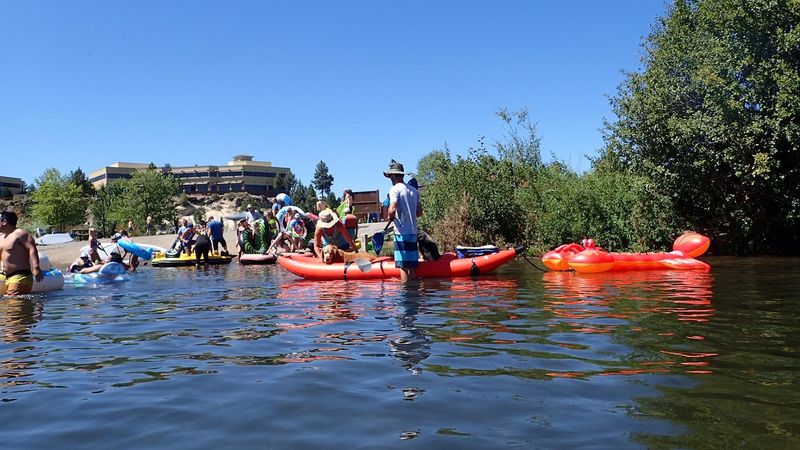
Bend has picked up attention over the past several years, but it still operates at a scale and pace that larger Pacific Northwest cities cannot match. The city sits on the eastern side of the Cascades in high desert terrain, which gives it more sunshine than the famously rainy western side of Oregon and a landscape that mixes volcanic geology with river corridors and mountain access.
Smith Rock State Park is about 30 minutes north of downtown and offers some of the most dramatic rock climbing and hiking terrain in the Pacific Northwest. The park is free to enter, though a day-use parking fee applies, and the trail system accommodates everything from short walks to technical multi-pitch climbing routes.
Downtown Bend has a walkable core along the Deschutes River with locally owned shops and restaurants concentrated in a compact area. The Old Mill District, built on a former industrial site along the river, adds additional retail and dining without pushing the city into generic chain territory.
Outdoor access here is genuinely fast from nearly any point in the city.
Savannah, Georgia
Savannah is not entirely off the tourist radar, but it is consistently underestimated as a city with depth beyond its famous squares and ghost tours. The historic district is genuinely one of the best-preserved examples of 18th and 19th century urban planning in the country, with 22 public squares laid out in a grid that makes the city easy and pleasant to navigate on foot.
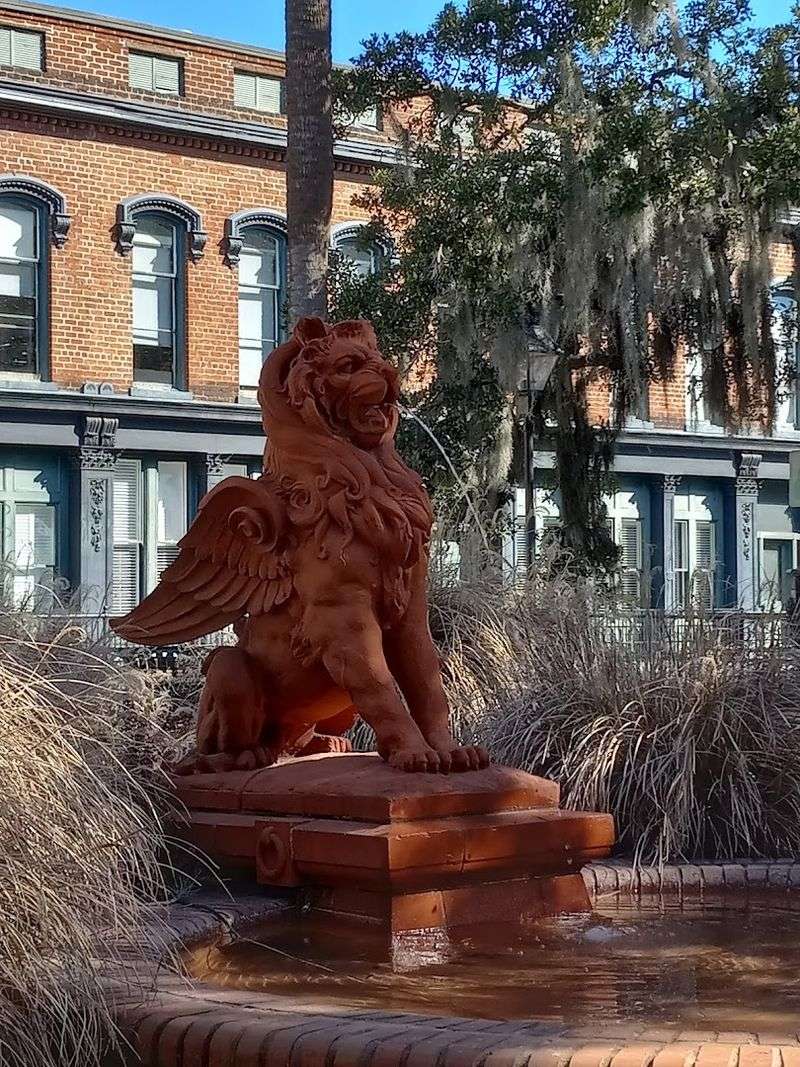
Forsyth Park anchors the southern edge of the historic district with a large open lawn, a fountain that has become one of the city’s most photographed landmarks, and shaded paths under live oaks. The park hosts a farmers market on Saturday mornings and sees a mix of locals and visitors that keeps it from feeling like a staged attraction.
The Savannah College of Art and Design has renovated dozens of historic buildings throughout the city and operates galleries open to the public at no charge. The SCAD Museum of Art on Martin Luther King Jr. Boulevard is one of the better contemporary art spaces in the Southeast and rarely has long wait times.
Billings, Montana
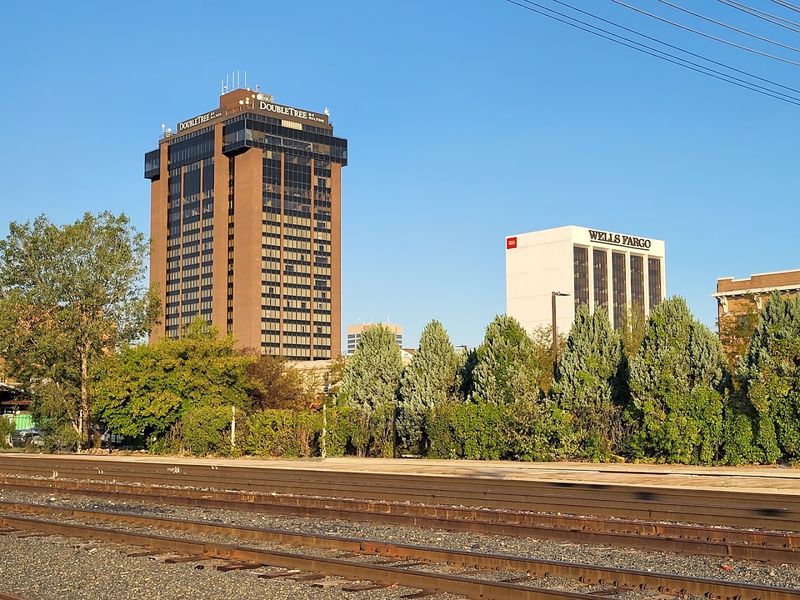
Billings is Montana’s largest city, which sounds like a contradiction for a low-crowd travel list until you realize that Montana’s largest city still has a population under 120,000. The Rimrocks, a series of sandstone cliffs rising sharply above the north side of the city, create one of the more unusual urban backdrops in the American West.
Pictograph Cave State Park is about five miles southeast of downtown and protects a series of caves containing Native American pictographs estimated to be over 2,000 years old. The site is well-maintained, easy to access, and sees light enough traffic that you can often walk the trail without passing another group.
The Yellowstone Art Museum in downtown Billings has a permanent collection focused on Western and contemporary Montana artists and hosts rotating exhibitions throughout the year. Billings also functions as a practical hub for exploring the Bighorn Canyon National Recreation Area and the Little Bighorn Battlefield National Monument, both within reasonable driving distance and rarely crowded outside of peak summer weekends.
Chattanooga, Tennessee
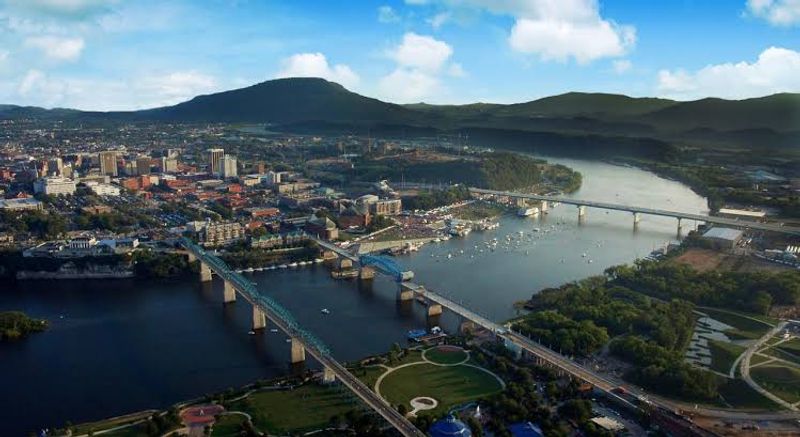
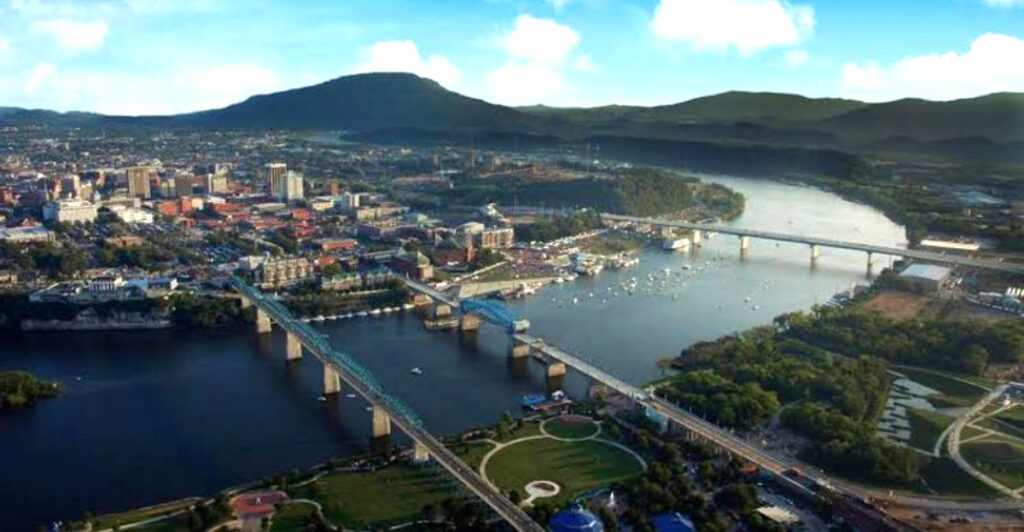
Chattanooga has done something genuinely interesting over the past two decades: it rebuilt its waterfront and downtown after years of industrial decline and turned itself into one of the more livable mid-sized cities in the South without losing its working-class character entirely. The Tennessee Aquarium on the riverfront is one of the largest freshwater aquariums in the world and covers both river and ocean ecosystems across two buildings.
Lookout Mountain rises on the southwest edge of the city and offers three separate attractions: Rock City, Ruby Falls, and the Lookout Mountain Battlefield, which is part of the Chickamauga and Chattanooga National Military Park. The battlefield site is free and provides both historical context and sweeping views over the city and the Tennessee River valley.
The Walnut Street Bridge, a pedestrian-only span over the Tennessee River, connects downtown to the North Shore neighborhood where independent restaurants and coffee shops have concentrated in recent years. Chattanooga also has a free electric shuttle system downtown that makes getting around without a car genuinely easy.
Missoula, Montana
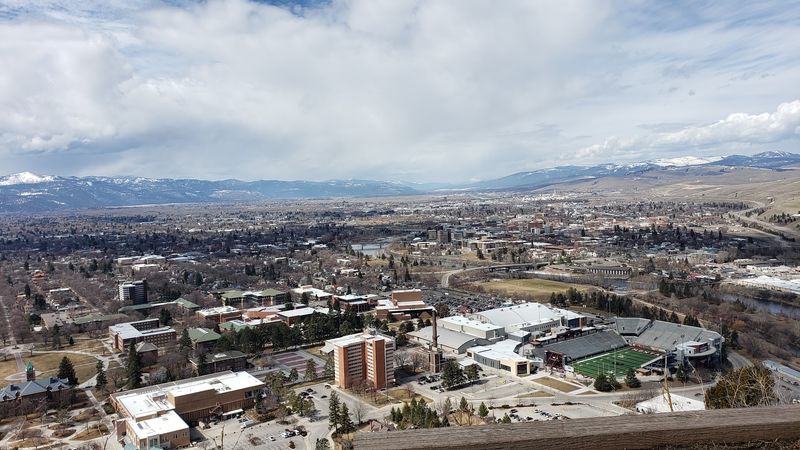
Three rivers converge near Missoula, and that geography shapes everything about the city, from its trail system to its food culture to the way neighborhoods are laid out around water. The Clark Fork River runs through downtown, and the Kim Williams Nature Trail follows the river corridor for several miles in a setting that feels removed from the city even when you are a short walk from the main commercial district.
Mount Sentinel rises directly behind the University of Montana campus and is accessible via the M Trail, a steep but short hike that ends at a large concrete letter with a view over the valley. The trail is free, heavily used by locals, and one of the more satisfying quick hikes available in any university town in the country.
Downtown Missoula has a strong independent bookstore presence, with Shakespeare and Company among the more well-known local shops. The Clark Fork Market operates as an outdoor farmers and artisan market on Saturday mornings from spring through fall and draws a consistent crowd of locals.
The food scene here leans toward locally sourced ingredients with a practical, unfussy approach.
Galveston, Texas
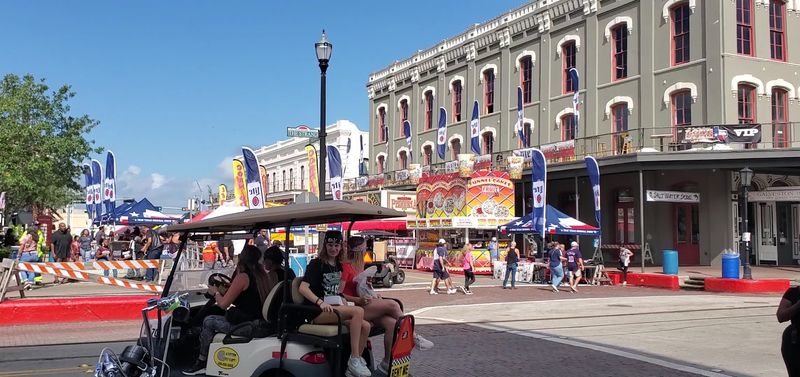
Galveston sits on a barrier island about 50 miles south of Houston, and while it draws beach crowds on summer weekends, the island has enough depth that visiting outside of peak times reveals a completely different city. The Strand Historic District in the northern part of the island is a 36-block area of 19th-century commercial architecture that survived the devastating 1900 hurricane and subsequent storms largely intact.
The buildings along The Strand now hold antique shops, galleries, and restaurants in spaces that still have the cast-iron facades and brick floors of the original mercantile era. The area earned Galveston the nickname the Oleander City during its peak as a Gulf Coast commercial hub, and the architecture reflects that period of prosperity in a way that feels unforced.
The Bishop’s Palace on Broadway Avenue is one of the most ornate Victorian homes in the country and offers guided tours. Galveston Island State Park on the western end of the island provides beach and bay access with camping, kayaking, and birding in a setting that is far quieter than the main tourist beach corridor.
Rapid City, South Dakota
Rapid City is often treated as nothing more than a stop before Mount Rushmore, which means most visitors miss the city itself entirely. That is a practical oversight, because Rapid City has a walkable downtown, a strong arts presence, and access to some of the most geologically diverse terrain in the Great Plains without the monument crowds.
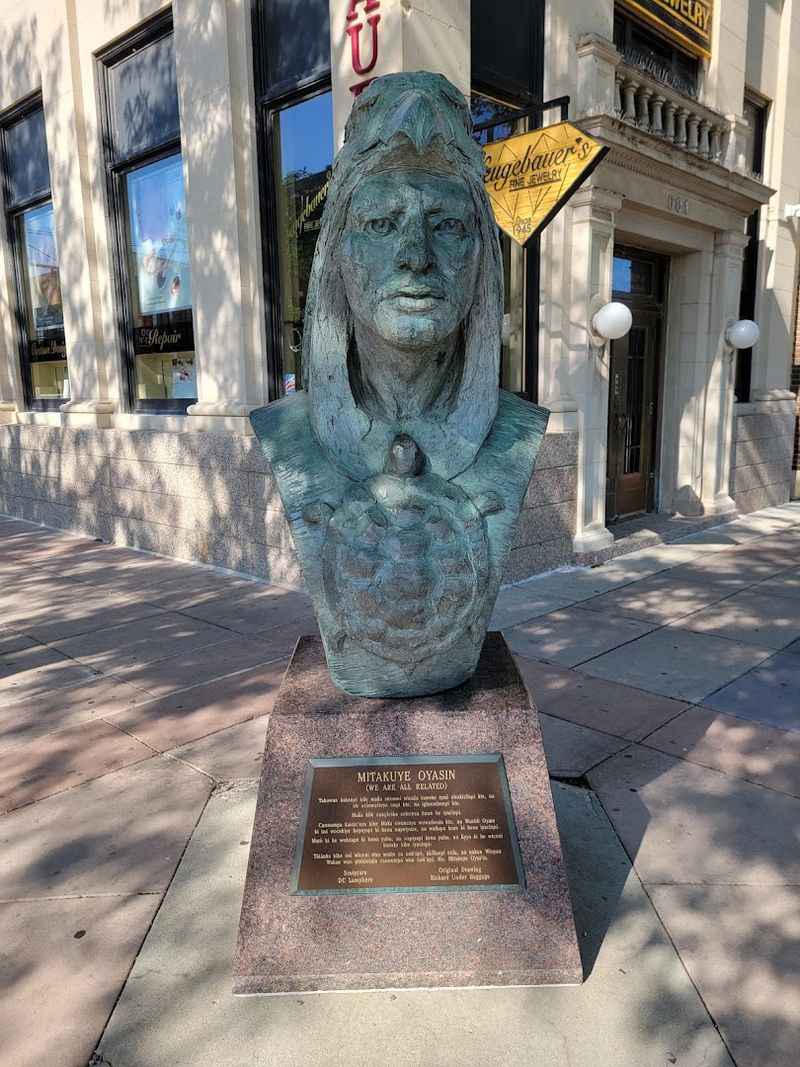
The City of Presidents project placed life-size bronze statues of every U.S. president on street corners throughout downtown, which sounds kitschy but works as a genuinely engaging way to move through the city on foot. The statues are all outdoors, free to visit, and spread across enough blocks that walking the full circuit takes a meaningful amount of time.
Badlands National Park is about 75 miles east and offers one of the most otherworldly landscapes in the country, with eroded buttes and spires that shift color through the day. Custer State Park to the south has a free-roaming bison herd of roughly 1,300 animals and scenic drives through granite formations that are far less crowded than the national monument nearby.
Asheville, North Carolina
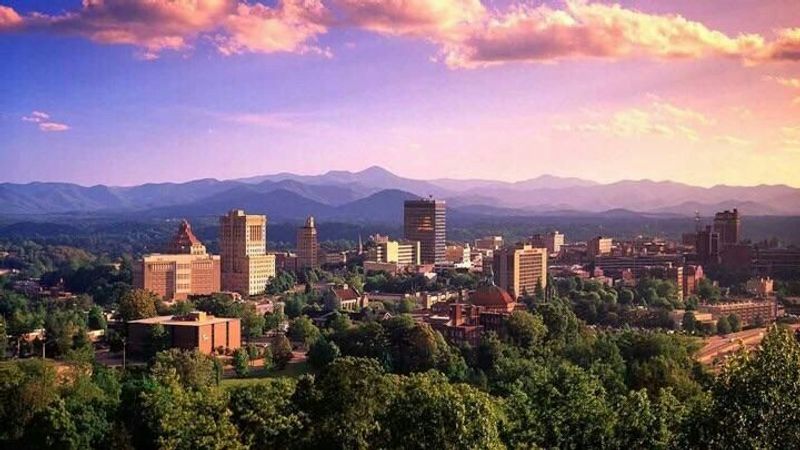
Asheville sits in a bowl formed by the Blue Ridge Mountains in western North Carolina, and that setting gives the city a distinct identity that has attracted artists, outdoor enthusiasts, and food-focused travelers for decades. The city is not entirely unknown, but it operates at a scale that keeps the experience manageable even during busy seasons.
The River Arts District along the French Broad River has converted former industrial buildings into working studios where artists produce and sell work directly from their spaces. Visiting on a weekend morning gives you access to studios across multiple disciplines, from ceramics to textiles to painting, without reservation fees or tour group bottlenecks.
The Biltmore Estate on the southern edge of the city is the largest privately owned home in the United States, built by George Vanderbilt in the 1890s. Admission is not cheap, but the house and grounds are genuinely extraordinary in scale and detail.
For free outdoor access, the Blue Ridge Parkway begins near Asheville and offers overlooks and trailheads across the surrounding mountains at no cost.
Traverse City, Michigan
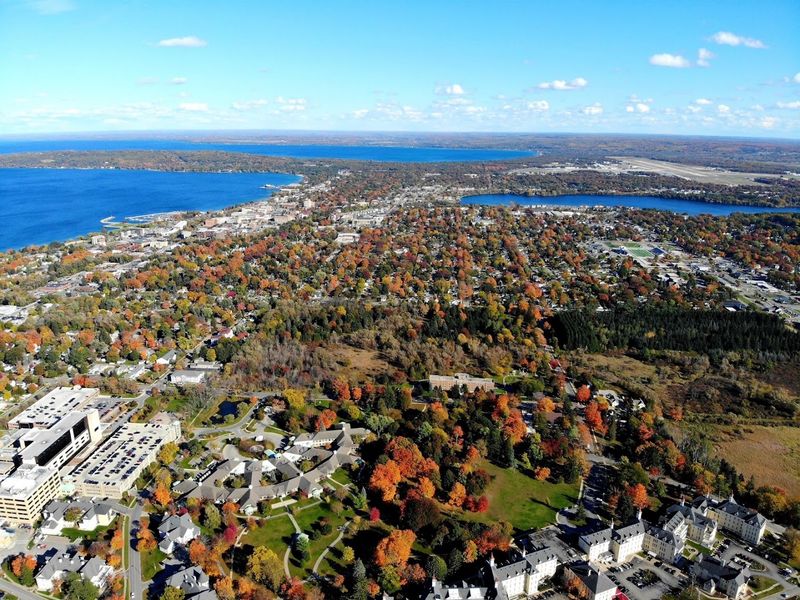
Michigan’s Lower Peninsula has a lot of shoreline, but the stretch around Traverse City on Grand Traverse Bay is consistently among the most scenic and least overwhelming. The city of about 15,000 sits between two arms of the bay and serves as the center of one of the country’s most productive cherry-growing regions, a fact that shapes the local food and agricultural identity in ways that go well beyond a seasonal festival.
The Sleeping Bear Dunes National Lakeshore is about 35 miles west and covers 35 miles of Lake Michigan shoreline with massive sand dunes, inland lakes, and forested trails. The dune climb at Pierce Stocking Scenic Drive is one of the most physically demanding and visually rewarding short experiences available anywhere on the Great Lakes.
Downtown Traverse City has a compact commercial district along Front Street with independent shops, a year-round farmers market, and restaurants that draw on local produce and fish. The Old Town neighborhood just north of downtown has a quieter concentration of galleries and specialty food shops that does not see the same foot traffic as the main corridor.
Taos, New Mexico
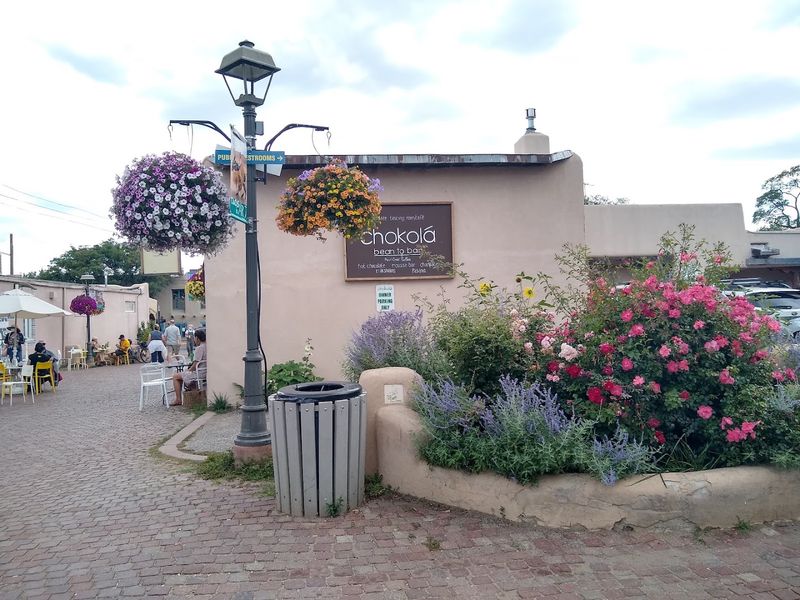
Taos has been drawing painters, writers, and independent travelers since the early 20th century, but it has never tipped into the kind of mass tourism that overwhelms similarly scenic Southwest destinations. The town sits at about 6,969 feet in northern New Mexico, surrounded by high desert terrain and the Sangre de Cristo Mountains, with a cultural layering that includes Pueblo, Spanish colonial, and modern Anglo influences all visible in the same few blocks.
Taos Pueblo, located about two miles north of the town plaza, is a multi-story adobe residential complex that has been continuously inhabited for over 1,000 years. It is a UNESCO World Heritage Site and an active community, not a museum, which gives visits a different weight than most historical sites.
Admission fees apply and photography rules are strictly observed.
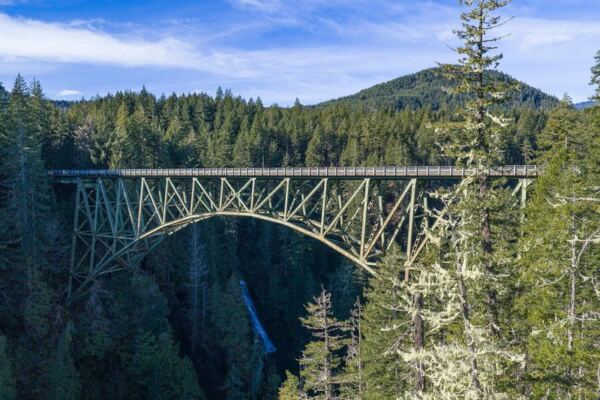
The Rio Grande Gorge Bridge, about 10 miles west of town, spans a 650-foot-deep canyon carved by the Rio Grande and offers one of the more striking roadside views in the Southwest. The bridge has a small parking area and is free to visit, and the gorge rim trail extends in both directions for those who want to walk beyond the bridge itself.
Share this story