 Unearth The Voyage
Not every state in America gets high marks for friendliness. Recent surveys and data from sources like Big 7 Travel and Preply have ranked states based on how welcoming, warm, and approachable residents seem to others.
Some states consistently land near the bottom of these lists, often due to fast-paced lifestyles, urban stress, or cultural communication differences. Read on to find out which states ranked lowest for friendliness and why.
1. New York
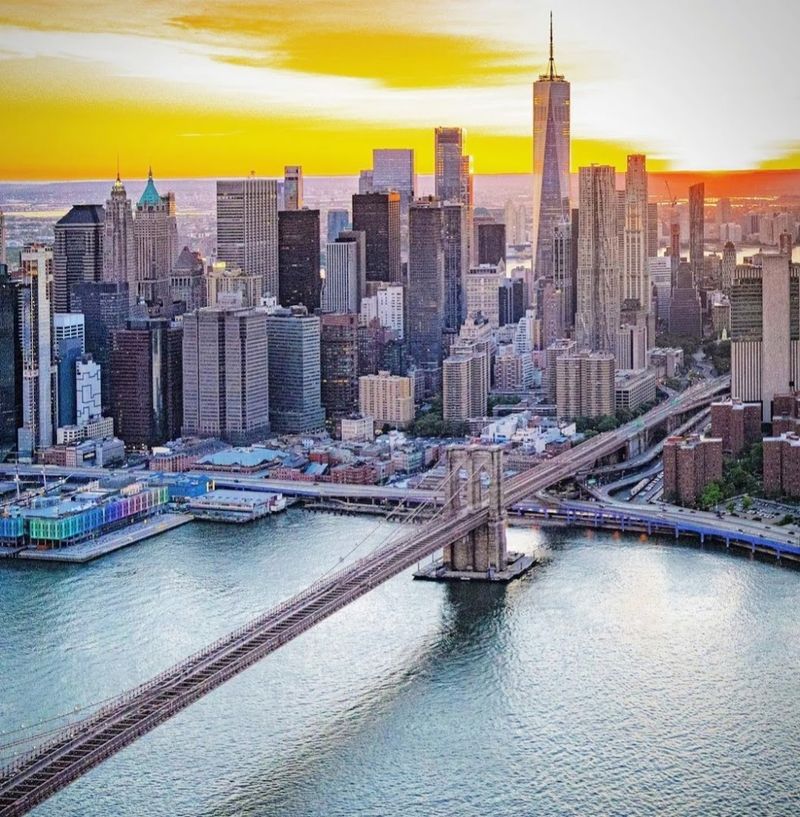
Anyone who has ever tried to stop a New Yorker on the street to ask for directions knows the experience can feel a little intimidating. The city moves at a relentless pace, and residents often match that energy.
Slowing down for small talk simply is not part of the culture here.
Surveys consistently place New York near the bottom of friendliness rankings. A 2023 Preply study ranked it among the least welcoming states in the country.
The bluntness that locals consider honest communication can read as rude to outsiders.
That said, New Yorkers are fiercely loyal to their communities and neighbors. The unfriendliness label is more about pace than actual hostility.
Still, if you are used to warm Southern hospitality, Manhattan may feel like a very different world.
2. California
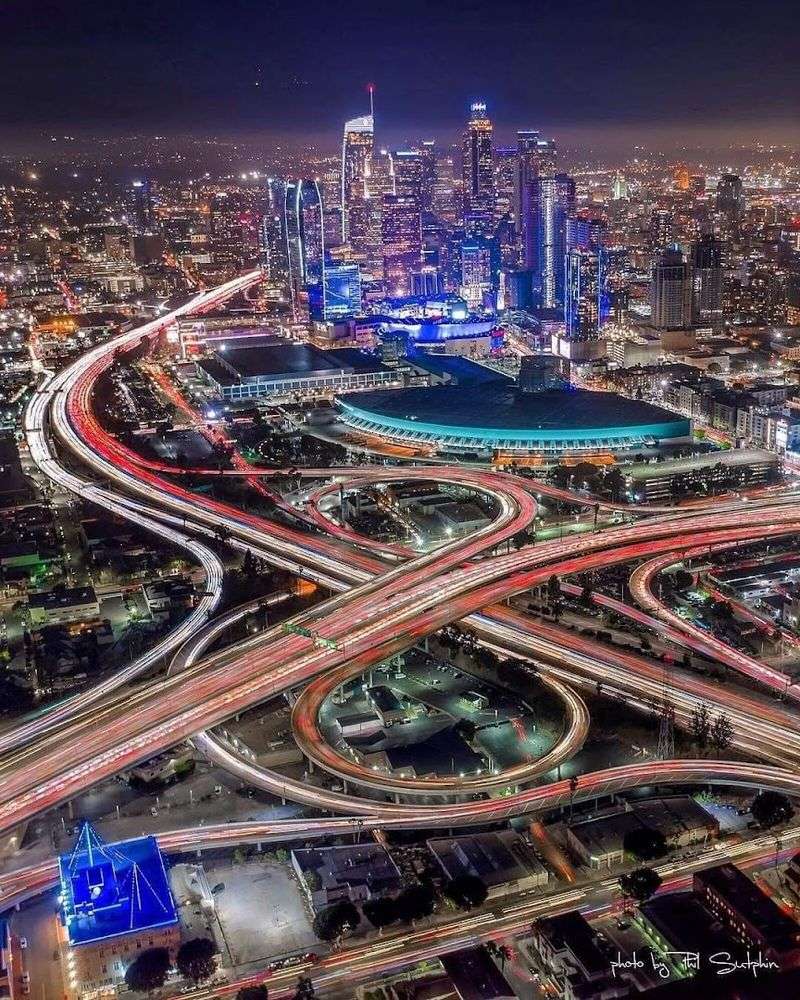
California carries a sunny, laid-back reputation, but the reality on the ground can tell a different story. Heavy traffic, skyrocketing living costs, and intense competition in cities like Los Angeles create a pressure-cooker environment that can make people seem distant or irritable.
Residents are often described as friendly on the surface but hard to connect with on a deeper level. The term “fake nice” gets thrown around frequently when people describe social interactions in Southern California.
Smiles are common, but genuine follow-through is reportedly less so.
Studies from Big 7 Travel have flagged California as one of the states where visitors feel least welcomed. Northern California and the Bay Area have their own version of this, driven by tech culture intensity and high-stress professional environments.
The gap between the image and the experience is hard to ignore.
3. Florida
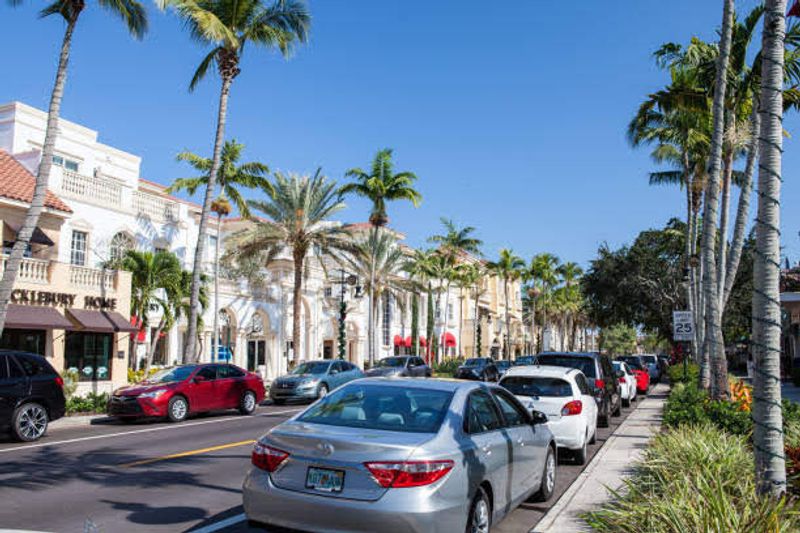
Florida is one of the most visited states in the country, which might actually be part of the problem. When millions of tourists flood your roads, beaches, and restaurants every year, patience tends to wear thin fast.
Locals and visitors often clash in ways that generate real friction.
Road rage incidents in Florida are among the highest in the nation. Multiple studies on aggressive driving behavior have repeatedly highlighted Florida cities, particularly Miami and Orlando, as hotspots for dangerous and hostile driving.
That energy spills over into daily interactions.
Theme park crowds, snowbird traffic, and spring break chaos all add layers of tension that make the state feel less welcoming than its brochures suggest. Friendly locals absolutely exist here, but the overall data paints a complicated picture.
Florida ranks low on several national friendliness indexes for good reason.
4. New Jersey
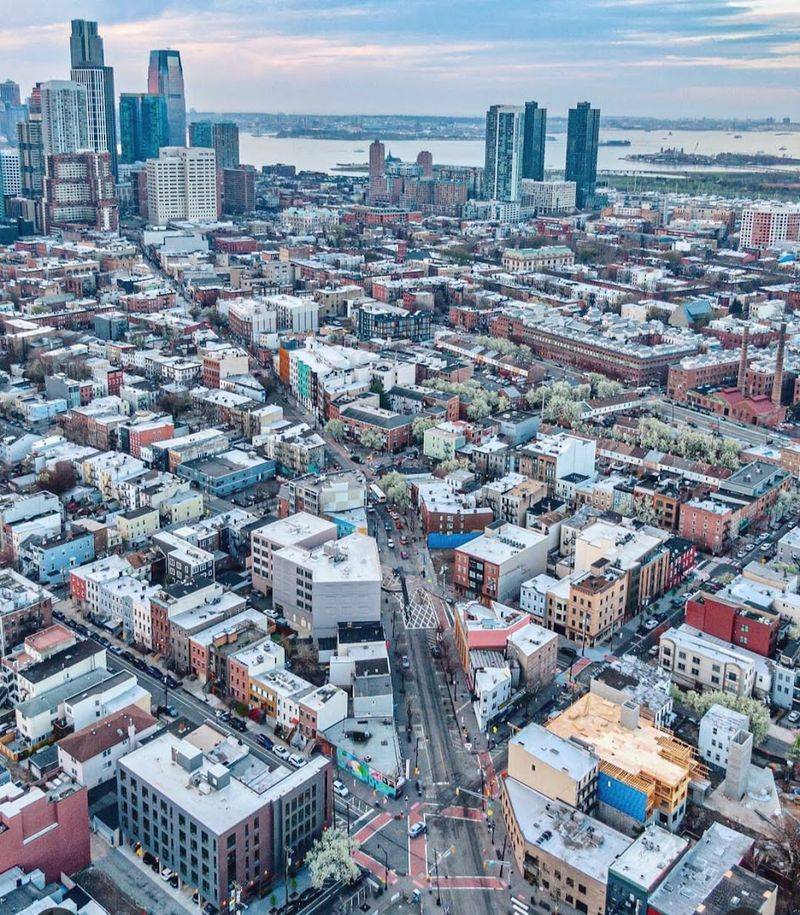
New Jersey residents are famously direct. Ask a Jersey local what they think, and you will find out immediately, whether you wanted to know or not.
That blunt communication style is a point of pride for many people who grew up there, but it can feel jarring to outsiders.
The state sits right next to New York, which means it shares much of the same fast-paced, no-nonsense energy. Commuter culture and dense urban living contribute to a social environment where efficiency is valued over pleasantries.
Small talk is not really on the menu.
Surveys from travel and lifestyle publications regularly place New Jersey in the lower tier of friendliness rankings. Residents often push back on this label, arguing that their directness is actually more honest than forced politeness.
Fair point, but first impressions still matter when ranking perceived warmth.
5. Massachusetts
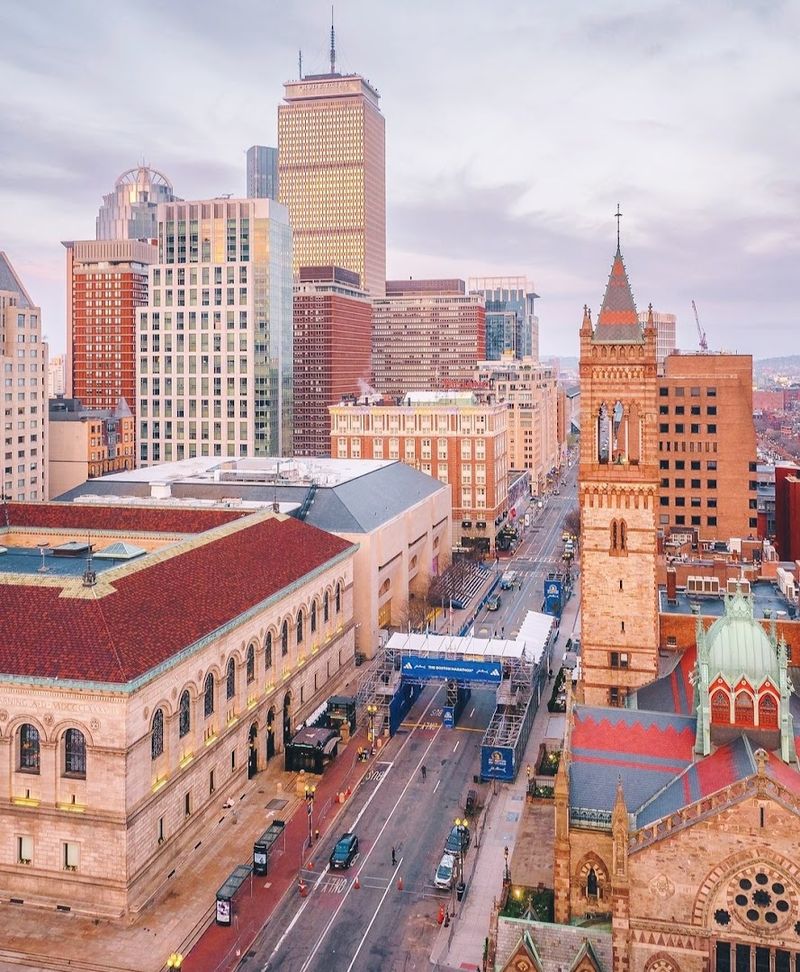
Boston has earned a well-known reputation for being one of the less welcoming cities in the United States. The locals call it being “wicked honest,” but visitors often just call it cold.
The bluntness here is cultural, deeply rooted, and not going away anytime soon.
Massachusetts consistently lands near the bottom of national friendliness surveys. A Zippia study and multiple travel publications have noted that the state, and Boston in particular, scores low on warmth metrics.
Residents tend to keep to themselves and are slow to open up to strangers.
Outside of the city, smaller Massachusetts towns can feel warmer and more community-oriented. But the overall impression the state leaves on newcomers and tourists tends to be chilly.
If you are relocating here, expect a longer warm-up period before locals truly let you in.
6. Pennsylvania
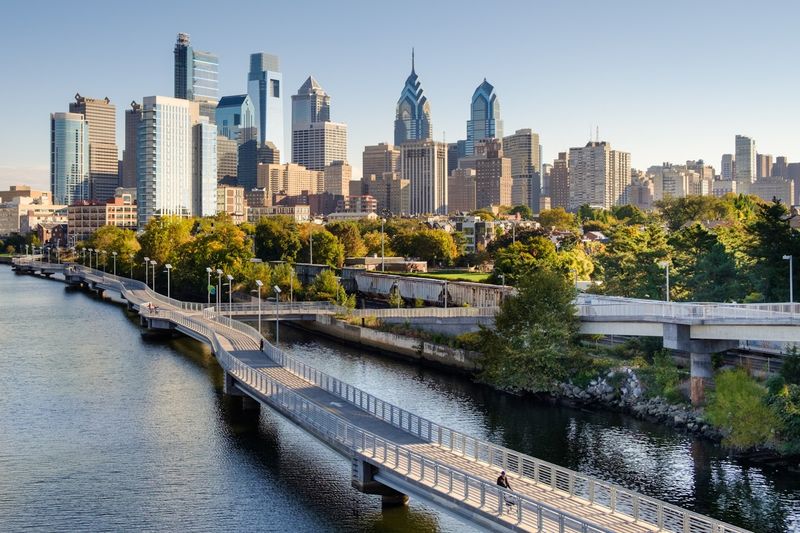
Philadelphia has a complicated relationship with its own reputation. Eagles fans throwing snowballs, Philly cheesesteak debates, and a fierce local pride all paint a picture of a city that does not particularly care what you think of it.
That attitude is part of the charm, but it also fuels the unfriendly label.
Perceived rudeness in Philadelphia is well-documented in travel rankings and visitor surveys. The city regularly appears near the top of lists for least welcoming urban areas in the Northeast.
Interactions can feel transactional, especially in busy commercial areas.
Interestingly, many Philadelphians are deeply warm once you get past the outer shell. Neighborhood loyalty runs strong, and community bonds are genuine.
The issue is that the outer layer takes some getting through. For first-time visitors, Philly can feel tough to crack, and the data reflects that experience consistently.
7. Nevada
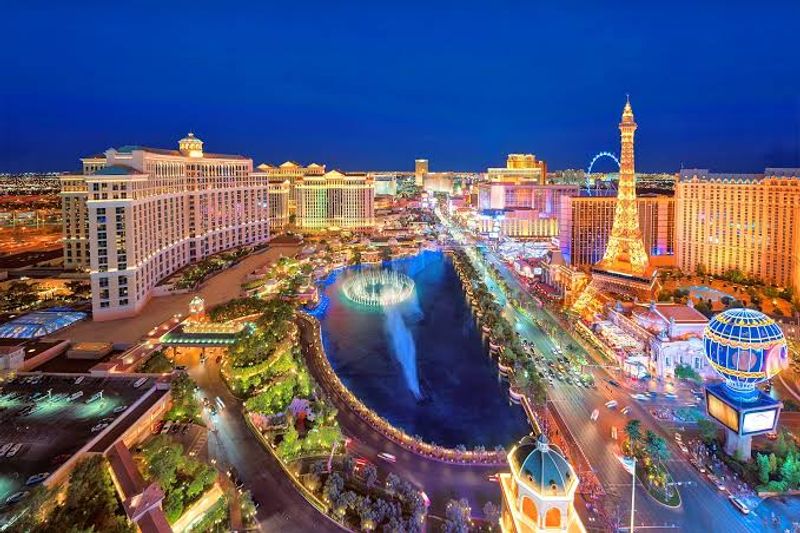
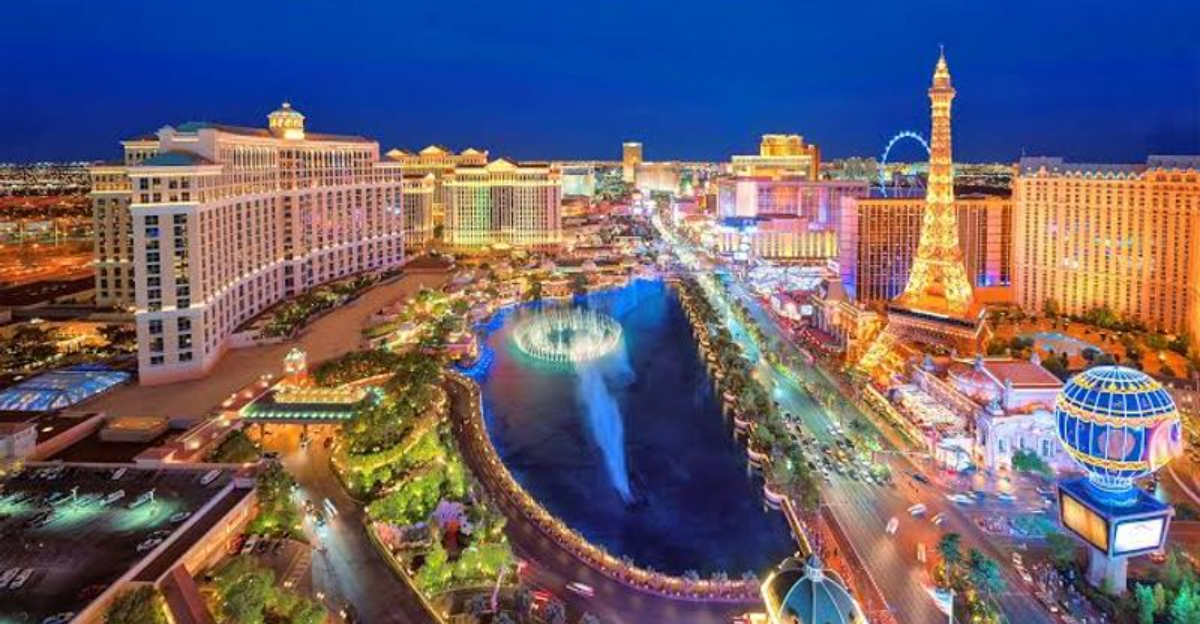
Las Vegas was literally built for entertainment, yet it consistently ranks low for genuine friendliness. The service industry culture here runs at a high-pressure, high-volume pace that can make interactions feel rushed and impersonal.
When thousands of tourists cycle through daily, warmth becomes hard to maintain.
Complaints about impatience, dismissiveness, and poor customer service are common among Las Vegas visitors. Reviews on travel platforms frequently mention feeling like just another face in the crowd.
The transactional nature of casino culture bleeds into everyday city life as well.
Beyond the Strip, residential Nevada also struggles with its image. Rapid population growth has strained communities and created social tension.
Long-time residents sometimes clash with newcomers, adding to the friction. Nevada may be the entertainment capital of the world, but that does not automatically translate into a welcoming, warm experience for everyone who visits.
8. Texas
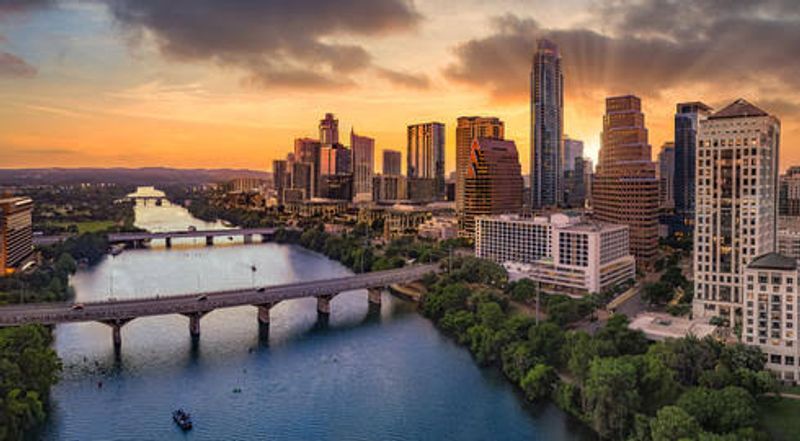
Texas often surprises people when it appears on unfriendliness lists. The state has a strong reputation for Southern hospitality, and in many rural and suburban areas, that reputation holds up well.
But the major cities tell a different story, and the data is catching up.
Houston, Dallas, and Austin have all seen rising complaints about rude drivers, dismissive service, and cold social interactions. Rapid population growth has dramatically changed the culture in these cities.
Long-time Texans sometimes feel crowded out, and that tension shows up in everyday behavior.
Austin in particular has faced criticism from both old residents and new arrivals who feel the city has lost its friendly small-town feel. The phrase “Keep Austin Weird” now competes with “Keep Austin Tolerable” in some circles.
Texas is not uniformly unfriendly, but its cities rank lower than many people expect.
9. Illinois
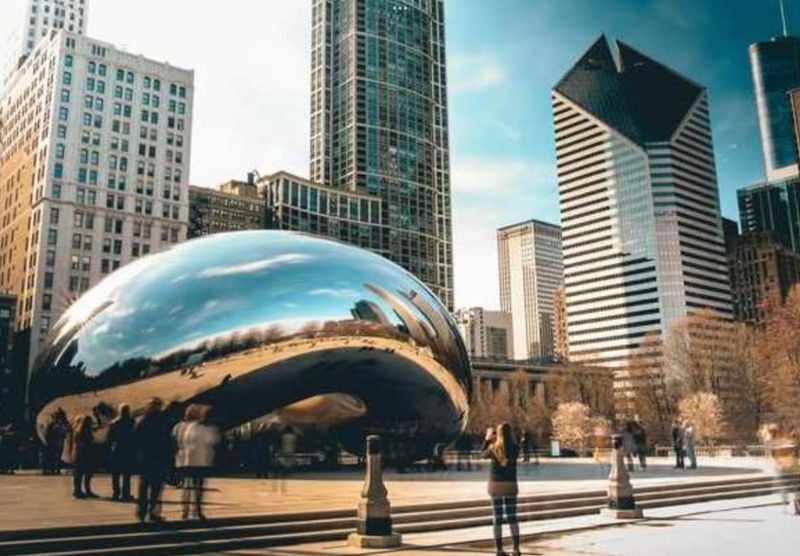
Chicago is a world-class city with incredible food, architecture, and culture. But when it comes to friendliness rankings, it often lands in uncomfortable territory.
The city has a reputation for being socially guarded, particularly among strangers on public transit or busy downtown streets.
Multiple surveys have cited Chicago as one of the more unfriendly major cities in the Midwest. That stands out because the Midwest generally enjoys a reputation for warmth and openness.
Chicago seems to operate by its own rules, blending East Coast edge with Midwestern stubbornness in ways that do not always read as welcoming.
Neighborhood divisions, political tension, and economic stress all contribute to the social climate. Residents who live in tight-knit communities are often very warm within their own circles.
The challenge is breaking into those circles as an outsider, which many visitors and newcomers find surprisingly difficult.
10. Washington
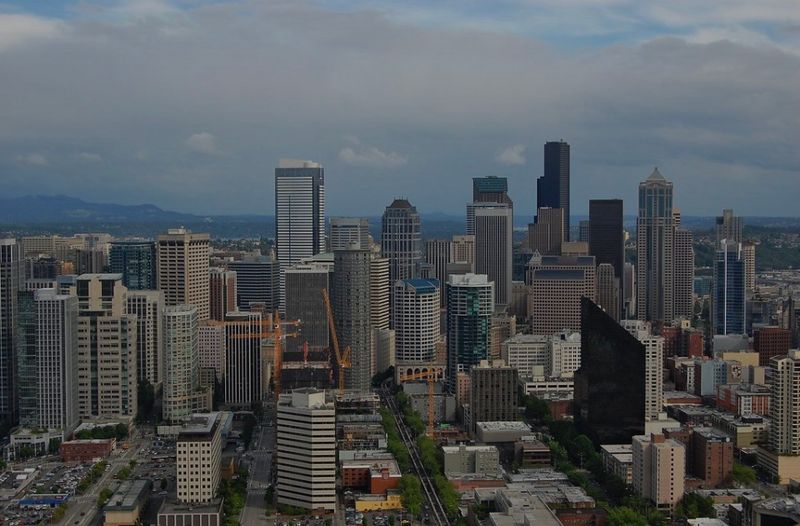
The “Seattle Freeze” is a real phenomenon, and locals will be the first to admit it. People in Seattle are polite enough on the surface, but building actual friendships here is notoriously difficult.
Acquaintances stay acquaintances for years without ever becoming true friends.
This pattern is so well-recognized that it has been studied and written about extensively. The Seattle Times, local bloggers, and national outlets have all explored why the city feels so emotionally closed off.
Theories range from Scandinavian cultural influence to the tech industry’s introverted workforce shaping social norms.
Washington state more broadly mirrors this reserved quality outside of Seattle too. Smaller cities like Olympia and Tacoma share a similar social coldness.
Newcomers relocating for Amazon or Microsoft jobs frequently report feeling isolated even after months of living there. Friendliness rankings consistently reflect this, placing Washington among the lower tier nationally.
11. Arizona
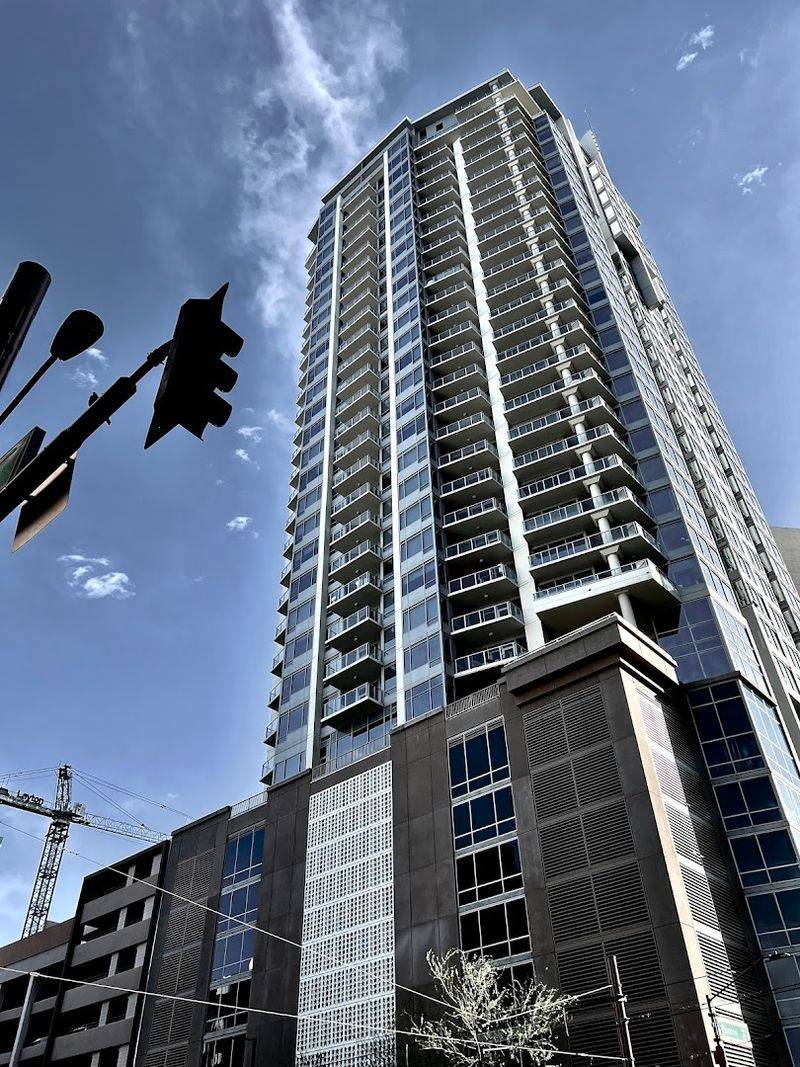
Arizona has been growing at a staggering rate over the past decade, and that growth comes with growing pains. Phoenix and surrounding areas have seen explosive population increases that have strained infrastructure, raised housing costs, and created visible social tension between longtime residents and newcomers.
Road rage is a significant issue across the state. Arizona frequently appears in national reports on aggressive driving behavior, with Phoenix ranking among the worst cities in the country for road hostility.
The heat does not help either. Studies have linked higher temperatures to increased aggression, and Arizona summers are brutal.
Rapid development has also erased some of the community character that made smaller Arizona towns feel special. Long-time residents feel the loss, and that frustration sometimes surfaces in how they interact with newcomers.
Friendliness surveys reflect this tension, placing Arizona consistently in the lower half of national rankings.
12. Michigan
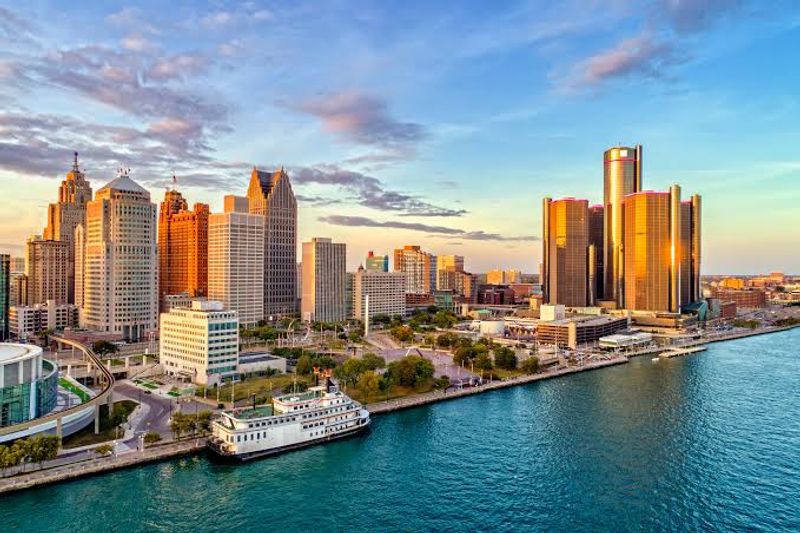
Michigan has real pockets of warmth, particularly in smaller communities and rural areas where neighbors genuinely look out for each other. But the urban centers, especially Detroit and Flint, carry the weight of decades of economic hardship that has shaped how people interact with strangers.
Economic stress, high unemployment in certain areas, and a long history of industrial decline have created a guarded social atmosphere in Michigan’s largest cities. Trust is hard to build when communities have faced repeated disappointment.
That wariness can easily be mistaken for unfriendliness by outsiders passing through.
Detroit has been making a genuine comeback in recent years, with new businesses and young residents energizing the city. But the perception of unfriendliness lingers in survey data.
Michigan ranks in the lower tier for overall state friendliness, driven largely by how urban residents score on warmth and approachability metrics.
13. Colorado

Colorado used to be known as a hidden gem, a place where outdoor lovers and laid-back locals coexisted happily. Then everyone moved there.
The state has experienced massive population growth over the past 15 years, and the original community vibe has taken a serious hit as a result.
The term “Coloradoan” versus “transplant” has become a real social dividing line. Long-time residents express frustration about rising costs, overcrowded trails, and the cultural shifts brought by waves of new arrivals.
That resentment sometimes shows up in how newcomers are treated socially.
Denver in particular has developed a reputation for cliquishness and social exclusivity among certain communities. Outdoor culture can also carry an unspoken gatekeeping attitude, where experience level and gear quality quietly determine social acceptance.
Friendliness rankings have started reflecting this shift, with Colorado slipping lower than it appeared just a decade ago.
14. Virginia
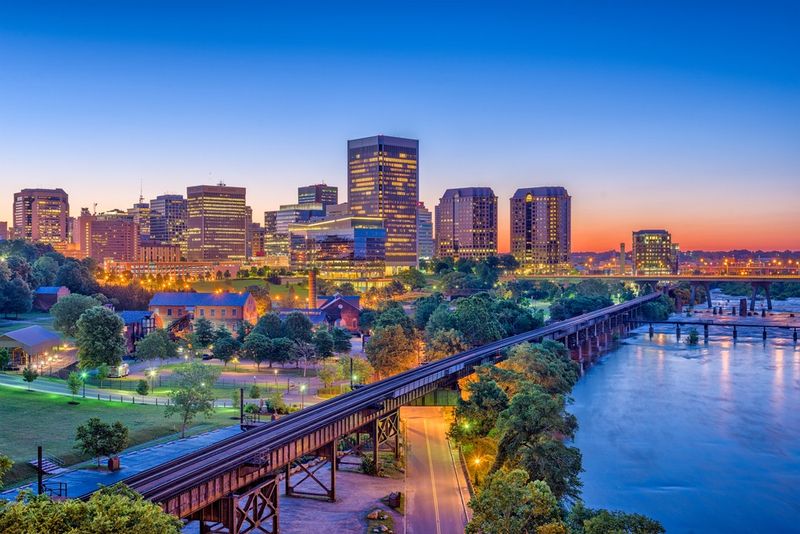
Virginia is a state of two very different personalities. The southern and rural parts of the state tend to be warm, hospitable, and community-driven in ways that match traditional expectations of Southern culture.
Then there is Northern Virginia, which operates on an entirely different frequency.
Northern Virginia is essentially an extension of the Washington DC metro area, complete with all the stress, ambition, and traffic that comes with it. Beltway commuters, government contractors, and political professionals create an environment where productivity is everything and small talk feels like wasted time.
The region consistently ranks lower for friendliness compared to the rest of the state. Traffic alone is enough to sour daily moods, and the competitive professional culture does not leave much room for warmth.
Surveys that include Northern Virginia in state-level data tend to pull Virginia’s overall friendliness score down significantly.
15. Oregon

Portland has a reputation for being one of the most progressive and open-minded cities in America. Ironically, many people who move there find it surprisingly difficult to make real social connections.
The city has its own version of the Seattle Freeze, sometimes called the Portland Freeze.
Residents tend to be polite and politically aware, but socially closed off in ways that catch newcomers off guard. Established friend groups are tight-knit and not particularly eager to expand.
Breaking into the social scene here takes significantly more effort than in most comparable cities.
Oregon more broadly shares some of this reserved quality, particularly in urban areas where transplant culture and local identity tensions run high. Survey data and travel publications have flagged Oregon, especially Portland, as a state where visitors and newcomers consistently feel unwelcome.
The gap between the city’s inclusive reputation and the actual lived experience is a recurring theme in friendliness research.



