Solo camping can be one of the most freeing experiences in the world, but not every destination is equally forgiving. Some countries come with risks that even experienced campers underestimate, from dangerous wildlife to extreme weather and limited emergency access.
Before you pack your tent and head out alone, it pays to know what you might be walking into. Here are 15 countries where solo camping deserves extra thought and careful planning.
1. Australia
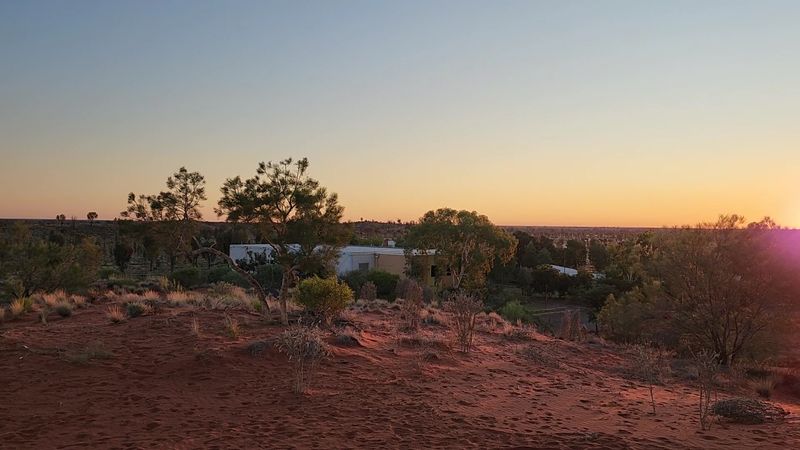
Australia looks like a paradise on postcards, but the outback has a way of humbling even seasoned adventurers fast. The heat alone can be brutal, with temperatures soaring well past 40 degrees Celsius in remote regions.
Getting stranded without water or shade is a genuine life-threatening scenario here.
Beyond the heat, Australia is home to some of the world’s most venomous snakes and spiders. Saltwater crocodiles patrol rivers and coastal areas in the north with alarming confidence.
Camping alone means there is no one nearby to help if something goes wrong.
Mobile signal disappears quickly once you leave populated areas, making emergency contact difficult. Many solo campers have needed helicopter rescues from the outback.
A personal locator beacon is considered essential gear, not optional, for anyone venturing out alone in the Australian wilderness.
2. Canada
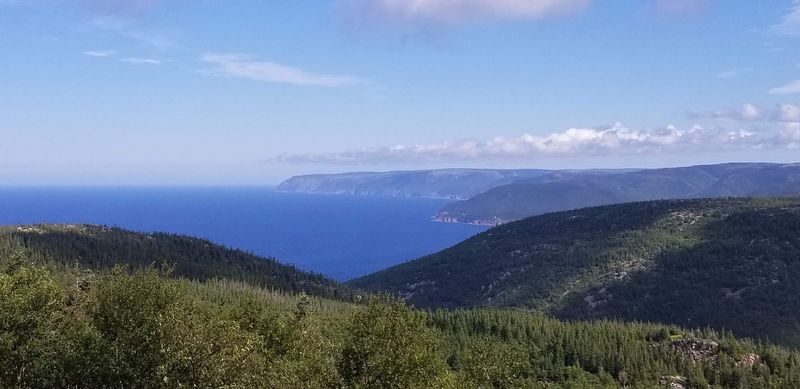
Canada’s wilderness is jaw-dropping in its beauty, stretching across millions of acres of forest, tundra, and mountain terrain. But that same vastness is exactly what makes solo camping here a serious undertaking.
Cell service vanishes quickly, and help can be hours or even days away.
Bears are the most talked-about hazard, and for good reason. Black bears are common across most provinces, while grizzly bears roam British Columbia, Alberta, and the Yukon.
Wolves and moose encounters also happen more often than people expect, and moose in particular can be surprisingly aggressive.
Weather in Canada can shift from pleasant to dangerous within hours, especially in mountainous regions. Hypothermia is a real risk even in summer at higher elevations.
Solo campers should always register their trip with local authorities and carry bear spray as a basic safety measure before heading out.
3. United States (Certain Regions)
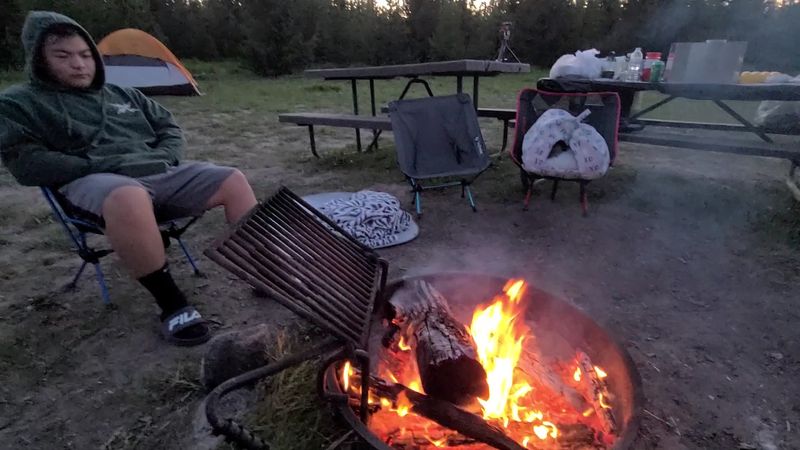
The United States offers some of the most diverse camping terrain on the planet, from lush national parks to scorching desert flats. But certain regions carry risks that solo travelers sometimes overlook.
The desert Southwest, for instance, can reach deadly temperatures that drain your body faster than you realize.
National parks like Yellowstone, Glacier, and Great Smoky Mountains are home to black bears and mountain lions that occasionally approach campsites. Encounters happen, and solo campers have no backup when they do.
Proper food storage and knowledge of wildlife behavior are non-negotiable basics in these areas.
Remote backcountry zones in states like Alaska, Montana, and Utah can be days away from emergency services. Flash floods in canyon country can strike without warning, even on clear days.
Going alone into these regions without a communication device and solid navigation skills is a risk that simply is not worth taking.
4. Russia
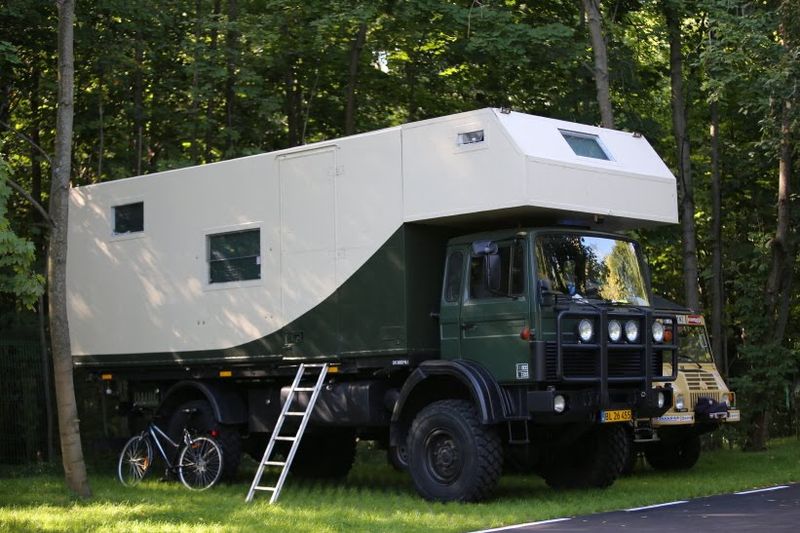
Russia is the largest country on Earth, and a huge portion of it is pure, untouched wilderness with almost no infrastructure. Siberia alone covers more land than the entire continental United States, and much of it has no roads, no towns, and no cell towers.
Camping alone here means being truly, completely alone.
The climate in Russia’s interior is punishing. Winters in Siberia regularly drop below minus 40 degrees Celsius, but even summer trips carry risks from sudden temperature drops and unpredictable storms.
Brown bears are widespread across Russian forests and are not shy about investigating campsites.
Getting help in an emergency is a logistical nightmare in rural Russia. Language barriers can complicate rescue efforts, and emergency services may take days to reach remote zones.
Few solo campers have the local knowledge, language skills, and survival experience needed to handle this environment safely on their own.
5. Brazil (Amazon Region)
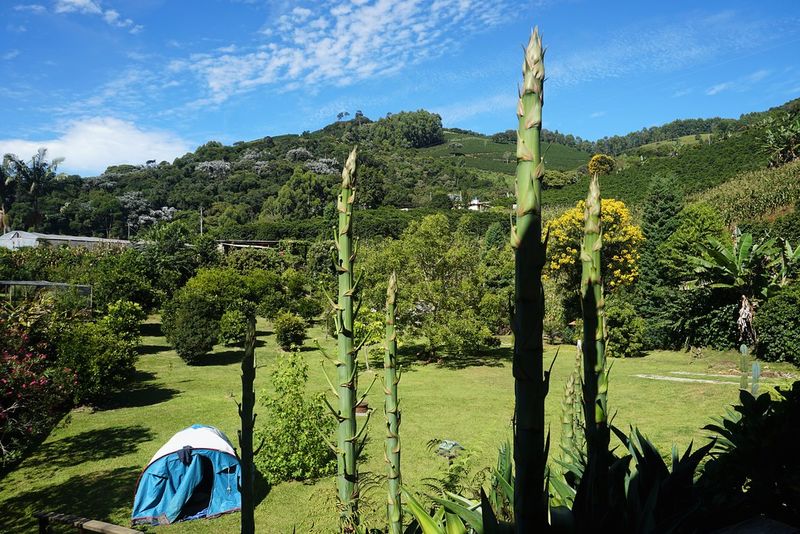
The Amazon rainforest covers roughly 5.5 million square kilometers, making it the largest tropical forest on Earth. Getting lost here is terrifyingly easy.
Trails disappear, landmarks blend together, and the dense canopy blocks sunlight that you might otherwise use for navigation.
The wildlife situation is no less intimidating. Jaguars, anacondas, caimans, and bullet ants are just a few of the creatures sharing the forest.
Insects carry diseases like malaria, dengue fever, and leishmaniasis, which can become serious without prompt medical treatment.
Parts of the Amazon also see illegal activity, including unauthorized mining and logging operations. Solo travelers who wander into the wrong area can face dangers that have nothing to do with wildlife.
Organized guided tours with experienced local leaders are the strongly recommended way to experience the Amazon, rather than attempting an independent solo camping trip without proper preparation and support.
6. South Africa
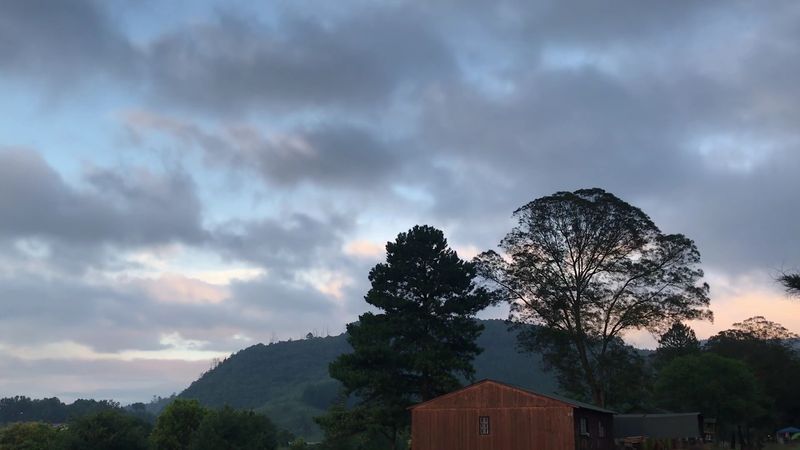
South Africa is one of the most breathtaking places on the planet to experience wildlife, but that wildlife is also genuinely dangerous. The Big Five, which includes lions, leopards, elephants, rhinos, and buffalo, roam freely across many regions.
Camping outside of secured, fenced reserves puts you directly in their territory.
Unsecured camping spots can expose solo travelers to animal encounters that escalate quickly. Lions and leopards are nocturnal hunters, meaning the hours when campers are most vulnerable are also when these predators are most active.
Even elephants, which many people see as gentle giants, can be unpredictable and aggressive when startled.
Outside wildlife zones, safety concerns in certain rural areas also deserve attention. Solo travelers should research specific regions carefully before deciding where to camp.
Sticking to established, well-managed reserves with trained rangers on site is the safest and most responsible way to experience South Africa’s remarkable wilderness alone.
7. India
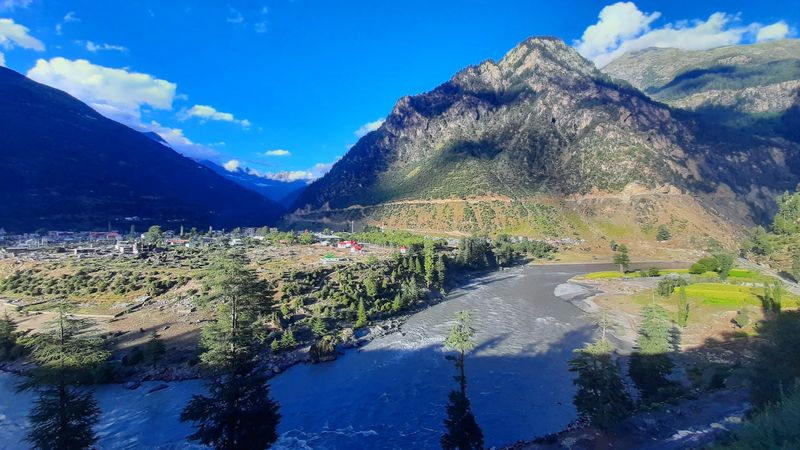
India has an incredible variety of landscapes, from Himalayan peaks to coastal beaches to dense jungle reserves. But solo camping in the country’s forested regions comes with some serious considerations.
Tiger reserves like Jim Corbett and Bandhavgarh are home to wild tigers that have occasionally attacked humans who strayed off marked paths.
Snakes are another constant presence across most of India’s natural areas. Cobras, Russell’s vipers, and kraits are among the venomous species found in grasslands and forests.
A solo camper bitten far from help faces a genuinely life-threatening situation without fast access to antivenom.
Beyond wildlife, isolated camping areas in some parts of India can raise personal safety concerns, particularly for solo travelers unfamiliar with the region. Infrastructure in remote areas is limited, and emergency response times can be slow.
Connecting with local guides and sticking to recognized camping zones dramatically improves safety for anyone exploring India’s wild spaces alone.
8. Indonesia
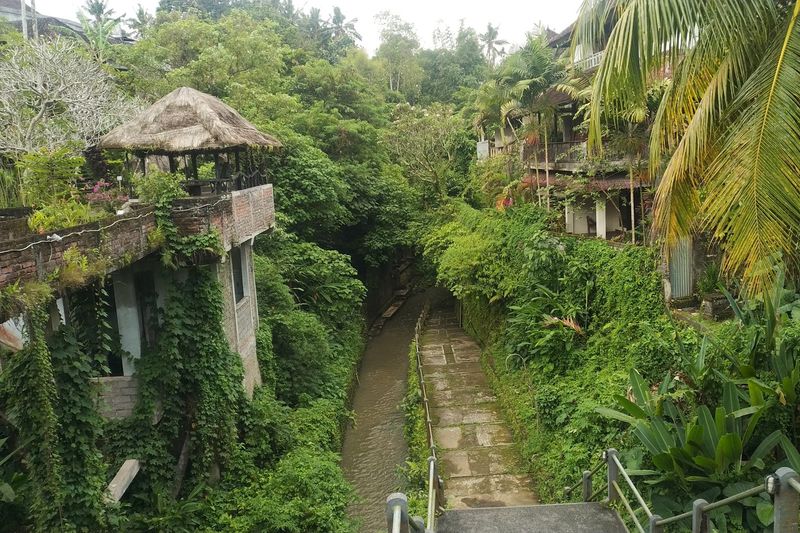
Indonesia sits on the Pacific Ring of Fire, making it one of the most geologically active places on the planet. The country has over 130 active volcanoes, and eruptions can happen with little warning.
Solo campers near volcanic peaks face risks from lava flows, toxic gas emissions, and falling ash that can overwhelm quickly.
Earthquakes are another constant reality across the archipelago. A tremor in a remote jungle or on a small island can trigger landslides or tsunamis, leaving a solo traveler with no support network to rely on.
Emergency services on many of Indonesia’s outer islands are limited or slow to respond.
The jungle terrain adds another layer of challenge. Dense vegetation makes navigation difficult, and wildlife including king cobras and Sumatran tigers inhabit some forested areas.
Camping alone in Indonesia’s remote regions requires extensive preparation, reliable communication tools, and a clear understanding of the specific risks in your chosen location.
9. Norway
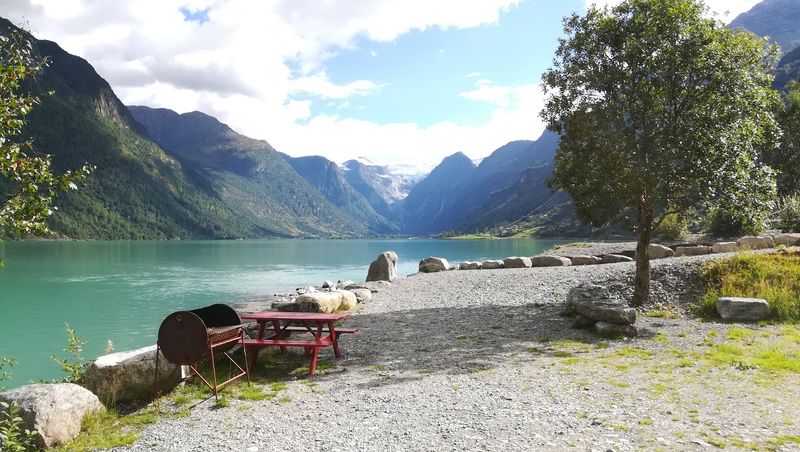
Norway has a legal concept called allemannsretten, or the right to roam, which allows anyone to camp almost anywhere in the country’s natural spaces. It sounds like a solo camper’s dream, and in many ways it is.
But the freedom comes with serious responsibility and real risk.
Norwegian mountain weather is notoriously unpredictable. Bright sunshine can vanish within minutes, replaced by freezing rain, high winds, or even snow, regardless of the season.
Hypothermia is a genuine threat for anyone caught unprepared on an exposed plateau or ridge without proper gear.
The terrain itself is unforgiving in Norway’s high mountain regions. Steep drops, slippery rocks, and fast-moving rivers make navigation genuinely hazardous, especially alone.
A twisted ankle or a wrong turn far from the nearest trail can become a survival situation fast. Solo campers need solid outdoor skills, reliable navigation tools, and appropriate clothing layers before heading into Norway’s stunning but demanding backcountry.
10. Mexico (Remote Regions)
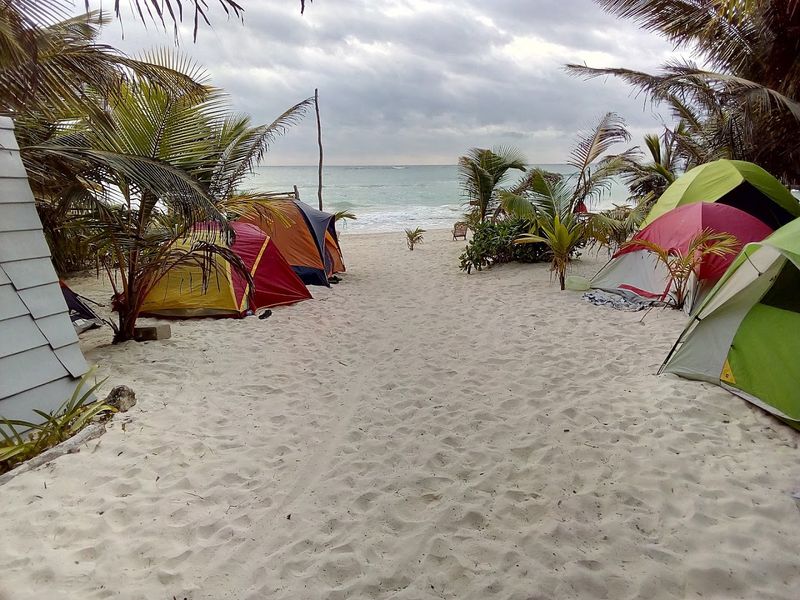
Mexico offers stunning natural landscapes, from rugged canyons to lush jungle to dramatic coastlines. Many of these areas are genuinely beautiful and worth exploring.
However, camping alone in certain remote regions of the country comes with safety considerations that should not be brushed aside.
Some isolated areas, particularly in states with known cartel activity, carry real risks for solo travelers who may unknowingly pass through dangerous territory. Limited emergency infrastructure means that if something goes wrong, help can be a very long time coming.
Local knowledge about which specific areas are safe is invaluable before any trip.
Beyond security concerns, the terrain itself can be challenging. Desert regions in northern Mexico bring extreme heat, while jungle zones in the south come with their own set of wildlife and navigation hazards.
Researching your specific destination carefully, connecting with local communities, and avoiding unmarked or unofficial camping spots goes a long way toward staying safe.
11. Thailand (Jungles and Islands)
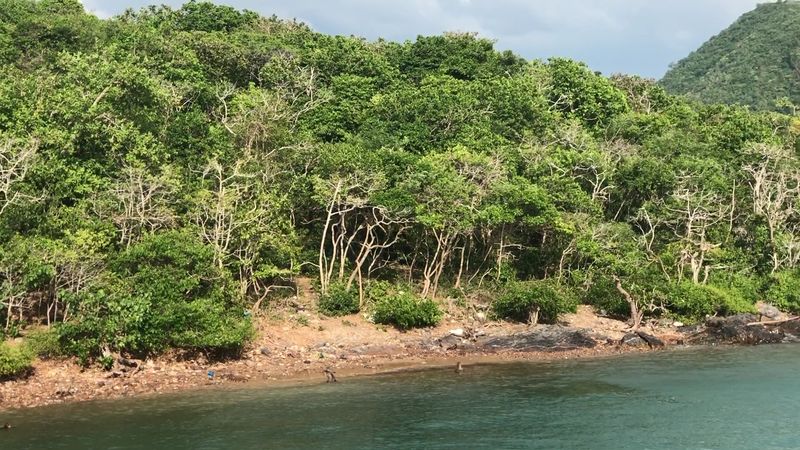
Thailand draws millions of visitors each year with its tropical beauty, but venturing off the beaten path alone introduces a different side of the country. Jungle regions are home to venomous snakes, centipedes, and various insects that can cause serious reactions.
Malaria and dengue fever are also present in some forested areas, especially near the borders with Myanmar and Laos.
Remote island camping sounds idyllic, but facilities on lesser-known islands can be nearly nonexistent. Medical care may require a long boat ride to reach, which matters enormously in a medical emergency.
Tides, currents, and sudden tropical storms can also make island camping unexpectedly dangerous overnight.
Jungle navigation in Thailand is genuinely tricky, with trails that are poorly marked or disappear entirely during rainy season. Getting disoriented even a short distance from camp can become a real problem.
Solo campers should always inform someone of their plans, carry insect repellent and a first aid kit, and avoid setting up camp after dark in unfamiliar terrain.
12. Argentina (Patagonia)
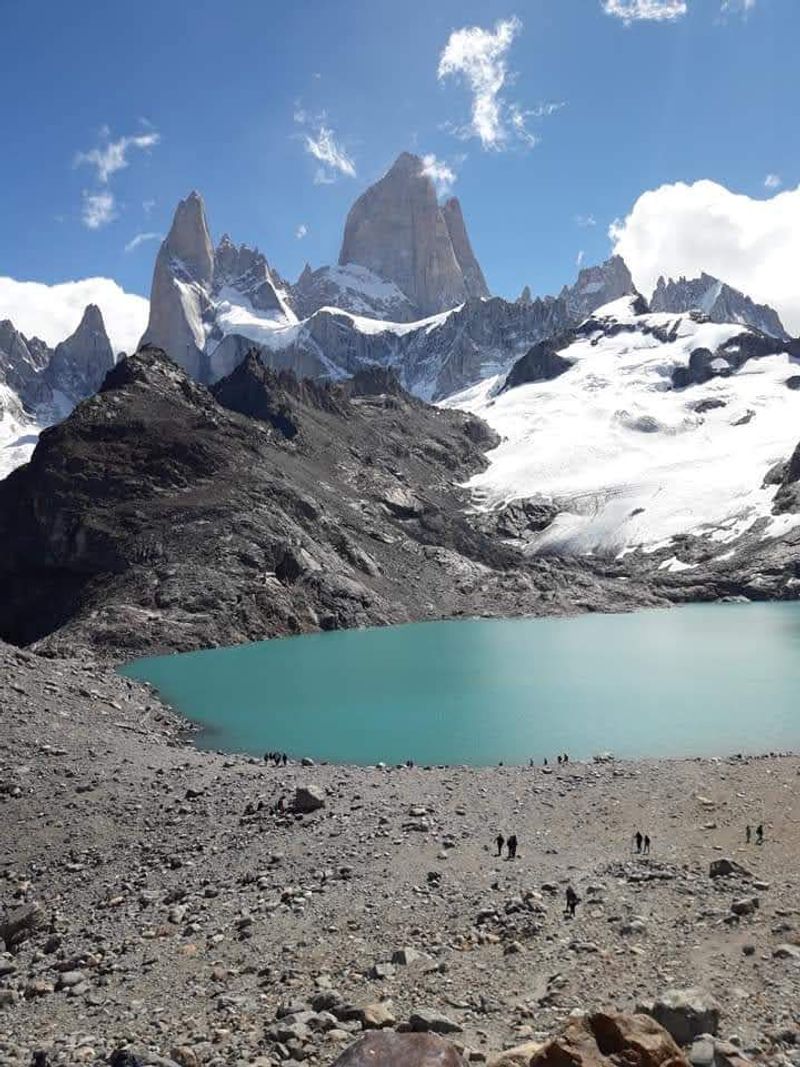
Patagonia is one of the most awe-inspiring places on Earth, stretching across the southern tip of South America with glaciers, mountains, and open plains that seem to go on forever. But the region has a well-earned reputation for extreme weather that has caught experienced trekkers completely off guard.
The winds in Patagonia are legendary for a reason. Gusts regularly exceed 100 kilometers per hour, strong enough to flatten tents, knock hikers off their feet, and make simple tasks like lighting a stove nearly impossible.
Conditions can shift from calm to violent within minutes, with little warning from the sky.
The isolation adds another dimension of risk for solo campers. Rescue operations in remote Patagonian terrain are complex and time-consuming.
Hypothermia is a constant concern even in summer months. Anyone planning to camp alone in Patagonia needs top-quality gear, strong navigation skills, and a realistic understanding of just how unforgiving this spectacular landscape can be.
13. Nepal
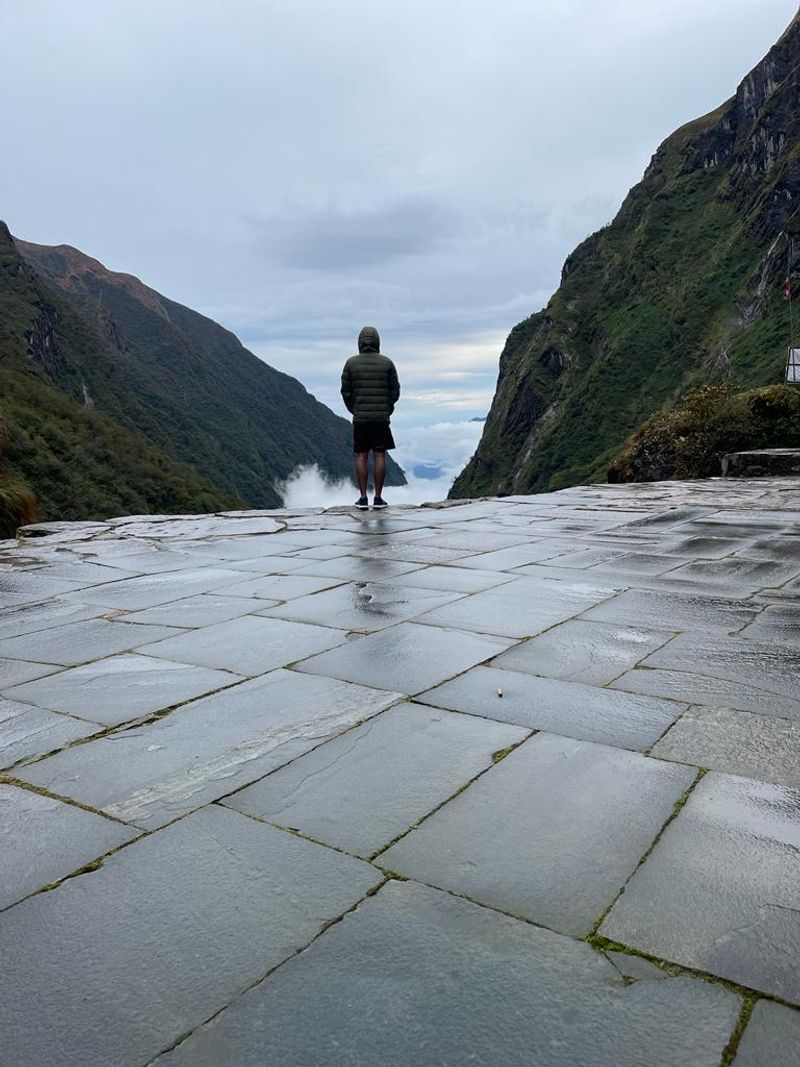
Nepal is the dream destination for mountain trekkers, home to eight of the world’s ten tallest peaks. The scenery is extraordinary, but the altitude alone makes solo camping here a serious commitment.
Acute mountain sickness can set in quickly above 3,000 meters, causing headaches, nausea, and in severe cases, life-threatening fluid buildup in the lungs or brain.
Weather in the Himalayas changes with alarming speed. A clear morning can become a whiteout snowstorm by afternoon, burying trails and making navigation nearly impossible.
Temperatures drop sharply after sunset even during trekking season, and hypothermia can develop faster than most people expect at high elevation.
Many of Nepal’s popular trekking routes pass through remote areas where rescue can take many hours, even with helicopter support. Solo trekkers who get injured, fall ill, or become lost face an extremely difficult situation without a companion nearby.
Hiring a local guide is not just recommended in Nepal; for solo travelers, it can genuinely be a lifesaving decision.
14. Kenya
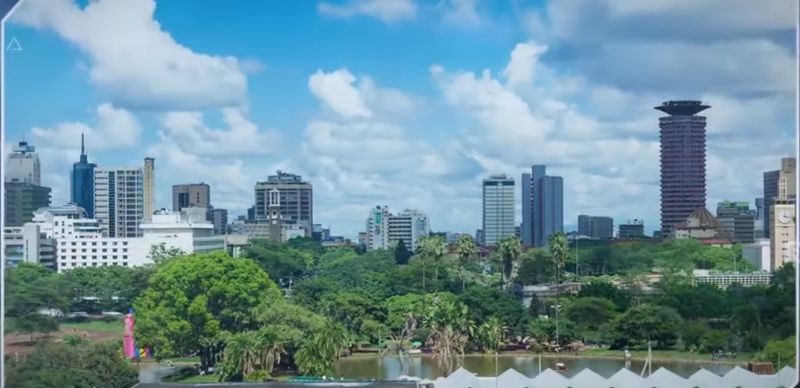
Kenya’s wildlife reserves are among the most celebrated in the world, offering views of lions, elephants, giraffes, and wildebeest in their natural habitat. But the openness of the savanna that makes Kenya so visually stunning is exactly what makes solo camping outside designated areas genuinely dangerous.
There are no fences between you and apex predators here.
Lions, hyenas, and leopards are all active after dark, and a solo camper in an unsecured spot is an easy target. Elephants, which roam widely across Kenya, have caused fatalities by charging through campsites.
Even buffalo, which many travelers underestimate, are considered by rangers to be among Africa’s most dangerous animals.
Outside wildlife zones, personal safety in certain areas requires careful attention. Guided safaris with experienced Kenyan rangers are the standard approach for good reason.
Camping alone outside of official, managed sites is strongly discouraged by local authorities and tourism boards throughout the country.
15. Iceland
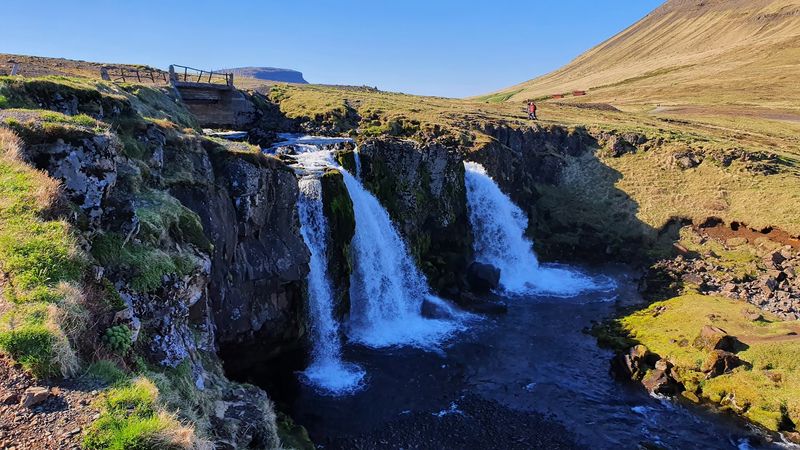
Iceland has become one of the most popular travel destinations in the world, and its dramatic landscapes make it easy to understand why. Volcanoes, geysers, glaciers, and the northern lights all share the same small island.
But Iceland’s weather is notoriously unpredictable, and conditions can turn dangerous with almost no warning.
Wind and rain are constant companions across much of the island, and storms roll in from the North Atlantic with remarkable speed. Summer temperatures can feel pleasant one hour and bitterly cold the next.
Solo campers caught in sudden storms on exposed terrain without proper shelter face a real risk of hypothermia.
Camping in Iceland is also regulated, with rules requiring campers to use designated sites rather than setting up wherever they please. Camping on private land or in protected natural areas carries fines.
Volcanic terrain adds another layer of hazard, with unstable ground, geothermal hot spots, and sudden eruptions that can close entire regions without much advance notice.
Share this story