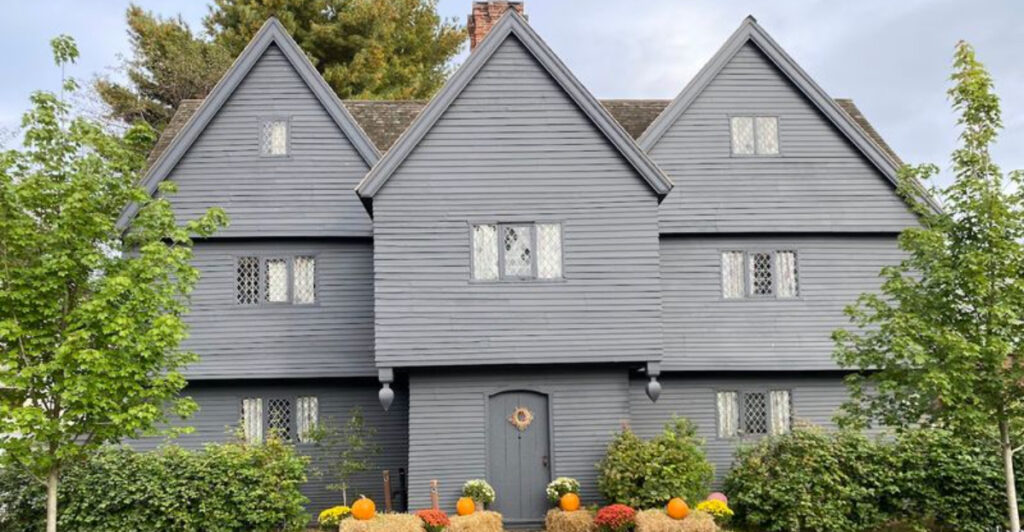
Salem, Massachusetts is a city that refuses to let history fade quietly into the background. One building in particular has stood on its original foundation for more than three centuries, connecting the present to one of the most dramatic and troubling chapters in American colonial history.
This is the only surviving structure in Salem with a direct link to the 1692 Witch Trials, and it belonged to a man who sat at the center of those proceedings. What you find inside its dark, angular walls is not just old furniture or dusty placards, but a genuine window into 17th-century life, justice, and fear.
Whether you are a history enthusiast, a curious traveler, or someone who simply wants to understand how ordinary people made extraordinary and often terrible decisions, this place delivers something rare: a story you can actually walk through.
The Man Who Lived Here and Why It Matters
The house carries the name “Witch House” not because witches lived there, but because the man who did played a central role in one of history’s most infamous legal events. Jonathan Corwin was a magistrate who purchased the property in 1675, and he went on to preside over many of the pre-trial examinations of people accused during the 1692 Salem Witch Trials.
Corwin was not a fringe figure. He was a prominent member of Salem society, and his home reflected that status.
Understanding who he was adds real weight to every room you walk through inside the museum.
The land itself has an even older story. Captain Nathaniel Davenport originally owned the property, and construction on the house began under his ownership before Corwin took over and completed it.
That layered ownership history makes the building’s timeline even richer for those who enjoy digging into the details.
A Building That Outlasted Its Era
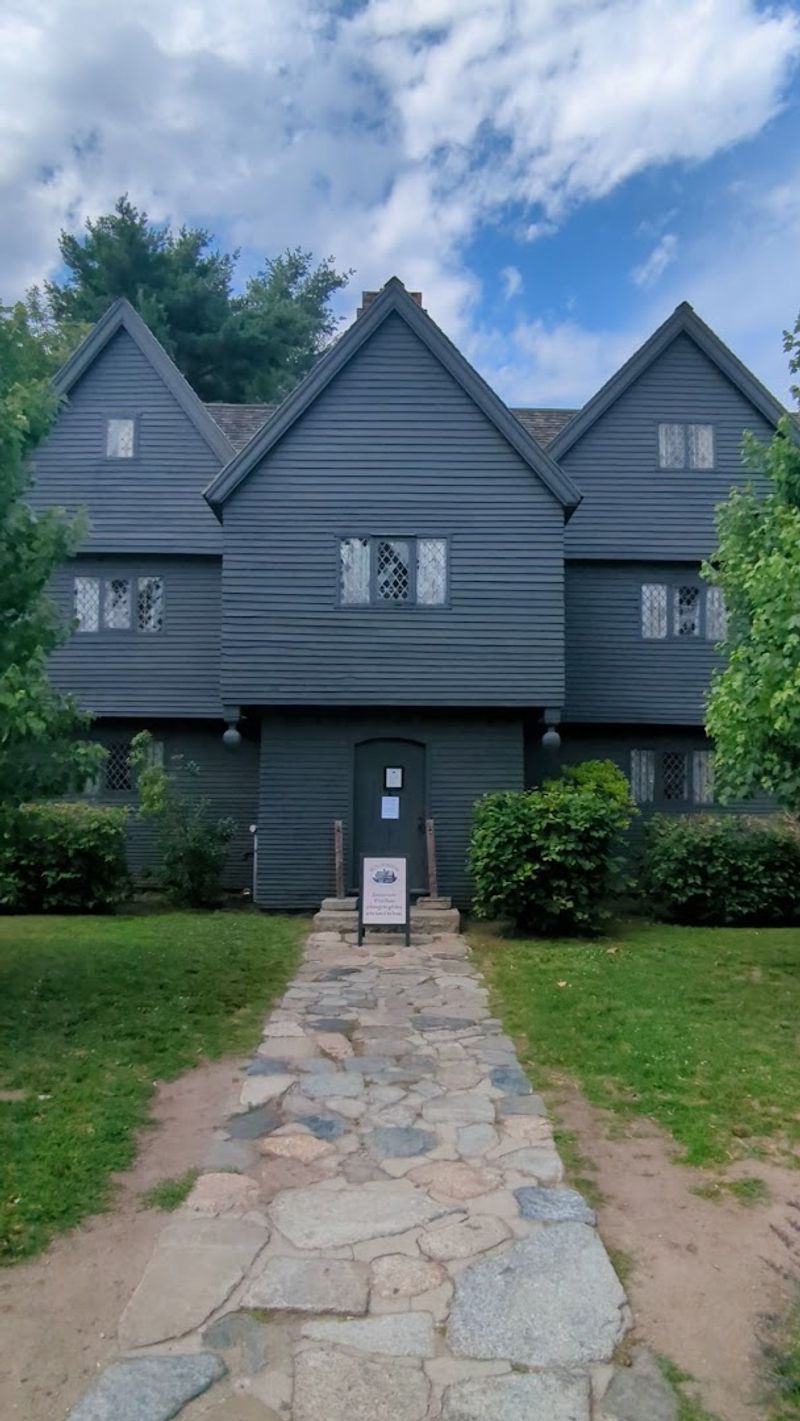
Most buildings from the 1600s in North America no longer exist. Wood rots, fires spread, and cities grow over what came before.
The fact that this structure still stands is, by itself, a remarkable piece of American preservation history.
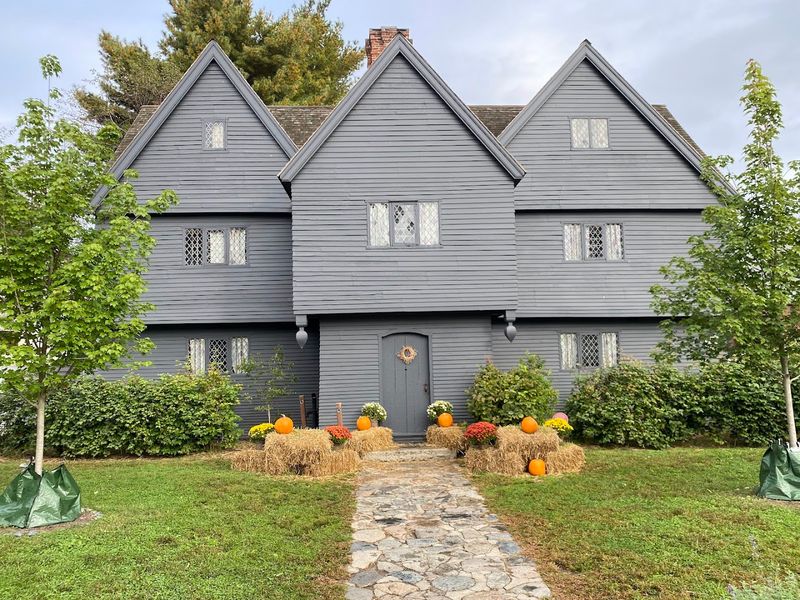
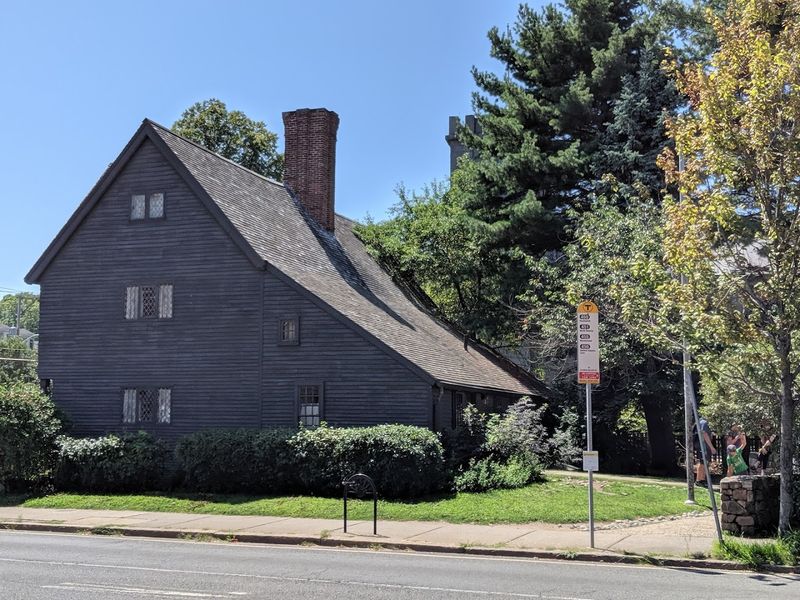
The house retains much of its original construction, including the distinctive overhanging second floor and small casement windows that were typical of 17th-century New England architecture. These design choices were not just stylistic.
They were practical solutions to the climate and available materials of the time.
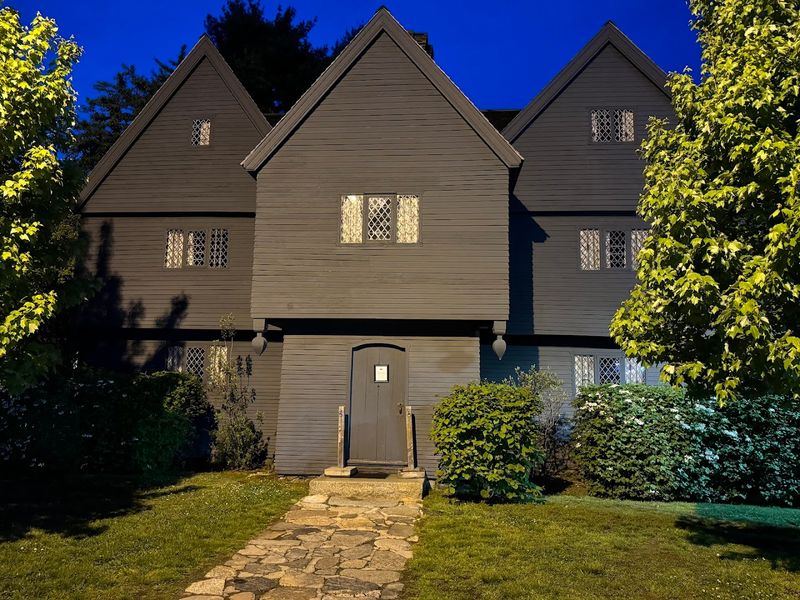
Construction methods from this period required enormous skill and community effort, and seeing those techniques preserved in a standing building offers something no textbook photograph can replicate. The angular roofline and dark exterior give the structure an unmistakable silhouette that has become one of Salem’s most photographed landmarks.
It is the kind of building that earns its reputation simply by still being there.
What the Rooms Actually Tell You
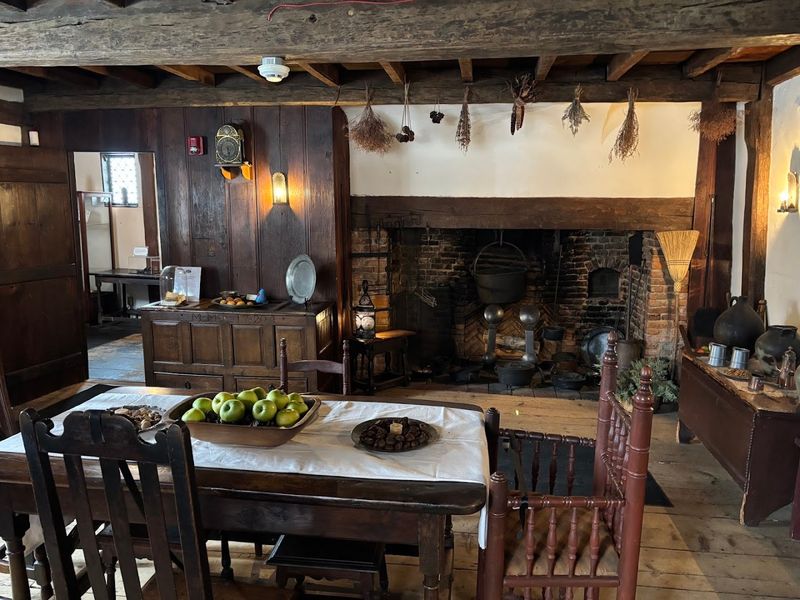
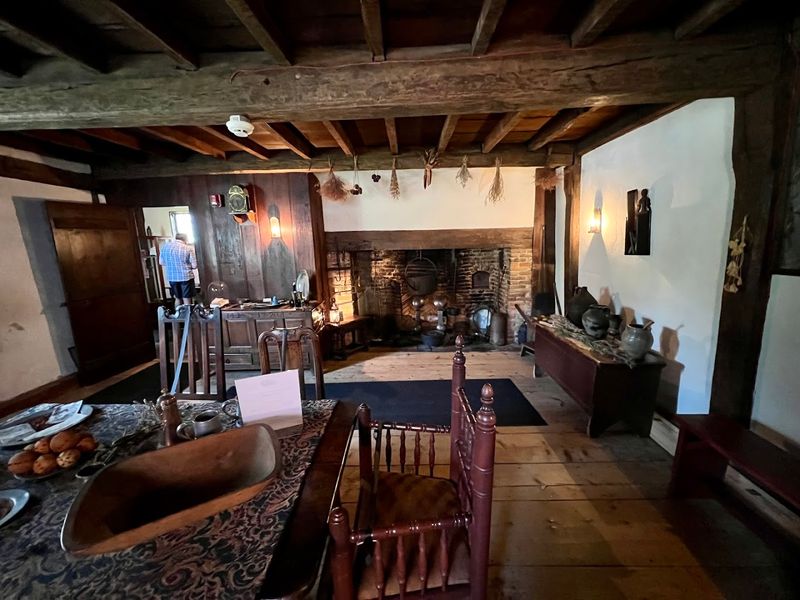
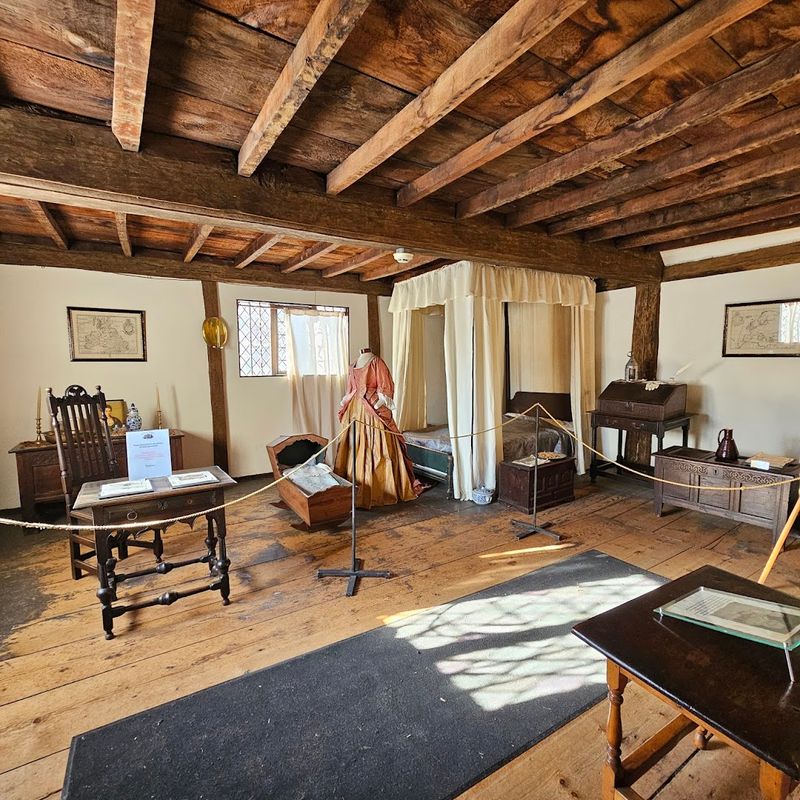
The interior of the museum is organized to reflect how a prosperous colonial family actually lived, worked, and spent their time. Each room contains period-appropriate furnishings and detailed exhibit panels that explain the significance of what you are looking at.
It is worth noting that the furniture and objects on display were not originally owned by the Corwin family. Those items are part of a separate collection housed at another museum.
What you see here is a carefully curated representation of 17th-century domestic life, chosen to give context rather than to claim personal ownership.
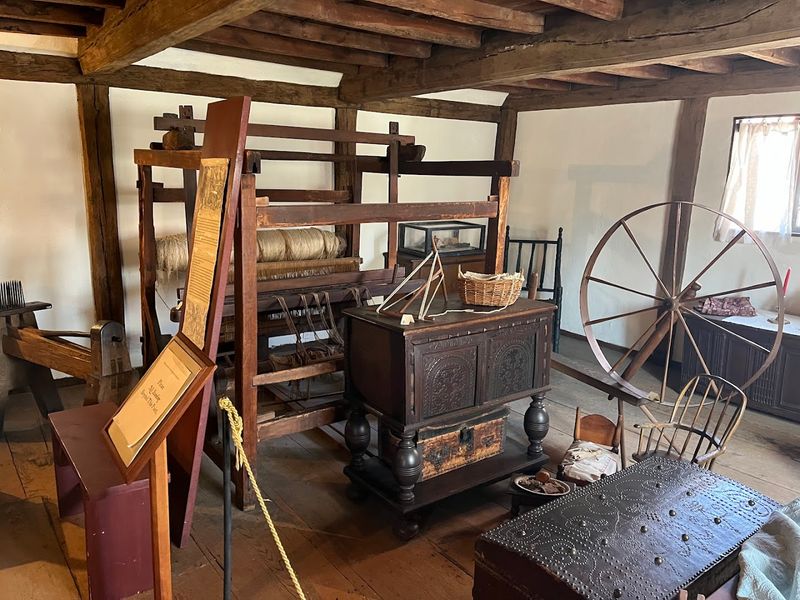
The exhibits cover everything from household routines and family dynamics to the social pressures that contributed to the Witch Trials. Jonathan Corwin’s wife had ten children in this house, and the museum does not shy away from showing how demanding and structured daily life was for colonial families, particularly women, during this period.
The 1692 Trials Explained Through the House
The Salem Witch Trials of 1692 resulted in the execution of 19 people and the imprisonment of many more. The events unfolded over several months in a community gripped by fear, religious tension, and social conflict that historians are still analyzing today.
The Witch House connects visitors to those events in a direct and personal way because Corwin was not a distant observer. He conducted pre-trial examinations of the accused, which means the conversations that determined people’s fates may have taken place within these very walls.
The museum’s exhibits walk through the timeline of the trials, the roles of various officials, and the broader social context that made such events possible. Rather than presenting the story as something strange and distant, the exhibits draw connections to human behavior and group psychology that feel surprisingly relevant.
History taught through a real building lands differently than history read from a page.
Architecture That Tells Its Own Story
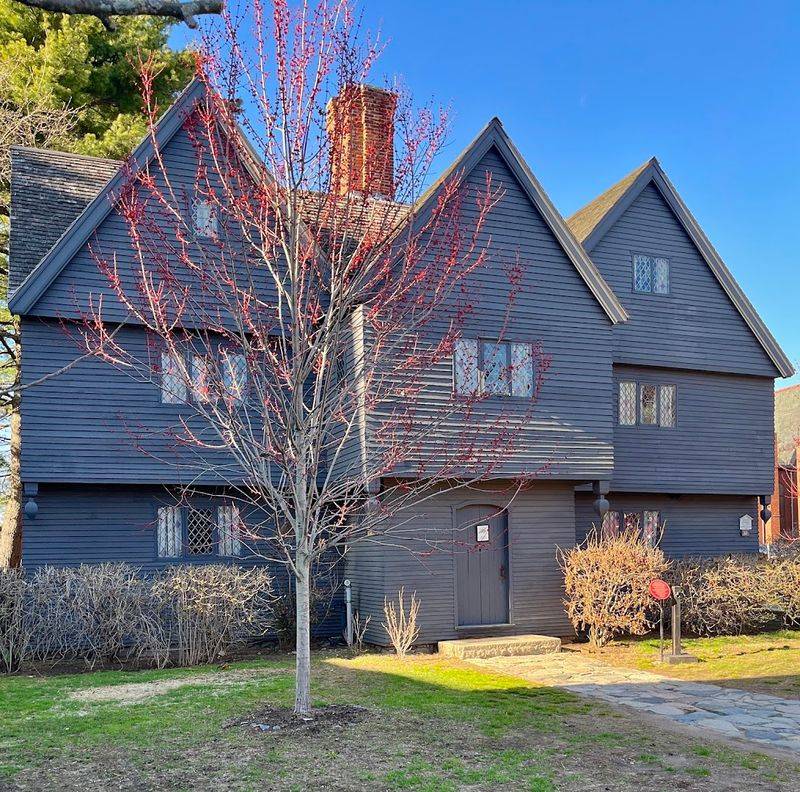
The architectural style of the Witch House is classified as Jacobean, a form of English design that was common among wealthy colonists in the early to mid-1600s. The overhanging upper floors, steep gabled roof, and small leaded windows are all hallmarks of this tradition.
Those small windows are one of the most commented-upon features among people who visit. They were not designed to be charming.
Glass was expensive and difficult to produce in the colonies, so windows were kept small to limit the amount of material needed. The effect today is that very little light enters the rooms, which gives the interior a dim and enclosed quality that feels consistent with the period.
The building has undergone preservation work over the centuries, but efforts have been made to maintain the original structural character. For anyone interested in early American building techniques, the house is a hands-on lesson in colonial craftsmanship that no exhibit panel alone could fully capture.
Self-Guided Tours and How They Work
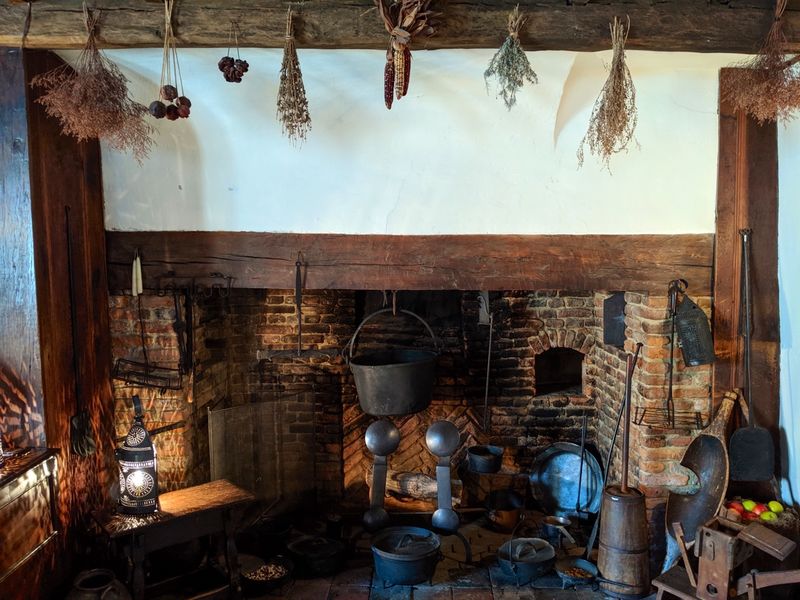
Most visits to the Witch House are self-guided, which gives you the freedom to move through the rooms at your own pace and spend extra time in areas that interest you most. The layout is not large, and a thorough self-guided visit typically takes between 20 and 30 minutes.
Knowledgeable staff members are stationed throughout the house and are available to answer questions, point out architectural details, and share context that is not always captured in the written exhibits. Engaging with them adds real depth to the visit, and the historians on-site are known for their enthusiasm and expertise.
Photography is permitted inside, which is a genuine bonus for anyone who wants to document the experience or share it with others. The exhibit space is compact, so arriving during off-peak hours helps avoid congestion.
Groups of only ten people are allowed inside at a time, which keeps the experience from feeling rushed or crowded.
Ticket Prices and Planning Your Visit
Tickets for the basic self-guided tour are priced at around $12, which positions the Witch House as one of the more affordable historical experiences in Salem. Extended or guided tour options can range up to $40 or more, depending on the format and depth of the experience you choose.
During peak season, particularly in September and October when Salem draws large crowds for its historical events, tickets sell out fast. The museum releases same-day tickets online at 8 AM, and they are often gone within 30 minutes.
Refreshing the website right at opening time is the most reliable strategy for securing a spot.
Outside of peak season, walk-in access is generally easier, and you may be able to purchase tickets directly at the gift shop located at the back of the building. The website at thewitchhouse.org is the best source for current pricing, availability, and any seasonal schedule changes that might affect your plans.
How the House Connects to Broader Colonial History
The Witch Trials did not happen in isolation. They emerged from a specific social and religious culture that shaped every aspect of life in colonial New England, and the Witch House provides meaningful context for understanding that world.
Puritan communities in the 1600s operated under strict religious frameworks that influenced law, family structure, and community relationships. The museum’s exhibits address how those frameworks contributed to an environment where accusations could spiral quickly into formal legal proceedings with severe consequences.
Seeing the domestic space where a judge lived and worked makes the human dimension of those events more concrete. These were not abstract historical figures.
They were people who ate meals, raised children, and made decisions that shaped the lives of their neighbors, all within the walls of a house that still stands today. That continuity between past and present is what makes the Witch House more than a museum.
It is a direct line to a defining moment in American history.
What Preservation Means for a Building This Old
Keeping a 17th-century building structurally sound while also making it accessible to the public is a continuous and demanding process. The Witch House has been maintained and restored over the years through efforts that prioritize historical accuracy over convenience.
Some of the original wood is still part of the structure, though restoration work has been necessary in areas where age and exposure have taken a toll. The goal of preservation is not to make the building look new, but to keep it standing and interpretable for future generations.
The proceeds from museum admission and gift shop sales go directly toward funding that preservation work, as well as supporting other historical sites in Salem. That financial model gives visitors a direct stake in the building’s future.
Paying the admission fee is not just buying access to an exhibit. It is contributing to the ongoing effort to keep a piece of 17th-century America standing for the next generation of curious travelers.
Why This House Still Deserves Your Attention
There are plenty of places in Salem that reference the Witch Trials. Museums, monuments, walking routes, and theatrical experiences all compete for attention in a city that has built a significant part of its identity around 1692.
The Witch House stands apart from all of them for one simple reason: it is real.
No other building in Salem can claim a direct, documented connection to the trials through its original occupant and its original structure. That combination of authenticity and historical significance is genuinely rare, not just in Massachusetts but across the entire country.
At $12 for a basic admission, the Witch House offers a level of historical access that is hard to find at this price point. For anyone with an interest in American colonial history, legal history, social history, or simply old buildings that have refused to disappear, this address on Essex Street is one of the most worthwhile stops in New England.
History this tangible does not come along often.
Where History Has a Street Address
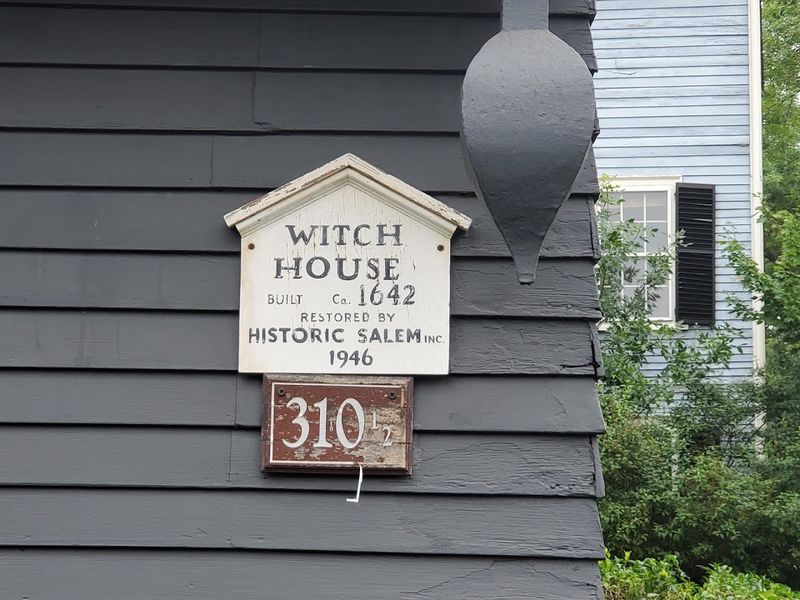
Few historical landmarks come with this level of authenticity. The Witch House at Salem sits at 310 Essex St, Salem, MA 01970, and it is open daily from 10 AM to 5 PM, making it accessible for most travel schedules throughout the week.
This is not a reconstruction or a replica built to look old. The structure is the actual 17th-century home that has stood on this spot for over 300 years, surviving fires, storms, urban development, and the test of time itself.
The house is operated as a historical museum, offering both guided and self-guided tours that cover life in colonial New England and the events of the 1692 Salem Witch Trials. Tickets are available through the gift shop located at the back of the house, and online purchasing is recommended during busy seasons.
Share this story