 Unearth The Voyage
There is a 184-acre cultural destination in southern Oklahoma that most people drive right past without realizing what they are missing. It has world-class architecture, a recreated traditional village, live dance performances, a cafe serving unique Indigenous foods, and the whole thing is almost entirely free.
The Chickasaw Cultural Center in Sulphur has earned a 4.8-star rating from nearly 1,900 visitors, and families keep coming back year after year. Once you see what this place offers, a day trip here will feel less like a field trip and more like an adventure you will want to repeat.
Where to Find It and What to Expect on Arrival
The address is 867 Cooper Memorial Rd, Sulphur, OK 73086, tucked into the rolling hills of south-central Oklahoma near the Chickasaw National Recreation Area. The moment you pull up to the gate, a friendly staff member greets you warmly, setting the tone for everything that follows.
The campus spans a remarkable 184 acres, and it does not feel like any ordinary museum or park. Trams are available in the parking area to take visitors to their desired destinations, which is especially helpful for families with young children or anyone who finds long walks challenging.
Parking is ample and easy to navigate, with plenty of space even on busier days. The grounds are immaculately maintained, and multiple staff members are stationed throughout the property to answer questions and offer helpful insights at every turn.
Hours run Tuesday through Saturday from 10 AM to 5 PM, and the center is closed Sunday and Monday. Most of the outdoor areas and grounds are free to explore, while the main museum has a modest admission fee that is absolutely worth every dollar.
The Story Behind the Chickasaw Nation
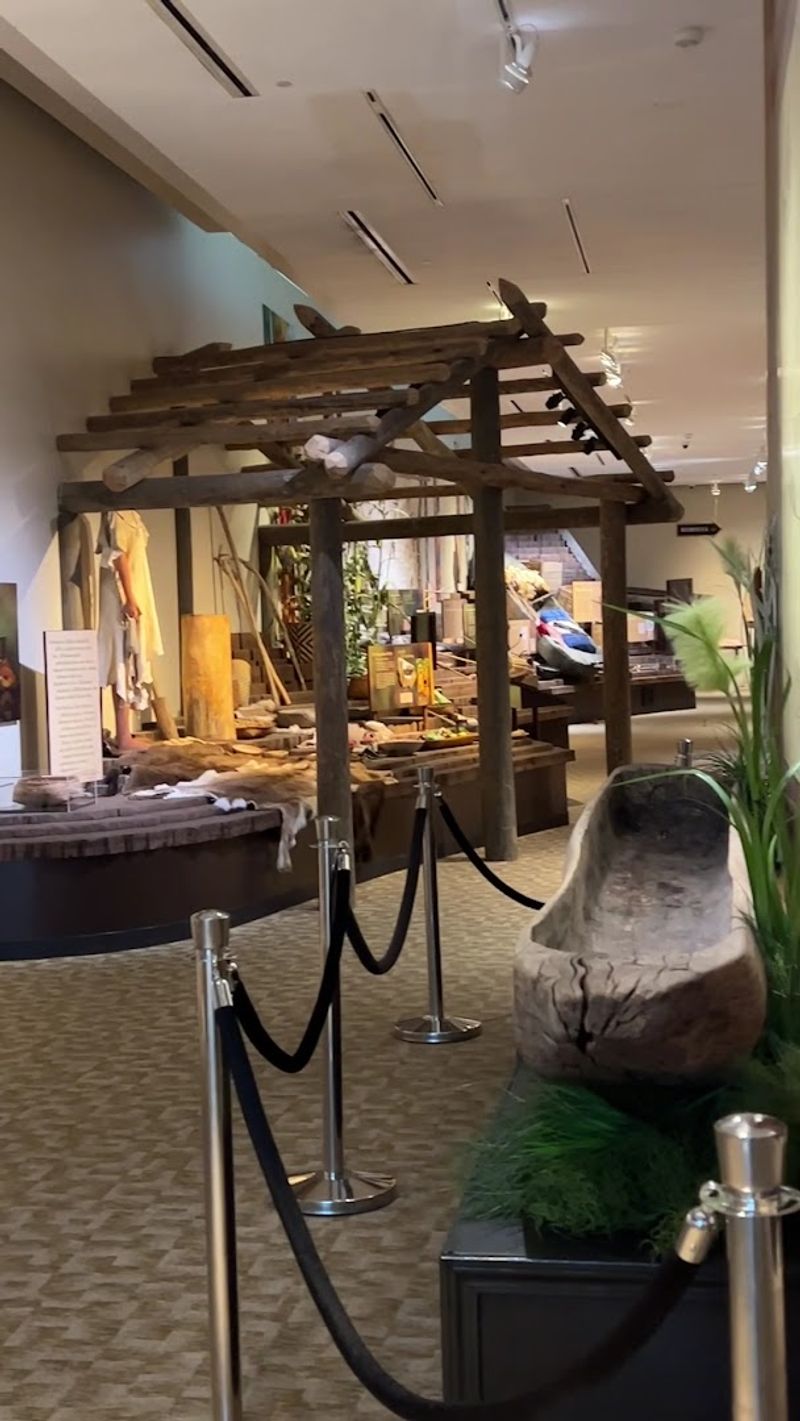
Few cultural institutions in the United States tell a tribal story with as much depth, honesty, and pride as this one does. The exhibits inside the main museum walk visitors through centuries of Chickasaw history, from early Indigenous life through the painful period of forced removal and into the strong, thriving nation that exists today.
One of the most sobering moments in the museum involves letters written by Chickasaw children, paired with physical artifacts like a barber chair where Indigenous children had their hair cut against their will during the assimilation era. The emotional weight of that exhibit stays with you long after you leave.
Interactive displays and videos are triggered as you move through the space, making the experience feel dynamic rather than static. The storytelling is layered, respectful, and deeply informative without ever feeling preachy or overwhelming for younger visitors.
Understanding this history adds a richer meaning to every other part of the campus. By the time you walk back outside into the sunshine, you carry a genuine appreciation for a proud people who preserved their culture through extraordinary hardship.
The Outdoor Village Recreation
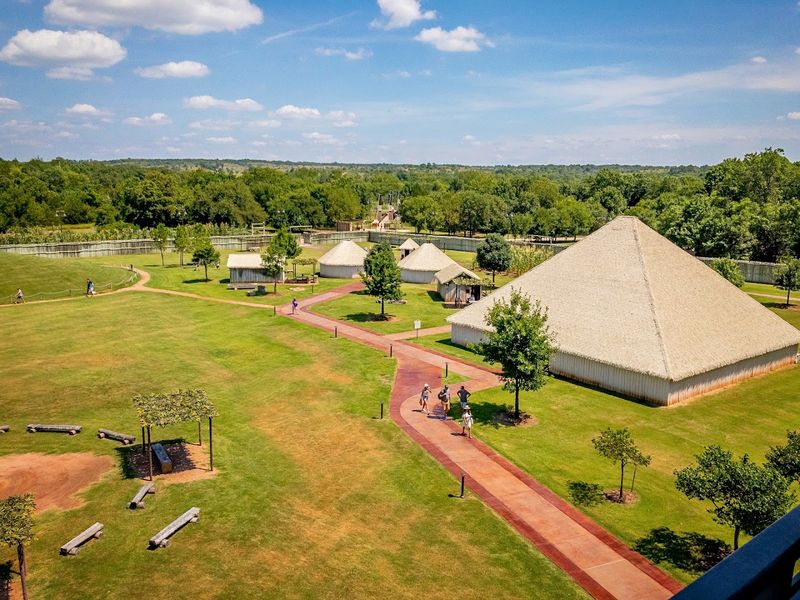
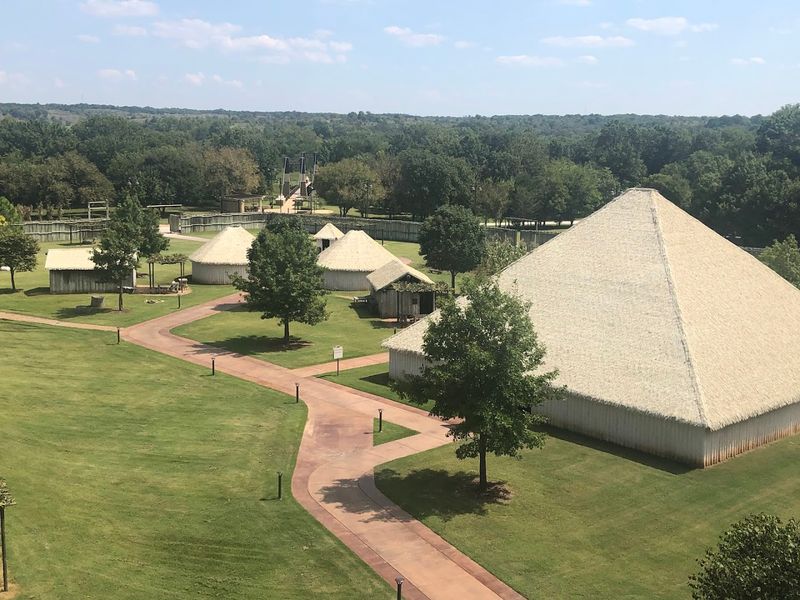
Right outside the main buildings, the landscape opens up into something truly special: a full-scale outdoor recreation of a traditional Chickasaw village. The craftsmanship and attention to historical detail here are impressive, and the setting feels authentic rather than staged.
Families can walk through the structures and get a real sense of how the Chickasaw people lived before European contact. Each building reflects a specific aspect of community life, from food preparation to gathering spaces, and informational signage helps connect the visual experience to the historical context.
The village is especially engaging for kids who have already been through the museum exhibits, because it turns what they learned indoors into something they can see and walk through in three dimensions. Children who find traditional museums a bit slow tend to light up when they reach this section of the campus.
On most visits, staff members are present near the village to answer questions and share additional details that go beyond what the signs explain. The whole village area pairs perfectly with the surrounding natural landscape, making it one of the most photogenic parts of the entire property.
Live Stomp Dance Performances
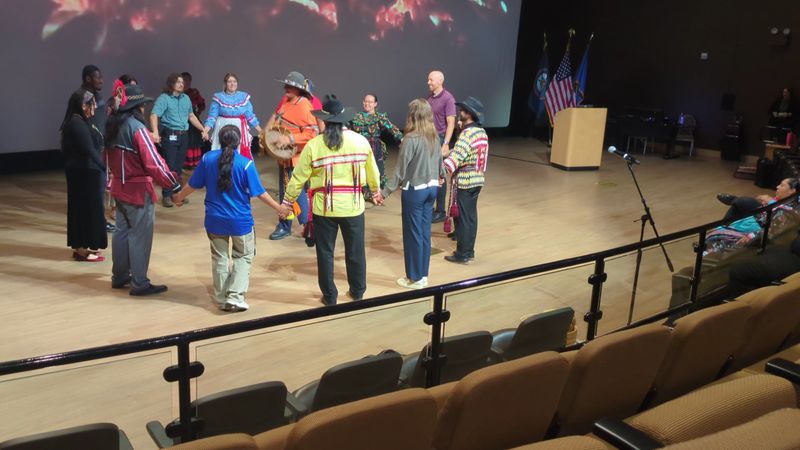
Of all the things to see at this campus, the live stomp dance performances rank among the most memorable. Scheduled throughout the day, the dances bring Chickasaw cultural tradition to life in a way that no exhibit or video can fully replicate.
The rhythm is hypnotic, the regalia is striking, and the performers carry an unmistakable sense of pride in what they are sharing. Visitors of all ages find themselves drawn in, and the energy during a performance is genuinely electric in the best possible way.
What makes it even more special is that audience participation is sometimes invited. Kids especially love being welcomed into the dance, and parents often describe it as one of the highlights of the entire trip.
There is something deeply moving about being included rather than just observed.
The stomp dance is not a performance put on for tourists in a watered-down way. It is a living tradition performed by people who have grown up with it, and that authenticity comes through in every movement.
Plan your visit around the performance schedule to make sure you do not miss it.
The Architecture and Grounds
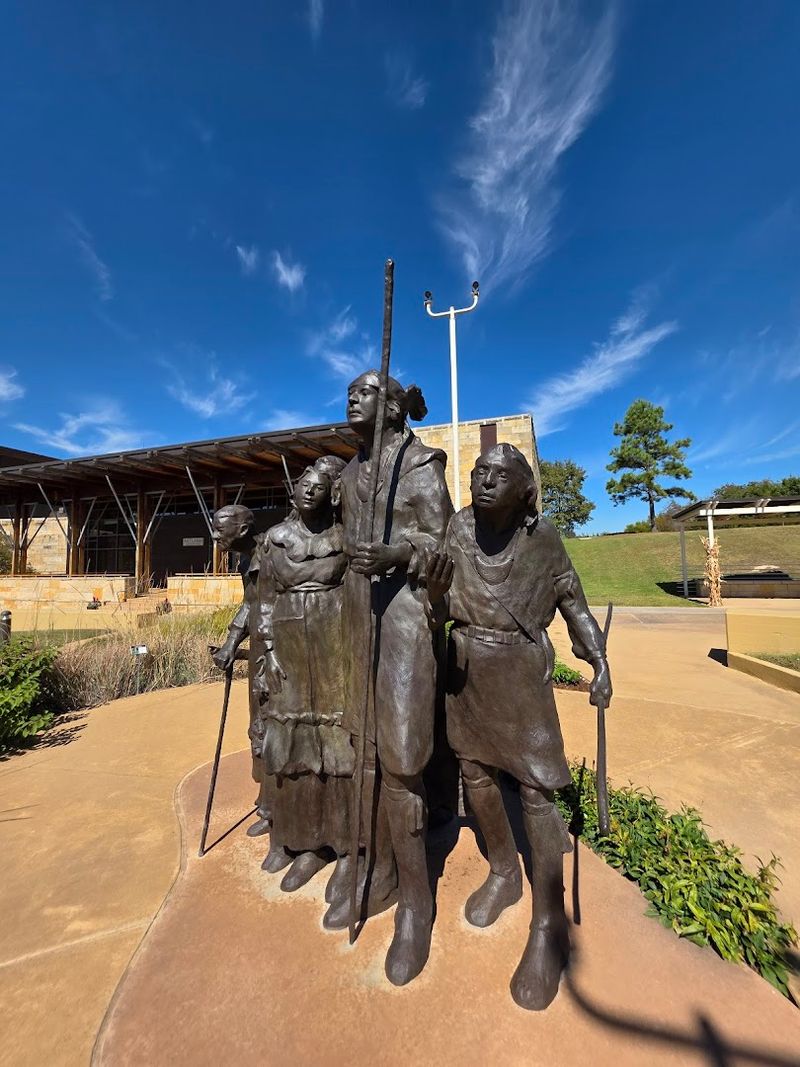
Even before you step inside a single building, the architecture of this campus commands your attention. The structures blend contemporary design with traditional Chickasaw artistic elements in a way that feels purposeful and cohesive rather than decorative.
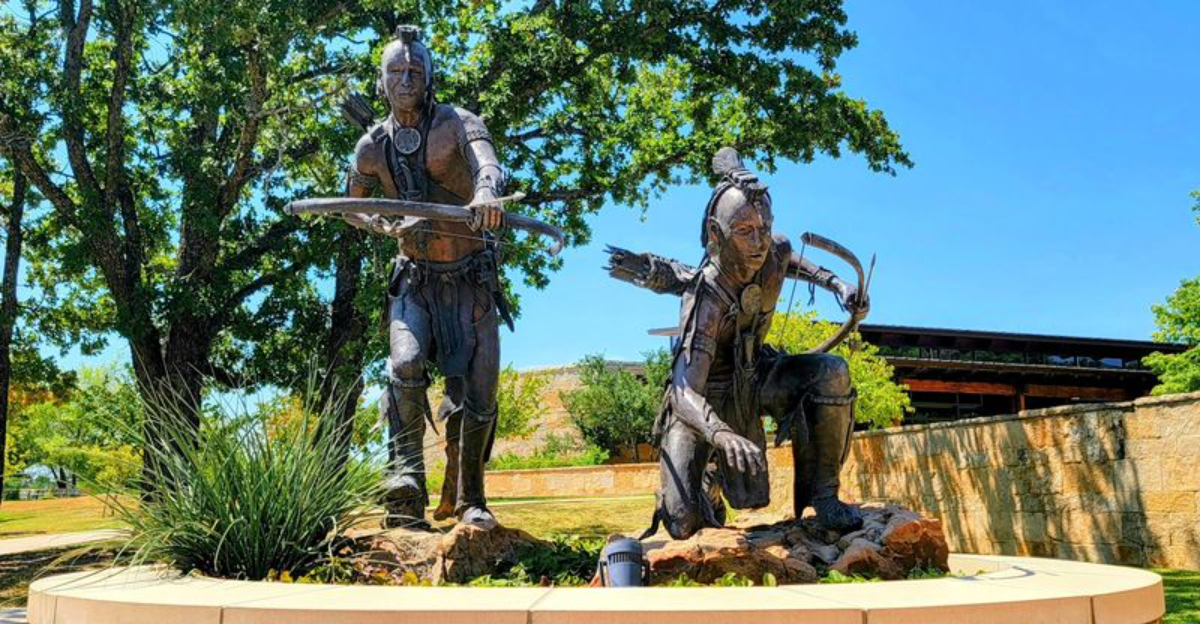
Bronze statues are positioned throughout the grounds, each one telling a specific story or honoring a particular figure from Chickasaw history. They are not just decorative touches; they are conversation starters that deepen the overall experience of moving through the space.
The landscaping is equally impressive. Native plants, manicured pathways, a spiral garden, a bridge over a peaceful water feature, and an Honor Garden all contribute to a campus that rewards slow, attentive walking.
Every corner of the grounds seems to have been designed with both beauty and meaning in mind.
The overall effect is that of a world-class facility that happens to sit in a quiet corner of Oklahoma. Visitors who arrive expecting a modest regional attraction often leave genuinely stunned by the scale and quality of what has been built here.
The grounds alone are worth the drive.
The Cafe and Its Unique Food
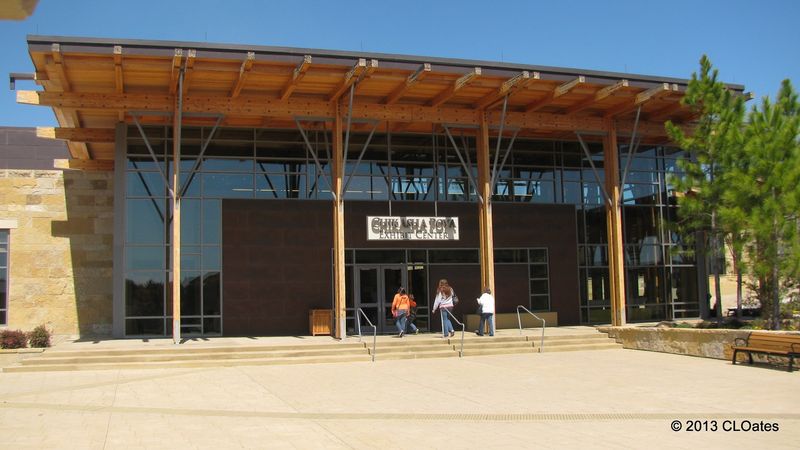
Hunger is not a problem at the Chickasaw Cultural Center, thanks to an on-site cafe that serves food unlike anything else in the surrounding area. The menu draws from traditional Chickasaw culinary traditions, offering dishes that are genuinely unique rather than a generic cafeteria spread.
Grape dumplings are a standout item that many visitors try for the first time here and immediately fall in love with. Venison stew is another dish that shows up in nearly every enthusiastic review, praised for its rich flavor and satisfying warmth.
These are not novelty items; they are carefully prepared foods rooted in cultural heritage.
The staff in the cafe bring the same warmth and attentiveness that characterizes the rest of the campus. Service is friendly, portions are generous, and the overall dining experience feels personal rather than transactional.
One practical tip: confirm the cafe’s operating hours before you arrive, as they may not always align exactly with the main campus schedule. Arriving hungry and planning lunch here adds a genuinely memorable food dimension to an already full day of exploration.
The cafe alone is reason enough to linger a little longer.
Family-Friendly Features Throughout
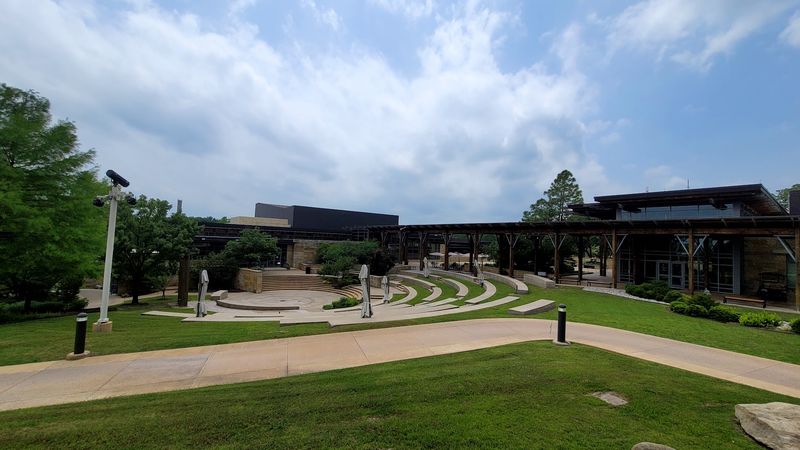
Families with children of all ages will find that this campus was clearly designed with them in mind. The mix of indoor exhibits, outdoor exploration, live performances, and hands-on moments keeps even restless kids engaged from arrival to departure.
Stroller-friendly pathways run throughout the grounds, making it accessible for families with very young children. Trams are available for those who need a break from walking, which is a thoughtful touch on a campus this size.
Free comic books about Chickasaw history are available for kids to take home, and they tend to disappear fast.
The content inside the museum is presented in ways that speak to different age groups. Younger children are drawn to the visual elements and the village, while older kids and teenagers engage more deeply with the historical exhibits and the interactive video displays.
Even toddlers find plenty to enjoy simply by running around the beautifully maintained outdoor spaces. Families who have visited once consistently mention that they plan to return as their children get older, knowing there will always be more to discover.
That kind of lasting appeal is not something every attraction can honestly claim.
Special Events and Seasonal Highlights
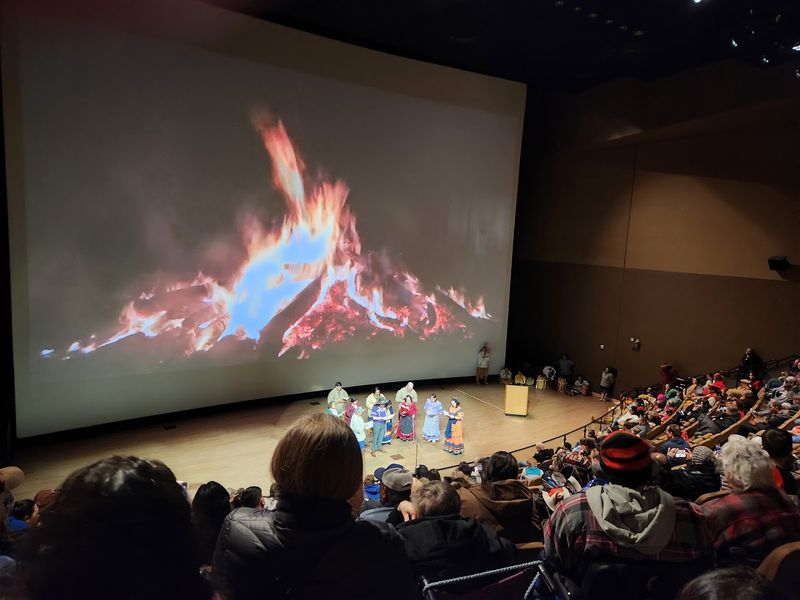
Beyond the regular daily offerings, the Chickasaw Cultural Center hosts a rotating calendar of special events that give visitors a reason to return across different seasons. The Toompalli festival draws families for a full day of activities, games, and cultural demonstrations that go beyond the standard campus experience.
The Butterfly Festival is another crowd favorite, transforming the already beautiful grounds into an even more vibrant setting. Children and adults alike find it enchanting, and the natural beauty of the surrounding Oklahoma landscape makes it a particularly photogenic occasion.
During the holiday season, the center puts on a Christmas drive-through light display that is both free and genuinely spectacular. The illuminated grounds attract visitors from well beyond the immediate region, and the warm staff presence makes the experience feel festive and welcoming even on cold nights.
A heads-up worth noting: a major construction project is currently underway at the campus, expected to take several years to complete. Some exhibits or areas may be shifted or temporarily off-limits during this period.
Checking the official website at chickasawculturalcenter.com before your visit will help you plan around any temporary changes and make the most of your time there.
The Genealogy Resources Available On-Site
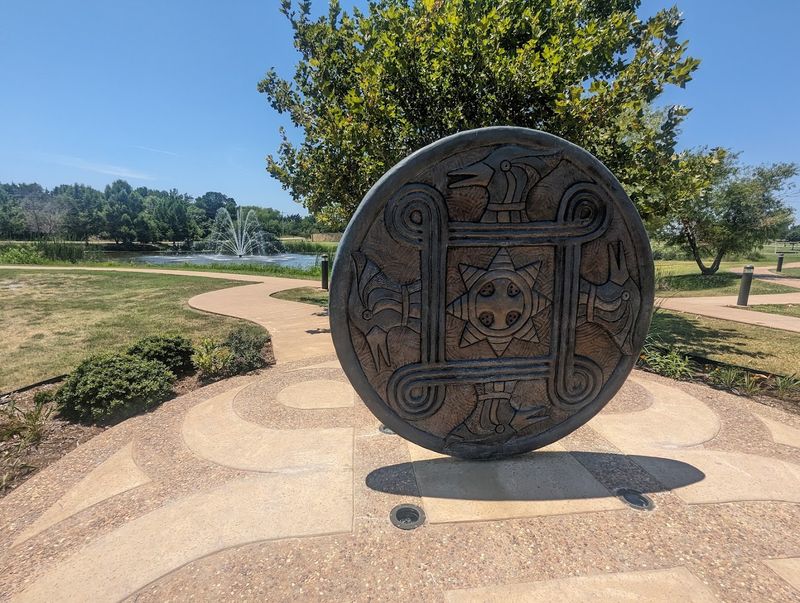
Not every cultural center offers visitors the chance to research their own family connections to a tribe, but the Chickasaw Cultural Center does. Genealogy resources are available on-site, making it a meaningful stop for anyone with potential Chickasaw heritage or a general interest in Indigenous family history research.
Staff members who assist with genealogy inquiries bring both knowledge and patience to the process. The resources available here go beyond what most people can find through a basic online search, and the guidance offered makes navigating historical records considerably easier.
For families who discover a connection to the Chickasaw Nation during their visit, the experience takes on an entirely different emotional dimension. What starts as a casual day trip can turn into a deeply personal moment of cultural reconnection that no one anticipated when they pulled out of the driveway that morning.
Even for visitors without any tribal connection, observing how carefully the Nation has preserved its genealogical records offers a powerful lesson in cultural stewardship. The commitment to memory and lineage that runs through every corner of this campus is evident here just as strongly as it is in the museum galleries and the outdoor village paths.
Why This Place Deserves a Spot on Your Travel List
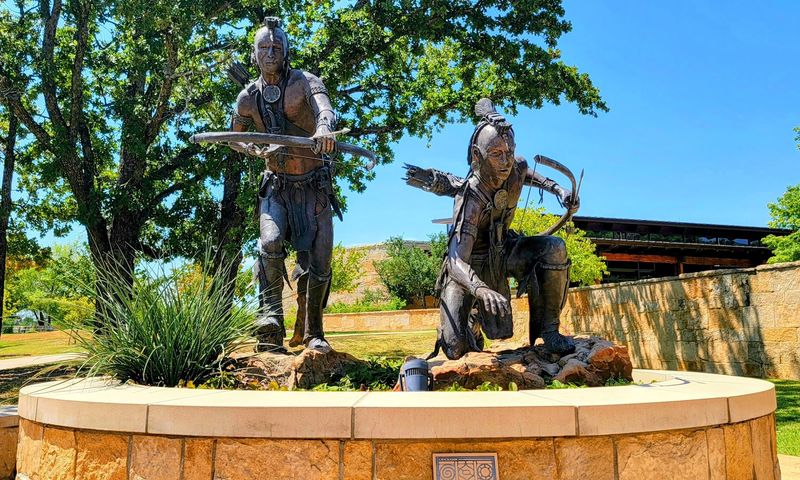
After spending a full day at this campus, it is hard to think of another attraction in Oklahoma that delivers this much value across this many different dimensions. History, culture, architecture, food, live performance, and natural beauty all coexist on a single property without any of them feeling rushed or underdeveloped.
The fact that the majority of the experience is completely free makes it one of the most generous public cultural offerings in the entire region. The museum admission is modest, and even that small cost is consistently described by visitors as more than worth it.
A reasonable plan is to allow at least four hours for a thorough visit, though many families find themselves staying longer once they settle into the pace of the place. The campus has a calming, unhurried quality that makes it easy to lose track of time in the most pleasant way possible.
This is the kind of destination that changes how you think about a place. Oklahoma has a rich and complicated history, and the Chickasaw Cultural Center presents one important chapter of that history with honesty, artistry, and deep cultural pride.
Few day trips leave you this informed, this moved, and this eager to come back.



