 Unearth The Voyage

“Stairway to Heaven” remains one of the most debated songs in rock history, and that debate is part of its staying power. Released in 1971 on Led Zeppelin IV, it continues to draw in listeners more than five decades later.
The track stands out for its structure and influence, moving from a quiet opening into one of the most recognizable guitar-driven climaxes in classic rock. It is a song that still sparks discussion among fans, critics, and musicians alike.
What keeps it relevant is its impact. Few songs continue to be analyzed, played, and argued over at this level, long after their release.
A Song That Stops the Room
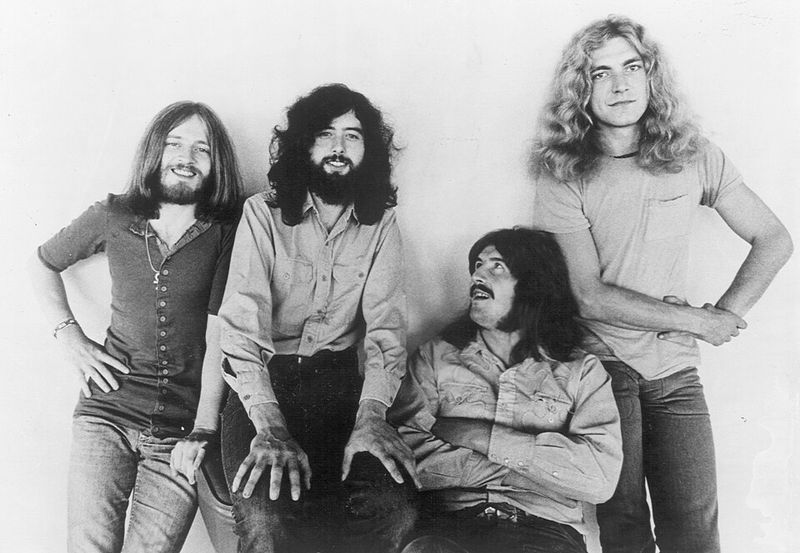
Some songs play in the background. “Stairway to Heaven” does the opposite. It arrives softly, almost cautiously, with that hushed acoustic opening that feels less like a song beginning and more like a curtain slowly lifting.
Then, before you realize it, the room changes. Conversations thin out, attention shifts, and even people who have heard it a hundred times seem pulled back into its orbit.
That ability to command focus is part of what keeps the song in the greatest-of-all-time debate. It does not rely on an immediate chorus or a flashy hook to grab listeners.
Instead, it creates suspense. The opening feels intimate and mysterious, like the start of a long drive at twilight or the first page of a story you already know will end somewhere dramatic.
That restraint is exactly what makes the later payoff so powerful.
Though people sometimes casually refer to it as a “1970 song” because it was taking shape around then, “Stairway to Heaven” was officially released in 1971 on Led Zeppelin IV. More than fifty years later, it still feels like an event when it comes on.
Plenty of classic songs are beloved; far fewer have that instant room-stopping gravity. “Stairway” still does, and that is a big reason it remains central to any serious conversation about rock’s ultimate masterpiece.
The Build-Up That Rewrote Rock
What made “Stairway to Heaven” feel so unusual then, and what still makes it feel bold now, is its refusal to follow a normal pop or rock template. There is no neat verse-chorus-verse structure holding the listener’s hand.
Instead, the song unfolds like a slow ascent, adding layers one by one and trusting the audience to stay with it. That was a daring move for a band aiming at a mass audience, but Led Zeppelin turned that patience into one of the track’s greatest strengths.
It starts with acoustic guitar and recorder, giving the opening an almost medieval, folk-rooted atmosphere. The mood is reflective, even fragile at first.
Then the arrangement gradually deepens. The bass adds weight, the drums begin to shape the momentum, and the song starts to feel less like a ballad and more like a gathering force.
By the time the electric instruments fully surge in, it no longer sounds like the same song you started with, even though the transition feels completely organic.
That sense of architecture changed the way artists thought about rock songwriting. “Stairway” showed that a long-form composition could be expansive, theatrical, and ambitious without losing mainstream appeal. It opened the door for later bands to think bigger, stretch longer, and treat a rock track like a journey rather than a formula.
Plenty of songs since have tried to imitate that climb. Very few have matched its elegance or emotional control.
From Whisper to Detonation
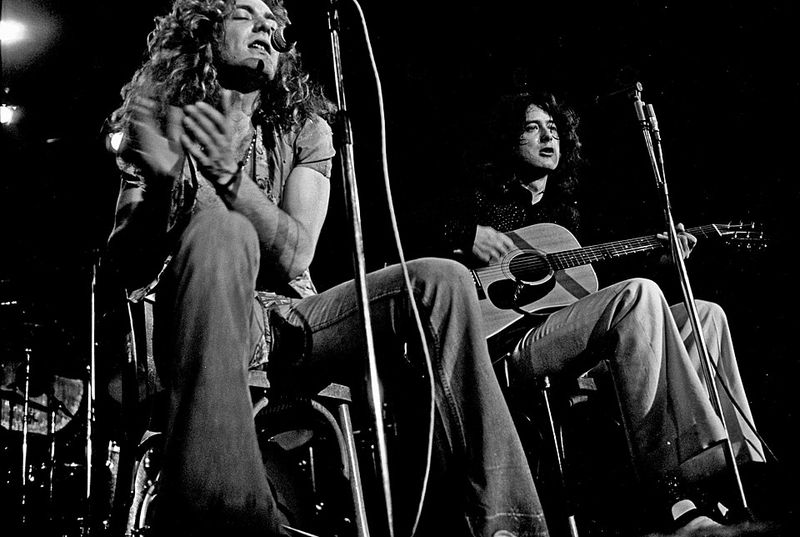
The brilliance of “Stairway to Heaven” is not simply that it gets louder. Plenty of songs build in volume.
What makes this one special is how naturally each section hands off to the next, increasing the tension so gradually that the listener almost does not notice the scale of the climb until the song is already towering over them. It is a masterclass in pacing, one where every musical choice feels like part of an inevitable chain reaction.
The early sections create space and mystery. The middle passages introduce movement and urgency, tightening the pulse without rushing the mood.
Then comes the final stretch, where everything that has been hinted at finally breaks open. When Jimmy Page’s solo arrives, it does not feel pasted in for effect.
It feels earned. The song has spent minutes setting the emotional stage, so the release lands with enormous force.
That final movement is why the song has become a blueprint for the so-called epic rock journey. Bands across hard rock, progressive rock, and classic metal borrowed the idea of beginning in restraint and ending in total emotional explosion.
But copying the structure is easier than capturing the feeling. “Stairway” works because the escalation never feels mechanical. It feels fated, as though the song was always heading toward that detonation from its very first notes.
Lyrics Wrapped in Mystery
Robert Plant’s lyrics are a major reason the song continues to inspire discussion long after its release. Lines like “there’s a lady who’s sure all that glitters is gold” are vivid enough to linger in the mind, but open-ended enough to resist a single tidy interpretation.
That balance between imagery and ambiguity gives the song its enduring aura. It invites listeners in without ever fully explaining itself.
Some hear the lyrics as a cautionary tale about greed or materialism. Others read them as a spiritual search, full of longing, doubt, and revelation.
Still others focus on the song’s ties to British folklore, fantasy literature, and the late-1960s countercultural fascination with mythic symbolism. Plant has suggested over the years that the words came from a blend of emotions, ideas, and reading rather than from one clear-cut thesis, which only deepens the intrigue.
That mystery has become part of the song’s legacy. Fans keep returning to it because it leaves room for personal meaning.
Each generation seems to hear something slightly different in it, and that flexibility helps keep it alive. Songs that reveal everything up front can still be great, but songs that leave a little fog around their meaning tend to last longer in the imagination. “Stairway to Heaven” has thrived in that fog for decades.
The Solo Every Guitarist Knows
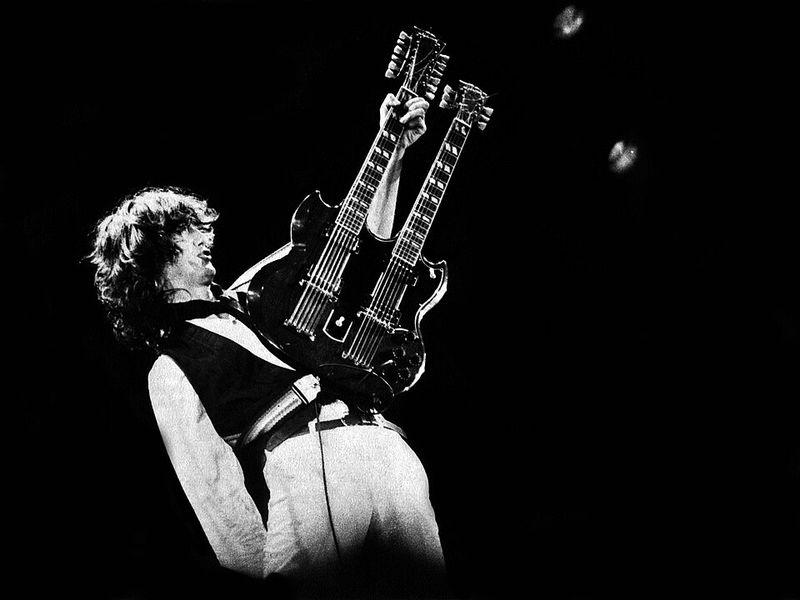
Even in a song filled with iconic moments, Jimmy Page’s solo stands out as the emotional and technical centerpiece. It is regularly ranked among the greatest guitar solos ever recorded, not merely because it is difficult or flashy, but because it feels inseparable from the song around it.
Every phrase pushes the drama forward. Every bend and run sounds like part of the story rather than a detour into showboating.
That is why so many guitarists have spent years trying to learn it. It became more than a famous solo; it became a rite of passage.
From music stores to basement practice amps, players have chased its phrasing, tone, and tension, hoping to capture that same sense of lift. The solo teaches an important lesson: technique matters, but emotion matters more.
Page is not just demonstrating skill here. He is translating the song’s pressure and release into pure sound.
Its staying power comes from that balance. The solo is melodic enough to be memorable, dramatic enough to feel huge, and raw enough to feel human.
It never sounds sterile or over-calculated. Instead, it feels alive, almost as if it is being discovered in real time.
That combination is rare, and it is one reason the solo remains such a sacred object in rock history. Even people who do not play guitar often recognize that this is the point where the song fully catches fire.
A Cultural Giant Without a Single
Part of the myth surrounding “Stairway to Heaven” is how massively it spread without following the usual commercial playbook. In the United States, it was not originally released as a standard commercial single, yet it still became one of the most recognizable songs in rock history.
That alone says something about its power. Most tracks need aggressive promotion and chart-friendly packaging to achieve that kind of reach. “Stairway” grew into a giant largely through word of mouth, album sales, and relentless radio play.
Album-oriented rock stations helped turn it into a generational touchstone. For listeners coming of age in the 1970s, 1980s, and beyond, hearing “Stairway to Heaven” on the radio became almost a shared ritual.
It was the kind of song that felt monumental every time it came on, whether you were hearing it for the first time or the fiftieth. That familiarity helped cement it not just as a hit, but as a cultural reference point.
Its legend only grew from there. Live performances gave it new dimensions, cover versions kept it in circulation, and legal controversies like the well-publicized copyright lawsuit over the introduction kept it in the public conversation.
Yet through every shift in taste, backlash, parody, and reappraisal, the song endured. That may be the clearest proof of its stature.
Many classics remain loved. Only a handful become so woven into music culture that they survive every wave of argument and emerge just as towering as before.
Why the Debate Still Matters

The argument over whether “Stairway to Heaven” is the greatest rock song ever recorded is part of what keeps it alive. Great art often benefits from a little friction, and this song has inspired plenty of it.
Some people hear it as the peak of rock ambition, a flawless blend of atmosphere, mystery, musicianship, and payoff. Others admire it but place different songs above it, whether that means “Bohemian Rhapsody,” “Like a Rolling Stone,” “Layla,” “Paranoid,” or something else entirely.
That disagreement is healthy. It reminds us that rock history is not just a list of facts; it is a living conversation shaped by taste, memory, and generational identity.
What one listener hears as the ultimate statement of rock grandeur, another hears as only one contender among many. The fun lies in the comparison.
Songs rise and fall in personal rankings, but the fact that “Stairway” is still automatically included in the debate after so many decades says everything about its stature.
What feels almost beyond debate is Led Zeppelin’s achievement in creating something so layered and lasting. The song rewards repeat listens because it offers so much: risk in its structure, atmosphere in its opening, virtuosity in its playing, ambiguity in its lyrics, and a finale that still lands with startling force.
Whether someone crowns it the GOAT or not, “Stairway to Heaven” remains one of the clearest examples of rock reaching for something larger than itself and actually getting there.
I can also turn these into even longer, more vivid MSN-style sections with stronger hooks and transitions if that’s the version you’re after.



