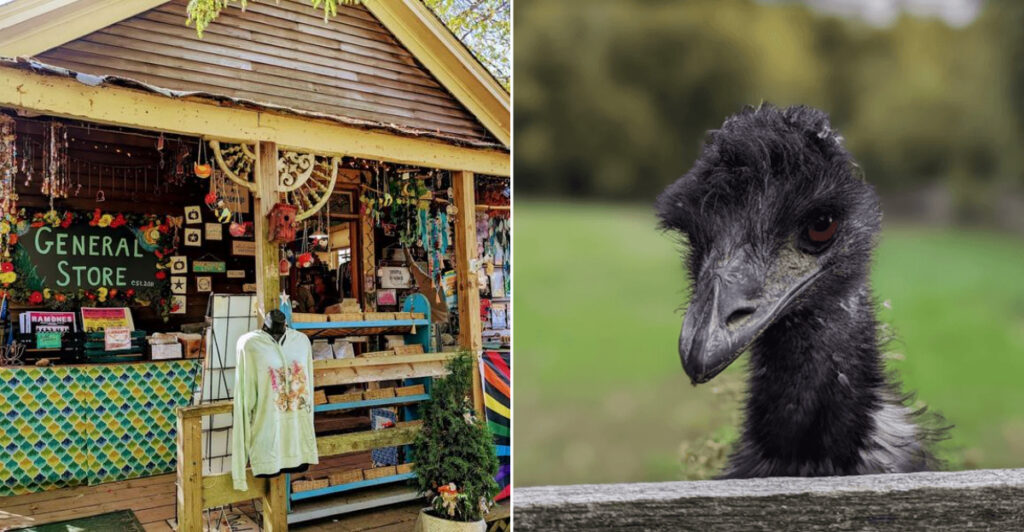
Somewhere along Route 1 in Charlestown, Rhode Island, a small roadside sign points toward something that defies easy description. An old farmyard from the 1800s has quietly transformed into one of the most offbeat, charming collections of shops in all of New England.
There are no chain stores here, no cookie-cutter layouts, and definitely no ordinary souvenirs. What started as an artist’s bold experiment in the late 1960s has grown into a beloved destination where handcrafted goods, roaming peacocks, a bamboo forest, and a petting zoo all share the same winding path.
This place in Charlestown draws curious travelers, local regulars, and anyone who appreciates the kind of place that could only exist because someone truly original decided to build it. Read on to find out exactly what makes this Rhode Island landmark worth a detour.
The Name That Has Confused Tourists for Decades
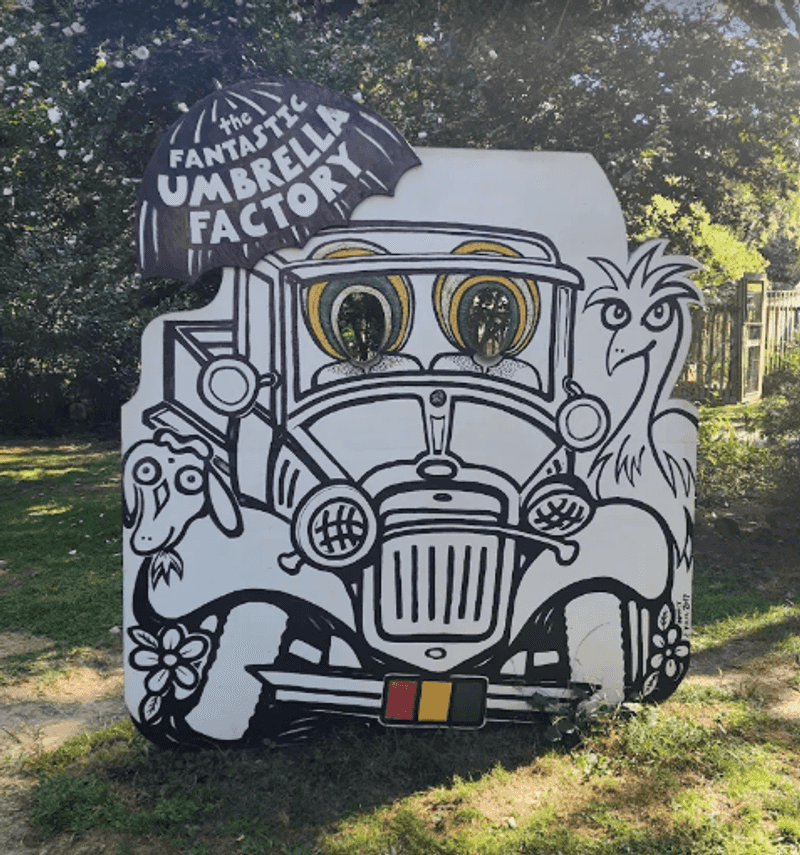
The name alone has sent countless travelers down a rabbit hole of curiosity. Does it actually sell umbrellas?
Was there once a factory here?
The short answer is that the name was always more of a creative statement than a literal description. Bob Brown chose it as a reflection of his artistic sensibility, something unexpected, a little surreal, and impossible to forget.
It worked. Decades later, people still remember the name long after they have passed the sign on Route 1.
The Fantastic Umbrella Factory became a kind of local legend in Rhode Island, the sort of place that gets mentioned in conversations about hidden spots worth finding. The name sets up a certain expectation of the unconventional, and the property absolutely delivers on that promise.
Every twist in the path, every quirky building, and every unusual item for sale feels like a natural extension of that original, wonderfully odd choice of words.
What the Grounds Actually Look Like
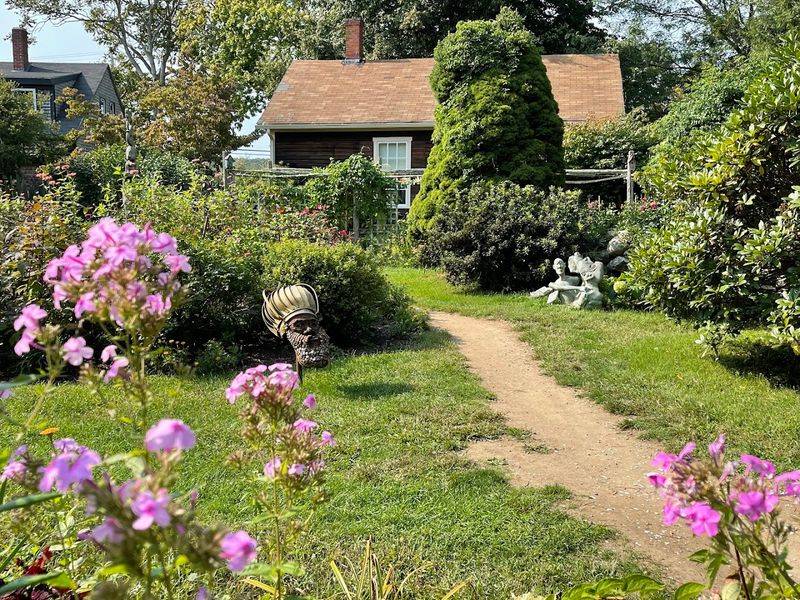
The layout of the Fantastic Umbrella Factory is not something a retail consultant would ever design, and that is exactly what makes it work.
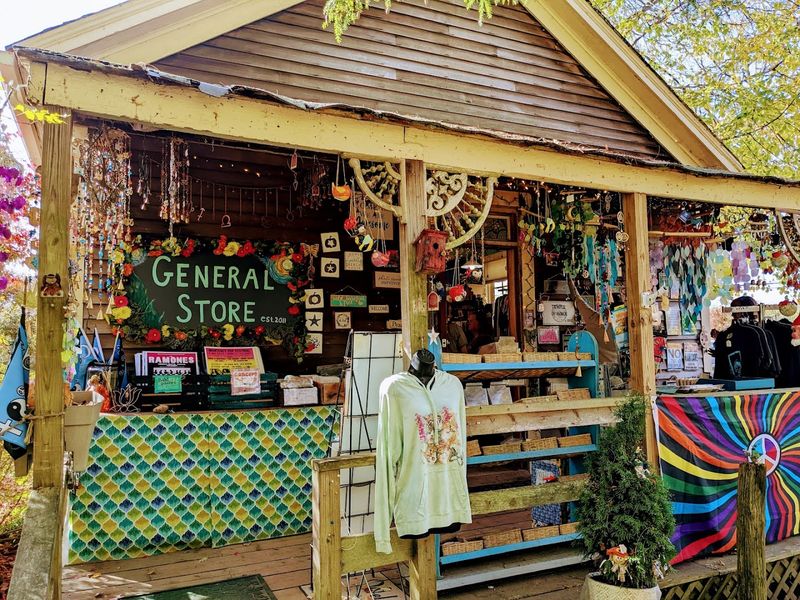
A series of winding paths connects a cluster of small buildings, courtyards, and garden areas spread across the old farmyard property. There is no single entrance point that reveals everything at once.
Instead, the space unfolds gradually, with new sections appearing around corners and through gaps in the vegetation.
The grounds have a deliberately informal quality that reflects the property’s artist-run origins. Reclaimed materials, handmade signage, and outdoor sculptures appear throughout, giving the whole place the feeling of a working creative community rather than a curated shopping experience.
The paths are well-maintained enough to be easy to walk, but loose enough in their arrangement that exploration feels genuine. First-time visitors are encouraged to follow the marked walking path so they do not miss any of the property’s more tucked-away corners.
A Bamboo Forest in the Middle of Rhode Island
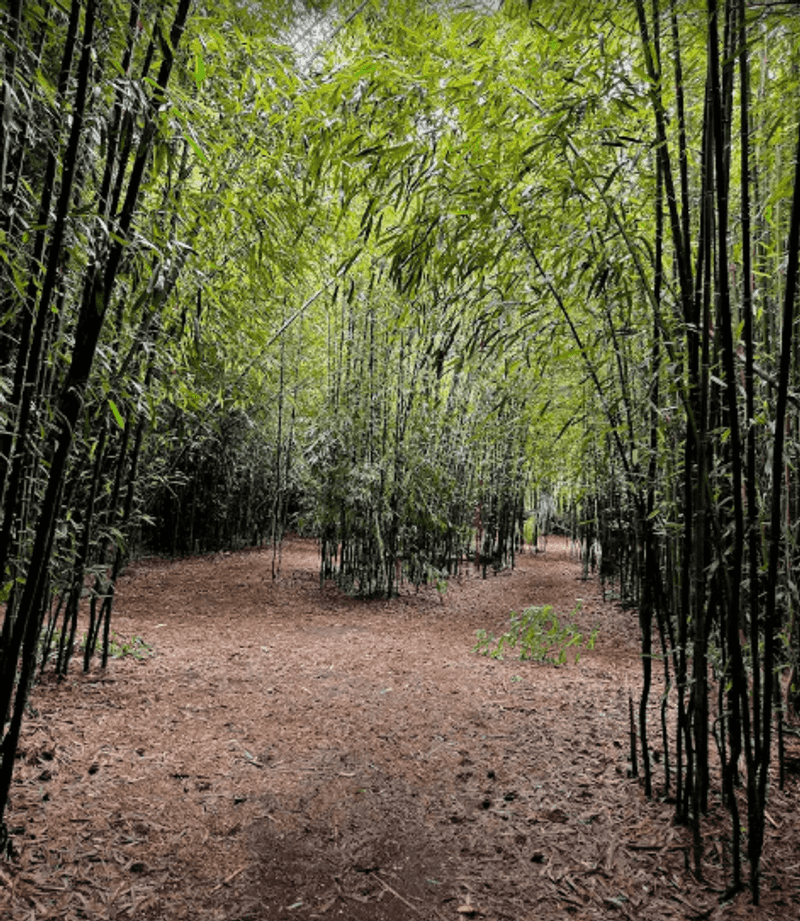
Of all the unexpected things to find at a roadside shopping stop in southern Rhode Island, a dense bamboo forest might top the list.
The bamboo grove on the Fantastic Umbrella Factory property has become one of its most talked-about features. Tall stalks grow close together, forming a thick overhead canopy that creates a noticeably different atmosphere from the open areas of the property.
The path through the grove is narrow enough to feel like a genuine forest walk rather than a landscaped garden feature.
The bamboo forest is free to walk through and accessible during regular business hours. It tends to be a highlight for children and adults alike, partly because it is so unexpected in this setting.
Visitors who come primarily to shop often end up spending more time in the bamboo grove than they planned. It is one of those small, specific details that turns a shopping trip into something more memorable than a standard afternoon errand.
The Animals That Roam the Property
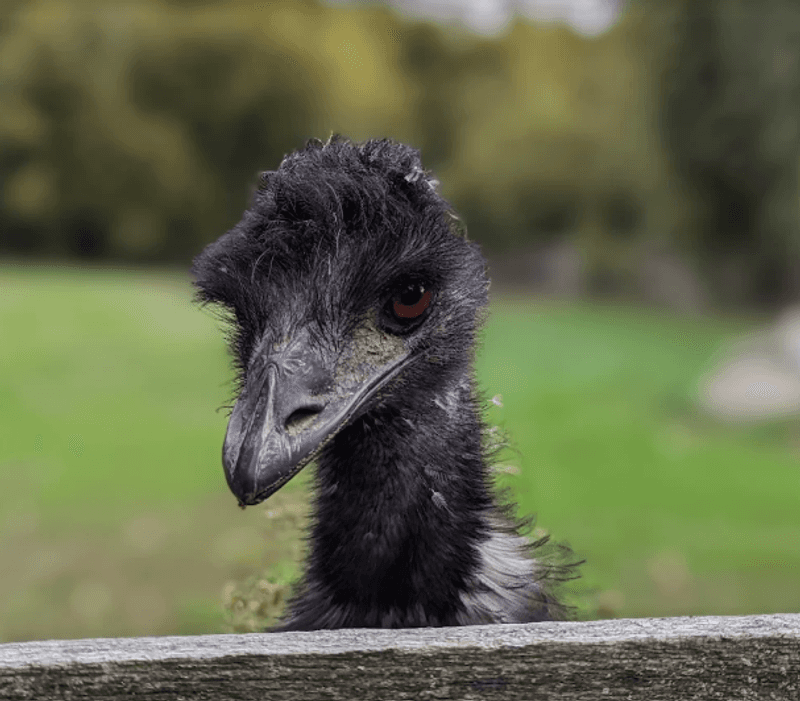
Peacocks wandering past gift shop doorways are not a standard feature of most New England retail destinations, but the Fantastic Umbrella Factory has never been interested in standard.
The property is home to a variety of animals that move freely around the grounds or are housed in the on-site barn area. Chickens roam the open pathways and have become friendly enough that visitors can hand-feed them.
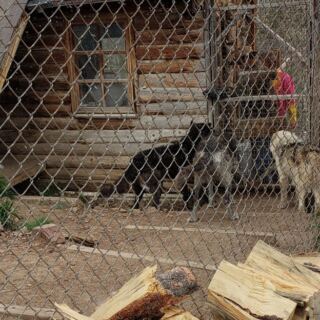
Emus are kept in an enclosure near the barn, drawing plenty of attention from younger guests who may never have seen one up close. Goats are also part of the animal mix, adding to the farmyard atmosphere that the property’s origins naturally support.
The combination of live animals and shopping is one of the details that sets this place apart from anything else in the region. Families with children tend to find the animal encounters just as entertaining as the shops themselves, which makes the whole visit feel more like an outing than a quick retail stop.
The Shops and What They Carry
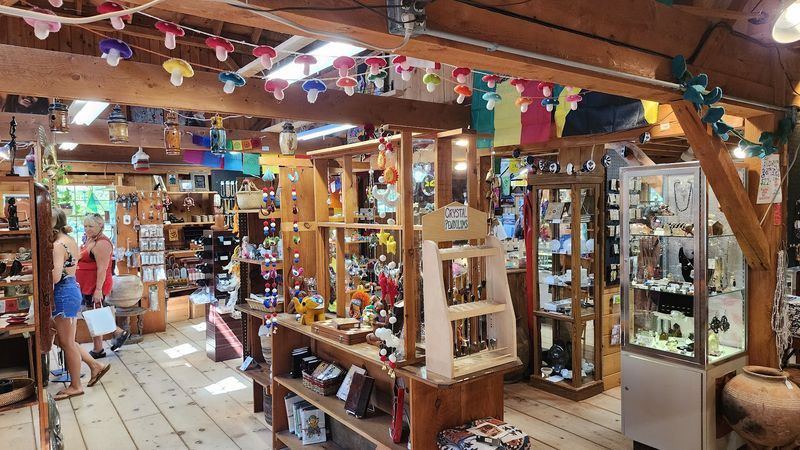
The retail side of the Fantastic Umbrella Factory is spread across multiple small buildings, each one operating as a distinct shop with its own personality and inventory.
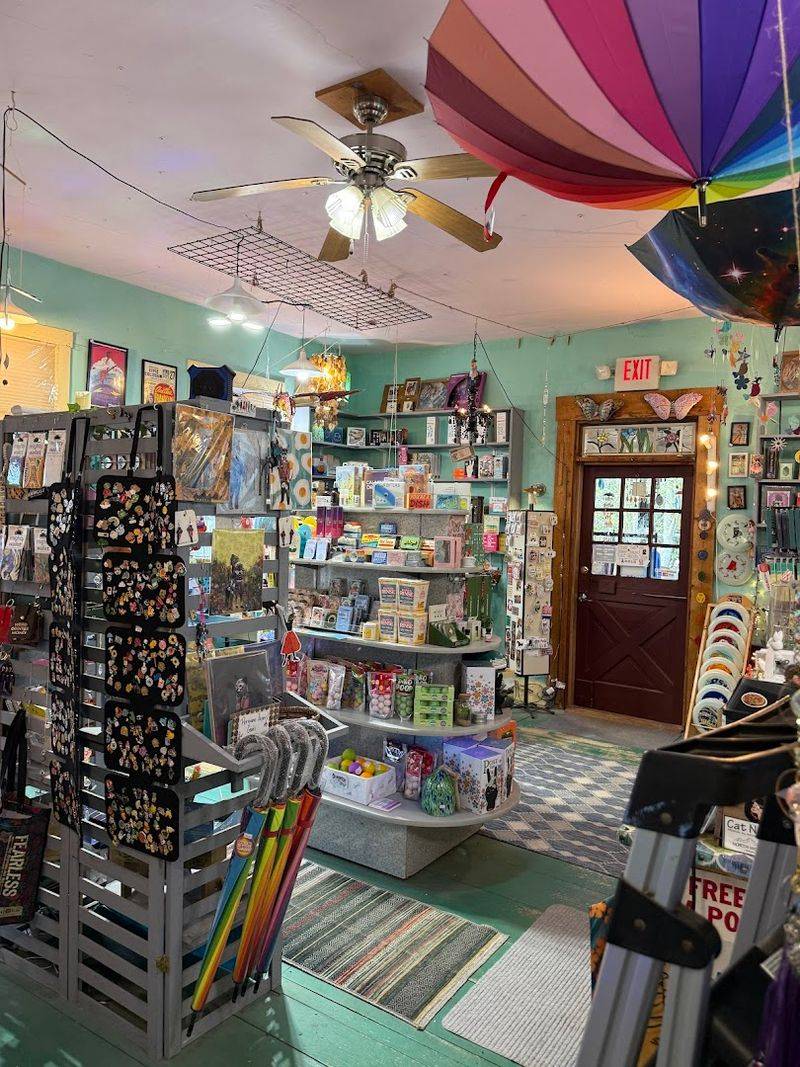
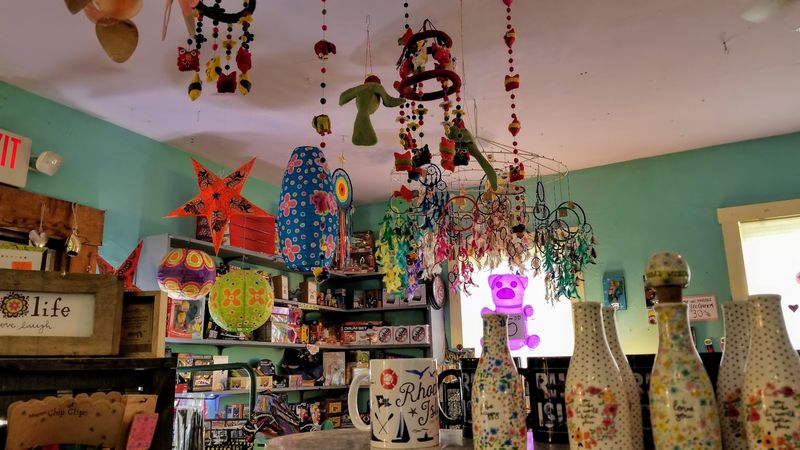
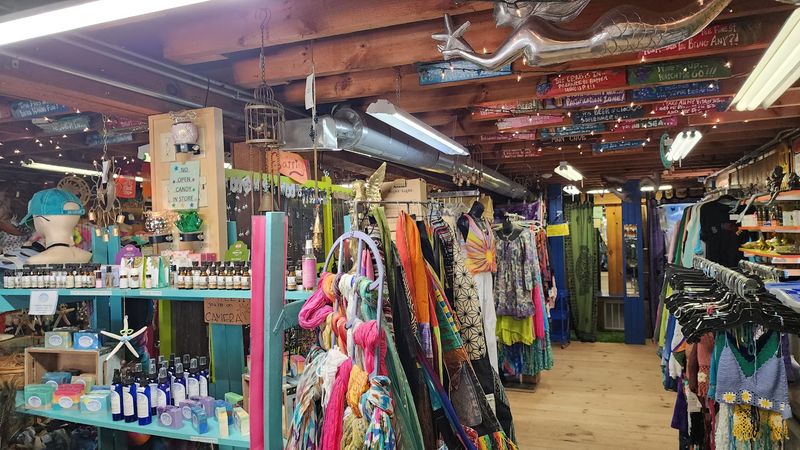
The selection across the property covers a wide range of handcrafted and artisan goods. Jewelry, textiles, clothing, garden sculptures, ceramics, toys, and art pieces all appear throughout the various spaces.
There is a strong emphasis on items that are genuinely handmade or locally sourced, which means the selection changes regularly and repeat visits often turn up something new.
A candy store on the property has developed its own following, offering an assortment of novelty and unique confections that go well beyond standard gift shop fare. The overall character of the retail offering leans toward the eclectic and the bohemian, with a clear counter-culture influence that has been part of the property’s identity since Bob Brown first opened it.
Nothing here feels mass-produced or interchangeable with what you would find at a typical tourist shop.
The Art and Sculpture Scattered Throughout
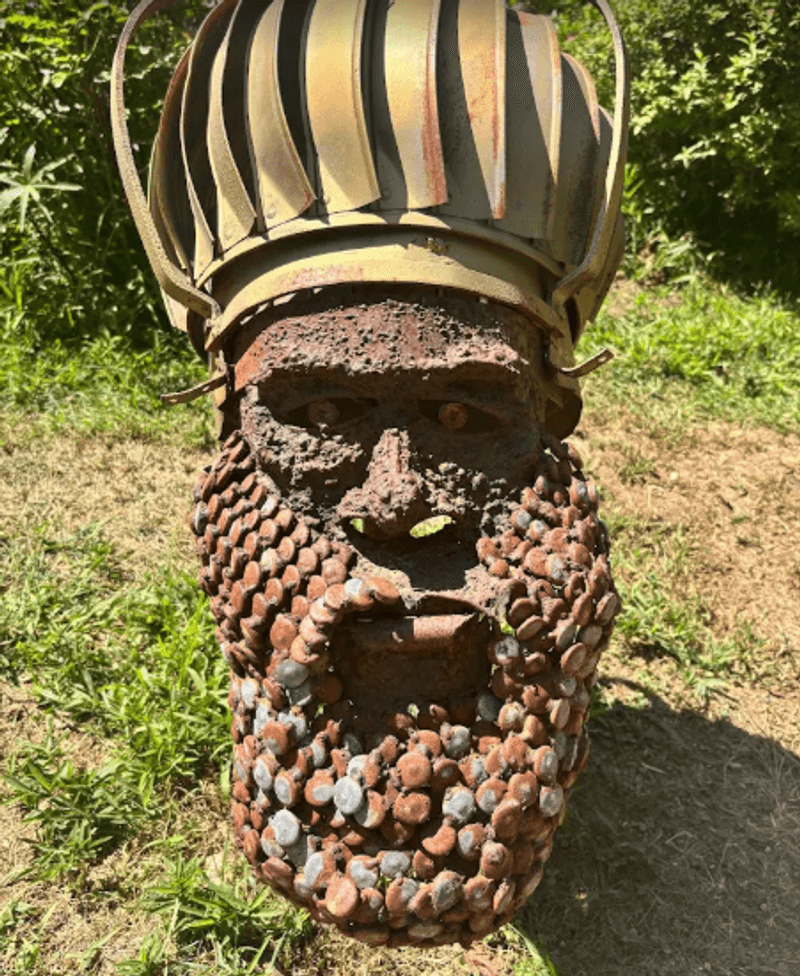
Shopping is only part of what happens at the Fantastic Umbrella Factory. The grounds themselves function as an open-air gallery in a way that feels organic rather than arranged.
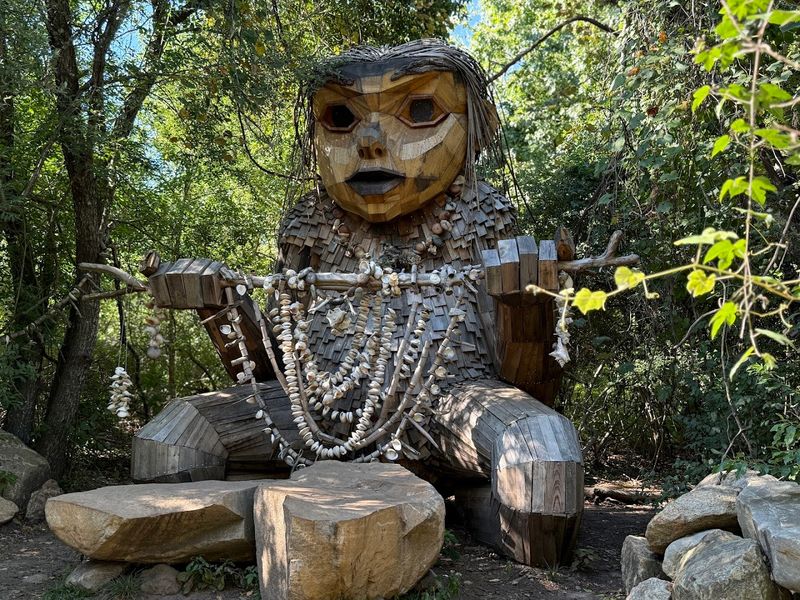
Sculptures made from scrap materials appear at various points along the walking paths. Garden art, handmade signs, and creative installations are placed throughout the property without any formal curatorial structure.
The effect is more like walking through an artist’s working yard than touring a gallery, which fits the history of the place perfectly.
The art scattered around the grounds is also available for purchase in many cases, blurring the line between display and retail in a way that keeps everything feeling alive and active. Unique signs with painted messages, repurposed metal pieces, and ceramic works all appear alongside the planted garden areas.
For anyone with an interest in handmade art that has a clear point of view and a bit of edge to it, the outdoor areas of the property are worth at least as much attention as the indoor shops.
The Greenhouse and Garden Center
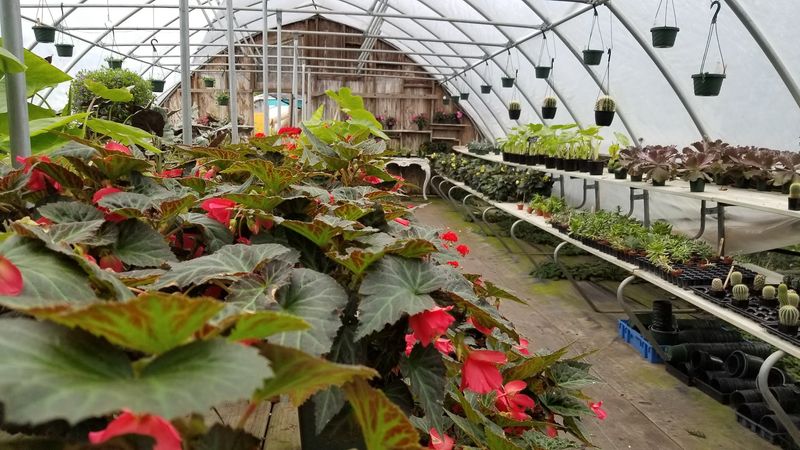
Green thumbs and casual plant browsers alike have found something to appreciate in the garden center section of the Fantastic Umbrella Factory property.
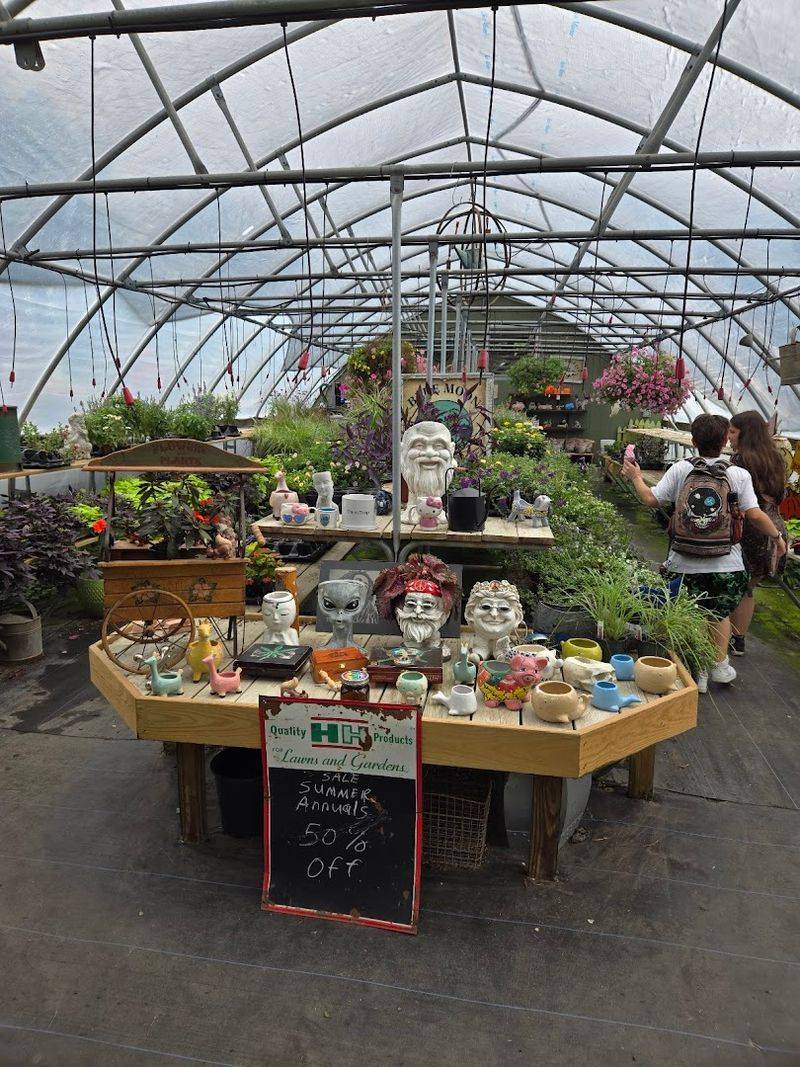
The greenhouse area operates seasonally and carries a selection of plants that goes beyond the standard nursery inventory. The arrangement inside is creative rather than purely functional, with plants displayed alongside garden pots, decorative containers, and outdoor art pieces.
The overall effect is closer to a curated garden space than a traditional plant retailer.
The greenhouse has developed a reputation for being one of the more visually interesting parts of the property, with arrangements that reflect the same artistic sensibility found throughout the rest of the grounds. Visitors who arrive primarily for the shops often find themselves spending unexpected time in the garden area, drawn in by the density and variety of what is on offer.
The seasonal nature of the garden center means that spring and summer visits tend to offer the fullest experience of this particular corner of the property.
The Counter-Culture Roots That Still Show
The late 1960s origin story of the Fantastic Umbrella Factory is not just historical background. It is still visible in everything from the shop inventory to the overall layout of the property.
Bob Brown’s decision to repurpose an abandoned farm into an artist-run commercial space was itself a counter-culture act, a rejection of conventional retail in favor of something more personal and community-oriented. That philosophy has persisted through the decades.
The shops carry items that reflect a bohemian, free-thinking aesthetic, including handmade jewelry, natural textiles, artisan ceramics, and goods with a clear independent-maker identity.
The property has never tried to modernize itself into something more mainstream, and that consistency is a significant part of its appeal. In a retail landscape increasingly dominated by identical chain experiences, the Fantastic Umbrella Factory remains genuinely different.
The counter-culture thread running through the place is not a marketing angle. It is simply what the property has always been, and the community around it has valued that authenticity for more than fifty years.
How Long to Plan for Your Visit
The Fantastic Umbrella Factory is the kind of place that regularly surprises people by taking longer to explore than expected, and that is not a complaint.
A quick stop to browse one shop can easily expand into a full two-hour visit once the bamboo forest, the animal area, the garden center, and the various shop buildings all get proper attention. The property is open every day from 10 AM to 5 PM, which gives visitors a reasonable window to move through the grounds without feeling rushed.
Comfortable walking shoes are a practical choice since the paths between buildings are unpaved in sections and the terrain is uneven in places. The property is worth noting that not all buildings are fully accessible for those with mobility considerations, and some of the two-story structures have limited access.
Arriving earlier in the day tends to mean fewer crowds, especially during the peak summer and fall seasons when Charlestown and the surrounding South County area draws the most visitors.
The Nearby Area Worth Exploring
The Fantastic Umbrella Factory sits in a part of Rhode Island that offers plenty of reasons to extend a visit into a longer day trip.
Ninigret Park, one of the largest open-space parks in Rhode Island, is located just around the corner from the property. The park includes walking trails, a spring-fed pond, and open fields that provide a natural complement to the artisan atmosphere of the factory grounds.
The Charlestown coastline is also within easy reach, with several beaches and coastal access points along the southern edge of the town.
The broader South County region of Rhode Island is known for its relatively uncrowded character compared to the busier tourist areas further north. Charlestown itself has maintained a quieter, more rural identity that fits well with the Fantastic Umbrella Factory’s off-the-beaten-path appeal.
Pairing a visit to the factory with a stop at Ninigret Park or a drive along the coast turns a shopping excursion into a full afternoon worth the trip from anywhere in southern New England.
Why It Works as a Family Destination
Not every independent shopping destination manages to hold the attention of adults and children at the same time, but the Fantastic Umbrella Factory has a natural advantage in that department.
The animals are an obvious draw for younger visitors. Hand-feeding the chickens, watching the emus, and visiting the goats near the barn give children an active, engaging reason to stay interested throughout the visit.
The bamboo forest walk adds another layer of exploration that appeals to kids who might otherwise lose patience with a shopping trip.
For adults, the combination of genuinely unique retail, outdoor art, and the garden center provides enough variety to make the visit worthwhile on its own terms. The property moves at whatever pace the group sets, with plenty of places to pause, sit, and take in the surroundings between shops.
There are no admission fees to access the grounds, which makes it an easy, low-commitment choice for families looking for something a little different from the standard beach day or museum visit.
What Makes It Different From Every Other Gift Shop
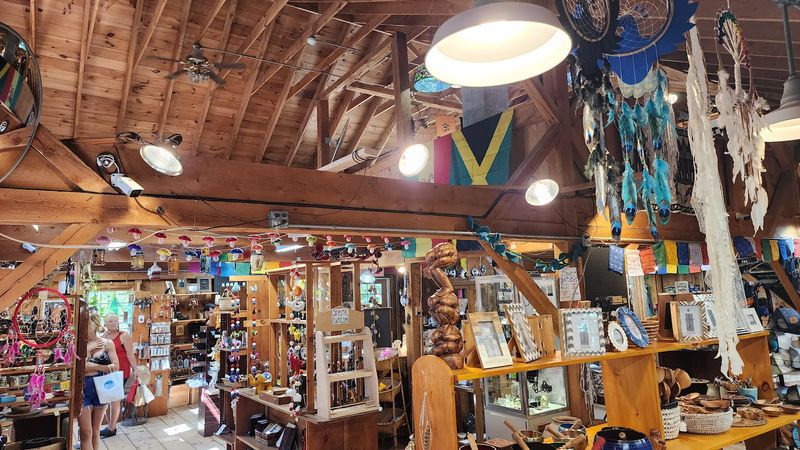
Rhode Island has no shortage of gift shops aimed at summer tourists, but the Fantastic Umbrella Factory operates in a different category entirely.
The difference starts with the physical setting. Rather than a single retail space with a parking lot, this is a multi-building property spread across a historic farmyard, with animals, gardens, and a bamboo forest built into the experience.
The shopping is part of a larger visit rather than the entire point of the trip.
The inventory itself also stands apart. The emphasis on handcrafted, artisan, and independently made goods means that what is available here is genuinely difficult to find anywhere else.
Items change as makers rotate in and out, and the selection across the different shop buildings covers enough ground that most visitors find something they were not expecting to want until they saw it. That combination of setting, inventory, and atmosphere is what keeps people coming back rather than simply passing through once.
A Rhode Island Original Worth the Trip
Places like the Fantastic Umbrella Factory do not get built by committee or market research. They come from one person with an unusual idea and the willingness to follow it through.
Bob Brown’s decision to turn a 19th-century Charlestown farmyard into a working artist community and retail destination created something that has outlasted trends, resisted homogenization, and continued to attract people who are looking for something genuinely worth finding. More than fifty years after it opened, the property still carries the DNA of that original vision.
The Fantastic Umbrella Factory is not the loudest attraction in Rhode Island, and it does not try to be. Its appeal is quieter and more specific: a place where the buildings have history, the goods have makers, the animals have personalities, and the bamboo forest is an actual bamboo forest.
For anyone passing through southern Rhode Island, it is the kind of stop that tends to become a regular one, not because it is convenient, but because it is genuinely one of a kind.
A Farmyard With a Very Unusual Second Life
Most old farmyards in New England either get turned into subdivisions or quietly fall apart. This one took a completely different path.
The property at 4820 Old Post Rd, Charlestown, RI 02813, sits just off Route 1 and traces its roots back to the 19th century as a working farm. When artist and entrepreneur Bob Brown arrived in the late 1960s, he saw something most people would have overlooked: a cluster of abandoned buildings with real potential.
Brown began repurposing the structures into studios and shops, giving the whole operation the playful name Fantastic Umbrella Factory. Despite the name, umbrellas were never really the main event.
The property grew organically over the years into a loose collection of galleries, workshops, and retail spaces, each one occupying a reclaimed building. That unplanned, artist-driven layout is still visible today, and it gives the whole place a character that no modern retail development could replicate.
Share this story