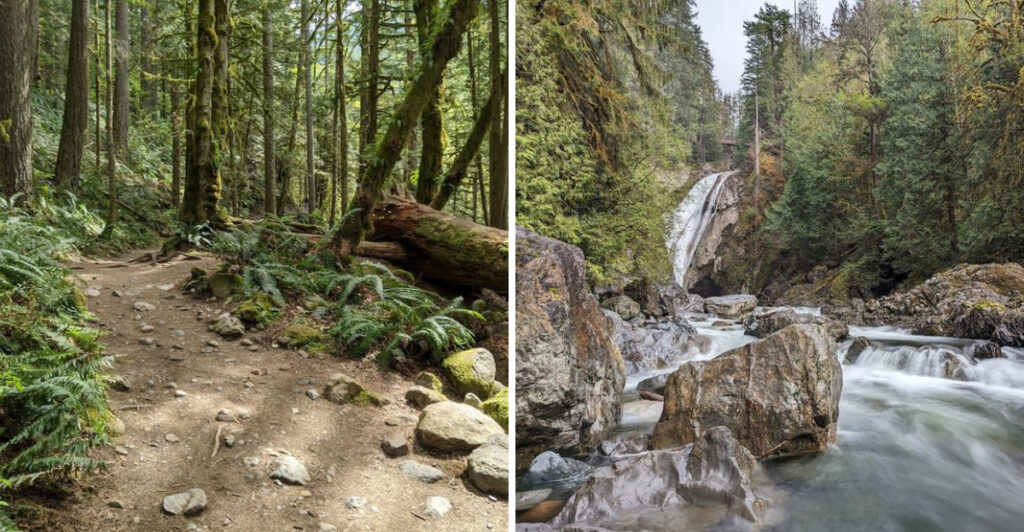
There is a trail just outside of North Bend, Washington, that has a way of stopping people in their tracks. Not because it is brutal or technical, but because around nearly every bend, the forest gets a little more dramatic and the sound of rushing water gets a little louder.
The payoff is a pair of waterfalls so powerful and beautiful that hikers regularly describe the experience as one of the best short hikes in the entire Pacific Northwest. I went on a weekday morning, laced up my boots, and found out exactly what all the fuss was about.
Spoiler: the fuss is completely justified.
Where the Trail Begins: Location and Access
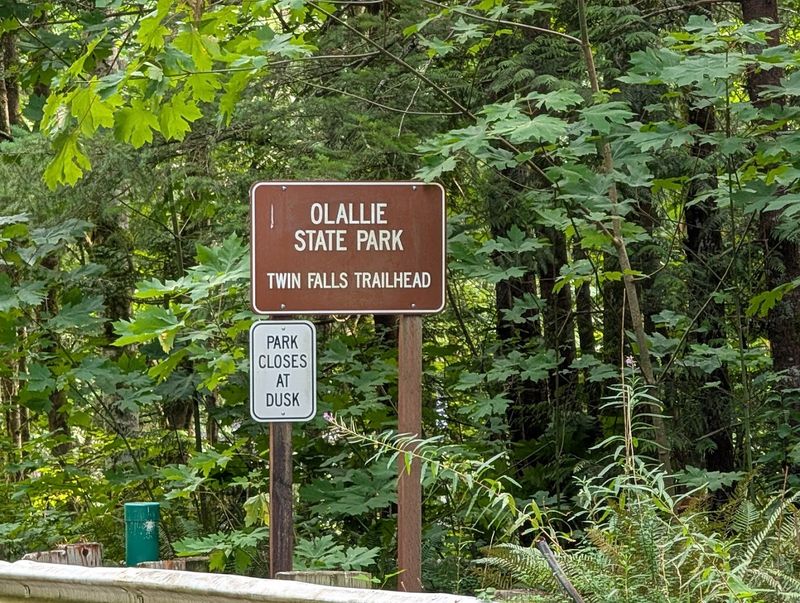
The Twin Falls Trailhead sits at SE 159th St, North Bend, WA 98045, tucked into the Olallie State Park area of the Cascade foothills, roughly 30 minutes east of downtown Seattle via I-90. Take Exit 34, follow the signs, and the road leads you straight to the parking lot near the Snoqualmie River.
The lot is not enormous, so arriving early on weekends is genuinely important. By mid-morning on a sunny Saturday, cars spill out along the roadside.
Weekday mornings, though, tend to be much calmer, with plenty of space and a noticeably quieter trail ahead.
A Washington State Discover Pass is required to park here. You can buy a day pass for $10 at the on-site kiosk, or grab a yearly pass for $30 if you plan to visit multiple state parks.
Vault toilets and a trash station are available right at the trailhead, which makes the start of the hike feel organized and well-maintained. The phone number for the park is +1 425-455-7010, and more trail details are at wta.org.
The Forest Walk: What the First Half Feels Like
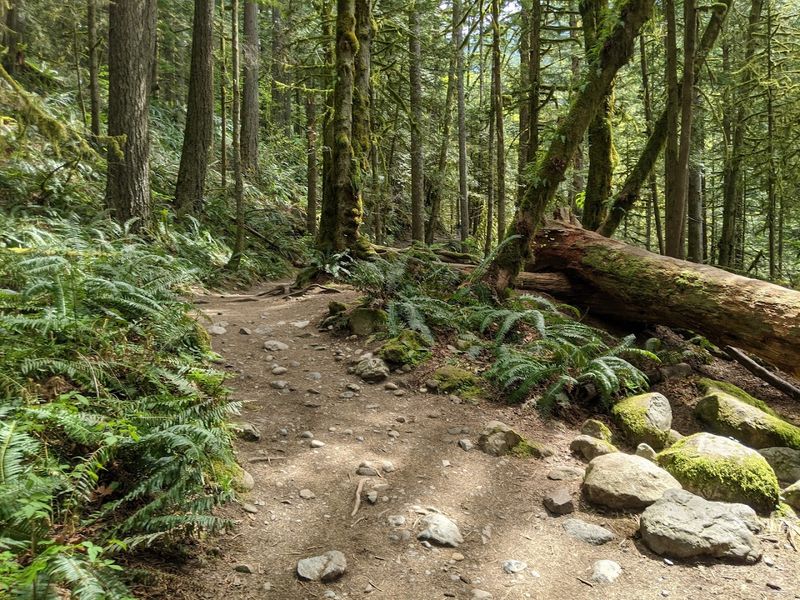
Right from the first few steps, the trail earns its reputation. The path runs alongside the Snoqualmie River, and the sound of moving water keeps you company almost immediately.
Tall Douglas firs and big-leaf maples form a canopy overhead, and the forest floor is thick with ferns and moss-covered boulders.
The first third of the hike is genuinely easy, following a nearly flat riverside route that feels more like a stroll than a workout. The trail is wide, well-packed, and clearly well-loved.
On a quiet weekday, the only sounds are birdsong, the river, and the occasional crunch of boots on gravel.
This stretch is where the Pacific Northwest really shows off. The green is almost unreal, especially after a rain, when every surface seems to glow.
A few hikers I passed mentioned they come back just for this section, even on days when they do not plan to go all the way to the falls. That says a lot about how satisfying even the beginning of this trail can be.
The Elevation Gain: Understanding the Moderate Sections
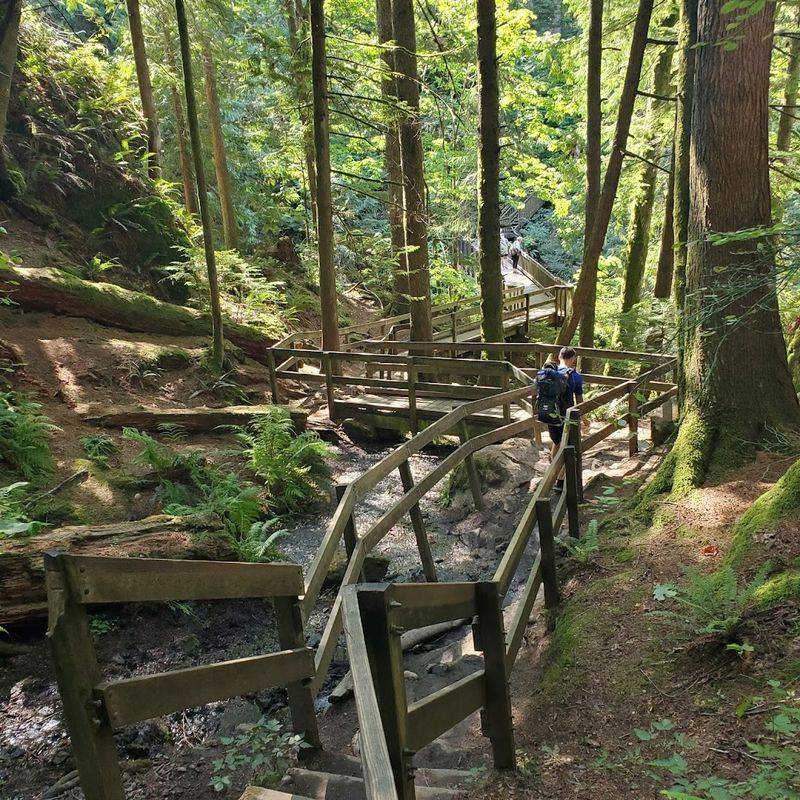
Here is where the trail earns the word “moderate” that some visitors use to describe it. After the flat riverside stretch, the path begins to climb, and it does not always let up gently.
There are sections of consistent uphill that will get your heart rate moving, especially if you are not a regular hiker.
The park has done solid work building wooden staircases into the steeper sections, which makes the climbing safer and more manageable. Trekking poles are genuinely useful here, particularly on drier days when some sections become surprisingly slippery.
The uneven ground and occasional loose rock mean that sturdy footwear is not optional, it is essential.
That said, the elevation gain is absolutely within reach for most reasonably active people. The trail rises roughly 500 feet over the 1.3-mile one-way distance, which is noticeable but not punishing.
Plenty of natural rest points appear along the way, including flat stretches and river-level spots where you can catch your breath and take in the scenery before pushing on toward the falls.
Lower Twin Falls Viewpoint: The First Big Reward
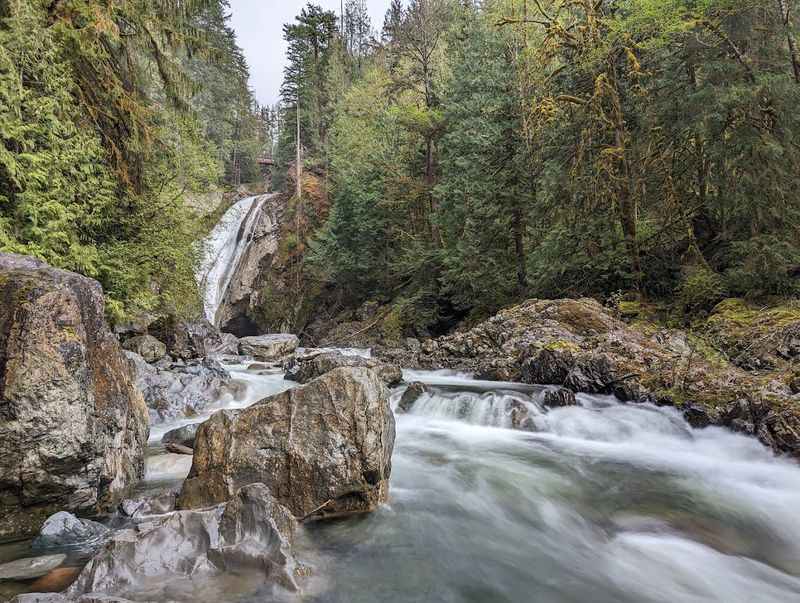
About a mile from the trailhead, the Lower Twin Falls viewpoint appears, and it delivers one of the most dramatic perspectives on any waterfall I have ever seen in Washington. A wooden staircase descends from the main trail to a small deck that juts out from the cliff face directly in front of the lower falls.
The deck is compact, fitting maybe six people comfortably, so expect a short wait during busy hours. The view from that platform is worth every step.
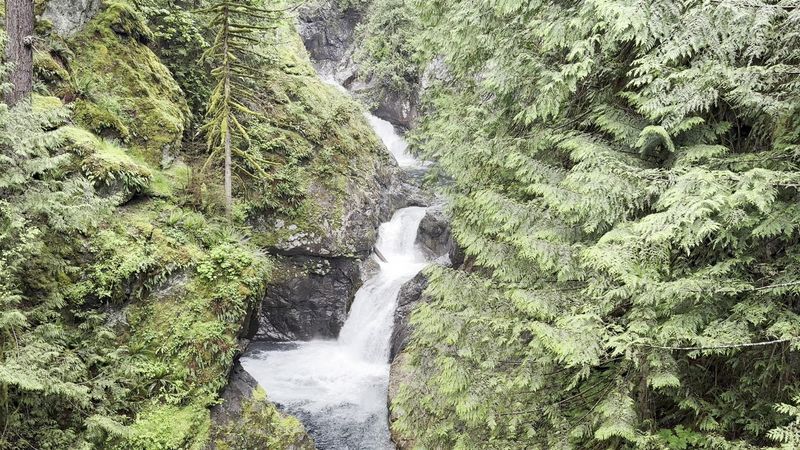
The falls thunder down in front of you, close enough to feel the mist on your face, and the rocky cliff behind the water channels the flow into dozens of thin, veil-like streams that fan out before crashing below.
There are benches near the upper approach to this viewpoint as well, which makes it a natural rest stop. Many hikers turn around here, satisfied with what they have seen.
Honestly, that is a completely reasonable call. The lower falls alone justify the entire trip, and on a sunny morning, the light catches the mist in ways that make every photo look like it was taken by a professional.
The Bridge Over the Falls: A Unique Perspective
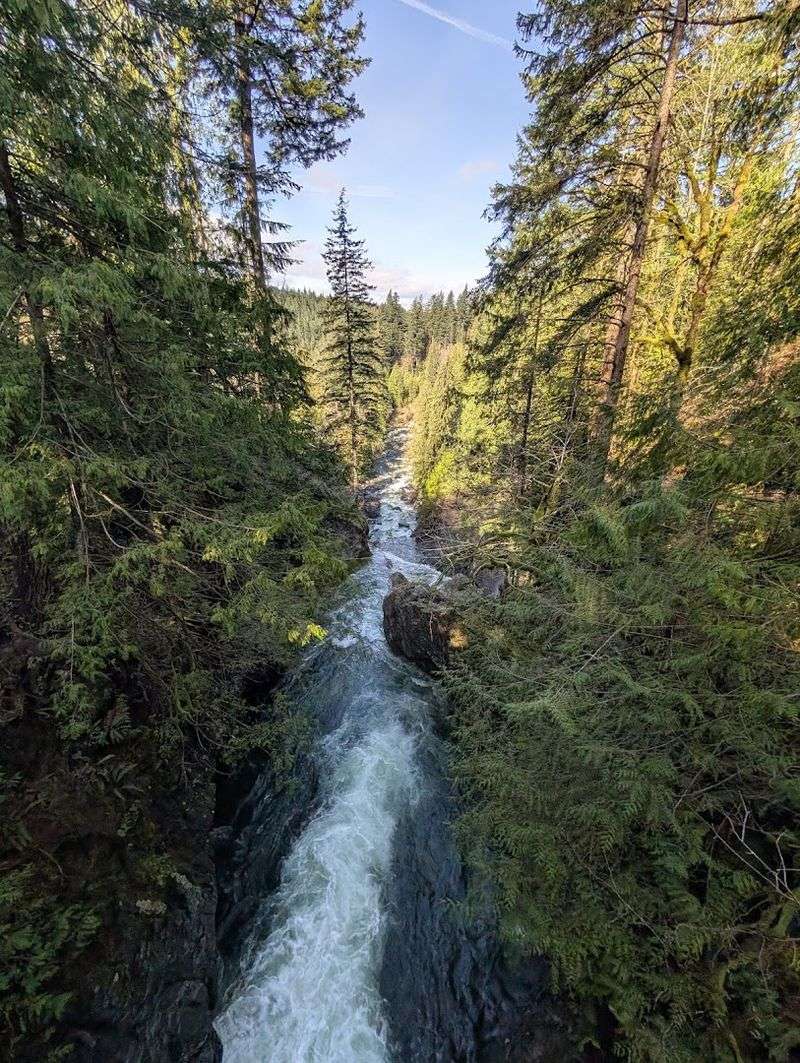
Past the lower falls viewpoint, the trail continues upward to one of its most memorable features: a wooden bridge suspended directly above the falls you were just admiring from below. The change in perspective is striking.
What looked like a thundering curtain of water from the deck below now appears as a rushing channel cutting through moss-covered rock.
Standing on the bridge, you can look downstream toward the lower falls and upstream toward the upper falls, which are visible in the distance but require a telephoto lens to photograph well. The bridge itself is solid and well-maintained, and it offers a quieter moment than the busy viewpoint deck below.
Many hikers treat this bridge as the natural endpoint of the hike. The official trail does continue beyond it, but the scenery beyond the bridge is largely forested without additional waterfall views.
A small bench marks the general turnaround point. The bridge, though, is genuinely one of those spots where you stop and just stand for a while, listening to the water move beneath your feet and trying to absorb just how good this little trail has been.
Upper Twin Falls: What Lies Beyond the Bridge
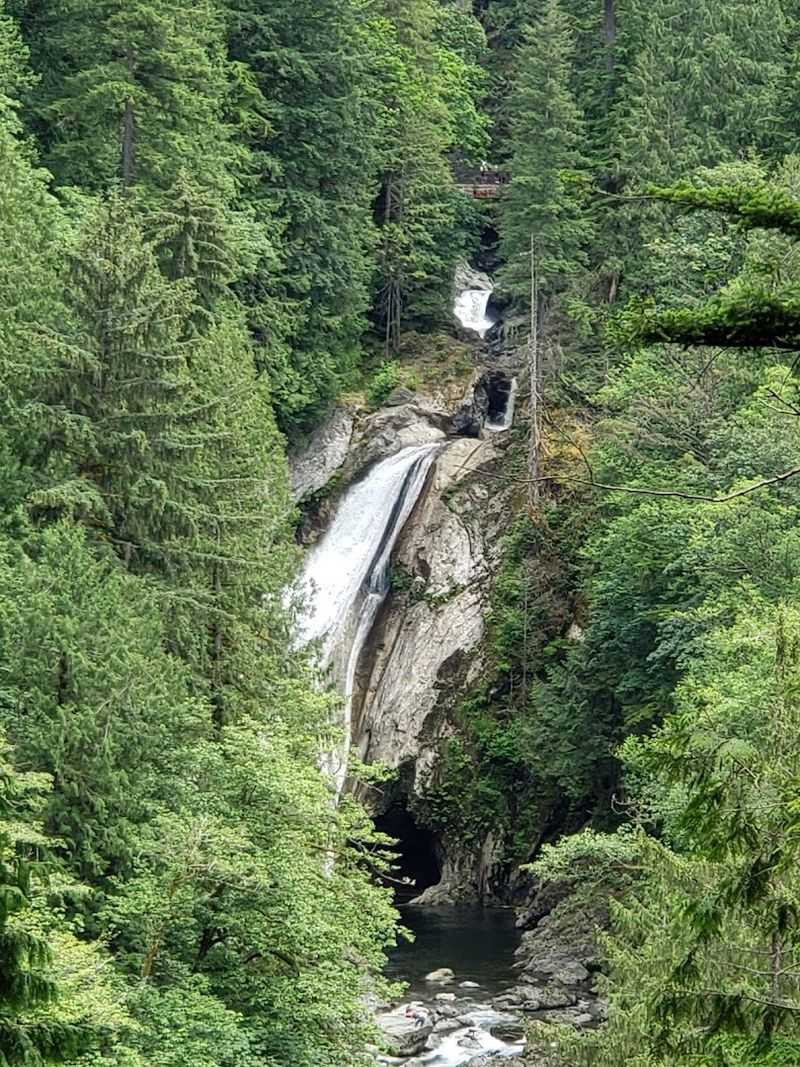
The upper falls sit further up the canyon and are visible from the bridge, though the distance makes them feel more like a backdrop than a close-up feature. They are still worth knowing about, because understanding the layout of both falls helps you appreciate the full scale of what this trail delivers.
The upper falls are less dramatic up close than the lower ones, partly because access to their base is not part of the maintained trail. What the upper falls add to the experience is context: they remind you that this is a living, active river system carving through the Cascades, not just a single scenic drop designed for Instagram.
A few hikers do continue past the bridge along the unofficial trail extensions, but the maintained path effectively ends near the bench past the second bridge. The forest beyond is dense and quiet, and while some visitors find it peaceful to keep walking, there are no additional marked viewpoints.
If you are visiting for the first time, the bridge and the lower falls deck are the two highlights that make this trail completely unforgettable, and both are well within reach of most hikers.
Best Time to Visit and What to Expect Each Season
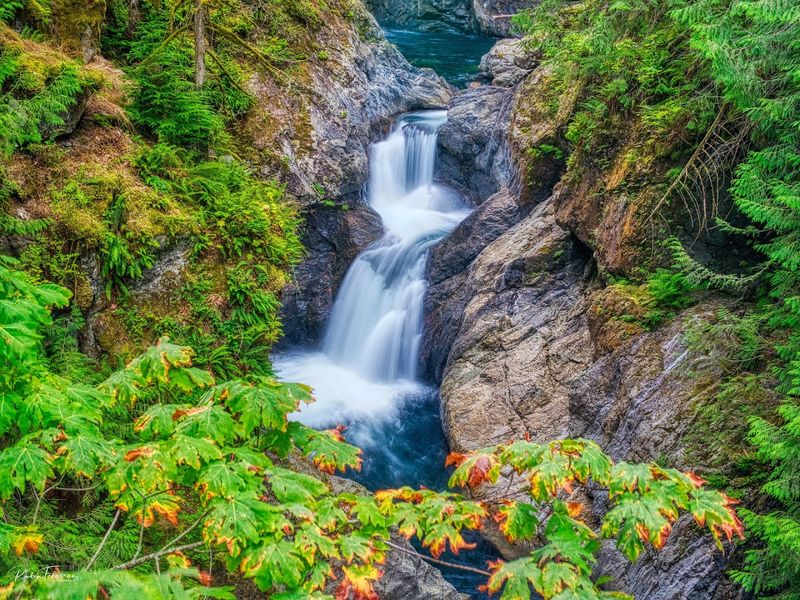
Spring and early summer tend to be the most spectacular times to visit Twin Falls. Snowmelt from the Cascades sends the river and falls roaring at full volume, and the forest is impossibly green.
The trade-off is mud: the trail can get slippery and soft after rain, so waterproof boots are a smart choice from October through May.
Summer weekends draw the biggest crowds, and the parking lot fills fast. Arriving before 8:30 a.m. on a weekend gives you a reasonable shot at a spot in the main lot.
Weekday visits in summer are noticeably calmer, and the trail feels almost private in the early morning hours.
Fall brings a quieter crowd and beautiful foliage along the trail, with the maples turning gold against the evergreens. Winter visits are possible since the trail is open 24 hours year-round, but the steep sections become genuinely tricky when wet or icy.
Year-round, the falls never fully stop, which means there is no truly bad time to go, just better and less crowded times to plan around.
Trail Difficulty Breakdown: Who Can Handle This Hike
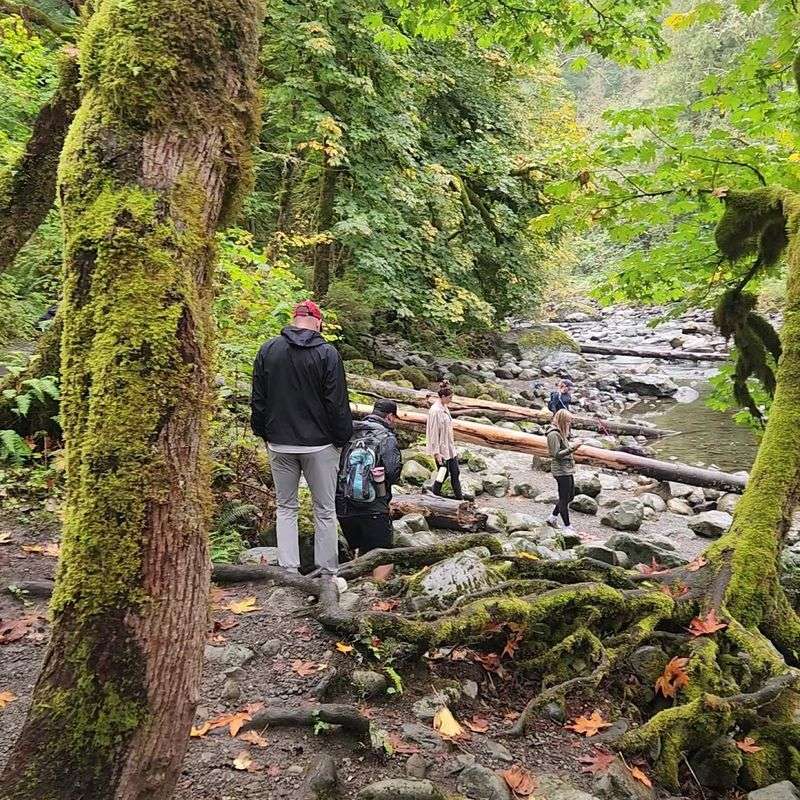
The trail is often labeled easy, but that description deserves some nuance. The first stretch along the river is genuinely flat and accessible for most fitness levels.
The second half, which climbs toward the falls, introduces steeper grades and uneven surfaces that shift the experience into moderate territory.
Older children and teenagers handle the trail well, especially with proper footwear. Toddlers can make it to the falls viewpoint, but the journey takes considerably longer and requires patience on the steep staircase sections.
For anyone with limited mobility, the riverside portion is enjoyable on its own, though the full loop to the falls involves terrain that can be challenging.
Trekking poles earn their keep here, particularly on the descent, when tired legs meet loose gravel. The round trip runs about 2.6 miles and takes most hikers between one and two and a half hours depending on pace and how many times they stop to photograph the scenery.
Bringing water is non-negotiable, and a light snack for the bridge stop makes the whole experience feel a little more relaxed and enjoyable.
Wildlife, Plants, and Natural Details Along the Way
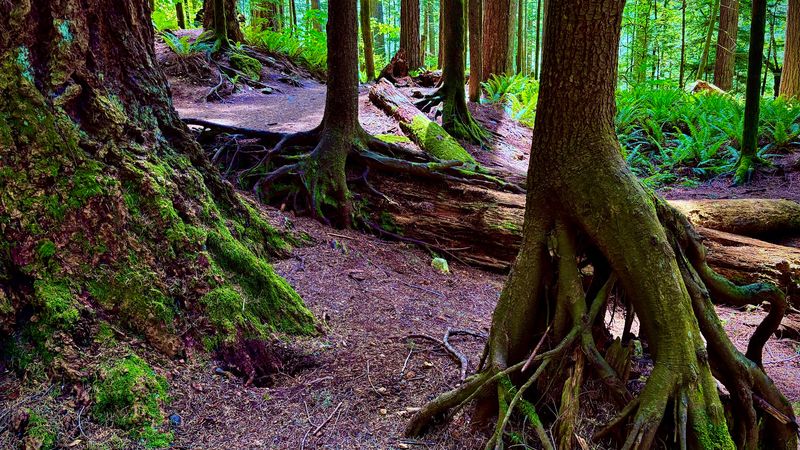
The forest along the Twin Falls trail is the kind that makes you slow down without realizing it. Old-growth Douglas firs tower overhead, their trunks wrapped in thick moss, while the forest floor is carpeted with sword ferns, oxalis, and clusters of tiny mushrooms that seem to appear overnight after rain.
Birdlife is active along the riverside stretch, with the sound of dippers and varied thrushes cutting through the constant background of moving water. In the warmer months, stinging nettle caterpillars can appear near the trail edges, so staying on the path and avoiding brushing against vegetation is a practical habit to develop early on the hike.
The river itself is a draw beyond just the falls. Several wide, flat rock sections along the Snoqualmie allow hikers to sit right at the water’s edge, dip their feet in, or simply watch the current move past.
Fly fishing is a common sight along the calmer stretches. The natural variety packed into 2.6 miles is genuinely impressive and keeps the trail feeling fresh from start to finish.
Practical Gear and What to Pack
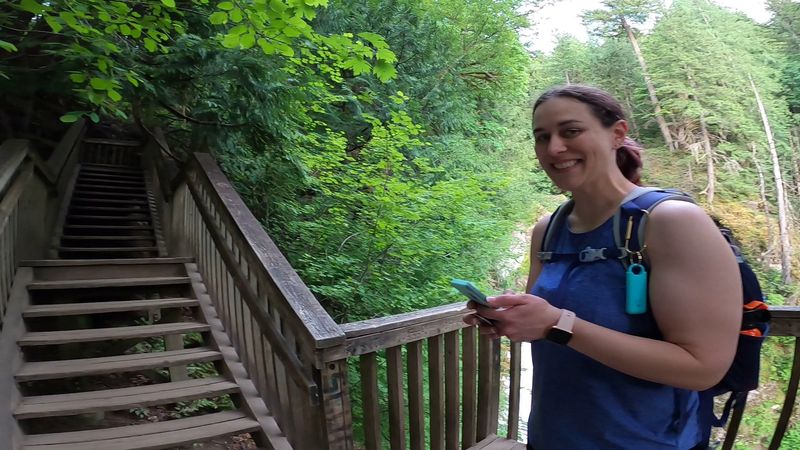
A few smart packing choices make a real difference on this trail. Waterproof hiking boots or trail shoes with solid traction handle the muddy, rocky, and wet sections far better than sneakers, though plenty of people do hike in sneakers and manage fine in dry conditions.
The key is grip, especially on the wooden staircases and near the viewpoints where mist keeps surfaces damp.
Trekking poles are genuinely helpful, not just for the steep sections but also for the stepping-stone river crossings and the loose ground near the top. A small daypack with water, a snack, and a light rain layer covers the basics for a hike of this length.
The round trip rarely takes more than two and a half hours, so you do not need to overpack.
A camera or a fully charged phone is practically required. The falls, the bridge, the forest light, and the river rocks all photograph beautifully.
A Discover Pass for parking rounds out the checklist. Day passes cost $10 at the kiosk, and the yearly pass at $30 is worth it if Washington state parks are a regular part of your outdoor routine.
The Twin Falls Experience Compared to Other Seattle-Area Hikes
The greater Seattle area sits within striking distance of some genuinely world-class hiking, and Twin Falls holds its own confidently in that company. Unlike some of the more famous Cascade trails that require long drives, high clearance vehicles, or serious fitness, this one is accessible to almost anyone within 30 minutes of the city.
What sets it apart from other short waterfall hikes in the region is the variety packed into a single trail. You get riverside walking, forest climbing, multiple viewpoints, a bridge experience, and close-up waterfall access all within 2.6 miles.
Most trails at this distance from Seattle either deliver scenery without challenge or challenge without much payoff.
Hikers who have done trails across the Pacific Northwest frequently rank Twin Falls as one of the most satisfying short hikes in Washington state. The combination of accessibility, visual drama, and trail quality is hard to match at this distance from a major city.
For visitors to the Seattle area who want a genuine outdoor experience without a full-day commitment, this trail is consistently one of the strongest recommendations on the list.
Final Thoughts: Why This Trail Stays With You
Some hikes are great while you are on them and fade quickly once you are back in the car. Twin Falls is not one of those.
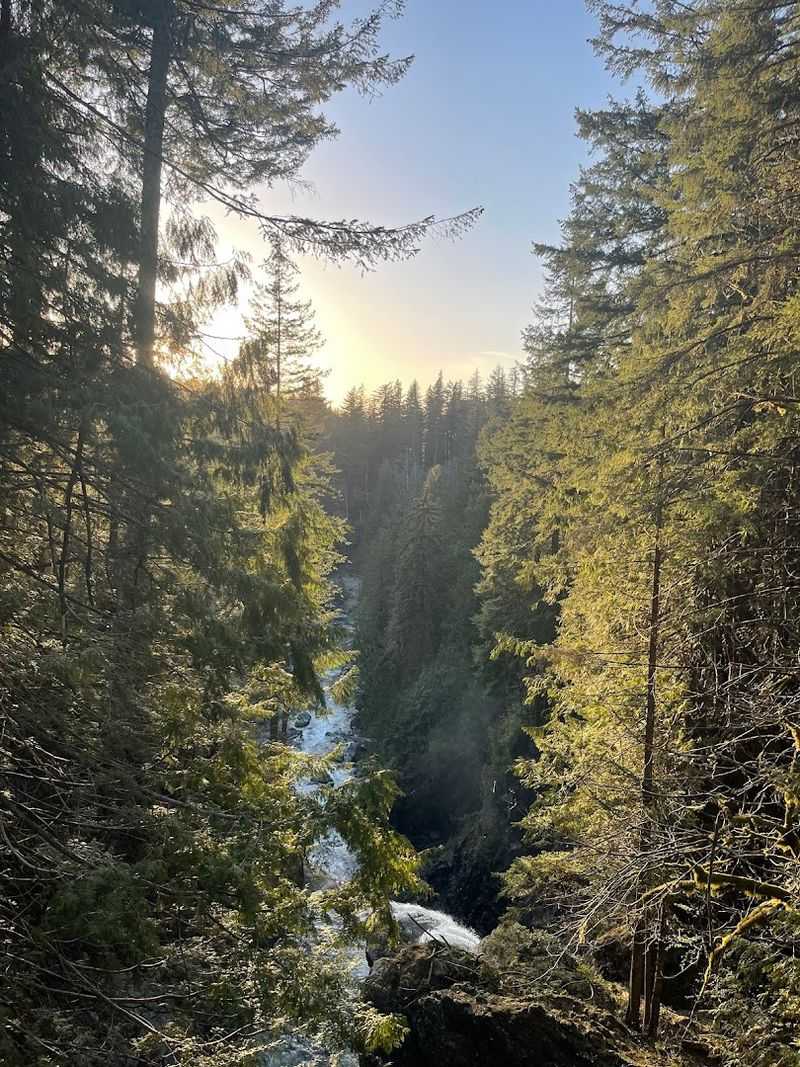
The combination of the river walk, the forest climb, the mist-soaked viewpoint deck, and the bridge above the falls creates an experience that sticks around in your memory the way only a few outdoor places manage to do.
The trail is well-maintained, the signage is clear enough for first-timers, and the payoff is immediate and dramatic. Even hikers who have explored trails across states like Oregon, Colorado, and even Oklahoma come back from Twin Falls talking about it as a standout.
That kind of cross-regional reputation means something.
Whether you are a seasoned hiker looking for a quick but satisfying outing or a casual walker wanting to experience the Pacific Northwest at its most photogenic, Twin Falls delivers every single time. The 2.6-mile round trip, the roaring lower falls, the misty viewpoint deck, and the quiet bridge moment above the water combine into something that earns the word unforgettable without any exaggeration at all.
Share this story