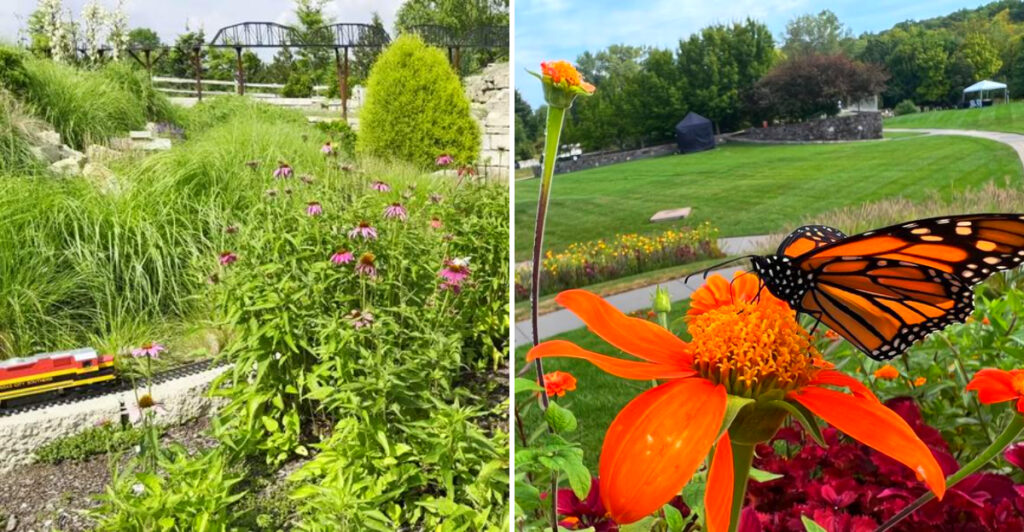
A 300-acre arboretum in Overland Park, Kansas, is drawing visitors from across the country with butterfly-filled gardens, winding trails, and attractions that feel far removed from suburban life. With nearly 4,000 glowing Google reviews, the destination features 13 unique gardens, seasonal events, model train displays, and a scenic new visitor center overlooking the grounds.
From peaceful walking paths to hands-on family experiences, it offers far more than most people expect from a garden in the middle of Kansas.
A 300-Acre World at 8909 W 179th St
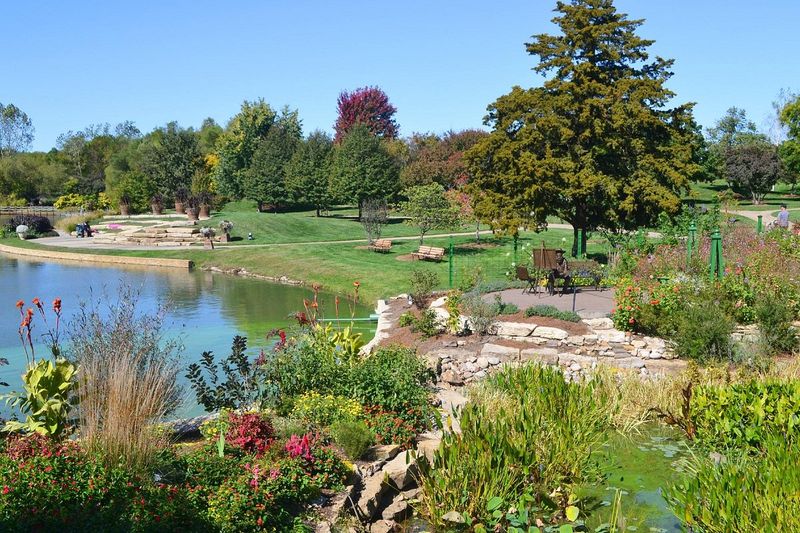
Most people picture a modest garden when they hear the word arboretum, but the Overland Park Arboretum and Botanical Gardens at 8909 W 179th St, Overland Park, KS 66013, rewrites that expectation completely. This 300-acre destination opened its doors in 1990 and has grown into one of the most visited natural spaces in the entire Kansas City region.
The grounds span a genuinely impressive range of terrain, from rocky bluffs to bottomland paths running alongside Wolf Creek. Eight distinct ecosystems exist within its borders, which means every trail you take feels different from the last.
Admission is refreshingly affordable at $7 for adults and $3 for children ages 6 to 17, with kids 5 and under always free. The first Tuesday of every month is completely free for everyone, making it one of the most accessible outdoor destinations in the Midwest.
You can reach the arboretum by phone at 913-685-3604 or visit opkansas.org for current hours and event listings.
The LongHouse Visitor Center Changes Everything
The newest addition to the arboretum opened in September 2023, and it immediately became one of the most talked-about features of the entire property. The LongHouse Visitor Center now serves as the main entrance, and its design rewards you the moment you walk through the door.
Floor-to-ceiling windows frame sweeping panoramic views of the gardens and ponds below, giving you a preview of everything waiting outside. A stone water feature cascades near the entrance on sunny days, catching the light in a way that genuinely stops people mid-stride.
Inside, you will find a cafe for a quick bite, a gift shop stocked with garden-inspired items, and clean, well-maintained restrooms. Free trail maps are available at the information desk, and the staff there goes above and beyond, circling recommended routes and pointing out seasonal highlights with genuine enthusiasm.
The LongHouse is not just a starting point; it sets the tone for the whole visit.
Thirteen Gardens, Each One Its Own Story
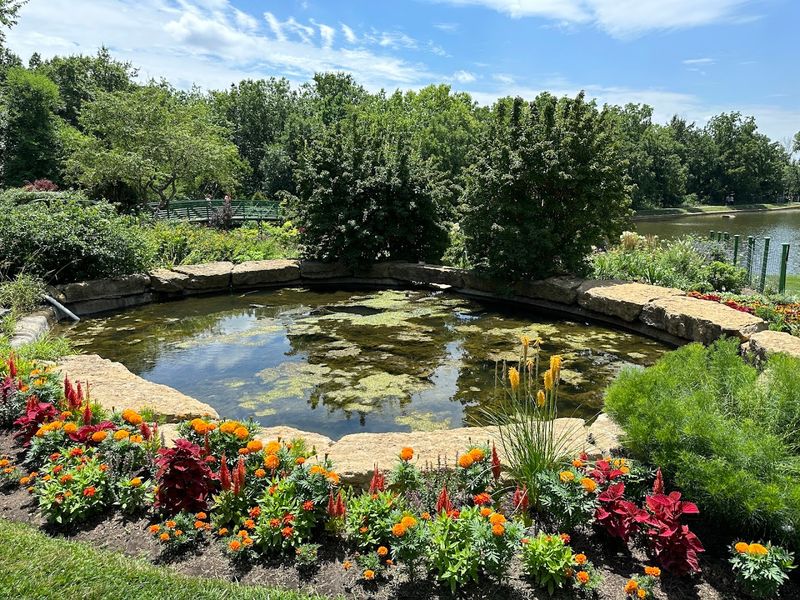
Thirteen distinct gardens spread across the property, and each one has its own personality, its own mood, and its own reasons to linger. The Cohen Iris Garden bursts with color in late spring, while the Erickson Water Garden offers the kind of quiet that makes you forget your phone exists.
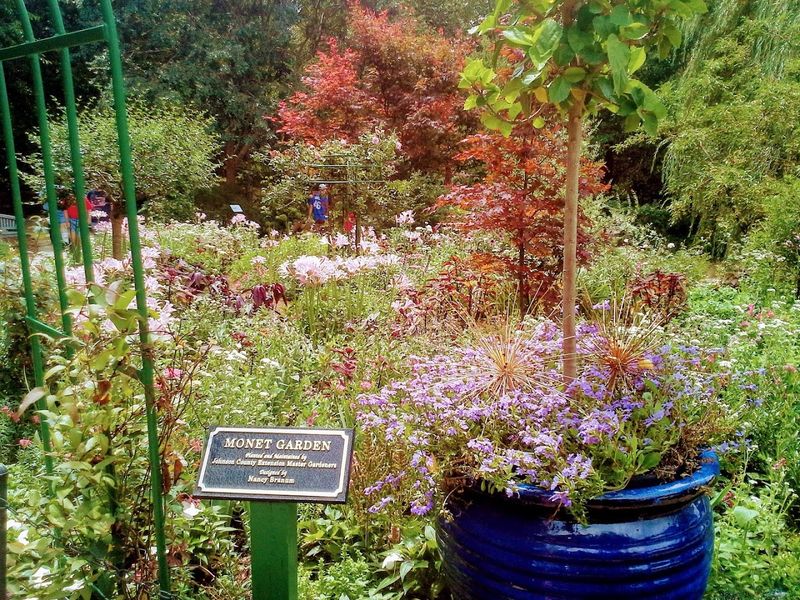
The Monet Garden is a particular standout, designed to echo the impressionist palette of the famous French painter. Visitors have been spotted having full conversations with the gardeners there, asking about specific plant varieties and soaking up the knowledge freely offered.
The Children’s Discovery Garden brings a completely different energy, with hands-on features designed to spark curiosity in younger visitors. Meanwhile, the Train Garden pulls in adults just as powerfully as it does kids, with its intricate model train layouts running at ground level and overhead.
Over 1,700 plant species are represented across all thirteen gardens, making every season feel like a new chapter worth reading.
The Train Garden That Turns Adults Into Kids Again

There is something almost magical about the Train Garden, and it works on people of every age with equal effectiveness. Model trains wind through meticulously constructed miniature landscapes, passing through tiny towns and over detailed bridges while visitors stand transfixed along the edges.
What surprises most first-timers is that there are actually two separate train displays on the property, not just one. The trick is to find the first ticket booth, then turn around exactly 180 degrees to spot the second, which many visitors walk right past without realizing it is there.
The detail in the architecture of the miniature buildings is worth studying closely. Visitors who have a genuine interest in history and craftsmanship often spend far more time here than they planned.
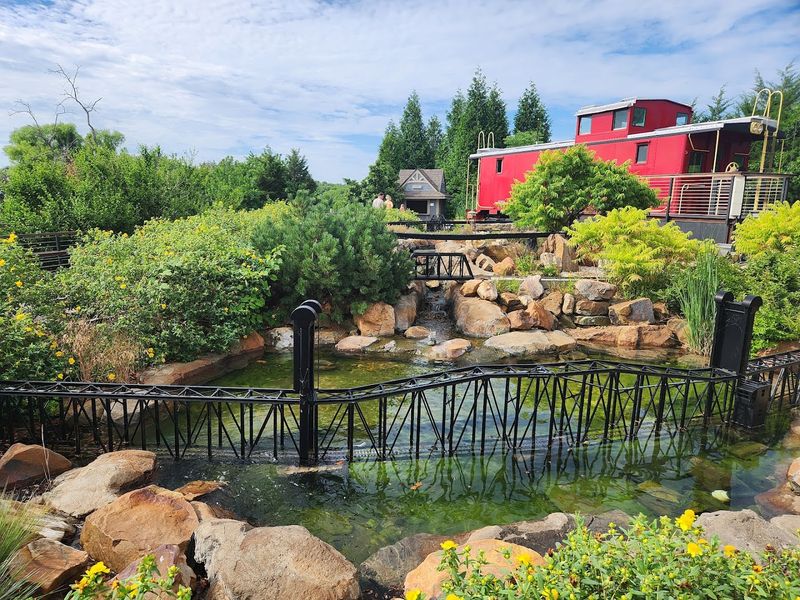
A vintage caboose sits on the property as well, and you can actually step inside it and exit through the back, which adds a tactile, hands-on dimension that photos simply cannot capture. Train fans, consider this your personal paradise.
Nearly 6 Miles of Trails Through Eight Ecosystems

Nearly 6 miles of trails crisscross the arboretum, offering a range of experiences that go well beyond a casual garden stroll. Paved paths make the route accessible for strollers, wagons, and anyone who prefers a smooth surface, while natural-surface trails lead deeper into wooded areas with a more rugged, exploratory feel.
The terrain shifts noticeably as you move through the property. Rocky bluffs give way to bottomland paths that follow Wolf Creek, and the transition between ecosystems happens gradually enough that you notice the change in plants, light, and sound before you even realize you have crossed into a new zone.
Benches appear every 50 feet or so along most paths, which means there is always a comfortable place to pause, listen to birdsong, or simply watch the light move through the tree canopy. The trails are clearly marked, and free maps help you plan a route that matches your energy level and available time.
Wear comfortable shoes, because an hour here never feels like enough.
Wildlife That Shows Up Unannounced and Unscripted
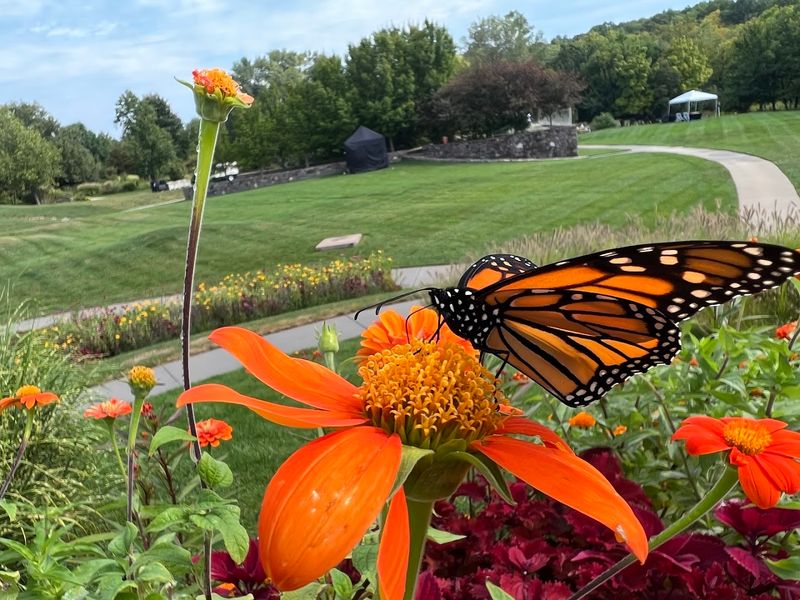
The arboretum does not just grow plants; it attracts a genuinely impressive range of wildlife that shows up on its own schedule and adds an element of surprise to every visit. Monarch butterflies are arguably the most spectacular of these unscripted guests, and during fall migration, hundreds of them drift through the gardens simultaneously in a display that leaves visitors speechless.
Cardinals chase each other through the shrubs, deer move quietly through the wooded edges, and dragonflies hover over the water features with mechanical precision. Birdwatchers find the feeders particularly rewarding, especially during cooler months when the trees are bare and sightlines open up dramatically.
The 180-acre prairie section supports native grasses and wildflowers that serve as habitat for pollinators and small wildlife throughout the growing season. Snakes, while not everyone’s favorite surprise, also call the property home and are part of the healthy, balanced ecosystem the arboretum actively supports.
Every visit has the potential to turn into an unexpected wildlife encounter.
Sculptures Hidden in Plain Sight Throughout the Grounds

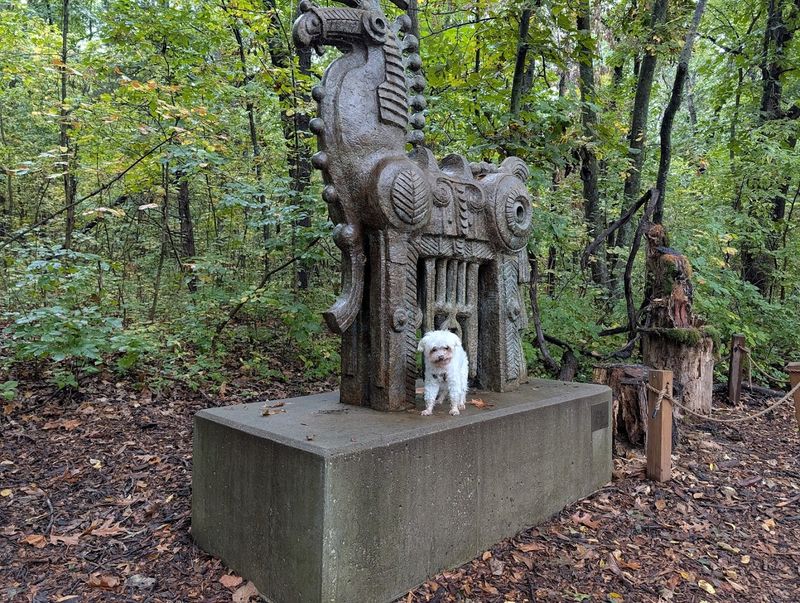
Art and nature share the grounds here in a way that feels completely unforced. Sculptures appear throughout the property, some bold and immediately visible, others tucked into garden corners where you stumble upon them mid-stride and feel a small jolt of delight.
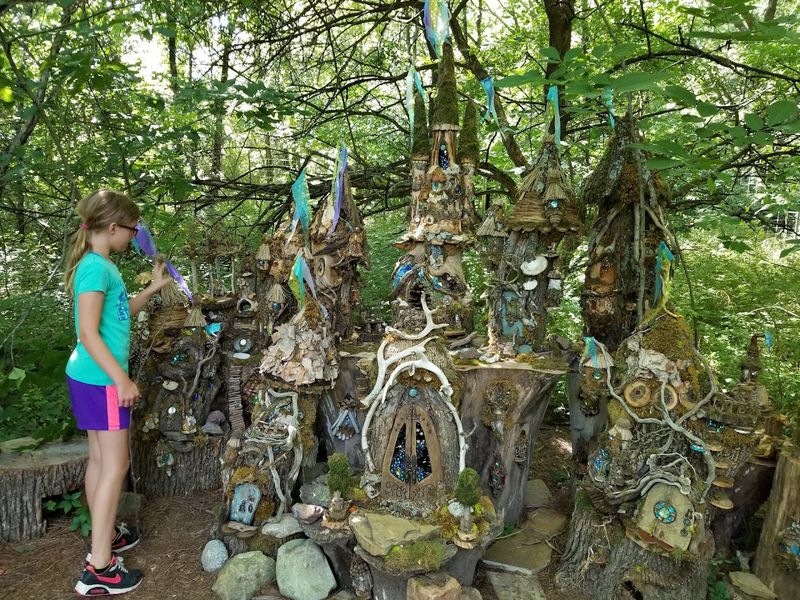
The sculpture exhibitions rotate and evolve over time, meaning repeat visitors often discover pieces they have never seen before. Fairy houses dot certain sections of the trail as well, small and whimsical constructions that delight children and quietly charm the adults who kneel down to look more closely.
The combination of living plants and permanent or temporary art creates a layered visual experience that photography enthusiasts find endlessly rewarding. Wedding couples have chosen the arboretum as a backdrop for exactly this reason, and the results speak for themselves in the richly colored, texture-filled images that come out of an October ceremony here.
The art does not compete with the nature; it simply deepens it.
The Luminary Walk That Ranked Third in the Nation

When the growing season winds down, the arboretum does not go dark. The annual Luminary Walk transforms the entire property into a glowing, immersive winter experience that USA Today’s 2024 Readers’ Choice awards ranked as the third-best holiday light display among botanical gardens in the entire United States.
Illuminated pathways guide visitors through the gardens at night, with live music adding warmth to the cool air and festive villages creating a storybook atmosphere that feels genuinely different from a standard holiday light show. The scale of the event takes first-time attendees by surprise, and many leave planning their return for the following year before they even reach the parking lot.
The arboretum’s event calendar extends well beyond the Luminary Walk, with Terra Luna, Tastings on the Terrace, and family-friendly outdoor movies filling the warmer months. For anyone who thinks botanical gardens shut down in winter, the Luminary Walk is the most persuasive possible argument to the contrary.
Book tickets early, because this one sells out.
A Destination for Every Season, Not Just Spring

A common assumption about botanical gardens is that they peak in spring and fade into irrelevance by autumn. The Overland Park Arboretum actively challenges that idea across all four seasons, and the evidence is compelling regardless of when you show up.
Winter visits reveal a quieter, starker beauty. Seed heads hold their shape through the cold months, bare tree branches create dramatic silhouettes against pale skies, and the trail system feels almost meditative without the crowds of warmer seasons.
February admission drops to $3 per person, making a winter visit especially easy to justify.
Summer brings outdoor movies, scheduled family activities, and the full lushness of the gardens in peak growth. Fall delivers the monarch butterfly migration, brilliant foliage, and the kind of golden afternoon light that makes every photograph look professionally edited.
The arboretum is open year-round with hours generally running from 9 AM to 5 PM, with extended hours on Tuesdays and Thursdays. No season feels like a wrong time to visit.
Why Families Keep Coming Back With Kids in Tow
The arboretum earns its family-friendly reputation through genuine design choices rather than just marketing language. A dedicated nature playground gives younger visitors a place to climb, explore, and burn energy in a setting that still feels connected to the natural world around them.
The Children’s Discovery Garden offers hands-on learning opportunities that make botany and ecology feel accessible and genuinely fun for kids who would rather be moving than sitting. Stroller-friendly paved paths mean parents do not have to choose between bringing the baby and exploring the full property.
Free maps at the entrance help families plan routes that match their kids’ attention spans, and the staff at the information desk is known for being especially warm and helpful with families navigating the grounds for the first time. The first Tuesday of every month doubles as Discovery Day for children, with free admission and special programming.
Picnic areas and benches scattered throughout the property make it easy to pack a lunch and turn a morning visit into a full afternoon.
The Educational Programs That Go Beyond the Trail Map
The arboretum’s identity extends well beyond walking paths and pretty flowers. A robust calendar of classes, workshops, and educational programs runs throughout the year, covering topics from plant identification and native gardening to ecology and environmental stewardship for visitors of all ages.
School groups regularly visit the property for structured educational experiences, but the programming is not limited to students. Adult workshops on topics like sustainable landscaping and native plant care draw steady attendance from the broader community, reflecting the arboretum’s role as a genuine cultural and educational resource for the Kansas City region.
Volunteer opportunities are woven into the fabric of the place as well. The gardeners and volunteers who work the grounds are consistently described by visitors as some of the most approachable and knowledgeable people they have encountered at any natural attraction.
They stop mid-task to answer questions, share plant names, and recommend routes with the kind of enthusiasm that comes from genuinely loving where you work. That energy is contagious.
Practical Tips That Make Your Visit Run Smoothly
A few practical details can make the difference between a good visit and a great one. Arriving on the first Tuesday of the month gets you free admission, which is worth planning around if your schedule allows it.
Tuesdays and Thursdays also offer extended hours until 7:30 PM, giving you more time to explore without feeling rushed.
The arboretum participates in a reciprocal membership program, which means an active membership at a qualifying arboretum elsewhere in the country will get you free admission here as well. That detail alone has surprised many out-of-town visitors who did not expect their home membership to travel with them.
Comfortable walking shoes are a practical necessity given the range of terrain. Dogs are welcome on the trails, making it a popular destination for visitors who want to combine a nature walk with some quality time with their pet.
Plan for at least two hours, but honestly, block out half a day if you want to see everything without rushing through the best parts.
Share this story