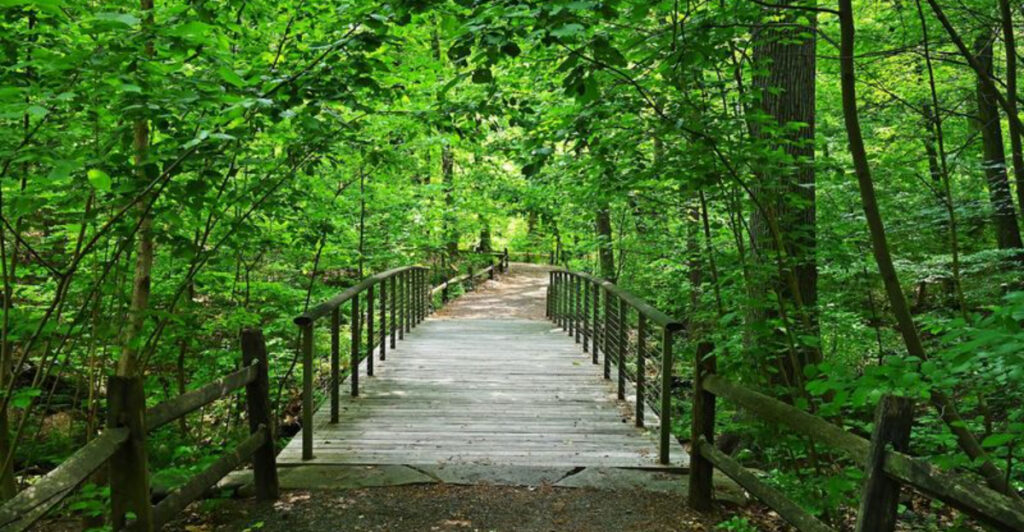
Most people think of New York City as a place of concrete, glass, and non-stop noise. But tucked inside the Bronx is a 50-acre stretch of old-growth woodland that has been standing long before the first skyscraper ever broke the skyline.
The Thain Family Forest at the New York Botanical Garden is the largest remaining fragment of New York City’s original forest, and it carries centuries of history in every root and ridge. Ancient trees, trails once walked by the Lenape people, and a living Bronx River running through it all make this place unlike anything else in the five boroughs.
This article takes a close look at what makes this forest so remarkable and why it deserves far more attention than it gets.
The Oldest Urban Forest in New York City
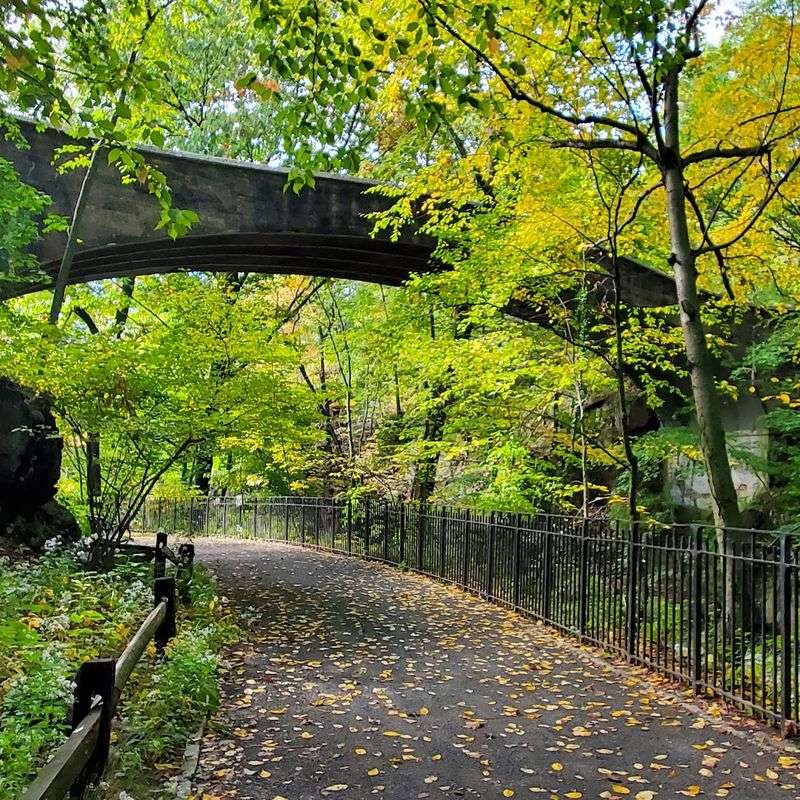
Before Dutch settlers arrived in the 1600s, before the grid of streets was ever drawn, this forest was already here. The Thain Family Forest is widely recognized as the largest remaining old-growth woodland in New York City, covering 50 full acres of land that has never been cleared for development.
That distinction is not just a fun fact. It means the trees growing here today are descendants of the same forest that once blanketed the entire region.
Some of the oaks and tulip trees in the canopy are estimated to be well over 200 years old.
For a city that tears things down and rebuilds constantly, the survival of this forest is genuinely rare. It exists as a living record of what the landscape looked like long before Manhattan’s famous skyline was even a concept.
No other place in the five boroughs can make that same claim.
Lenape Trails Still Walked Today
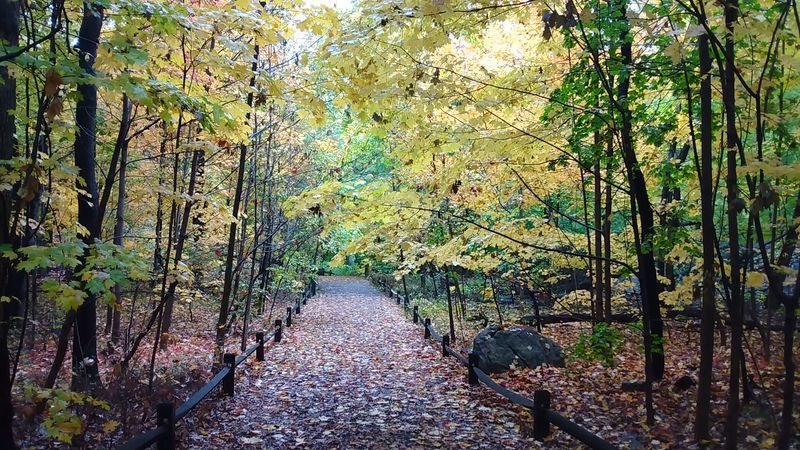
Long before European settlers set foot in what is now New York, the Lenape people moved through this land with ease. They hunted, gathered, and traveled through this forest using paths that followed the natural contours of the terrain, and some of those very paths still exist as trails inside the Thain Family Forest today.
Walking those routes is not just a hike. It is a connection to thousands of years of human history on this land.
The trails wind through rocky ridges, past ancient trees, and alongside the Bronx River floodplain in a way that reflects the original landscape rather than a manicured park design.
Informational placards placed throughout the forest help explain the ecological and cultural significance of different areas. For anyone curious about the deep history of New York before the colonial era, this forest offers a tangible, boots-on-the-ground way to understand it.
The Trees That Have Seen Everything
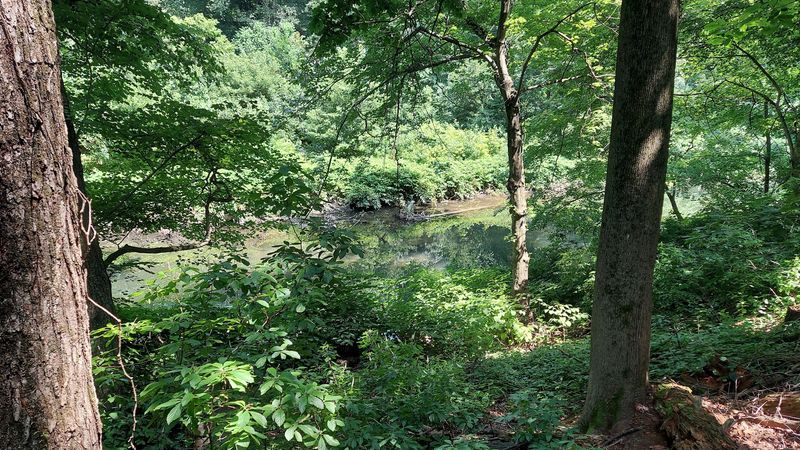
The canopy of the Thain Family Forest is dominated by species that have been growing in this region for a very long time. Oaks, tulip trees, and sweetgums tower above the forest floor, their trunks wide enough that two people could not wrap their arms around them.
Some of these trees began their lives before the American Revolution. A few of the conifers in the forest, including notable specimens of Blue Atlas Cedar and pine, have become landmarks in their own right.
These are not trees planted for decoration. They grew here naturally, survived every storm and season, and outlasted every wave of development that transformed the rest of the city around them.
Walking past a fallen giant that has been partially cut away to clear the trail is its own kind of history lesson. The sheer scale of these trees puts the timeline of New York City into a completely different perspective.
The Bronx River Runs Right Through It
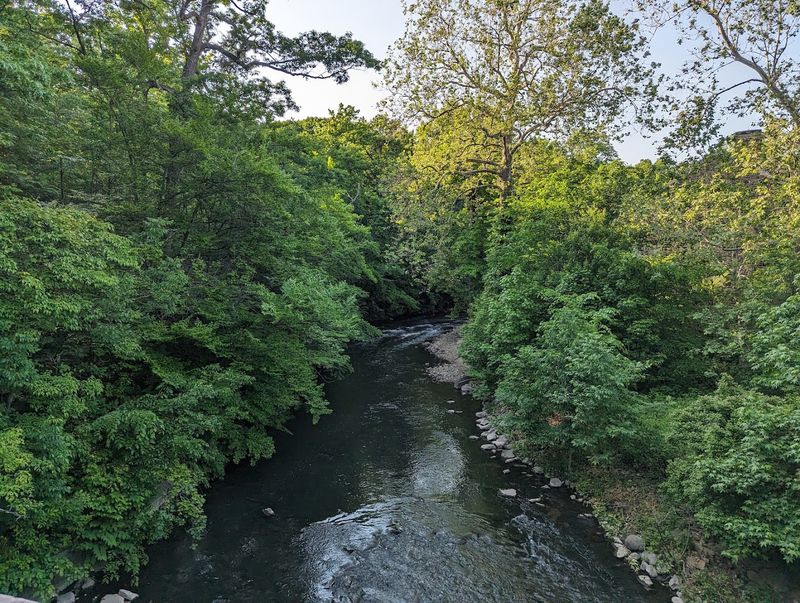
One of the most distinctive features of the Thain Family Forest is the Bronx River, which cuts through the forest and adds a whole different layer to the experience. The river’s floodplain creates a varied terrain that supports a wider range of plant and animal life than a dry upland forest alone would.
Hester Bridge, which crosses the Bronx River inside the forest, offers a clear view upstream where the sound of a small waterfall can be heard and the falls can just be spotted from the right angle. The bridge itself is a quiet stopping point where the pace of the walk naturally slows down.
The presence of moving water in the middle of an urban forest is not something most people expect to find in the Bronx. Yet the river has been here far longer than the borough itself, and its continued flow through the forest keeps the ecosystem healthy and functioning year-round.
Named After the People Who Helped Save It
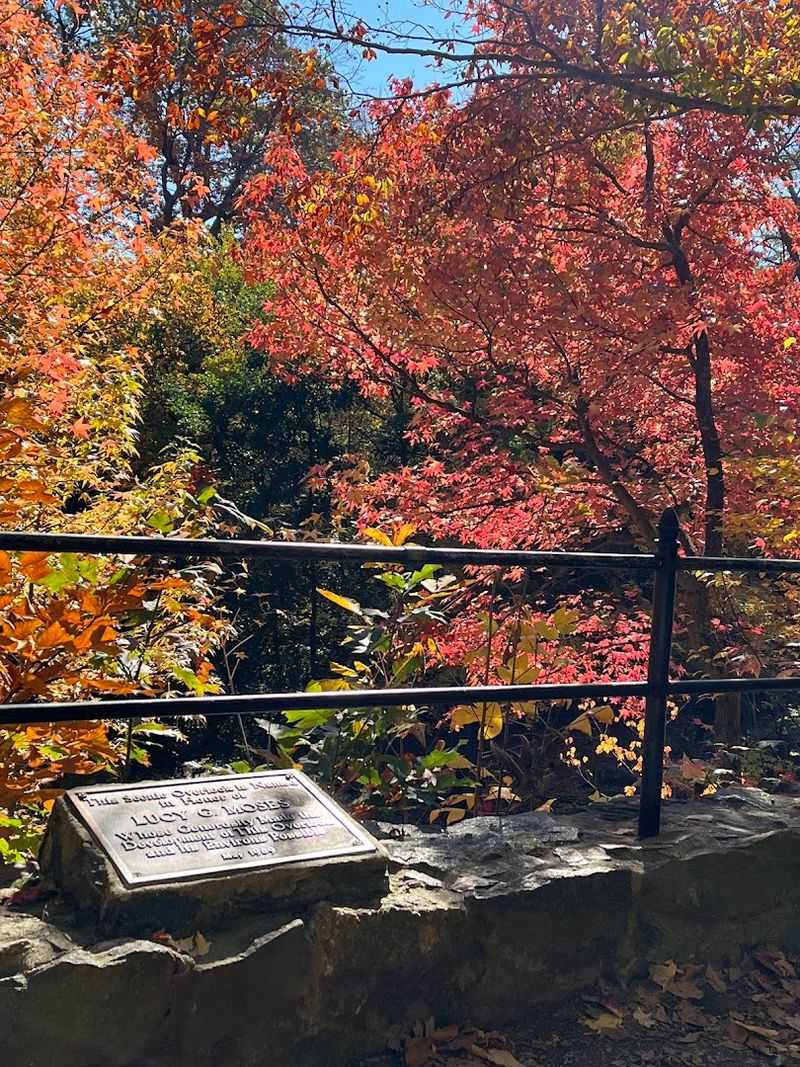
The forest carries its current name because of a significant act of generosity. John and Carmen Thain provided major funding for the forest’s restoration in 2011, which led to the woodland being named in their honor.
That restoration effort helped stabilize the ecosystem and improve the trail infrastructure that visitors use today.
Before the restoration, the forest had suffered from years of invasive species growth, trail erosion, and limited management resources. The funding helped address those issues in a meaningful and lasting way, allowing the ecological integrity of the woodland to be maintained at a much higher standard.
Naming rights tied to conservation funding are common in large botanical institutions, and in this case the investment clearly paid off. The forest today reflects the kind of careful stewardship that keeps a 50-acre old-growth woodland thriving inside one of the most densely populated cities on the planet.
The Thain name is permanently woven into its story.
Wildlife That Calls the Forest Home
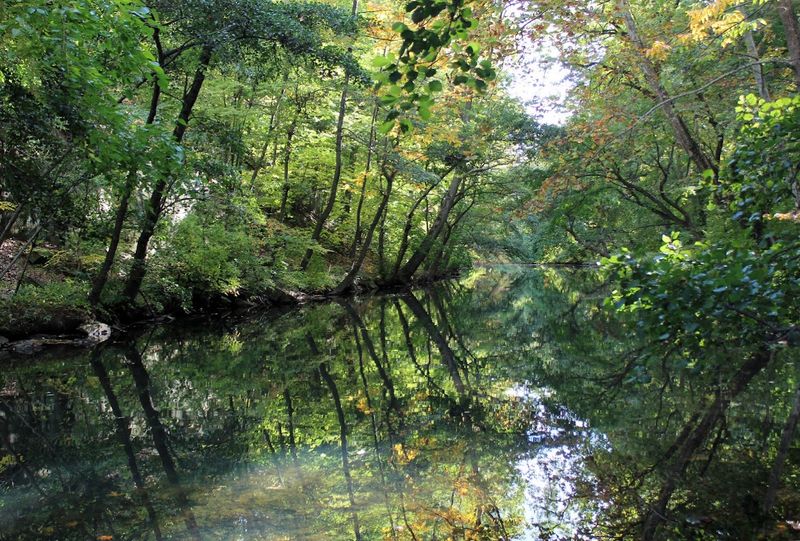
For a place surrounded by urban infrastructure on all sides, the Thain Family Forest supports a surprisingly active community of wildlife. Bird species are plentiful, and the forest is considered one of the better urban birding spots in New York City, particularly during migration seasons when species pass through the tree canopy.
Chipmunks are a constant presence on the forest floor, darting between roots and fallen logs. Fungi appear on decaying trunks throughout the woodland, playing a crucial role in breaking down organic matter and cycling nutrients back into the soil.
These are not decorative details. They are signs of a functioning, healthy ecosystem.
The variety of terrain inside the forest, from rocky ridges to the river floodplain, creates multiple habitat types that support different species. For anyone who enjoys wildlife observation in a low-pressure, walk-at-your-own-pace setting, the forest offers consistent rewards without requiring any specialized gear or permits.
Glacial History Written in the Rocks
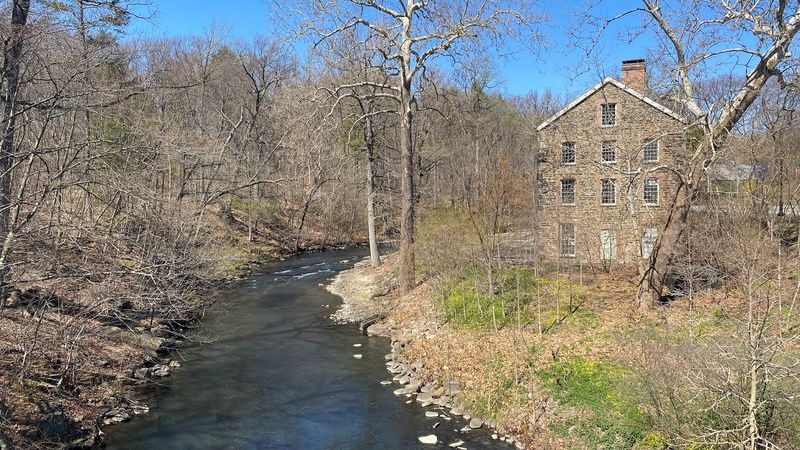
The rocky ridges and boulders scattered throughout the Thain Family Forest are not random. They are the result of glacial activity that shaped the entire northeastern landscape thousands of years ago.
As glaciers moved across the region and eventually retreated, they left behind a textured terrain of ridges, depressions, and large erratic boulders.
Those geological features are still clearly visible throughout the forest, and they explain why the terrain shifts so noticeably from one section of the trail to another. The Bronx River floodplain sits at a lower elevation, while rocky ridges rise above it, creating a landscape that feels genuinely varied despite the relatively compact 50-acre footprint.
Trails that trace glacial marks give the walk an educational dimension that goes well beyond a typical park stroll. The forest essentially functions as an open-air geology classroom, one where the evidence of an ice age is still sitting right on the surface, unburied and unchanged for thousands of years.
Accessibility Inside the Ancient Woodland
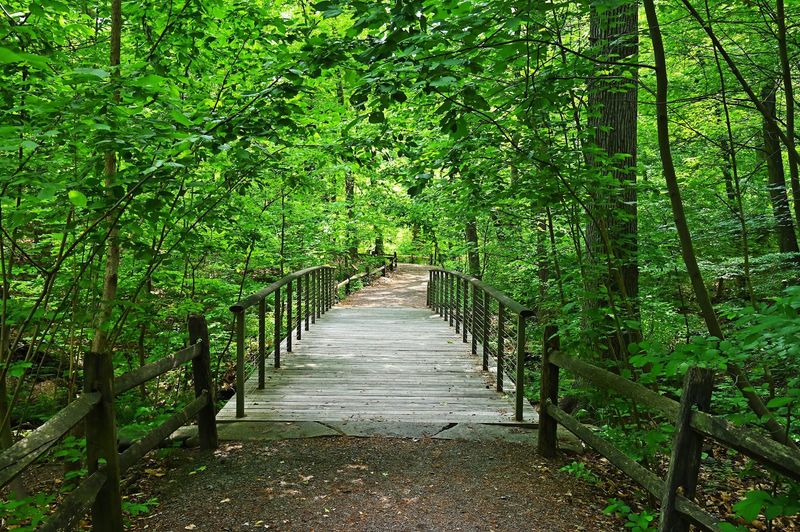
Old-growth forests can feel like places that require a certain level of physical fitness to enjoy, but the Thain Family Forest has worked to make its trails usable for a wider range of people. Several paths within the forest are wheelchair accessible, which is a genuine achievement given the naturally uneven terrain of a centuries-old woodland.
The accessible routes allow people who use wheelchairs, strollers, or mobility aids to move through significant portions of the forest without being restricted to a single paved path at the edge. That level of inclusion matters in a place that serves the entire New York City community.
Trail signage throughout the forest is clear and informative, with descriptive placards explaining the ecological and historical significance of different areas. Whether someone is visiting for the first time or returning after years away, the forest is set up to be navigated comfortably and independently without needing a guided tour to get the most out of it.
How to Plan Your Visit
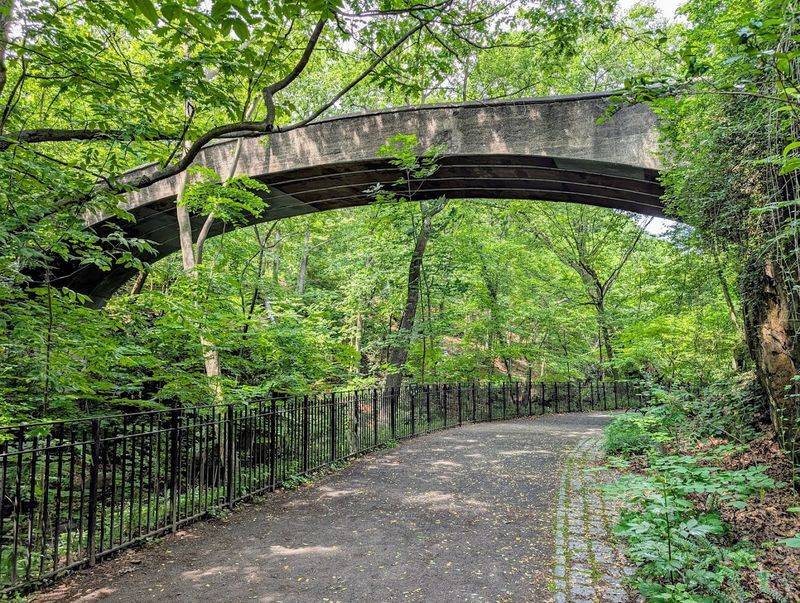
Planning a trip to the Thain Family Forest requires a little preparation, since the forest is accessed through the New York Botanical Garden and general admission applies. The garden offers free admission to New York City residents on certain days, which makes it an accessible option for locals who want to explore without paying the standard entry fee.
The forest is open daily from 11 AM to 4 PM, so arriving close to opening time is a good strategy for a quieter experience. Allowing at least two hours for the forest alone is a reasonable estimate, especially for anyone who wants to take the trails at a relaxed pace and read the informational placards along the way.
Comfortable walking shoes are a practical necessity given the mix of paved and natural trail surfaces. The forest connects to other areas of the botanical garden, so combining a forest walk with a visit to the rose garden or the glasshouse makes for a full and worthwhile day.
A Forest That Fits Every Age Group
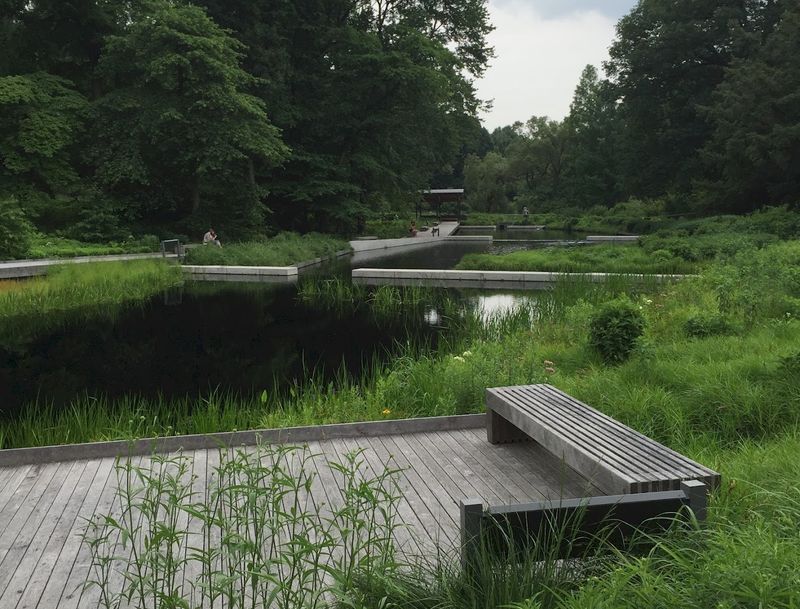
The Thain Family Forest is the kind of place that works for almost any group dynamic. Families with young children find the trail network manageable and engaging, with enough natural curiosity built into the landscape to keep kids interested without requiring structured programming.
Older adults who have been visiting the New York Botanical Garden for decades often speak of the forest as one of the most consistent and rewarding parts of the grounds. Some longtime members have been coming since the 1960s and still find new details to appreciate each time they return.
For solo visitors looking for a quieter experience, the forest delivers a kind of calm that is genuinely rare inside New York City limits. The trails are not crowded, the pace is self-directed, and the forest does not require any particular level of outdoors experience to enjoy.
That combination of accessibility and depth is what keeps people returning season after season.
What Makes This Forest Ecologically Significant
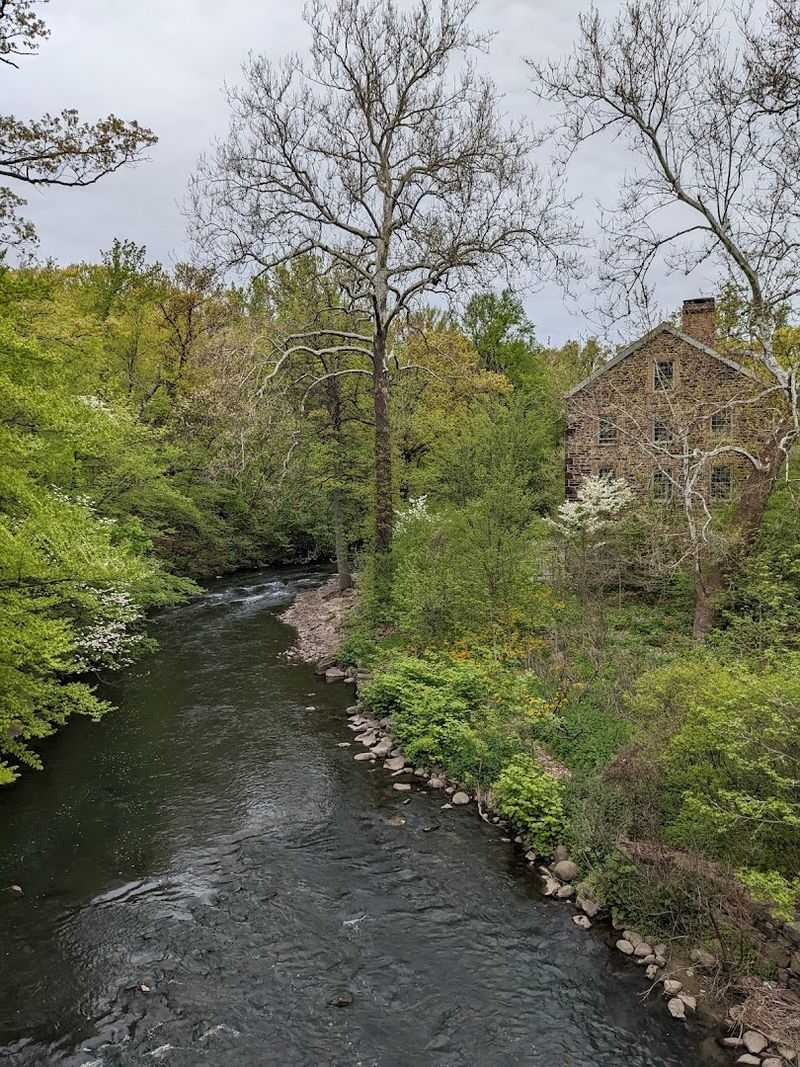
The ecological value of the Thain Family Forest goes well beyond its size. Old-growth forests develop characteristics over centuries that cannot be replicated by planting new trees, no matter how many.
The complex layering of canopy, understory, and forest floor creates habitat diversity that supports species which simply cannot survive in younger, managed woodlands.
The Bronx River floodplain within the forest adds another ecological dimension, providing a corridor for aquatic and semi-aquatic species and supporting plant communities that depend on seasonal flooding patterns. Rocky ridges, meanwhile, create yet another microhabitat with different soil conditions and sun exposure levels.
For researchers, educators, and conservation professionals, the forest serves as a reference point for understanding what New York City’s original landscape looked like ecologically. That baseline is increasingly valuable as urban green spaces face pressure from development and climate change.
The Thain Family Forest is not just a park. It is a functioning ecological archive that New York City cannot afford to lose.
The Forest Through the Seasons
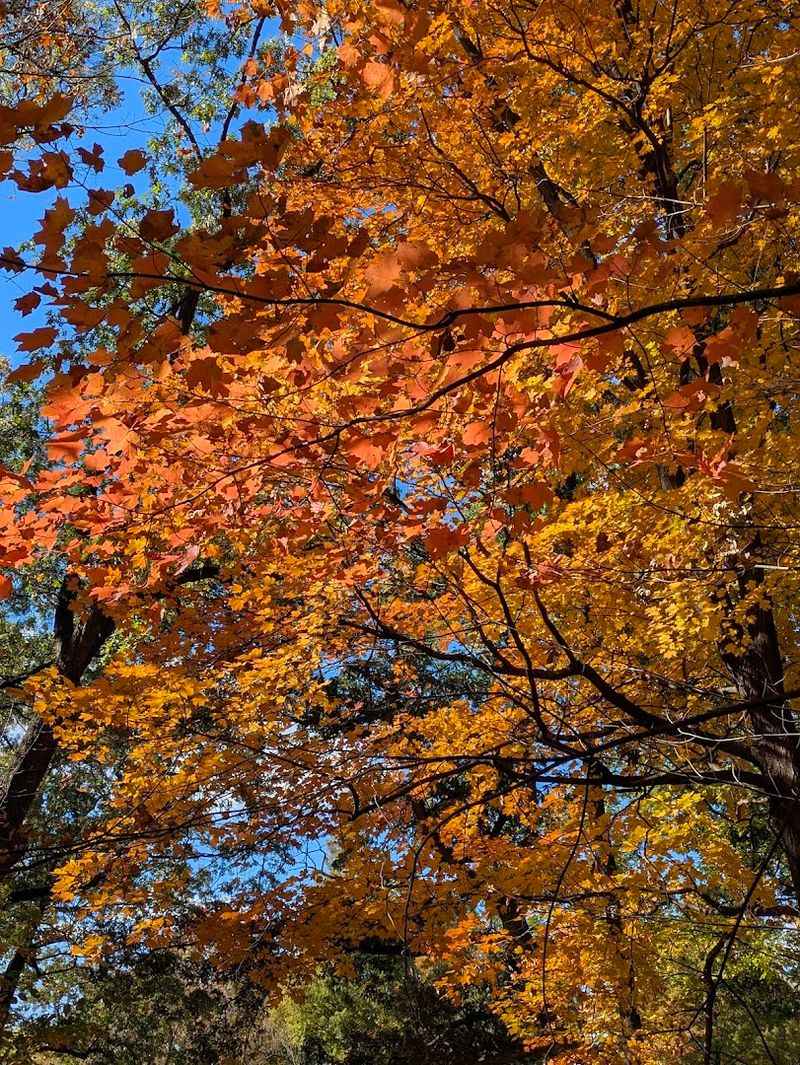
The Thain Family Forest changes noticeably from one season to the next, and each version of the woodland offers something different worth seeing. Spring brings a flush of understory growth as the forest floor responds to increasing light before the canopy closes in overhead.
Wildflowers and ferns push through the leaf litter in patches throughout the woodland.
Summer shifts the forest into a denser, greener state, with the full canopy providing real shade and the Bronx River maintaining a steady flow through the floodplain. The temperature inside the forest tends to run a few degrees cooler than the surrounding urban environment on hot days.
Autumn is arguably the most visually striking season, when the oaks, tulip trees, and sweetgums shift into yellows, oranges, and deep reds across the full 50 acres. Winter strips the canopy back and reveals the structure of the forest in a completely different way, making the rocky ridges and massive trunks more visible than at any other time of year.
Why This Forest Still Matters in a City of Millions
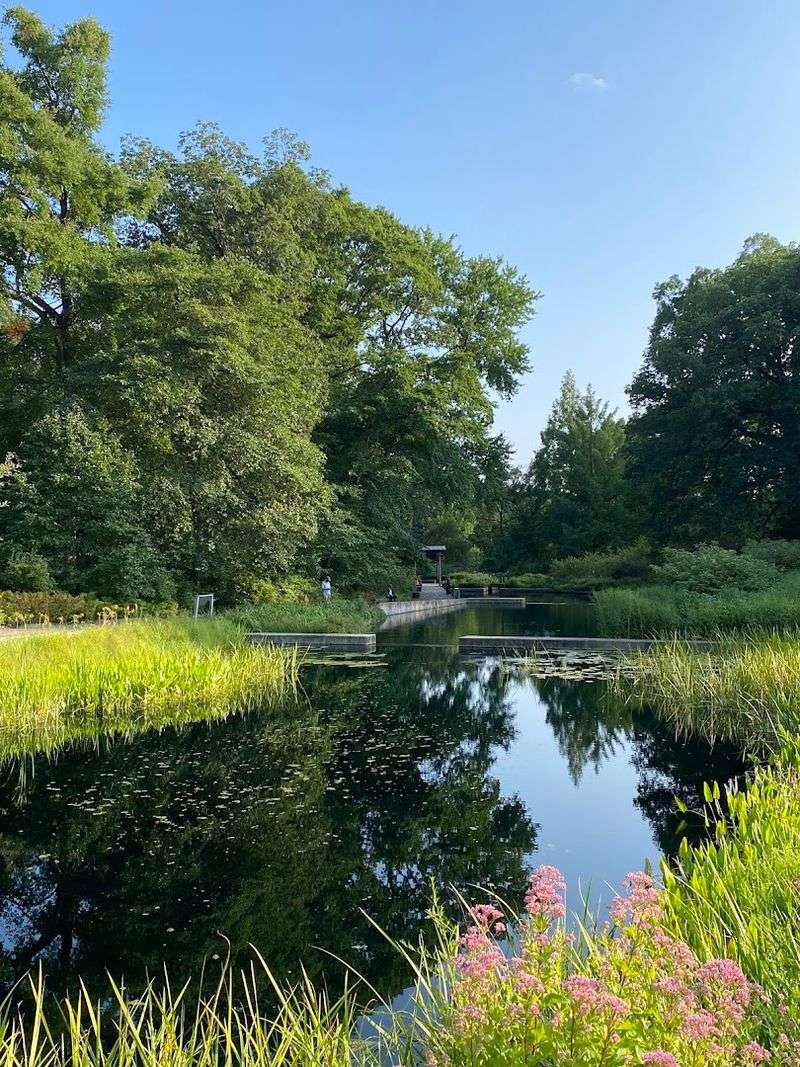
A 50-acre forest inside a city of more than eight million people is not just a pleasant amenity. It is a functioning piece of ecological infrastructure that provides real benefits to the surrounding community.
Trees of this age and size absorb significant amounts of carbon, manage stormwater, and moderate local temperatures in ways that younger plantings cannot match.
Beyond the environmental math, the forest provides something harder to quantify but equally important. It offers a place where the pace of the city does not apply, where the timeline stretches back thousands of years, and where the landscape has not been redesigned to suit human convenience.
That kind of continuity is rare in any major metropolitan area.
The Thain Family Forest stands as proof that preservation is possible even in the most densely developed urban environments. Every year it continues to grow, it adds another ring to trees that have already outlasted empires, and that quiet persistence is the most compelling argument for keeping it exactly as it is.
Where the Forest Stands: Address and Location
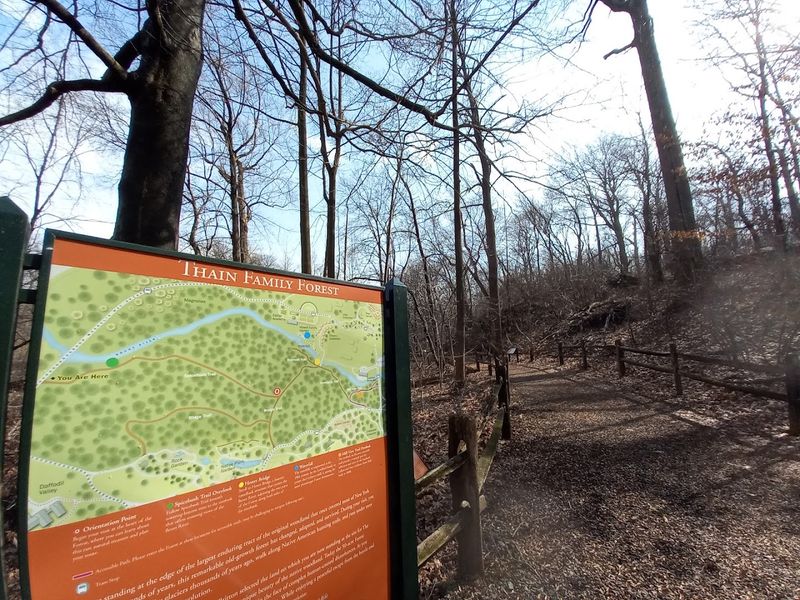
Right in the middle of one of New York City’s most urban boroughs, a forest has been quietly holding its ground for centuries. The Thain Family Forest is located within the New York Botanical Garden at Bronx Park Road, Bronx, NY 10458, in the Bronx, New York.
The forest sits inside the larger NYBG campus, which is accessible by subway, bus, or car. The forest itself is open daily from 11 AM to 4 PM, making it a manageable half-day trip for anyone coming from across the city or beyond.
Getting there is straightforward. The B, D, or Metro-North Harlem line stops near the main garden entrance, and parking is available on site.
Once inside the garden grounds, the forest is reachable through several internal paths. The location may be urban, but the moment the tree canopy closes overhead, the city feels very far away.
Share this story