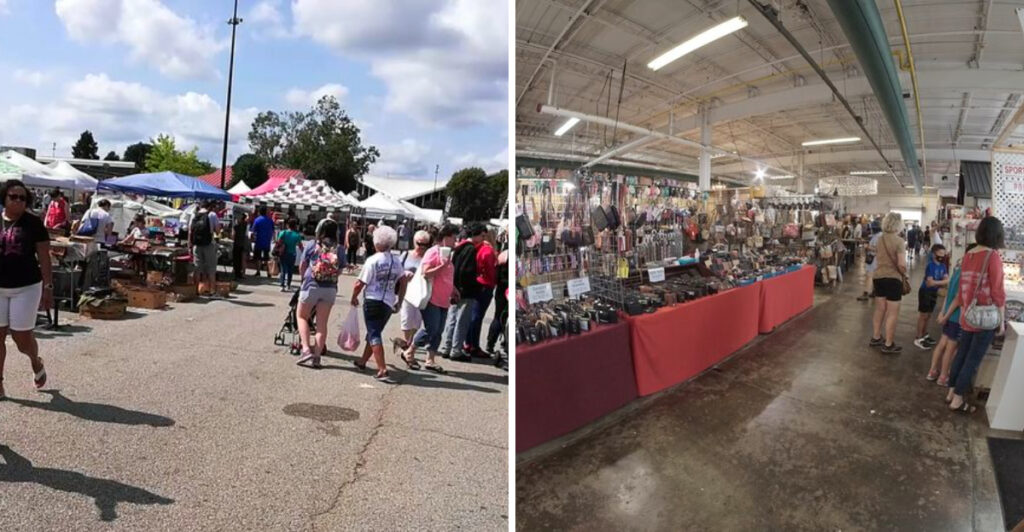
There is a place in North Carolina where 75 acres of open space turns into a full-on treasure hunt every weekend. Hundreds of vendors spread out across both indoor and outdoor areas, selling everything from fresh produce to vintage clothing, cast iron cookware, comic books, handmade crafts, and even live plants.
The sheer variety is hard to wrap your head around until you actually walk through it. Whether you are a seasoned bargain hunter or just looking for a fun Saturday outing, this flea market has been drawing crowds since 1971, and it shows no signs of slowing down.
A Market With Deep Roots: The History of the Raleigh Market
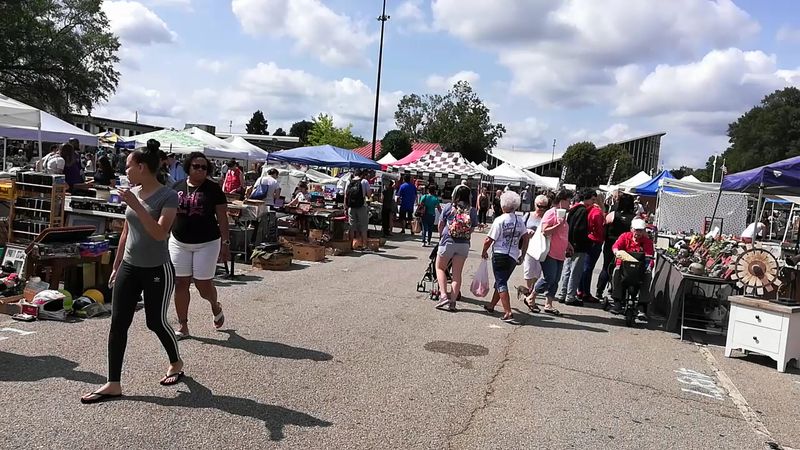
Few weekend destinations in North Carolina carry as much history as this one. The Raleigh Market, located at 4285 Trinity Rd, Raleigh, NC 27607, has been a fixture in the local community since 1971, making it one of the longest-running flea markets in the entire state.
That kind of longevity does not happen by accident. Over the decades, the market has grown from a modest trading ground into a sprawling 75-acre destination that draws visitors from across the region every single weekend.
It has survived changing trends, economic ups and downs, and even a building renovation, all while keeping its loyal base of shoppers and vendors.
The market operates on Saturdays and Sundays from 9 AM to 5 PM, and it remains closed Monday through Friday. Its staying power comes from a simple but effective formula: a welcoming atmosphere, a massive variety of goods, and a community spirit that feels genuinely rooted in North Carolina culture.
Calling ahead is easy at +1 919-839-4560, or you can check out theraleighmarket.com for vendor updates and event news before your visit.
The Scale of It All: 75 Acres and 500-Plus Vendors
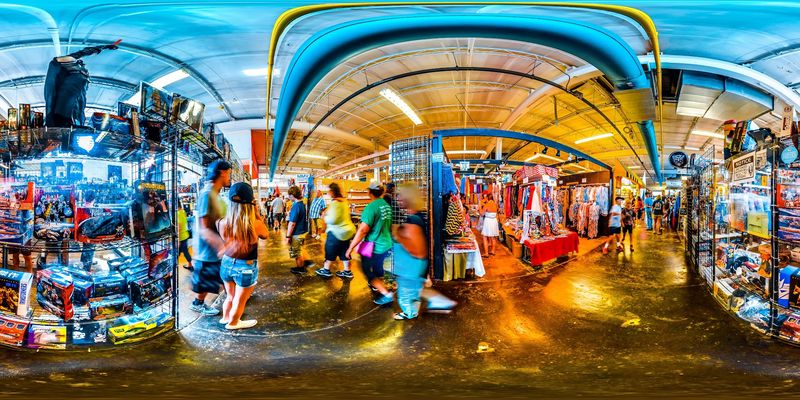
Seventy-five acres is a lot of ground to cover, and the Raleigh Market fills nearly every inch of it. With more than 500 vendors setting up shop each weekend, the market is not something you can fully explore in a single hour.
Most visitors find themselves spending an entire morning, if not the whole day, weaving through the rows of stalls.
The layout includes both a large indoor section and a vast outdoor area, giving the market a layered feel. Rain or shine, there is always something to browse.
The indoor building provides shelter and a more curated shopping experience, while the outdoor vendors bring an open-air energy that feels like a cross between a street fair and a giant yard sale.
First-timers are often surprised by just how much ground there is to cover. Comfortable shoes are a must, and bringing a tote bag or a small cart to carry your finds is a smart move.
The market rewards those who take their time, because the best finds tend to show up in the spots you almost walked past without noticing.
What You Will Actually Find: The Wild Variety of Goods
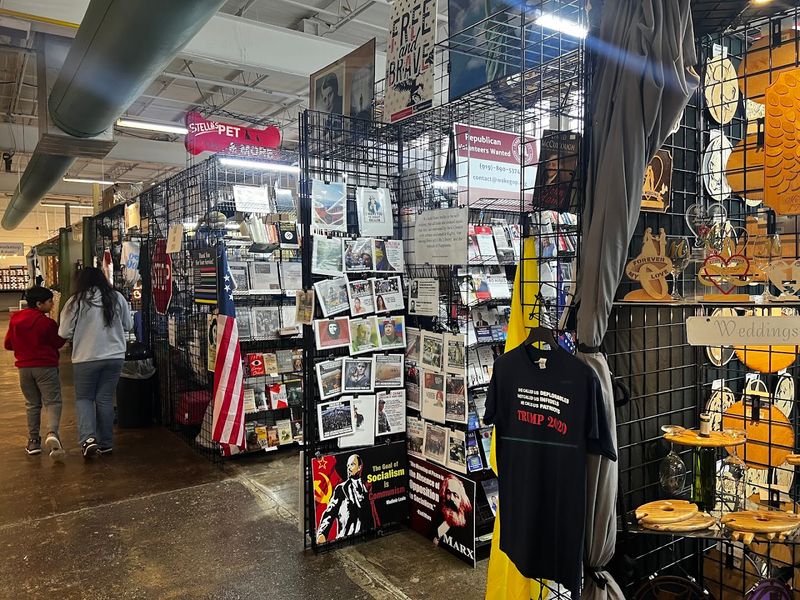
The product range at this market is genuinely staggering. On any given weekend, you might pass a booth stacked with 1980s starter jackets, then turn a corner and find a vendor specializing in Pyrex dishware, cast iron skillets, or sterling silver jewelry.
Comic books, vintage records, handmade ceramics, and framed prints all share space here without it feeling chaotic.
Fresh produce vendors are also a big part of the mix, and some shoppers come specifically for the fruits and vegetables, which are often priced well below grocery store rates. Theme socks, gardening supplies, outdoor furniture, dog treats, hand-dipped incense, and even fruit trees have all been spotted at various booths.
One of the most beloved vendors is a older gentleman who sells cast iron items and has become something of a local legend among regulars. The variety keeps every visit feeling fresh, because the vendor lineup shifts slightly from week to week.
You genuinely never know what you will stumble across, and that sense of discovery is a big part of what keeps people coming back.
Indoor vs. Outdoor: Two Very Different Shopping Experiences
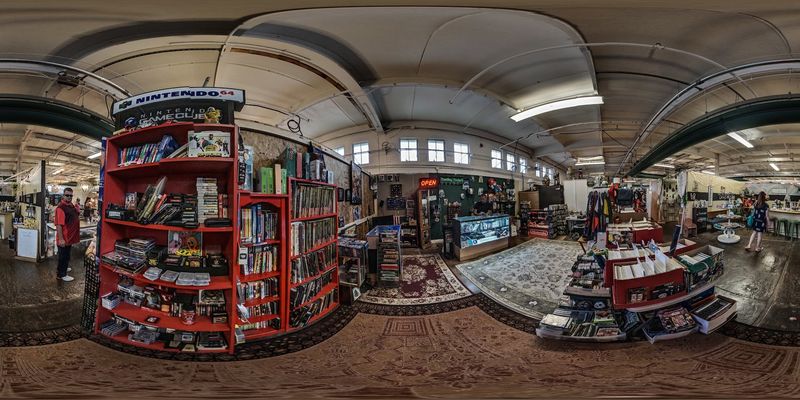
One of the things that sets this market apart from smaller weekend fairs is the fact that it offers two distinct shopping environments under one roof, so to speak. The indoor section feels more like a permanent market hall, with organized stalls and a covered ceiling that keeps shoppers comfortable regardless of the weather outside.
Vendors inside tend to lean toward specialty items, antiques, jewelry, and collectibles. There is a certain calm to browsing indoors, where the lighting is steadier and the pace feels a little more relaxed.
Some regulars prefer to start inside and then work their way out to the outdoor section as the day warms up.
Outside, the energy is completely different. Rows of tents and open booths stretch across the grounds, and the crowd tends to be larger and louder.
The outdoor section is where you are more likely to find the big furniture pieces, produce stalls, and the kind of eclectic junk-turned-treasure that flea market enthusiasts live for. Together, the two areas create a shopping experience that covers a lot of ground, both literally and figuratively.
Food at the Market: Trucks, Restaurants, and Kettle Corn
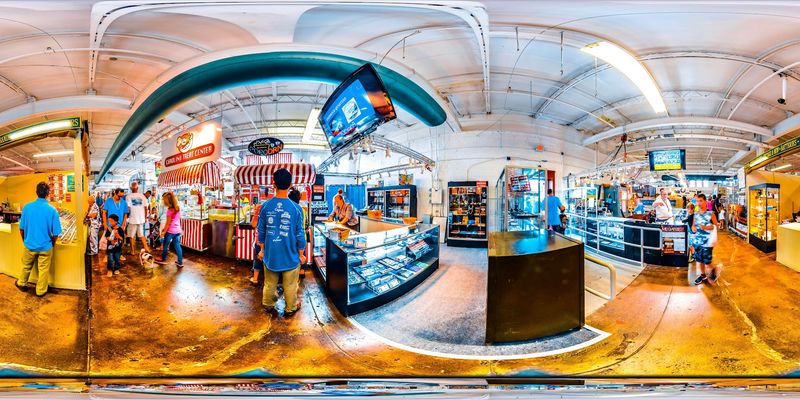
No long day of bargain hunting is complete without good food, and the Raleigh Market takes that seriously. The food truck lineup is one of the highlights for many visitors, offering a rotating selection of options that go well beyond the usual fair food.
A taco truck has become a regular fixture near the vendor spaces, and it draws a steady line throughout the day.
There is also a fish restaurant on the grounds that serves hot meals, making it a solid option for visitors who want to sit down and eat rather than grab something on the go. The kettle corn stand has developed a near-legendary status among regulars, with the sweet and salty smell drifting across the grounds and pulling people in from several booths away.
For those who want to snack while they shop, several vendors sell fresh fruit, baked goods, and other ready-to-eat items. The food options add a social layer to the whole experience, giving visitors a reason to slow down, sit for a bit, and soak in the atmosphere before heading back out to hunt for more deals.
The Community Vibe: Friendly Vendors and a Welcoming Crowd
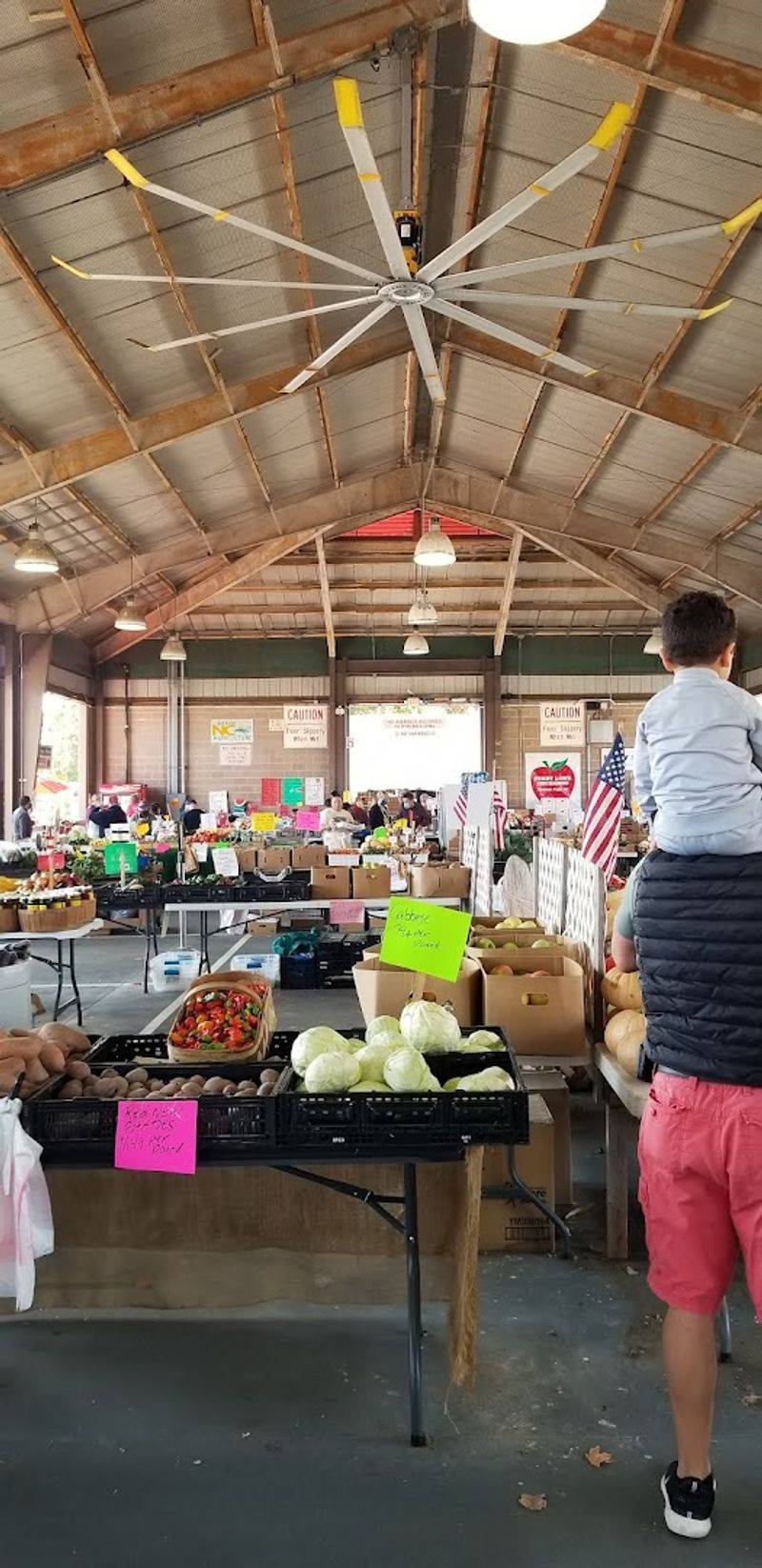
Markets live and fall on the people who fill them, and this one has built a genuinely warm community over its 50-plus years of operation. The vendors here are known for being approachable and happy to chat, especially those who sell handmade goods and have a personal story behind every item on the table.
First-time sellers have described the experience as surprisingly easy and welcoming. Spots are assigned efficiently, staff answer questions without attitude, and the general mood among both vendors and shoppers tends to be upbeat.
That kind of environment encourages repeat visits, and many regulars have been coming every weekend for years.
The crowd itself reflects a wide cross-section of Raleigh and the surrounding area. Families with young kids, older collectors hunting for specific pieces, and curious newcomers all mix comfortably in the same space.
Dogs are welcome both inside and outside the market, which adds to the relaxed, neighborly feel. There is a real sense that this market is not just a place to buy things, but a place where people genuinely enjoy spending time together on a weekend morning.
Tips for First-Time Visitors: How to Make the Most of Your Trip
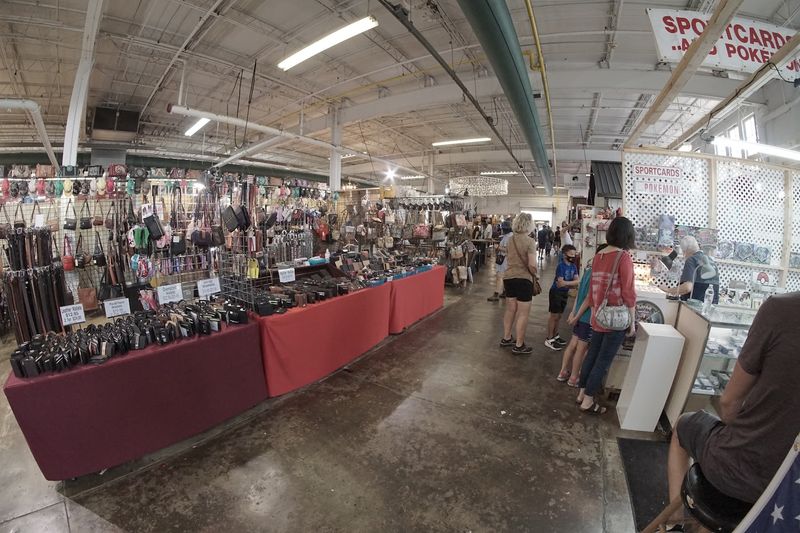
A market this size rewards preparation. Bringing cash is one of the smartest moves you can make, since many vendors either do not accept cards or require a minimum purchase amount before they will run a card transaction.
Having small bills on hand also makes it easier to negotiate, which is very much part of the culture here.
Arriving early gives you access to the best selection before the crowds thicken. The market opens at 9 AM on both Saturdays and Sundays, and the first hour or two tends to be the sweet spot for finding the most interesting items before other shoppers get to them.
Parking is free, which is a genuinely nice bonus for a destination of this size.
Wear comfortable walking shoes, because the grounds are extensive and you will cover a lot of distance over the course of a visit. A reusable tote bag or a small wheeled cart is useful for hauling purchases.
If you are planning to sell rather than shop, check the website at theraleighmarket.com ahead of time to confirm your spot and avoid any confusion at the gate. A little planning goes a long way here.
Seasonal Considerations: When to Go and What to Expect
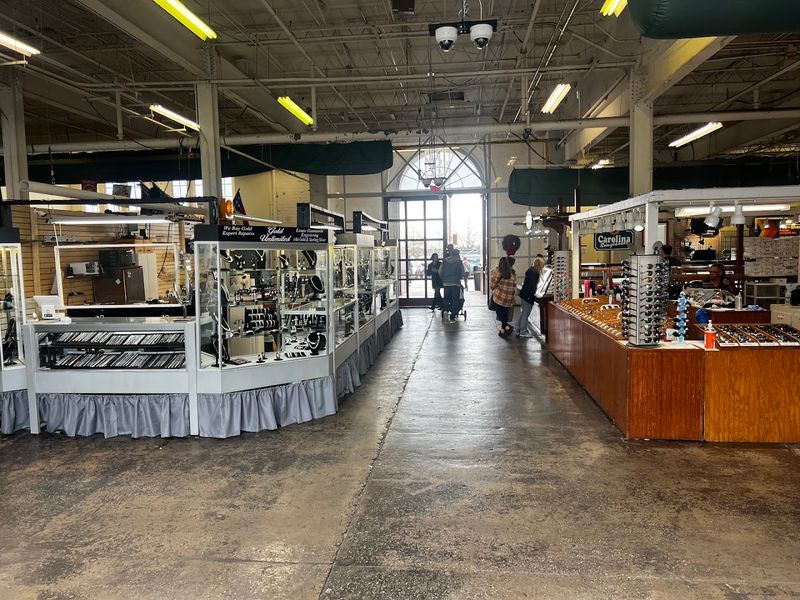
The market runs year-round, but the experience changes noticeably depending on the season. Spring and fall are widely considered the best times to visit, when the weather cooperates and the outdoor vendors are out in full force.
The warmer months bring larger crowds, more variety, and a livelier atmosphere across the grounds.
Winter visits are a different story. Cold and windy days can thin out the vendor count significantly, especially among those who set up outdoors.
That said, the vendors who do show up on cold days tend to be the most committed, and some shoppers actually prefer the quieter pace and the easier access to bargains without competition from big crowds.
Summer visits are popular but come with heat as a factor, so bringing water and planning to take breaks in the shaded or indoor areas is a good idea. The market has also gone through a building renovation recently, with the indoor section temporarily affected but expected to reopen fully.
Checking the website before visiting during off-peak months ensures you know what to expect and do not make a long drive for a limited selection.
Entertainment and Extras: Live Music and More
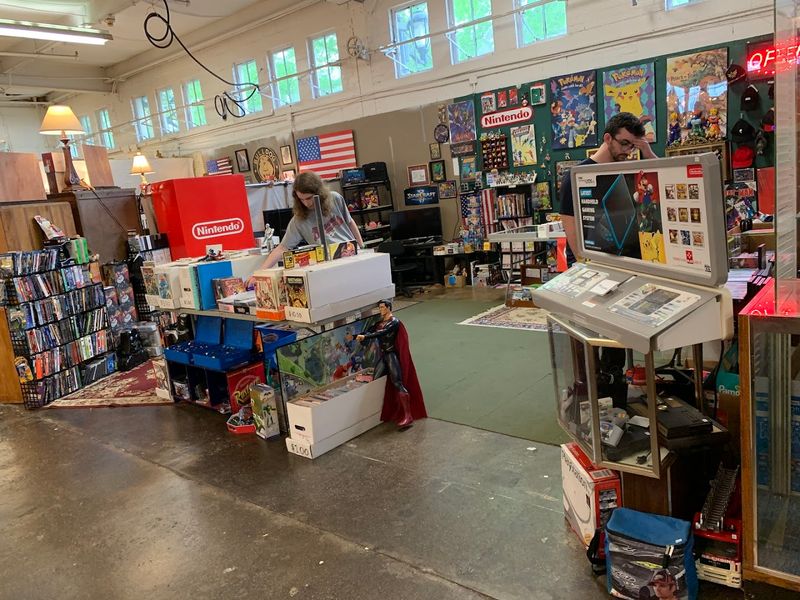
Beyond the shopping, the Raleigh Market has a reputation for offering a little extra entertainment to round out the experience. Live music has been a part of the market’s appeal for years, with performers setting up and adding a soundtrack to the browsing.
The music tends to be casual and community-oriented rather than a formal concert setup, which fits the overall vibe perfectly.
The energy on a busy weekend morning, with music in the background, food smells drifting through the air, and hundreds of people moving between stalls, gives the place a festive quality that goes beyond a typical shopping trip. It feels more like a community event that happens to also involve a lot of great deals.
The free entry and free parking make it easy to treat a visit as a low-commitment outing, which is part of why so many people end up staying far longer than they originally planned. There is no pressure to buy anything, and plenty of people come simply to walk around, listen to music, grab some kettle corn, and enjoy the atmosphere.
That kind of relaxed accessibility is rare and worth appreciating.
Why People Keep Coming Back: The Raleigh Market’s Lasting Appeal
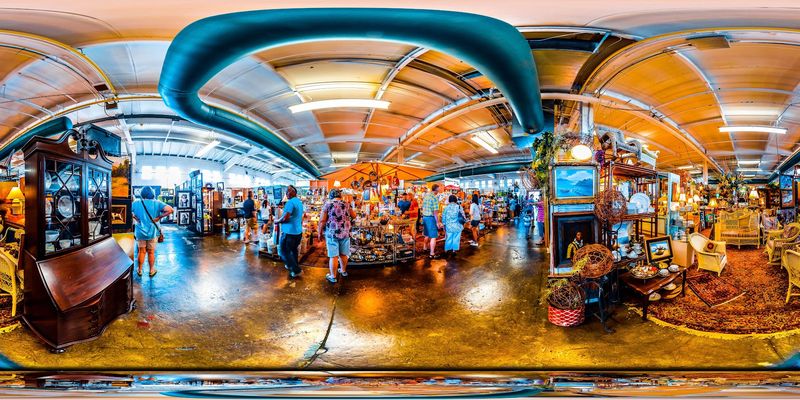
After more than five decades in operation, the Raleigh Market has earned its place as one of the most beloved weekend destinations in the Triangle area. The combination of free admission, free parking, a massive vendor selection, good food, and a genuinely friendly atmosphere creates something that is hard to replicate.
The market holds a 4.5-star rating across thousands of reviews, and the consistent praise centers on the same things: variety, value, and community. Shoppers have walked away with everything from candy at a fraction of retail price to rare collectibles they had been searching for years.
Sellers have found it to be one of the more organized and welcoming markets in the region for setting up a booth.
The Raleigh Market is not trying to be a polished shopping mall or a curated boutique experience. It is a real, lived-in, community-driven marketplace that reflects the character of North Carolina in an honest and unpretentious way.
That authenticity is exactly what draws people back weekend after weekend, year after year, and it is what makes this 75-acre market something genuinely worth the trip.
Share this story