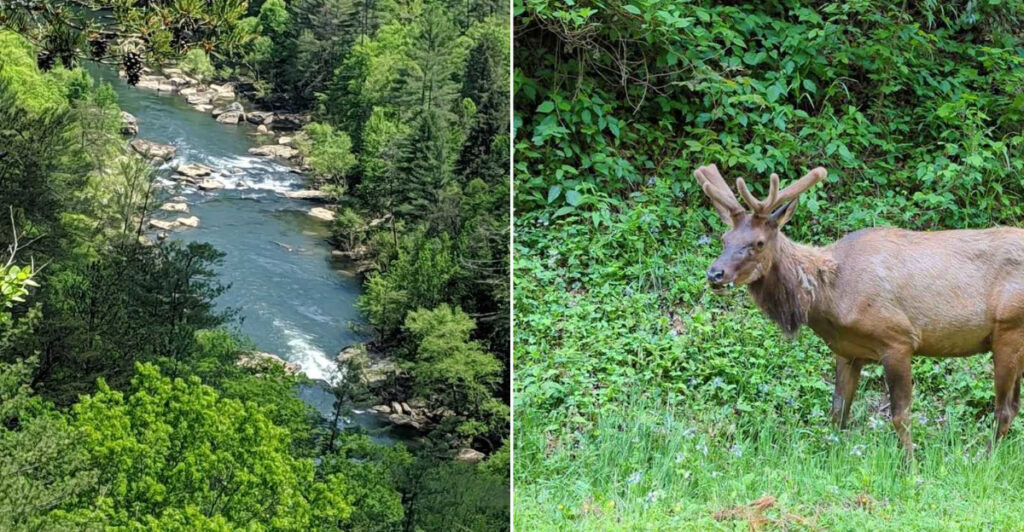
There is a stretch of wild land on the Cumberland Plateau in Tennessee where cell service fades out and the outside world quietly disappears. At 82,000 acres, this place is one of the largest publicly accessible wild areas in the entire state.
It holds creeks, gorges, ridgelines, and miles of unpaved roads that most people have never heard of. Hunters have been coming here for generations, hikers keep discovering new corners of it every season, and off-road riders treat it like their own personal backyard.
The sheer size of the place means there is almost always something new to find, no matter how many times you have been before. This article breaks down everything worth knowing before you make the trip.
The Sheer Scale That Sets It Apart
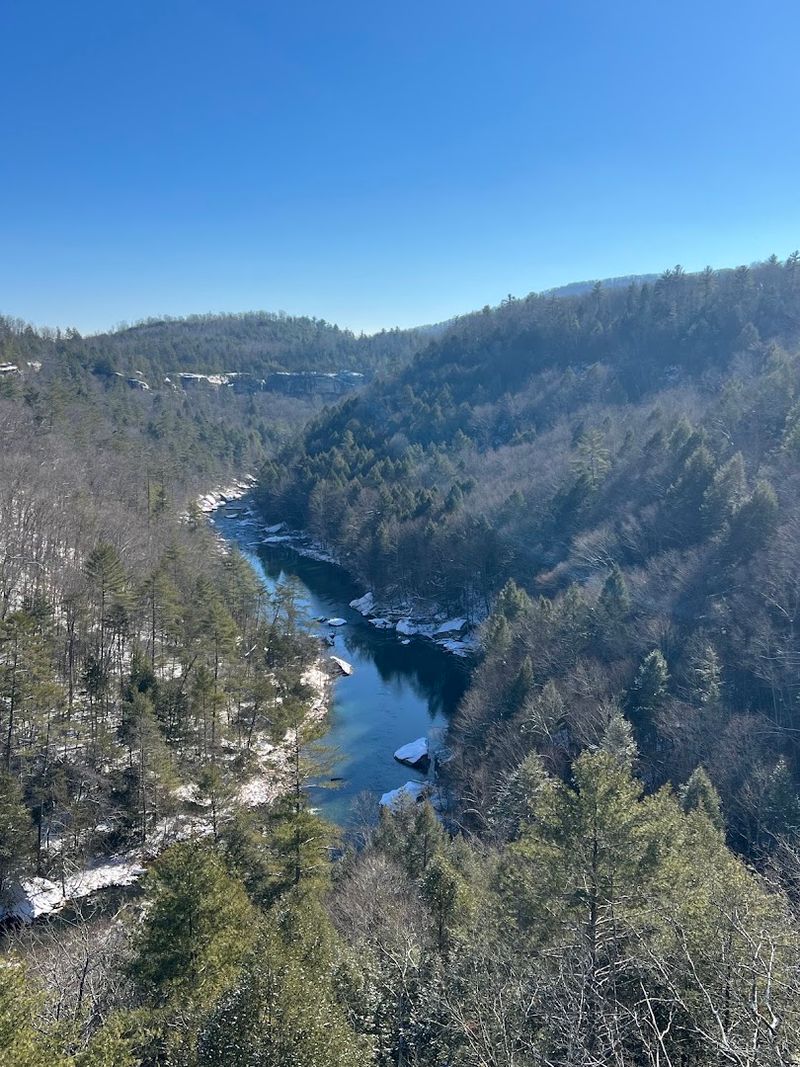
Eighty-two thousand acres is a number that is hard to fully grasp until you are standing in the middle of it. That is larger than many cities, and the property contains enough trails, roads, creek drainages, and ridgelines to keep an explorer busy across multiple seasons without repeating the same route twice.
The Cumberland Plateau terrain adds to that feeling of endlessness. Elevation changes across the property mean the landscape shifts from flat ridgetops to steep gorge walls within a surprisingly short distance, giving different parts of Catoosa a completely different character.
Families have been returning here for fifty years or more, building up their own mental maps of the place over decades. That kind of loyalty says something real about what the land offers.
The WMA does not need flashy amenities to keep people coming back because the acreage itself is the main attraction, and it delivers every single time.
A History Rooted in Conservation
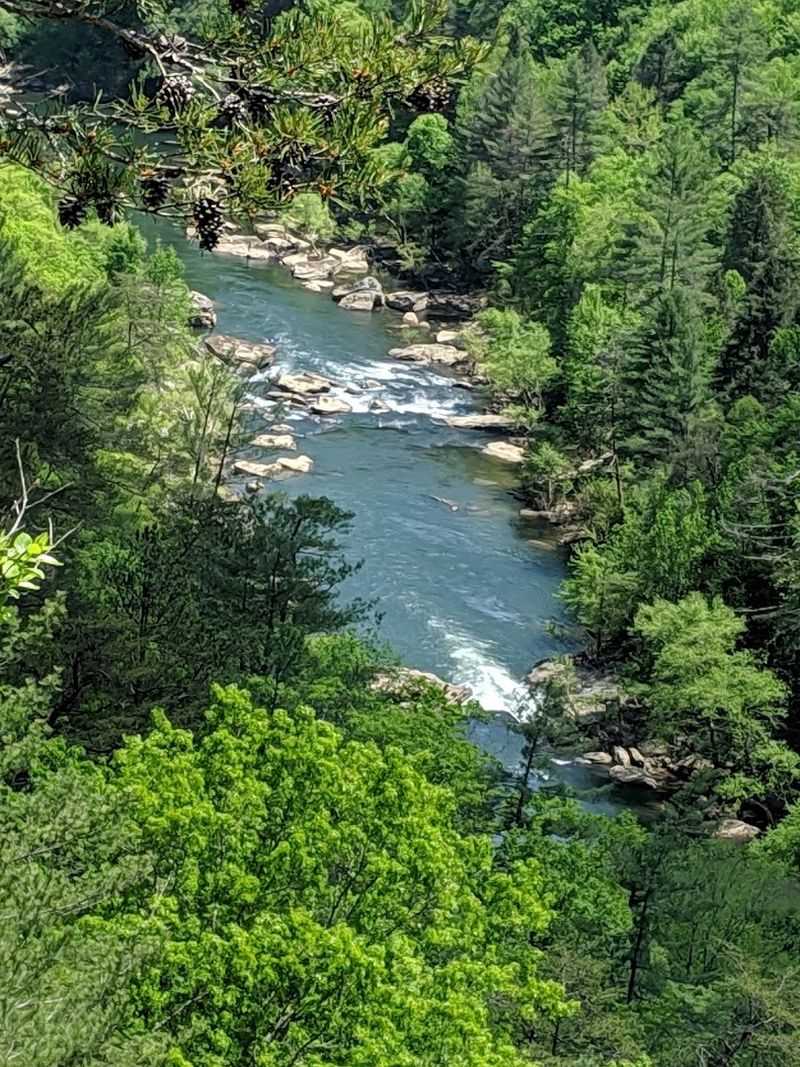
The land that makes up Catoosa WMA was not always open to the public in the way it is today. Much of the acreage was acquired over time by the state of Tennessee specifically to protect natural habitat and provide managed recreational access for hunting, fishing, and outdoor activities.
The Tennessee Wildlife Resources Agency oversees the property under a conservation model that balances wildlife population management with public access. That means regulated hunting seasons, stocked waterways, and land management practices designed to keep habitat healthy for native species.
One of the more interesting details about the area is its connection to the broader Cumberland Trail corridor. The trail system in the region has been expanding steadily, and Catoosa sits within a landscape that links multiple protected areas across the plateau.
That larger conservation picture makes the WMA more than just a hunting ground. It is part of a connected wild system that stretches across a significant portion of eastern Tennessee.
What Hunters Have Known for Generations
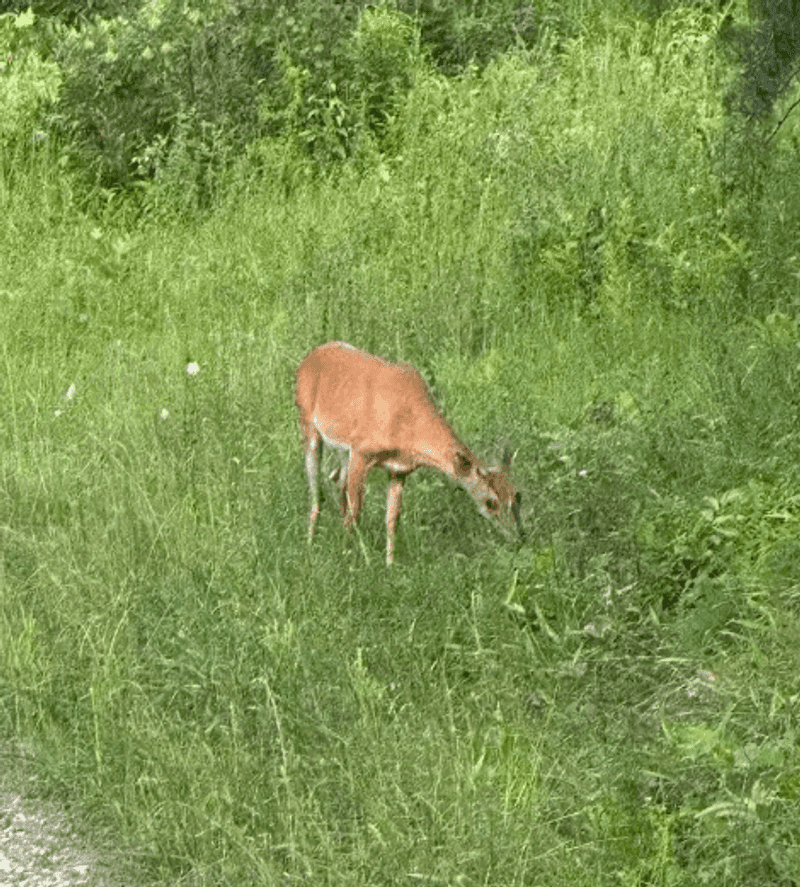
Catoosa has a reputation among hunters as a place that rewards patience, preparation, and solid woodsmanship. The deer population includes some notably large bucks, and the trophy potential is real for those willing to put in the scouting work ahead of the season.
The terrain is thick in places, with heavy undergrowth that requires physical conditioning and careful navigation. That challenge is actually part of what draws serious hunters back year after year.
The WMA is not the kind of place where success comes easily, which makes a good harvest feel genuinely earned.
Beyond deer, the property supports turkey, small game, and other species covered under Tennessee hunting regulations. ATVs are permitted under specific rules outlined in the Tennessee Wildlife regulation booklet, so checking that document before arrival is a smart move.
Scouting in advance is strongly recommended, especially for first-timers who want to find productive areas before the season opens.
Hiking Without the Crowds
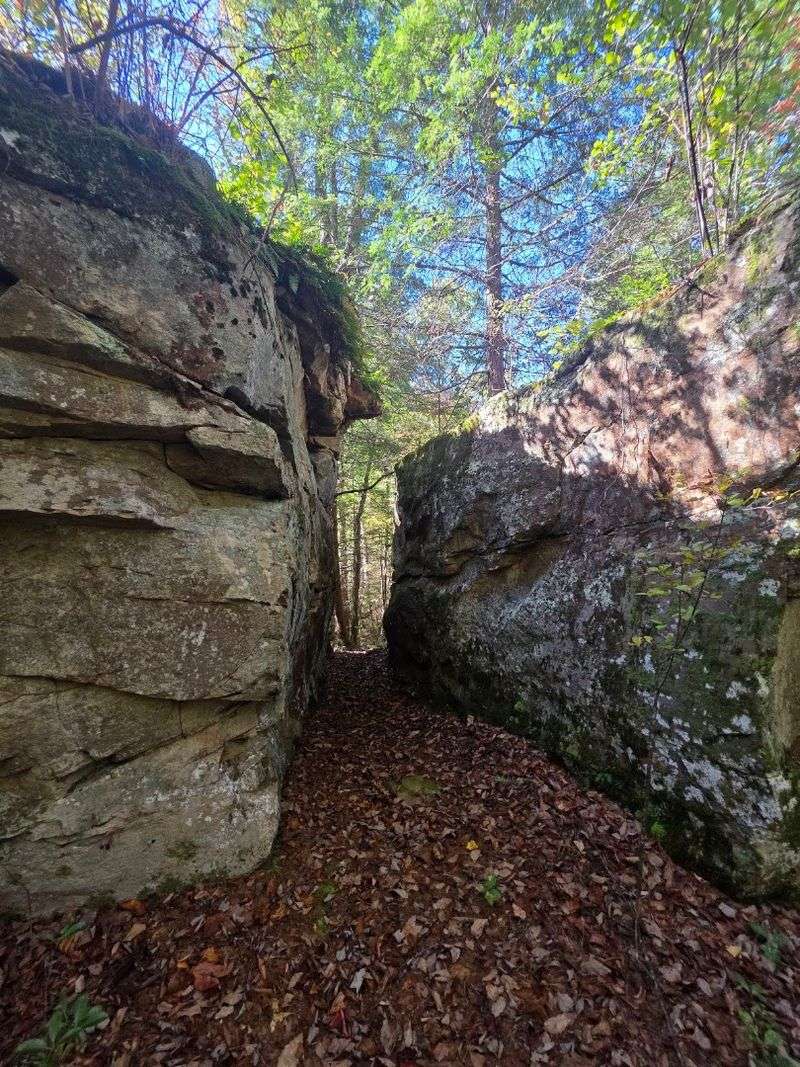
One of the most consistent things said about Catoosa is that the trails are uncrowded. On a weekend when popular state parks are packed with people, this WMA often feels like a private wilderness.
The lack of developed infrastructure keeps casual day-trippers away, which leaves the trails to those who actually came to be out in the woods.
The hiking options range from easy gravel road walks to more demanding routes through the gorge terrain. The Cumberland Trail passes through the broader region, and the section near Catoosa connects to some genuinely rewarding overlooks and natural features worth the effort to reach.
Cell service is minimal to nonexistent across most of the property, so arriving with a downloaded map or a paper topo is not optional. That lack of connectivity is actually one of the draws for people who want a full digital disconnect.
The woods here have a way of filling the silence that screens usually occupy.
Lilly Bluff and the Views Worth Chasing
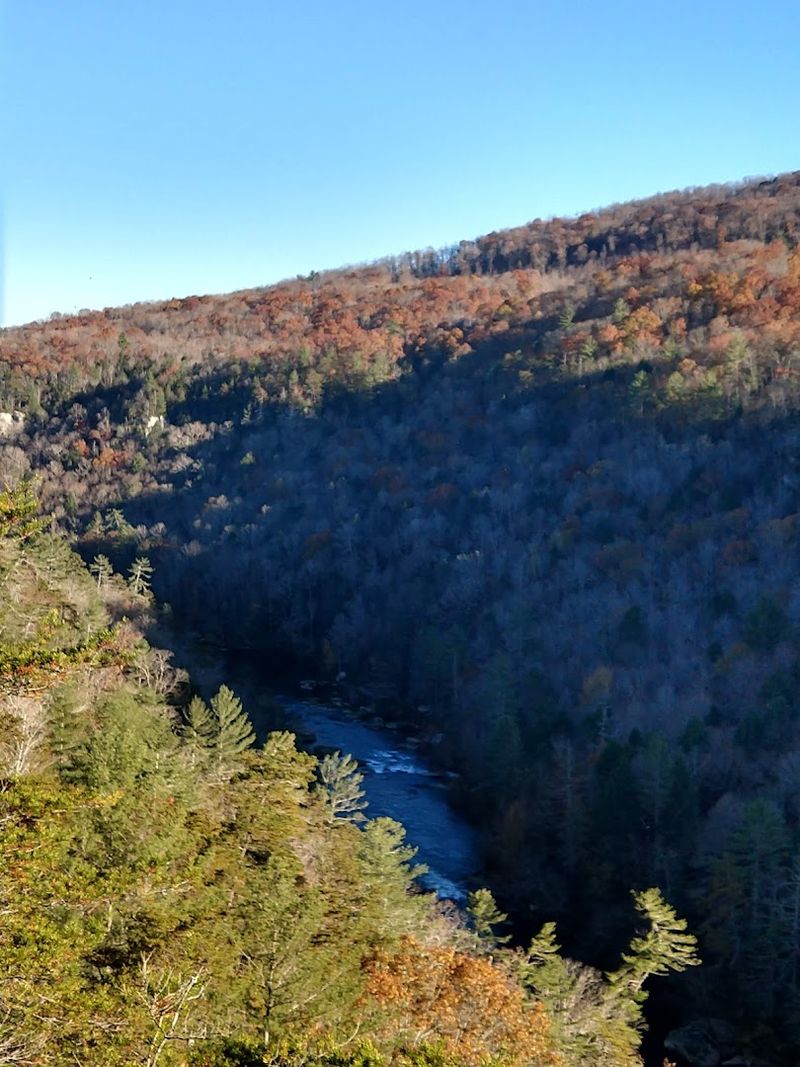
Lilly Bluff stands out as one of the most talked-about destinations within the Catoosa area. The overlook sits above a dramatic gorge and delivers a view of the plateau landscape that is hard to find anywhere else in the region without a long drive to a developed park.
Getting to Lilly Bluff requires some navigation and a willingness to explore, since the roads and trails leading there are not always clearly marked. That is part of the adventure.
People who make the effort tend to find the payoff well worth the extra planning it takes to get there.
The gorge terrain around the bluff also puts you near creek drainages and rock formations that make the surrounding hike interesting on its own terms, separate from the overlook itself. Those who take time to explore the area around the bluff rather than just hitting the viewpoint and turning back tend to walk away with a much richer experience of what the land holds.
The Waterways Running Through It
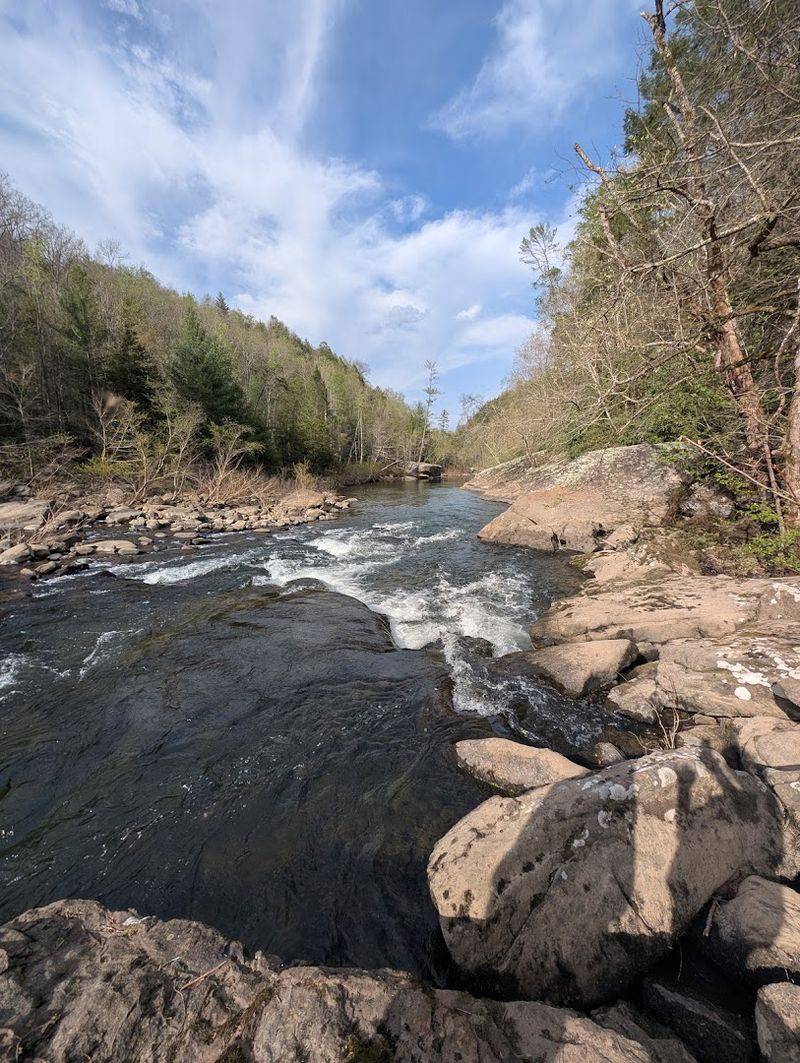
Water is one of the defining features of the Catoosa landscape. The property contains multiple creeks and river sections, and the Obed Wild and Scenic River corridor sits in close proximity to the WMA, making the broader area a destination for whitewater enthusiasts alongside hikers and hunters.
Fishing within the WMA draws anglers looking for a less pressured experience than they would find at stocked public lakes. The creek systems hold native fish populations, and the remote nature of many access points means the water does not see heavy angling pressure on most days.
Whitewater rafting and kayaking are also part of the recreational picture in the region. The river sections near Catoosa range in difficulty, offering options for both experienced paddlers and those newer to moving water.
Planning a trip that combines a morning on the water with an afternoon hike through the WMA is entirely doable and makes for a full day outdoors.
Off-Road Riding and the Gravel Road Network
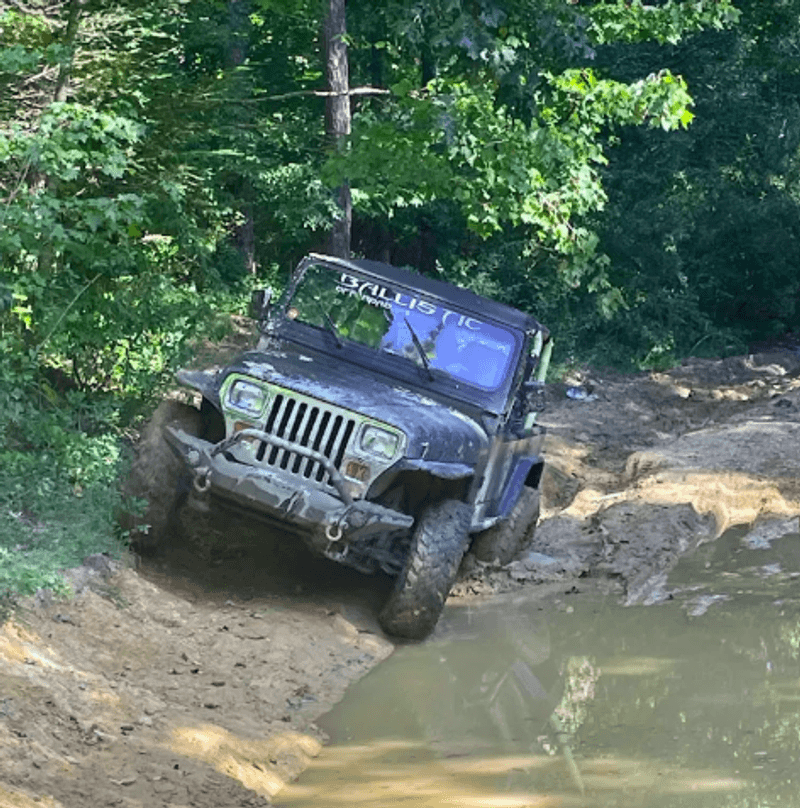
The network of gravel roads and two-track lanes across Catoosa makes it a natural fit for off-road riding. ATVs are permitted under Tennessee Wildlife regulations, and the mix of easy gravel roads and more challenging dirt tracks gives riders a range of terrain to work through depending on their comfort level and equipment.
Electric bike riders have also discovered that the property works well for gravel riding, with enough mileage across the road network to build a long loop without repeating the same stretch twice. The low traffic levels on most of the internal roads mean riders can move at their own pace without worrying about vehicle conflicts.
For Jeep and four-wheel-drive enthusiasts, the muddier sections and rougher two-tracks offer the kind of low-speed technical driving that keeps things interesting without requiring extreme modifications to a vehicle. The proximity of Nemo train tunnels to the area also means an off-road day can easily expand into a broader regional adventure.
Camping Deep in the Property
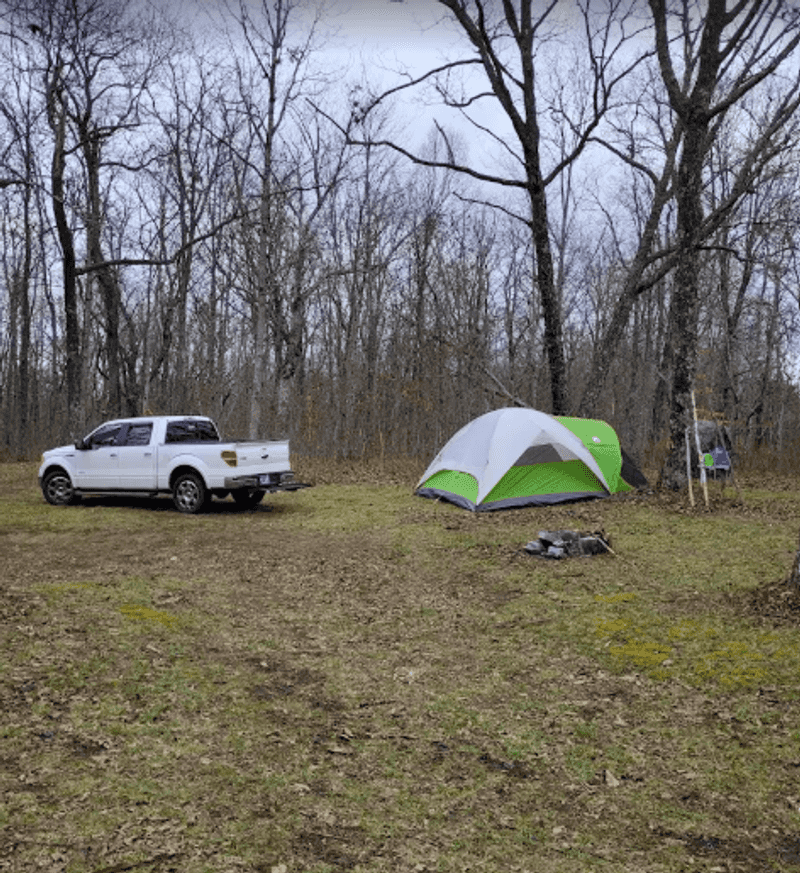
Camping at Catoosa is a primitive experience, and that is exactly what makes it appealing to the right kind of camper. There are no hookups, no bathhouses, and no camp store.
What the property does offer is space, multiple designated camping areas, and the kind of quiet that developed campgrounds simply cannot replicate.
Roads throughout the WMA are generally in good condition, and two-wheel-drive vehicles can reach most camping areas without difficulty. RV campers and those bringing trailers have been using the property for decades, with families returning year after year to the same spots they have used for generations.
Preparation is the key word for anyone planning an overnight stay. Bringing enough water, food, and supplies for the full trip is non-negotiable since there are no facilities of any kind on the property.
The reward for that self-sufficiency is a campsite surrounded by 82,000 acres of wild land with no outside human sounds except the occasional passing plane overhead.
Wildlife That Calls This Place Home
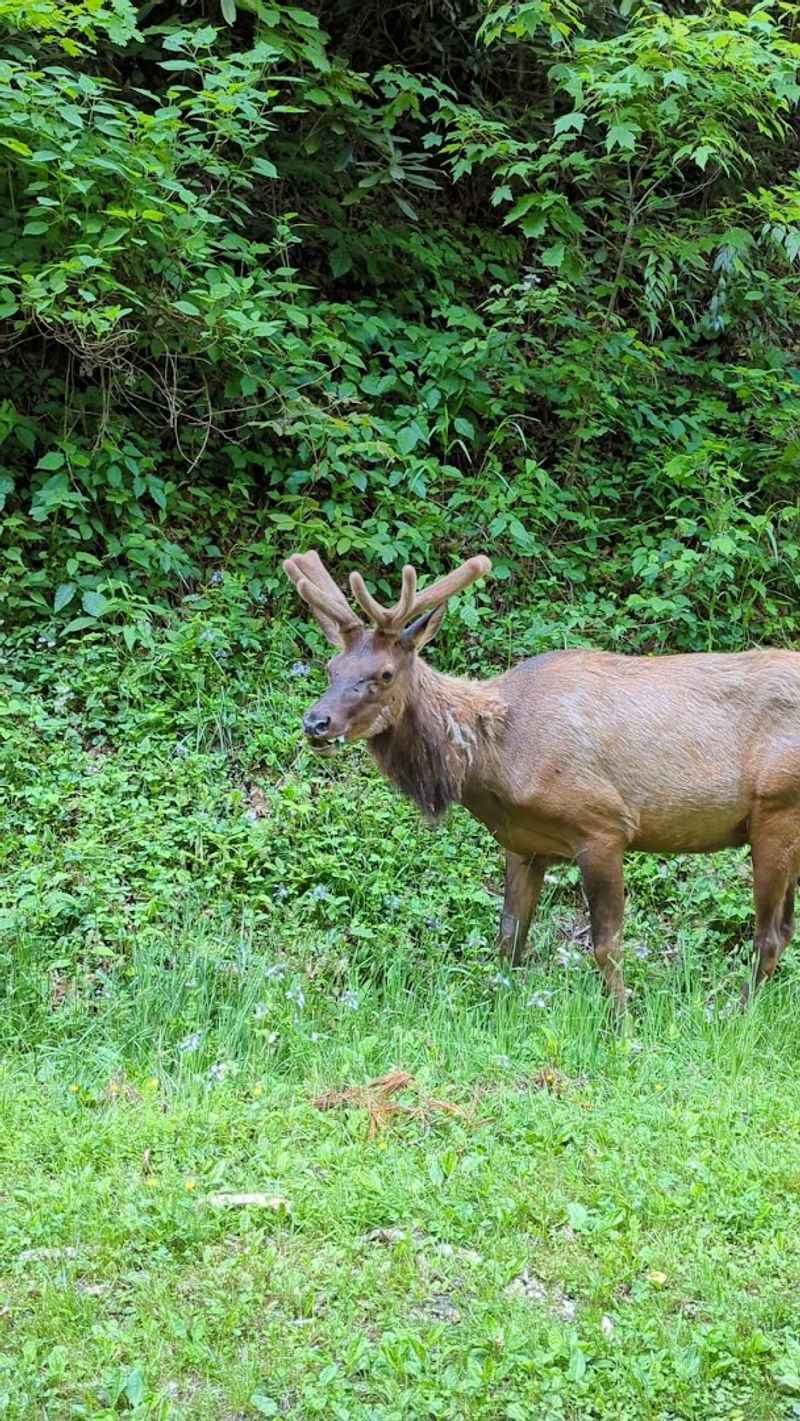
The wildlife diversity at Catoosa reflects the health of the habitat the property contains. White-tailed deer are the most sought-after species among hunters, and the WMA has a reputation for producing large bucks that attract serious trophy hunters from across the region.
Turkey populations are also present, along with small game species and a variety of native birds that use the mixed hardwood forest for nesting and foraging. The creek systems support native fish, and the broader plateau ecosystem connects Catoosa to wildlife corridors that allow animals to move across a much larger landscape than the WMA boundaries alone.
Creek swimming is a possibility during warmer months, though awareness of the local wildlife, including snakes common to Tennessee creek environments, is part of responsible outdoor recreation here. The WMA is genuinely wild, and that wildness extends to the full community of animals that live within it, not just the game species that bring hunters through the gate.
The Nemo Train Tunnels Next Door
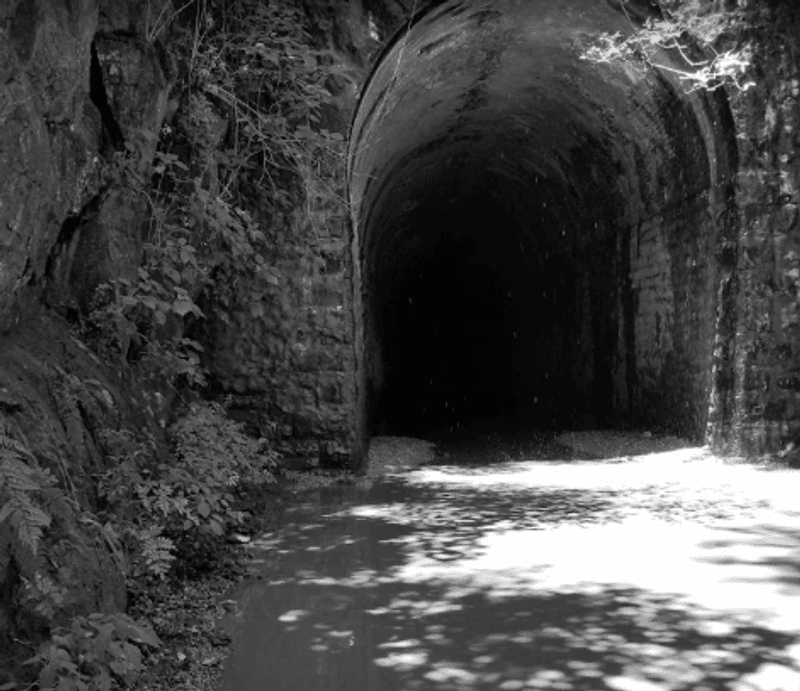
Just outside the WMA boundary, the Nemo train tunnels add a compelling side trip for anyone spending a day in the Catoosa area. The tunnels are a remnant of railroad history on the Cumberland Plateau, and their setting within the gorge terrain makes them worth the short detour from the main property.
Combining a visit to the tunnels with a day of hiking or off-roading inside Catoosa is a straightforward plan that gives a trip to the area more variety. The tunnels have attracted curious explorers for years, and their proximity to the WMA means you can cover both in a single day without much backtracking.
That kind of pairing is part of what makes the broader Crab Orchard area so rewarding for outdoor-focused travelers. There is enough packed into a relatively small geographic footprint to justify a multi-day stay, and the tunnels are just one example of the historical and natural features that sit right alongside the main WMA land.
Fall Color Season on the Plateau
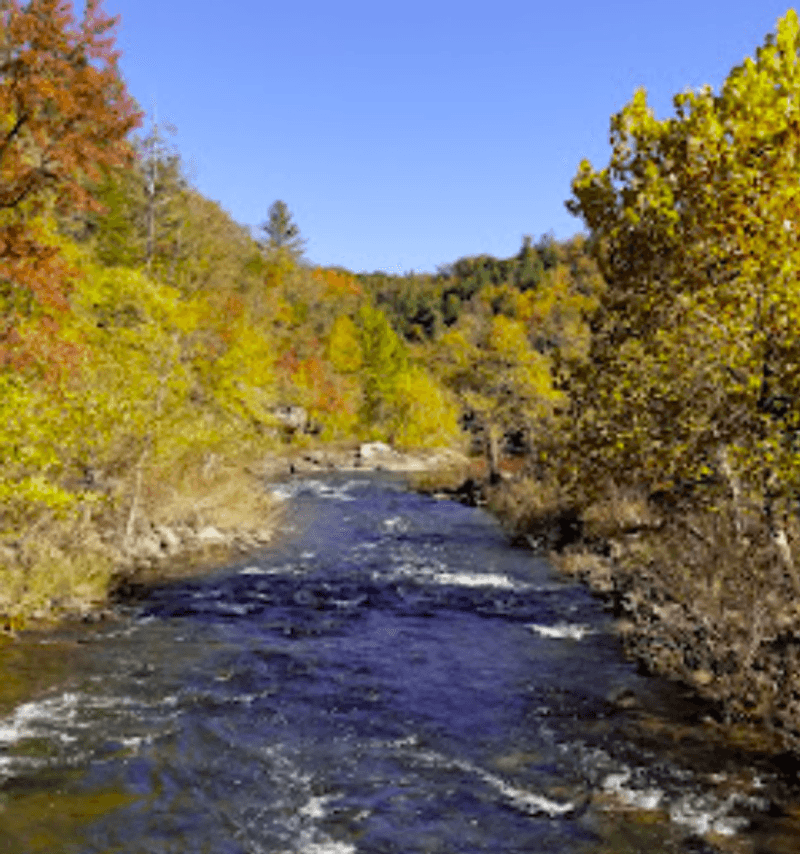
The Cumberland Plateau puts on a genuine fall color display, and Catoosa sits right in the middle of some of the best foliage terrain in eastern Tennessee. The mix of hardwood species across the property means the color transition happens in layers, with different tree types peaking at slightly different times through October and into early November.
Because the WMA does not draw the same tourist attention as developed parks and scenic byways, the fall experience here tends to be a quieter one. The gravel roads that wind through the property become natural color corridors during peak season, and the overlooks like Lilly Bluff frame the foliage against the gorge landscape in a way that is hard to beat.
Planning a fall visit around hunting season overlap requires some awareness of what seasons are open, since the WMA is actively used by hunters during that period. Wearing bright colors and staying on main roads is standard practice for non-hunters visiting during any open season.
What to Know Before You Go
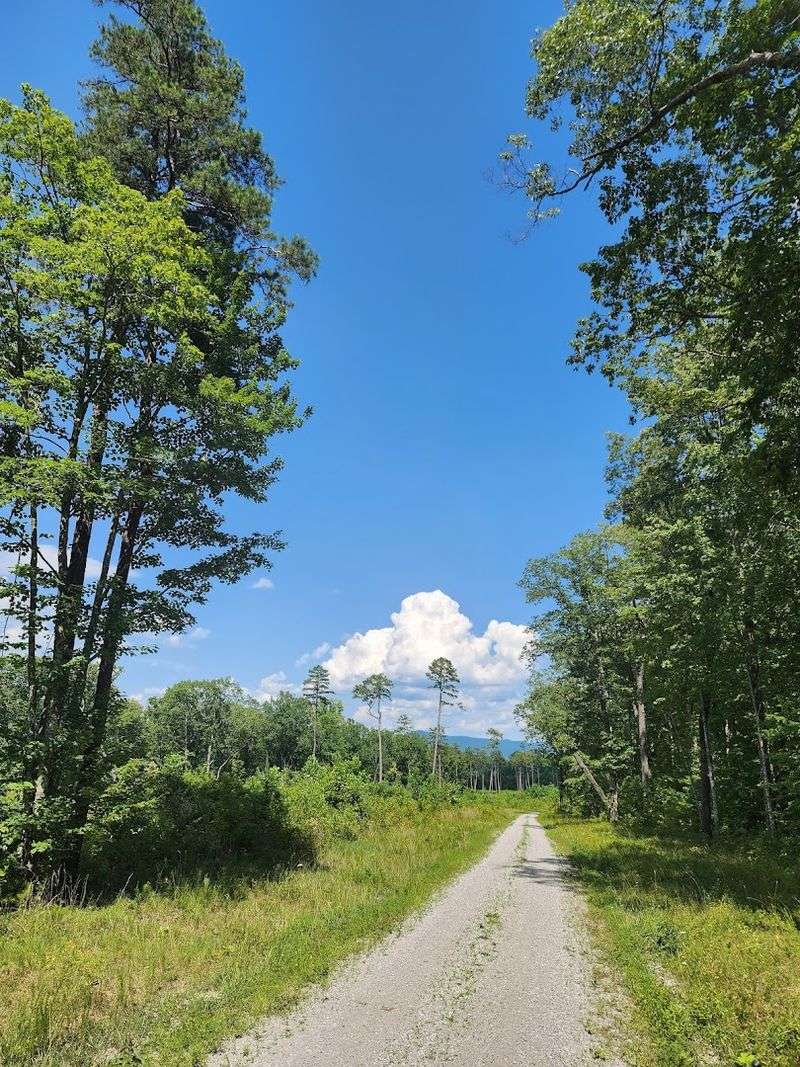
Arriving at Catoosa without preparation is the most common mistake first-time visitors make. The property has minimal signage on many of its internal roads, and cell service is either very limited or completely absent across most of the acreage.
A downloaded offline map or a printed topo is genuinely necessary, not just a nice-to-have item.
The Tennessee Wildlife Resources Agency publishes regulations for the WMA that cover hunting seasons, ATV use, camping rules, and access restrictions. Reading that document before the trip prevents confusion and ensures you are using the land in a way that keeps it accessible for everyone.
Water and supplies need to come with you since there are no facilities, no stores, and no services inside the property. The main roads are generally accessible to standard two-wheel-drive vehicles, but some of the more remote two-tracks benefit from higher clearance.
Letting someone know your planned route before heading in is always a smart move for a property this large.
Why People Keep Coming Back
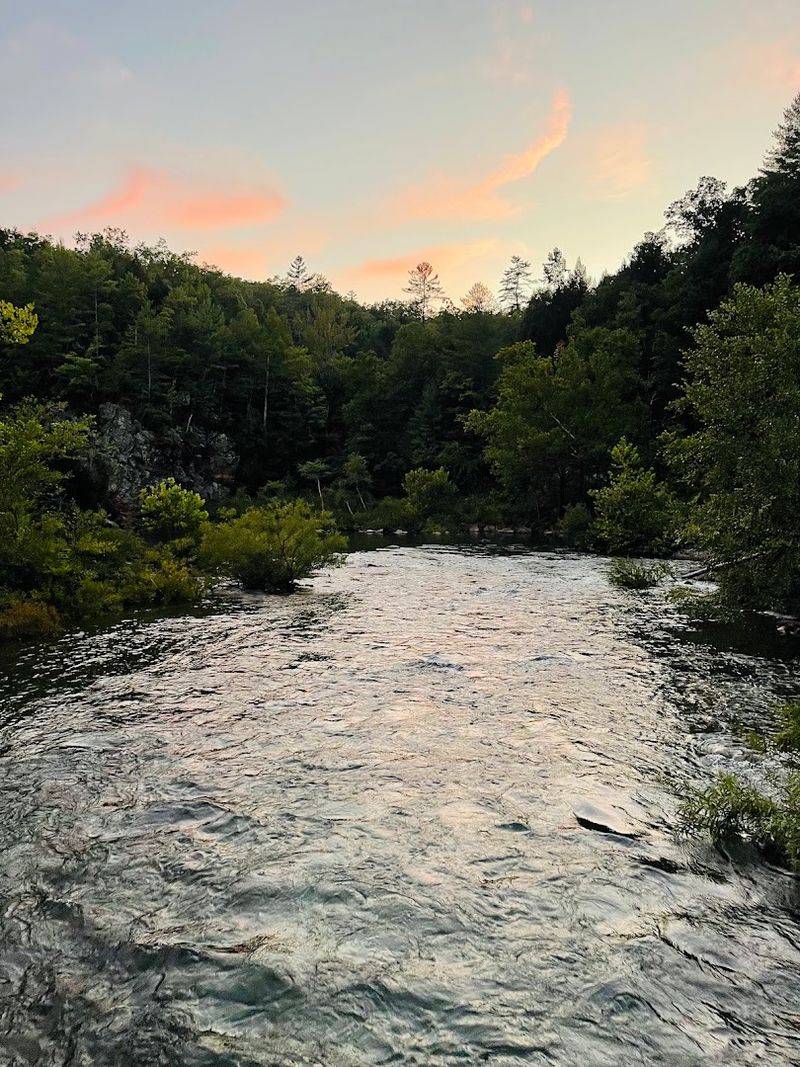
The loyalty that Catoosa inspires is one of its most telling qualities. Families have been making the trip for fifty years, hunters return season after season after not filling a tag the year before, and hikers keep finding new corners of the property they have never explored despite multiple previous visits.
That kind of return rate does not happen at places that are merely adequate. It happens at places that offer something genuinely hard to find elsewhere, and in Catoosa’s case, that thing is sheer, uncrowded, unmediated wildness spread across a landscape large enough to absorb everyone who shows up without ever feeling full.
The WMA is not a polished destination with interpretive signs and paved overlooks. It is raw public land managed for wildlife and open to people willing to meet it on its own terms.
Those who do tend to leave with the same thought: this place deserves another visit, and sooner rather than later.
A Final Thought on 82,000 Acres of Freedom
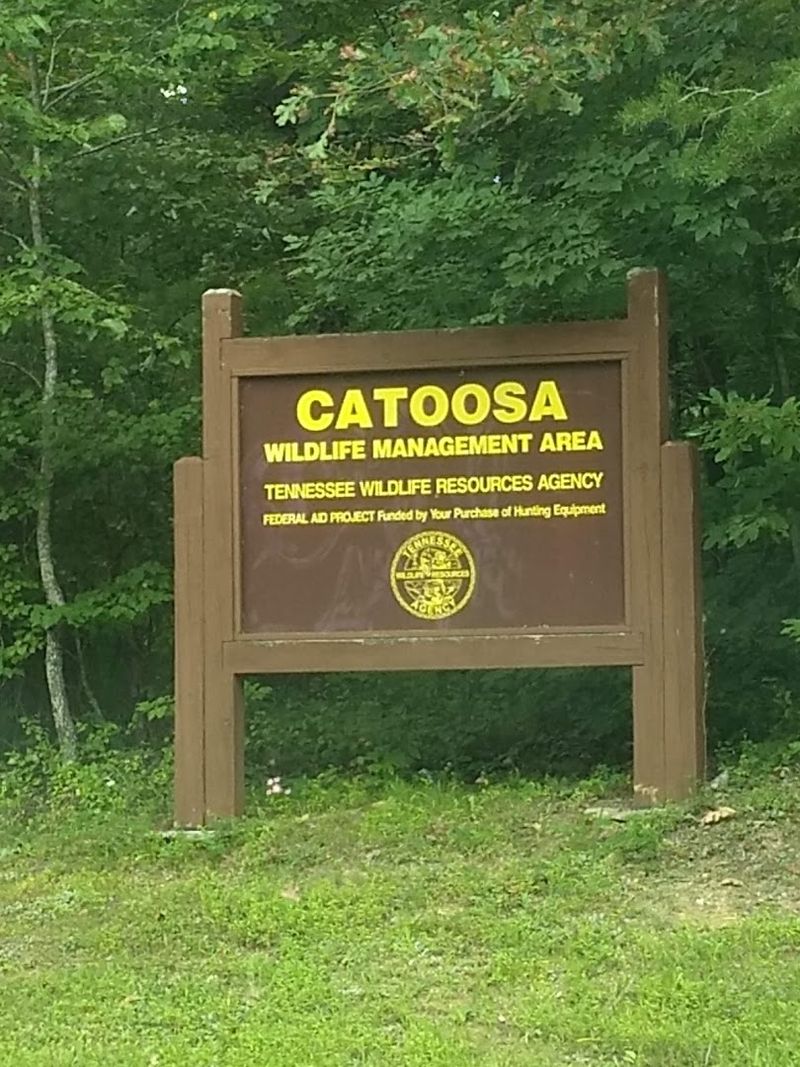
There are not many places left in Tennessee where you can drive off the highway, lose the signal on your phone, and spend a full day outdoors without running into another person. Catoosa Wildlife Management Area near Crab Orchard is one of those places, and the fact that it covers 82,000 acres means that quality is not going away anytime soon.
The WMA works for a wide range of outdoor pursuits, from hunting and fishing to hiking, off-road riding, primitive camping, and creek exploration. That versatility across a single property is rare, and it explains why the area draws such a consistent and loyal following across generations of Tennessee outdoor enthusiasts.
Whether a first visit or a return trip after years away, the land has a way of delivering something new each time. The Cumberland Plateau does not run out of terrain, and Catoosa does not run out of reasons to come back.
That alone makes it one of the more remarkable public lands in the entire state.
Where Exactly This Wild Place Sits
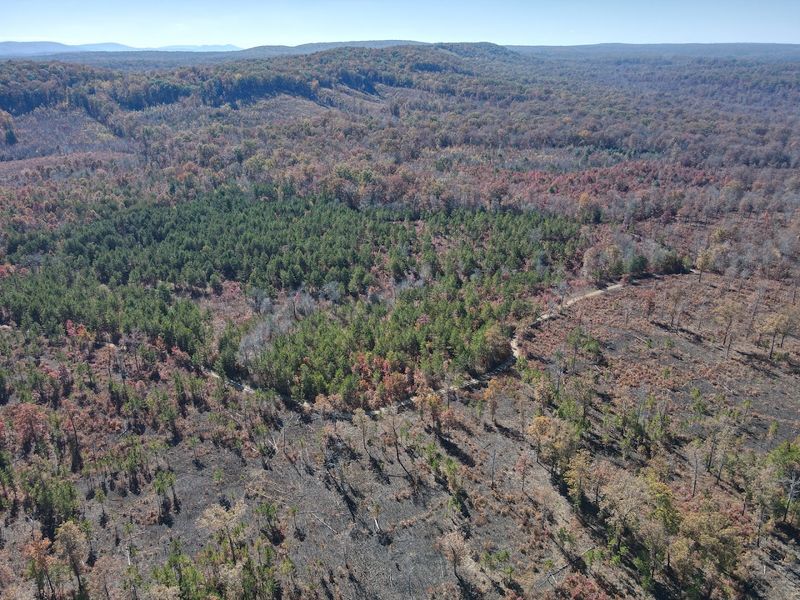
Catoosa Wildlife Management Area is located near Crab Orchard, TN 37723, sitting on the Cumberland Plateau in the eastern part of Tennessee. The area is managed by the Tennessee Wildlife Resources Agency, and its official website can be found through the TWRA portal at tn.gov.
The WMA covers parts of Cumberland, Morgan, and Fentress counties, which gives it that sprawling, hard-to-pin-down quality that makes it feel so large once you are actually inside it. Getting there from Knoxville takes roughly an hour, making it surprisingly reachable for such a remote-feeling destination.
The roads leading into the property shift from paved highway to gravel fairly quickly, and that transition is your first signal that the landscape is about to change. Most standard two-wheel-drive vehicles handle the main roads without trouble, so you do not need a heavy-duty truck just to get started.
Share this story