There is a small corner of northern Washington where time stopped moving sometime around 1900, and nobody bothered to restart it. Tucked near the Canadian border in Okanogan County, this remote ghost town left behind an entire collection of original buildings, old equipment, and stories strange enough to make any history lover do a double take.
One of those stories involves a banker who moved his entire bank on sleds every single morning because of a land dispute, which should tell you everything about the kind of wild, stubborn, and resourceful people who built this place. The buildings are still standing, the doors still open, and the history is all right there waiting to be read off the walls.
This is Old Molson, and it is one of Washington State’s most underrated and genuinely fascinating historic sites.
How a Town Got Built and Then Abandoned in Less Than a Decade
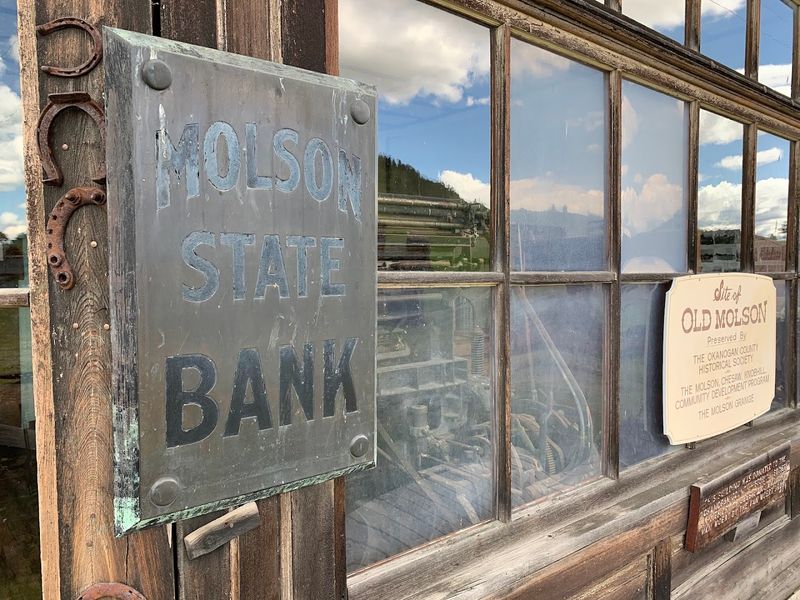
John Molson, a member of the prominent Molson family of Montreal known for banking and brewing, founded the town of Molson in 1900 during a period of intense land speculation in the Pacific Northwest.
The town grew quickly, attracting businesses, residents, and commerce that gave it the look and feel of a real permanent settlement. Then the disputes started.
A conflict with townsite owner J.H. McDonald created enough tension that residents and business owners decided to simply pack up and move.
In 1909, they relocated about half a mile north across the railroad tracks and established what became known as New Molson.
That relocation effectively turned the original site into a ghost town almost overnight. What makes Old Molson unusual is not just that it was abandoned, but that so much of it survived the following century in remarkably intact condition, giving today’s visitors a rare look at early frontier life.
The Bank That Moved on Sleds Every Single Morning
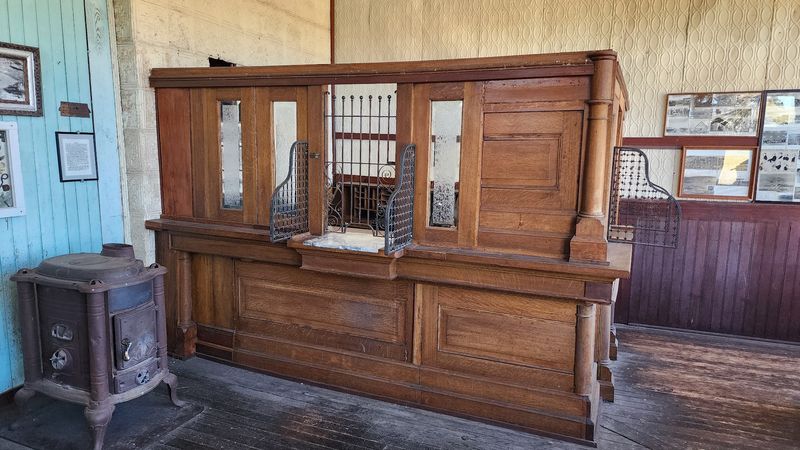
Of all the stories attached to Old Molson, the tale of the traveling bank is the one that tends to stop people mid-sentence when they first hear it.
Because of ongoing land disputes in the area, one determined banker could not secure a permanent plot for his building. His solution was both creative and completely absurd by modern standards: he mounted the bank on sleds and moved it to a new location every morning when he opened for business.
The bank still operated. People still made transactions.
The building just happened to be in a slightly different spot each day depending on where the land situation stood.
That story alone is worth the drive to Old Molson. It captures something true about the era, which is that people in early frontier towns made things work through sheer persistence, even when the circumstances were genuinely ridiculous.
The original bank building is still on site and open to explore.
What the Buildings Actually Look Like Up Close
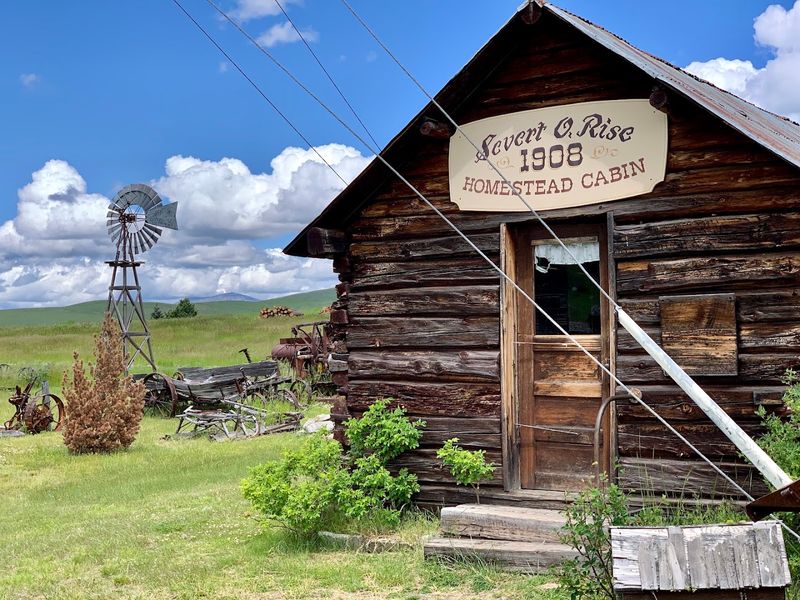
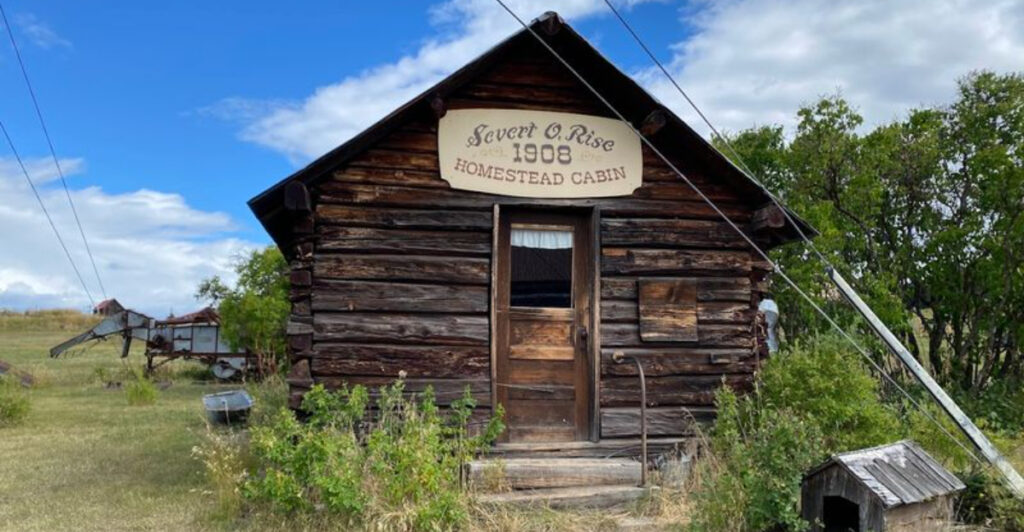
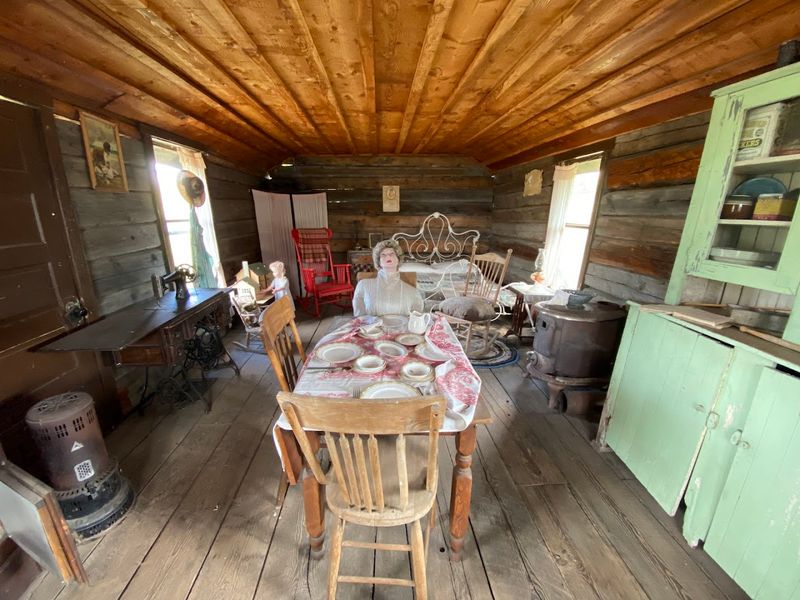
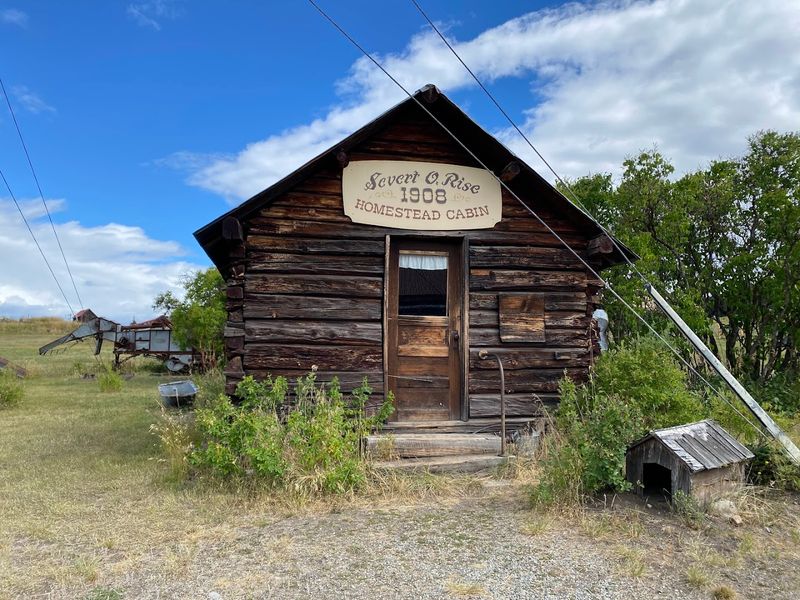
The structures at Old Molson are not reconstructions or replicas built to look old. These are the actual original buildings from the early 1900s, and that distinction matters enormously when you are walking among them.
Wood that has greyed over more than a century, door frames that have settled at slight angles, and interiors that hold the kind of quiet that only very old rooms can produce. The site has collected several buildings from the area and brought them together into one accessible outdoor museum.
Every building is open for exploration. That level of access is rare at historic sites, where most displays sit behind glass or rope barriers.
Here, you can walk through the doors, move through the rooms, and get genuinely close to the artifacts on the walls and shelves.
The doors do tend to slam behind you, which is a small detail worth knowing before you bring small children or anyone who startles easily.
Old Equipment and Artifacts That Fill Every Corner
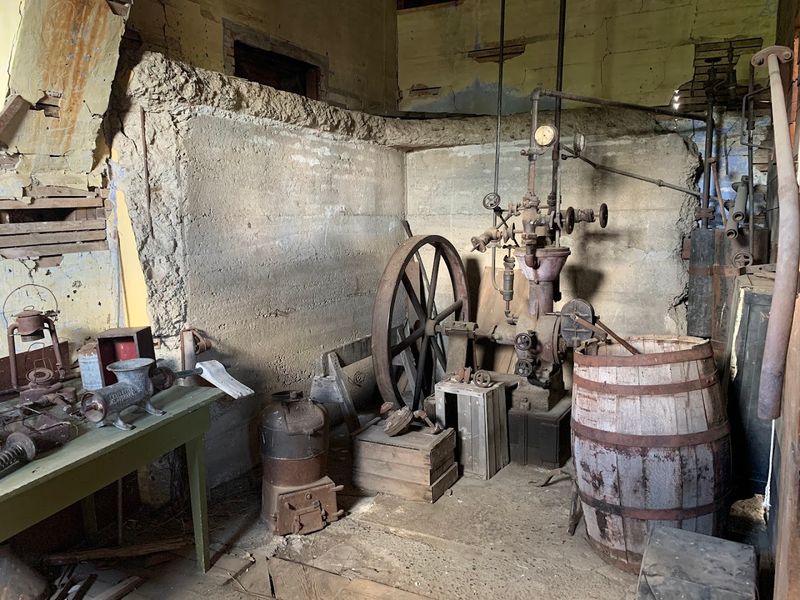
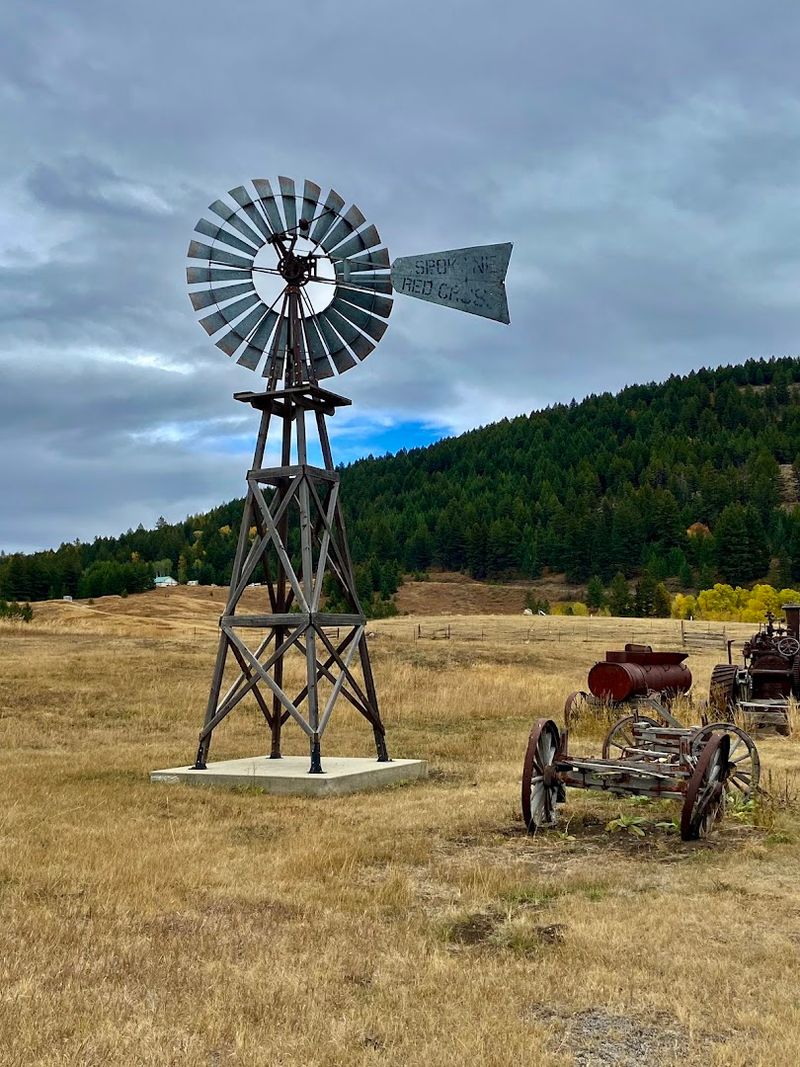
Beyond the buildings themselves, Old Molson holds an impressive collection of old machinery, tools, and everyday objects from the early twentieth century.
Farm equipment, household items, trade tools, and personal belongings are arranged throughout the site in a way that makes the whole place feel less like a museum and more like a town that everyone left in a hurry without taking their things.
Historical articles and documents line the walls inside the buildings, giving context to what you are looking at and who used these objects. The Okanogan County Historical Society has contributed well-researched signage throughout the area that adds real depth to the experience.
One practical note worth keeping in mind is that everything on display is genuinely old and fragile. The items are there to be observed closely, not handled.
A few pieces have already suffered damage from people who did not get that memo, so treating the artifacts with care keeps the site intact for future visitors.
Getting In Is Free, and That Is Not a Typo
There is no admission fee to enter Old Molson Historic Site. The site is free to visit, with donations accepted for those who want to support its upkeep.
For a historic site of this quality and depth, that pricing structure is genuinely surprising. Most outdoor museums of comparable scale charge entry fees that can add up quickly for families.
The parking area is spacious and well suited for multiple vehicles, including larger trucks and trailers that people often bring on road trips through rural Washington. A portable toilet is available on site, which is a practical amenity given how far from town the location sits.
The combination of free access, good parking, and real historical depth makes Old Molson one of the better value stops in the entire region. Groups, families with children, and solo travelers all find something worth their time here without needing to budget for it beyond the cost of getting there.
Why the Drive Out There Is Part of the Experience
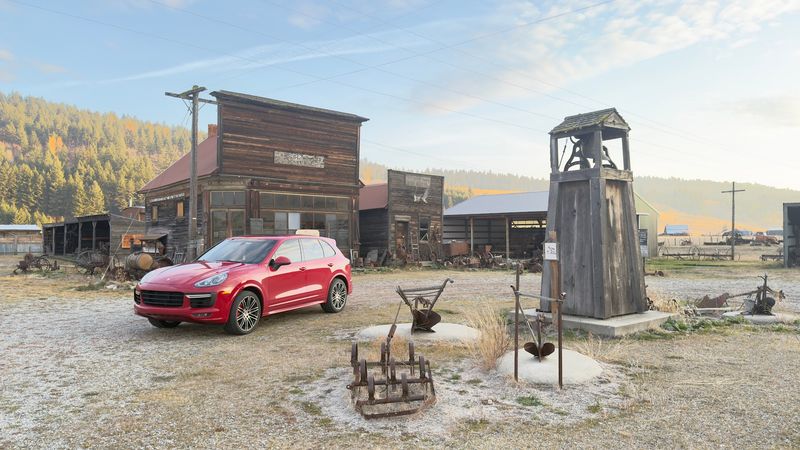
The road to Old Molson passes through some of the most open, unhurried countryside in Washington State. Okanogan County is not a place people pass through accidentally, and the drive reflects that.
Stretches of rangeland, old farmsteads, and abandoned structures dot the route, offering photography opportunities before you even arrive at the main site. The landscape feels genuinely frontier-era in a way that more developed areas of the state simply do not.
From the town of Republic, the drive is particularly worth noting for its character. Long straightaways give way to gradual climbs, and the elevation shifts bring different views at every turn.
The one firm piece of advice that comes up repeatedly from people who have made this trip is to fill the gas tank before leaving Oroville or any other town along the way. Services are sparse once you head north toward the Canadian border, and running low on fuel in this part of the state is a problem with no easy solution.
The Schoolhouse Museum Just Up the Road
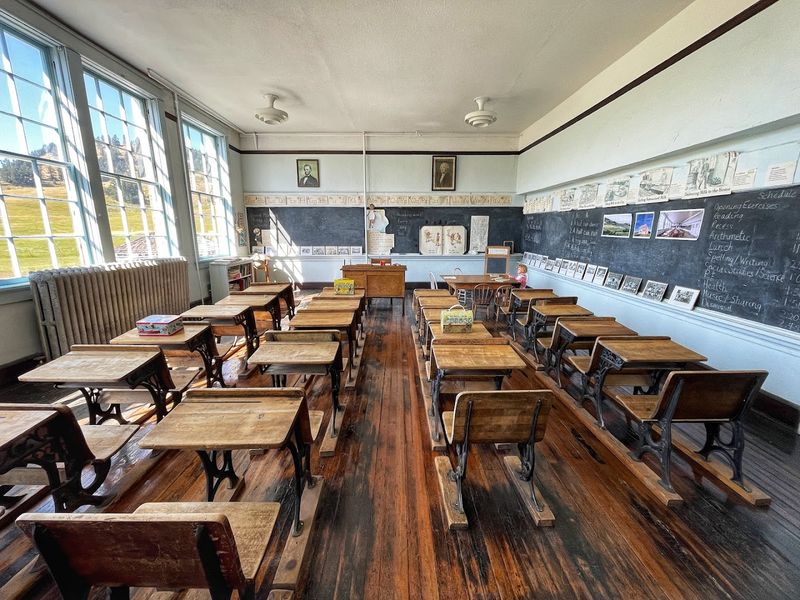
A short distance north of Old Molson, still on the same road, sits the Molson Schoolhouse Museum. It is a separate stop but one that pairs naturally with the ghost town visit and is consistently mentioned as a highlight of the area.
The schoolhouse serves as an interpretive museum with local guides who are both knowledgeable and genuinely enthusiastic about the region’s history. The building itself is well preserved and reflects the educational life of rural frontier communities in early twentieth-century Washington.
Inside, displays cover local history in more detail than the outdoor site can offer, providing a complementary layer of context for everything seen at Old Molson.
The school bell in the bell tower still works, which is the kind of small functional detail that tends to delight younger visitors in particular. Anyone making the trip to Old Molson should plan to continue up the road for this additional stop, since the two together make for a complete and rewarding afternoon.
What Makes This Site Work So Well for Families
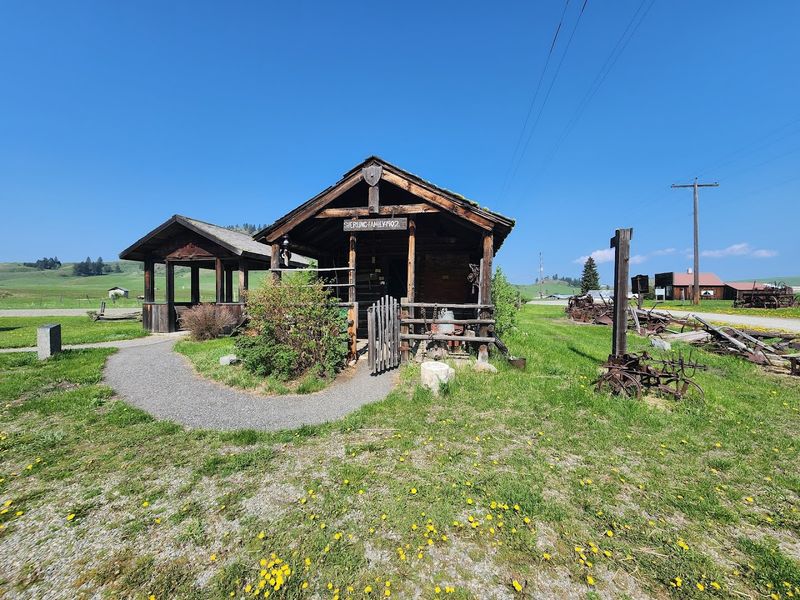
Old Molson holds a particular appeal for families traveling with children of various ages. The open-access format means kids can actually walk through the buildings, not just peer through windows from a distance.
Young visitors tend to respond strongly to the physical reality of the place. Old machinery, wooden furniture, and hand-written documents on walls give children something concrete to engage with rather than just reading plaques from behind barriers.
The site is flat enough and compact enough that getting around is manageable for most ages and mobility levels. A significant portion of the buildings and displays can be seen from outside as well, which matters for anyone who finds uneven surfaces or narrow doorways challenging.
The free admission also removes the pressure that can make family travel stressful. Spending an hour or two here costs nothing beyond the drive, and the experience tends to generate real conversation about history in a way that a textbook simply cannot replicate.
The Molson Cemetery and What It Adds to the Story
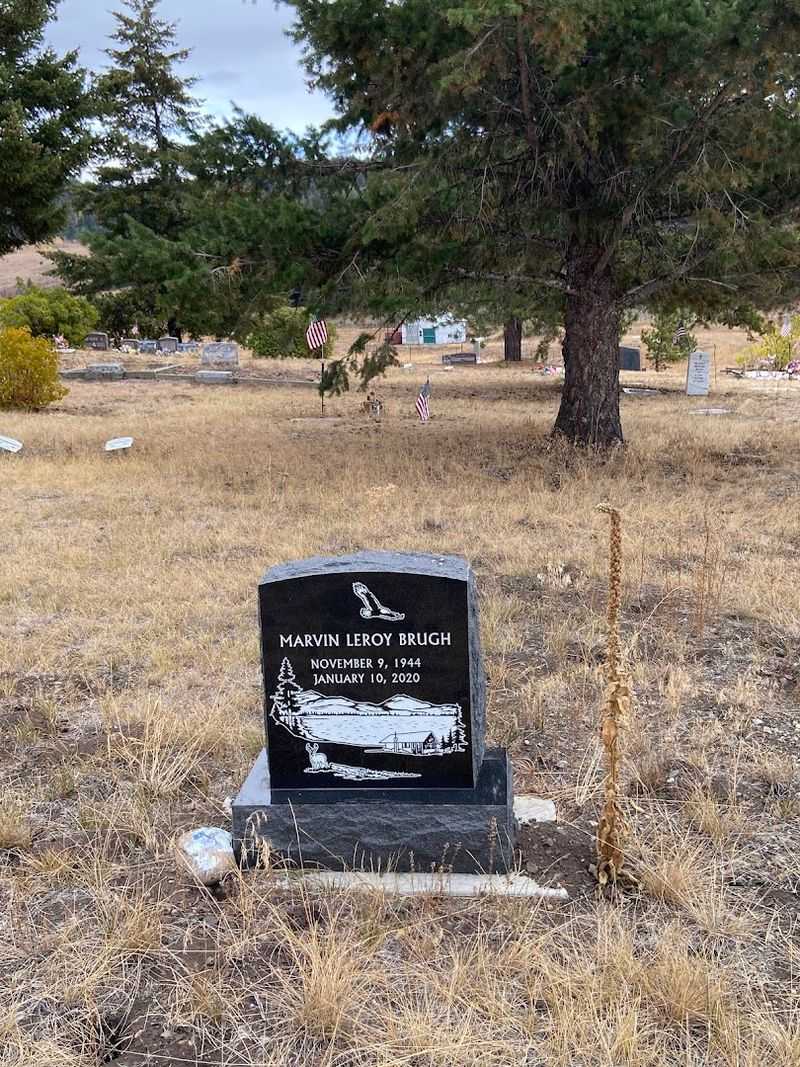
Not far from the main historic site, the Molson Cemetery offers another layer to the area’s history. Both older and more recent graves are present, reflecting the fact that the community of Molson, though diminished, never completely disappeared.
Cemeteries attached to old frontier towns carry a particular kind of historical weight. The names and dates on the markers connect directly to the people who built the buildings still standing nearby, making the cemetery a meaningful addition to the overall visit rather than a separate detour.
The setting is quietly rural, surrounded by open land with cattle grazing in nearby fields. The combination of the historic site, the schoolhouse museum, and the cemetery creates a full portrait of a community that rose, fractured, and faded over the course of just a few decades.
Taking time at the cemetery before or after exploring Old Molson gives the entire experience a sense of completeness that a single stop at the main site alone does not quite provide.
The Canadian Border Is Closer Than You Think
Old Molson sits just two miles from the Canadian border, which is close enough that mobile phones sometimes connect to Canadian cell towers and display welcome messages from Canadian carriers.
That proximity shaped the town’s founding and its character from the very beginning. John Molson’s connection to the Molson family of Montreal meant that this particular patch of northern Washington was always tied to cross-border commerce and ambition.
The border region in this part of Washington is open, undeveloped, and strikingly remote. There are no checkpoints or crossings in the immediate area near Old Molson, just open land that stretches north without interruption.
For travelers interested in the geography of the area, standing at Old Molson and knowing Canada is literally just down the road adds a dimension to the visit that is easy to overlook on a map. The town was always a borderlands community, and that identity is still present in the landscape surrounding it today.
Best Times to Plan Your Visit
Old Molson is listed as open and accessible, though the remote location and seasonal weather patterns in northern Washington make timing worth considering before making the trip.
Summer visits offer the most reliable conditions, with longer daylight hours and dry roads that make the drive more straightforward. The site has been visited with snow still on the ground in spring, and those who have done so report that the setting takes on a different but equally compelling character in cooler months.
Warm weather brings its own considerations. Temperatures in the area can reach into the low eighties during peak summer, and the buildings, while cooler than the outside air, are not climate controlled.
Bringing water is a practical necessity, especially if traveling with pets.
The site tends to be quiet on most days, and many visitors report having the entire place to themselves. That kind of solitude at a historical landmark is increasingly rare and is one of Old Molson’s most appealing qualities.
Reading the History Right Off the Walls
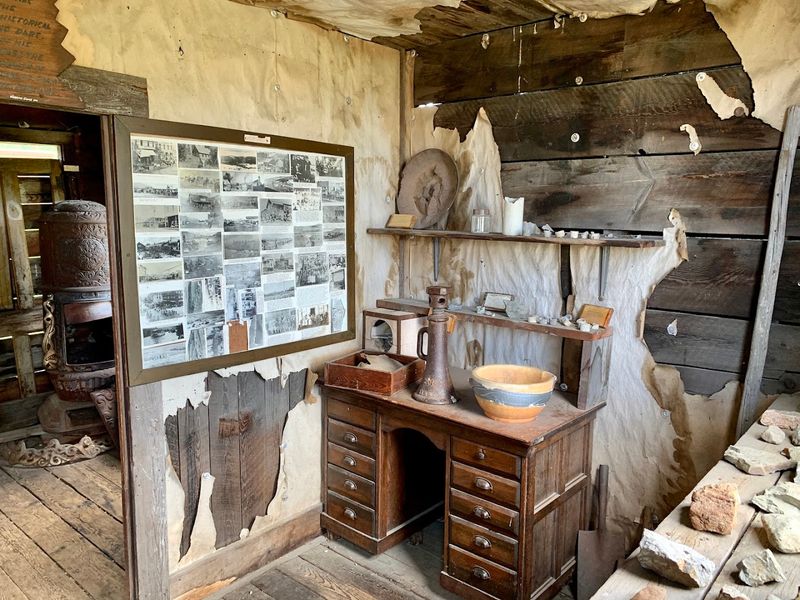
One of the more understated features of Old Molson is how much written history is available right inside the buildings. Documents, photographs, newspaper clippings, and hand-lettered signs cover the walls throughout the site, creating an experience that rewards careful readers.
The Okanogan County Historical Society has put genuine effort into the interpretive materials spread across the region, and that work is visible at Old Molson in the quality and depth of the information on display.
Rather than offering a surface-level overview of the town, the signage gets into specific stories about individuals, businesses, and events that shaped Molson’s brief but eventful history. The result is a visit that can last anywhere from thirty minutes to several hours depending on how thoroughly a person engages with the material.
Bringing a notebook or taking photos of the wall text is a practical way to capture information that would otherwise be hard to retain during a single walkthrough of the site.
What New Molson Tells Us About Old Molson
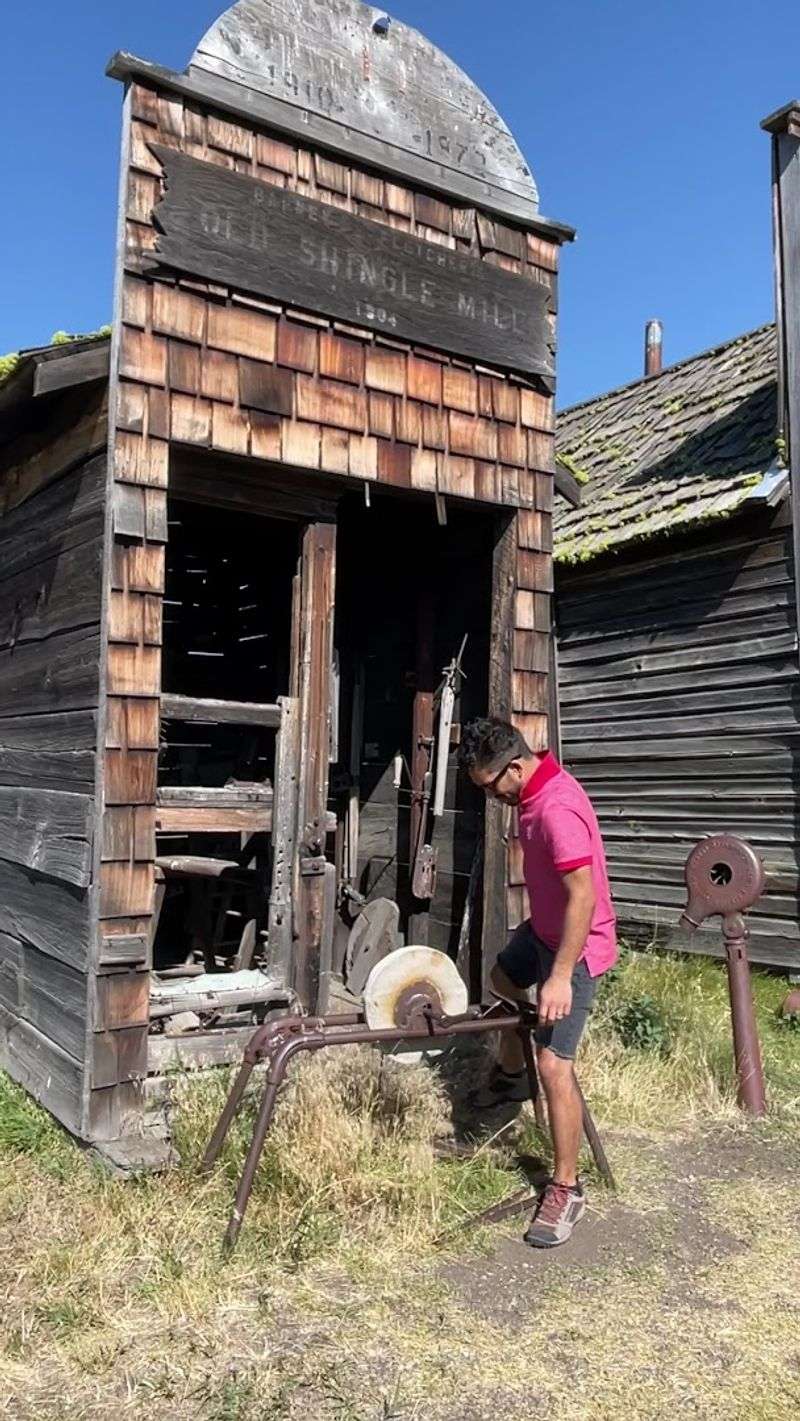
Understanding New Molson helps explain why Old Molson looks the way it does today. When residents relocated half a mile north across the railroad tracks in 1909, they took their energy and commerce with them but left the original buildings behind.
New Molson became the functioning community while Old Molson sat empty and slowly became the kind of place historians and preservationists would eventually recognize as irreplaceable. The split nature of the town, old site and new site separated by a short distance and a railroad line, is unusual even by ghost town standards.
The schoolhouse museum that sits north of Old Molson is technically in the New Molson area, which is why combining both stops in a single visit creates a more complete picture of what happened here over the course of the early twentieth century.
The story of two Molsons is ultimately a story about stubbornness, land rights, and the very human tendency to start over rather than negotiate.
Why Old Molson Deserves More Attention Than It Gets
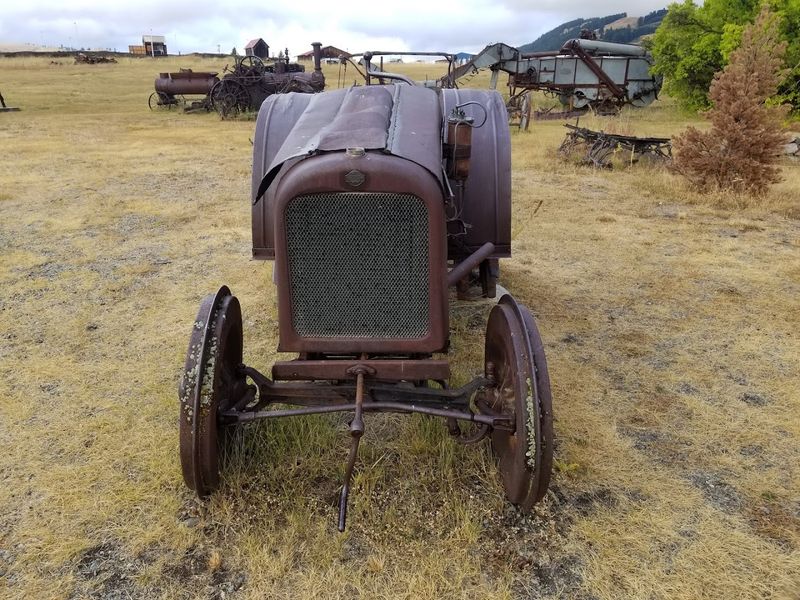
Old Molson does not show up on most Washington State travel lists, and that absence is genuinely puzzling given what the site offers. A fully accessible outdoor museum of original frontier buildings, free admission, and stories unusual enough to hold the attention of adults and children alike would normally generate significant tourist traffic.
The remoteness keeps the crowds away, and for now, that works in the favor of those who make the effort to get there. Having an entire ghost town essentially to yourself is an experience that is hard to replicate anywhere else in the Pacific Northwest.
The site’s preservation depends on continued awareness and the donations of those who visit. Supporting the Molson Museums organization, whose website can be found at molsonmuseums.org, is a direct way to help keep the buildings maintained and the history accessible.
Few places in Washington State offer this combination of authenticity, accessibility, and outright historical strangeness, and Old Molson earns every bit of the appreciation it receives from those who find it.
Where Exactly Old Molson Sits on the Map
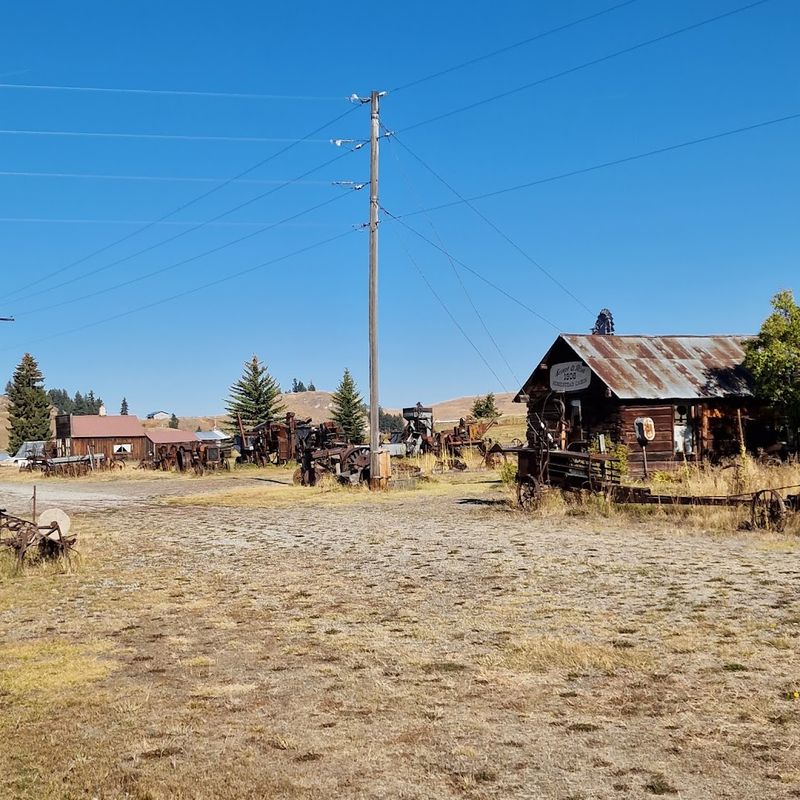
Old Molson Historic Site sits along Pioneer Road in Oroville, Washington 98844, positioned in the far northern reaches of Okanogan County, just two miles from the Canadian border.
That closeness to Canada is not just a trivia detail. The town’s entire origin story is tied to cross-border ambitions, land rushes, and the kind of frontier energy that defined the early 1900s American West.
Getting there requires a drive through open rangeland and rolling hills, well away from any major highway. The remoteness is part of what makes the site feel so genuine and undisturbed.
Cell service gets thin out here, and some phones actually pick up Canadian towers along the way, which gives the drive an unexpectedly international flavor. Fuel up before leaving Oroville, because there are no gas stations once the pavement gives way to the gravel stretches leading toward the site.
Share this story