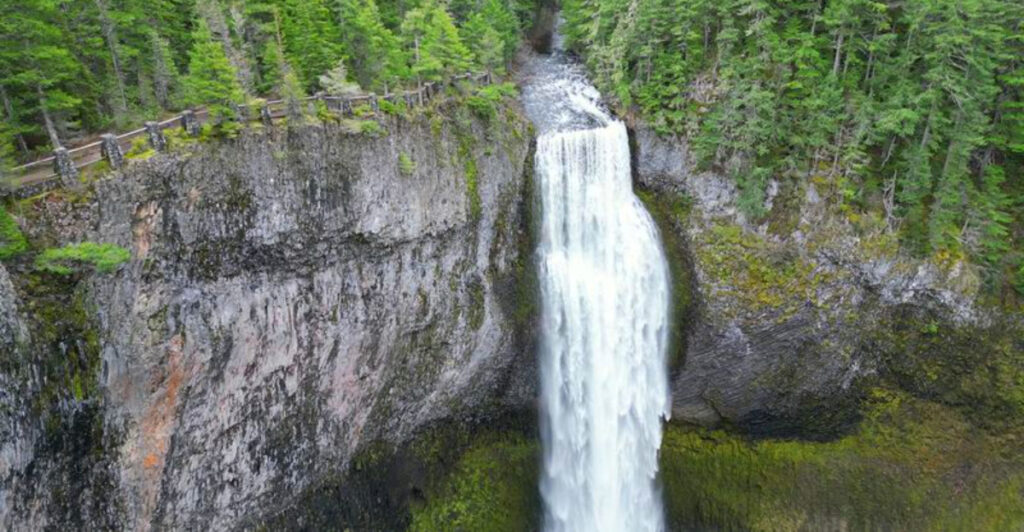
There is a waterfall in the Oregon Cascades that stops people mid-drive, pulls them out of their cars, and leaves them standing with their mouths open. At 286 feet tall, it is one of the most powerful single-drop waterfalls in the entire state, and yet you can reach the main viewing platform in about five minutes from the parking lot.
That combination of raw natural drama and easy access is genuinely rare. Whether you are a seasoned hiker or someone who just wants a stunning photo without breaking a sweat, this spot delivers something memorable every single time you visit.
Where Salt Creek Falls Actually Is
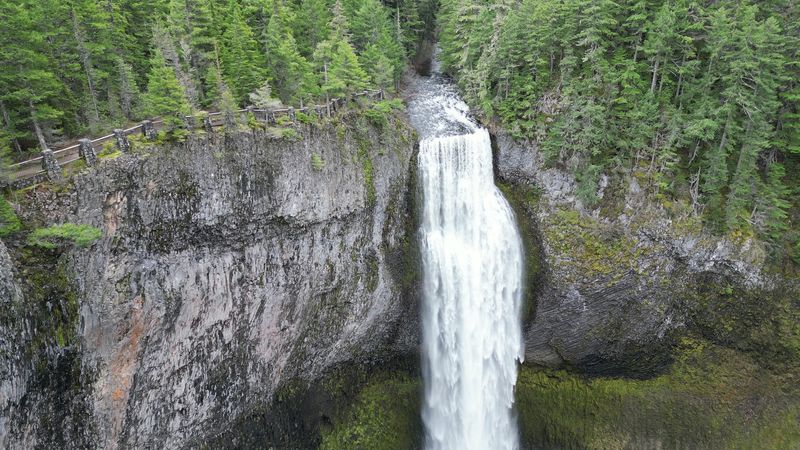
Salt Creek Falls sits along Highway 58 in the Willamette National Forest, roughly 35 miles southeast of Oakridge, Oregon, near Willamette Pass. The official address puts it at the Salt Creek Falls Day Use Area, accessible directly from the highway with clear signage that makes it nearly impossible to miss.
The falls drop 286 feet into a deep, rocky canyon carved over thousands of years by the force of Salt Creek. That makes it the second tallest waterfall in Oregon by most counts, though some sources rank it as the third tallest plunge waterfall specifically, depending on how different falls are classified.
The setting inside the Willamette National Forest means the surrounding landscape is dense with Douglas fir, western hemlock, and Pacific rhododendron. The canyon walls frame the waterfall in a way that feels almost theatrical.
I remember pulling off the highway for the first time and genuinely not expecting the scale of what was waiting just a short walk from my car.
The Main Viewing Platform Up Close
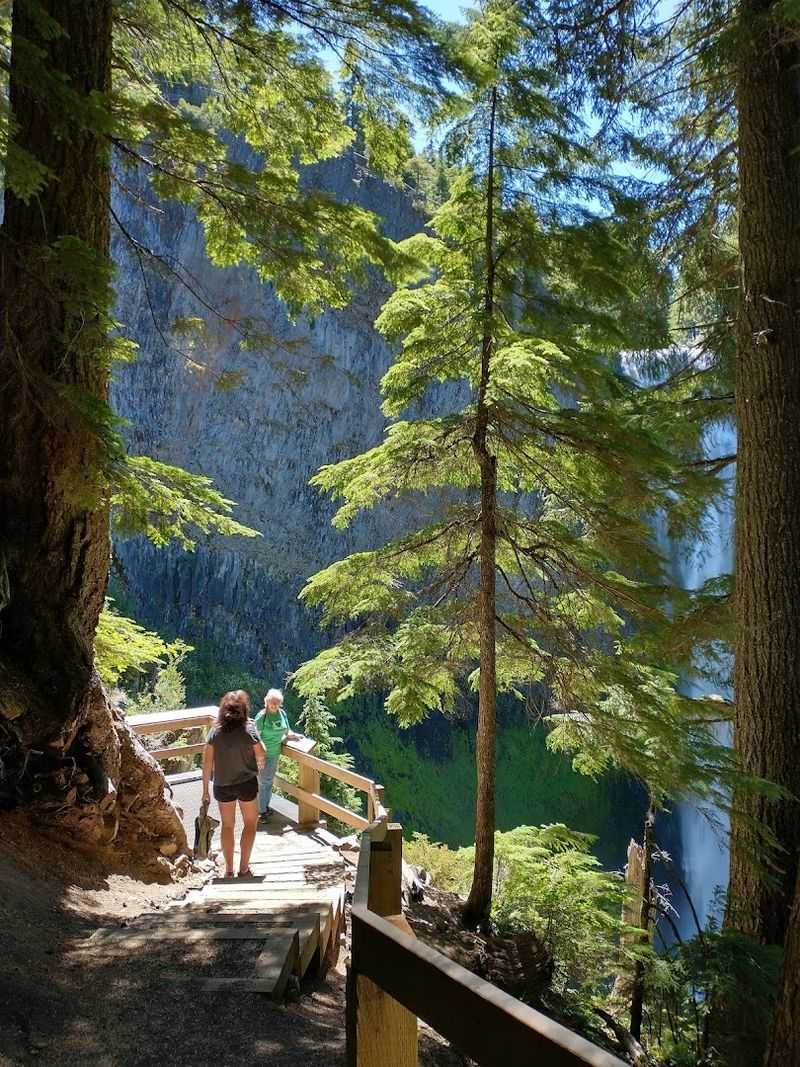
The upper observation platform at Salt Creek Falls is ADA-accessible, meaning it was designed with a paved path and sturdy railings so that visitors of all mobility levels can reach it comfortably. From this spot, the view is essentially a straight-on look at the full height of the falls, and the scale hits you immediately.
The platform is close enough that you can feel a faint mist in the air on days when the water flow is strong. On one visit in late spring, I caught a double rainbow arching across the base of the falls from this exact spot, which felt almost unfair in the best possible way.
The railings are solid and well-maintained, which matters when you realize how close to the canyon edge you actually are. Parents with younger children should keep a close eye on curious little ones near the wall sections.
The educational signage near the parking area also gives useful context about the geology and history of the falls before you even reach the platform.
The Trail Down to the Lower Viewpoint
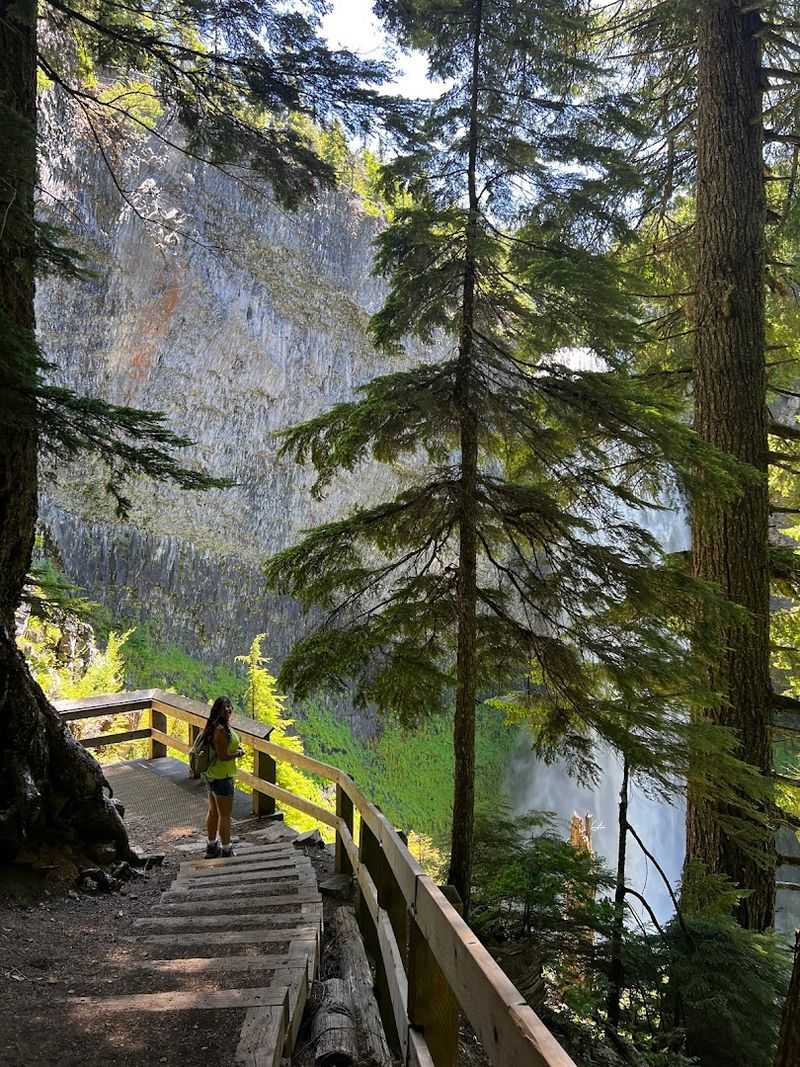
Beyond the upper platform, a trail continues down into the canyon and delivers a completely different experience of the same waterfall. The descent is roughly 300 feet over a well-maintained path with a railing you can hold for support, and the payoff at the bottom is a close-up perspective of the falls that the upper platform simply cannot replicate.
From the lower viewpoint, the roar of the water is noticeably louder and the mist is more intense. The sheer power of 286 feet of water hitting the canyon floor becomes very real from that angle.
I found myself standing there longer than planned, just watching the white water churn against the dark basalt.
The trail down is described as moderately steep but manageable for most visitors in reasonable physical condition. Coming back up takes a bit more effort, especially on warm days, so bringing water is a smart move.
The path stays clear of heavy vegetation and feels well-tended throughout, which makes the round trip feel much more approachable than the elevation change might suggest on paper.
Parking, Fees, and Getting There
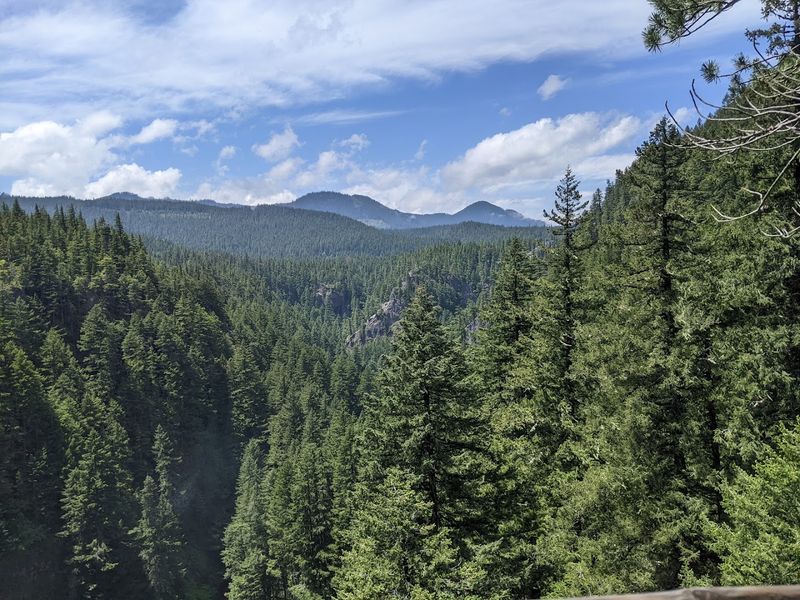
The parking lot at Salt Creek Falls is generously sized, but it fills up fast on weekends and by midday in summer. Arriving in the morning gives you the best chance of finding a spot without circling, and the experience is noticeably quieter before the midday crowds arrive.
There is a $5 day-use fee to park, and an electronic pay station on-site makes the transaction straightforward. If you carry a Northwest Forest Pass or a National Parks pass, those are accepted in place of the daily fee, which is worth knowing before you show up with only cash.
Highway 58 is the main route in, and the turnoff is clearly marked. The drive itself through the Cascades is scenic enough to feel like part of the trip rather than just the commute.
From Eugene, the total drive is roughly 90 minutes, making it a very reasonable day trip. Restrooms are located about a quarter mile from the trailhead parking area, with clear signs pointing the way.
Best Times of Year to Visit
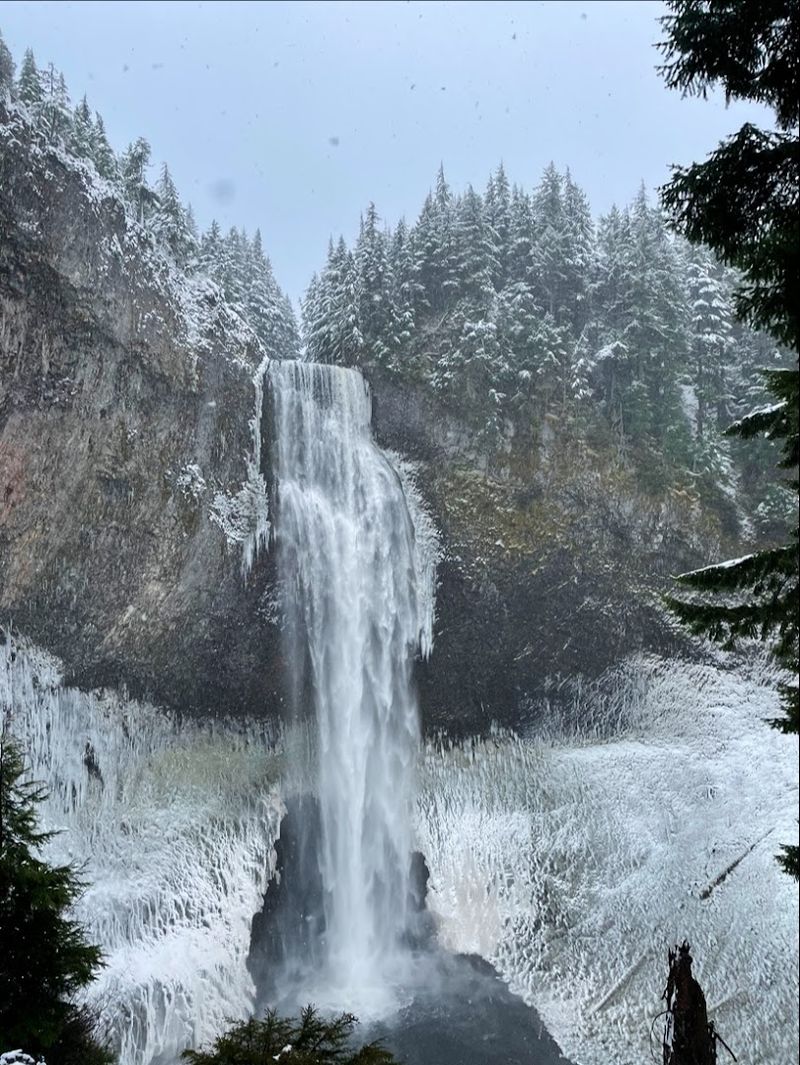
Salt Creek Falls is open and visitable year-round, but the experience changes significantly depending on the season. Spring, particularly from late April through June, tends to bring the highest water volume as snowmelt from the surrounding Cascades feeds directly into Salt Creek.
The falls roar with extra force during this window, and the surrounding forest fills with blooming Pacific rhododendrons that add vivid pink color to the green landscape.
Summer visits are popular for good reason: the weather is reliable, the trails are dry, and the whole area is easy to navigate. The tradeoff is that mosquitoes can be persistent in the warmer months, so bringing repellent is genuinely useful rather than optional.
Midweek visits in summer are noticeably less crowded than weekends.
Fall brings a softer palette of amber and gold to the forest, and the crowds thin out considerably after Labor Day. Winter visits are possible but require checking road conditions along Highway 58, as snow can affect access near Willamette Pass.
Each season offers something distinct, which is part of why returning visitors keep coming back.
Photography at the Falls
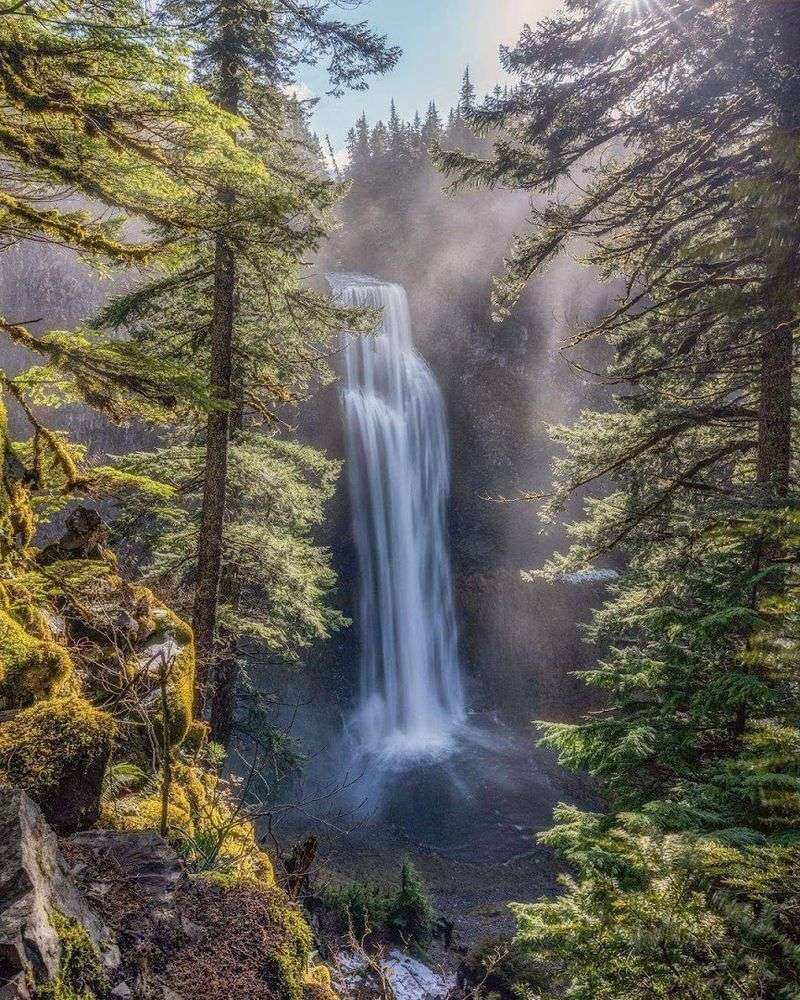
Salt Creek Falls is a genuinely outstanding location for photography, and that reputation is well-earned. The single-drop plunge design means the entire 286-foot height is visible in one clean frame from the upper platform, which is ideal for wide-angle shots that capture the full scale of the cascade.
Long-exposure photography works especially well here because the water volume is strong enough to produce that smooth, silky effect even at moderate shutter speeds. The canyon walls and surrounding forest provide natural framing that keeps compositions from feeling empty.
I spent a solid 30 minutes at the lower viewpoint just experimenting with different exposures while the mist kept my lens slightly damp.
Overcast days are actually preferable to bright sunshine for waterfall photography here, since harsh midday light can create uneven shadows across the canyon. Early morning visits also tend to offer softer, more diffused light filtering through the conifers.
The falls were described by one regular visitor as a dream spot for long exposures, and after my own time there, that assessment is hard to argue with.
Hiking Beyond the Falls to Diamond Creek
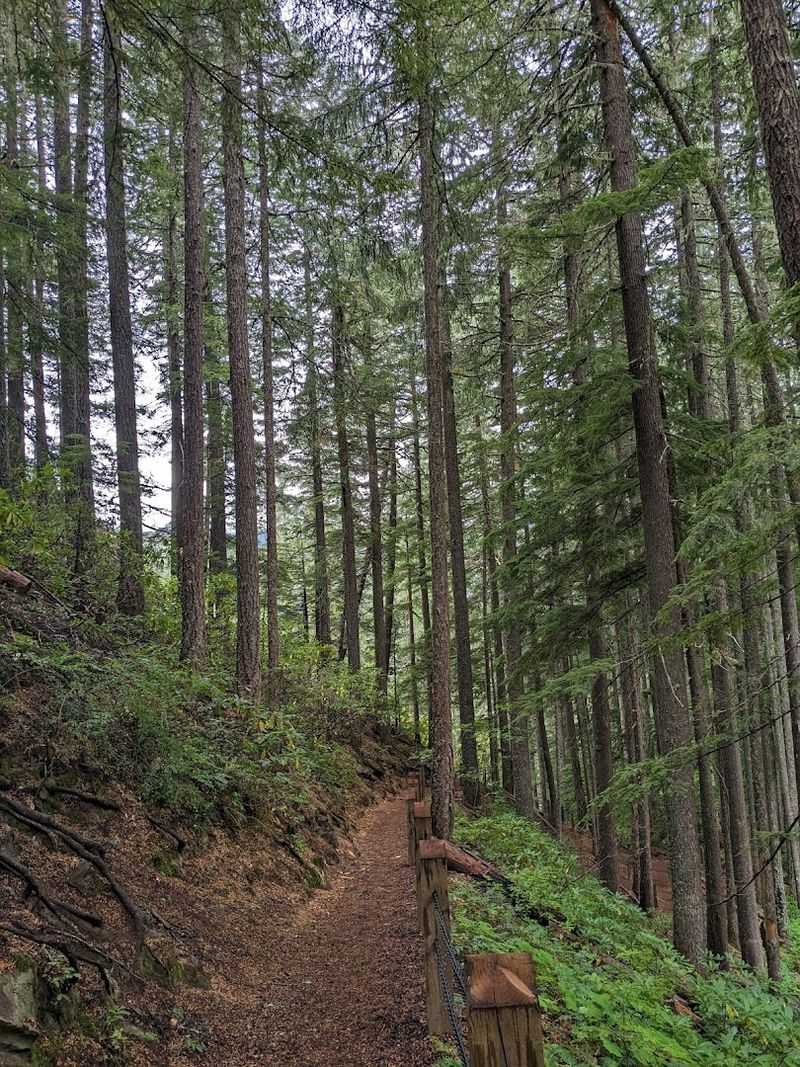
Salt Creek Falls is not just a five-minute stop if you have the energy and interest to keep going. A trail from the day-use area connects to Diamond Creek Falls, another beautiful waterfall tucked deeper into the Willamette National Forest.
The full loop covering both waterfalls runs approximately 4.5 miles and qualifies as a solid half-day hike with great variety along the way.
The trail to Diamond Creek Falls is marked with blue diamond-shaped metal markers nailed to the trees, which makes navigation straightforward even for hikers who are not carrying detailed maps. The forest paths are shaded and cool, running through old-growth sections that feel genuinely remote despite being relatively close to the highway.
Packing a lunch is a popular choice for visitors doing the full loop, and there are pleasant spots along the trail to stop and eat. The additional waterfall at the end of the extension is described consistently as worth the extra miles.
For anyone who has already enjoyed the main falls and wants to stretch their legs further, this loop is one of the better half-day options in the entire Cascade region.
Dogs, Picnics, and Family-Friendly Details
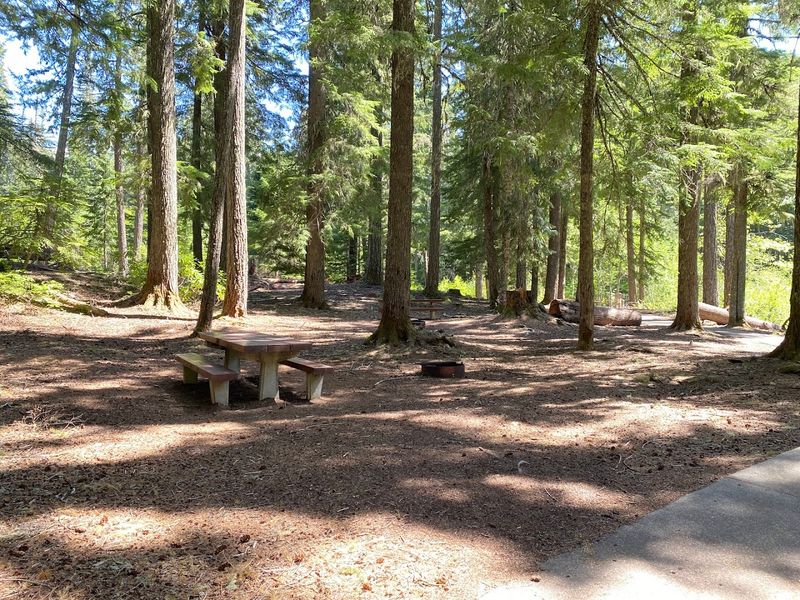
Salt Creek Falls Day Use Area is set up well for families who want more than just a quick look at the waterfall. Picnic tables are scattered through the area, and there are garbage cans on-site, which keeps the space clean and usable for groups who want to make a longer stop out of the visit.
Dogs are welcome throughout the trails and day-use area, with the standard requirement that they stay on a leash at all times. The trails are wide enough that leashed dogs do not create much of an issue for other visitors passing by.
I saw several families with dogs on the main path, and the setup worked smoothly for everyone involved.
The upper viewing platform is accessible enough for strollers and wheelchairs on the paved section, though the lower trail involves stairs and a steep descent that is not suitable for all mobility situations. The overall atmosphere of the day-use area feels genuinely welcoming to a wide range of visitors, from solo photographers to multi-generational family groups spending a full afternoon together in the forest.
Why Salt Creek Falls Stays With You
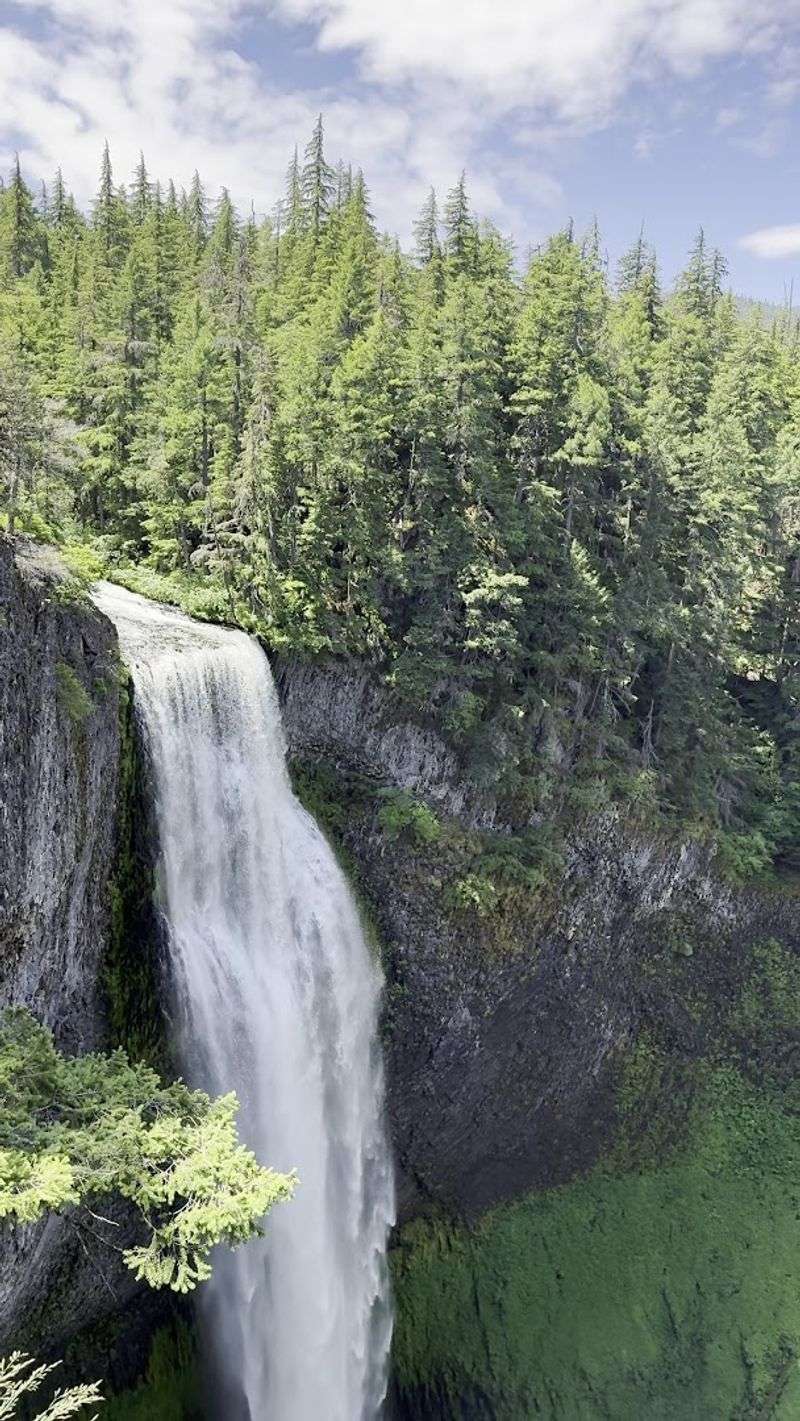
There are plenty of waterfalls in Oregon, and the state has no shortage of natural scenery worth driving out of your way to see. What sets Salt Creek Falls apart is the particular combination of scale, accessibility, and setting that makes it feel like a reward rather than a challenge.
The falls are tall enough to be genuinely dramatic, the viewing options range from effortless to adventurous depending on how far you want to walk, and the surrounding Willamette National Forest provides a backdrop that makes every photo look like it was professionally composed. That is a rare combination to find at a single stop.
The $5 parking fee is one of the better values in outdoor recreation in the Pacific Northwest, and the fact that you can be standing in front of a 286-foot waterfall within five minutes of parking your car never quite stops feeling remarkable. Salt Creek Falls earns its reputation not through hype but through the straightforward experience of being there, which is ultimately the only review that matters.
Share this story