 Unearth The Voyage
There is a building at a small county airport in southern New Jersey that once trained Navy pilots during World War II, then sat quietly for decades while the roof sagged and the wood slowly gave way to time. Most people driving through Cape May County had no idea it was there.
Today, that same hangar is home to one of the most surprisingly impressive aviation museums on the East Coast, packed with real aircraft, hands-on exhibits, and stories that most history books skip entirely. The restoration effort behind it is the kind of thing that makes you stop and think about how close this place came to disappearing forever.
Whether you are a lifelong aviation fan or someone who just stumbled across it on a rainy afternoon, the Naval Air Station Wildwood Aviation Museum has a way of pulling you in and keeping you there much longer than you planned.
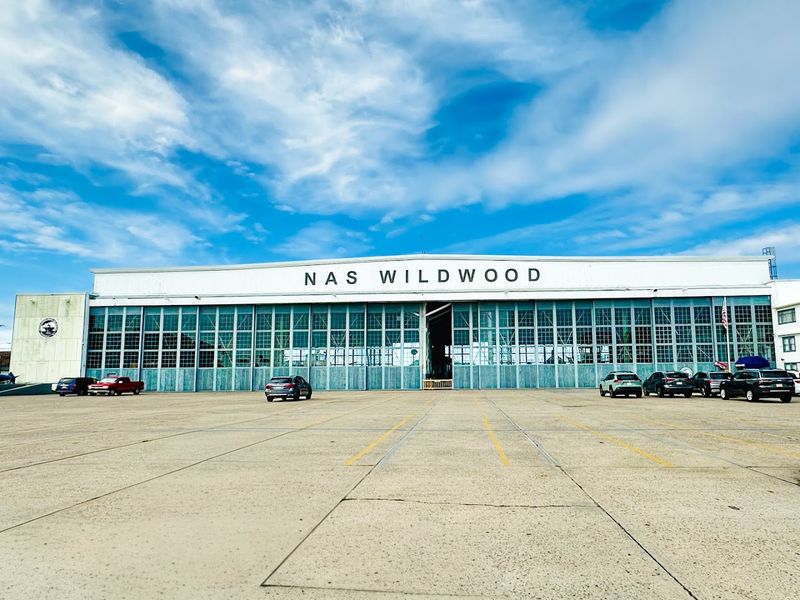
The Naval Air Station Wildwood Aviation Museum sits at Cape May Airport, 500 Forrestal Road, Cape May, NJ 08204, right on an active general aviation airfield in Cape May County. The location alone is worth noting because the museum is not tucked inside a city or near a major highway.
It shares space with a working airport, which means you might catch a small plane taxiing past while you are walking toward the entrance.
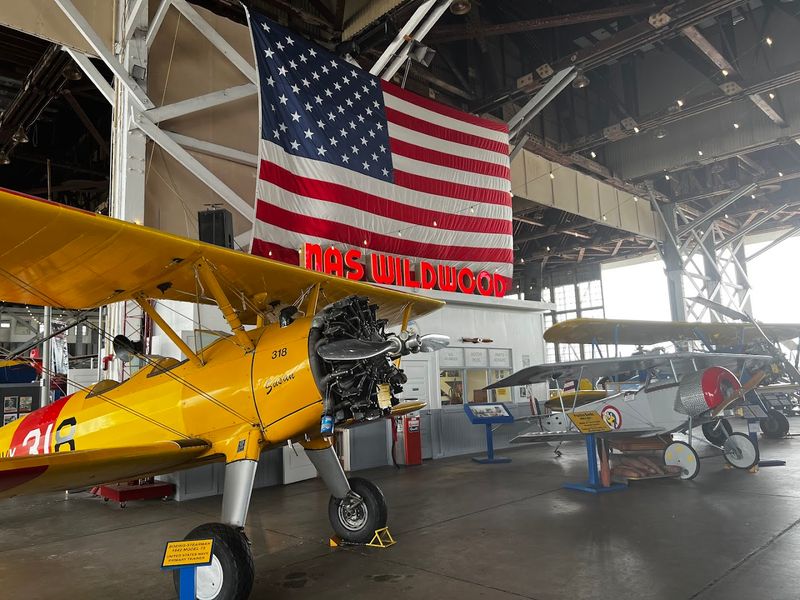
The hangar itself is the original structure built during World War II, and it is constructed almost entirely from wood, which was unusual even at the time. Steel was being rationed for the war effort, so builders used timber framing instead.
That detail matters because it explains both how the building survived and why preserving it required so much work.
The museum is open daily from 10 AM to 4 PM, making it easy to plan a visit any day of the week.
By the time serious preservation efforts began in the early 1990s, Hangar No. 1 at the former Naval Air Station Wildwood was in rough shape. The all-wood roof was deteriorating, sections had collapsed, and the building had been largely forgotten after the Navy decommissioned the base following World War II.
Dr. Joseph Salvatore, a local physician and aviation enthusiast, led the charge to save it. He founded the foundation that would eventually restore the hangar and turn it into a museum, a project that took years of fundraising, volunteer labor, and stubborn determination.
The work paid off when the hangar was added to the National Register of Historic Places.
Today the building stands as one of the last surviving all-wood Navy hangars from the WWII era in the United States. That fact alone gives the structure a significance that goes well beyond Cape May County, and it is the reason the museum exists in the first place.
Naval Air Station Wildwood was commissioned in April 1943 and served as a training base for Navy dive bomber pilots throughout World War II. Pilots came here to practice the techniques they would need in combat, particularly carrier-based dive bombing, which required precise skill and nerve.
The base trained hundreds of pilots over its two-year operational period before being decommissioned in 1969. During that time, it was a serious military installation with multiple hangars, barracks, and support facilities spread across the Cape May County landscape.
The museum does an excellent job of documenting this history through dedicated exhibit panels, photographs, and artifacts from the wartime period. One of the more moving sections covers the pilots and crew members who lost their lives during training accidents at the base, a reminder that the work done here carried real risk long before anyone reached a combat zone.
That context gives the whole museum a deeper weight.
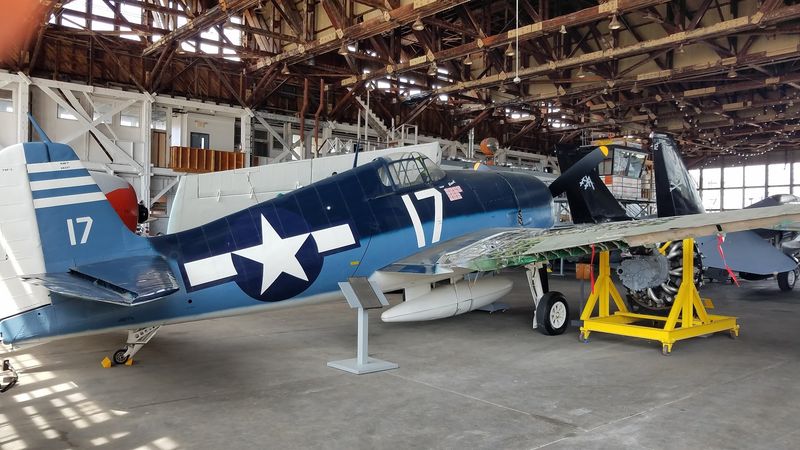
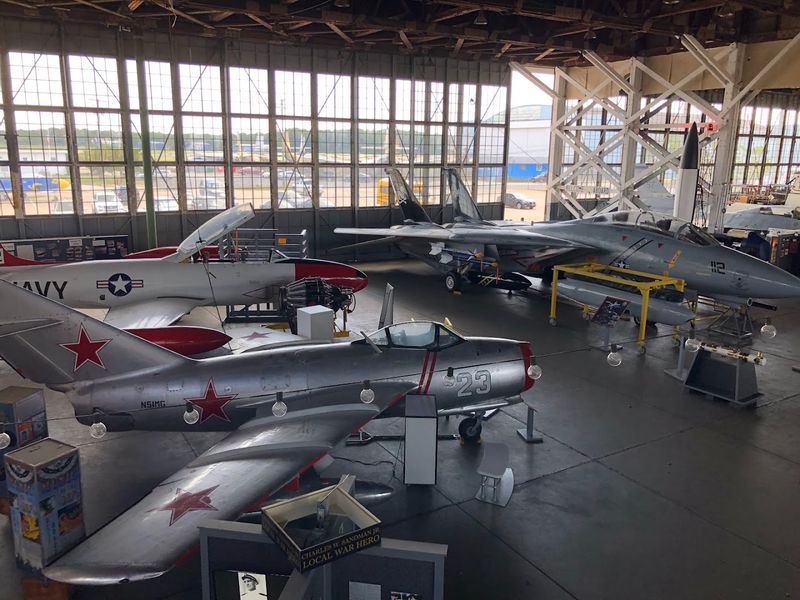
The collection inside Hangar No. 1 is genuinely impressive for a regional museum. The aircraft range from WWII-era propeller planes to Cold War jets to modern military hardware, and they are arranged across the hangar floor in a way that lets you walk right up to each one.
Among the highlights are an F-14 Tomcat, an F-16 Fighting Falcon, and an AV-8 Harrier jump jet. The sheer size of the F-14 up close is something that photographs do not fully prepare you for.
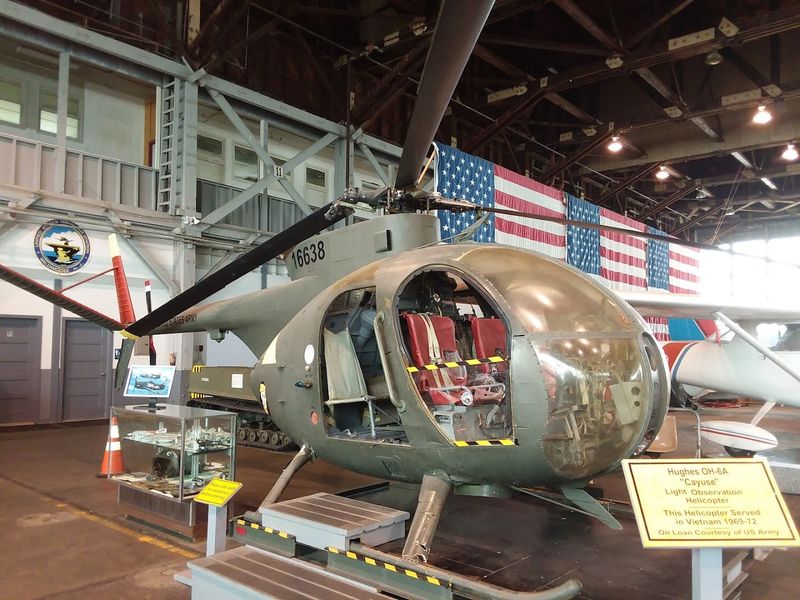
There are also helicopters, Coast Guard vessels, piston engines, and jet engines on display throughout the space.
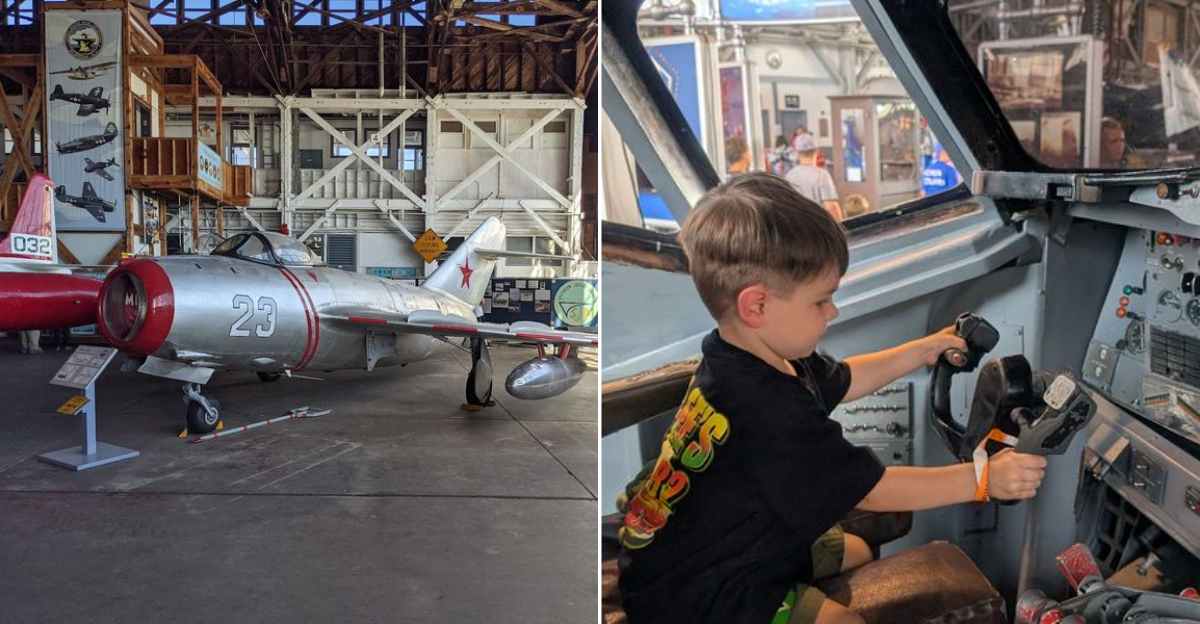
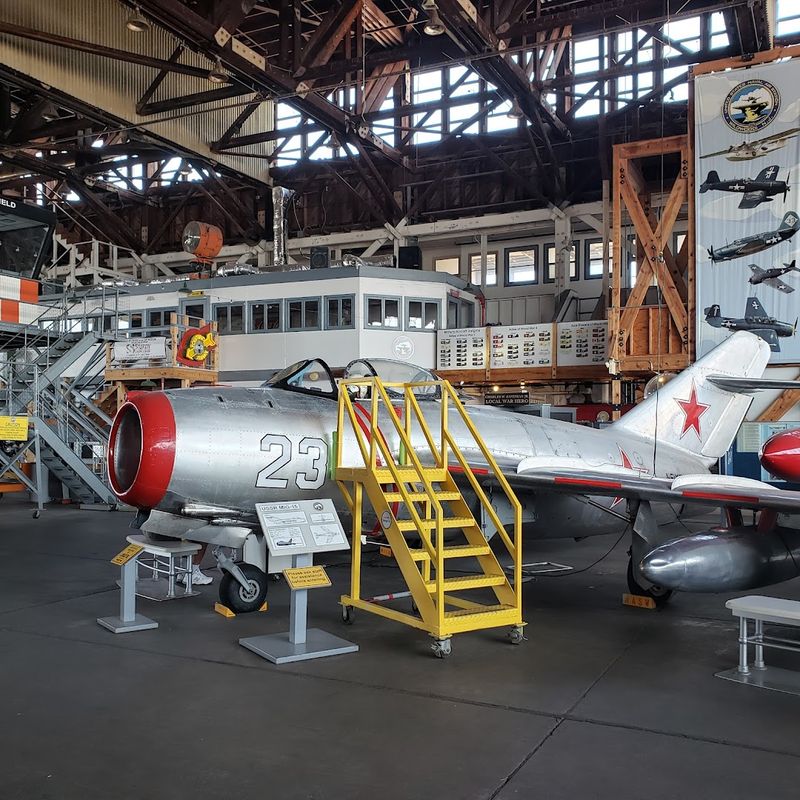
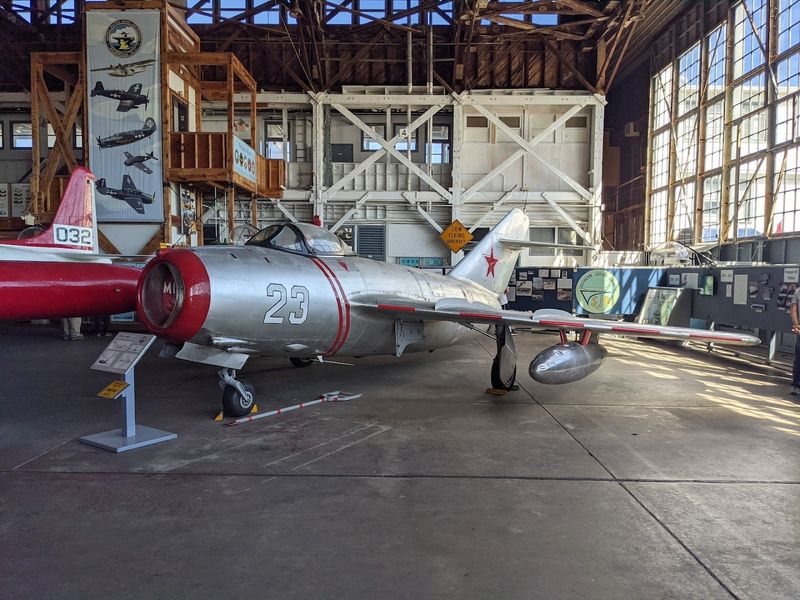
A Russian MiG trainer adds an unexpected international angle to the collection, and it tends to draw a crowd. The variety means there is genuinely something for every kind of visitor, from kids who just want to see a big jet to adults with a serious interest in aviation engineering and military history.
The collection keeps growing each year.
One of the things that sets this museum apart from larger, more formal institutions is the level of access visitors get to the actual aircraft. At many aviation museums, the planes are roped off and you look at them from a distance.
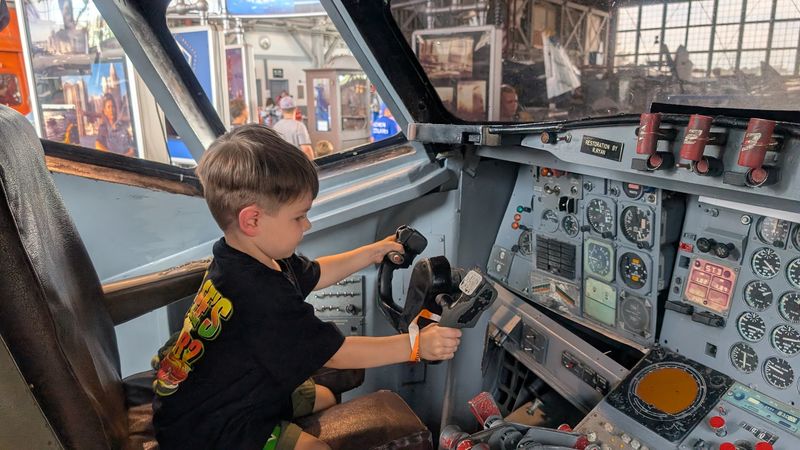
Here, you can sit in cockpits, climb into certain aircraft, and get close enough to study the rivets.
That hands-on approach makes a real difference, especially for younger visitors. Kids who might lose interest in a traditional exhibit hall tend to stay engaged here because they are physically interacting with the history instead of just reading about it.
There are also flight simulators on-site that let visitors experience a version of what it feels like to operate an aircraft. The simulators are popular with all age groups and tend to draw lines during busy periods.
The combination of real aircraft access and interactive technology makes the museum work for a wide range of visitors, from toddlers to grandparents.
Among the personal stories told inside the museum, the exhibit on Bill Band stands out. Band was a Cape May County native who flew with the American Volunteer Group, better known as the Flying Tigers, in China during WWII before the United States officially entered the war.
The Flying Tigers are one of the more celebrated chapters of American aviation history, and having a local connection to that story gives the museum a personal angle that larger institutions often lack. The exhibit covers Band’s background, his service, and his place in the broader Flying Tiger legacy.
Stories like this are part of what makes the museum feel alive rather than static. The aircraft are impressive on their own, but the human stories attached to them are what give the collection its emotional weight.
Bill Band’s exhibit is a good example of how a regional museum can tell a national story through a local lens, and do it well.
A big part of what makes a visit to this museum memorable is the people working inside it. The staff and volunteers are knowledgeable in a way that goes beyond reading the exhibit labels.
They have personal connections to the history, and they are genuinely enthusiastic about sharing it.
Volunteer guides walk the floor regularly and are available to answer questions, point out details you might miss on your own, and share stories that are not written on any placard. The depth of knowledge some of these volunteers carry is remarkable, and a conversation with the right person can completely change how you experience the collection.
The museum was built on community effort and it still runs that way. The founder’s dedication is something visitors consistently notice, and that culture of care has clearly passed down through the people who keep the museum operating.
It is the kind of place where the staff actually wants you to have a good time, and that makes a difference.
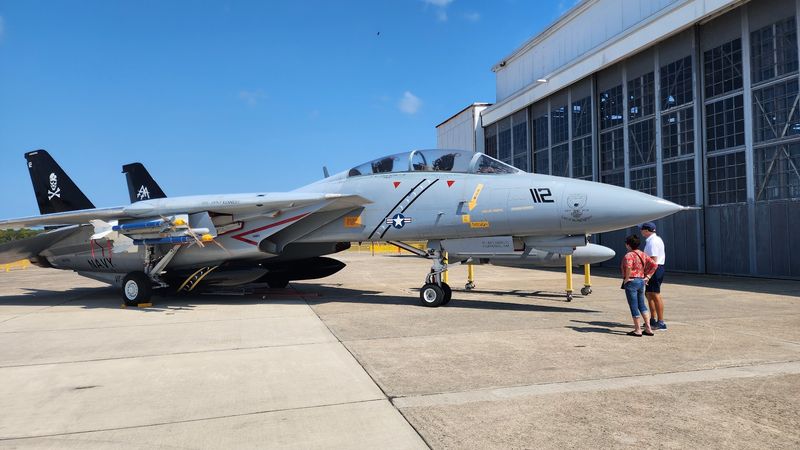
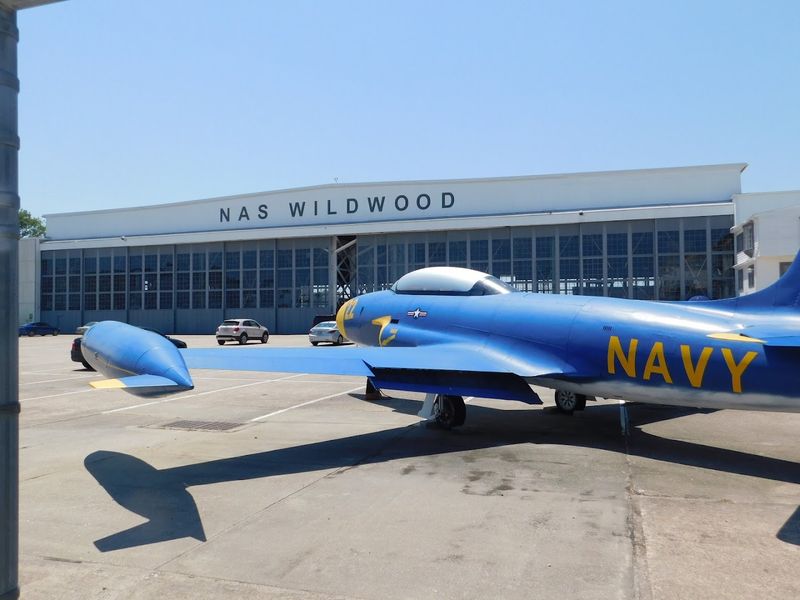
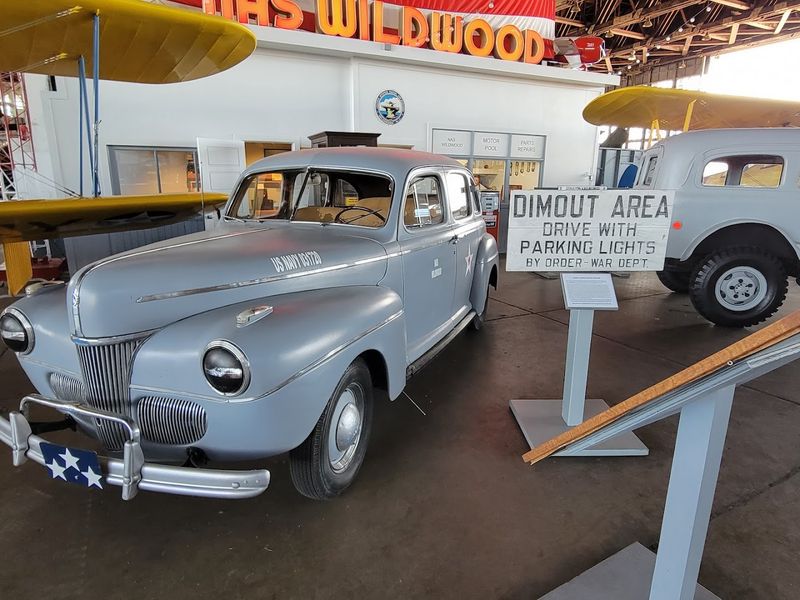
The experience at Naval Air Station Wildwood does not stop at the hangar doors. There are additional aircraft and military vehicles displayed outside on the grounds, and spending time with those pieces adds another layer to the visit.
The outdoor area also gives you a clear view of the active airfield, where small private planes occasionally take off and land. That juxtaposition of modern general aviation happening right next to WWII-era artifacts is something you do not get at a traditional museum setting, and it makes the whole property feel more dynamic.
The grounds are well maintained and easy to navigate, with enough space that even on busy days it does not feel crowded. Plan to spend at least a few minutes outside before heading back in, especially if you want to get a full sense of the scale of the original base and how much of its footprint the museum now occupies.
The outdoor section is easy to underestimate.
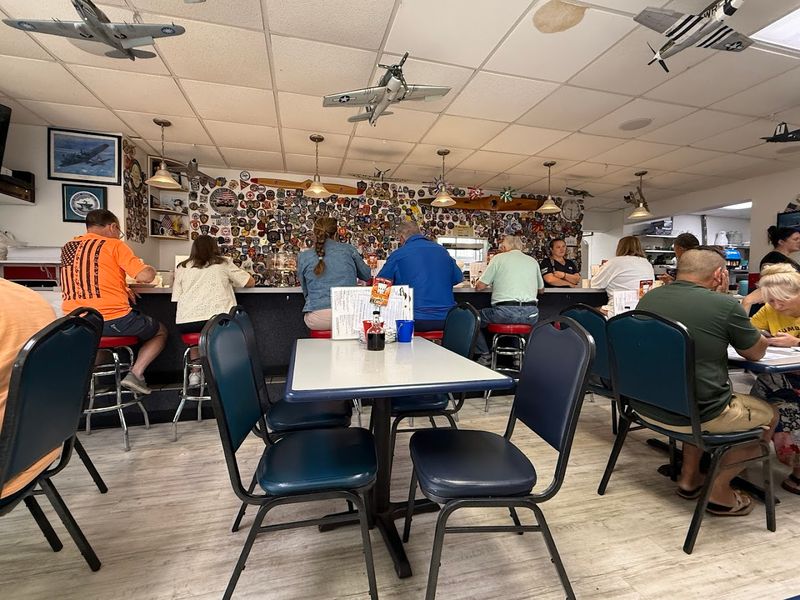
After covering the collection, most visitors are ready for a break, and the Flight Deck Diner handles that well. The on-site restaurant serves breakfast and lunch, and it has become a destination in its own right for people visiting the Cape May area.
The diner is aviation-themed, which fits the setting, and the menu covers the kind of straightforward, satisfying food that works well after a morning of walking around a large hangar. It is a practical addition to the museum experience rather than an afterthought.
More recently, an ice cream parlor opened upstairs, adding another option for families with kids who need a reward after a long visit. Having food and refreshments on-site is genuinely useful at a museum this size, especially since the nearest commercial area is not immediately adjacent to the airport.
The combination of the diner and the ice cream counter means you can make a full half-day or even full-day outing without needing to leave the property for meals.
The museum holds several major events throughout the year that transform the property into something well beyond a standard museum visit. AirFest is the flagship event, drawing crowds from across the region for vintage aircraft flyovers, live music, food vendors, simulators, and craft vendors spread across the grounds.
Wings and Things is another popular event that brings together aviation enthusiasts, families, and casual visitors for a full day of activities. These events are worth planning a trip around specifically, because the energy and atmosphere are completely different from a regular weekday visit.
Past events have also included axe throwing, fire trucks, and live entertainment alongside the aviation programming, which shows how the museum thinks about reaching audiences beyond the core aviation crowd. The admission price for the museum itself is $14, which is reasonable for the regular experience, but the big events add layers that make the price even easier to justify.
Check the website before your visit.
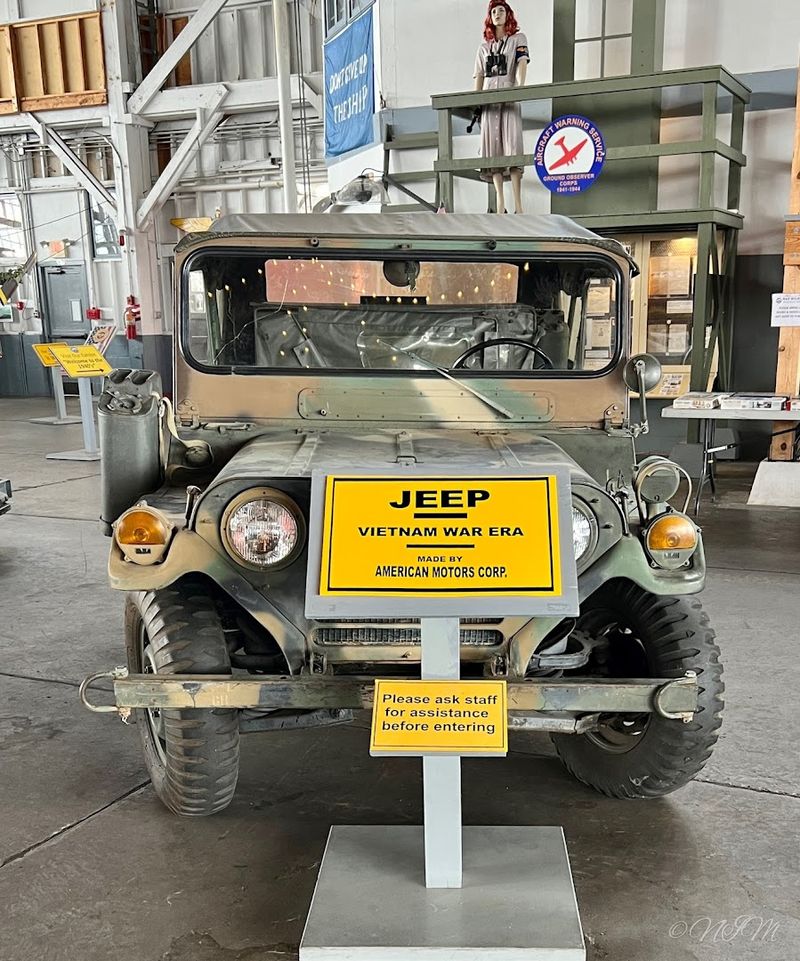
A short walk from the main hangar, directly across the street, there is a small Vietnam War museum that most visitors do not realize is part of the broader experience at the site. The two museums complement each other well, since the Vietnam museum covers a different era of American military history while the main aviation museum focuses primarily on WWII and the Cold War period.
The Vietnam museum is smaller and more focused, but it adds meaningful context for visitors interested in the full arc of American military aviation history. Combining both museums in a single visit is easy given the proximity, and it makes the overall trip feel more complete.
For families with veterans or military history enthusiasts in the group, the combination of both sites offers a surprisingly comprehensive look at different chapters of U.S. military service. It is the kind of pairing that works naturally without requiring much extra effort, and it is worth factoring into your visit time.
The museum is open daily from 10 AM to 4 PM, which gives you a solid window for a visit. Weekday mornings tend to be quieter, so if you want more space and easier access to the aircraft and cockpits, a Tuesday or Wednesday morning is a good choice.
Weekend afternoons can get busy, especially during summer.
Parking is free and plentiful, which is not something you can take for granted at popular attractions in the Cape May area during peak season. The entrance process is smooth, with tickets available through the gift shop at the front of the hangar.
The museum is family-friendly and accessible, and the layout makes it easy to spend anywhere from 30 minutes to three hours depending on your level of interest. Bringing cash for the gift shop is a good idea since it carries a solid selection of aviation merchandise and souvenirs.
Donations are also welcomed and genuinely support ongoing restoration and collection work.
There are bigger aviation museums in the United States with larger budgets and more famous collections. But few of them can match the combination of things that make Naval Air Station Wildwood work as well as it does: a genuinely historic building, a strong and varied collection, hands-on access, and a community-driven spirit that shows in every corner of the place.
Museum consistently delivers on its promise and continues to improve its offerings year after year. The ongoing additions to the collection and the expansion of on-site amenities show an organization that is not standing still.
For anyone passing through Cape May County, or making a special trip to the Jersey Shore, this museum belongs on the itinerary. It is the kind of place that earns a return visit, and more than a few people have made the two-plus hour drive more than once just to come back.



