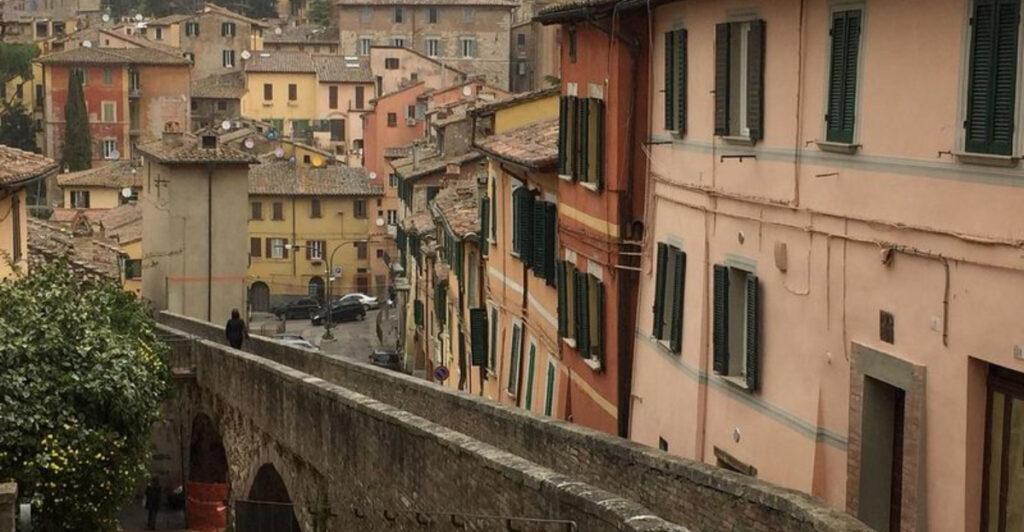
There is a city in central Italy that was already old when Rome was still figuring itself out. Its stone streets wind uphill past medieval towers, Gothic cathedrals, and a marble fountain that has stood in the same piazza for over 700 years.
The historic center sits high on a hilltop, wrapped in ancient Etruscan walls that predate the Roman Empire by centuries. And after all that history, you can still walk into a local bar, order a perfectly pulled espresso, and pay just one euro for it.
Perugia, the capital of Umbria, is the kind of place that makes you wonder why more people are not talking about it. This article walks you through everything that makes this city so worth knowing, from its jaw-dropping architecture to its surprisingly affordable daily life.
A City That Was Ancient Before Rome Even Existed
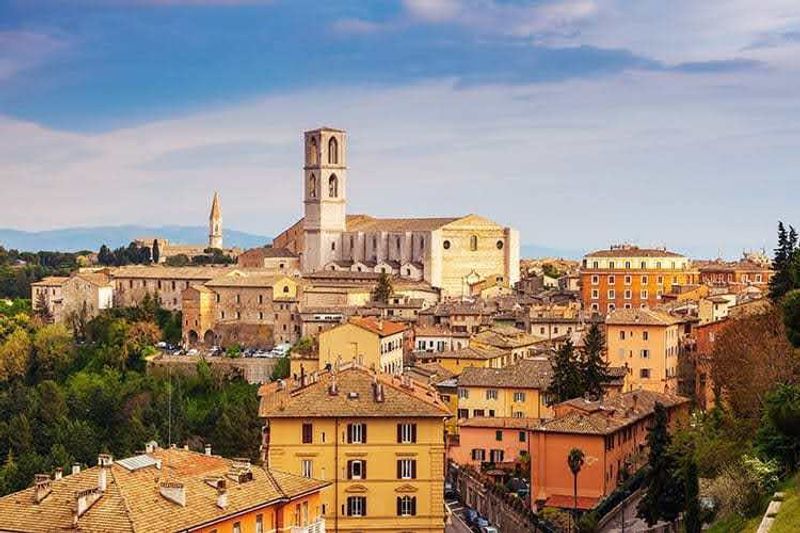
Most people think of Rome when they think of ancient Italy, but Perugia had already been a major city for hundreds of years before Rome rose to power.
The Etruscans founded Perugia somewhere around the 6th century BCE, making it one of the oldest continuously inhabited cities in all of Italy. The Etruscan Arch, also known as the Arco Etrusco, still stands at the entrance to the old city and dates back to the 3rd century BCE.
Walking through that arch feels like crossing a threshold in time. The stones are massive, rough-cut, and stacked without mortar, yet they have held together for over two thousand years.
Perugia sits in the Umbria region of central Italy, at the coordinates 43.1107, 12.3908, perched on a hilltop that gave its early inhabitants a strategic view of the surrounding valleys. History here is not behind glass.
It is underfoot.
Where Exactly Is Perugia And How Do You Get There
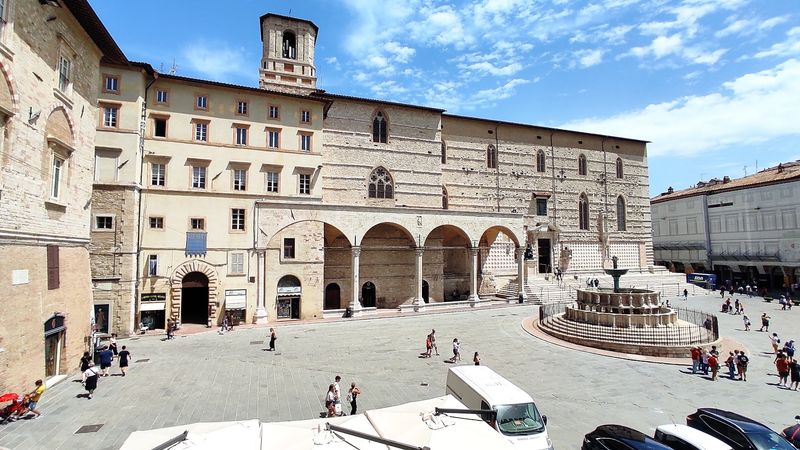
Perugia is the capital city of both the Province of Perugia and the Umbria region, sitting right in the geographic heart of the Italian peninsula.
The full address for the historic center is simply Perugia, Province of Perugia, Umbria, Italy. It sits roughly 170 kilometers north of Rome and about 150 kilometers southeast of Florence, making it a genuinely convenient stop between two of Italy’s most visited cities.
You can reach Perugia by regional train from Rome Termini in about two and a half hours, or by bus from Florence in under two hours. The city also has its own small airport, the San Francesco d’Assisi Airport, which serves a handful of European routes.
Once you arrive, the historic center is best explored entirely on foot, though the city’s famous outdoor escalators make climbing the steep medieval streets much less of a workout than you might expect.
The €1 Espresso That Tells You Everything About This City
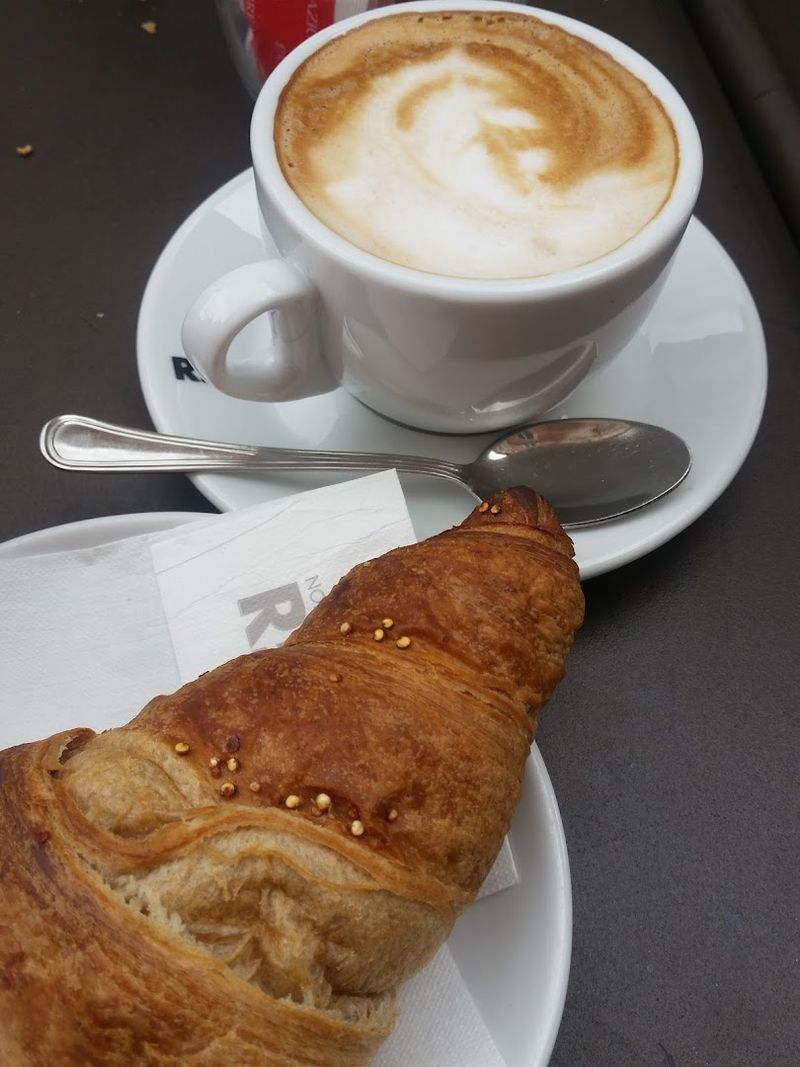
One of the first things you notice in Perugia is that the coffee is cheap, and not in a corner-cutting way. A single espresso at almost any local bar in the city costs exactly one euro, sometimes less.
That price point says something important about the culture here. Perugia has not been fully absorbed into the tourist-premium economy that inflates costs in Rome or Florence.
Locals still drink their espresso standing at the bar, pay their euro, and go about their day.
The coffee itself is excellent. Rich, dark, and served in a warmed ceramic cup, it is the kind of espresso that makes you understand why Italians never feel the need to add caramel syrup or oat milk to their morning routine.
Sitting down at a table may cost slightly more, as it does across Italy, but standing at the bar is the local way, and it is absolutely the right way to do it.
Piazza IV Novembre: The Living Room of the City
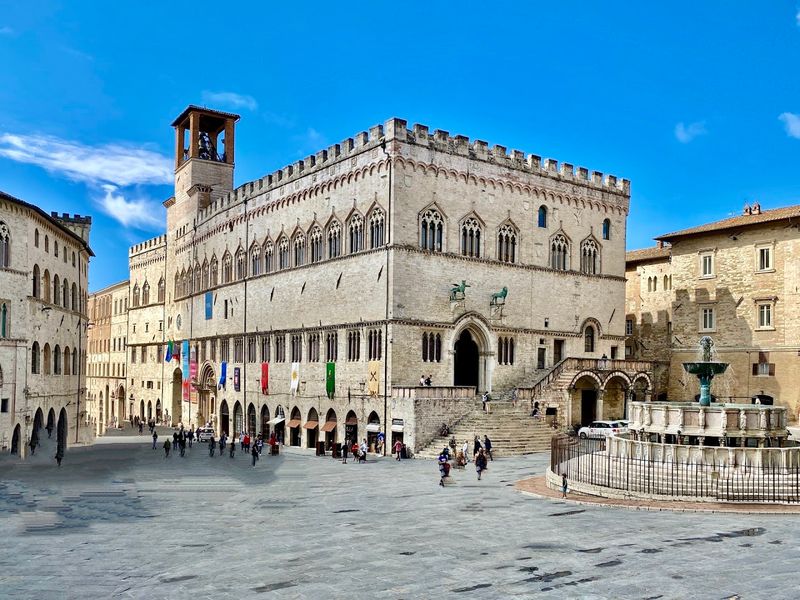
Every great Italian city has a central piazza that functions as its social heart, and in Perugia, that place is Piazza IV Novembre.
The square is framed on one side by the Gothic facade of the Cathedral of San Lorenzo, and at its center stands the Fontana Maggiore, a stunning 13th-century marble fountain decorated with carved biblical scenes, zodiac signs, and figures from classical mythology. The fountain was completed in 1278 and is considered one of the finest examples of medieval sculpture in all of Italy.
On any given afternoon, the steps around the fountain are covered with university students, local families, and travelers who have figured out that this is the best free seat in town.
The piazza has a relaxed energy that is hard to manufacture. Nobody is rushing.
The light in the late afternoon turns the pale stone a warm amber, and for a few minutes, everything feels genuinely unhurried.
The Gothic Cathedral and Its Renaissance Secrets
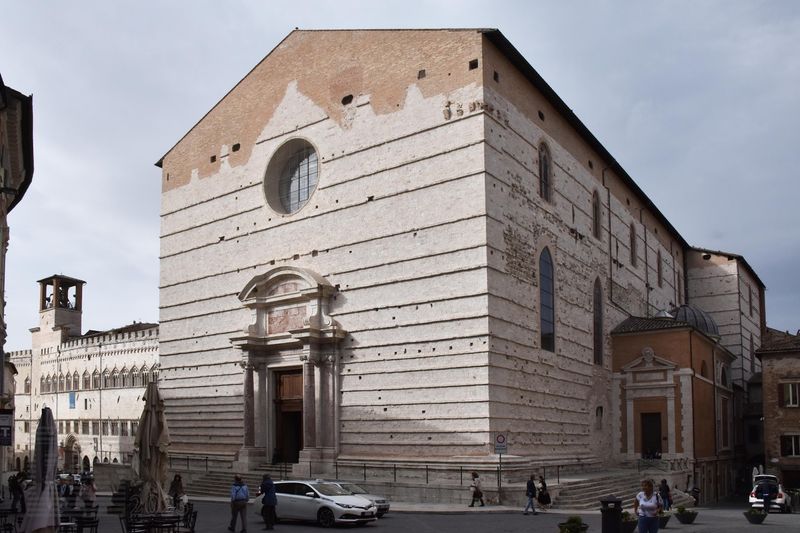
The Cathedral of San Lorenzo looks out over Piazza IV Novembre with the quiet authority of a building that has seen centuries come and go without feeling the need to show off.
Construction on the cathedral began in the 14th century and continued well into the 15th, which is why the exterior has an unfinished quality that locals have simply accepted as part of its charm. The inside, however, is a different story entirely.
The interior holds a remarkable collection of Renaissance paintings and frescoes, including works that reflect the artistic energy that swept through Umbria during the 15th and 16th centuries. One of the cathedral’s most famous claimed possessions is the Ring of the Virgin Mary, a sacred relic kept in a special chapel and displayed publicly only once a year.
Whether or not you are drawn to religious history, the sheer weight of what this building has witnessed over seven centuries makes it impossible to walk past without going in.
Palazzo dei Priori: Art Hidden Inside a Medieval Fortress
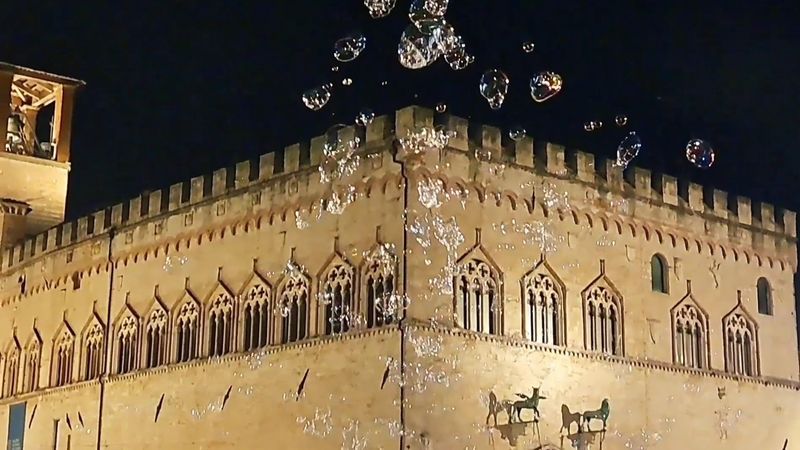
The Palazzo dei Priori, or Priori Palace, is one of the most impressive medieval civic buildings in Italy, and it happens to contain one of the country’s most underrated art museums.
The palace was built starting in the late 13th century and served as the seat of Perugia’s city government for hundreds of years. Today, it houses the Galleria Nazionale dell’Umbria, which holds a permanent collection of regional art spanning from the 13th century all the way through the 19th.
The collection includes works by Perugino, the Umbrian master who also happened to be Raphael’s teacher, as well as pieces by Pinturicchio and Fra Angelico. These are not minor works tucked away in a regional archive.
They are genuinely significant paintings displayed in beautifully maintained rooms.
The museum is far less crowded than comparable collections in Florence or Rome, which means you can actually stand in front of a Perugino and take your time with it.
Perugia Chocolate Festival: The Sweetest Week of the Year
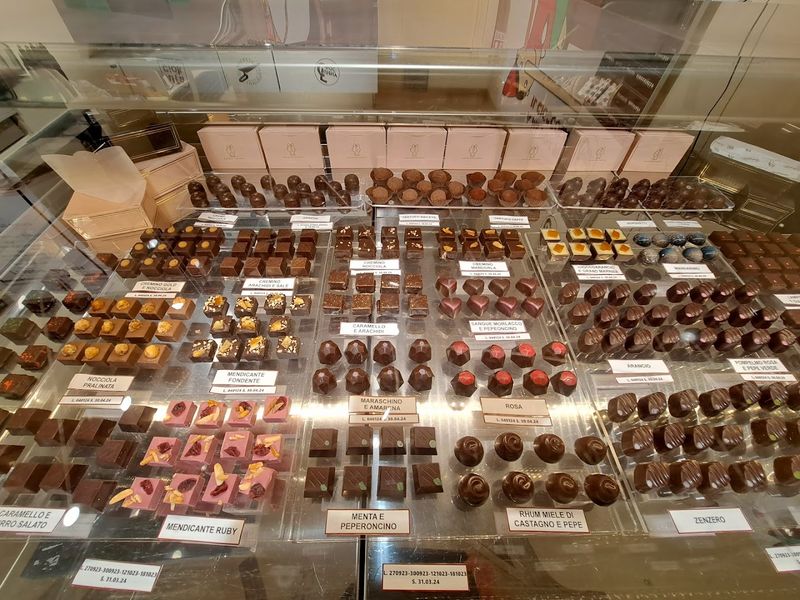
Every October, Perugia transforms into what might be the most delicious place on earth for about ten days straight.
The Eurochocolate Festival draws hundreds of thousands of visitors to the city each year, filling the streets of the historic center with chocolate stalls, live demonstrations, sculpted chocolate installations, and enough free samples to make the walk uphill feel completely worth it.
Perugia has a deep connection to chocolate that goes well beyond the festival. The city is home to Perugina, the company behind the iconic Baci chocolate, those foil-wrapped hazelnut and dark chocolate pieces with the little love notes tucked inside.
The Perugina factory and chocolate museum are located just outside the city center and offer tours for anyone who wants to see how Baci are made.
Even outside October, you will find chocolate shops throughout the old town selling truffles, pralines, and regional specialties that are worth every euro.
The Underground City Beneath the Streets
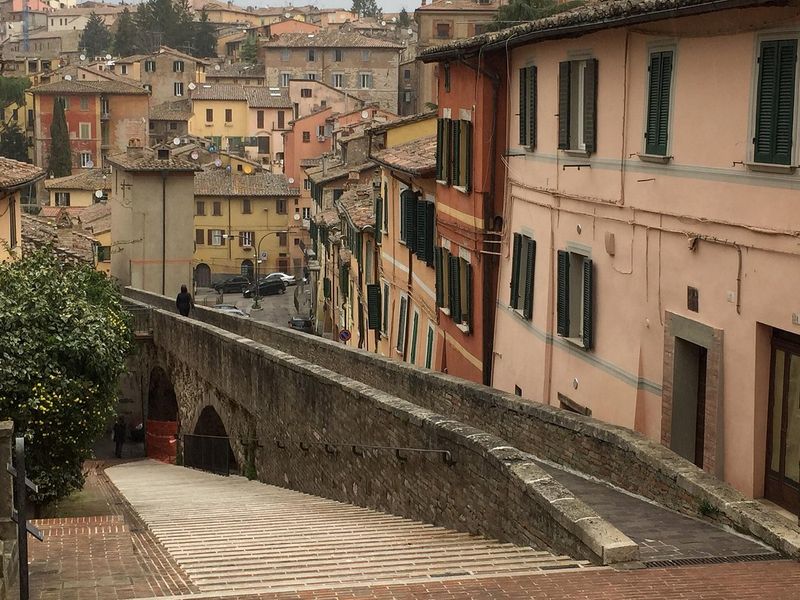
Underneath the modern streets of Perugia lies an entire buried city, and you can walk through it any day of the week.
The Rocca Paolina is a 16th-century fortress that was built by Pope Paul III on top of an existing medieval neighborhood. When Perugian residents tore down the hated fortress after Italian unification in the 1860s, they did not demolish it completely.
The lower levels, including streets, houses, and archways from the original medieval quarter, were simply buried and forgotten for decades.
Today, the underground complex has been excavated and opened to the public, and it is genuinely eerie in the best possible way. Vaulted stone corridors stretch in multiple directions, with original doorways, staircases, and even the outlines of old shops still visible along the walls.
The city now uses part of the complex as a pedestrian passageway, which means locals commute through a 500-year-old buried neighborhood as casually as if it were a subway station.
University Town Energy That Keeps the City Young
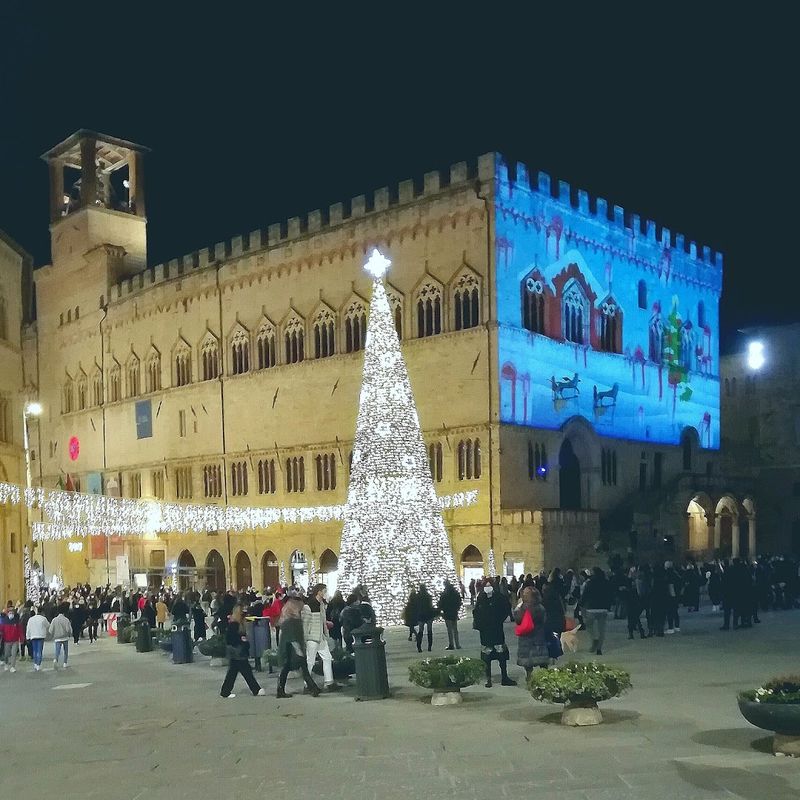
Perugia has one of the oldest universities in Italy, the University of Perugia, which was founded in 1308. That is not a typo.
The university has been operating continuously for over 700 years.
The city also hosts the Universita per Stranieri di Perugia, a university specifically dedicated to teaching the Italian language and culture to international students. Founded in 1925, it draws thousands of students from around the world every year, giving the city a genuinely cosmopolitan energy that you might not expect from a hilltop town in central Italy.
All of those students keep the local economy lively, the bars busy, and the piazzas full well into the evening. The mix of medieval architecture and young foot traffic creates a contrast that feels energizing rather than jarring.
If you visit during the academic year, the city has a pulse that is entirely different from a typical tourist-heavy Italian destination, and that difference makes it far more interesting.
Practical Tips for Visiting Perugia Without Any Regrets
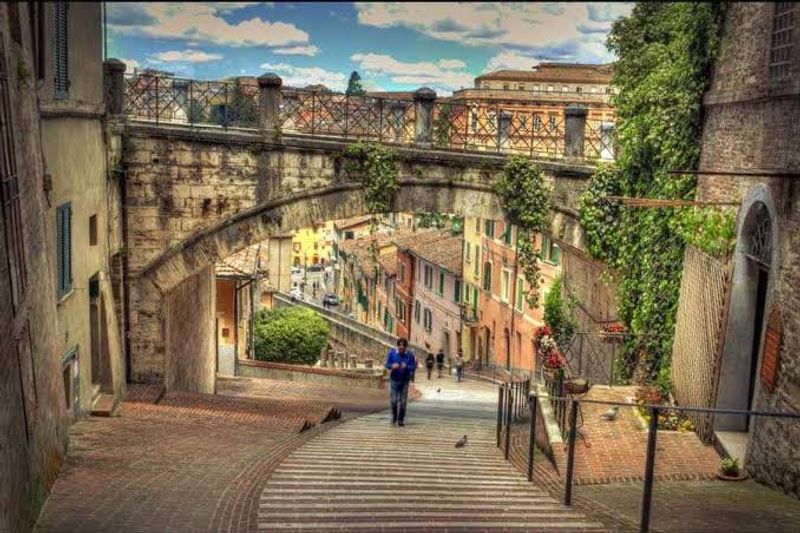
A few practical things worth knowing before you go will make the whole trip run much more smoothly.
The historic center of Perugia is entirely closed to private vehicles, so once you park in one of the lots at the base of the hill, you rely on the city’s free escalator system to move between levels. The escalators run through tunnels and covered walkways cut into the hillside, and they are genuinely useful once you figure out the layout.
The best time to visit is either spring or early autumn. Summer brings heat and larger crowds, while winter can be cold and a few attractions reduce their hours.
October is particularly good if you want to catch the Eurochocolate Festival.
Accommodation in Perugia is noticeably more affordable than in Rome or Florence, and the city makes an excellent base for day trips to Assisi, Spoleto, and Lake Trasimeno, all of which are within an hour by car or regional train.
Share this story