North Jersey has a reputation for punching above its weight when it comes to unexpected day-trip destinations. Tucked right next to an active airport in Bergen County, there is a museum that most locals have never set foot in, even though it sits just minutes from one of the most talked-about burger joints in the region.
The combination sounds almost too good to be true: a morning spent surrounded by real aircraft, historic artifacts, and the kind of volunteer guides who could talk aviation for hours, followed by an afternoon at a burger counter that has earned a loyal following across the state. This pairing works surprisingly well, and once you know about it, you will wonder why it took so long to discover.
The Story Behind the Museum
New Jersey’s place in aviation history runs deeper than most people realize, and that is exactly the gap this museum was built to fill. The state played a central role in the earliest years of powered flight, from engine manufacturing in Paterson to the famous names who trained, flew, or launched careers within its borders.
The museum honors those contributions through a carefully assembled collection of artifacts, models, aircraft, and archival materials that trace the arc of flight from its fragile beginnings to the space age. What makes the storytelling here compelling is the local angle: rather than presenting a broad national history, every exhibit ties back to New Jersey in a specific and meaningful way.
That focused approach gives the museum a distinct personality. It does not try to compete with the Smithsonian.
Instead, it carves out its own lane by celebrating regional pride and the kind of history that rarely makes the national headlines but absolutely should.
Famous Names Connected to the Garden State
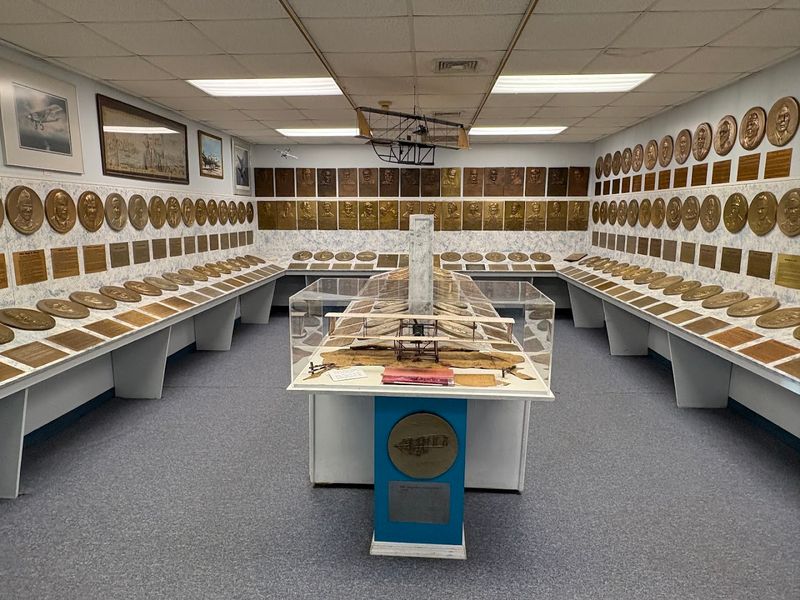
Few things reframe a state’s identity quite like learning which legendary figures passed through it. The museum highlights connections to some of the most iconic names in aviation history, including Amelia Earhart, Charles Lindbergh, and Admiral Richard Byrd, all of whom have documented ties to New Jersey.
Those connections are not superficial. New Jersey served as a launch point, a training ground, and a homebase for pilots and engineers who changed the course of aviation.
Seeing those names placed in a local context makes the history feel more immediate and more personal than a standard textbook account ever could.
The museum also celebrates the Tuskegee Airmen and accomplished women in aviation, making sure the full story of flight is represented rather than just the most famous chapters. That inclusivity is one of the things that makes a visit here feel genuinely worthwhile, regardless of how much aviation knowledge you walk in with.
The Hindenburg Connection
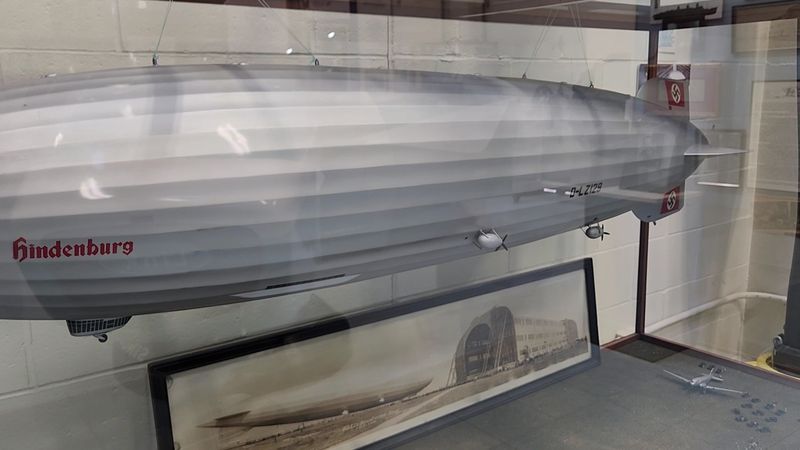
Among the many artifacts on display at the museum, one stands out for its sheer historical weight: a remnant from the Hindenburg. The famous airship met its end in Lakehurst, New Jersey in 1937, and the state has held a complicated place in aviation history ever since that event.
Having a physical piece of that history under one roof adds a layer of gravity to the museum experience that is hard to replicate with photographs or text alone. It connects the visitor directly to one of the most documented moments in 20th-century aviation, all within the context of a museum that is otherwise full of achievement and progress.
The Hindenburg artifact tends to draw a crowd and spark conversations, especially during guided tours when staff members provide context that transforms a display case into a genuine history lesson. That kind of depth is what separates this museum from a simple collection of old machines.
What the Two-Floor Layout Offers
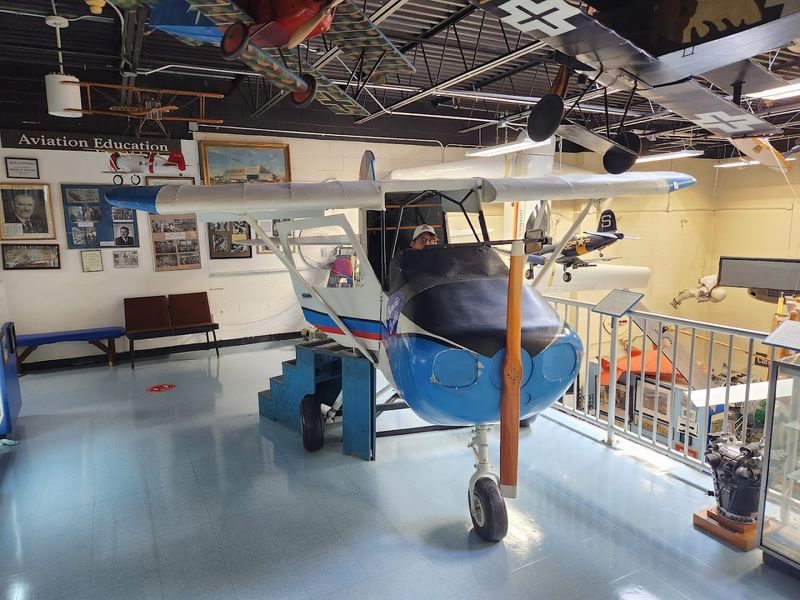
The museum spans two floors, and the layout is designed to keep curiosity moving from one exhibit to the next without ever feeling rushed or overwhelming. The first floor draws visitors into the core story of New Jersey aviation, while the second floor expands into more specialized territory.
Both floors are packed with displays that balance written information with physical objects, so there is always something to read alongside something to look at. For families with younger children, that combination keeps attention focused without relying solely on text-heavy panels.
A short introductory video plays at the start of the visit, running about nine minutes and giving context for everything that follows. That brief orientation proves genuinely useful, especially for first-time visitors who arrive without much background knowledge.
By the time the video ends, the exhibits make considerably more sense, and the overall visit tends to feel more satisfying as a result.
Hands-On Features That Stand Out
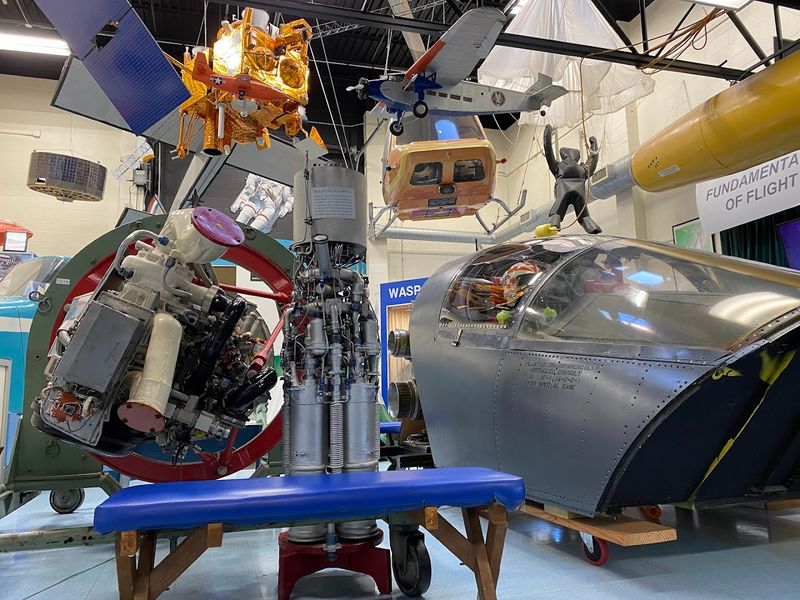
Not every museum can claim to have working interactive exhibits, but the New Jersey Aviation Hall of Fame delivers on that front with hands-on flight simulators and aircraft models that actually move. Those features make a real difference, particularly for younger visitors who learn better through doing than through reading.
The interactive aerodynamics area is one of the most talked-about sections of the museum, giving visitors a chance to understand the basic principles of flight in a tangible way. It is the kind of exhibit that bridges the gap between abstract science and real-world application.
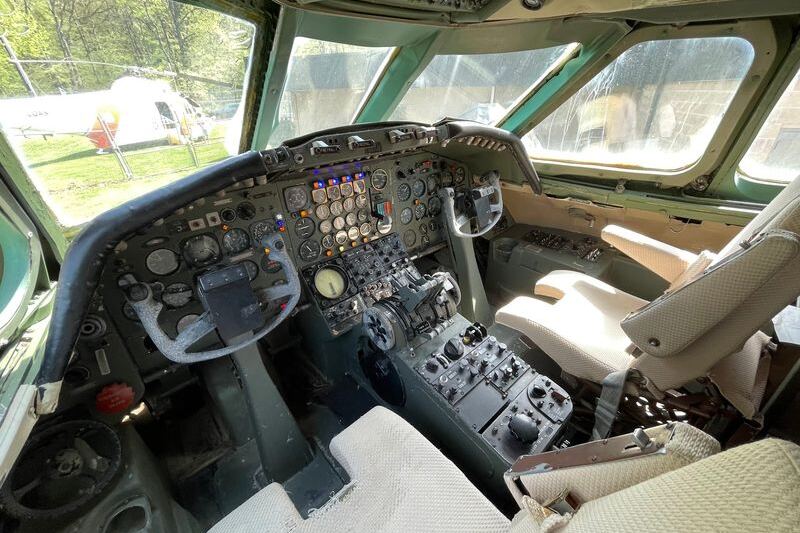
On six specific days throughout the year, the museum hosts open cockpit days, during which visitors can climb inside most of the aircraft on display. Those events tend to book up quickly and are worth planning a trip around, especially for families with children who are passionate about planes.
Checking the museum’s website in advance is the best way to catch those dates.
The Outdoor Courtyard and Real Aircraft
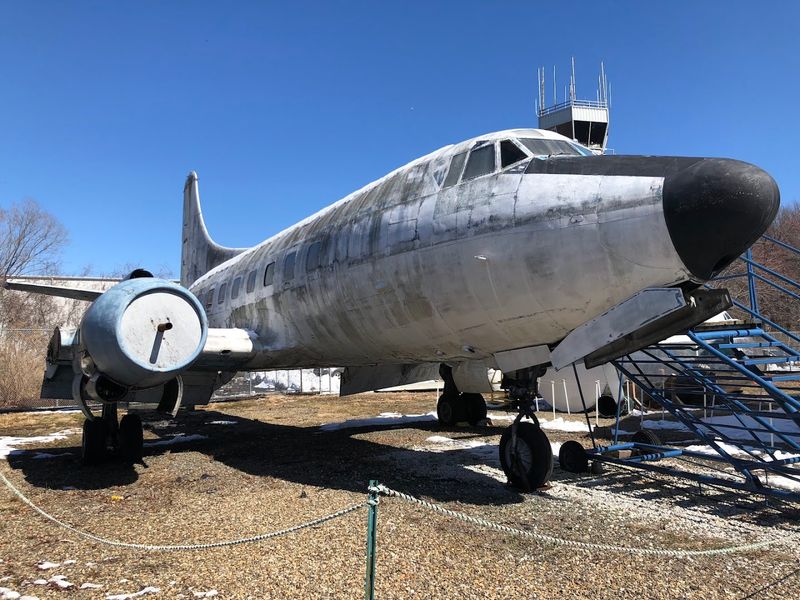
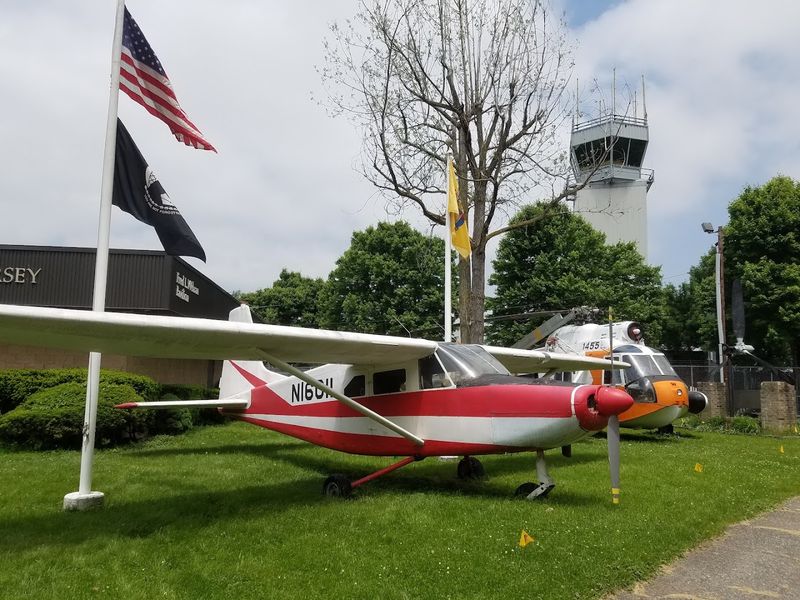
The museum experience extends well beyond its interior walls. An outdoor courtyard holds a collection of real aircraft, including several that visitors can walk up to and examine at close range.
A crash rescue truck rounds out the outdoor display, adding a dimension of aviation support history that often gets overlooked.
The courtyard is free to walk through as part of the regular admission, and it tends to be a highlight for visitors of all ages. There is something fundamentally different about standing next to a full-scale aircraft compared to looking at a model behind glass.
On open cockpit days, the outdoor aircraft become even more accessible, with visitors able to climb inside cockpits and get a firsthand sense of what those machines actually feel like from the pilot’s seat. The courtyard also offers clear sightlines toward the active Teterboro Airport runway, which means real aircraft taking off and landing are visible throughout the visit.
The Volunteer Guides Who Make It Special
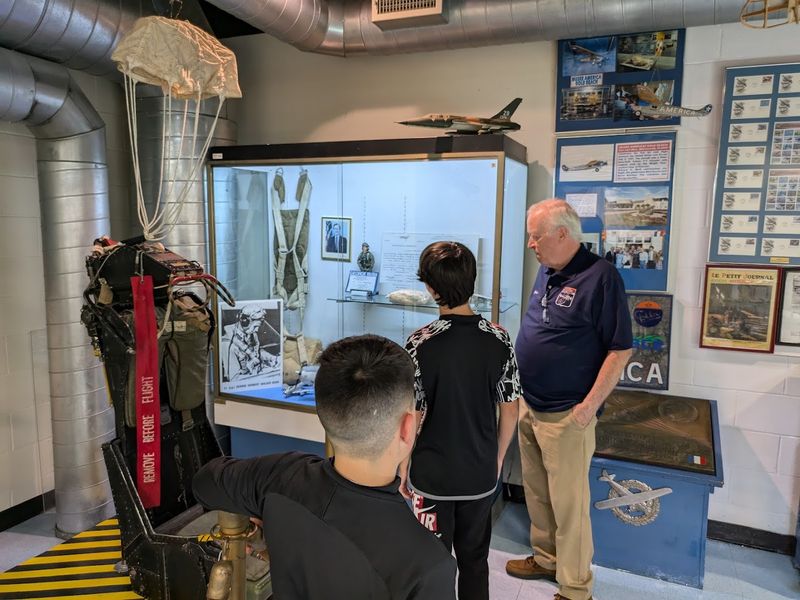
The volunteer staff at this museum are a significant part of what makes a visit memorable. These are not casual helpers filling a shift; they are aviation enthusiasts with deep personal knowledge and a genuine eagerness to share it.
Many of them have backgrounds in aviation themselves, which gives their commentary a credibility that printed labels simply cannot match.
Guided tours are available and strongly recommended, particularly for first-time visitors who might otherwise miss the significance of certain displays. A self-guided walk-through is entirely possible, but the added context from a knowledgeable guide transforms the experience from informative to genuinely absorbing.
The staff tends to be especially patient and accommodating with children, explaining things at an accessible level without talking down to adult visitors at the same time. That balance is harder to achieve than it sounds, and it reflects the kind of institutional culture that develops when people truly care about the mission of a place.
New Jersey’s Role in the Space Age

Aviation history does not stop at the atmosphere, and the museum makes sure that point comes through clearly. A dedicated section covers New Jersey’s contributions to space exploration, connecting the state’s industrial and scientific heritage to the broader story of human spaceflight.
New Jersey has been home to research facilities, aerospace manufacturers, and engineers whose work directly supported NASA programs and satellite technology. That history is often invisible in everyday life, but the museum pulls it into focus with artifacts, models, and documentation that make the connections concrete.
For visitors who arrive thinking of aviation purely in terms of propeller planes and jet travel, the space section tends to reframe the entire visit. It expands the definition of what flight means and places New Jersey at the center of a story that stretches from the Wright Brothers era all the way to the modern space industry.
That scope is genuinely surprising.
Perfect for Families With Young Kids

Bringing very young children to a museum can feel like a gamble, but the New Jersey Aviation Hall of Fame tends to deliver for families across a wide age range. The combination of physical aircraft, hands-on simulators, and an outdoor courtyard gives younger visitors enough variety to stay engaged throughout the visit.
Children who are passionate about planes, helicopters, and rockets will find plenty to connect with, and the staff is experienced at guiding families through the exhibits in a way that keeps energy focused rather than scattered. The museum is compact enough that it does not become exhausting for small legs, yet substantial enough to feel worthwhile for the adults along for the trip.
The ability to physically enter a real aircraft is a particular draw for young visitors, turning an educational outing into something closer to an adventure. That hands-on quality is what tends to make the visit stick in a child’s memory long after the day is over.
Practical Tips for Planning Your Visit
A few logistical details are worth knowing before making the trip. The museum is open Wednesday through Saturday from 10:30 AM to 4 PM, which means weekend visitors have Saturday as their only option if they cannot make a weekday work.
Arriving early is a good strategy, particularly on Saturdays when parking can be limited.
Parking has been noted as a constraint at busy times, with waits occasionally reaching thirty minutes on crowded days. Arriving at or shortly after opening time tends to sidestep that issue entirely.
Admission can be paid by cash, though exact change is appreciated, and credit cards are also accepted.
The museum’s website at njahof.org lists upcoming open cockpit days and any special events, which are worth checking in advance. Group visits and birthday celebrations can also be arranged through the museum, making it a genuinely versatile destination for more than just casual drop-in trips.
Pairing the Museum With a North Jersey Burger Stop

Here is where the day gets even better. Teterboro sits in the heart of Bergen County, which puts it within easy driving distance of some of North Jersey’s most celebrated food stops.
After a morning at the museum, the natural next move is a short drive to one of the area’s legendary burger counters.
North Jersey has a serious burger culture, with roadside spots and no-frills counters that have built devoted followings over decades. The region’s proximity to New York City has always kept the food competition fierce, and the burger scene reflects that energy with options that range from classic smash-style patties to thick, old-school diner builds.
Pairing a cultural and educational stop with a satisfying meal is one of the simplest formulas for a great day out. The museum handles the morning with history and hands-on discovery, and the burger stop handles the afternoon with the kind of straightforward, no-fuss satisfaction that North Jersey does better than almost anywhere else.
Where to Find This Aviation Landmark
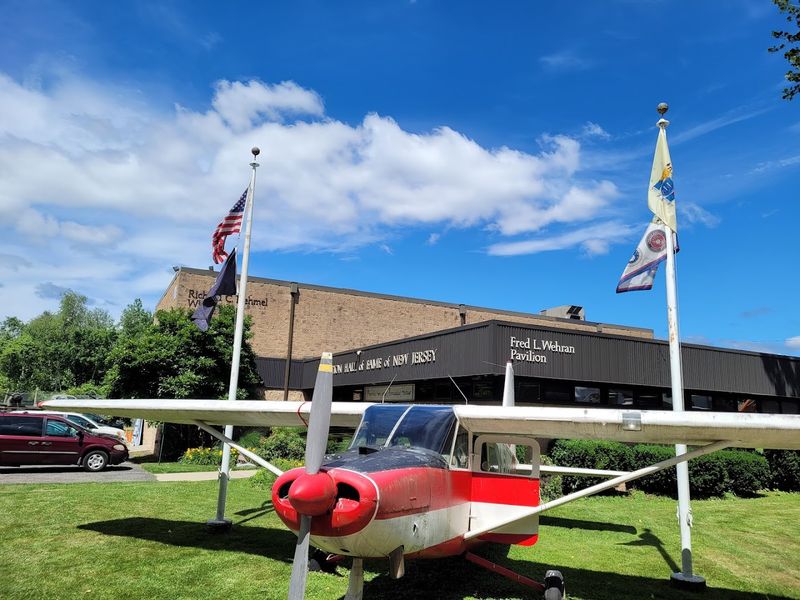
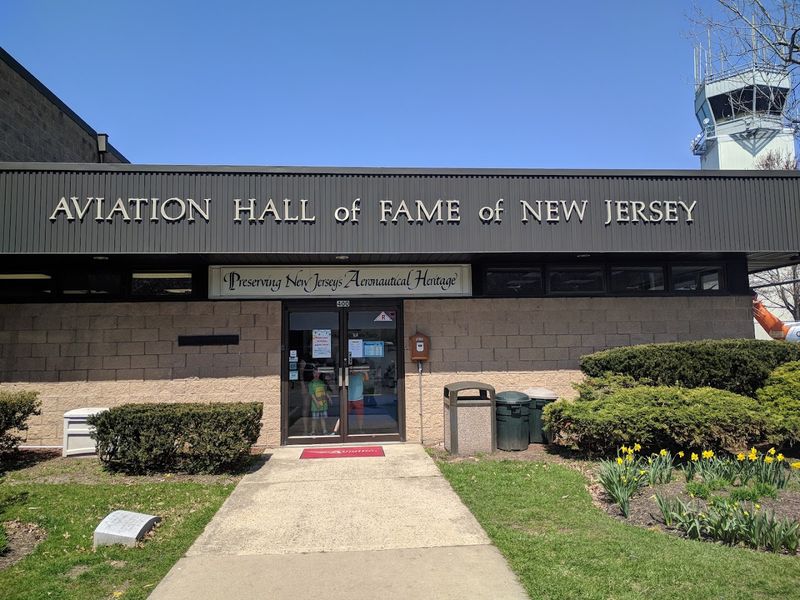
Right on the grounds of Teterboro Airport in Bergen County, the New Jersey Aviation Hall of Fame sits at 400 Fred Wehran Drive, Teterboro, NJ 07608. The address alone tells you something interesting: this museum shares real estate with one of the busiest general aviation airports on the East Coast.
That location is not accidental. The museum was established to celebrate New Jersey’s deep and often underappreciated role in the history of flight, and placing it beside a working airport keeps that mission grounded in reality.
The museum is open Wednesday through Saturday from 10:30 AM to 4 PM and is closed Sunday through Tuesday, so planning ahead is key. Admission is affordable, with adult tickets priced at around $15 and children’s tickets at $12, making it a budget-friendly outing for families.
The official website at njahof.org has up-to-date details on hours and special events worth checking before your visit.
Share this story