 Unearth The Voyage
There is a place in Fort Collins, Colorado, where the air smells like fresh earth and lavender, and every turn of a path reveals something worth stopping for. I had heard about it from a friend who described it as the kind of spot that makes you slow down without even trying.
So I cleared a Saturday, laced up my walking shoes, and drove out to see what all the fuss was about. What I found was 18 acres of carefully tended gardens, a butterfly pavilion that genuinely stopped me in my tracks, seasonal events that draw crowds from across the region, and a peaceful atmosphere that felt a world away from everyday noise.
This place has earned its reputation, and I am here to walk you through every corner of it.
Where the Gardens Begin: Address and Setting
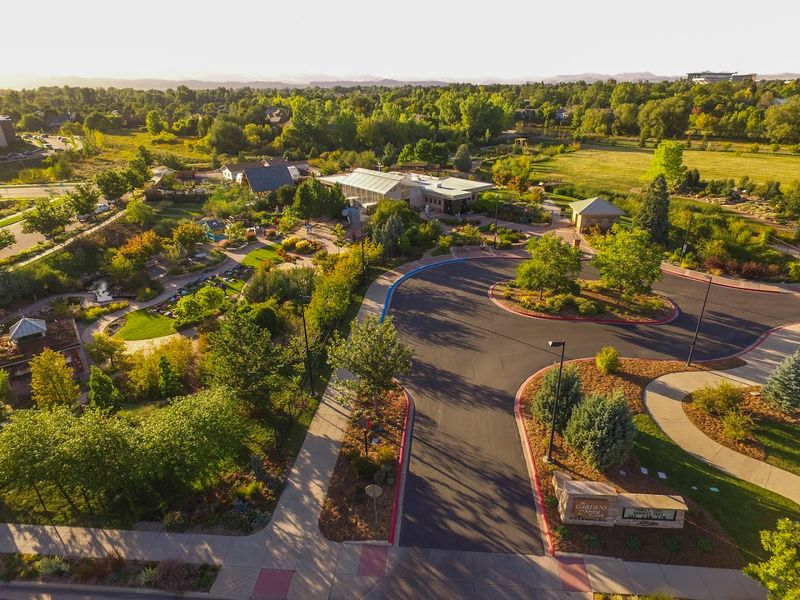
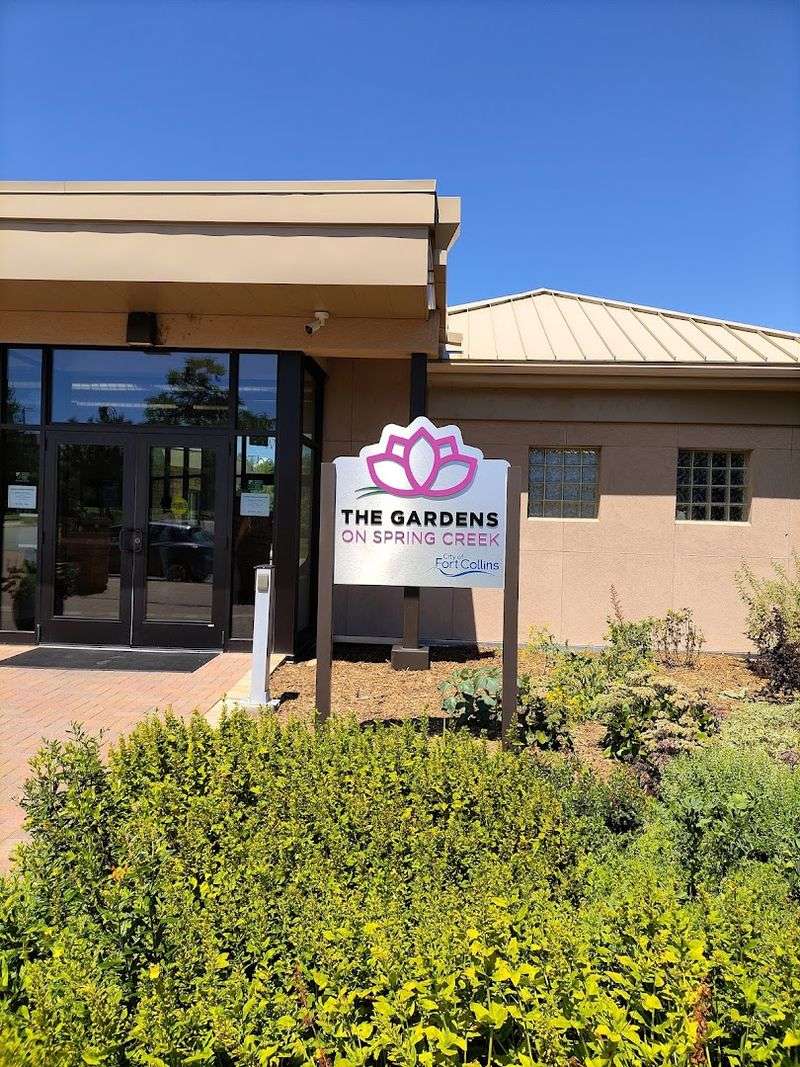
The Gardens on Spring Creek sits at 2145 Centre Ave, Fort Collins, CO 80526, right in the heart of northern Colorado’s Front Range. The moment you pull up and park, the scale of the property starts to register.
Eighteen acres of cultivated land spread out before you, divided into distinct garden zones that each have their own personality and plant palette.
Fort Collins is known for its outdoor culture, and this garden fits right in with that spirit. The address puts it close to Spring Creek Trail, which means cyclists and walkers sometimes stop in as part of a longer outdoor day.
The surrounding neighborhood is quiet and residential, which adds to the sense that you have found a peaceful retreat tucked inside a busy city.
Hours run Tuesday through Wednesday and Friday through Sunday from 10 AM to 5 PM, with Thursday being the one day the garden is closed. Admission is affordable, making it an easy choice for a spontaneous afternoon outing.
The phone number on file is 970-416-2486 if you need to call ahead and confirm event schedules or seasonal programming details.
A Brief History of Growth and Transformation
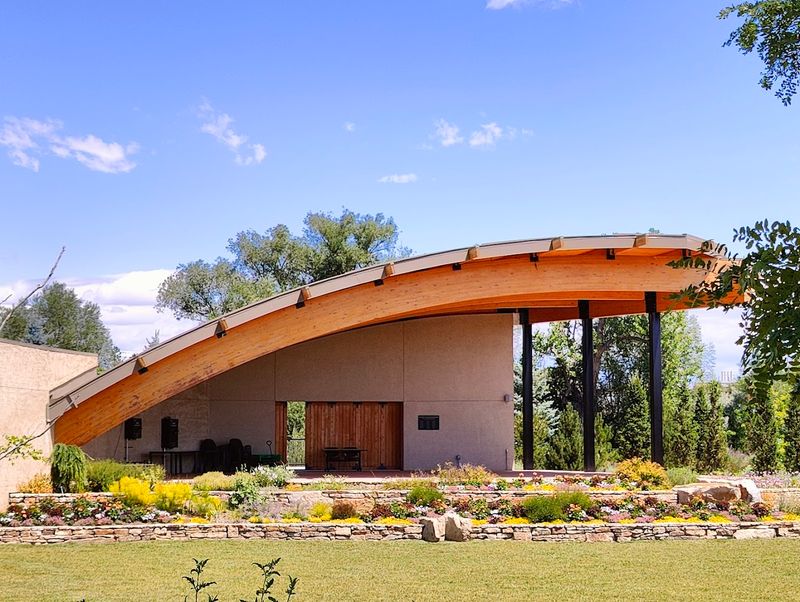
What stands here today did not happen overnight. The Gardens on Spring Creek has evolved steadily over the years, and a major turning point came in 2019 when the property underwent a significant expansion that reshaped the entire experience.
The old layout gave way to a much larger, more thoughtfully designed space that now includes a live music stage, an outdoor culinary classroom, a butterfly pavilion, children’s gardens, and a day camp classroom.
Before the expansion, the property was functional but modest. The 2019 project stretched the footprint considerably and introduced garden zones that speak to the region’s specific ecology and climate.
It was a bold move, and it paid off. The Gardens went from a pleasant local stop to a destination worth planning a trip around.
Colorado’s Front Range has a distinctive high-desert climate, and the designers leaned into that rather than fighting it. You will find plants here that thrive in arid conditions, and the educational signage throughout the grounds explains exactly why each species was chosen.
The history of this place is really a story about a community investing in something beautiful and watching it grow into something remarkable over time.
The Butterfly Pavilion: A World of Wings
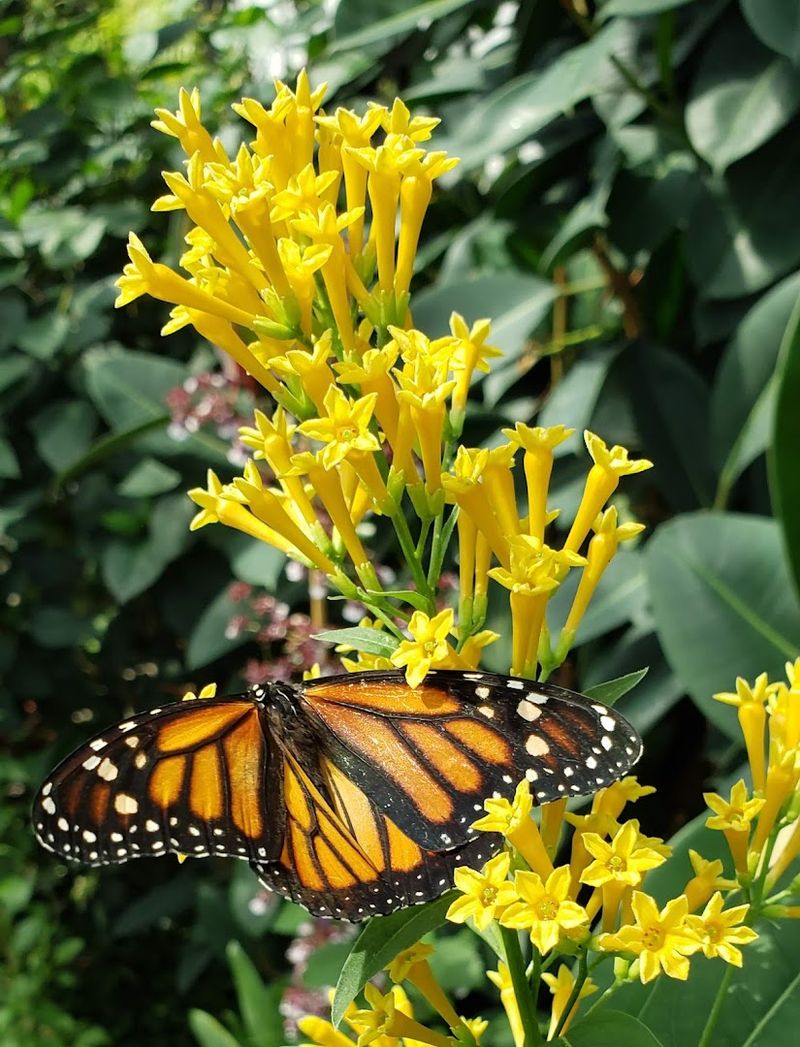
Nothing at the Gardens on Spring Creek gets more consistent praise than the butterfly pavilion, and after my visit I completely understand why. You walk through a set of doors and enter a warm, humid space filled with living plants and dozens of free-flying butterflies.
The shift in atmosphere is immediate and a little surreal.
The pavilion focuses on North American butterfly species, which sets it apart from larger facilities that showcase international varieties. That regional focus actually makes the experience more meaningful, since you might recognize some of the same species from your own backyard.
The butterflies move freely around the space, landing on flowers, leaves, and occasionally on visitors who stand still long enough.
On sunny days, the butterflies are most active and tend to flutter around at eye level, making them easy to observe up close. On overcast days, they tend to cluster near the upper windows where the light is brightest.
One of the most memorable features is the display of chrysalises, where you can actually watch butterflies emerging in real time. I happened to catch one mid-emergence, and it was the kind of quiet, unhurried moment that makes a visit here feel genuinely special and worth every penny.
The Foothills Garden and Colorado Native Plants
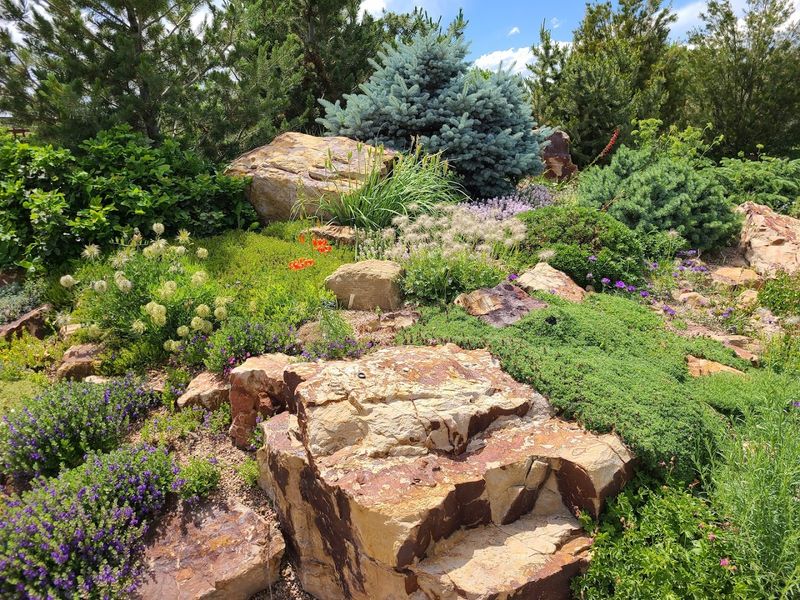
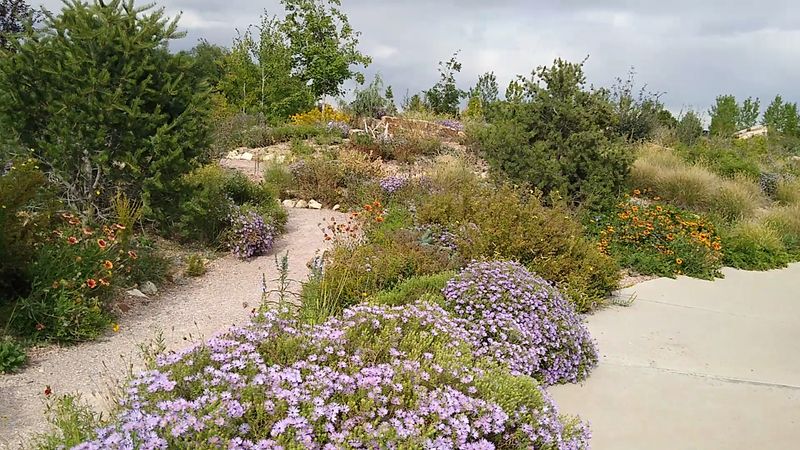
One section of the property that caught me off guard with its beauty was the foothills garden, which showcases plants native to Colorado’s Front Range and mountain foothills. This is not a garden designed to impress with tropical color or exotic specimens.
Instead, it tells the story of what actually grows in this part of the world, and it does so with real confidence and care.
Every plant in this section is labeled with its common name, scientific name, and a brief note about its role in the local ecosystem. That level of detail is genuinely useful, especially for anyone who gardens at home and wants to make smarter, more sustainable choices.
The foothills garden made me rethink what a beautiful garden actually looks like, since the native plants here are striking in their own understated way.
Colorado’s arid climate means that water-wise landscaping is not just trendy but necessary. The foothills garden demonstrates that you do not need constant irrigation to have something worth admiring.
Visitors coming from wetter regions like the Pacific Northwest or the Southeast often find this section eye-opening. It is a practical garden and an inspiring one at the same time, and it represents one of the most honest and regionally authentic spaces on the entire property.
Children’s Gardens and Family-Friendly Features
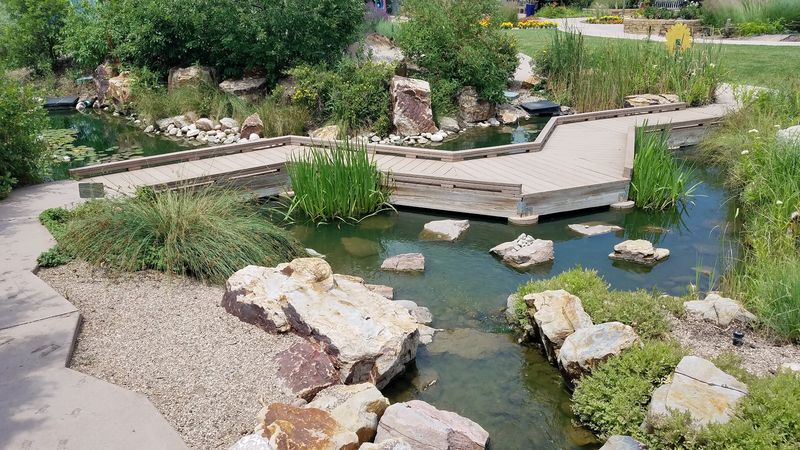
Families with young children have a lot to look forward to here. The children’s garden section is designed with younger visitors in mind, offering interactive elements, hands-on learning stations, and plantings that are at kid-friendly eye level.
It is the kind of space where a five-year-old can stay genuinely engaged rather than just being dragged along by an adult.
The day camp classroom on the property speaks to a broader educational mission that runs throughout the Gardens. Programming for children is offered seasonally, covering topics like pollination, composting, and basic plant science.
These are not dry lectures but hands-on activities that connect kids to the natural world in a direct and memorable way.
Parents consistently mention how much their children enjoy the butterfly pavilion in combination with the children’s garden area, since both spaces reward curiosity and slow observation. The staff members in these areas are patient, knowledgeable, and clearly enjoy working with younger visitors.
Bringing a child here for the first time feels like giving them a gift they did not know they wanted. The Gardens on Spring Creek has built something that works for every age group, and the children’s programming is a big part of what makes it a true community asset in northern Colorado.
Seasonal Events That Keep Visitors Coming Back

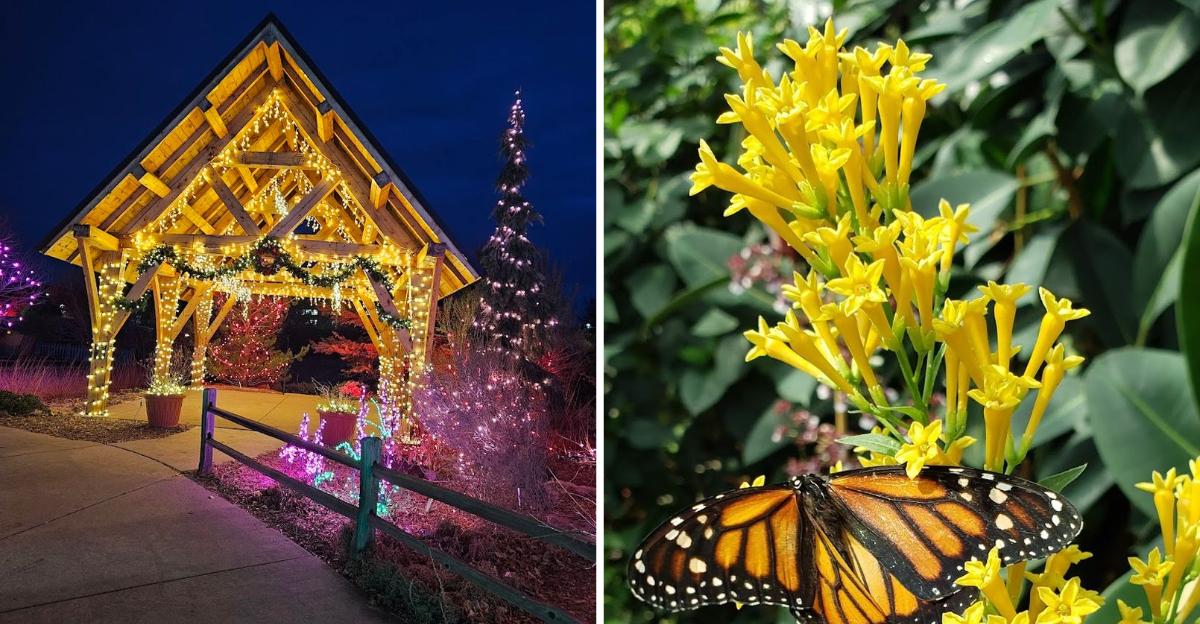
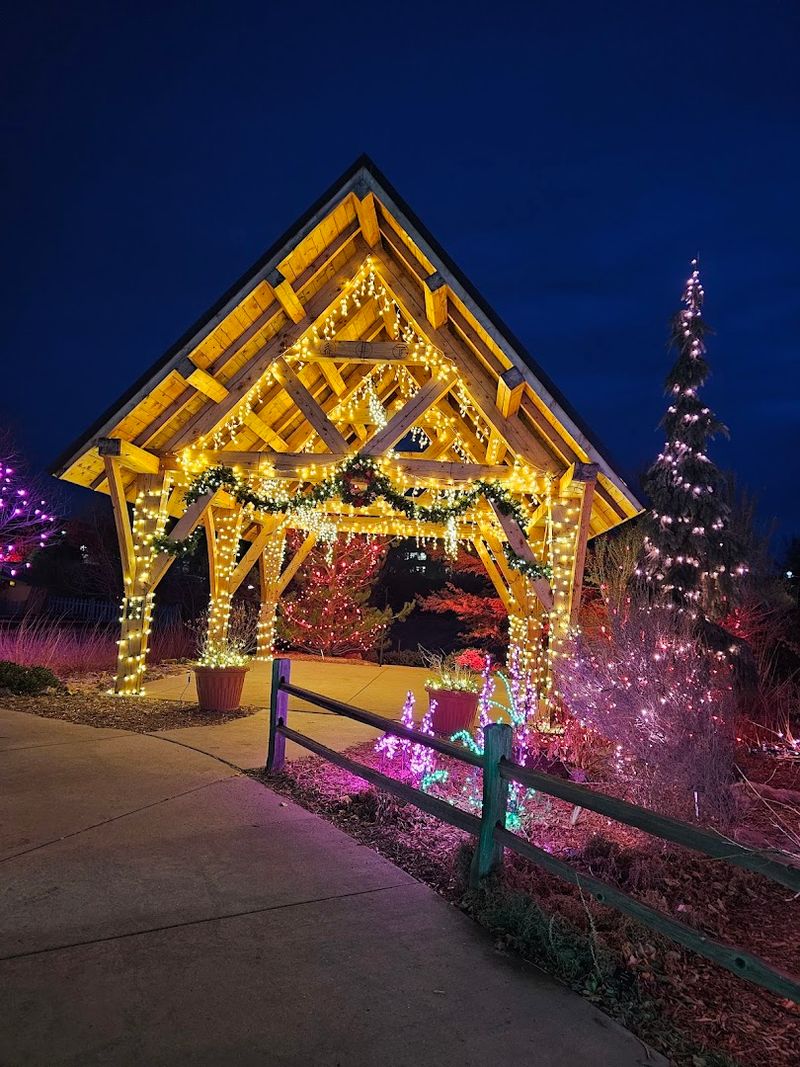
One visit to the Gardens on Spring Creek is rarely enough, largely because the programming changes with the seasons and gives you a new reason to return every few months. The Garden of Lights holiday event is one of the most talked-about experiences, transforming the property into an illuminated winter landscape that draws crowds from across the region.
The holiday display features light installations that go well beyond the standard string-light setups you see elsewhere. There are themed sections, live entertainment including musicians, and special character appearances that make it a memorable outing for families.
The event runs in the evenings, which gives the whole property a completely different mood than a daytime garden visit.
Summer brings the Twilight Garden Series, an event format that combines outdoor socializing with educational programming and live music. These evening events have a relaxed, community-focused atmosphere that reflects Fort Collins culture well.
The outdoor culinary classroom also hosts cooking and gardening workshops throughout the year, adding another layer of programming that appeals to adults. Whether you are visiting from nearby or making a longer trip from somewhere like Oklahoma, the seasonal calendar here gives you plenty of reasons to time your visit around something specific and memorable.
The Art Installations That Add Creative Depth
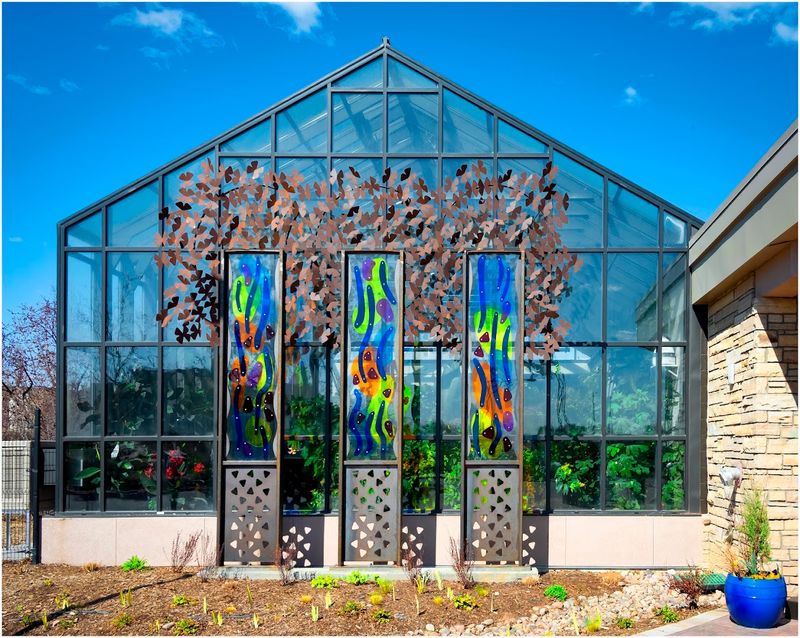
On my visit, the Gardens on Spring Creek was hosting a temporary art installation featuring metal sculptures by artist Melanie Yazzie, placed throughout the garden paths in a way that felt organic rather than intrusive. The sculptures were woven into the landscape rather than just dropped onto it, and they created interesting visual conversations with the plants surrounding them.
Art and botanical gardens have a natural relationship, since both involve careful observation and an appreciation for things that reward a second look. The Yazzie sculptures had a bold, graphic quality that contrasted nicely with the soft textures of the surrounding plantings.
It was the kind of pairing that makes you stop and look at both the art and the plants with fresh eyes.
The Gardens rotate their art programming, so what you see on one visit may be entirely different from what appears on the next. That approach keeps the space feeling current and alive rather than static.
For visitors who appreciate both natural beauty and contemporary art, this is a genuinely compelling combination. The outdoor setting also changes how you experience the sculptures depending on the light and time of day, which adds a dynamic quality that an indoor gallery simply cannot replicate in quite the same way.
Plant Labeling and the Educational Experience
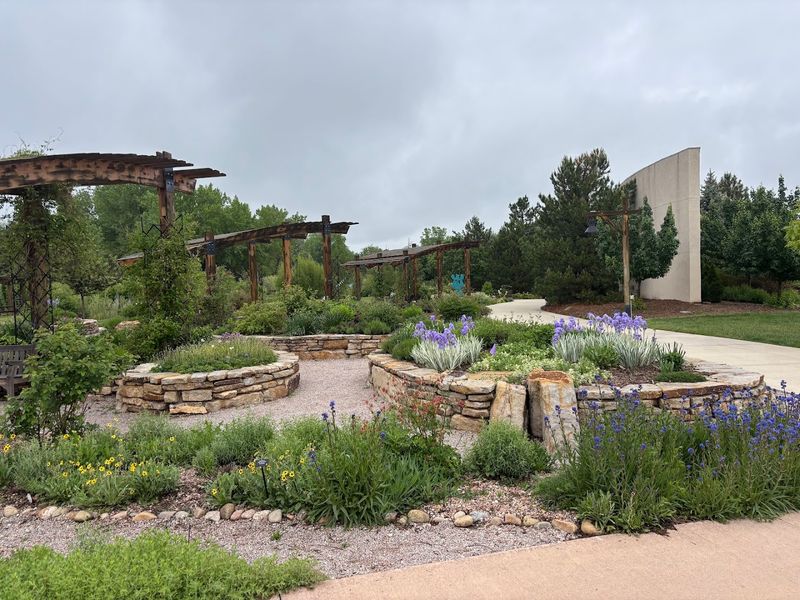
One thing that separates the Gardens on Spring Creek from a simple pretty park is the commitment to education at every turn. The plant labeling throughout the property is thorough and genuinely informative, giving each specimen a name, a description, and often a note about its ecological significance or growing requirements.
For home gardeners, this level of detail is incredibly useful. You can walk through the arid-climate sections and come away with a practical list of plants that will actually thrive in Colorado’s challenging conditions without constant watering.
The outdoor learning stations extend this further, offering deeper context about topics like soil health, pollinator support, and water conservation.
Visitors who arrive knowing very little about plants often leave with a surprising amount of new knowledge, and that speaks well of how the information is presented. Nothing here feels like homework.
The signage is approachable and written for a general audience rather than specialists. Groups visiting from out of state, including those traveling from as far as Oklahoma, often comment on how much they learned without expecting to.
The educational dimension of this garden is woven so naturally into the experience that it never feels like a lecture, just a pleasant and genuinely enriching walk through a well-curated outdoor classroom.
The Gift Shop and What to Pick Up Before You Leave
Right before I headed back to my car, I made the mistake of ducking into the gift shop for what I told myself would be a quick look. Twenty minutes later, I was carrying a small bag of locally sourced items and a seed packet I had no immediate plan for but could not resist.
The gift shop at the Gardens on Spring Creek is well-curated and leans toward locally made products, which makes it feel more personal than a generic souvenir stand.
The selection includes garden-themed items, nature-inspired decor, and gifts that actually connect to what you just experienced on the property. There are orchids and plant-related items available, along with things that make good presents for the nature lovers in your life.
The prices are reasonable, which is a welcome detail that makes it easy to browse without stress.
Staff in the gift shop are friendly and knowledgeable, and they seem genuinely happy to help you find something specific. The shop also connects to the butterfly pavilion entry, so many visitors combine the two stops naturally at the end of their visit.
It is a small space but a thoughtful one, and it rounds out the overall experience in a way that leaves you with a tangible reminder of a genuinely enjoyable afternoon spent among flowers, butterflies, and good Colorado air.
A Wedding and Events Venue Unlike Any Other
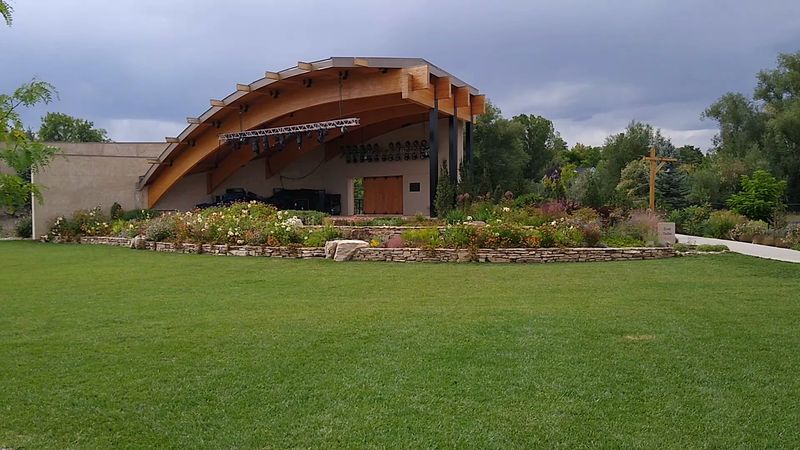
Beyond its role as a public garden, the Gardens on Spring Creek has built a reputation as one of the more distinctive event venues in the Fort Collins area. The combination of manicured garden spaces, a live music stage, and an outdoor culinary classroom gives event planners a lot to work with, and the results tend to be memorable.
Weddings held here benefit from a backdrop that no rented hall can replicate. The seasonal plantings mean that a summer wedding will look completely different from a fall one, and both will be beautiful in their own way.
The property’s layout also allows for multiple event zones, so a ceremony, reception, and outdoor dinner can all happen within the same grounds without feeling cramped.
The concerts and community events hosted here throughout the year also demonstrate how well the space handles crowds. The acoustic setup near the outdoor stage works surprisingly well for live performances, and the surrounding gardens create a natural buffer that keeps the atmosphere intimate even when attendance is high.
For anyone planning a celebration in northern Colorado, this venue deserves a serious look. From Oklahoma to Oregon, couples and event planners who discover this spot tend to agree that it offers something genuinely hard to find elsewhere in the region.
Best Times to Visit and What to Expect Each Season
Timing your visit to the Gardens on Spring Creek can shape the experience considerably. Late spring through early fall is when the property is at its most visually striking, with full blooms across multiple garden sections and the butterfly pavilion at peak activity.
Summer weekends bring the most visitors, but the 18-acre property is large enough that it rarely feels overcrowded.
Early October is a sweet spot that several visitors mention fondly. The gardens are winding down but still hold plenty of color, the crowds thin out compared to peak summer, and the cooler temperatures make for a comfortable walk.
Mid-September sees some sections going dormant, but the butterfly pavilion and foothills garden remain engaging regardless of the broader season.
Winter visits are a different kind of experience entirely. The Garden of Lights event transforms the property in a way that makes a February or December trip completely worthwhile, even if the botanical displays are mostly dormant.
Visitors traveling from warmer climates, including those making the drive up from Oklahoma, often find the winter version of the property unexpectedly charming. Regardless of when you go, checking the website at fortcollins.gov/gardens before your visit will help you catch any special programming that aligns with your schedule.
Why This Garden Deserves a Place on Your Colorado List
After spending a full afternoon at the Gardens on Spring Creek, I left with that rare feeling of having gotten more than I expected. The combination of botanical education, wildlife encounters, art, seasonal events, and sheer natural beauty is hard to find concentrated in one place at such an accessible price point.
Ten dollars and fifty cents for adults is a fair trade for what the property delivers.
Fort Collins already has plenty going for it as a destination, with its trails, breweries, and mountain proximity drawing visitors from across the country. But the Gardens add something quieter and more reflective to the mix, a place where slowing down is the whole point rather than a byproduct.
That quality is increasingly rare and increasingly valuable.
Whether you are a northern Colorado local who somehow has not made it here yet, a traveler passing through on a road trip from Oklahoma or beyond, or someone specifically seeking out botanical gardens as a hobby, this property rewards the visit. The staff is warm, the grounds are immaculate, and the butterfly pavilion alone justifies the trip.
The Gardens on Spring Creek is not just a nice afternoon option in Fort Collins; it is one of the most genuinely satisfying outdoor experiences the city has to offer.



