 Unearth The Voyage
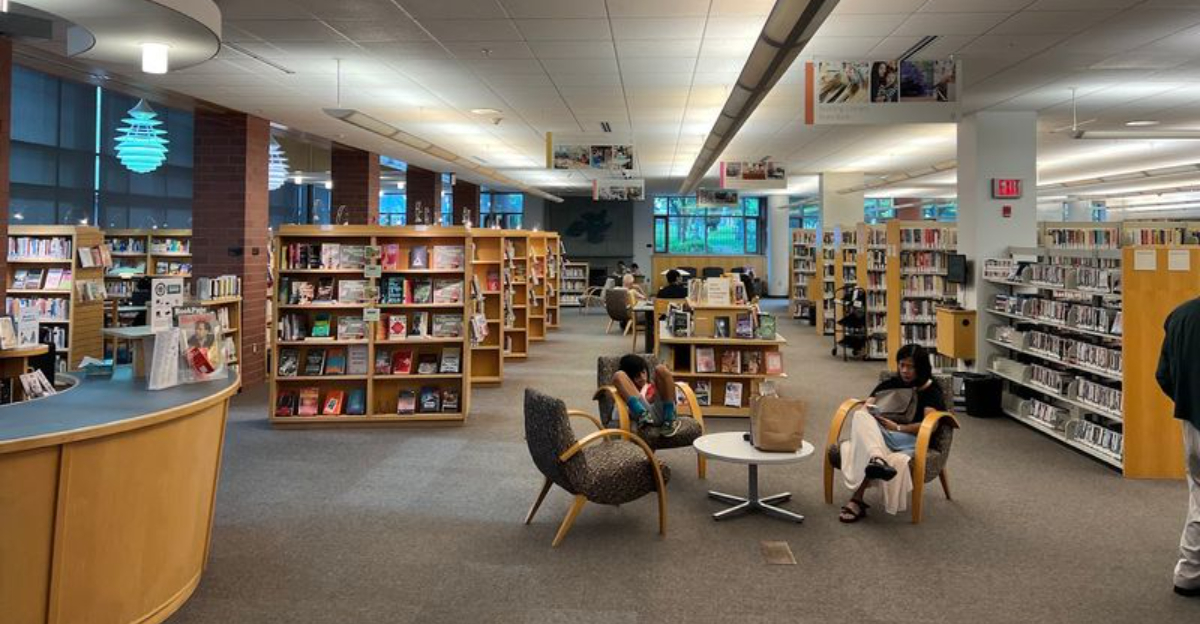
New Jersey has no shortage of public libraries, but every so often, one comes along that makes you stop and think: who designed this place, and can they build more of them? Princeton, a town already known for its historic university and walkable downtown, is home to a public library that genuinely raises the bar.
Spread across multiple floors with a cafe, outdoor seating, a children’s wonderland, a teen section, conference rooms, and a collection that covers everything from classic novels to video games, this place is hard to categorize as just a library. It functions more like a community hub that happens to have an extraordinary number of books.
Whether you are a lifelong reader, a student, a parent, or someone who just needs a quiet place to think, this library has something waiting for you.
Where the Library Calls Home
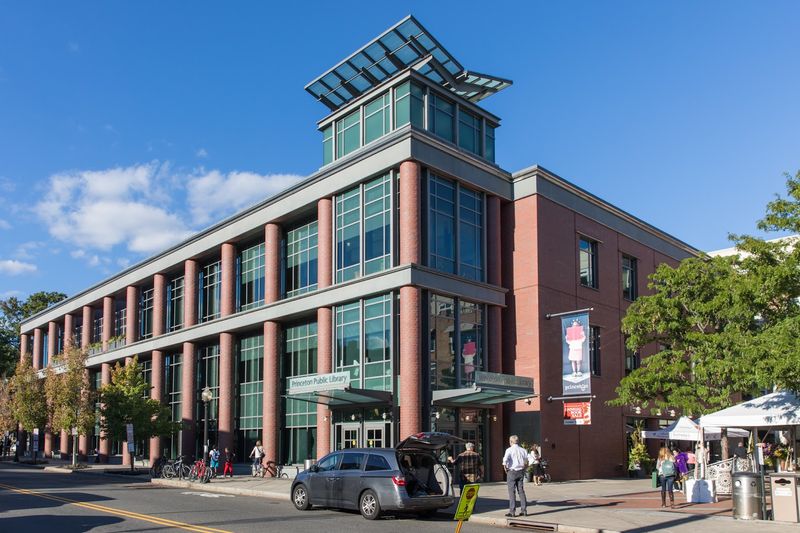
Right in the middle of downtown Princeton, at 65 Witherspoon Street, Princeton, NJ 08542, the Princeton Public Library holds its ground as one of the most well-positioned public buildings in the state.
The address is not just a detail. Being in the heart of Princeton means the library is within walking distance of the university, local shops, cafes, and historic streets that give this town its distinctive character.
The building itself fits naturally into its surroundings without feeling out of place. It has a clean, modern design that still respects the older architecture nearby.
Parking is available nearby, with metered street spots and garage options close by. Library card holders can get validated parking for up to two hours, which makes a longer visit much easier to plan.
The library is open seven days a week, making it one of the most accessible public resources in Mercer County.
A Building That Earns Its Reputation
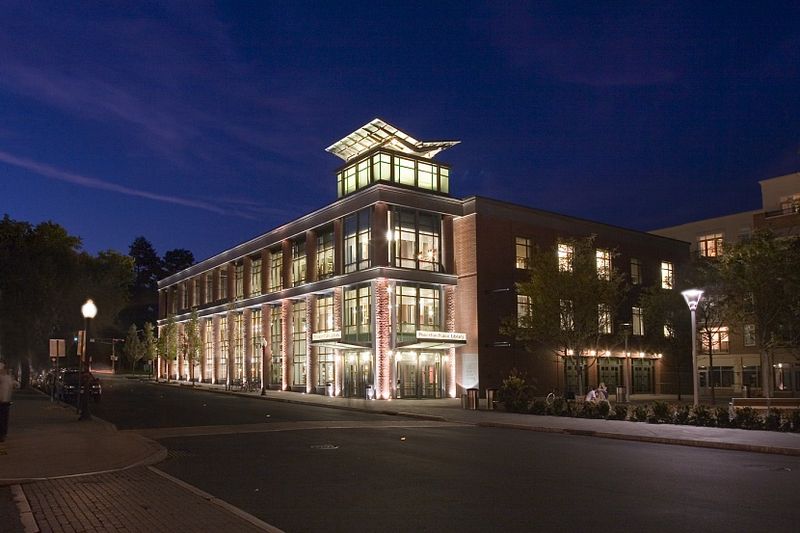
Not every public library gets described as beautiful, but Princeton Public Library earns that word without much argument.
The building spans three floors, each with its own purpose and personality. Natural light fills the interior during midday hours, giving the space a bright, open quality that makes long reading sessions feel less like sitting still and more like settling in.
Every floor is clearly organized so that finding a section, a computer, or a restroom never requires a map or a long search.
Stairs and elevators connect all levels, making the library fully accessible to everyone who walks through the door.
Bathrooms and water stations are available on each floor, which is a small detail that makes a big difference during extended visits.
The overall layout reflects careful planning. Nothing feels cramped or afterthought.
From the entrance to the top floor, the space communicates one clear message: this place was built to be used and enjoyed.
The Cafe That Keeps Everyone Going
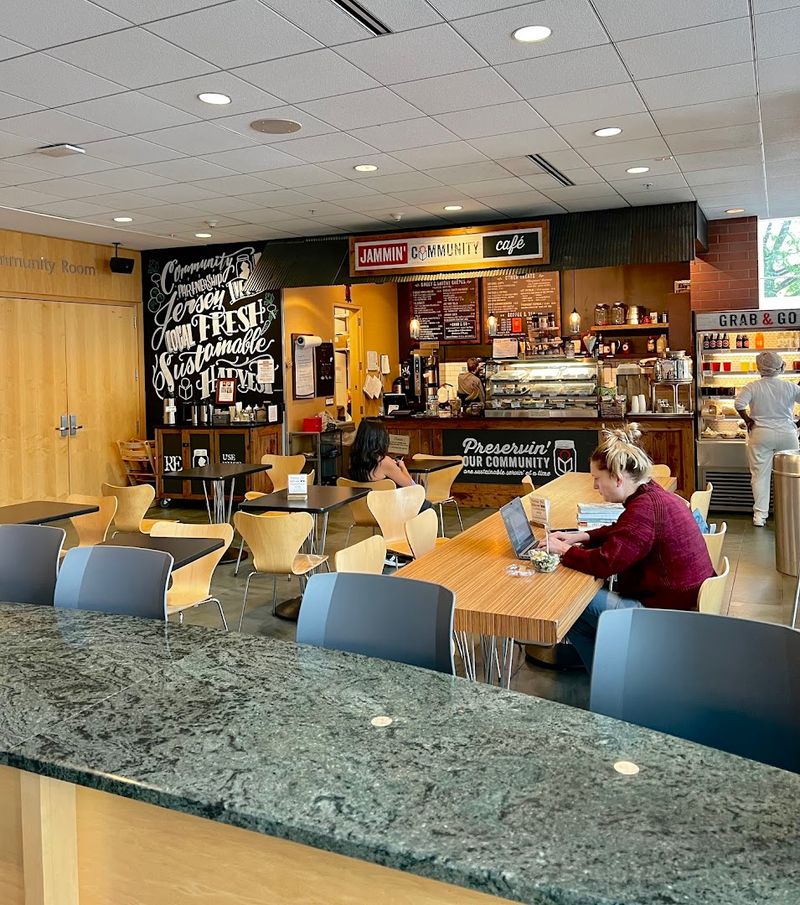
Right at the main entrance on the first floor, there is a small cafe that has become a beloved part of the Princeton Public Library experience.
The cafe offers a range of food and drink options, including coffee and tea, which makes it easy to fuel up before settling into a long study session or a good book.
One thing worth knowing: the cafe seating area does not have electrical outlets at the tables, so if working on a laptop is the plan, it is better to grab a coffee and move to one of the many other seating areas throughout the building.
The cafe staff are consistently described as friendly and welcoming, which adds to the overall warmth of the library environment.
Having a cafe inside a public library might seem like a small luxury, but for anyone spending several hours there, it turns a productive visit into something that feels genuinely comfortable and well-supported.
The Children’s Section Is Something Else
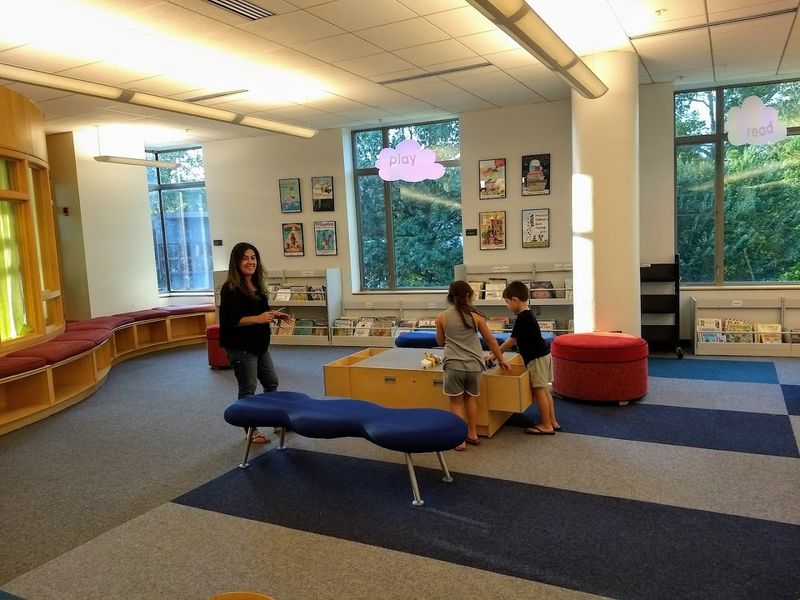
The children’s section at Princeton Public Library is the kind of space that makes kids want to come back every week without being asked twice.
It functions as a full library within a library, complete with its own computers where children can play, learn, and explore. The collection of books covers every age range and reading level, from board books for toddlers to chapter books for older kids.
One of the most charming details is the mini shopping carts available for young readers to use as they browse. It turns the act of choosing books into something that feels like an adventure rather than a chore.
The section also supports regular programming including story time and music classes, giving families a reason to visit on a regular schedule.
Parents who bring their children here often find themselves returning not just for the books but for the overall experience the space creates. It genuinely prioritizes young readers in a way that few public spaces do.
Teen Section Built for Real Use
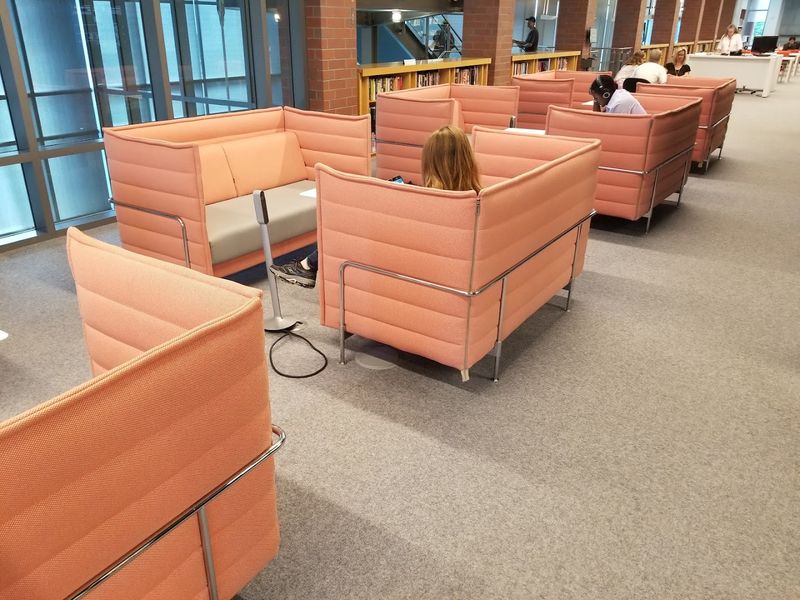
Teenagers can sometimes feel like an afterthought in public library design, but Princeton Public Library gives them their own dedicated space that actually reflects how teens use libraries in real life.
The teen section includes seating designed for comfort, a curated collection of young adult titles, and access to computers and other resources that support both schoolwork and personal interests.
The space strikes a balance between being a place to study and a place to simply hang out with a book. That flexibility is important for a demographic that does not always want to be in a strictly quiet, formal environment.
The library also runs programming specifically for teens, which helps connect younger community members to the broader resources the library offers.
Giving teens a section that feels built for them rather than assigned to them is a meaningful choice. It signals that the library considers young adults a real and valued part of its community, not just future adult patrons.
Study Spaces That Actually Work
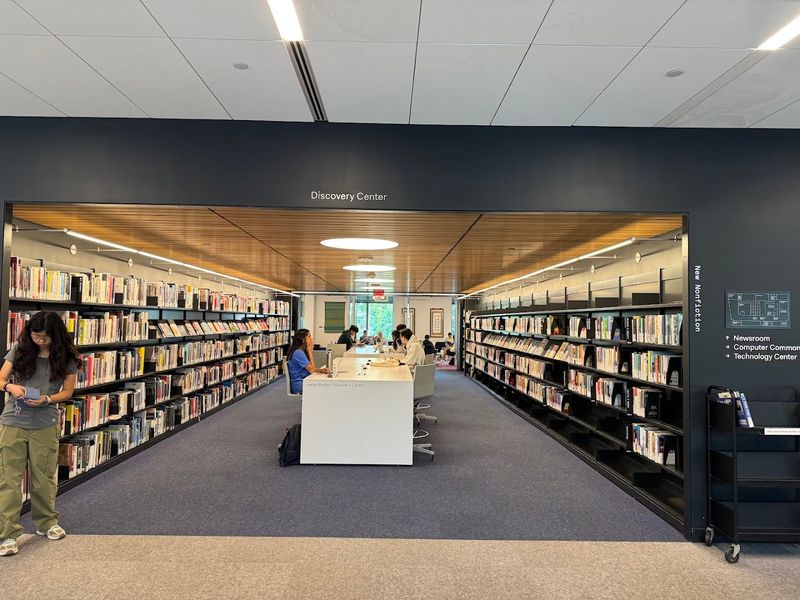
Finding a genuinely good place to study in a public setting is harder than it sounds, but Princeton Public Library has figured it out.
The second floor is known for its quiet areas and focused workspaces. Comfortable seating is spread throughout, and power outlets appear at regular intervals so that laptops and devices can stay charged through long sessions.
Free high-speed Wi-Fi is available throughout the building, which removes one of the biggest obstacles to productive work outside the home or office.
Digital search stations, computers, printers, and scanners are placed across the library, making it possible to handle most research and document tasks without bringing extra equipment.
Conference rooms are also available for booking, at a rate of twenty dollars per hour, and must be reserved in advance. These rooms work well for group study sessions, meetings, or any task that requires a bit more privacy.
The overall setup makes the library one of the more practical and well-equipped workspaces available to the public in Princeton.
Games, Puzzles, and the Library of Things
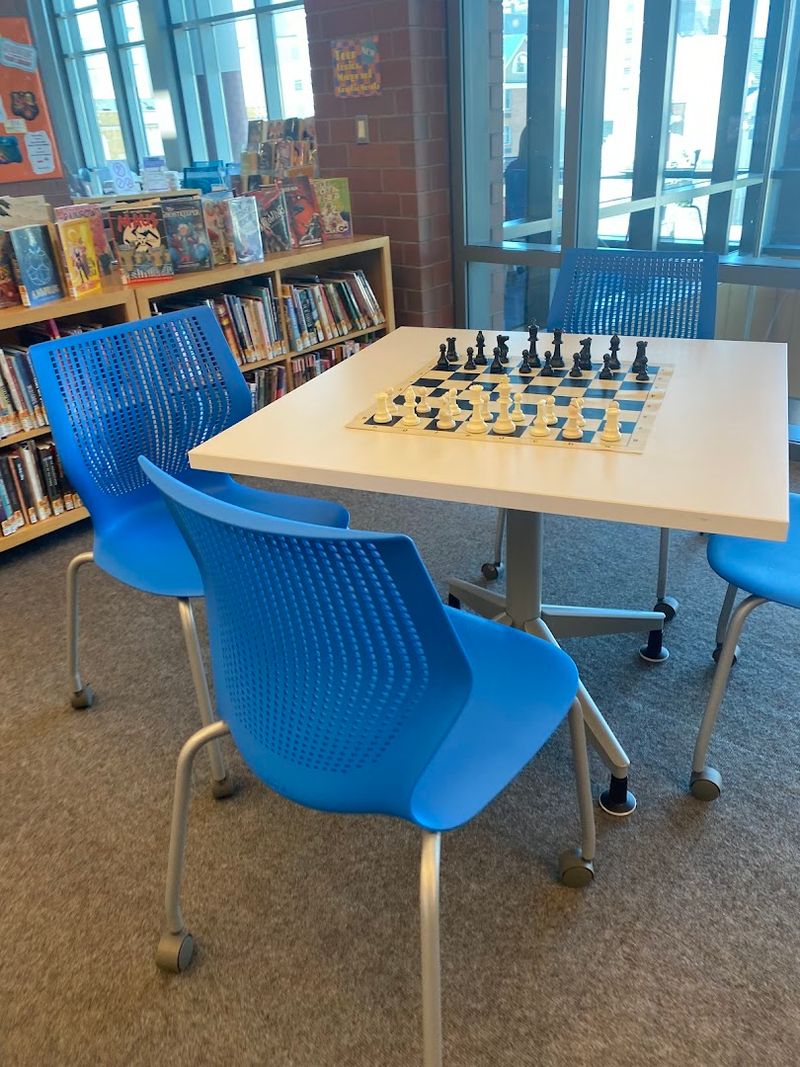
Books are the foundation, but Princeton Public Library has expanded its collection well beyond the printed page.
Chess tables and puzzle stations are set up throughout the library, offering something to do that does not require a library card or a screen. These spots tend to attract a mix of regulars and first-time visitors, creating small pockets of community activity within the larger space.
The library also offers a Library of Things program, which allows patrons to borrow items that go beyond traditional books and media. This kind of lending program reflects a modern understanding of what a public library can be for its community.
Video games and movies are also available for rental, which broadens the appeal of a library card considerably.
A library store on the premises sells donated books, CDs, and DVDs starting at just one dollar, making it possible to walk out with a small personal collection without spending much at all.
The range of what this library offers is genuinely impressive for a single public building.
Community Programming Worth Showing Up For
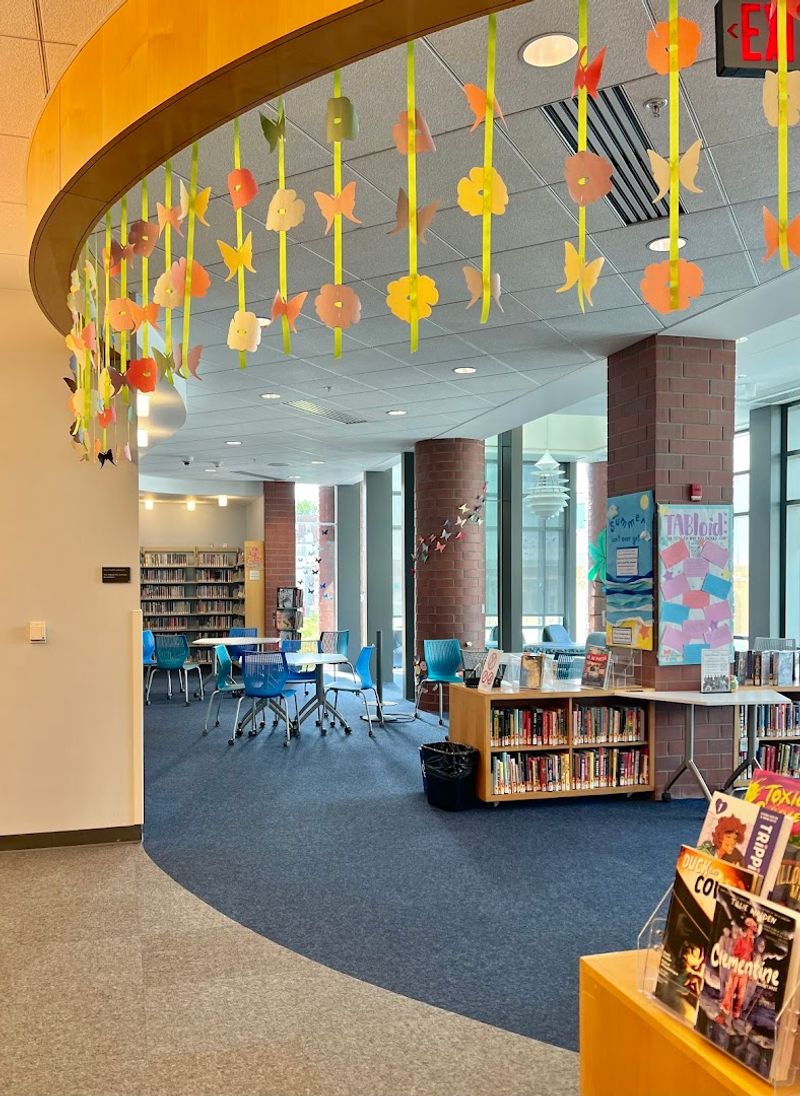
The weekly calendar at Princeton Public Library reads more like a community center schedule than a traditional library lineup.
Regular programming includes art programs, lecture series, music classes, story time for children, and seasonal outdoor events like movies on the lawn. These events are open to the community and reflect the library’s commitment to being a gathering place, not just a collection of materials.
Pamphlets and bulletins throughout the building keep visitors informed about upcoming events, and the library’s website provides an updated schedule for anyone planning a visit around a specific program.
The programming covers a wide age range, from toddlers attending story time to adults joining lecture series and community discussions. That breadth makes the library relevant to nearly every household in Princeton.
For families who visit regularly, the event schedule becomes a rhythm. It gives people a reason to return each week, turning the library from a one-time destination into a consistent part of community life.
Library Card Perks Worth Knowing
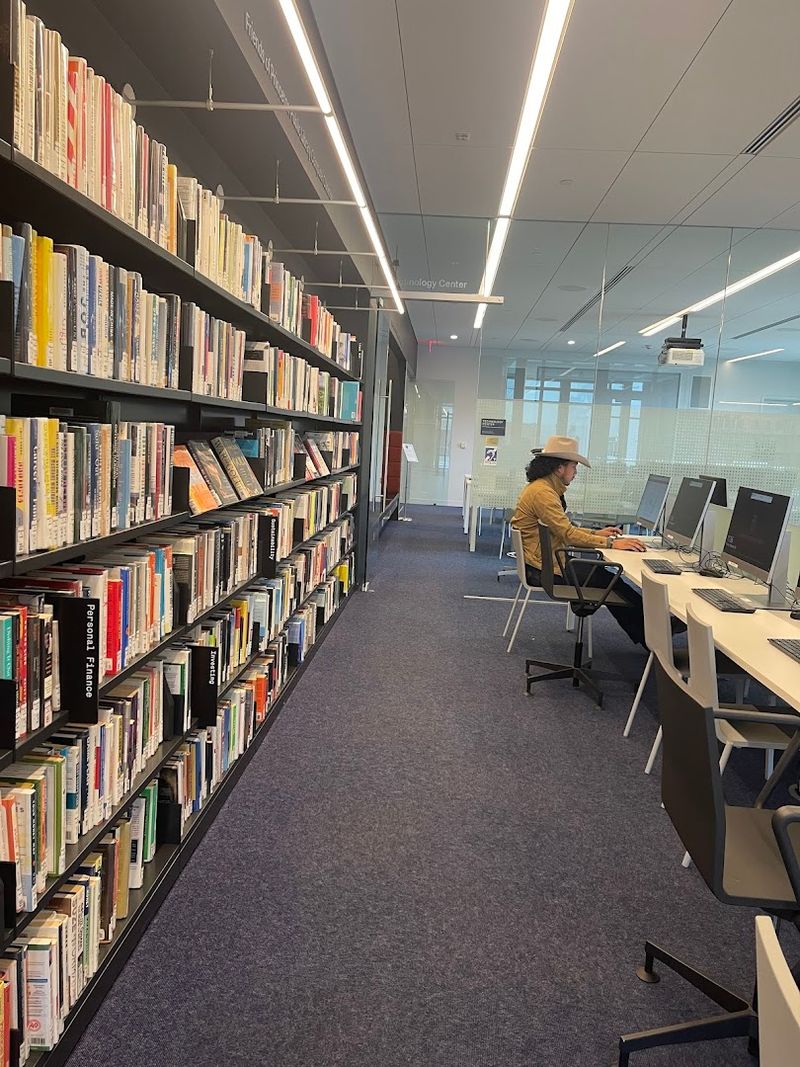
A library card at Princeton Public Library comes with benefits that go well beyond borrowing books.
Card holders receive validated parking for up to two hours at nearby parking facilities, which is a meaningful perk in a downtown area where parking can be competitive. There is also a free thirty-minute parking block available for quick visits.
Membership gives access to the Libby app, which allows patrons to borrow e-books and audiobooks digitally with short wait times. This extends the library’s reach far beyond its physical walls.
To qualify for a free library card, a person must be a resident of Princeton or Mercer County, a student at Princeton University, or a teacher. Non-residents can obtain a card through a subscription program.
Non-members can still use the library’s facilities, including computers, seating, and public spaces, but borrowing physical materials requires a card.
The membership structure is straightforward, and the perks make signing up a practical decision for anyone in the area.
The Staff That Makes It All Work
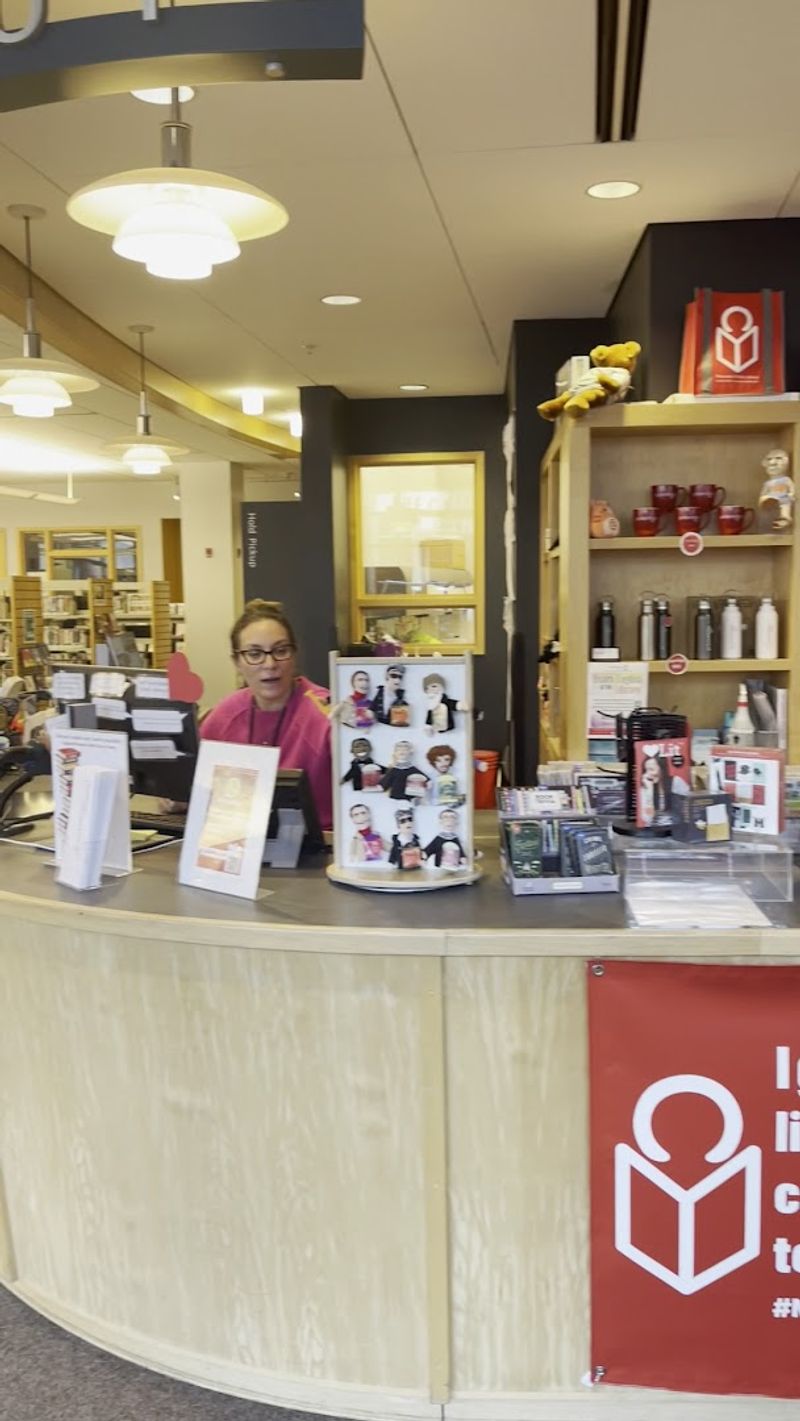
A library is only as good as the people running it, and the staff at Princeton Public Library consistently stand out as one of its strongest assets.
Librarians across all floors are described as knowledgeable, patient, and genuinely helpful. Whether someone needs help locating a specific title, navigating the digital catalog, or understanding how to use a piece of equipment, the staff approach each request with care.
The library has also supported patrons with specific needs, including helping students complete academic tests with the assistance of both library staff and remote professors. That level of coordination goes well beyond basic library service.
Staff on the second floor have been noted by name for their helpfulness and positive attitude, reflecting a workplace culture that prioritizes service.
The cafe staff share that same welcoming energy, making the entire building feel consistent in tone from the entrance to the upper floors.
In a public institution, that kind of staff culture is not something that happens by accident. It is built deliberately, and it shows.
Assistive Technology and Accessibility
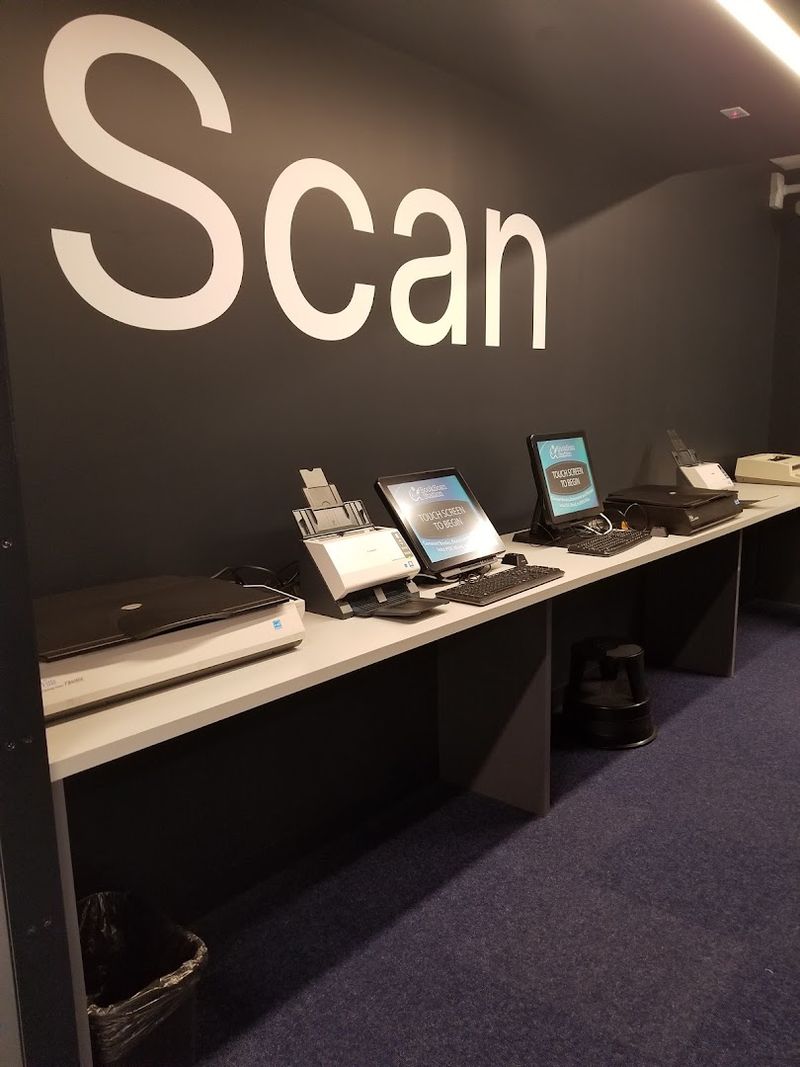
Princeton Public Library takes accessibility seriously, and the building reflects that commitment in practical, visible ways.
Elevators connect all three floors, ensuring that every part of the building is reachable regardless of mobility. Bathrooms and water stations are available on every floor, so no one has to travel far for basic needs during a long visit.
The library also offers assistive listening technology, which supports patrons with hearing differences during programs and events. This kind of equipment is not universally available at public libraries, making its presence here a notable detail.
Self-checkout kiosks allow patrons to borrow materials quickly and independently, reducing wait times and giving people more control over their visit.
Charging outlets are distributed throughout the building, which supports patrons who rely on powered devices for communication, work, or accessibility purposes.
The overall approach to accessibility at Princeton Public Library reflects a genuine effort to make the space functional and welcoming for every member of the community, not just the most able-bodied visitors.
The Library Store and Donated Collections
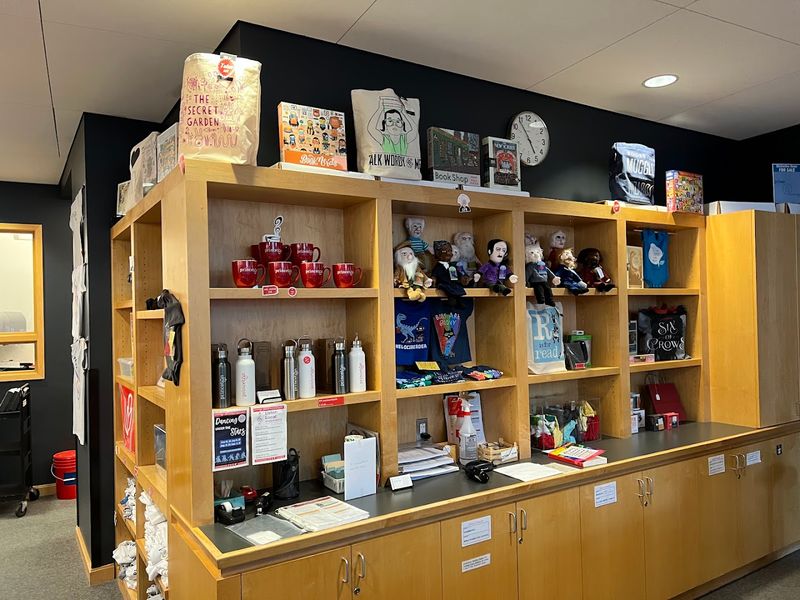
Tucked within the Princeton Public Library is a small but well-stocked library store that deserves more attention than it typically gets.
The store features donated books spanning a wide range of genres, along with CDs and DVDs, all priced starting at just one dollar. For book lovers on a budget, it is the kind of place where a five-dollar bill can turn into a small personal library.
The selection rotates regularly as donations come in, which means repeat visitors often find something new on each trip. That unpredictability is part of the appeal.
Picking up a used book from a library store carries a certain charm. It has history, it supports the library, and it costs almost nothing.
Proceeds from the store support library programs and operations, so every purchase contributes directly to the institution that houses it.
For anyone who already plans to spend time at the library, stopping by the store before leaving is a habit that is easy to develop and hard to break.
Hours, Access, and Practical Visit Tips
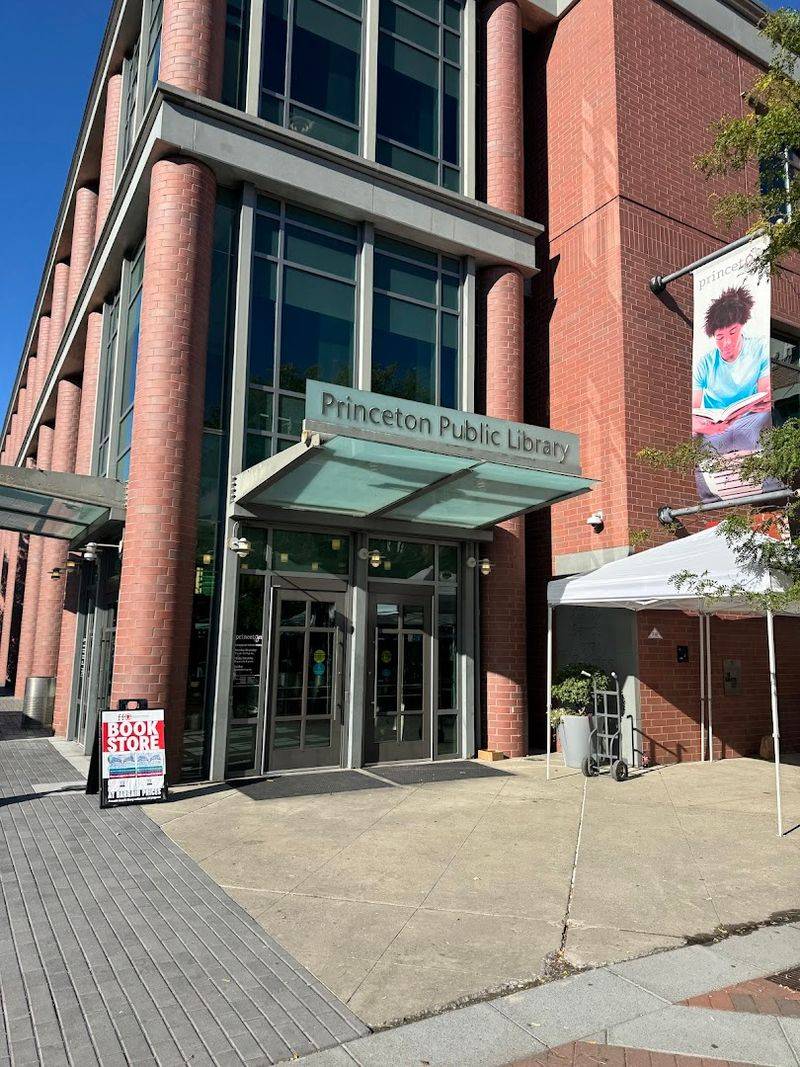
Planning a visit to Princeton Public Library is straightforward once you know the schedule.
The library is open seven days a week. Monday, Tuesday, and Wednesday hours run from 9 AM to 8 PM.
Thursday hours are 1 PM to 8 PM. Friday and Saturday hours are 9 AM to 5 PM, and Sunday hours run from noon to 5 PM.
The library is open to the public without requiring a membership. Anyone can walk in, use the facilities, access computers, and spend time in the reading areas.
Borrowing physical materials does require a library card.
For those who find the building busy on weekends, weekday mornings tend to offer a quieter experience with more available seating.
The library can get lively, particularly when children and families are present, so choosing a seat away from the main staircase helps if a quieter environment is preferred.
Checking the library’s website at princetonlibrary.org before visiting is the best way to confirm hours, reserve a conference room, or find upcoming events.
Why Princeton Public Library Stands Apart
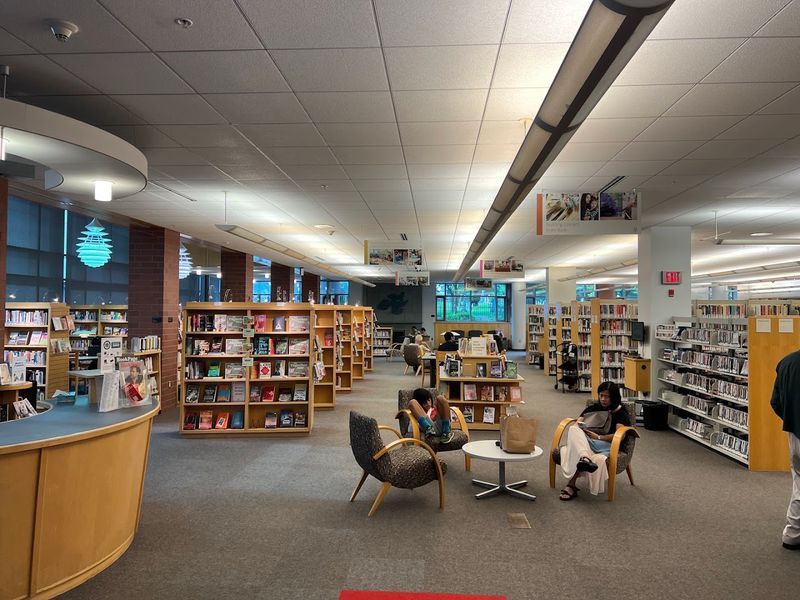
There are public libraries, and then there are places like Princeton Public Library that redefine what a public library can actually be.
The combination of a well-organized collection, multiple study environments, a children’s section that genuinely excites young readers, a teen space that respects its audience, outdoor seating, a cafe, community programming, assistive technology, and a staff that cares makes this building exceptional by any measure.
What makes it stand out further is that all of these elements coexist without the space feeling cluttered or chaotic. Each floor has its own identity, and the whole building functions as a coherent, purposeful place.
Libraries like this one remind communities what public investment can produce when it is done with real intention. Princeton residents have access to a resource that many towns and cities never manage to build.
For anyone passing through Princeton or planning a trip to the area, a stop at this library is not just recommended. It is the kind of place that changes how you think about what a library should be.



