 Unearth The Voyage
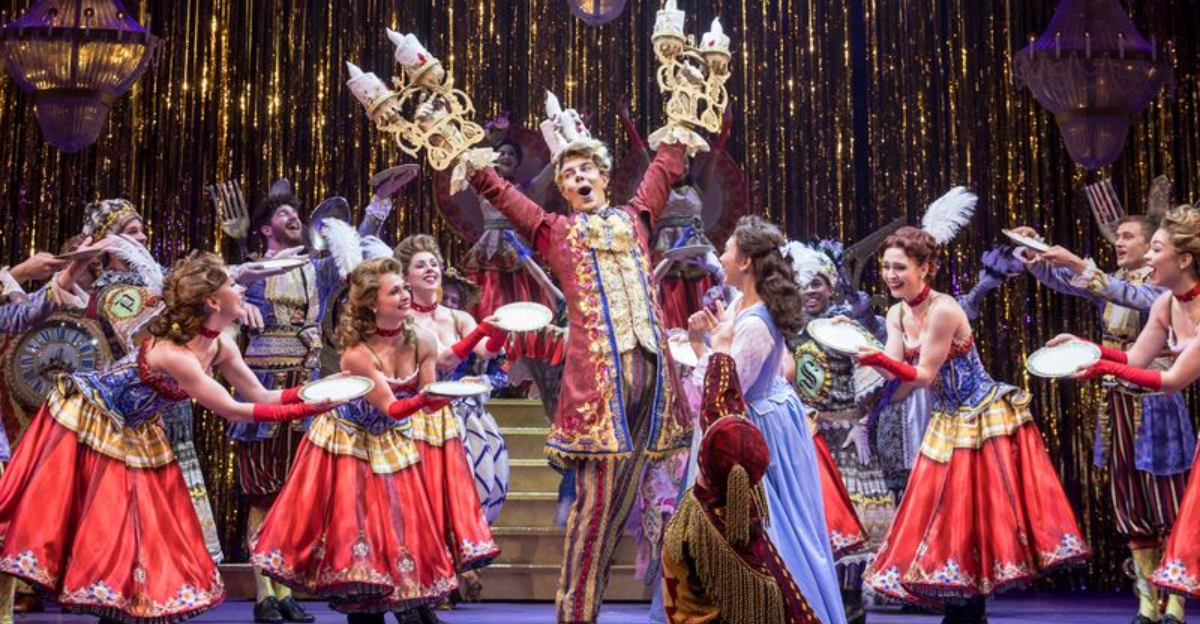
A theater in Millburn has built the kind of reputation that makes regulars book early and first timers wonder why they waited so long. Its productions do not play like scaled-down versions of bigger shows, because the stagecraft, performers, and musical ambition keep aiming higher than the regional label suggests.
That matters in New Jersey, where a night out can feel practical and impressive at the same time, especially when the train, shuttle, and parking options make the plan easier than a Manhattan expedition. Keep reading and the full picture comes into focus: a 1,200-seat playhouse with Broadway muscle, a smart location, a loyal audience, and a history of sending major productions into the larger theater world with confidence and style.
Where It All Begins
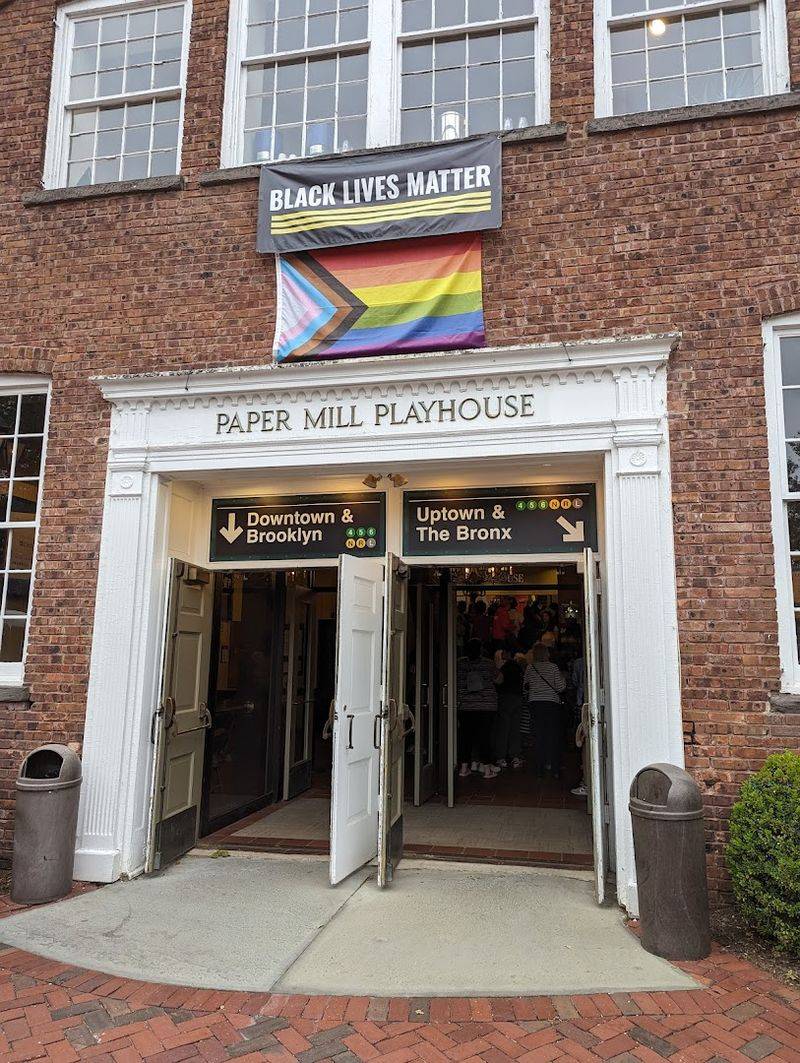
The first useful detail belongs right on the page: Paper Mill Playhouse stands at 22 Brookside Dr, Millburn, NJ 07041, in the United States, tucked into a well-known arts corner of Essex County. That exact address matters because this theater is close enough to plan easily, yet distinct enough to feel like a destination with its own rhythm.
Plenty of venues promise a Broadway-style evening, but this one has the scale and reputation to make that claim stick. With a 1,200-seat house and a long record of high-profile musicals, it gives Millburn a cultural landmark that reaches far beyond local lines.
The location also explains part of the appeal. It sits near the town center and train access, making it practical for North Jersey audiences, New York visitors, and anyone who likes theater without turning logistics into a second act that runs too long.
A Launchpad for Big Shows
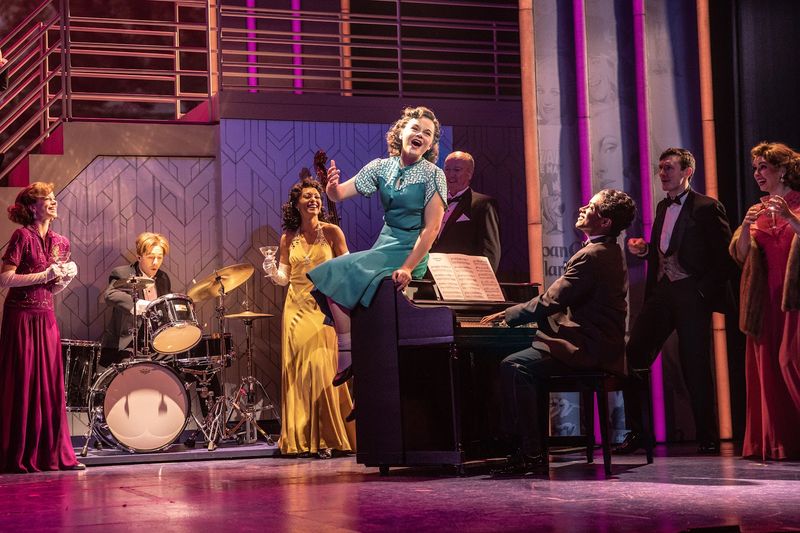
Regional theater can sometimes sound like a warm-up act, but that label falls apart here. Paper Mill Playhouse is widely respected as a serious launching pad for productions that can move into the national conversation, and that history gives every season a little extra suspense.
The reason people watch this stage closely is simple: shows developed or polished here have gone on to Broadway attention, and audiences know they may be seeing work before it grows into something even larger. That creates a useful kind of energy, not hype for hype’s sake, but genuine interest in the caliber of artistic work happening in Millburn.
Even when a production stays right where it is, the standard remains high. Sets, orchestrations, and casting are regularly described as Broadway-level, which means a ticket here is not a compromise or a backup plan.
It is often the plan savvy theatergoers make first, and with good reason every season.
Why the Room Works
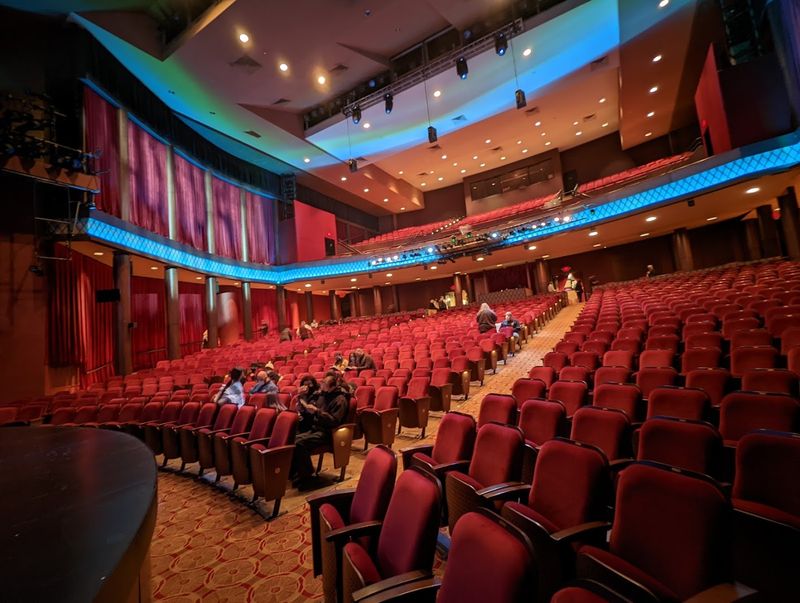
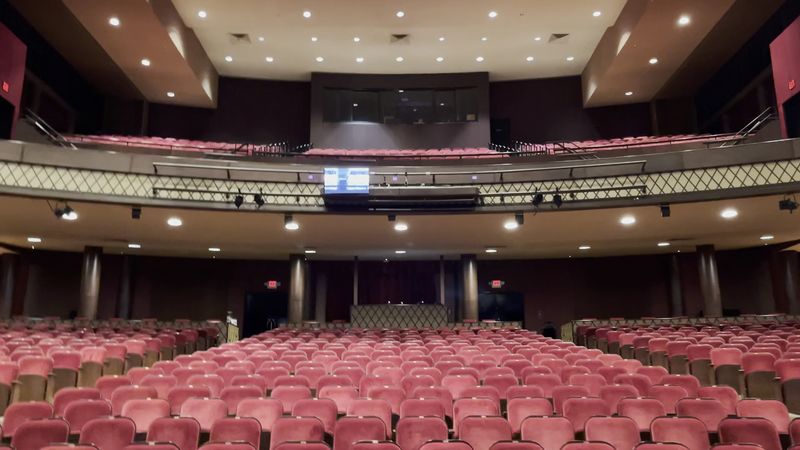
Scale is one of this theater’s quiet advantages. A 1,200-seat house is large enough to support major musicals and full-bodied orchestration, yet still small enough that many seats feel connected to the stage rather than parked in a distant zip code.
That balance shows up in how people talk about the room itself. Sightlines are often praised, front mezzanine seats are considered strong options, and the overall layout supports the kind of staging that needs movement, ensemble precision, and visual clarity without relying on oversized spectacle alone.
The design also helps the audience stay focused on the production rather than the mechanics of being there. Comfortable seating, a clean layout, and a theater that feels organized all contribute to a smoother night out, which matters more than venues sometimes admit.
When a playhouse gets the basics right, the performance carries the evening instead of competing with avoidable distractions, and that is a neat trick worth applauding without turning it into a standing ovation for the furniture.
Musicals Are the Main Event
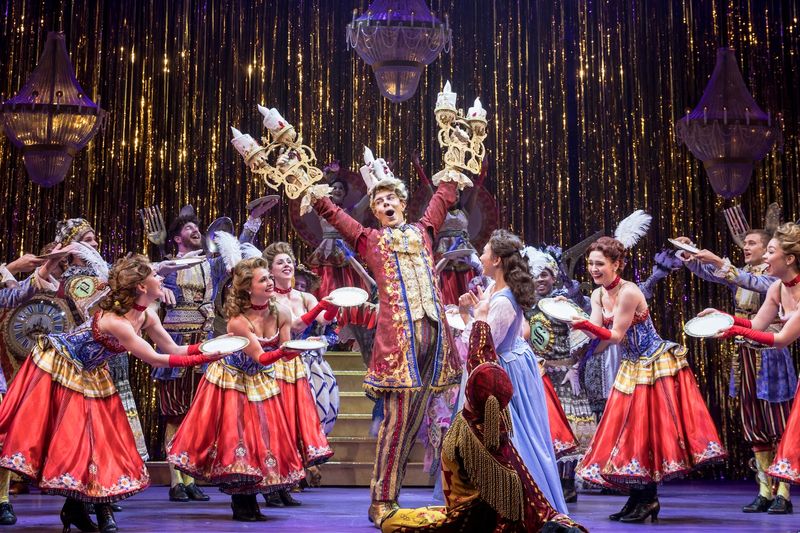
No one heads here for half-measures. Paper Mill Playhouse is best known for musical theater, and that focus shapes everything from the scale of productions to the audience expectations that keep each season under a fairly bright spotlight.
Titles mentioned by recent patrons include Come From Away and Frozen, while longtime visitors also connect the venue with productions such as Jersey Boys and Fiddler on the Roof. The point is not just name recognition.
It is the theater’s ability to handle familiar material with enough technical and performance strength that people compare the results to Broadway rather than to a smaller local outing.
The orchestra, the stage design, and the casting all matter here because musicals demand coordination at every level. Reviews repeatedly note those combined strengths, which helps explain why this playhouse keeps earning repeat visits across generations.
When a venue becomes the place where family traditions and serious theater fandom happily share the same aisle, it has clearly found its script and nailed the casting too.
An Alternative to Manhattan
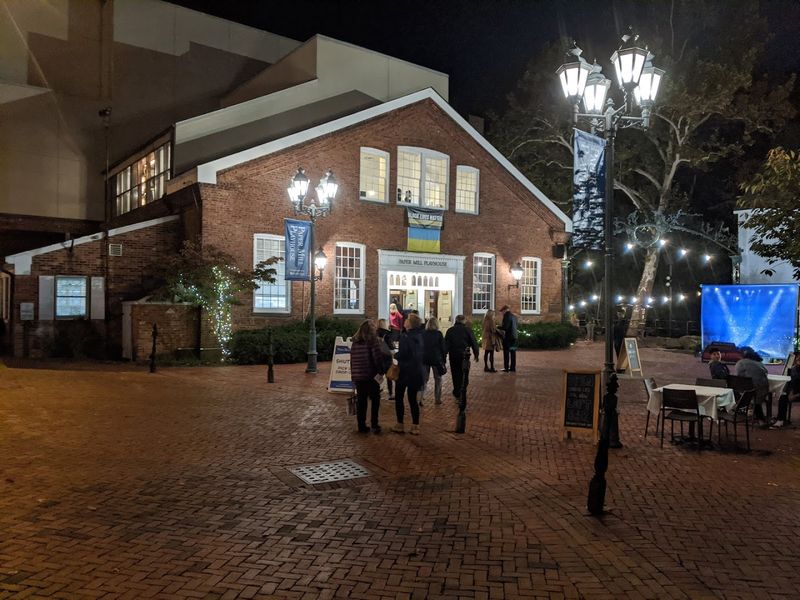
For many people in North Jersey, the strongest selling point is not only artistic quality but geography. Paper Mill Playhouse offers a credible alternative to going into Manhattan, which means fewer layers of planning without giving up the scale or polish theater fans want.
That convenience does not make the experience feel lesser. Quite the opposite, really.
Reviews describe it as a high-quality theater close to home, and that phrase captures why the place stays so popular with loyal audiences who want major productions without the full city-theater shuffle.
Visitors from New York can also make the trip without much fuss. Millburn is reachable by NJ Transit from Penn Station, and the theater’s proximity to the station helps turn the outing into a manageable cross-state cultural run instead of an endurance test in nice shoes.
In practical terms, that means more attention can go to the show itself, which is exactly where a theater wants the spotlight to land when curtain time rolls around.
Getting There Without Drama
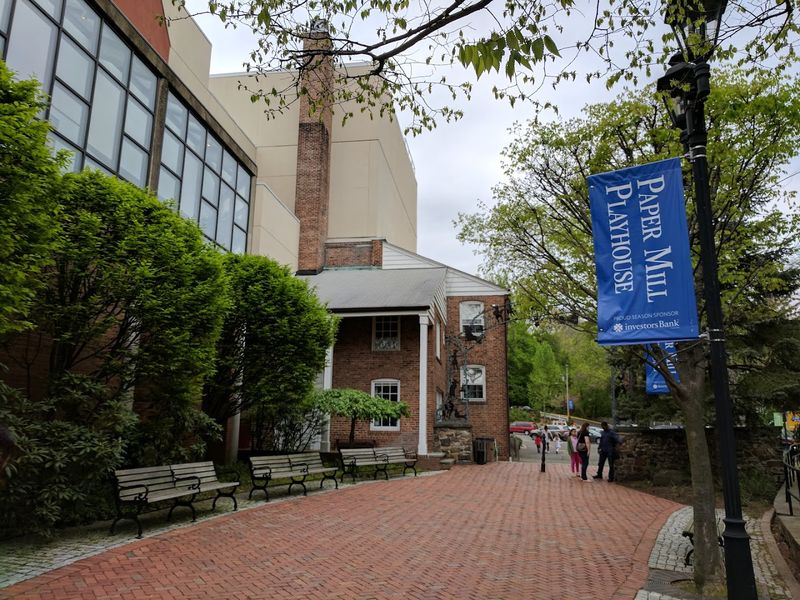
Transportation deserves its own round of applause here, because getting to a performance should not require advanced choreography. The Millburn train station is a practical arrival point, and multiple visitors note that a free shuttle helps bridge the final stretch to the theater.
That service matters more than it may seem on paper. It makes the venue friendlier for people coming by rail, for visitors unfamiliar with the area, and for anyone who simply prefers not to navigate parking and traffic before a show begins.
Several patrons specifically describe the shuttle as convenient, which is one of those modest compliments that often means a system actually works.
There is also the comfort of having options. Some people walk from the station, others park downtown or onsite, and others mix both methods depending on timing.
A theater that supports several approaches usually earns better repeat business, because the evening starts to feel flexible rather than fussy. That may not sound glamorous, but reliable logistics are the unsung understudies that keep the production moving.
A Theater That Welcomes More People
Accessibility is one of the most important details any venue can get right, and this playhouse appears to take that responsibility seriously. One recent visitor who needed accessibility help described the staff as especially supportive, which says a great deal about how the theater handles real-world needs.
Other practical touches reinforce that impression. Reviews mention booster seats or cushions for children, polite staff, and an overall sense that the operation is organized to help different audiences settle in without unnecessary hassle.
None of that is flashy, but it shapes the experience in lasting ways.
A good theater welcomes people before the curtain rises, not just after the orchestra starts. That means clear assistance, useful accommodations, and employees who understand that a strong night out depends on more than what happens onstage.
Paper Mill Playhouse seems to understand that equation well. When basic support is handled with professionalism instead of confusion, the venue earns something better than praise alone.
It earns trust, and trust is the ticket people keep buying again.
The Staff Set the Tone
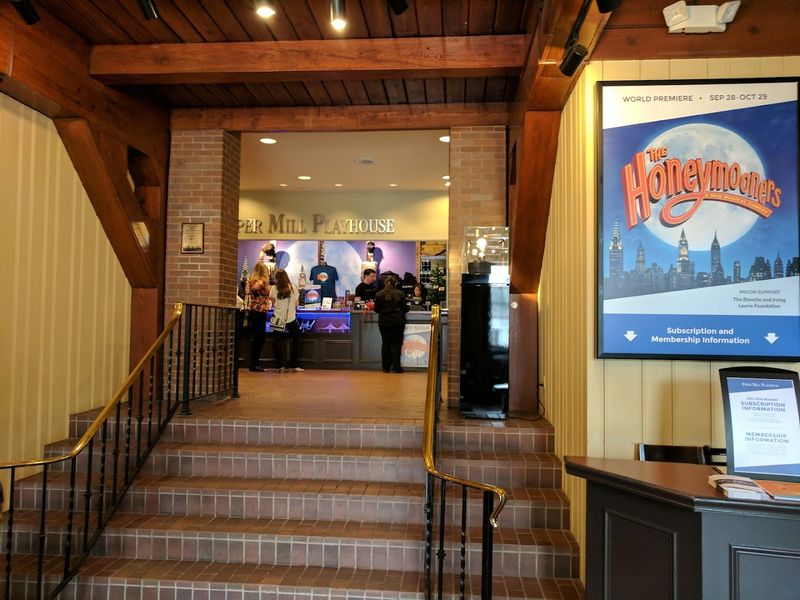
Some venues rely entirely on the performers to create goodwill, but the front-of-house team shapes the evening long before the cast takes over. At Paper Mill Playhouse, reviews repeatedly mention courteous staff, helpful shuttle drivers, and a general sense of professionalism that keeps the operation on track.
That kind of consistency matters because it turns a performance into a full experience rather than a two-hour island floating inside a stressful night. Box office interactions, usher guidance, concessions, and post-show flow all affect how visitors remember the place, especially first timers still deciding if they will return.
The comments suggest a theater that understands hospitality without overdoing the pageantry. Friendly service, clear direction, and a capable team can make even a crowded evening feel manageable, and that steadiness supports the artistic reputation in practical ways.
Plenty of theaters have talent onstage. Fewer have an offstage cast that knows how to keep things moving with equal polish.
Here, the supporting players in staff badges seem to know their cues, and that is a production detail worth noting.
Crowds, Timing, and Smart Planning
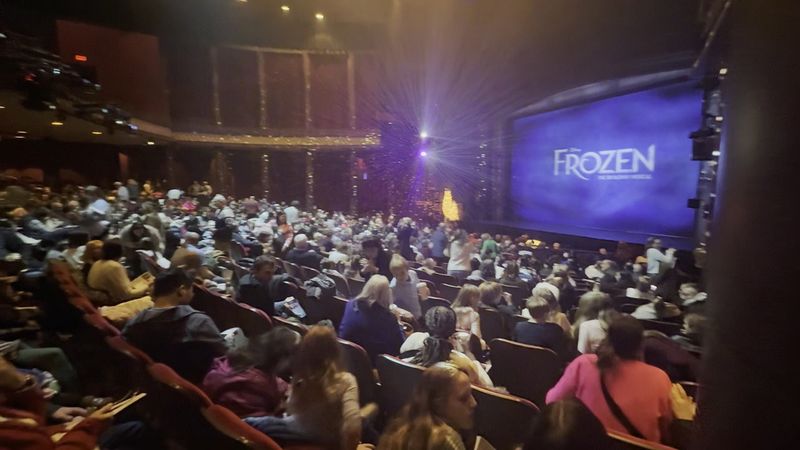
Popularity is a pleasant problem until it becomes a line, and this theater knows both sides of that equation. Sold-out performances are common enough that regulars advise booking early, especially for headline musicals or seasonal productions that attract families and longtime subscribers alike.
The lobby and waiting areas can feel tight before the house opens, according to some visitors, so timing helps. Arriving with a little margin allows for tickets, concessions, merchandise, and a calmer walk to seats without turning the pre-show period into a contest in strategic standing.
That advice is not a warning so much as a useful bit of stage management for your own evening. Buy early, show up with time to spare, and expect a popular venue to behave like a popular venue.
The upside is clear: strong demand usually reflects a theater people genuinely want to attend. In other words, the crowds are not random.
They are the visible proof that this place has built a loyal audience, and loyalty like that is not earned by accident or by understudies alone.
The Surroundings Add to the Night
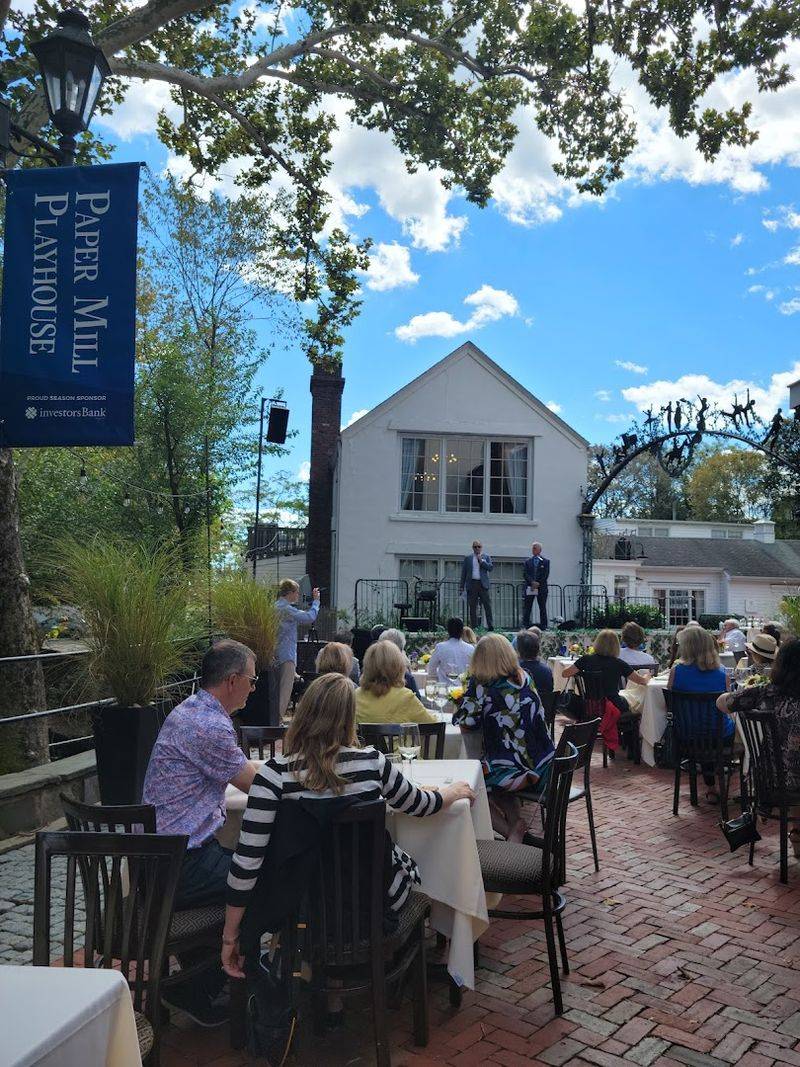
Not every memorable theater detail sits inside the auditorium. There’s also patio seating, benches, and the general layout around the building, all of which help the venue feel like a complete night-out setting rather than a box that opens only at curtain time.
There is also a restaurant just outside the theater area, along with concessions and merchandise inside. Those features give audiences places to gather, pause, and organize the evening without wandering far, which is especially helpful on busy performance nights when timing can get tight.
The result is a playhouse with a bit of campus energy. People can arrive, settle in, meet up, and keep the outing contained in one coherent area instead of scattering around town to piece the schedule together.
That may sound like a small operational detail, but it changes the tone of the visit in practical ways. A theater works best when the whole evening feels connected, and here the setting seems to know its role and hit the mark with dependable timing.
Value Beyond the Ticket
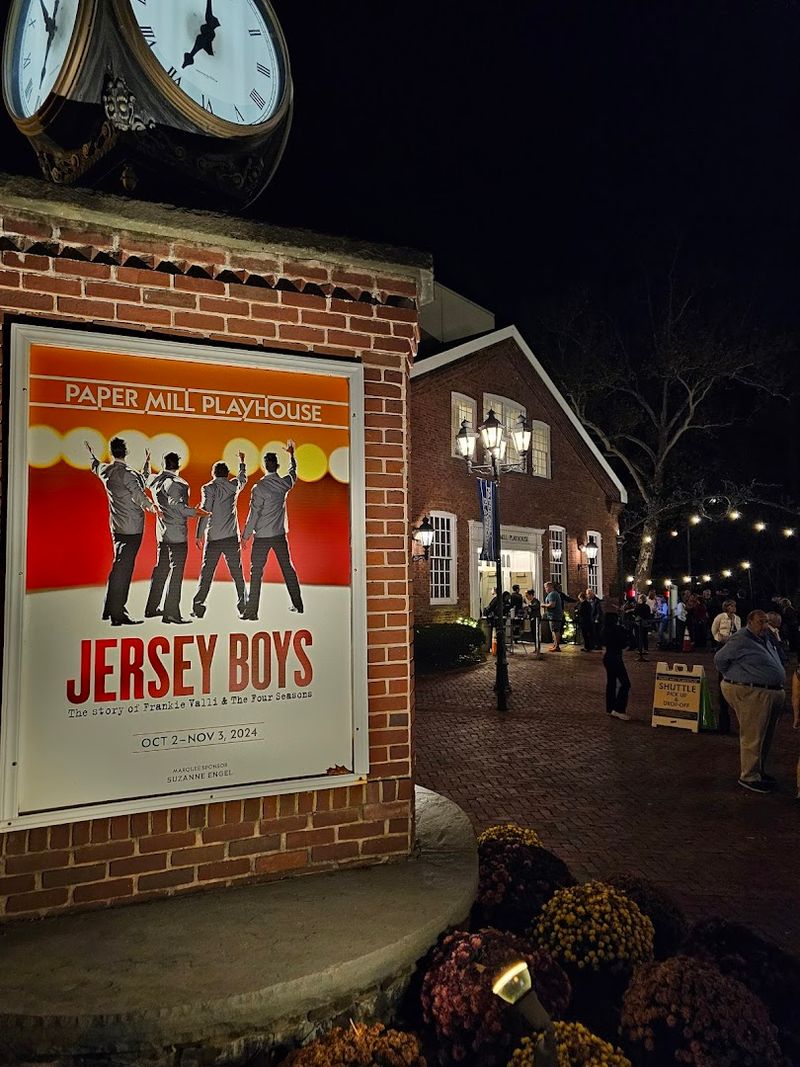
Ticket prices come up in the conversation for a reason. Some patrons note that shows can feel expensive, especially for people hoping to attend more than once each season, but the value argument tends to return quickly because the production quality is often described in Broadway terms.
That is the tradeoff in plain language. Audiences may pay more than they would for a modest local performance, yet they are also stepping into a venue known for major musicals, strong performers, and accomplished design work.
When the standard is high, the price discussion changes from cheap versus costly to worthwhile versus skippable.
Paper Mill Playhouse appears to land on the worthwhile side for many theatergoers, particularly those comparing the experience with a trip into New York. Travel savings, easier logistics, and the possibility of seeing top-tier work close to home all strengthen the case.
It may not be bargain-bin entertainment, but it does deliver the kind of evening that makes people start checking the season calendar before the curtain has fully come down.
A Loyal New Jersey Institution
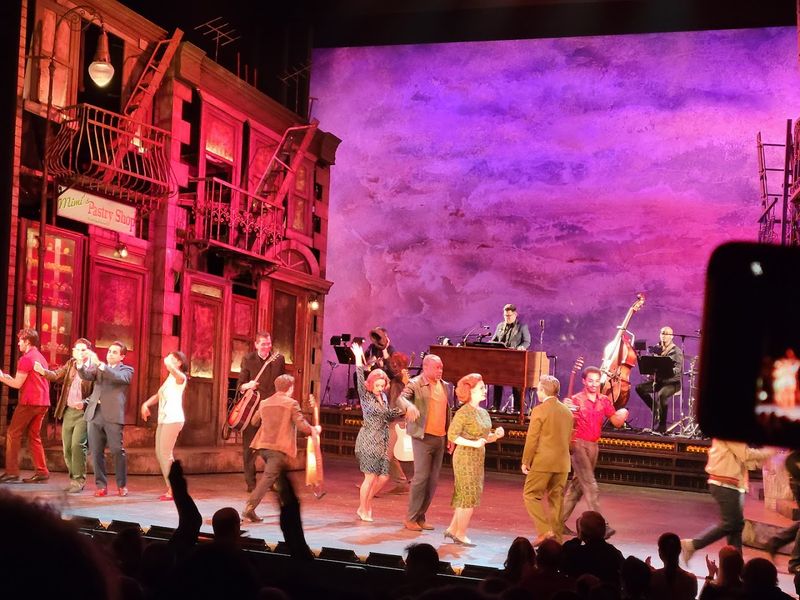
Some places become habits, and others become institutions. Paper Mill Playhouse clearly belongs in the second group, with reviews from longtime attendees describing years of visits, annual traditions, and a dependable trust that the theater will keep delivering a strong reason to return.
That loyalty is one of the best indicators of a venue’s standing. People mention seeing multiple shows over the years, returning for holiday productions, and recommending the playhouse as one of New Jersey’s standout theaters.
Those are not casual endorsements. They suggest a place woven into the cultural routine of the region.
The institution label can sometimes feel dusty, but not here. In this case it points to continuity, relevance, and a theater that still draws new audiences while keeping veterans engaged.
That balance is harder than it looks. Venues need tradition without becoming static, and popularity without flattening their identity into generic crowd-pleasing.
Paper Mill Playhouse seems to manage that balancing act with unusual confidence, which is probably why so many regulars already know where they want to sit next season.
Why Broadway Watches

Broadway attention does not drift toward a regional stage by accident. It gathers where producers, artists, and theatergoers know the work will be taken seriously, and Paper Mill Playhouse has spent years building that kind of credibility through consistent musical production at a substantial scale.
The venue’s reputation rests on more than one successful title. It comes from the repeated pattern of mounting ambitious shows with professional casts, strong design, and the kind of execution that invites comparison with larger markets.
When a theater can support that level of work in Millburn, it naturally earns a place in the broader conversation about what moves next and where strong productions begin.
That is what makes the playhouse more than a beloved local venue. It is also a proving ground, a place where audiences get the pleasure of seeing polished work without waiting for someone else to declare it important first.
In theater terms, that is a pretty enviable role. In audience terms, it means the bragging rights are built right into the ticket stub.
The Final Curtain
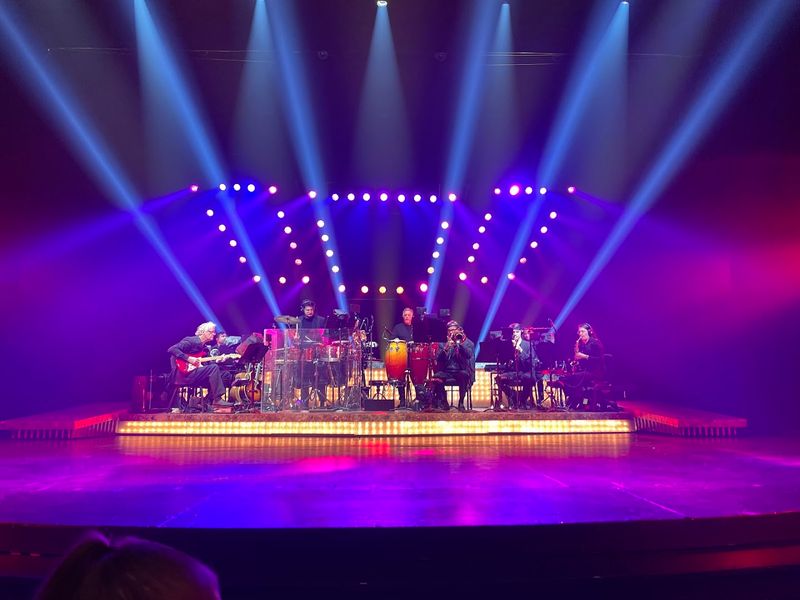
By the time the evening wraps, the larger point becomes clear. Paper Mill Playhouse is not simply a convenient New Jersey theater with a loyal audience.
It is a venue where location, production quality, practical planning, and artistic ambition meet in a way that feels unusually complete.
That completeness explains why people return for holiday shows, headline musicals, and first visits that quickly become repeat business. It also explains the title this place has earned over time: beloved, yes, but also influential, because Broadway-caliber work has a habit of taking shape here before heading into bigger spotlights.
For travelers, locals, and serious theater fans, Millburn offers more than a pleasant night out. It offers a respected stage with real reach, a manageable path from train or car to seat, and a program that keeps rewarding attention.
Some theaters ask for patience in exchange for promise. This one offers proof.
When the curtain falls at Paper Mill Playhouse, the takeaway is simple: New Jersey is not playing a supporting role here, and neither is this stage.



